Overseas Filipinos Organize Cultural Showcases Promoting Philippine Traditions
Share
June 21, 2026
Updated Oct 15, 2026
8 min read
215 views
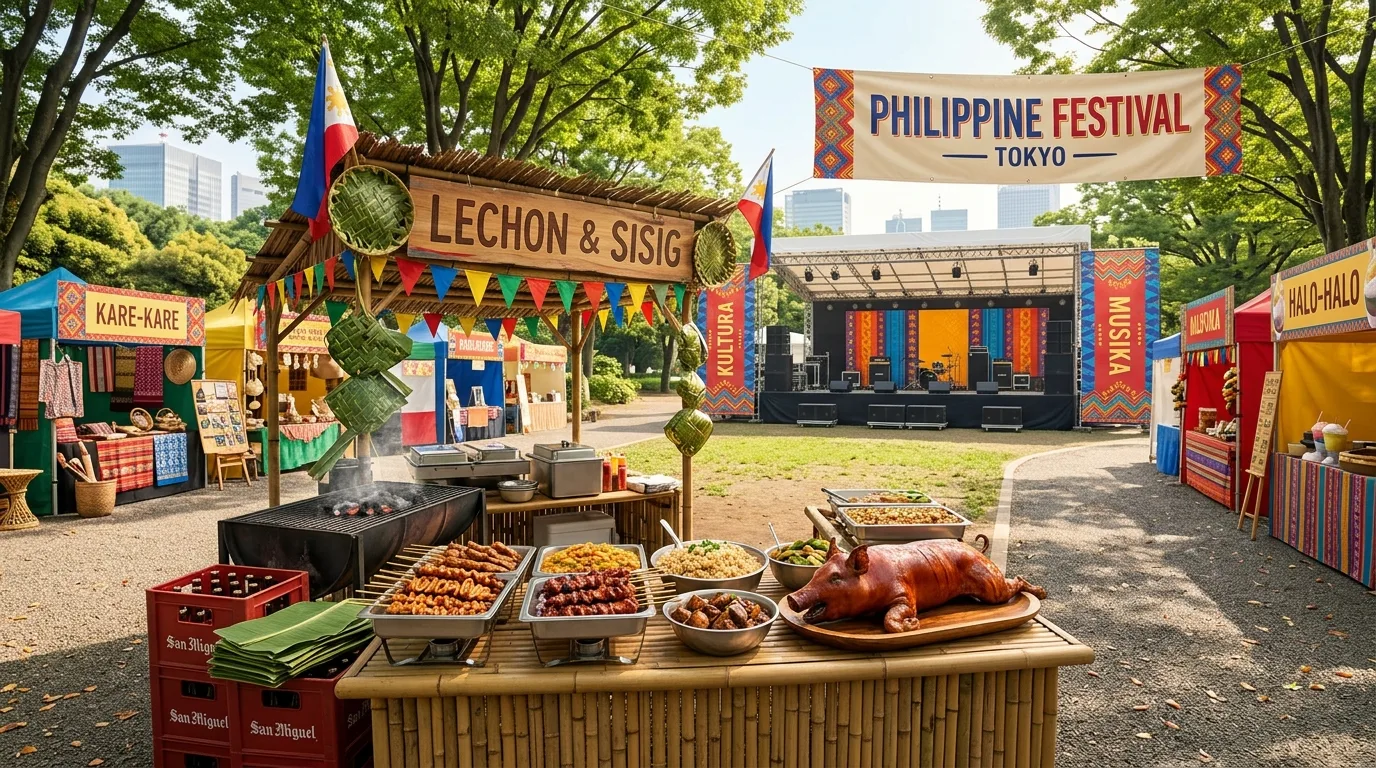
MANILA, Philippines — Overseas Filipino communities around the world are strengthening efforts to preserve and promote Philippine traditions through a growing number of cultural showcases that celebrate the country's rich heritage, artistic achievements, and community values. From major metropolitan centers in North America and Europe to thriving Filipino communities in the Middle East, Asia, and Australia, cultural organizations are organizing events that highlight the diversity and vibrancy of Filipino culture while creating opportunities for cultural exchange and community engagement.
Community leaders explain that cultural showcases have become increasingly important as Filipino populations abroad continue to expand and become more established within their host countries. While many Filipinos have successfully integrated into their local communities, there remains a strong desire to maintain meaningful connections with Philippine traditions and pass cultural knowledge to younger generations. Cultural showcases provide valuable opportunities to celebrate heritage while introducing Filipino culture to broader international audiences.
The growing popularity of these events reflects a broader interest in cultural preservation and identity among Overseas Filipinos. Living far from the Philippines often encourages communities to develop creative ways of maintaining cultural traditions and strengthening community bonds. Organizers note that cultural showcases provide spaces where individuals can reconnect with their roots, celebrate shared experiences, and foster a sense of belonging that transcends geographic distance.
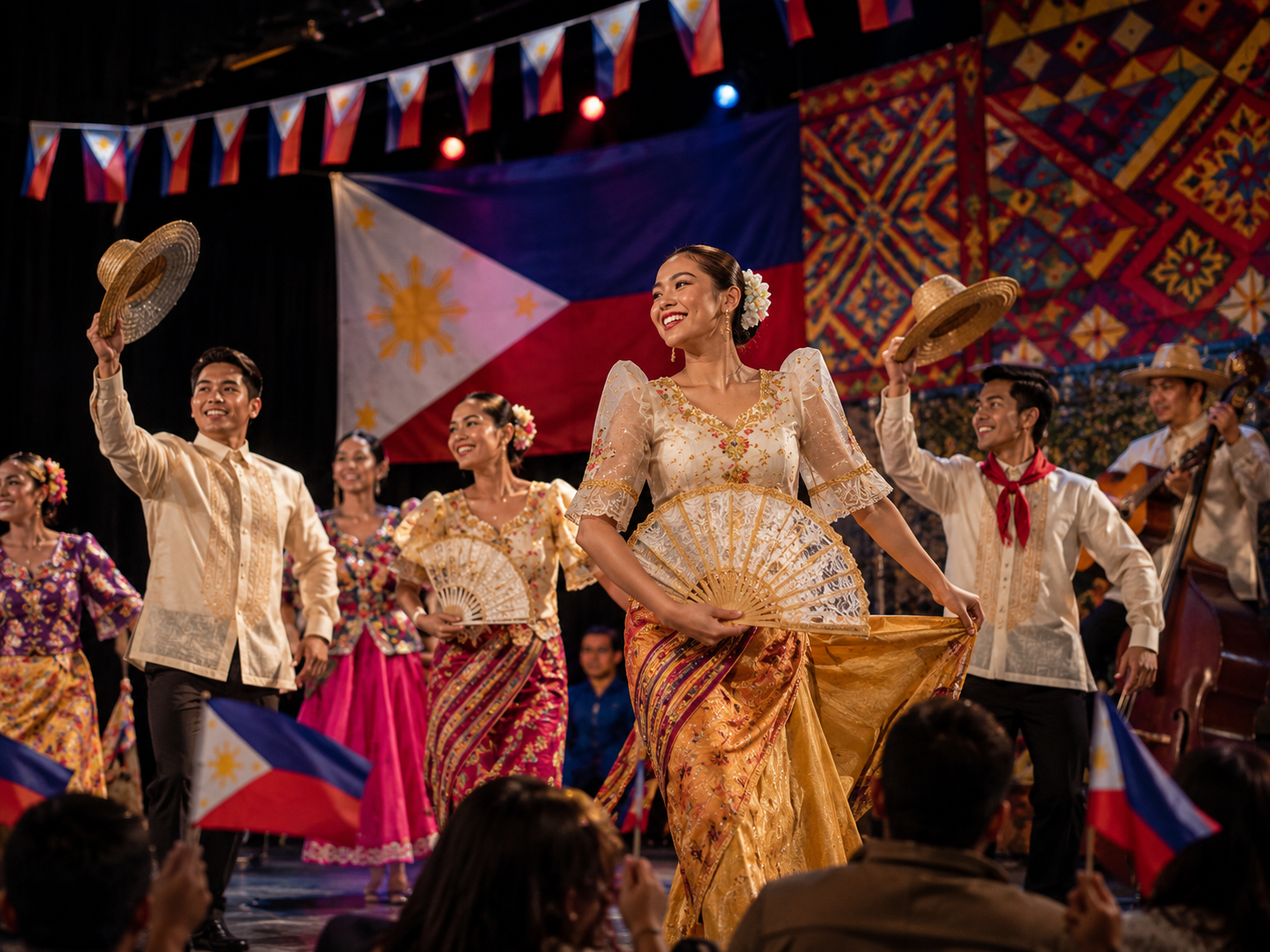
Traditional dance performances remain among the most prominent attractions at Filipino cultural showcases. Audiences are often captivated by presentations featuring Tinikling, Singkil, Cariñosa, Pandanggo sa Ilaw, Maglalatik, and other regional folk dances that reflect the diverse cultural influences that have shaped Philippine society. Performers spend months preparing routines that not only entertain but also educate audiences about the history, symbolism, and significance of these traditional art forms. Community leaders emphasize that dance serves as a powerful medium for preserving and communicating cultural heritage.
Music also plays a central role in many cultural events. Traditional Filipino songs, rondalla performances, choir presentations, and contemporary interpretations of cultural music provide audiences with opportunities to experience the richness of Philippine musical traditions. Organizers frequently invite local Filipino artists, musicians, and cultural groups to participate in performances that showcase both traditional and modern expressions of Filipino creativity. Through music, audiences gain deeper appreciation for the artistic diversity found throughout the Philippines.
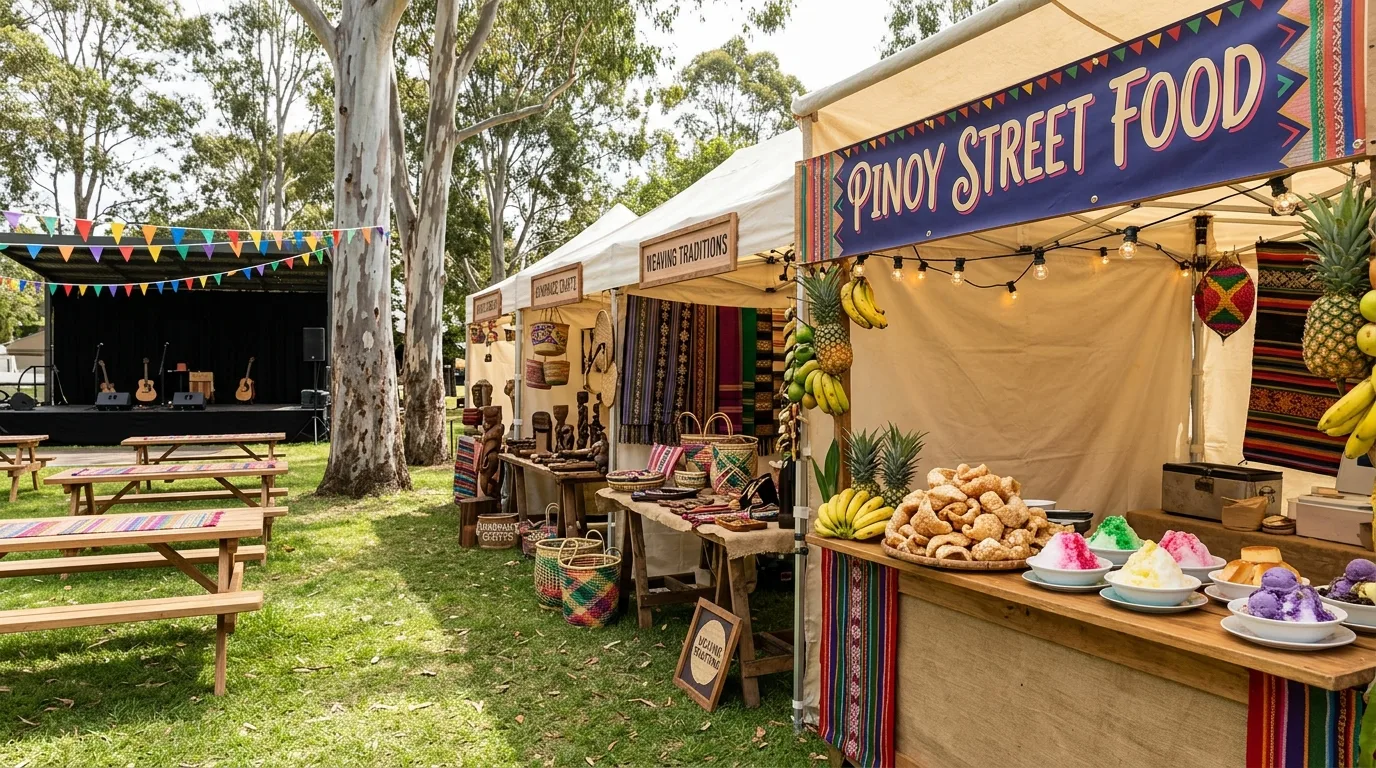
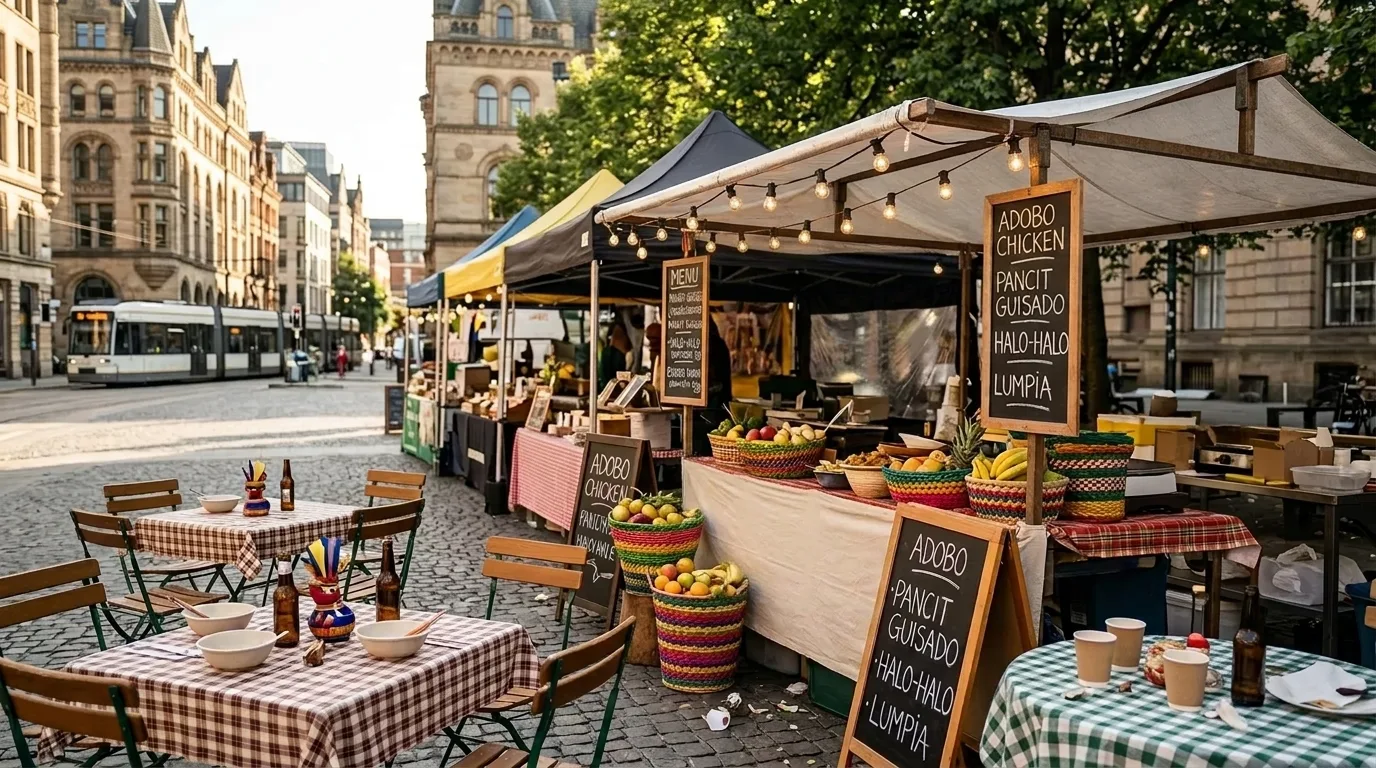
Filipino cuisine continues to be one of the most effective ways of introducing international audiences to Philippine culture. Cultural showcases frequently feature food festivals, culinary demonstrations, and tasting events where visitors can sample popular dishes such as adobo, pancit, lumpia, lechon, kare-kare, halo-halo, bibingka, and numerous regional specialties. Organizers often describe food as a universal language that encourages interaction, sparks curiosity, and creates memorable cultural experiences. Many attendees encounter Filipino cuisine for the first time through these events, often leading to greater interest in Philippine culture and traditions.
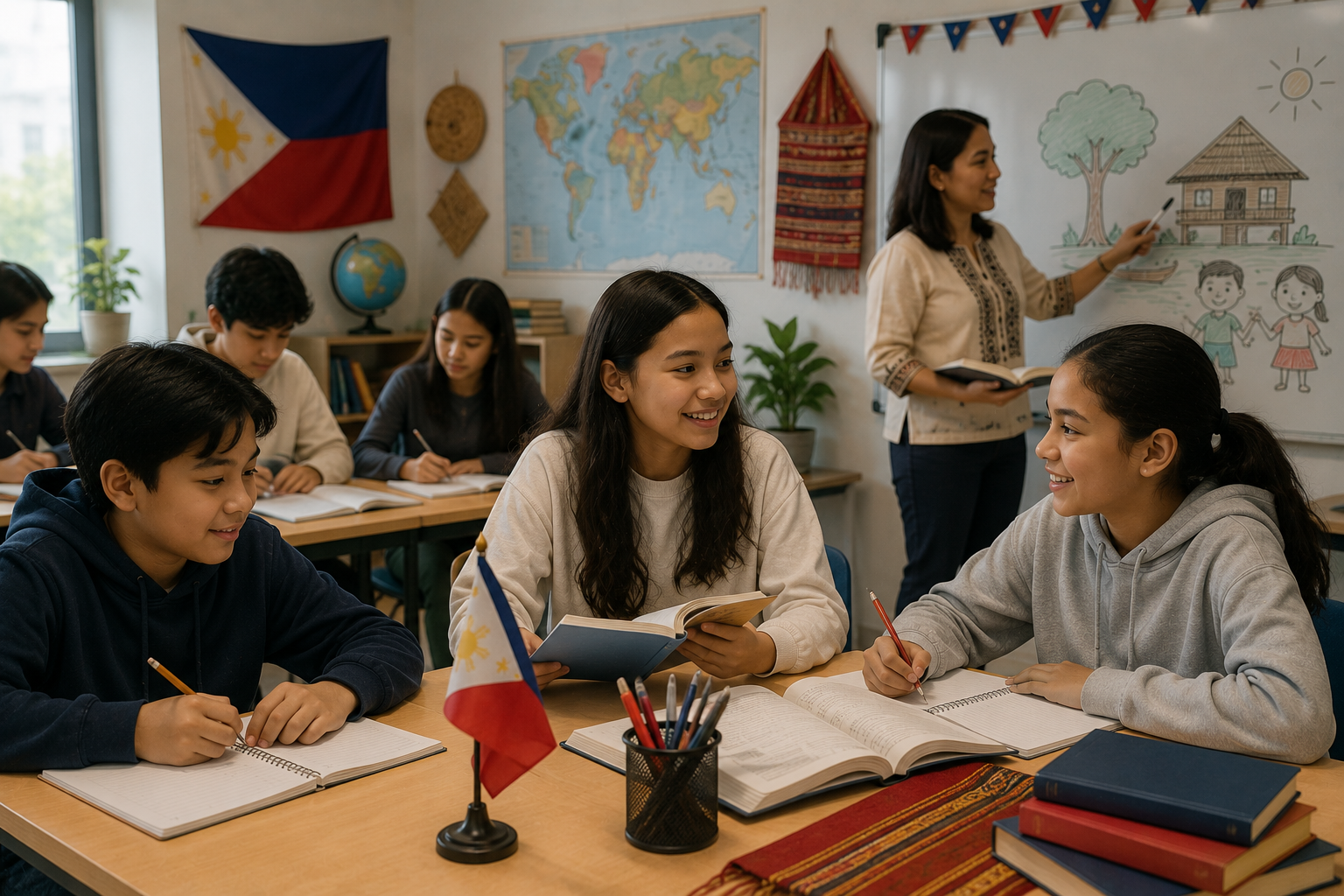
Educational exhibits have become increasingly sophisticated components of cultural showcases. Organizers recognize that meaningful cultural appreciation requires more than entertainment alone. As a result, many events feature historical displays, cultural presentations, heritage exhibits, and informational booths that provide context and background about Philippine history, customs, and achievements. These educational elements help visitors gain a deeper understanding of Filipino identity while encouraging continued exploration of cultural topics.
The diversity of Philippine culture is often highlighted through regional presentations that showcase traditions from different provinces and cultural groups. Community leaders emphasize that the Philippines is home to a wide variety of languages, customs, artistic traditions, and historical experiences. By featuring regional diversity, cultural showcases help present a more comprehensive picture of Filipino identity while celebrating the unique contributions of different communities throughout the archipelago.
Many cultural organizations have expanded their programming to include workshops and interactive experiences that encourage active participation. Visitors may have opportunities to learn traditional dances, explore Filipino languages, participate in cultural games, or engage in arts and crafts activities inspired by Philippine traditions. Organizers believe that hands-on experiences create stronger connections and more meaningful cultural understanding than passive observation alone.
Youth involvement has become one of the most important priorities for cultural organizations worldwide. Many community leaders view younger generations as the future custodians of Filipino heritage and actively encourage their participation in cultural activities. Youth volunteers frequently serve as performers, event organizers, social media coordinators, and cultural ambassadors who help bring fresh ideas and energy to community initiatives. Their involvement ensures that traditions remain relevant while encouraging continued cultural engagement.
Second-generation and third-generation Filipinos often play central roles in organizing and participating in cultural showcases. While many of these young individuals have spent most or all of their lives outside the Philippines, they frequently express strong interest in learning about their heritage and sharing it with others. Community advocates note that participation in cultural programs helps young Filipinos develop stronger cultural identities while fostering pride in their ancestry and traditions.
Technology has significantly enhanced the reach and impact of Filipino cultural showcases. Social media platforms, livestream broadcasts, digital storytelling projects, and virtual exhibitions allow organizations to engage audiences beyond physical event locations. Online content helps introduce Philippine culture to people who may never have attended a traditional cultural event while strengthening connections among Filipino communities in different parts of the world. Organizers report that digital engagement has become a vital component of modern cultural preservation efforts.
Many cultural showcases also feature visual arts exhibitions that highlight the talents of Filipino painters, photographers, sculptors, designers, and artisans. These exhibitions provide opportunities for artists to share perspectives on heritage, migration, identity, and community experiences. Organizers view the arts as important tools for storytelling and cultural expression that complement more traditional forms of heritage preservation.
The spirit of bayanihan remains a defining characteristic of cultural showcases organized by Overseas Filipinos. Volunteers often dedicate substantial amounts of time and energy to planning events, coordinating activities, securing resources, and supporting participants. Community leaders frequently describe the collaborative nature of festival preparation as a reflection of traditional Filipino values centered on cooperation, generosity, and collective responsibility.
Cultural showcases have also become important platforms for fostering intercultural dialogue and understanding. By inviting individuals from diverse backgrounds to participate and learn, organizers create opportunities for meaningful cultural exchange. Visitors gain exposure to Filipino traditions while Filipino communities learn from the perspectives and experiences of others. These interactions contribute positively to social cohesion and multicultural understanding within host countries.
Many events include charitable initiatives and community outreach activities that extend their impact beyond cultural celebration. Fundraising campaigns, scholarship programs, educational projects, and community service efforts are often integrated into event programming. Organizers believe that these initiatives reflect important Filipino values related to compassion, service, and social responsibility while providing tangible benefits to communities both locally and in the Philippines.
Partnerships with local governments, schools, universities, cultural institutions, and nonprofit organizations have helped strengthen the reach and sustainability of cultural showcases. Collaborative efforts provide access to venues, expertise, funding opportunities, and broader audiences. Community leaders note that partnerships demonstrate the growing recognition and appreciation of Filipino culture within multicultural societies around the world.
The economic impact of cultural showcases is also becoming increasingly evident. Events provide opportunities for small businesses, food vendors, artisans, performers, and entrepreneurs to reach new audiences while promoting Filipino products and services. Some showcases attract visitors from neighboring cities and regions, contributing to local tourism and economic activity while raising awareness of Filipino culture.
As global interest in authentic cultural experiences continues to grow, Filipino cultural showcases are gaining recognition as important contributors to cultural diversity and international understanding. Visitors frequently express appreciation for the welcoming atmosphere, educational value, and vibrant experiences offered by these events. Organizers believe that these positive experiences help strengthen the global reputation of Filipino communities while encouraging greater appreciation for Philippine culture.
Looking ahead, cultural organizations plan to continue expanding showcase programs through enhanced educational content, youth leadership initiatives, digital engagement strategies, and international collaborations. Many leaders remain optimistic that growing public interest and strong community support will create new opportunities to promote Philippine traditions and cultural heritage on a larger scale.
Ultimately, the success of cultural showcases organized by Overseas Filipinos demonstrates the enduring strength of Filipino identity and the commitment of global communities to preserving their heritage. Through music, dance, food, art, education, and community participation, these events help ensure that Philippine traditions remain vibrant and meaningful regardless of geographic location.
As Filipino communities continue to flourish across continents, cultural showcases will remain important expressions of pride, unity, and cultural preservation. They serve as living celebrations of Philippine heritage while creating bridges of understanding that connect people across cultures, generations, and borders. By sharing their traditions with the world, Overseas Filipinos are helping ensure that the stories, values, and artistic achievements of the Filipino people continue to inspire and enrich communities for generations to come.
Enjoyed this story?
Share this story