Overseas Filipinos Promote Philippine Destinations Through Travel Advocacy Programs
Share
June 10, 2026
Updated Oct 15, 2026
7 min read
245 views
MANILA, Philippines — Overseas Filipinos are increasingly becoming influential advocates for Philippine tourism through a growing number of travel promotion initiatives, cultural campaigns, and community-led programs designed to showcase the country's diverse destinations to international audiences. As millions of Filipinos continue to live and work abroad, many are leveraging their global networks, personal experiences, and cultural connections to encourage travelers to explore the Philippines and discover its unique blend of natural beauty, cultural heritage, and warm hospitality.
Tourism stakeholders have long recognized the important role that overseas Filipino communities play in promoting the country abroad. Beyond serving as cultural ambassadors, many Filipinos living overseas actively share stories, photographs, travel recommendations, and personal experiences that highlight the attractions and experiences available throughout the Philippines. Through both formal advocacy programs and informal word-of-mouth promotion, these individuals are helping increase international awareness of destinations that range from world-famous tourist attractions to emerging local tourism sites.
The Philippines possesses a wide range of tourism assets that appeal to travelers with diverse interests. Pristine beaches, mountain landscapes, historical landmarks, cultural festivals, heritage towns, diving destinations, culinary experiences, and eco-tourism attractions contribute to the country's growing appeal within the global tourism market. Overseas Filipinos often serve as trusted sources of information for friends, colleagues, and international communities seeking travel recommendations, making their advocacy efforts particularly effective.
Community leaders note that many travel advocacy initiatives are motivated by a desire to give back to local communities while strengthening connections to the homeland. Overseas Filipinos frequently maintain strong emotional ties to their hometowns, provinces, and regions of origin. By promoting destinations associated with their heritage, they help generate interest that can contribute to local economic development, tourism growth, and cultural preservation. These efforts reflect a broader commitment to supporting communities while sharing the richness of Philippine culture and geography with the world.
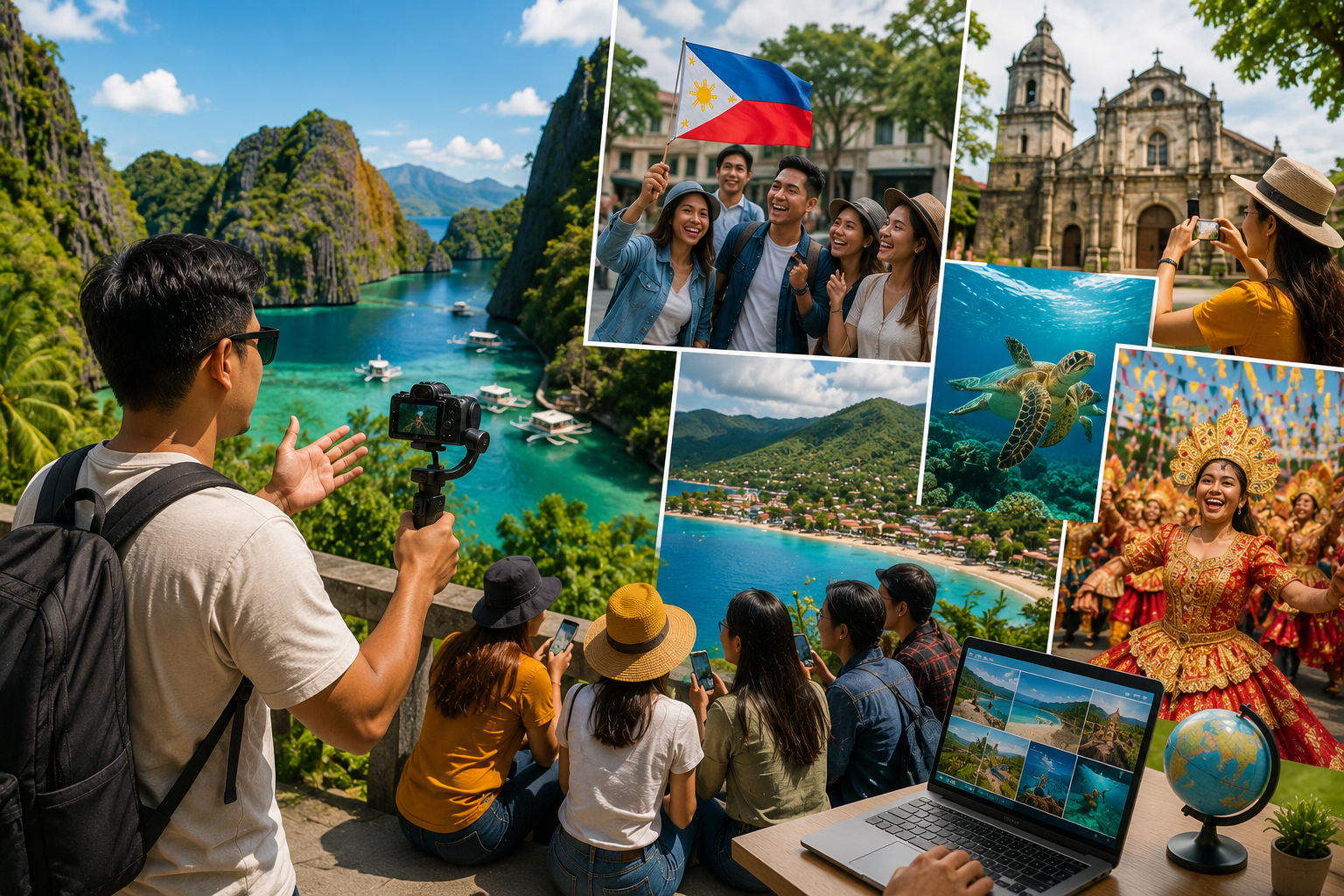
Social media has emerged as one of the most powerful tools supporting travel advocacy among overseas Filipinos. Platforms that allow users to share travel experiences, videos, photographs, and destination guides have significantly expanded the reach of tourism promotion efforts. A single post highlighting a local destination can reach thousands of viewers across multiple countries, generating curiosity and inspiring potential visitors to learn more about the Philippines. Tourism experts observe that authentic personal recommendations often carry substantial influence because travelers increasingly value real experiences shared by trusted individuals.
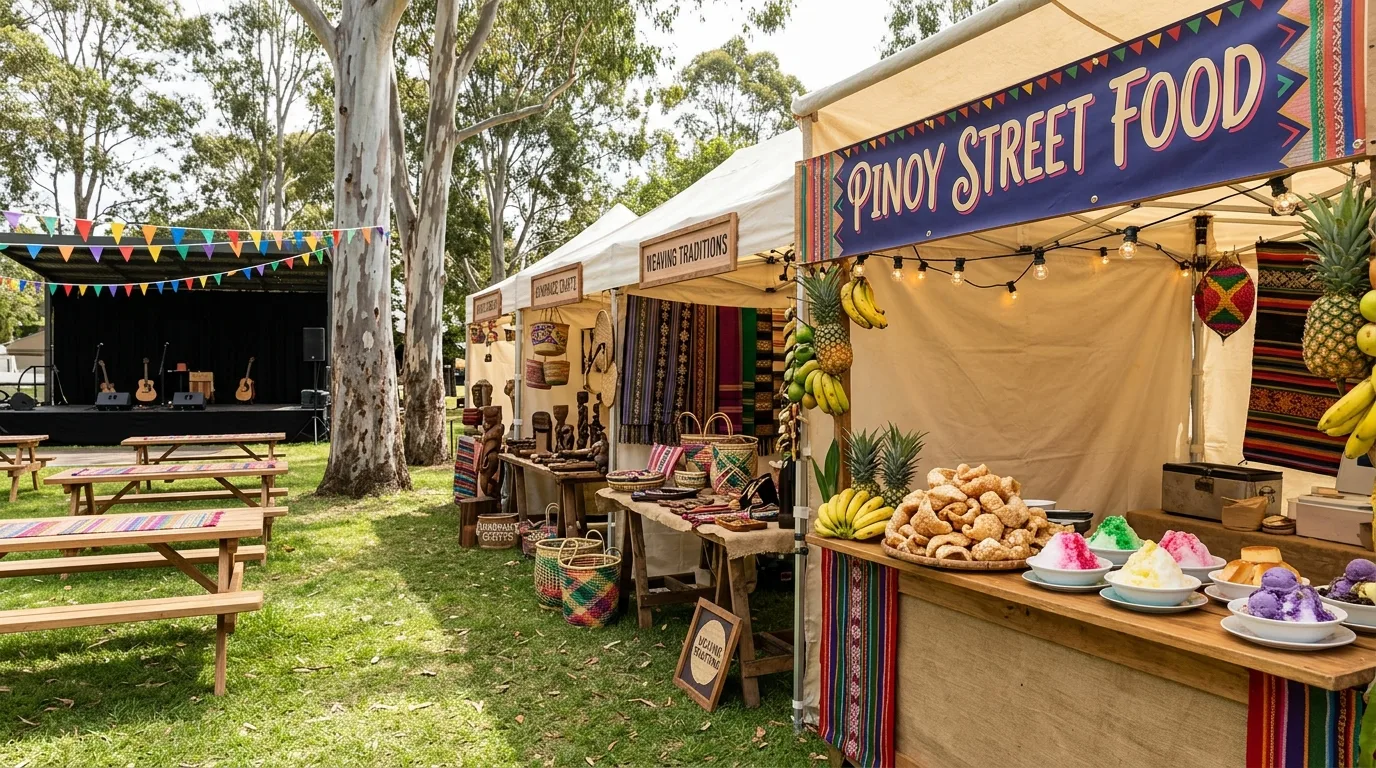
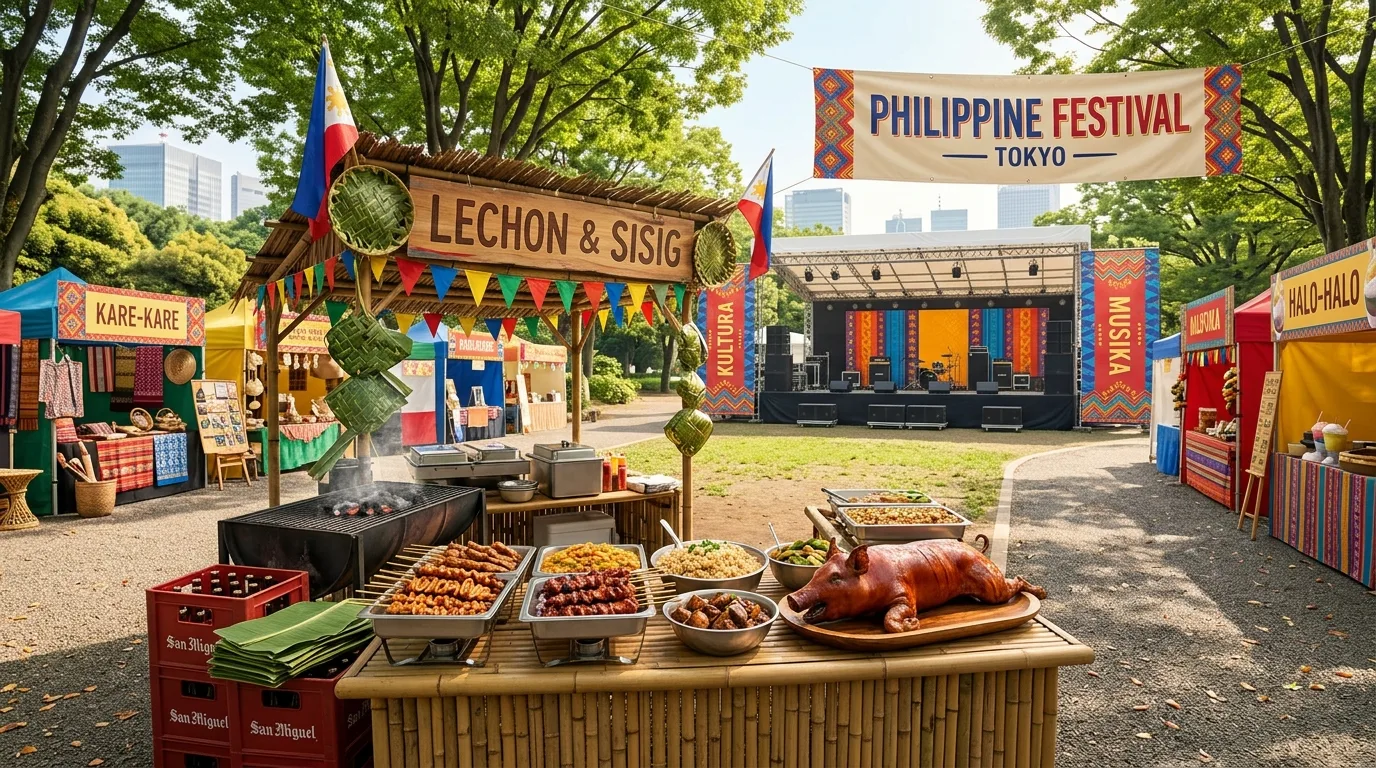
Many overseas Filipino organizations have integrated tourism promotion into broader cultural and community programs. Cultural festivals, heritage celebrations, business forums, and community gatherings often feature presentations, exhibits, and informational materials that highlight Philippine destinations. These events provide opportunities to introduce non-Filipino audiences to the country's tourism offerings while encouraging greater cultural appreciation and understanding.
Travel advocacy programs are also helping promote lesser-known destinations that may not traditionally receive the same level of international exposure as major tourism hubs. Community leaders often encourage travelers to explore emerging destinations, rural communities, cultural heritage sites, and eco-tourism attractions that offer unique and authentic experiences. This approach supports more inclusive tourism development by helping distribute visitor activity across different regions and communities.
Cultural heritage remains one of the strongest themes within many advocacy initiatives. Overseas Filipinos frequently highlight destinations that showcase the country's rich history, architecture, traditions, and cultural diversity. Heritage towns, museums, historical landmarks, ancestral homes, and cultural centers often become focal points of promotional campaigns designed to encourage deeper engagement with Philippine history and identity. Advocates believe that cultural tourism offers meaningful experiences that strengthen appreciation for the country's heritage while supporting preservation efforts.
Food tourism has become another important component of travel advocacy programs. Filipino cuisine continues to gain recognition internationally, and many overseas Filipinos actively promote culinary experiences as part of broader tourism campaigns. Local delicacies, regional specialties, food festivals, culinary tours, and traditional dining experiences are often highlighted as attractions that allow visitors to connect more deeply with local culture. Tourism promoters recognize that food frequently serves as an effective gateway to broader travel experiences.
The participation of younger generations has brought new energy and creativity to travel advocacy efforts. Young overseas Filipinos often use digital platforms, content creation tools, and social media strategies to engage global audiences in innovative ways. Through travel blogs, video content, photography projects, and interactive storytelling, they help present Philippine destinations to audiences who may have limited familiarity with the country. Community leaders view youth engagement as essential for ensuring the continued growth and relevance of tourism promotion initiatives.
Many travel advocacy efforts are supported through partnerships involving tourism agencies, local governments, cultural organizations, and private sector stakeholders. Collaborative programs help provide accurate information, marketing resources, and promotional opportunities that strengthen campaign effectiveness. Tourism officials frequently acknowledge the value of overseas Filipino networks as strategic partners capable of reaching audiences in important international markets.
The economic impact of successful travel advocacy can be significant. Increased visitor arrivals contribute to local businesses, hotels, restaurants, transportation providers, tour operators, artisans, and other sectors connected to tourism. Community leaders often emphasize that tourism generates opportunities for entrepreneurship, employment, and local development while supporting broader economic growth. Advocacy efforts that encourage travel to specific regions can therefore create tangible benefits for communities throughout the country.
Environmental sustainability has become an increasingly important consideration within tourism promotion programs. Many advocates encourage responsible travel practices that respect local communities, protect natural resources, and support sustainable tourism initiatives. This emphasis reflects growing awareness of the importance of balancing tourism growth with environmental stewardship and long-term destination sustainability.
Educational initiatives frequently accompany travel advocacy activities. Information sessions, cultural presentations, webinars, and digital resources help potential visitors better understand the destinations they may choose to visit. These efforts provide valuable context while encouraging responsible and informed travel experiences. Organizers believe that education contributes to more meaningful interactions between visitors and host communities.
The growing popularity of heritage tourism has also benefited from the efforts of overseas Filipino advocates. Many families traveling to reconnect with ancestral communities rely on recommendations and information shared through diaspora networks. Travel advocacy programs often highlight opportunities for visitors to explore family histories, cultural traditions, and local heritage while strengthening connections to their roots.
Technology continues to create new opportunities for tourism promotion. Virtual tours, interactive destination content, digital storytelling, and online community platforms enable advocates to engage audiences regardless of geographic location. These innovations help expand reach while providing potential travelers with immersive experiences that inspire future visits. Tourism professionals anticipate that digital engagement will continue to play an increasingly important role in destination marketing strategies.
Community organizations frequently describe tourism advocacy as an extension of cultural pride and national identity. By sharing positive experiences and promoting local destinations, overseas Filipinos contribute to a broader narrative that highlights the country's strengths and unique attractions. Their efforts help create positive impressions that can influence travel decisions while strengthening international awareness of the Philippines.
The resilience and adaptability demonstrated by overseas Filipino communities have further strengthened tourism advocacy efforts. Despite challenges associated with distance, changing travel trends, and evolving market conditions, advocates continue to find innovative ways to promote Philippine destinations and support local communities. Their commitment reflects a deep sense of connection to the homeland and a desire to contribute to its continued development.
Looking ahead, tourism stakeholders expect overseas Filipino advocacy programs to become even more influential as global travel continues to expand. Strong diaspora networks, increasing digital connectivity, and growing international interest in cultural and experiential travel provide favorable conditions for future growth. New initiatives focused on sustainable tourism, cultural immersion, heritage travel, and community-based experiences are expected to further enhance promotional efforts.
Ultimately, the role of overseas Filipinos in promoting Philippine destinations extends far beyond marketing and tourism campaigns. Their advocacy reflects genuine pride in the country's natural beauty, cultural richness, and hospitality. Through their efforts, countless travelers gain opportunities to discover destinations, traditions, and experiences that might otherwise remain unfamiliar.
As global Filipino communities continue to share the stories, landscapes, and cultural treasures of the Philippines, they strengthen the country's presence on the international tourism stage while helping create opportunities for communities across the archipelago. Their contributions demonstrate how cultural connections, personal experiences, and community engagement can work together to inspire travel, support development, and celebrate the very best of the Philippines.
Enjoyed this story?
Share this story