Overseas Filipinos Promote Philippine Tourism Through Community-Led Travel Campaigns
Share
June 14, 2026
Updated Oct 16, 2026
8 min read
264 views
MANILA, Philippines — Overseas Filipinos around the world are increasingly taking active roles in promoting Philippine tourism through community-led travel campaigns that showcase the country's natural attractions, cultural heritage, local traditions, and diverse travel experiences. Through social media initiatives, cultural festivals, tourism exhibits, travel advocacy programs, educational events, and grassroots promotional efforts, Filipino communities abroad are helping introduce international audiences to the beauty and diversity of the Philippines while encouraging greater interest in visiting the country.
As global tourism continues to evolve, travelers are increasingly seeking destinations that offer authentic experiences, meaningful cultural interactions, and opportunities to explore unique landscapes and traditions. The Philippines, with its more than 7,000 islands, rich cultural heritage, vibrant festivals, historic landmarks, and world-renowned hospitality, remains well-positioned to attract travelers seeking these experiences. Overseas Filipinos have emerged as valuable advocates in this effort, using their personal connections, professional networks, and community platforms to share the country's story with audiences across the globe.
Community leaders note that many overseas Filipinos naturally serve as ambassadors of Philippine culture and tourism. Living and working in different countries allows them to engage with people from diverse backgrounds while sharing stories about their homeland. Conversations with friends, colleagues, classmates, and community members often become opportunities to discuss Philippine destinations, cuisine, cultural traditions, and travel experiences. These personal interactions frequently spark curiosity and encourage individuals to consider the Philippines as a future travel destination.
The rise of digital technology has significantly expanded the reach of tourism advocacy efforts. Social media platforms, travel blogs, video content, livestreams, and online communities enable overseas Filipinos to showcase destinations to audiences numbering in the thousands or even millions. Stunning images of white-sand beaches, tropical islands, mountain landscapes, heritage sites, and cultural festivals often generate strong engagement from international viewers. Community organizers report that digital storytelling has become one of the most effective tools for promoting Philippine tourism and increasing global awareness of the country's attractions.
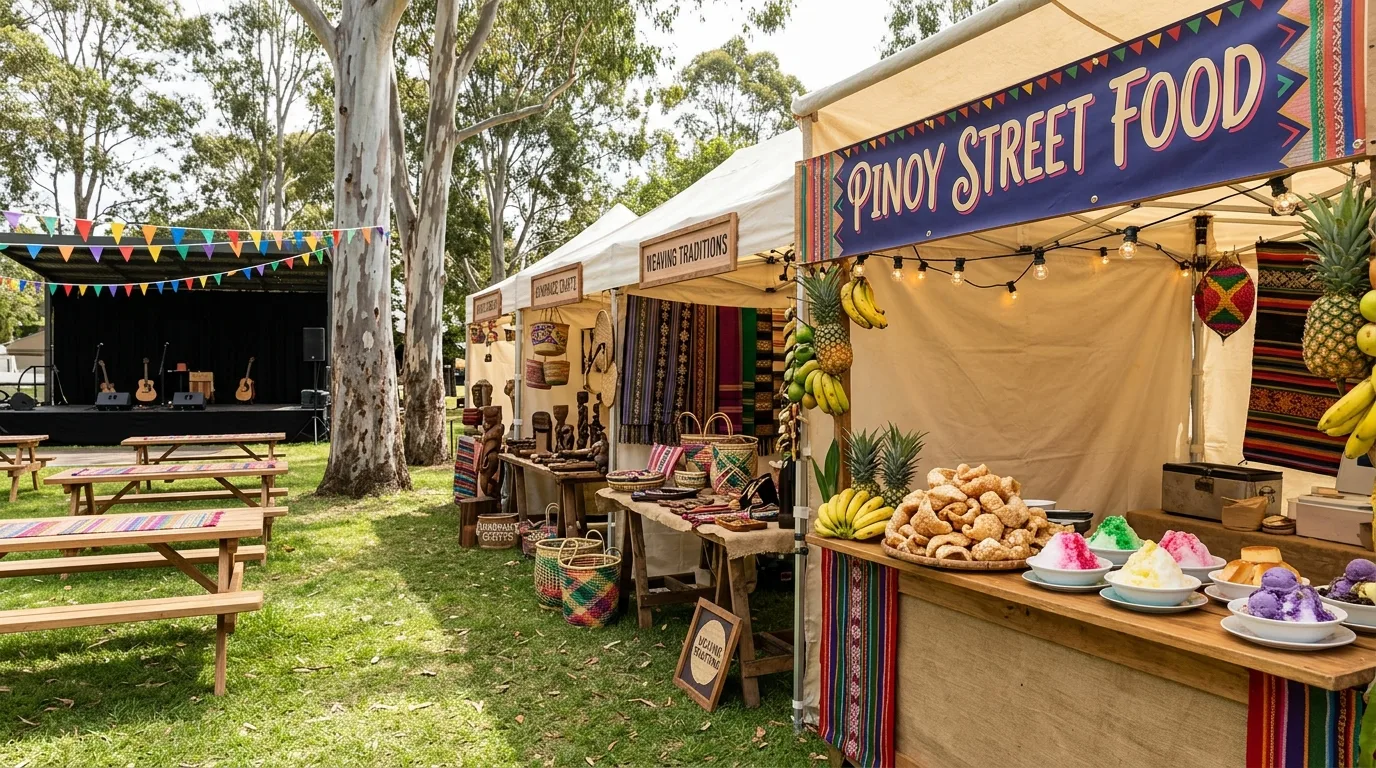
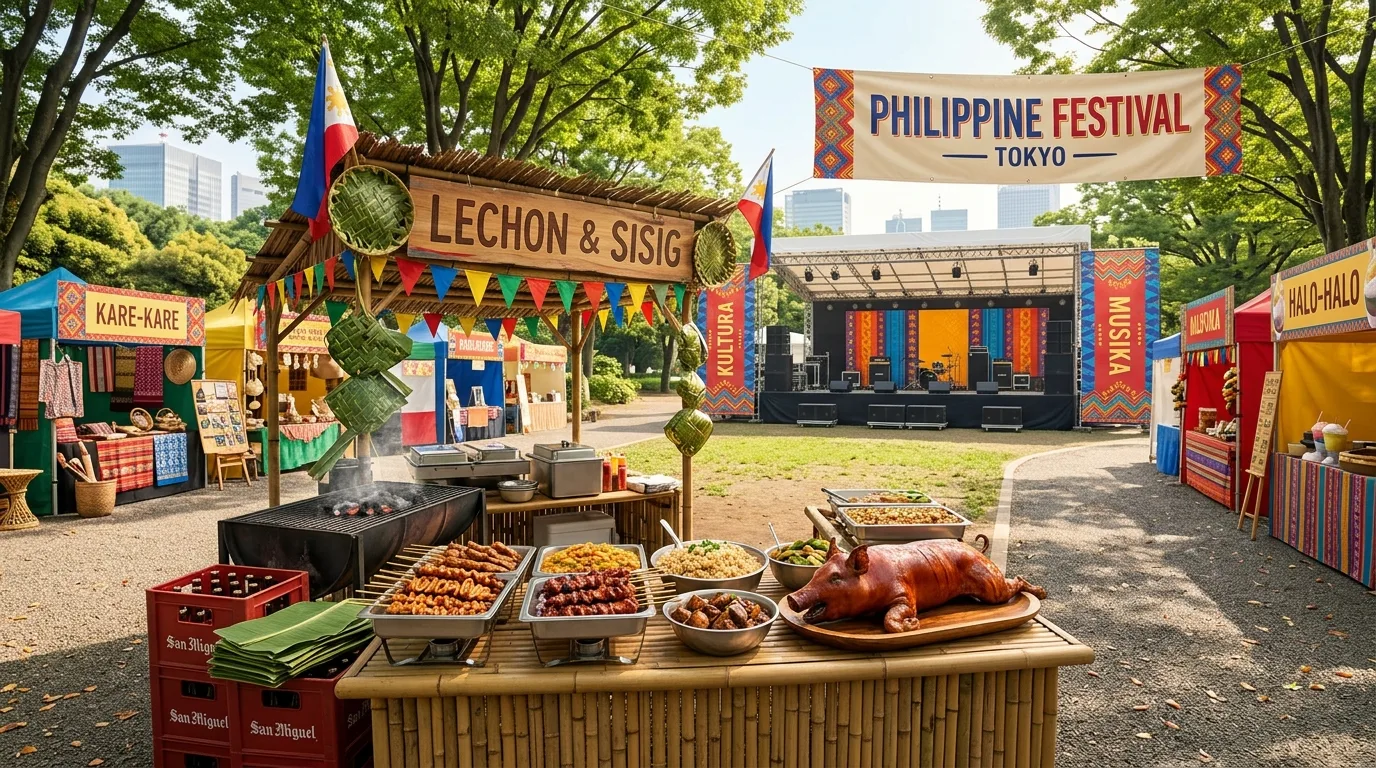
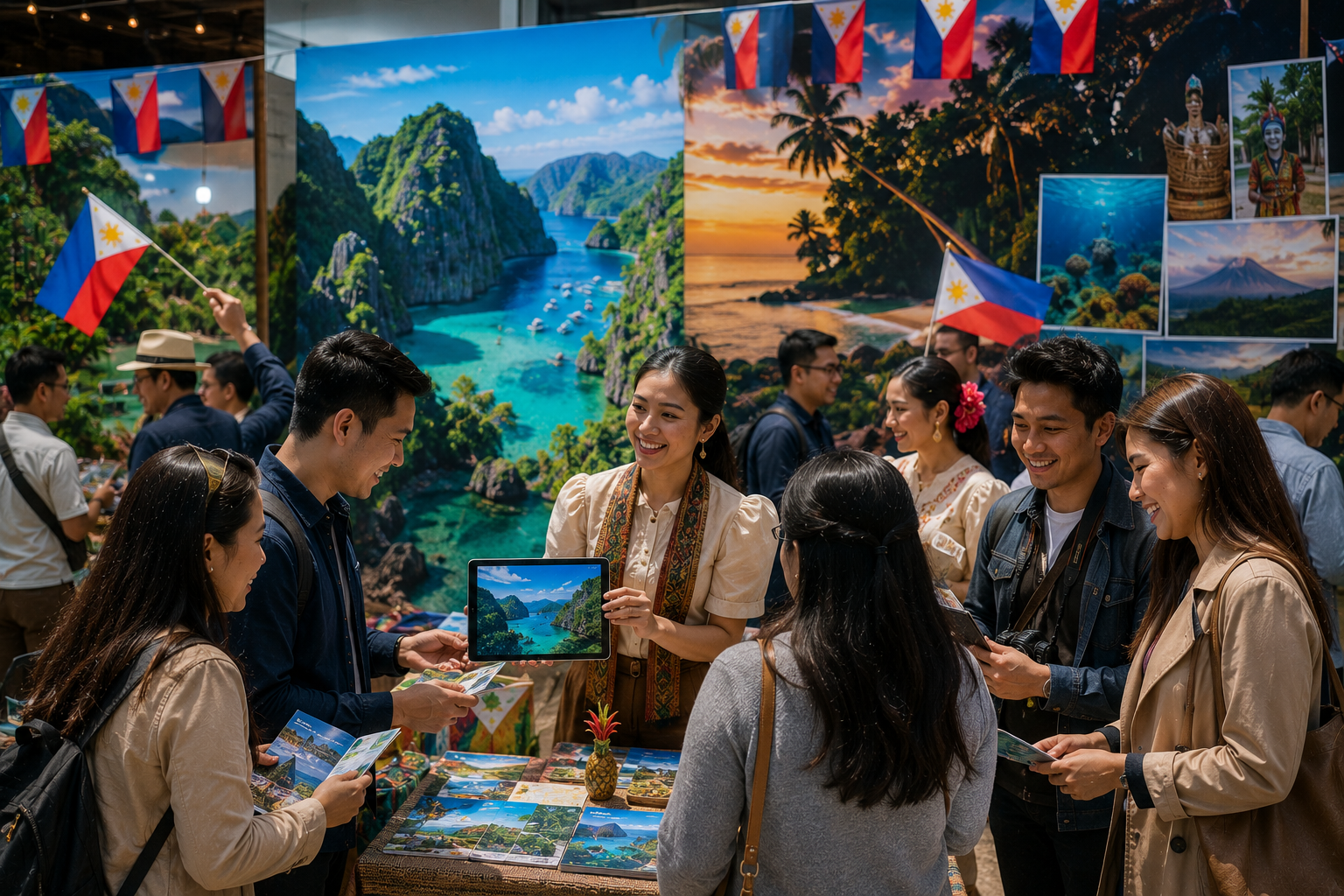
Many overseas Filipino organizations have incorporated tourism promotion into their cultural activities and community events. Festivals celebrating Philippine culture frequently include tourism exhibits, destination showcases, travel presentations, and promotional materials highlighting different regions of the country. Visitors attending these events gain opportunities to learn about popular tourist destinations while discovering lesser-known locations that offer unique experiences. Organizers believe that combining tourism promotion with cultural programming creates more comprehensive and engaging experiences for attendees.
Community-led travel campaigns often emphasize the diversity of destinations available throughout the Philippines. While internationally recognized attractions such as Boracay, Palawan, Cebu, Siargao, and Bohol continue to attract attention, advocates are increasingly highlighting emerging destinations that offer distinctive cultural, historical, and ecological experiences. By showcasing a wider range of locations, tourism campaigns help distribute interest across different regions while supporting local economies and encouraging sustainable tourism development.
Cultural tourism has become a particularly important focus of many advocacy initiatives. Overseas Filipinos frequently promote festivals, historical landmarks, indigenous traditions, culinary experiences, and cultural heritage sites that reflect the country's rich and diverse history. Community leaders recognize that many modern travelers are interested in experiences that go beyond sightseeing and allow for deeper engagement with local culture. Cultural tourism campaigns help position the Philippines as a destination where visitors can learn, explore, and connect with local communities.
Filipino cuisine plays an increasingly significant role in tourism promotion efforts. Food festivals, culinary events, cooking demonstrations, and restaurant partnerships often serve as introductions to Philippine culture for international audiences. Many individuals first encounter Filipino culture through food and later develop interest in visiting the country to experience its culinary traditions firsthand. Tourism advocates frequently highlight regional specialties and local food experiences as important components of travel within the Philippines.
The participation of younger generations has strengthened the effectiveness of community-led travel campaigns. Young Filipinos abroad often possess strong digital communication skills and extensive experience with content creation, social media engagement, and online marketing. Their contributions help modernize tourism promotion strategies while ensuring that campaigns remain relevant to younger audiences. Community organizations view youth involvement as essential for sustaining long-term tourism advocacy efforts and reaching future generations of travelers.
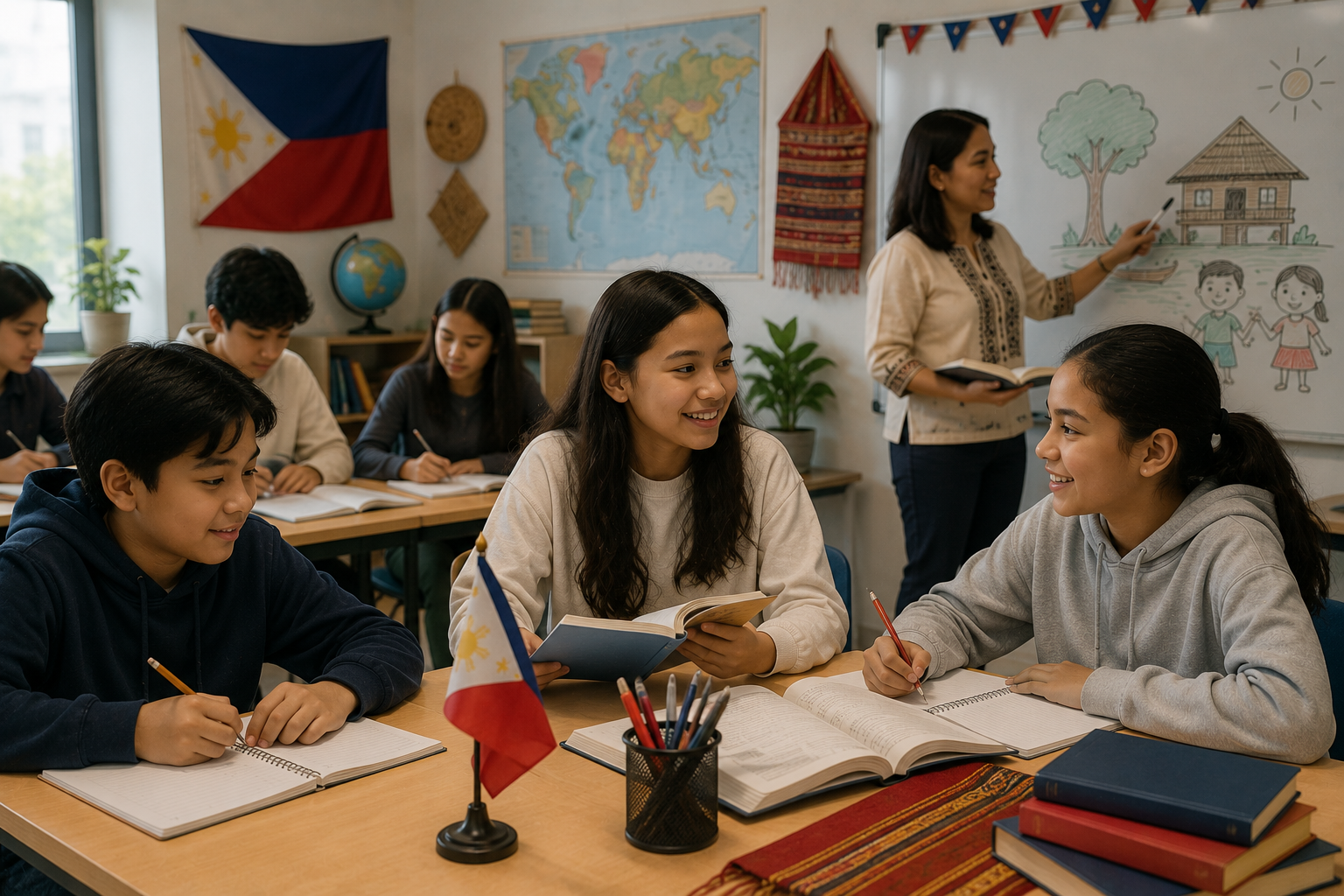
Educational institutions have also become valuable partners in promoting Philippine tourism. Filipino student organizations frequently organize cultural fairs, heritage weeks, tourism exhibits, and educational presentations that introduce classmates and faculty members to Philippine destinations. These activities create opportunities for cultural exchange while increasing awareness of the country's tourism offerings among international audiences. Educators note that travel-related cultural programs often encourage curiosity and cross-cultural learning.
Many overseas Filipinos who return home for vacations become active participants in tourism promotion through personal travel experiences. By sharing photographs, videos, travel itineraries, and destination recommendations, they inspire others to explore the Philippines. These firsthand accounts often carry significant credibility because they reflect genuine experiences rather than traditional advertising messages. Tourism experts recognize word-of-mouth recommendations as among the most influential factors affecting travel decisions.
Community-led tourism campaigns also contribute positively to local economies within the Philippines. Increased awareness of destinations can lead to higher visitor numbers, benefiting hotels, restaurants, transportation providers, tour operators, artisans, and small businesses. Community advocates emphasize that tourism growth creates opportunities for employment, entrepreneurship, and economic development while supporting the preservation of cultural and natural resources.
Sustainability has become an increasingly important consideration within tourism promotion efforts. Many overseas Filipino organizations actively encourage responsible travel practices that respect local communities, protect natural environments, and preserve cultural heritage. Advocacy campaigns often highlight the importance of sustainable tourism while educating travelers about environmental conservation and responsible visitor behavior. Organizers believe that long-term tourism success depends on balancing economic benefits with environmental and cultural preservation.
Partnerships with tourism organizations, local governments, cultural institutions, and private sector stakeholders have enhanced the effectiveness of community-led campaigns. Collaborative initiatives provide access to updated information, promotional resources, and networking opportunities that strengthen outreach efforts. These partnerships help ensure that tourism messaging remains accurate, engaging, and aligned with broader development goals.
The growing popularity of heritage tourism has created additional opportunities for overseas Filipinos to promote destinations connected to family history and cultural identity. Many members of the Filipino diaspora encourage descendants of overseas families to visit ancestral hometowns, historical sites, and cultural landmarks. These experiences strengthen personal connections to heritage while contributing to local tourism economies. Community leaders note that heritage tourism often creates meaningful and lasting impressions among visitors.
International travel trends indicate increasing demand for experiential tourism, adventure travel, wellness tourism, and cultural immersion activities. The Philippines offers significant potential within these segments due to its diverse landscapes, outdoor recreation opportunities, vibrant cultural traditions, and welcoming communities. Overseas Filipino advocates frequently emphasize these strengths when promoting the country to prospective travelers.
Tourism promotion efforts also benefit from the positive reputation Filipinos have earned worldwide. Filipino workers, professionals, entrepreneurs, healthcare providers, educators, and community leaders are widely recognized for their dedication, hospitality, and professionalism. These positive impressions often extend to perceptions of the Philippines itself, creating favorable conditions for tourism interest. Community leaders view the achievements of overseas Filipinos as valuable contributions to the country's global image.
The continued growth of international Filipino communities provides a strong foundation for future tourism advocacy efforts. As Filipino populations expand and become increasingly active within host societies, opportunities for cultural promotion and travel advocacy are expected to increase. Community organizations remain committed to finding innovative ways to share Philippine destinations with broader audiences while supporting sustainable tourism development.
Many observers believe that community-led travel campaigns represent a powerful form of grassroots tourism promotion. Unlike traditional advertising, these initiatives rely on personal connections, cultural pride, and authentic storytelling. The resulting messages often resonate strongly with audiences because they reflect genuine experiences and sincere enthusiasm for the country. Tourism professionals acknowledge that community-driven advocacy can significantly influence travel perceptions and destination awareness.
Looking ahead, overseas Filipino organizations are expected to continue expanding their tourism-related activities through digital campaigns, cultural events, educational programs, and international partnerships. Emerging technologies and evolving communication platforms will likely create additional opportunities for engagement while allowing advocates to reach even larger audiences worldwide. Community leaders remain optimistic about the potential for continued growth and innovation in tourism promotion efforts.
Ultimately, the success of community-led travel campaigns demonstrates the powerful role that overseas Filipinos play in promoting the Philippines on the global stage. Through dedication, creativity, and cultural pride, they help introduce international audiences to the country's remarkable destinations, vibrant traditions, and welcoming communities. Their efforts contribute not only to tourism growth but also to stronger cultural understanding and appreciation for the Philippines around the world.
As more travelers seek authentic experiences and meaningful connections, the Philippines continues to benefit from the passion and commitment of its global diaspora. Wherever Filipinos may call home, they remain among the country's most effective ambassadors, helping inspire future visitors to discover the beauty, culture, and hospitality that make the Philippines a truly unforgettable destination.
Enjoyed this story?
Share this story