Overseas Filipinos Promote Sustainability Through Community-Led Environmental Project
Share
June 18, 2026
Updated Oct 16, 2026
7 min read
288 views
MANILA, Philippines — Overseas Filipino communities across the globe are increasingly taking active roles in promoting sustainability through community-led environmental projects that encourage conservation, climate awareness, and responsible resource management. From tree-planting campaigns and coastal cleanups to recycling initiatives, environmental education programs, and urban sustainability projects, Filipinos living abroad are demonstrating how collective action and community engagement can contribute to environmental protection while strengthening social connections within their communities.
As environmental concerns continue to gain global attention, many Overseas Filipinos have embraced sustainability as an important area of community involvement. Community leaders note that environmental stewardship aligns closely with Filipino values centered on responsibility, cooperation, and care for future generations. By organizing and participating in environmental initiatives, Filipino communities are not only contributing to local sustainability efforts but also helping inspire greater awareness of environmental issues among both Filipinos and their host communities.
Many of these projects are driven by grassroots organizations, Filipino associations, youth groups, professional networks, and volunteer organizations that recognize the importance of environmental action. Community-led initiatives often begin with simple activities such as neighborhood cleanups or recycling drives but frequently expand into broader programs that address issues related to waste management, biodiversity conservation, sustainable living, and environmental education. Organizers emphasize that even small actions can create meaningful impacts when supported by strong community participation.
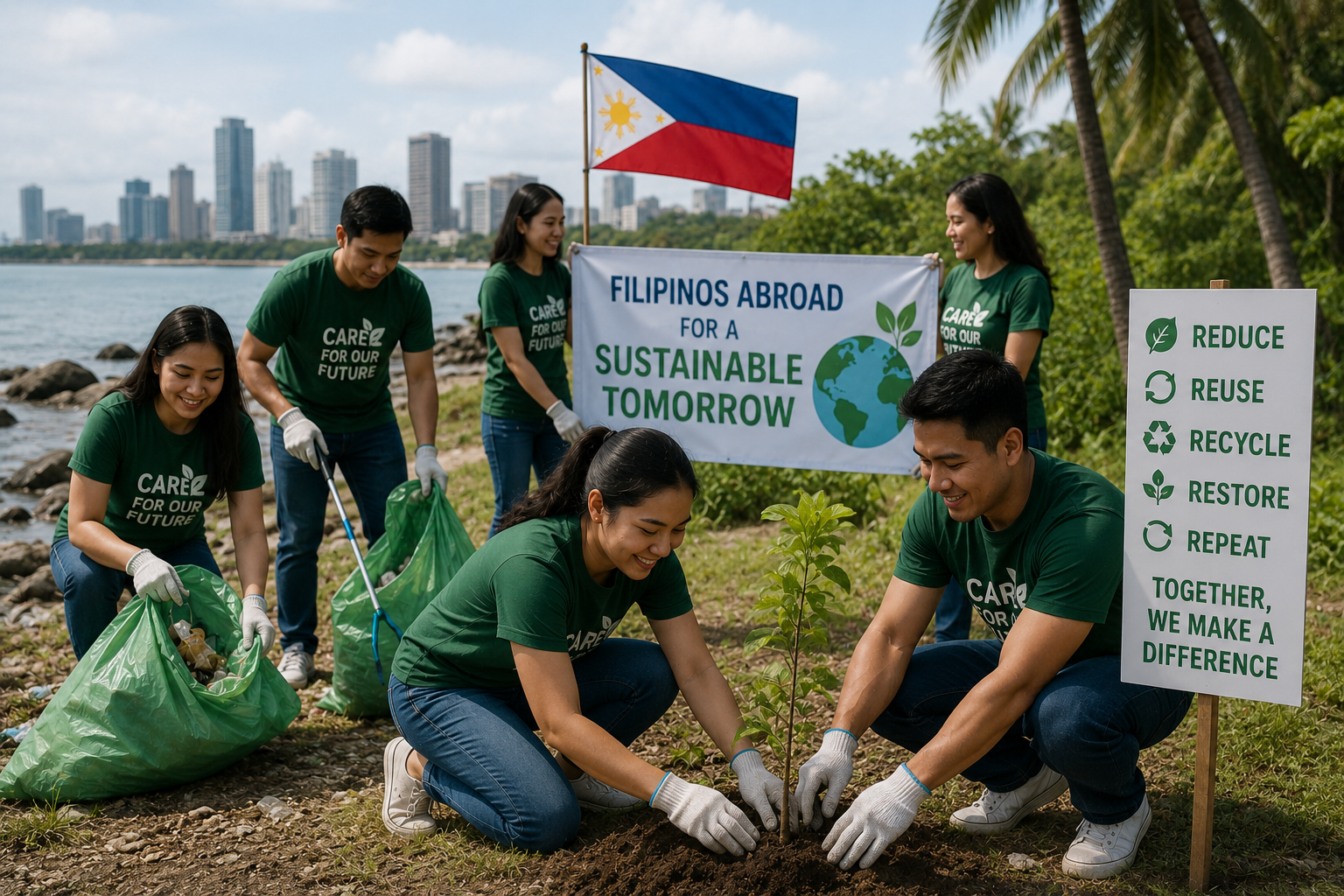
Tree-planting initiatives have become among the most popular environmental activities organized by Filipino communities abroad. Volunteers frequently partner with local governments, environmental organizations, schools, and community groups to support reforestation projects and urban greening efforts. These activities help improve local environments while promoting awareness of the important role trees play in climate regulation, air quality improvement, and ecosystem health. Participants often view tree planting as a symbolic investment in the future and a practical contribution to environmental sustainability.
Coastal and community cleanup campaigns have also become common features of environmental volunteer programs. In countries with significant Filipino populations near coastal areas, volunteers regularly participate in beach cleanups designed to reduce pollution and protect marine ecosystems. Similar efforts are often organized in parks, rivers, neighborhoods, and public spaces where waste management challenges affect environmental quality. Organizers note that cleanup activities not only improve local surroundings but also encourage greater public awareness about responsible waste disposal and environmental conservation.
Recycling and waste reduction initiatives have gained momentum as communities seek practical ways to address environmental challenges. Filipino organizations frequently host educational workshops and awareness campaigns that encourage recycling, composting, responsible consumption, and sustainable household practices. Community leaders believe that promoting environmentally responsible habits can help reduce waste while encouraging long-term behavioral change that benefits both communities and ecosystems.
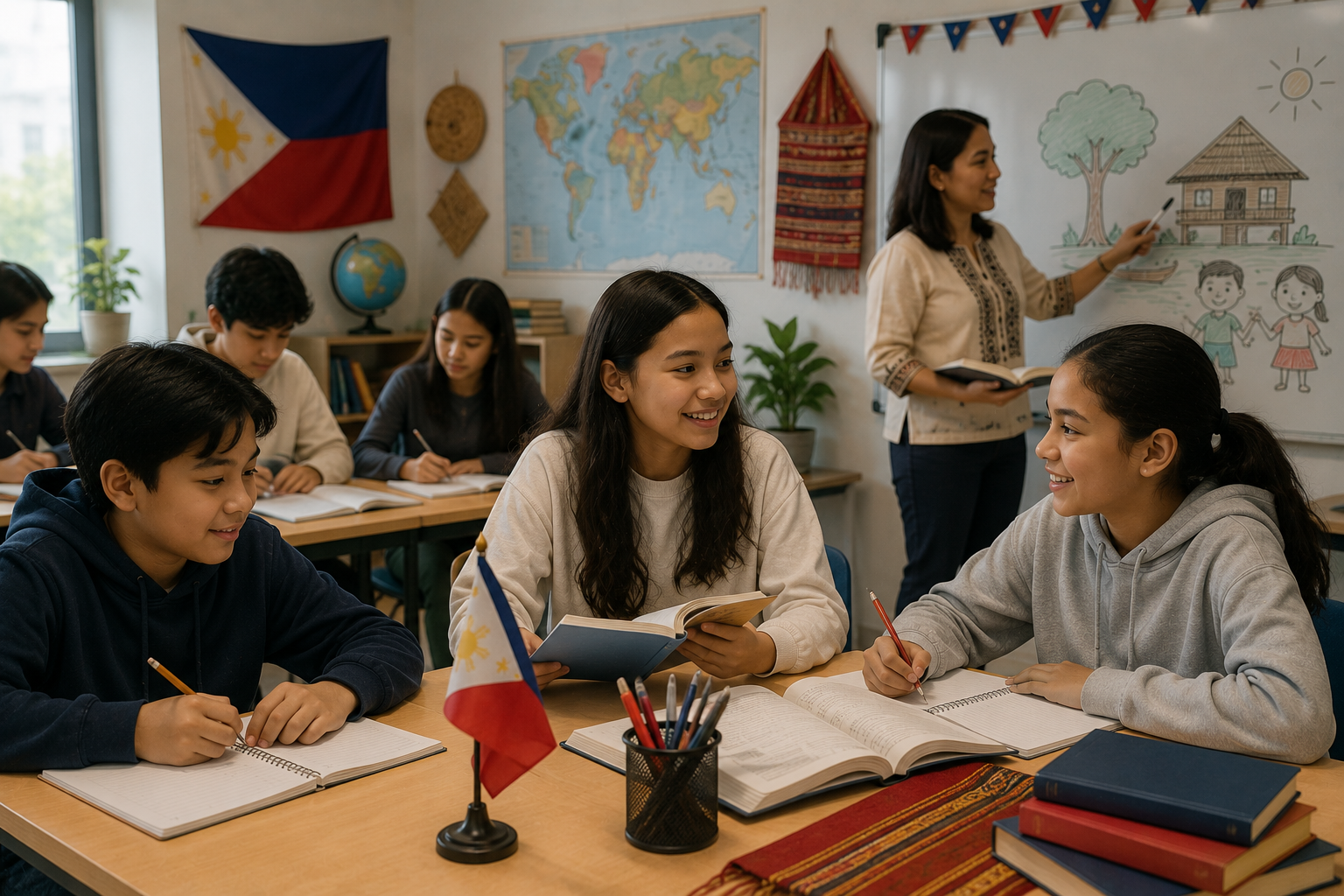
Environmental education has emerged as one of the most impactful aspects of community sustainability programs. Workshops, seminars, school outreach activities, and informational campaigns provide opportunities for individuals to learn about climate change, biodiversity conservation, renewable energy, water management, and sustainable development. Organizers emphasize that education is essential for empowering communities to make informed decisions and participate effectively in environmental initiatives.
Young Filipinos have become particularly active participants in sustainability projects. Youth-led organizations often take leadership roles in environmental campaigns, bringing energy, creativity, and innovative ideas to community programs. Their involvement helps ensure that sustainability remains a priority for future generations while encouraging broader participation among peers and families. Community advocates note that youth engagement is critical for building long-term environmental awareness and fostering future environmental leadership.
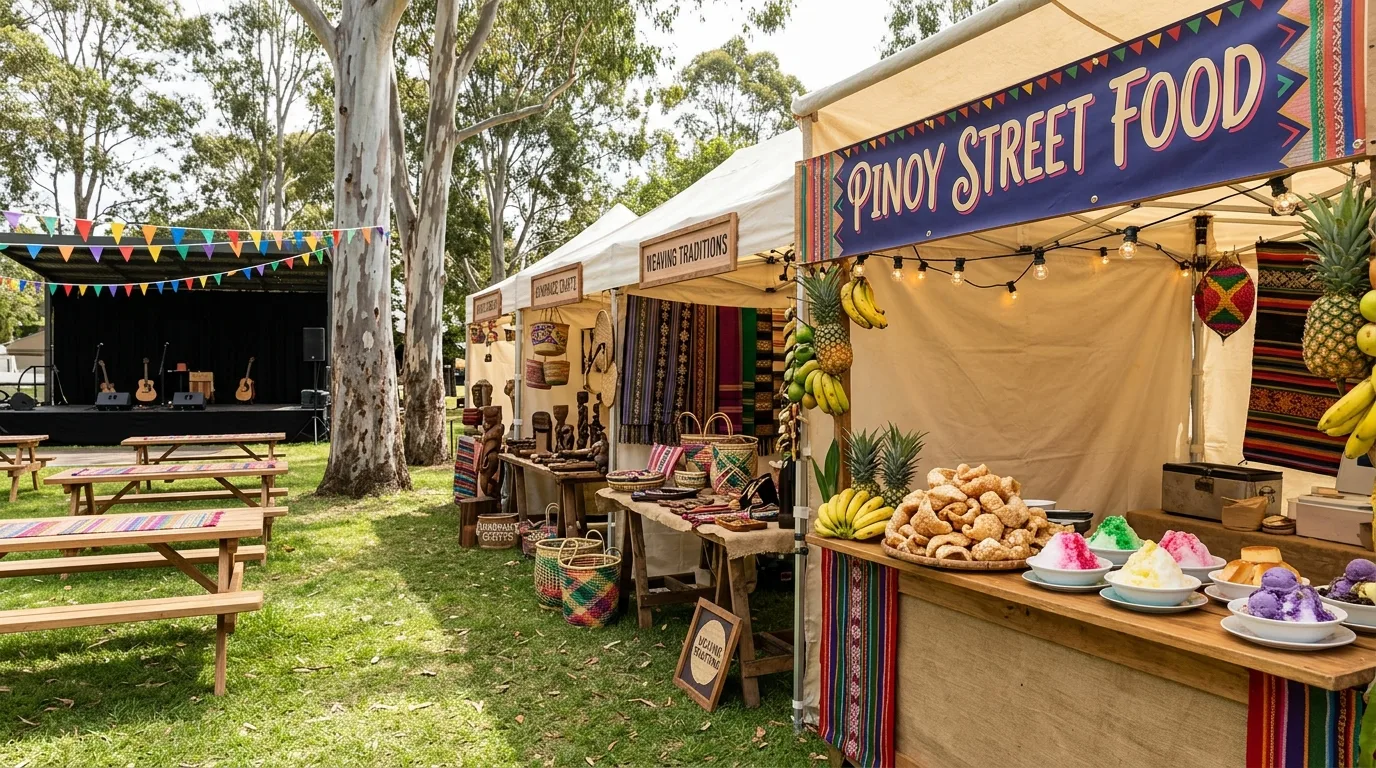
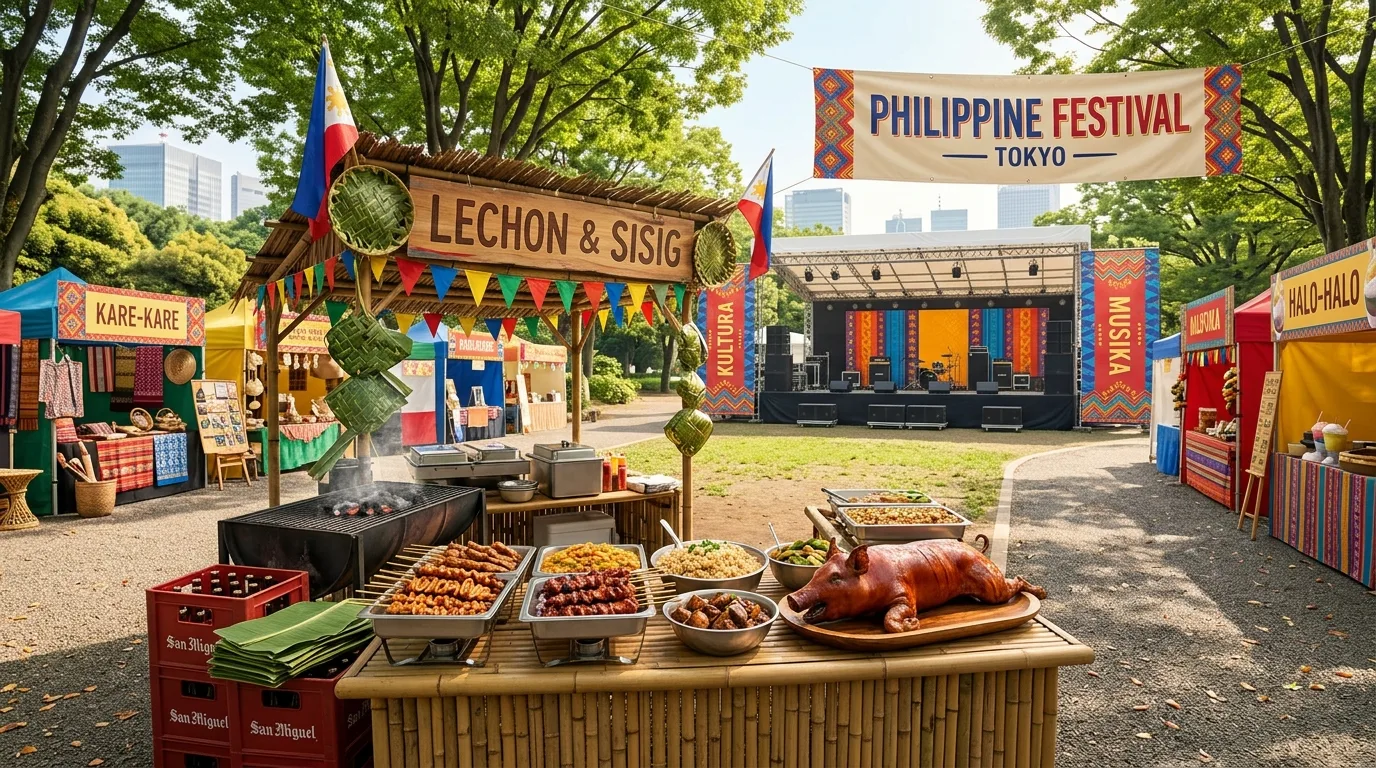
Many overseas Filipino organizations are incorporating sustainability into larger community events and cultural celebrations. Heritage festivals, community gatherings, and fundraising activities increasingly feature environmentally friendly practices such as waste reduction measures, reusable materials, recycling stations, and educational exhibits on sustainability. These efforts demonstrate how environmental responsibility can be integrated into community life while promoting broader awareness among event participants.
Technology has become an important tool for organizing and expanding environmental projects. Social media platforms, digital communication tools, and online campaigns allow organizations to recruit volunteers, share educational content, coordinate activities, and highlight project outcomes. These technologies make it easier to engage community members and amplify environmental messages across wider audiences. Organizers report that digital platforms have significantly increased participation and awareness within sustainability initiatives.
The spirit of bayanihan remains central to many environmental projects organized by Overseas Filipinos. Volunteers frequently contribute time, resources, and expertise to support community initiatives without expectation of personal reward. This collaborative approach reflects traditional Filipino values while demonstrating how cultural principles can be applied to modern environmental challenges. Community leaders often describe environmental volunteerism as a contemporary expression of bayanihan that benefits both people and the planet.
Partnerships with environmental organizations have helped strengthen the effectiveness of many sustainability programs. Collaborations with conservation groups, educational institutions, government agencies, and local communities provide access to expertise, resources, and opportunities for broader impact. These partnerships enable Filipino organizations to participate in larger environmental initiatives while expanding their knowledge and capacity for future projects.
Many sustainability initiatives also maintain strong connections to the Philippines. Overseas Filipino groups frequently support environmental projects in their hometowns and provinces through fundraising campaigns, educational programs, and collaborative conservation efforts. These initiatives help strengthen ties between overseas communities and local areas while contributing to environmental protection efforts within the Philippines. Community leaders view these connections as important expressions of continuing commitment to the country's future.
Environmental projects often create opportunities for intercultural collaboration as well. Sustainability concerns transcend national and cultural boundaries, making environmental initiatives effective platforms for cooperation among diverse communities. Filipino volunteers frequently work alongside individuals from different backgrounds, fostering understanding and friendship while addressing shared environmental goals. Organizers believe that these collaborations demonstrate the unifying potential of environmental action.
Many participants report that involvement in environmental projects provides benefits beyond ecological outcomes. Volunteer activities help strengthen social connections, improve mental well-being, encourage active lifestyles, and foster a greater sense of purpose and community engagement. These personal and social benefits contribute to stronger, more resilient communities while reinforcing the value of collective action.
Climate resilience has become an increasingly important focus within sustainability programs. Many Overseas Filipinos are aware of the environmental challenges faced by communities in the Philippines, including extreme weather events, flooding, and environmental degradation. This awareness often motivates support for initiatives that promote preparedness, conservation, and sustainable resource management. Organizers emphasize that building resilience requires both local action and global cooperation.
Community gardens and urban agriculture projects have also gained popularity in some overseas Filipino communities. These initiatives promote sustainable food production, environmental education, and community engagement while providing opportunities for participants to reconnect with agricultural traditions. Organizers note that such projects help demonstrate practical approaches to sustainability while encouraging healthier lifestyles and stronger community relationships.
The growing visibility of Filipino-led sustainability initiatives has helped inspire broader participation in environmental causes. Success stories shared through community networks and social media platforms encourage other groups to develop similar programs and explore new approaches to environmental stewardship. Community leaders view these examples as important catalysts for expanding sustainability efforts across different regions and communities.
Looking ahead, environmental advocates anticipate continued growth in community-led sustainability initiatives as awareness of environmental issues continues to increase. Emerging priorities such as renewable energy, biodiversity protection, sustainable transportation, climate adaptation, and circular economy practices are expected to shape future projects. Filipino organizations remain committed to adapting their programs to address evolving environmental challenges while maintaining strong community involvement.
Many community leaders believe that environmental sustainability will remain an important area of focus for overseas Filipino organizations in the years ahead. The combination of cultural values, community spirit, and growing environmental awareness provides a strong foundation for continued action and innovation. Organizers are optimistic that future initiatives will create even greater opportunities for positive environmental impact and community engagement.
Ultimately, the efforts of Overseas Filipinos to promote sustainability through community-led environmental projects demonstrate the powerful role that local action can play in addressing global challenges. Through volunteerism, education, collaboration, and environmental stewardship, Filipino communities are contributing to healthier ecosystems while strengthening social bonds and fostering a culture of responsibility and care.
As sustainability becomes an increasingly important global priority, the commitment shown by Overseas Filipinos serves as an inspiring example of how communities can work together to create meaningful change. Guided by the spirit of bayanihan and a shared commitment to future generations, these environmental initiatives continue to make positive contributions that benefit communities, ecosystems, and society as a whole.
Enjoyed this story?
Share this story