Overseas Filipinos Promote Sustainability Through Community-Led Environmental Projects
Share
June 13, 2026
Updated Oct 16, 2026
8 min read
210 views
MANILA, Philippines — Overseas Filipino communities around the world are increasingly taking active roles in promoting sustainability through community-led environmental projects that address conservation, climate awareness, waste management, ecological restoration, and environmental education. Across North America, Europe, the Middle East, Asia, and Australia, Filipino organizations are organizing initiatives that demonstrate how grassroots action can contribute to environmental protection while strengthening community engagement and social responsibility.
As environmental concerns continue to gain global attention, communities are recognizing the importance of local action in supporting broader sustainability goals. Overseas Filipinos have responded by launching projects that encourage participation from individuals, families, schools, businesses, and community organizations. These initiatives reflect a growing awareness of environmental challenges while highlighting the ability of communities to work together toward practical and meaningful solutions. Community leaders note that sustainability projects have become valuable opportunities to combine civic engagement, environmental stewardship, and cultural values rooted in cooperation and collective responsibility.
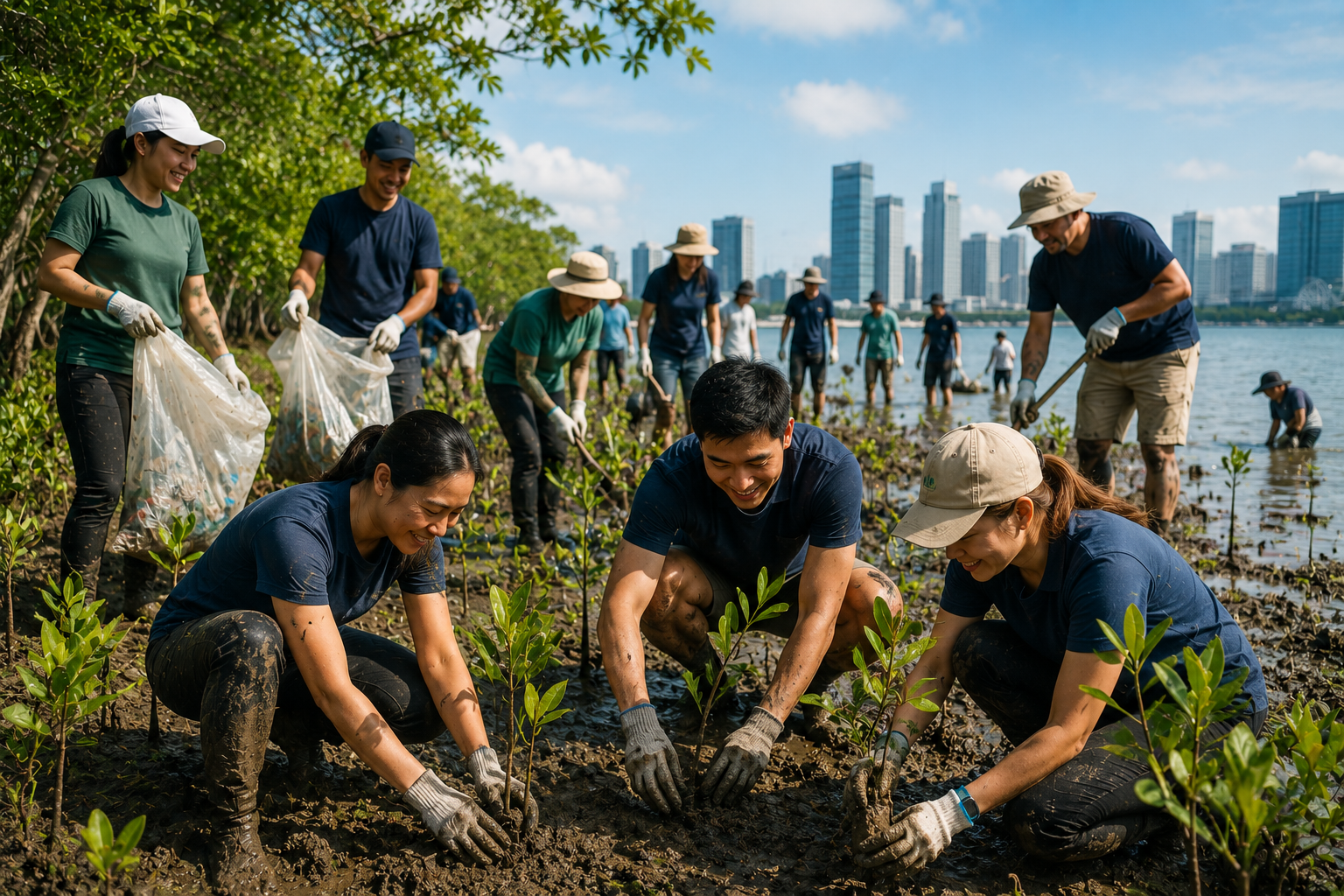
Many environmental programs organized by Filipino communities focus on conservation and ecological restoration. Tree-planting activities have become particularly popular because they provide visible and long-term environmental benefits while encouraging volunteer participation. Community organizations frequently partner with local governments, environmental groups, schools, and private organizations to support reforestation efforts and urban greening projects. Participants often view these activities as meaningful contributions to environmental sustainability while creating opportunities for education and community building.
Coastal and community cleanup campaigns have also become important components of sustainability efforts. Filipino volunteers regularly organize cleanup drives in parks, beaches, rivers, public spaces, and residential areas. These projects help improve local environments while raising awareness about waste management and pollution prevention. Organizers emphasize that cleanup activities not only produce immediate environmental improvements but also encourage long-term behavioral changes related to responsible waste disposal and environmental care.
Recycling and waste reduction initiatives have gained momentum among many overseas Filipino organizations. Community leaders recognize that reducing waste is one of the most practical ways individuals can contribute to sustainability efforts. Educational campaigns, recycling drives, reusable product initiatives, and community awareness programs help encourage environmentally responsible practices among residents. Many organizations have expanded these efforts by incorporating workshops and educational sessions that explain the environmental impacts of consumption and waste generation.
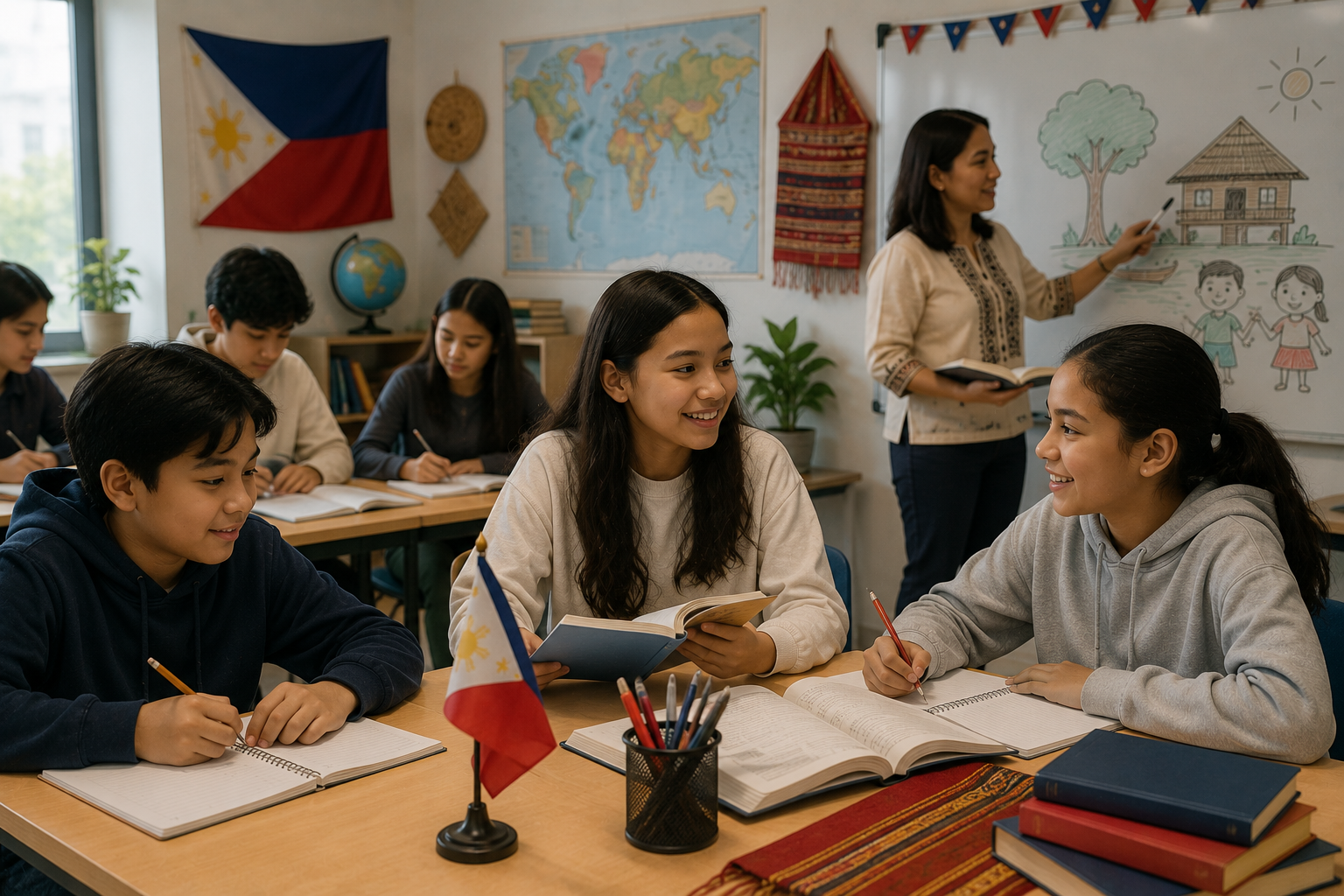
Environmental education has become a central focus of many sustainability programs. Community organizations frequently conduct seminars, workshops, webinars, and awareness campaigns covering topics such as climate change, biodiversity conservation, renewable energy, sustainable lifestyles, and environmental responsibility. Organizers believe that education is essential for creating lasting change because informed individuals are more likely to adopt environmentally conscious behaviors and support sustainability initiatives within their communities.
Young people play particularly important roles in many environmental projects. Filipino youth organizations abroad have become active participants in sustainability campaigns, often leading initiatives that combine environmental advocacy with community engagement. Students and young professionals frequently contribute innovative ideas, digital outreach strategies, and volunteer leadership that help expand the reach and impact of environmental programs. Community leaders view youth participation as critical for ensuring the long-term success of sustainability efforts while fostering environmental awareness among future generations.
The influence of digital technology has significantly enhanced environmental advocacy initiatives. Social media campaigns, virtual educational programs, online volunteer networks, and digital storytelling projects allow organizations to reach wider audiences and share environmental messages more effectively. Through digital platforms, communities can showcase successful projects, exchange ideas, and encourage participation across geographic boundaries. Organizers note that technology has become a valuable tool for raising awareness and mobilizing support for sustainability initiatives.
Many overseas Filipino organizations have adopted sustainability as part of broader community development strategies. Environmental projects are often integrated into cultural events, educational programs, youth leadership initiatives, and charitable activities. This integrated approach helps reinforce the idea that sustainability is not a separate issue but rather a shared responsibility that influences multiple aspects of community life. Leaders believe that incorporating environmental themes into existing programs increases engagement while normalizing sustainable practices.
Partnerships have played important roles in the success of many community-led projects. Filipino organizations frequently collaborate with environmental advocacy groups, educational institutions, businesses, local governments, and nonprofit organizations to access resources, expertise, and volunteer support. These partnerships strengthen project implementation while creating opportunities for knowledge sharing and collaborative problem-solving. Community advocates emphasize that environmental challenges are best addressed through collective efforts involving multiple stakeholders.
The Filipino concept of bayanihan continues to influence environmental initiatives organized by overseas communities. Traditionally associated with mutual assistance and collective action, bayanihan provides a strong cultural foundation for volunteer-driven sustainability efforts. Participants often describe environmental projects as opportunities to express community values while contributing positively to society. Organizers believe that this cultural perspective helps inspire participation and strengthen commitment to long-term environmental goals.
Many sustainability programs have expanded beyond local projects to support environmental initiatives in the Philippines. Overseas Filipino organizations frequently raise funds, provide resources, and support conservation programs aimed at protecting natural ecosystems and vulnerable communities back home. These efforts reflect strong transnational connections while demonstrating how diaspora communities can contribute to environmental sustainability both locally and internationally.
Climate awareness has become an increasingly important topic within community discussions. Many overseas Filipinos are deeply aware of the environmental challenges facing the Philippines, including extreme weather events, coastal vulnerability, and ecosystem degradation. Advocacy programs often highlight the importance of climate resilience while encouraging practical actions that support environmental protection. Organizers note that climate-related education helps communities understand the connections between local actions and global environmental outcomes.
Community gardens and urban agriculture projects have also emerged as popular sustainability initiatives in some regions. These programs encourage local food production, environmental education, and community interaction while promoting sustainable lifestyles. Participants gain practical knowledge about gardening, food systems, and resource conservation while strengthening social connections within their communities. Organizers view these projects as effective examples of sustainability in action.
The business community has increasingly become involved in environmental initiatives led by Filipino organizations. Entrepreneurs, professionals, and business owners often provide sponsorship, resources, volunteer support, and technical expertise that help expand project capacity. Corporate participation reflects growing recognition that environmental sustainability benefits communities, economies, and future generations alike. Community leaders welcome these partnerships as valuable contributions to collective environmental goals.
Environmental projects also provide opportunities for cultural exchange and relationship building. By collaborating with local residents and organizations from diverse backgrounds, Filipino communities contribute to broader sustainability movements while sharing perspectives and experiences. These interactions strengthen social cohesion and demonstrate how environmental stewardship can serve as a common ground for cooperation among different cultural groups.
Many participants report that involvement in sustainability projects has positive personal impacts beyond environmental outcomes. Volunteering often promotes social connection, leadership development, civic engagement, and personal fulfillment. Community organizations note that environmental initiatives frequently attract individuals who wish to contribute meaningfully to society while building relationships with like-minded community members. These benefits help sustain volunteer participation and strengthen community networks.
The visibility of overseas Filipino environmental initiatives continues to grow as more organizations document and share their accomplishments. Success stories involving cleanup campaigns, tree-planting efforts, educational programs, and sustainability partnerships inspire other communities to undertake similar projects. Organizers believe that sharing positive examples encourages wider participation and demonstrates the practical impact of grassroots environmental action.
Looking ahead, many community leaders anticipate continued expansion of sustainability programs as environmental awareness grows and new opportunities for collaboration emerge. Areas such as renewable energy education, biodiversity conservation, sustainable transportation, circular economy practices, and climate adaptation are expected to become increasingly important topics within community-led initiatives. Organizations remain committed to exploring innovative approaches that maximize environmental benefits while encouraging broad participation.
The future of these projects will likely depend on continued community engagement, effective partnerships, and strong leadership. Organizers emphasize the importance of creating programs that remain accessible, inclusive, and relevant to diverse audiences. By encouraging participation across generations and cultural backgrounds, sustainability initiatives can continue generating positive impacts while strengthening community resilience.
Ultimately, the growing involvement of Overseas Filipinos in environmental projects demonstrates the power of community action in addressing global challenges. Through volunteerism, education, collaboration, and advocacy, Filipino communities abroad are making meaningful contributions to environmental sustainability while strengthening social bonds and promoting shared responsibility.
As sustainability continues to shape discussions about the future of communities and societies worldwide, the efforts of Overseas Filipinos serve as inspiring examples of how local initiatives can create lasting positive change. Their commitment to environmental stewardship reflects both a dedication to protecting natural resources and a belief that collective action can help build healthier, more sustainable communities for generations to come.
Enjoyed this story?
Share this story