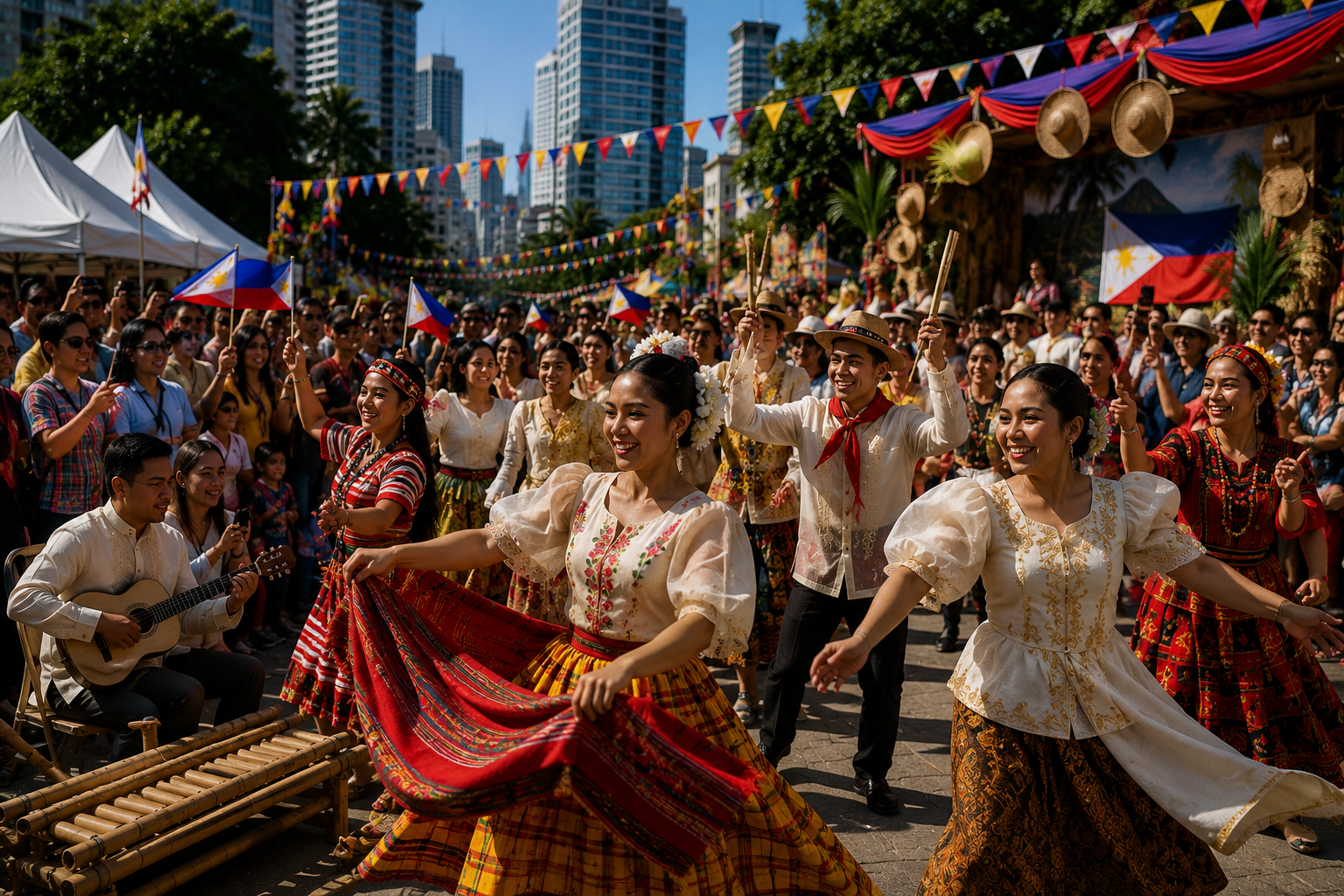
Overseas Filipinos Strengthen Cultural Heritage Through Community-Led Events
Share
June 07, 2026
Updated Oct 16, 2026
8 min read
285 views
MANILA, Philippines — Overseas Filipinos are playing an increasingly important role in preserving and strengthening Philippine cultural heritage through a growing number of community-led events being organized across different regions of the world. From cultural festivals and educational programs to heritage exhibits, language workshops, traditional performances, and community celebrations, Filipino communities abroad are finding innovative ways to maintain strong connections to their roots while sharing the richness of Philippine culture with international audiences.
As millions of Filipinos continue to live and work outside the Philippines, community leaders and cultural advocates recognize the importance of creating opportunities for cultural preservation and engagement. While migration offers economic opportunities and global experiences, it also presents challenges related to maintaining cultural identity across generations. Community-led events have emerged as effective platforms for ensuring that traditions, customs, languages, values, and historical narratives remain accessible and meaningful for Filipinos living abroad and their descendants.
Across North America, Europe, Australia, Asia, and the Middle East, Filipino organizations are investing significant time and resources into cultural initiatives that bring people together while promoting a deeper understanding of Philippine heritage. These efforts often involve collaboration among community associations, educational institutions, cultural groups, faith-based organizations, volunteers, and local partners. The result is a diverse range of programs that celebrate Filipino identity while fostering stronger community relationships and cultural awareness.
One of the primary objectives of community-led cultural events is the preservation of traditions that have been passed down through generations. Traditional dances, music, folk arts, indigenous cultural practices, regional customs, and historical commemorations are frequently featured during community celebrations. Organizers believe that active participation in cultural activities helps individuals develop stronger connections to their heritage while ensuring that important traditions continue to thrive in new environments. These events serve not only as celebrations but also as educational experiences that encourage learning and cultural continuity.
Many cultural advocates emphasize that preserving heritage requires more than simply remembering traditions; it requires creating opportunities for people to experience and participate in them. Community-led events provide spaces where cultural practices can be shared, demonstrated, and celebrated. Participants often have opportunities to learn traditional dances, listen to historical presentations, engage with cultural exhibits, and interact with community members who possess valuable cultural knowledge. These interactions help transform cultural preservation into an active and meaningful process.
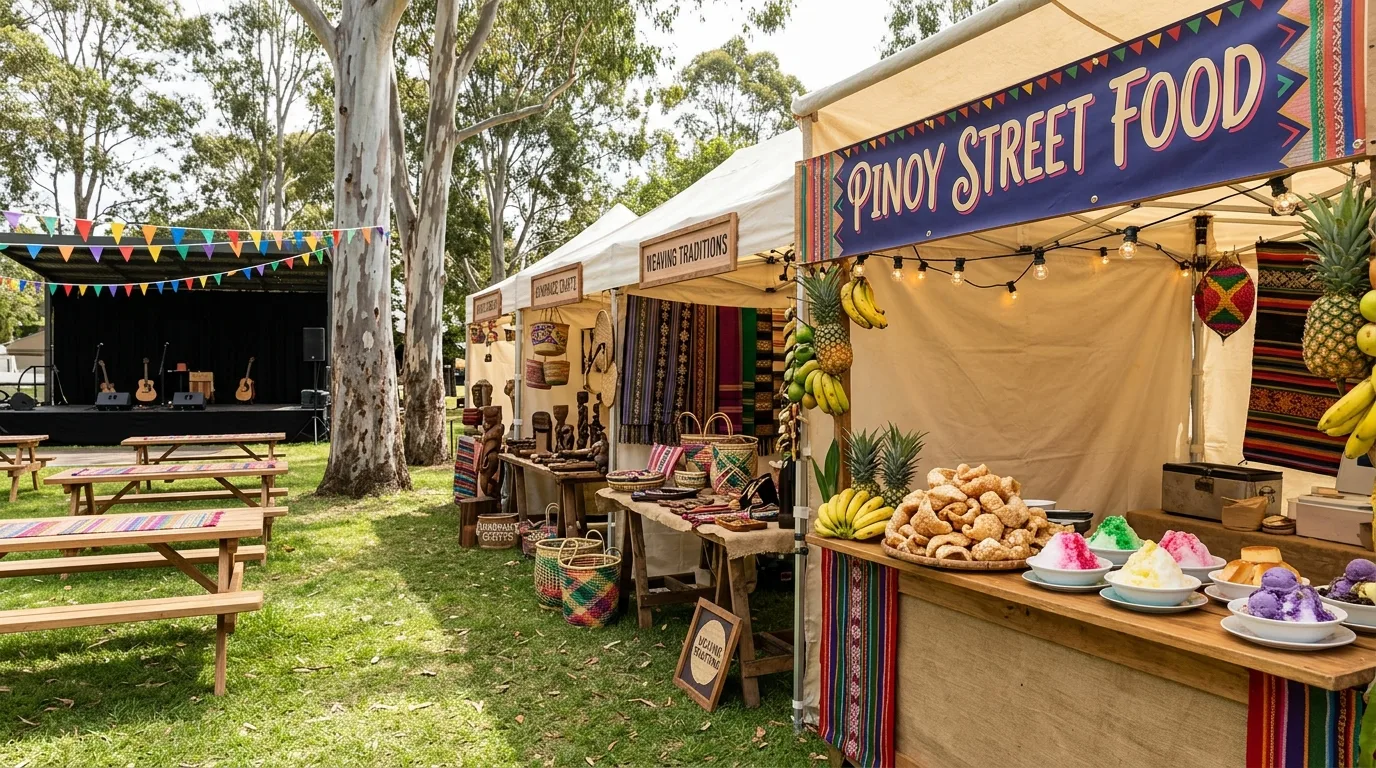
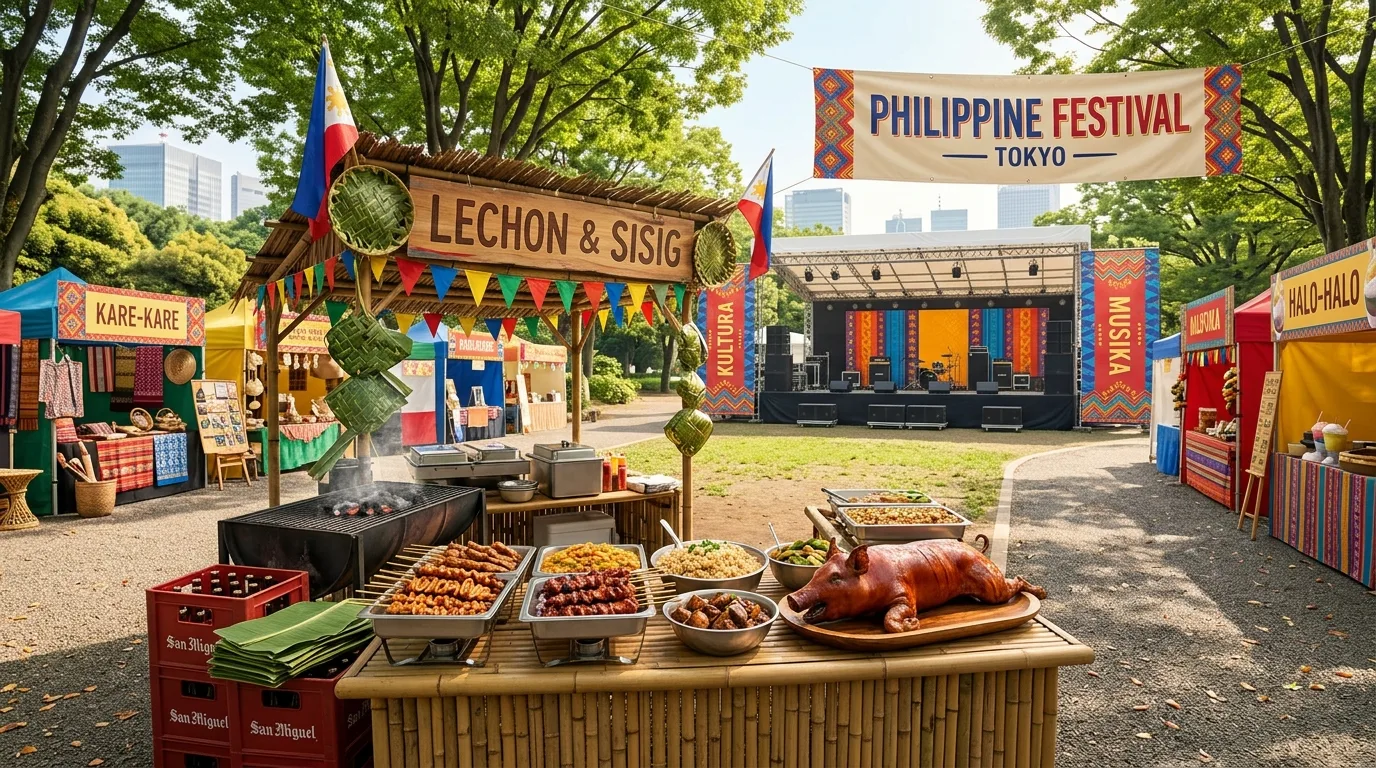
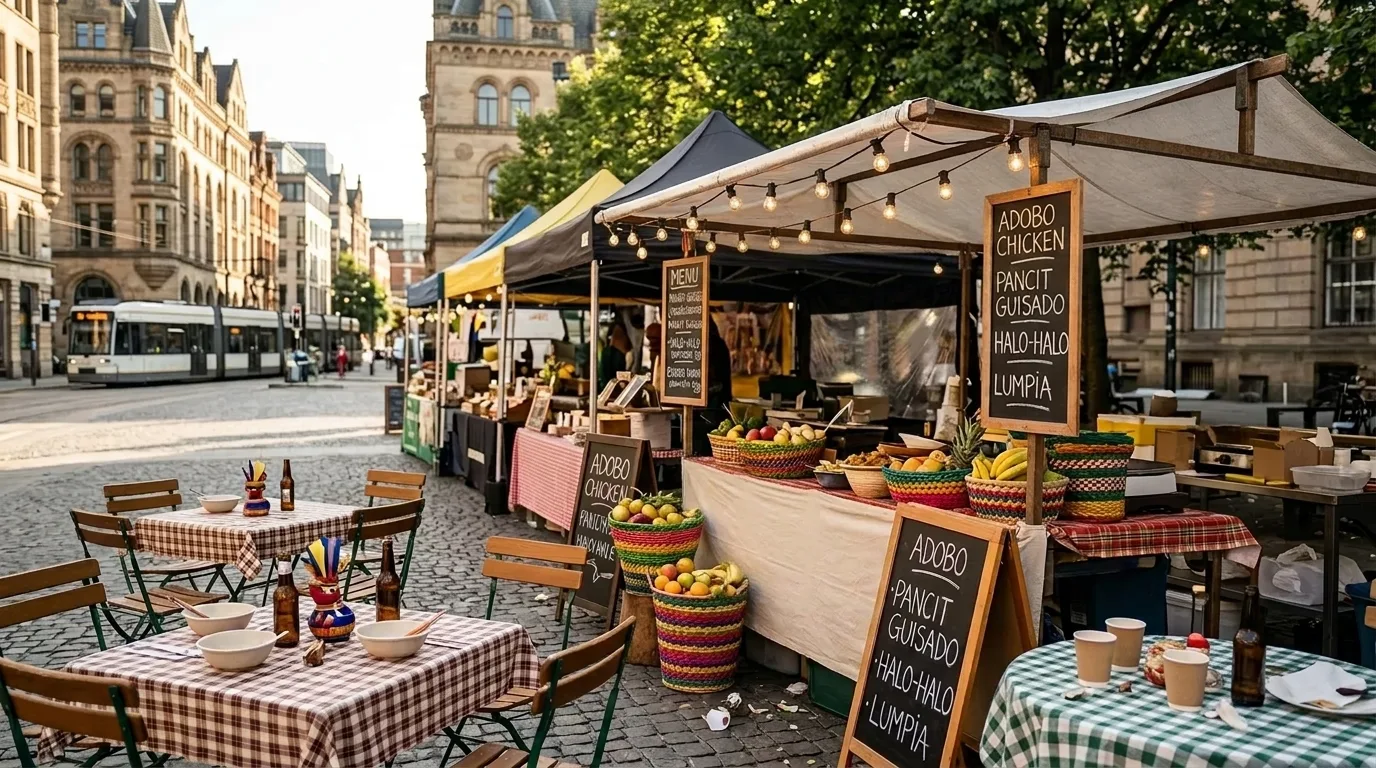
Food remains one of the most influential elements of community cultural events. Filipino cuisine provides a powerful connection to heritage and serves as a welcoming introduction to Philippine culture for people from diverse backgrounds. Community festivals frequently feature traditional dishes, regional specialties, and family recipes that reflect the diversity of Filipino culinary traditions. Food-related activities often include cooking demonstrations, culinary competitions, and educational presentations that explore the history and cultural significance of various dishes.
The growing international recognition of Filipino cuisine has contributed positively to cultural preservation efforts. Many overseas Filipino communities use food festivals and culinary events as opportunities to share cultural stories while promoting greater awareness of Philippine traditions. Organizers note that food has a unique ability to bring people together, creating opportunities for conversation, cultural exchange, and community building. Through shared meals and culinary experiences, participants gain deeper appreciation for the values and traditions associated with Filipino hospitality.
Music and performing arts continue to serve as powerful tools for cultural expression and preservation. Choirs, dance groups, musicians, theater performers, and cultural ensembles regularly participate in community events that showcase traditional and contemporary Filipino artistic talents. Performances often draw inspiration from regional traditions, historical narratives, and cultural themes that reflect the diversity of Philippine society. Community leaders believe these artistic presentations help preserve cultural knowledge while creating opportunities for creative expression and intergenerational engagement.
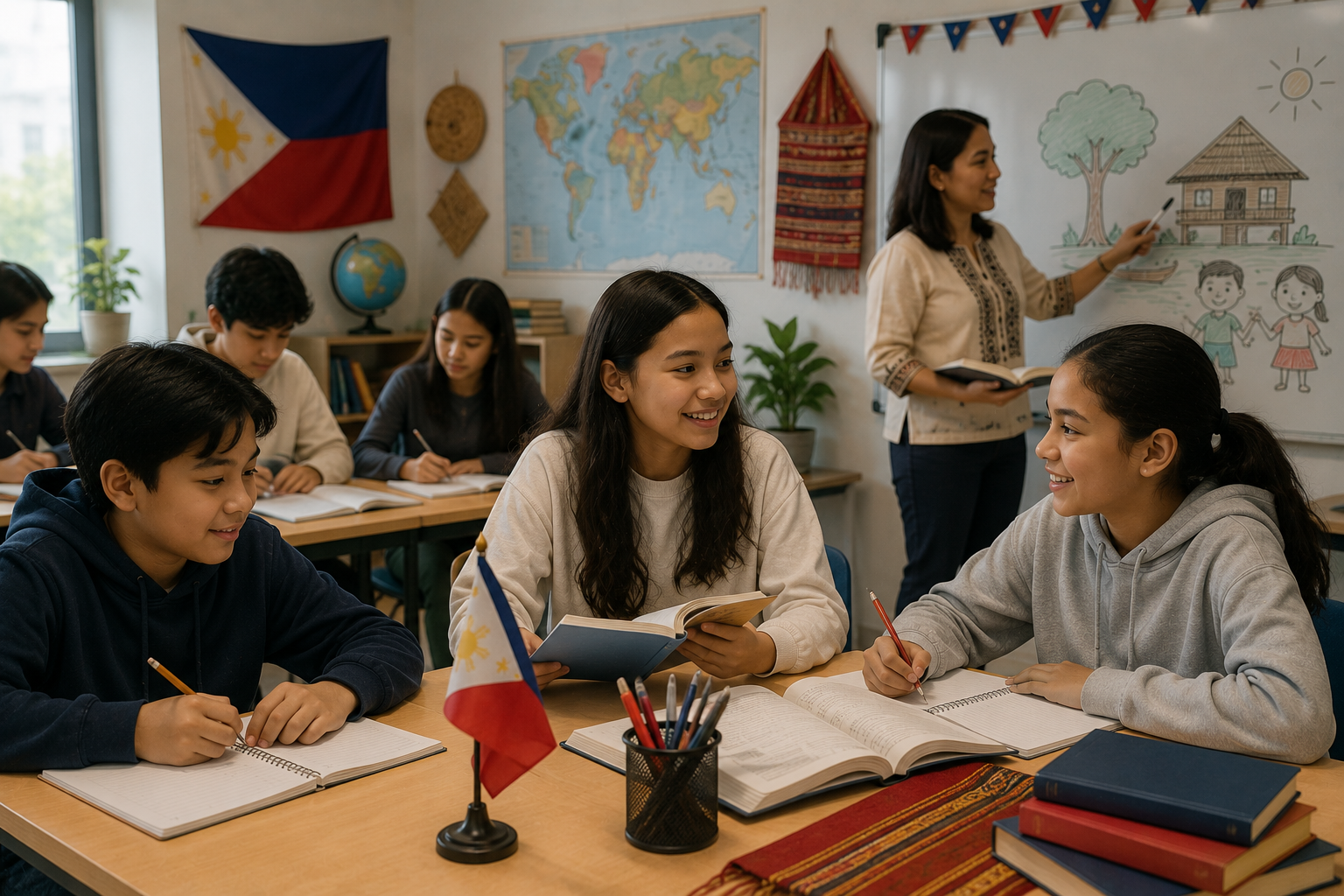
Language preservation has become another important focus of many community-led initiatives. As younger generations grow up in multicultural environments, maintaining familiarity with Filipino languages can become increasingly challenging. Community organizations are responding by offering language workshops, cultural education programs, storytelling sessions, and youth-focused activities that encourage linguistic engagement. Educators and cultural advocates view language as a critical component of heritage because it carries unique perspectives, values, and historical experiences that are difficult to fully convey through translation alone.
Youth participation is widely recognized as one of the most important factors influencing the long-term success of cultural preservation efforts. Many organizations actively involve younger generations in event planning, leadership development, volunteer activities, and cultural programming. Through direct participation, young Filipinos gain opportunities to learn about their heritage while contributing their own ideas and perspectives. Community leaders frequently note that youth engagement helps ensure that cultural traditions remain relevant and adaptable within changing social environments.
Technology has expanded the reach and impact of community-led cultural initiatives. Social media platforms, online workshops, livestream events, digital archives, and virtual cultural programs allow organizations to connect with broader audiences than ever before. Overseas Filipinos who may be separated by geography can participate in cultural activities, share experiences, and access educational resources through digital platforms. Community organizers increasingly view technology as an important tool for preserving heritage and strengthening global cultural connections.
The spirit of bayanihan continues to play a central role in many community-led events. Volunteers contribute countless hours organizing festivals, educational programs, charitable initiatives, and cultural activities that benefit both Filipino communities and broader society. This collective effort reflects deeply rooted Filipino values centered on cooperation, mutual support, and community responsibility. Organizers often describe volunteerism as one of the strongest expressions of cultural identity because it demonstrates the willingness of individuals to work together for the common good.
Community-led events frequently serve charitable and social purposes as well. Many festivals and cultural gatherings include fundraising efforts that support scholarships, community projects, humanitarian initiatives, and assistance programs for vulnerable populations. These activities reinforce the idea that cultural celebration and community service can work hand in hand. Organizers view such efforts as practical expressions of Filipino values while creating positive impacts both locally and internationally.
The influence of community-led cultural events extends beyond Filipino populations. Many programs are intentionally designed to engage individuals from different cultural backgrounds who are interested in learning about Philippine traditions. Festivals, exhibitions, educational programs, and public performances often attract diverse audiences, creating opportunities for intercultural dialogue and mutual understanding. Community leaders believe that sharing culture with others helps build stronger relationships while promoting respect and appreciation for diversity.
Educational institutions have become valuable partners in many cultural preservation efforts. Schools, universities, libraries, and cultural centers frequently collaborate with Filipino organizations to host events, workshops, and exhibitions that explore Philippine history and heritage. These partnerships create opportunities for broader community engagement while helping integrate cultural education into academic and public learning environments.
Economic benefits can also emerge from community-led cultural events. Artisans, food vendors, performers, entrepreneurs, and local businesses often gain visibility and support through participation in festivals and cultural activities. Many events provide platforms for showcasing Filipino products, services, and creative talents. Community leaders note that cultural initiatives can contribute to economic development while strengthening community identity and social cohesion.
The increasing visibility of Filipino cultural events reflects broader trends related to multiculturalism and global cultural exchange. As societies become more interconnected, communities are seeking opportunities to celebrate their unique identities while contributing to diverse and inclusive environments. Filipino organizations have responded by creating events that are both culturally authentic and accessible to wider audiences. This balance helps ensure that cultural preservation efforts remain relevant and impactful.
Many community leaders believe that cultural preservation is not simply about maintaining traditions from the past but also about adapting them for future generations. Community-led events provide opportunities to reinterpret traditions, incorporate new perspectives, and respond to changing circumstances while preserving core cultural values. This dynamic approach helps ensure that heritage remains a living and evolving part of community life rather than a static collection of historical practices.
Looking ahead, overseas Filipino communities are expected to continue expanding cultural programs and strengthening international networks that support heritage preservation. Growing community participation, increased digital engagement, and stronger partnerships with educational and cultural institutions provide favorable conditions for future growth. Organizers remain optimistic that these efforts will continue inspiring pride, connection, and cultural awareness among Filipinos around the world.
Ultimately, the success of community-led cultural events demonstrates the resilience and adaptability of Filipino heritage in a globalized world. Through festivals, educational initiatives, artistic performances, language programs, and community service projects, overseas Filipinos are actively preserving the traditions and values that define their identity. Their efforts show that cultural heritage is not limited by geography but can thrive wherever people remain committed to celebrating, sharing, and passing it on.
As Filipino communities continue to grow and evolve across different regions of the world, community-led events will remain essential tools for strengthening cultural connections and promoting heritage preservation. These initiatives not only honor the past but also help shape a future in which Filipino traditions continue to inspire pride, unity, and belonging for generations to come.
Enjoyed this story?
Share this story