Overseas Filipinos Unite Through Cultural Festivals Across Europe and North America
Share
June 05, 2026
Updated Oct 16, 2026
7 min read
250 views
MANILA, Philippines — Filipino communities across Europe and North America are strengthening cultural connections and community bonds through a growing number of festivals, heritage celebrations, and cultural gatherings that continue to unite overseas Filipinos while introducing global audiences to the richness of Philippine traditions.
From major cities such as London, Paris, Madrid, Rome, Toronto, Vancouver, New York, Los Angeles, Chicago, and numerous other urban centers, Filipino cultural festivals have become important annual events that celebrate identity, preserve traditions, and foster community engagement among Filipinos living abroad.
Community leaders describe these gatherings as powerful reminders that cultural heritage remains a source of pride and connection regardless of geographic distance from the Philippines.
As Filipino populations continue to grow across Europe and North America, cultural festivals have become increasingly significant platforms for preserving traditions and strengthening relationships between generations.
These celebrations allow Filipinos to reconnect with their roots while creating opportunities for younger generations to learn about their heritage and cultural identity.
For many families, cultural festivals provide valuable experiences that help maintain connections to traditions that might otherwise become more difficult to preserve in foreign environments.
The growing popularity of Filipino cultural events reflects broader interest in multicultural experiences and cultural diversity.
Many festivals attract not only Filipino attendees but also local residents, tourists, cultural organizations, educational institutions, and government representatives interested in learning more about Philippine culture.
These interactions promote cultural exchange while strengthening appreciation for the contributions of Filipino communities within their adopted countries.
Organizers often emphasize that festivals serve as bridges between cultures rather than celebrations limited to a single community.
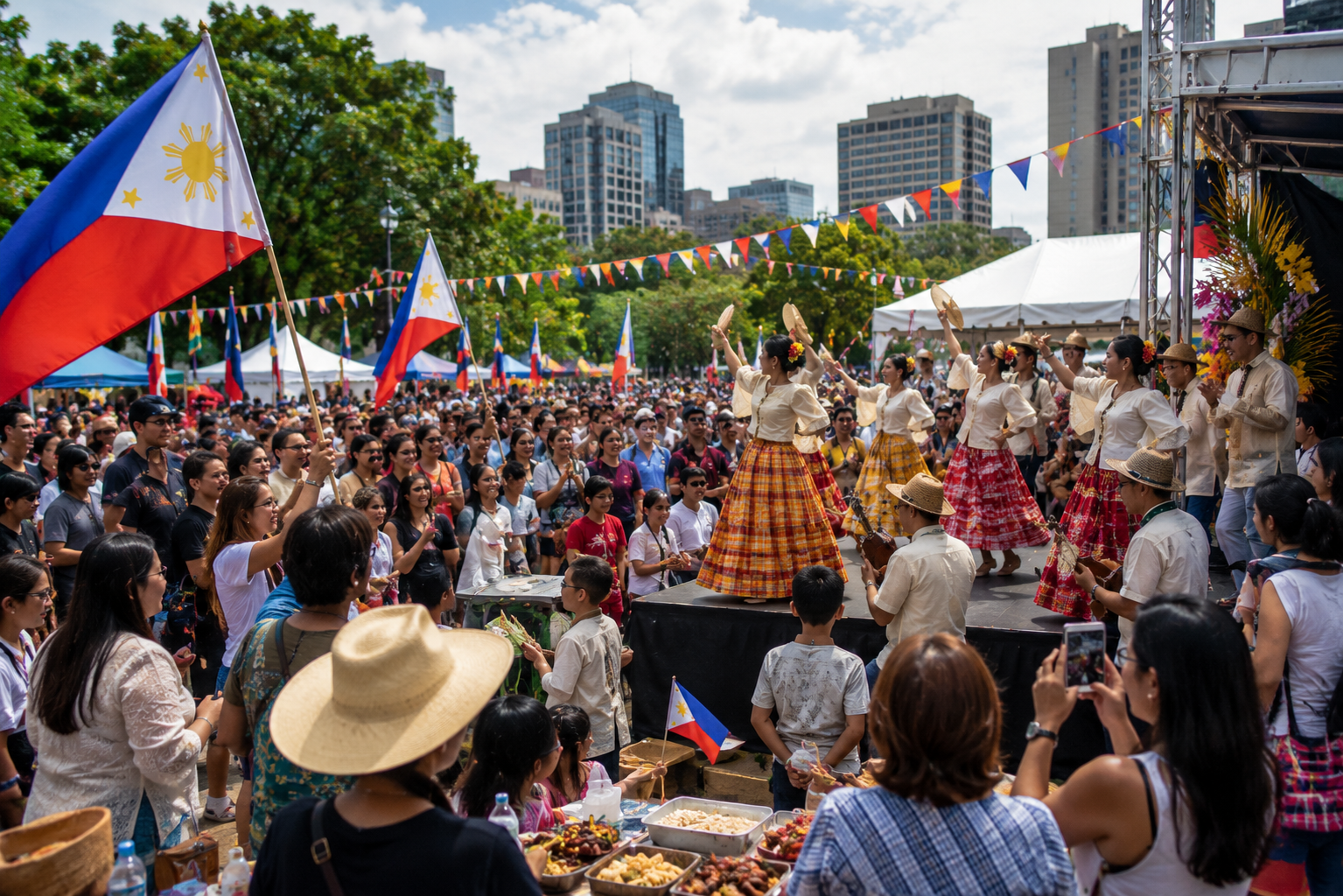
One of the most prominent features of these festivals is the presentation of traditional Filipino music and dance.
Cultural groups frequently perform folk dances representing various regions of the Philippines, showcasing the country's remarkable diversity of traditions and artistic expressions.
Performances inspired by indigenous cultures, regional customs, historical narratives, and community celebrations often captivate audiences unfamiliar with Filipino heritage.
Colorful costumes, live music, and energetic presentations contribute to the festive atmosphere that has become characteristic of Filipino cultural events abroad.
Many performers dedicate months to rehearsals and preparations.
Their commitment reflects a deep appreciation for cultural preservation and community engagement.
Cultural leaders note that performing traditional dances and music provides opportunities not only for entertainment but also for education and cultural transmission.
Younger participants frequently gain valuable insights into Philippine history and traditions through their involvement in performances.
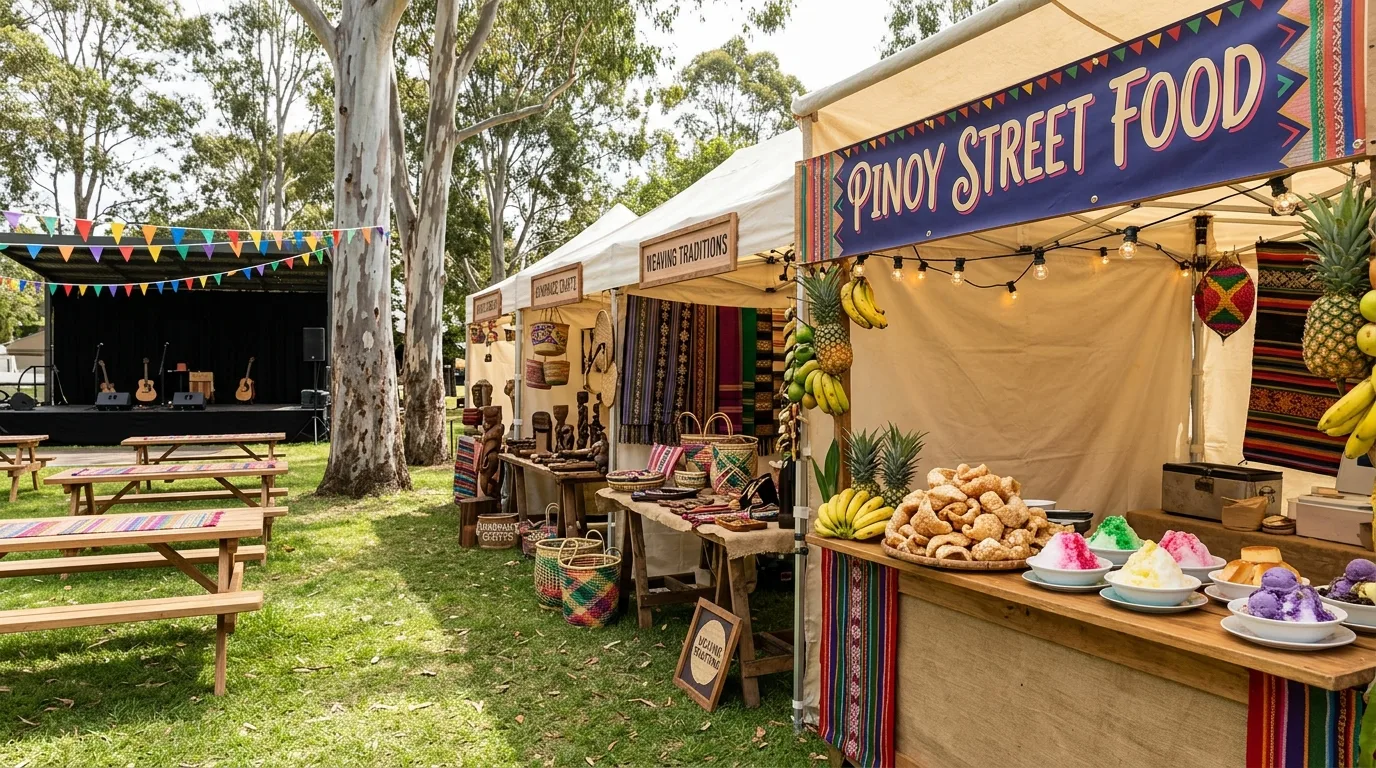
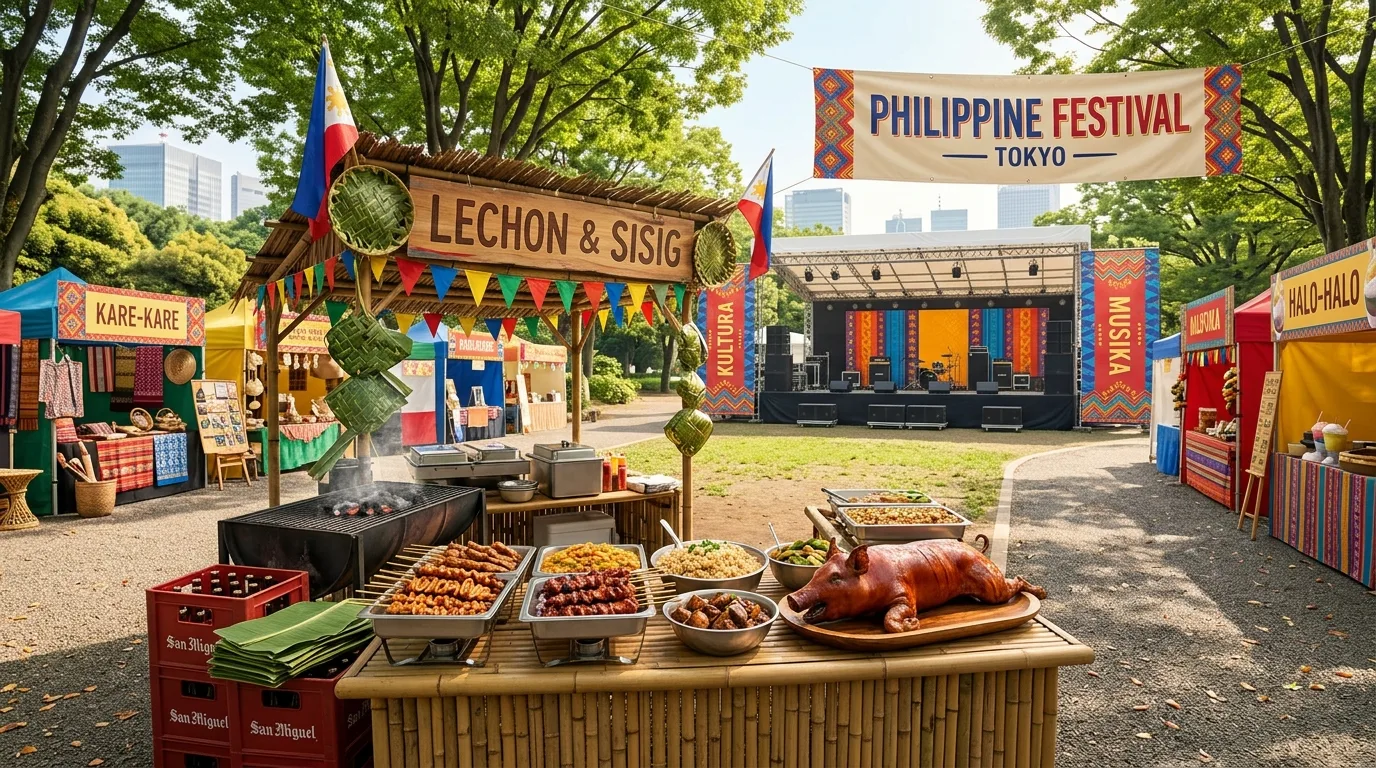
Food remains one of the most effective ambassadors of Filipino culture.
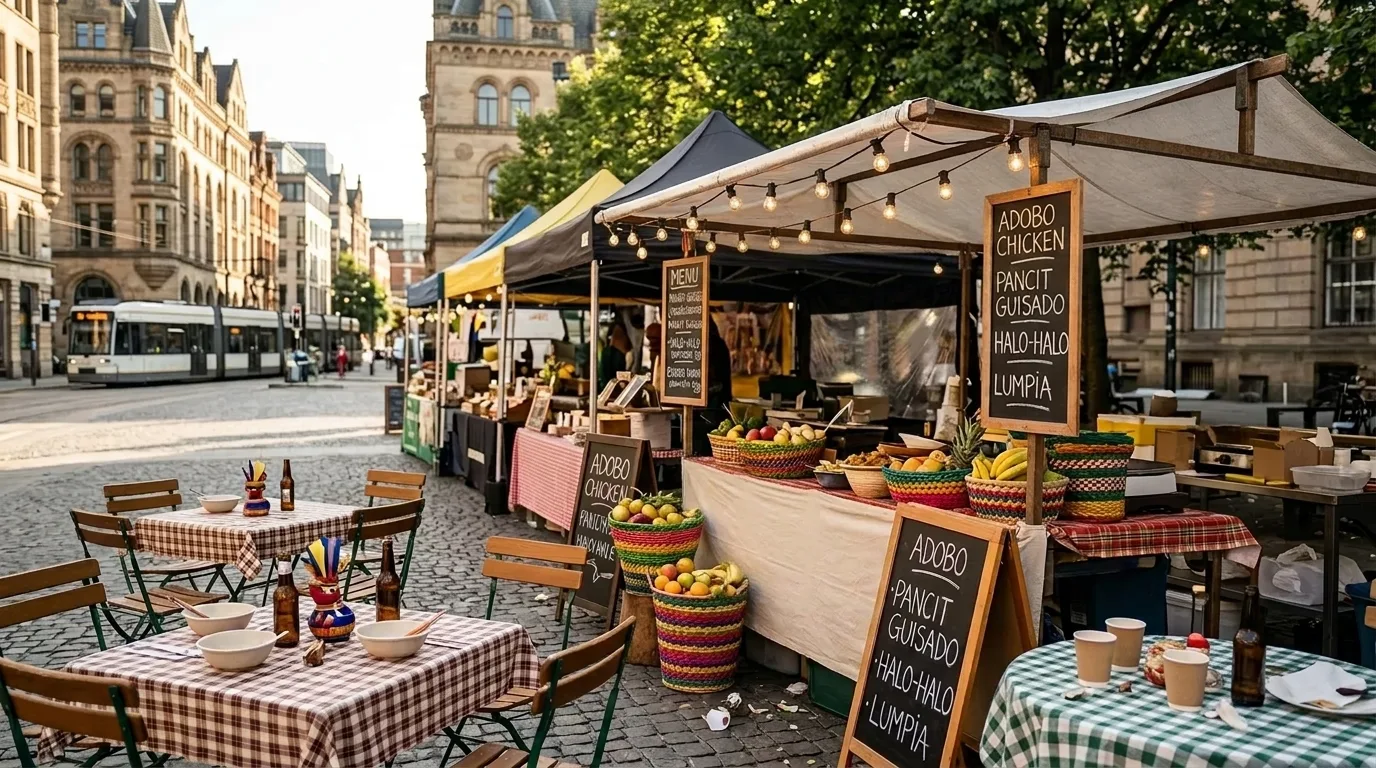
Festival attendees often gather around food markets, culinary exhibitions, cooking demonstrations, and community dining experiences that showcase the diversity of Philippine cuisine.
Popular dishes such as adobo, lechon, pancit, lumpia, kare-kare, sinigang, halo-halo, and regional specialties consistently attract enthusiastic crowds.
Visitors frequently describe culinary experiences as their introduction to Filipino culture.
The international popularity of Filipino food continues to grow, helping cultural festivals attract broader audiences and encouraging deeper exploration of Philippine traditions.
Community leaders recognize food as a powerful tool for building connections and fostering understanding across cultures.
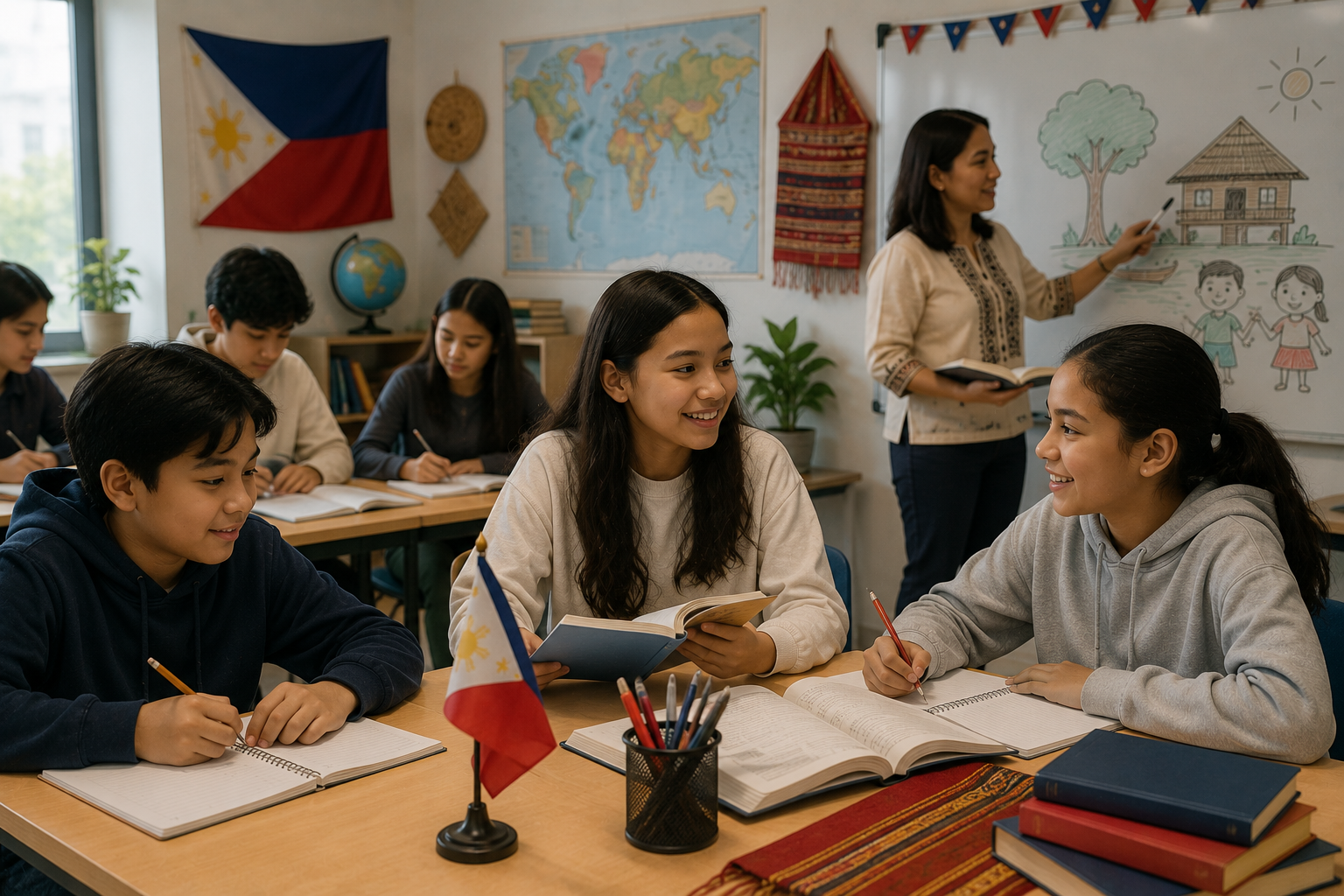
Many cultural festivals feature educational components designed to promote awareness of Philippine history, traditions, and achievements.
Heritage exhibits, cultural workshops, language programs, storytelling sessions, and historical presentations provide opportunities for participants to engage with Filipino culture in meaningful ways.
Educational activities are particularly important for second-generation and third-generation Filipinos who may have limited opportunities to experience aspects of Philippine culture in their daily lives.
Organizers believe these programs help strengthen cultural identity while encouraging appreciation for heritage.
Youth involvement continues to play a central role in the success of overseas Filipino festivals.
Young volunteers, performers, organizers, and community leaders increasingly contribute to planning and implementing cultural events.
Many organizations actively encourage youth participation through leadership programs, cultural workshops, artistic initiatives, and volunteer opportunities.
Community advocates emphasize that engaging younger generations is essential to ensuring traditions remain vibrant and relevant in the future.
By participating in cultural celebrations, young Filipinos gain opportunities to connect with their heritage while developing leadership skills and community relationships.
The concept of bayanihan remains deeply embedded within many overseas cultural festivals.
Community members frequently collaborate to organize events, raise funds, coordinate activities, recruit volunteers, and support cultural programs.
This spirit of cooperation and mutual support reflects values that continue to unite Filipinos regardless of location.
Observers often cite bayanihan as one of the defining characteristics of Filipino communities around the world.
The collective effort required to organize large-scale cultural events demonstrates the strength of community relationships and shared commitment to cultural preservation.
Technology has transformed how cultural festivals are promoted and experienced.
Social media platforms, livestreams, online communities, and digital content creation allow organizers to reach broader audiences than ever before.
Photos and videos showcasing performances, cultural exhibits, culinary experiences, and community celebrations frequently attract significant engagement online.
Digital visibility has helped increase awareness of Filipino culture while encouraging participation from individuals who may not have previously engaged with community events.
Many festivals now combine in-person activities with virtual programming that expands accessibility and reach.
The economic impact of cultural festivals extends beyond community celebrations.
Events create opportunities for Filipino entrepreneurs, artists, performers, food vendors, and small business owners to showcase products and services.
Cultural festivals often feature local businesses that benefit from increased visibility and customer engagement.
Many entrepreneurs view community events as valuable opportunities to support cultural initiatives while expanding professional networks and business relationships.
Tourism organizations have also recognized the potential of overseas cultural festivals as platforms for promoting the Philippines.
Many events feature destination exhibits, travel information, cultural displays, and tourism campaigns designed to encourage visits to the Philippines.
International attendees frequently express interest in exploring destinations they discover through cultural festivals.
Tourism advocates note that cultural experiences often inspire future travel decisions and strengthen interest in Philippine heritage.
Multicultural participation continues to increase as Filipino festivals gain popularity.
Attendees from diverse backgrounds often participate in cultural workshops, food tastings, performances, and educational activities.
These interactions create opportunities for dialogue, friendship, and mutual understanding.
Community leaders believe cultural festivals contribute positively to multicultural societies by encouraging appreciation for diversity and shared human experiences.
The visibility of Filipino communities within Europe and North America has grown considerably in recent decades.
Today, Filipinos are recognized for contributions in healthcare, education, technology, business, public service, hospitality, arts, and numerous other sectors.
Cultural festivals provide opportunities to celebrate these achievements while highlighting the positive impact of Filipino communities on society.
Recognition programs often honor community leaders, volunteers, professionals, and organizations that have made meaningful contributions.
Many cultural festivals also serve charitable purposes.
Fundraising activities frequently support scholarships, community programs, disaster relief efforts, educational initiatives, and humanitarian projects benefiting both overseas communities and communities in the Philippines.
This commitment to service reflects longstanding traditions of generosity and social responsibility within Filipino culture.
Community leaders often describe cultural celebrations as opportunities to combine heritage preservation with meaningful community impact.
As cultural festivals continue growing in size and visibility, organizers remain focused on maintaining authenticity and inclusiveness.
Balancing tradition with innovation has become an important consideration as communities adapt to changing demographics and evolving audience expectations.
Many organizations are exploring new ways to engage participants while preserving the cultural foundations that define their events.
The future appears promising as interest in Filipino culture continues expanding globally.
Ultimately, the success of Filipino cultural festivals across Europe and North America reflects the enduring strength of community, heritage, and identity.
These celebrations demonstrate that cultural traditions can thrive even thousands of miles from their origins when supported by dedicated communities and passionate individuals.
Every dance performance, cultural exhibit, culinary experience, and community gathering contributes to a larger story of connection and belonging.
For overseas Filipinos, these festivals represent opportunities to celebrate who they are, honor where they come from, and share their heritage with the world.
As Filipino communities continue organizing cultural festivals across continents, they reaffirm a timeless truth: culture remains one of the strongest forces connecting people across generations, borders, and backgrounds.
Through music, food, traditions, and community spirit, overseas Filipinos continue building bridges of understanding while proudly carrying Philippine culture onto the global stage.
Enjoyed this story?
Share this story