Overseas Pinoys Promote Philippine Arts Through International Cultural Exchanges
Share
June 23, 2026
Updated Oct 16, 2026
8 min read
311 views
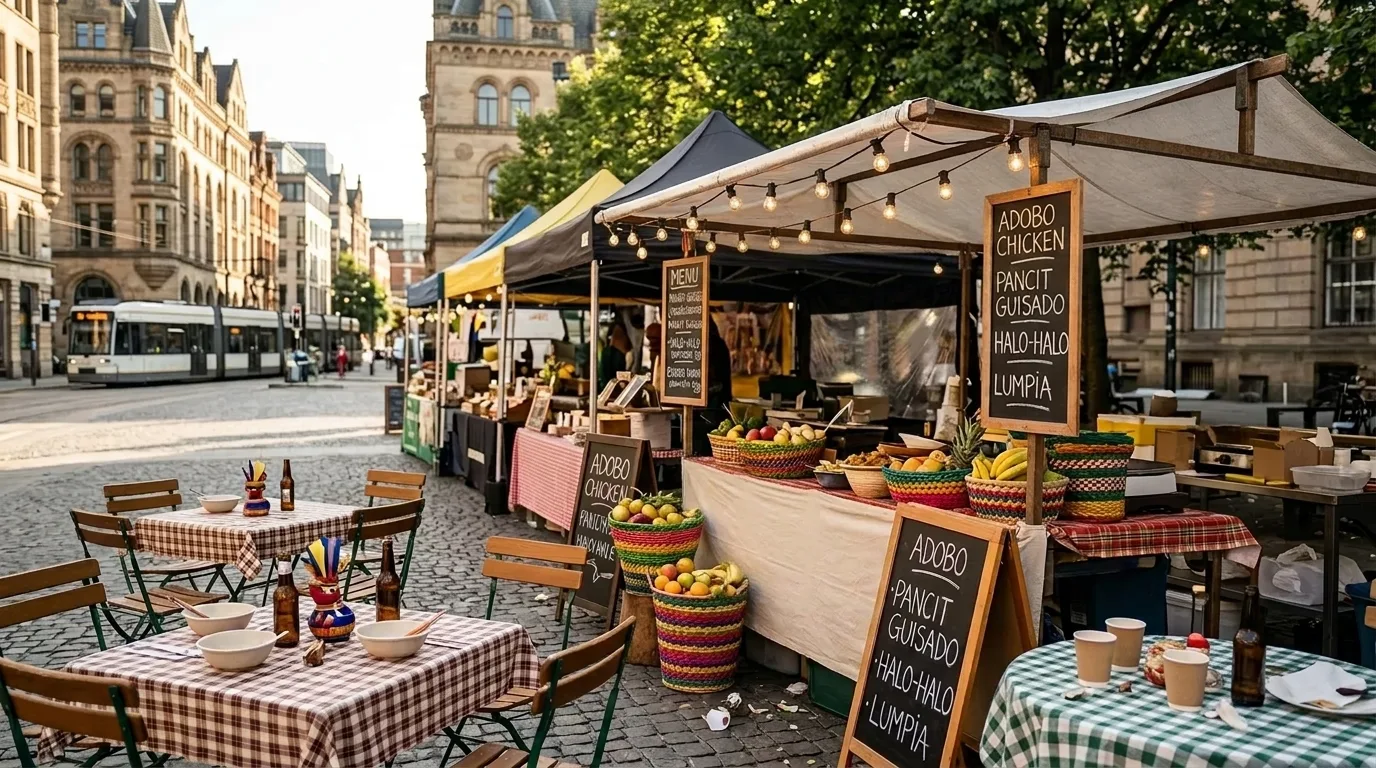
MANILA, Philippines — Overseas Filipinos are playing an increasingly important role in promoting Philippine arts through international cultural exchanges that connect artists, communities, institutions, and audiences across continents. Through art exhibitions, cultural festivals, artist residencies, educational programs, creative collaborations, and cultural diplomacy initiatives, Filipino artists and cultural advocates living abroad are helping showcase the richness, diversity, and creativity of Philippine artistic traditions to global audiences. These efforts are strengthening appreciation for Filipino culture while creating new opportunities for artistic collaboration, cultural understanding, and international engagement.
As Filipino communities continue to grow around the world, cultural exchange has become one of the most effective ways of preserving heritage while sharing Filipino identity with broader audiences. Community leaders explain that art serves as a universal language capable of transcending cultural and linguistic barriers. Through visual arts, music, dance, literature, film, photography, sculpture, and contemporary creative practices, Overseas Filipinos are introducing people from different backgrounds to the stories, traditions, and perspectives that shape the Filipino experience.
International cultural exchanges have expanded significantly over the past decade as globalization, digital communication, and increased mobility have created new opportunities for artistic collaboration. Filipino artists living in North America, Europe, Asia, Australia, and the Middle East are participating in international exhibitions, festivals, academic programs, and cultural initiatives that allow them to share their work with diverse audiences. These engagements help strengthen the visibility of Philippine arts while positioning Filipino creatives as active contributors to the global cultural landscape.
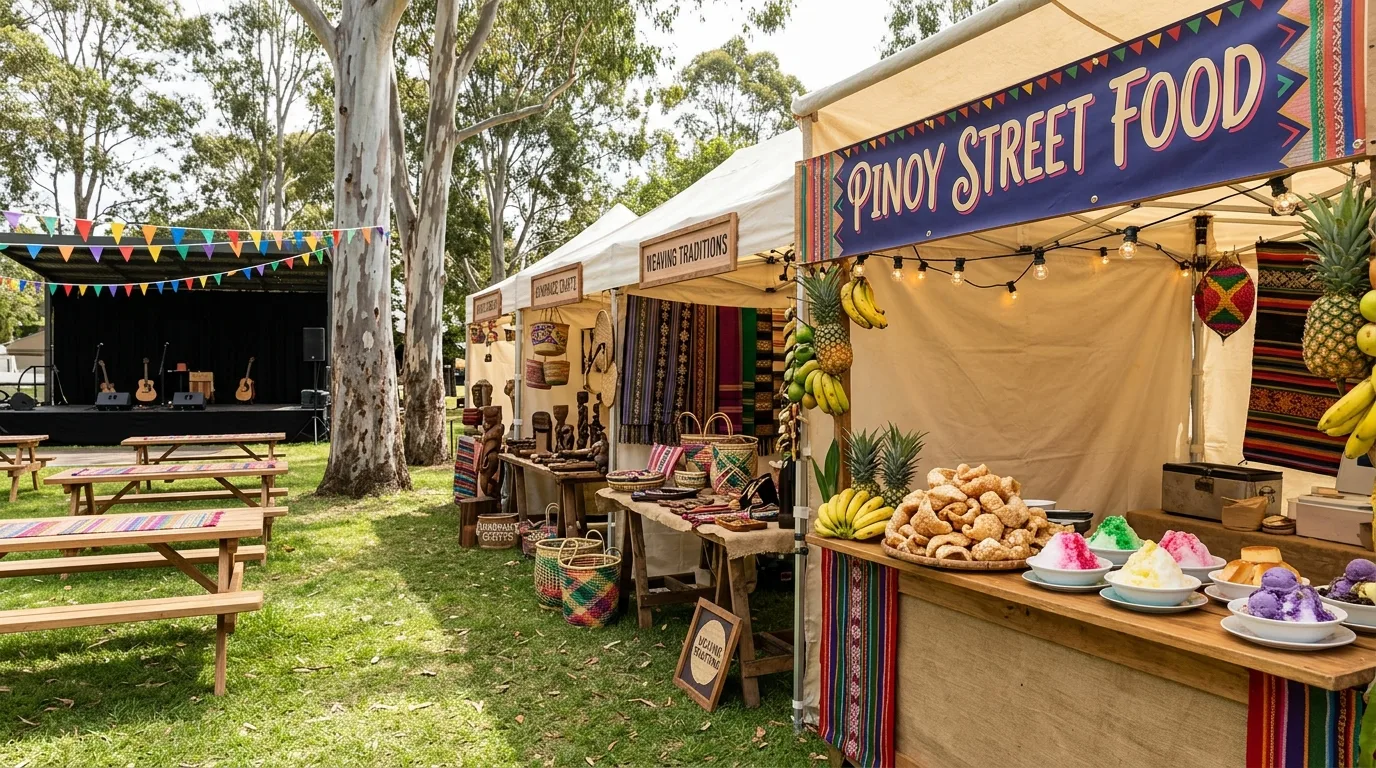
Many cultural exchanges focus on showcasing traditional Philippine art forms that reflect the country's rich and diverse heritage. Exhibitions frequently feature indigenous weaving traditions, textile arts, woodcarving, pottery, folk painting, jewelry making, and other forms of craftsmanship that have been passed down through generations. Organizers note that international audiences are often fascinated by the intricate techniques, cultural symbolism, and historical significance associated with these traditional art forms. Through exhibitions and educational programs, artists help ensure that these cultural traditions remain visible and appreciated beyond Philippine borders.
Contemporary Filipino artists are also gaining recognition through international cultural exchange programs. Painters, sculptors, photographers, multimedia artists, digital creators, and installation artists are increasingly participating in global exhibitions that explore themes such as identity, migration, community, history, environmental sustainability, and social change. Their work often reflects both local experiences and universal human stories, allowing audiences to connect with Philippine culture through contemporary artistic expression.
The experiences of migration and diaspora frequently serve as powerful sources of inspiration for Overseas Filipino artists. Many creative works explore themes related to cultural identity, belonging, family, heritage, adaptation, and the connections that link Filipinos across geographic boundaries. Cultural experts explain that these narratives resonate with audiences around the world because they reflect shared experiences associated with migration, cultural exchange, and globalization. As a result, Filipino artists often find meaningful opportunities to engage with diverse communities through their work.
Art exhibitions have become among the most visible platforms for cultural exchange. Galleries, museums, cultural centers, universities, and community organizations regularly host exhibitions featuring Filipino artists and cultural themes. These events provide opportunities for audiences to engage directly with Philippine culture while creating spaces for dialogue, learning, and artistic appreciation. Curators note that exhibitions often serve as gateways to broader cultural exploration, inspiring visitors to learn more about Philippine history, traditions, and contemporary society.
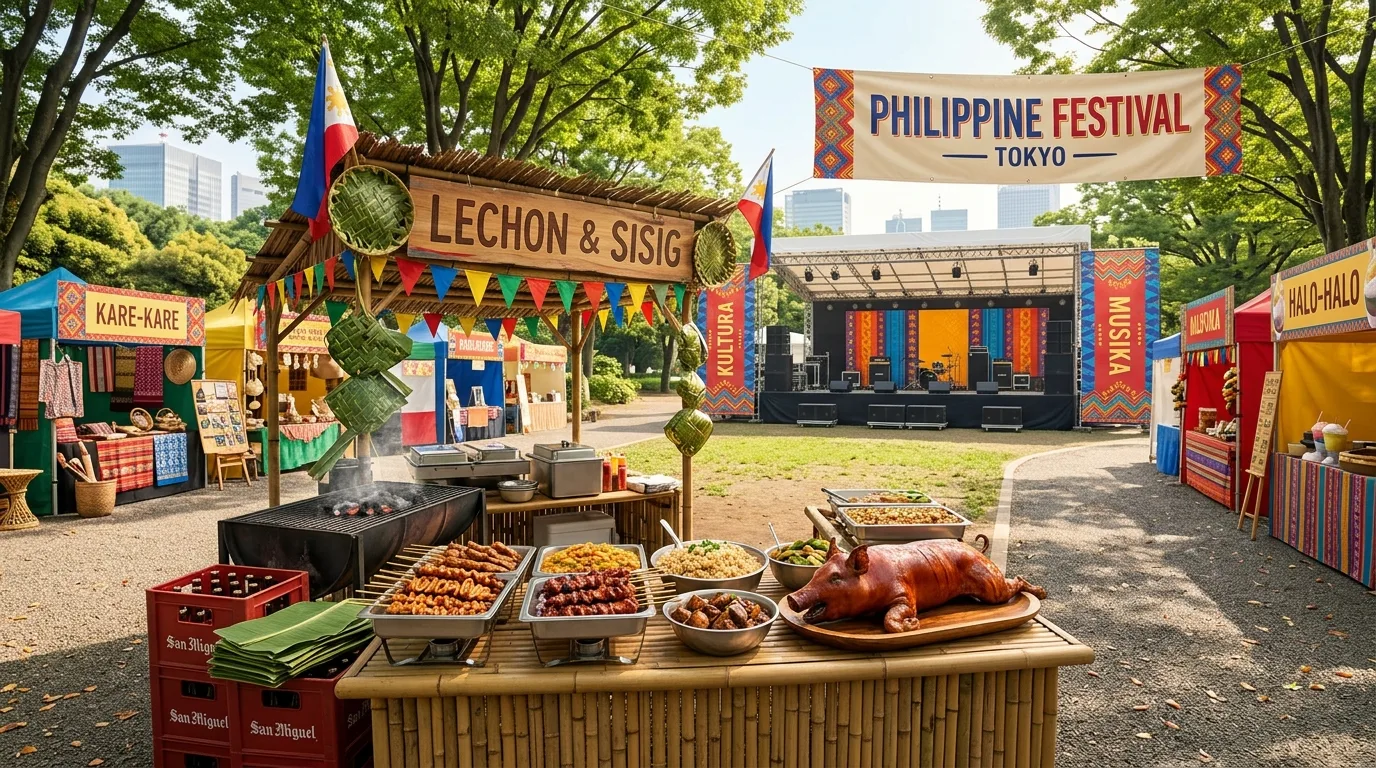
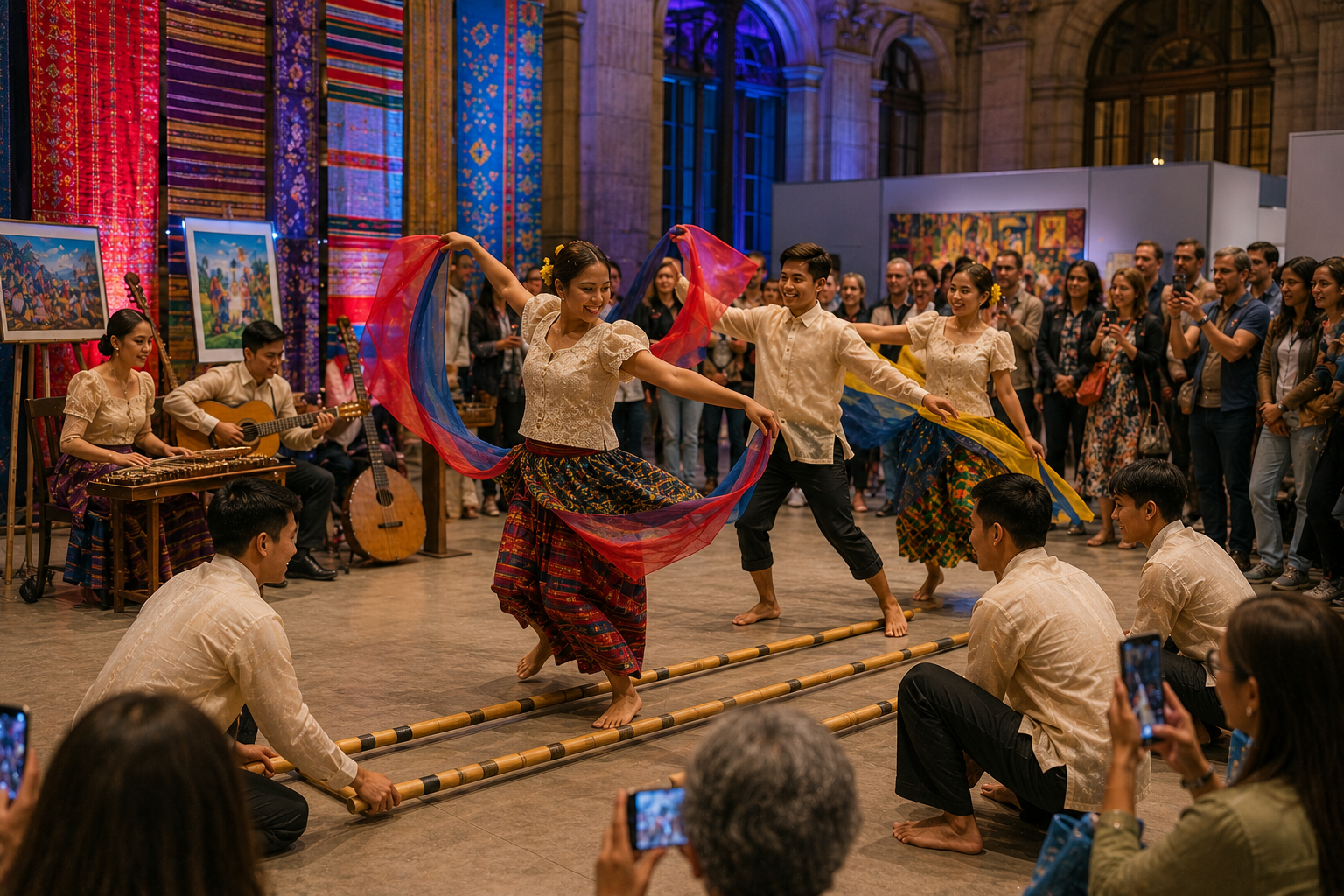
Music and performing arts also play significant roles in international cultural exchange. Filipino musicians, choirs, dance groups, theater performers, and cultural ensembles regularly participate in festivals, competitions, and collaborative productions around the world. Through performances that incorporate both traditional and contemporary elements, artists help showcase the diversity and creativity of Philippine performing arts while building connections with audiences from different cultural backgrounds.
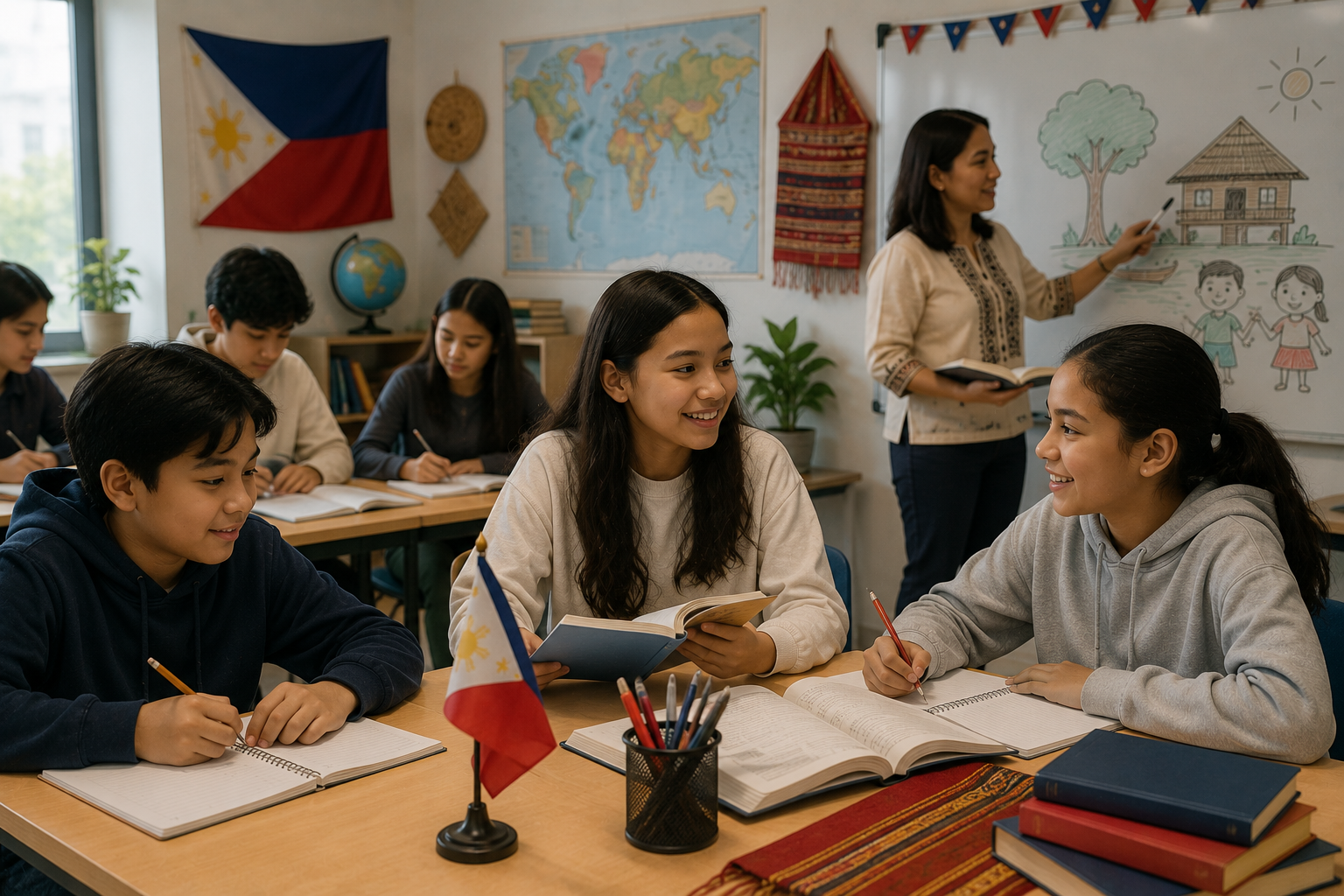
Educational institutions have become valuable partners in supporting international cultural exchanges. Universities, art schools, cultural centers, and research organizations frequently collaborate with Filipino artists and cultural practitioners on exhibitions, workshops, lectures, and residency programs. These partnerships help create meaningful opportunities for cultural learning while encouraging academic exploration of Philippine arts and heritage. Educators note that such collaborations contribute positively to intercultural understanding and creative development.
The rise of digital platforms has dramatically expanded access to cultural exchange opportunities. Virtual exhibitions, online performances, digital galleries, livestream events, and social media campaigns allow Filipino artists to reach global audiences regardless of geographic limitations. Organizers report that digital engagement has increased international visibility for Philippine arts while creating opportunities for collaboration among artists located in different countries. Technology has become an important tool for promoting cultural accessibility and artistic innovation.
Many Overseas Filipinos view cultural exchange as a form of cultural diplomacy that strengthens relationships between nations and communities. Through artistic engagement, individuals are able to share positive representations of Philippine culture while fostering mutual respect and understanding. Community leaders believe that arts and culture play important roles in building connections that complement economic, educational, and diplomatic relationships between countries.
The participation of younger generations has contributed significantly to the continued growth of international cultural exchange programs. Young Filipino artists, designers, musicians, filmmakers, and creative entrepreneurs are increasingly embracing opportunities to engage with global audiences while exploring innovative forms of artistic expression. Their work often combines traditional influences with contemporary techniques, creating new interpretations of Filipino culture that resonate with modern audiences.
Community organizations and Filipino cultural associations continue to provide important support for artists participating in international exchanges. Through funding assistance, event organization, promotional activities, and networking opportunities, these organizations help ensure that artists have access to platforms where they can share their work and engage with audiences. Community leaders emphasize that strong institutional support remains essential to the sustainability and growth of cultural initiatives.
Many cultural exchange programs also include workshops and interactive activities that encourage direct participation from audiences. Art demonstrations, cultural discussions, creative classes, and collaborative projects provide opportunities for people to learn about Philippine traditions through hands-on experiences. Organizers note that interactive engagement often leads to deeper appreciation and understanding than passive observation alone.
The economic benefits of international cultural exchange are becoming increasingly apparent as Filipino artists gain access to new markets, audiences, and professional opportunities. Participation in global exhibitions and cultural programs can lead to artistic commissions, collaborative projects, educational opportunities, and commercial partnerships. Creative industry advocates believe that cultural exchange contributes not only to artistic development but also to broader economic opportunities within the cultural and creative sectors.
International recognition of Filipino artistic talent continues to grow as more artists participate in prestigious cultural events and global exhibitions. Awards, media coverage, institutional partnerships, and public interest have contributed to increased visibility for Philippine arts. Cultural leaders view this recognition as evidence of the quality and relevance of Filipino creative work within the international arts community.
The spirit of collaboration remains central to many cultural exchange initiatives. Artists frequently work alongside creators from different countries to develop projects that combine diverse perspectives and artistic traditions. These collaborations encourage innovation while demonstrating how creativity can serve as a bridge between cultures. Participants often describe collaborative projects as valuable opportunities for learning, growth, and mutual inspiration.
Cultural exchange programs also play important roles in heritage preservation. By sharing traditional art forms with international audiences, artists help ensure that cultural knowledge remains relevant and appreciated in contemporary society. Community leaders emphasize that visibility and engagement contribute significantly to the long-term sustainability of cultural traditions and artistic practices.
Many organizers are exploring new ways to expand international cultural exchange opportunities through artist residencies, collaborative exhibitions, educational partnerships, digital platforms, and youth engagement initiatives. These efforts aim to create more pathways for Filipino artists to connect with global audiences while strengthening cultural networks across countries and regions.
Looking ahead, advocates remain optimistic about the future of Philippine arts within international cultural exchange programs. Growing interest in cultural diversity, expanding digital access, increasing institutional support, and rising global recognition of Filipino talent provide strong foundations for continued growth. Artists and cultural organizations are expected to play increasingly influential roles in shaping international cultural conversations and creative collaborations.
Ultimately, the efforts of Overseas Pinoys to promote Philippine arts through international cultural exchanges demonstrate the enduring power of creativity as a tool for connection, understanding, and cultural preservation. Through exhibitions, performances, educational programs, and collaborative projects, Filipino artists are helping share the richness of Philippine culture with the world while strengthening the global presence of Filipino creativity.
As international audiences continue to discover and appreciate Philippine arts, Overseas Filipinos remain important cultural ambassadors who help preserve heritage, inspire dialogue, and build meaningful bridges between communities. Their contributions highlight the enduring value of cultural exchange in fostering understanding, celebrating diversity, and ensuring that Filipino artistic traditions continue to thrive on the global stage for generations to come.
Enjoyed this story?
Share this story