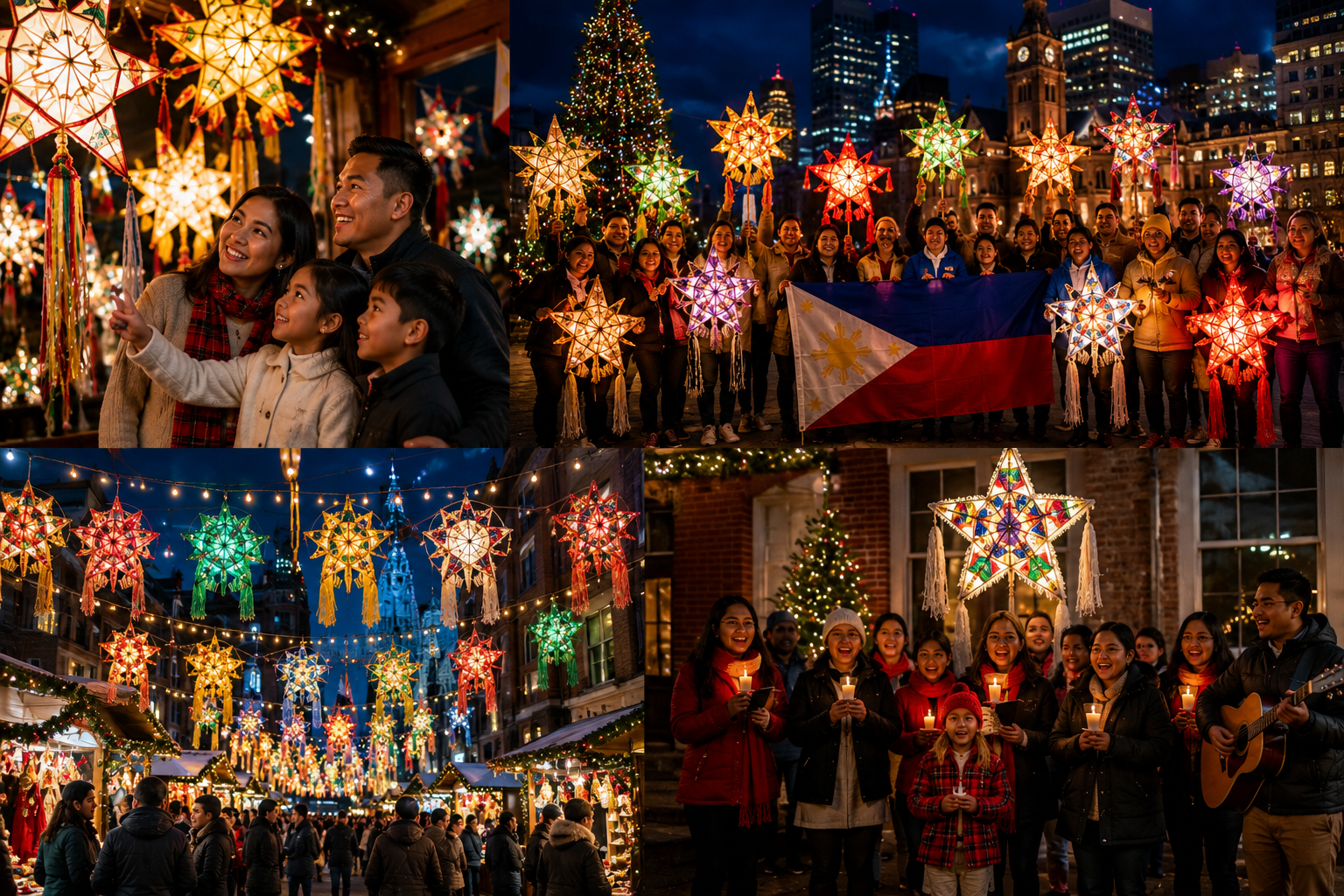
Parol Lights Shine Brighter as Overseas Filipinos Celebrate Christmas Traditions Abroad
Share
June 02, 2026
Updated Oct 16, 2026
7 min read
293 views
MANILA, Philippines — As the holiday season approaches in communities around the world, thousands of glowing parols illuminate homes, churches, community centers, and public spaces where overseas Filipinos gather to celebrate one of the most cherished aspects of their cultural identity: Christmas.
For Filipinos, Christmas is more than a holiday. It is a season deeply rooted in faith, family, community, generosity, and tradition. While millions of Filipinos now live and work abroad, these values continue to thrive through festive celebrations that bring communities together across continents.
From Toronto and Vancouver to London and Rome, from Dubai and Abu Dhabi to Tokyo, Singapore, Sydney, and Auckland, Filipino communities are preserving beloved Christmas traditions that have been passed down through generations. At the center of many of these celebrations stands the iconic parol, a star-shaped lantern that symbolizes hope, faith, and the guiding light of the Christmas season.
Community leaders say the parol has become one of the most recognizable symbols of Filipino culture abroad. Whether handcrafted by families, displayed at churches, or featured in community festivals, the lantern represents the enduring connection Filipinos maintain with their homeland and traditions.
Across the globe, Filipino organizations begin preparing for Christmas months in advance. Volunteers, artists, church groups, and community leaders work together to organize holiday events designed to recreate the festive atmosphere of Christmas in the Philippines.
Many overseas Filipinos describe these celebrations as opportunities to reconnect with cherished memories of home. While geographical distance may separate them from loved ones and familiar surroundings, holiday traditions help bridge that gap and create a sense of belonging.
One of the most important traditions observed by Filipinos abroad is Simbang Gabi, the series of pre-dawn or evening Masses traditionally held in the days leading up to Christmas.
Churches serving Filipino communities often host special services attended by hundreds of worshippers. These gatherings provide opportunities for spiritual reflection, community fellowship, and cultural continuity.
For many attendees, participating in Simbang Gabi abroad serves as a reminder of childhood experiences and family traditions in the Philippines. Community leaders note that the practice continues to attract younger generations, helping preserve religious and cultural heritage.
The celebration of Simbang Gabi is frequently accompanied by festive gatherings where participants enjoy traditional Filipino holiday foods. Dishes such as bibingka and puto bumbong are especially popular and often evoke strong feelings of nostalgia among attendees.
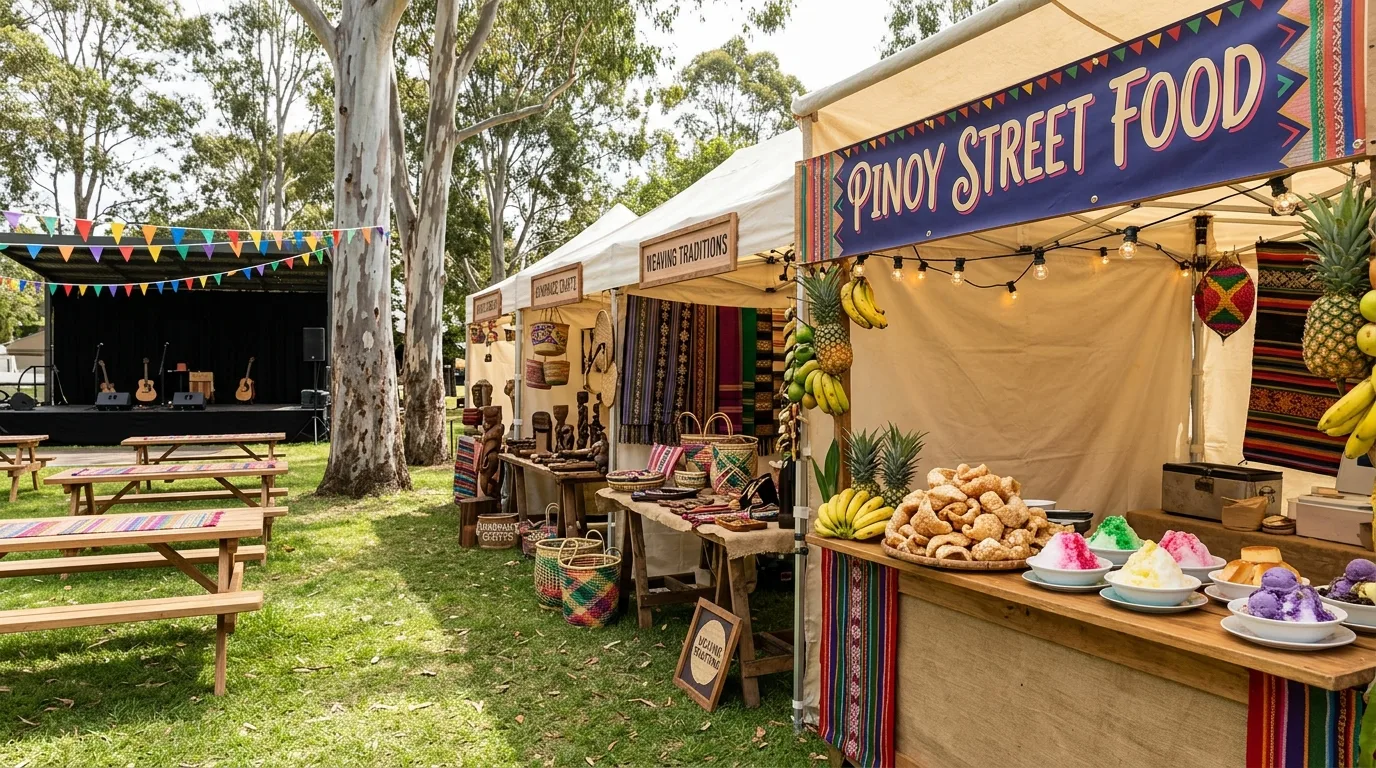
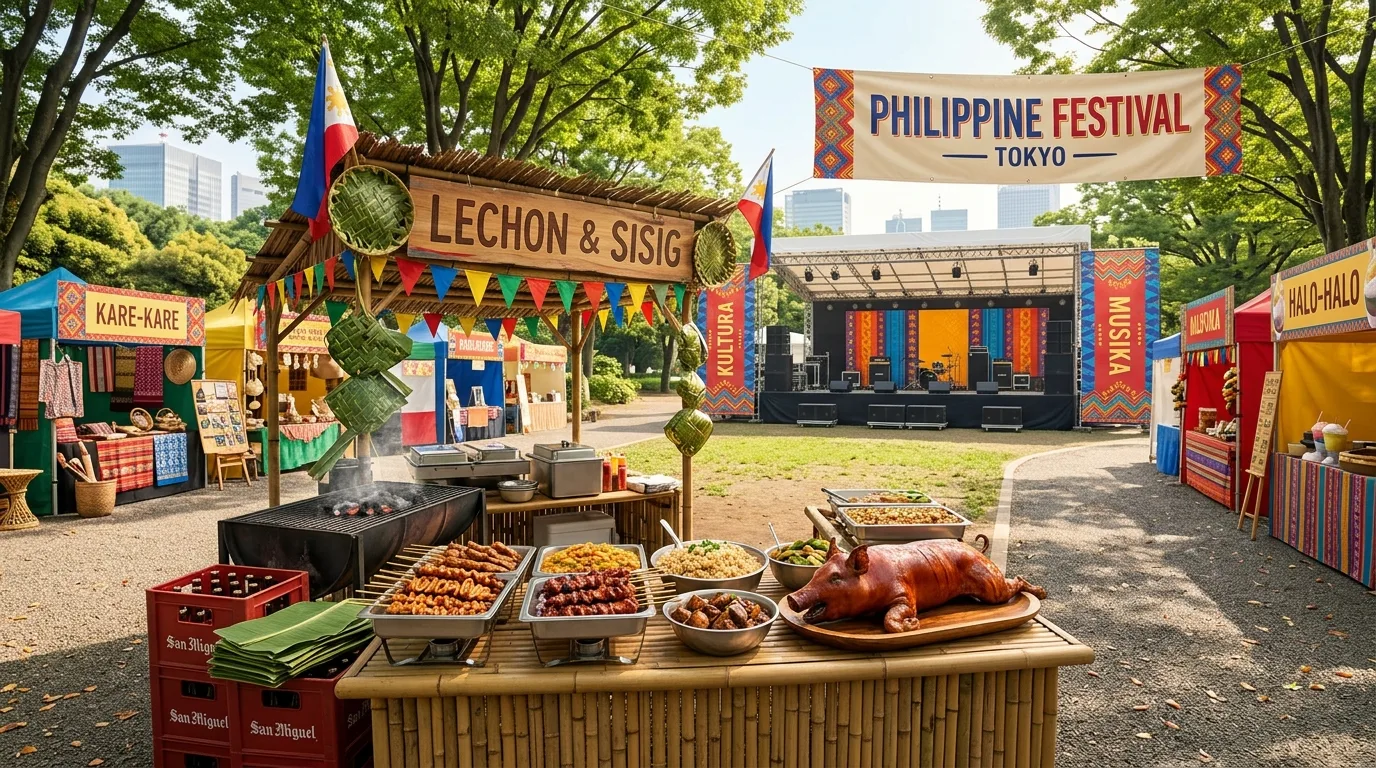
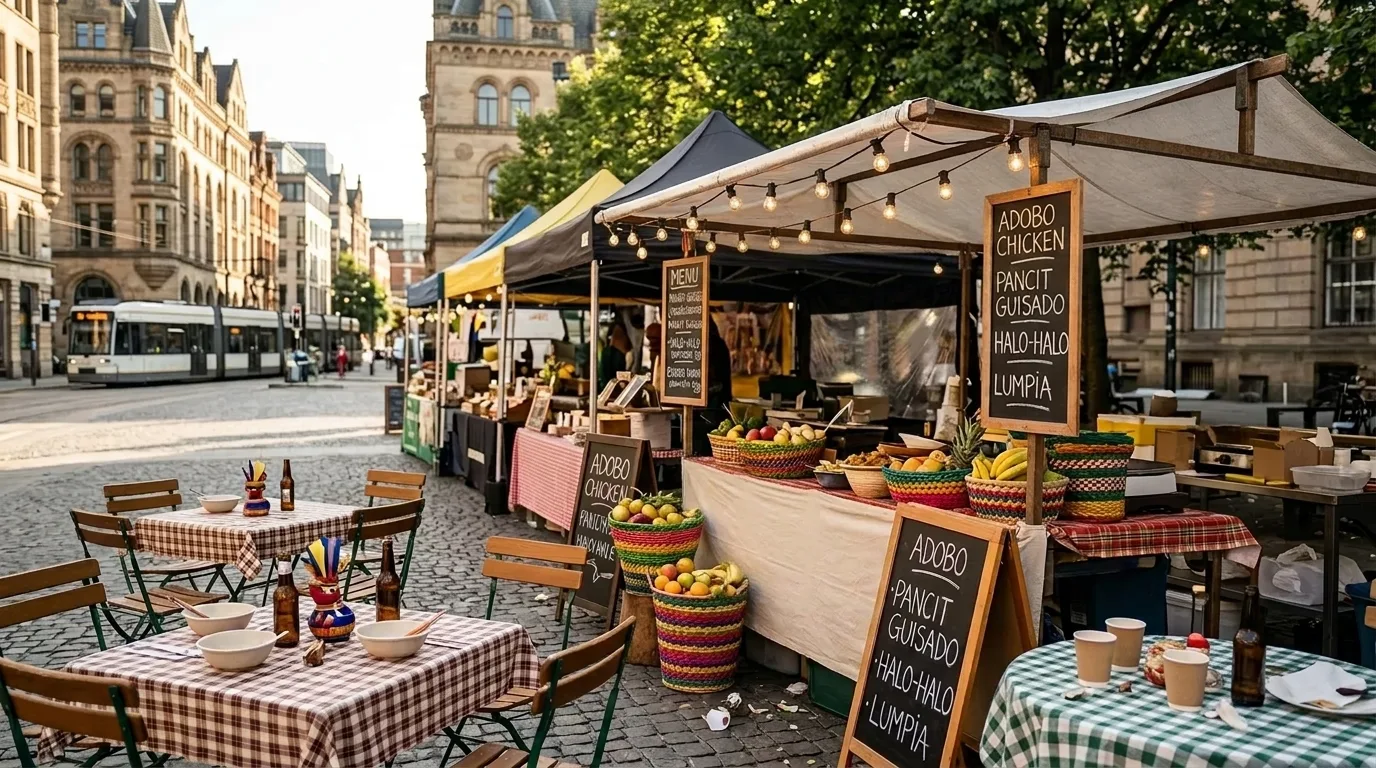
Food remains one of the most important elements of Filipino Christmas celebrations. Across various countries, community organizations host Christmas fairs, food festivals, and holiday gatherings featuring traditional Filipino cuisine.
Families and volunteers prepare beloved dishes including lechon, hamon, pancit, lumpia, queso de bola, fruit salad, spaghetti, and numerous regional specialties. These meals provide opportunities for people to gather, share stories, and celebrate together.
Many Filipino entrepreneurs and restaurant owners also contribute by organizing holiday-themed events that introduce Filipino Christmas traditions to broader audiences.
Community leaders note that food often serves as an effective cultural ambassador. Through holiday meals and festive gatherings, non-Filipino friends and neighbors gain exposure to traditions that make Filipino Christmas celebrations unique.
The spirit of bayanihan remains highly visible throughout the holiday season. Volunteers dedicate significant time and resources to organizing community events, decorating venues, preparing meals, and supporting charitable initiatives.
Many overseas Filipino organizations use Christmas celebrations as opportunities to give back. Fundraising drives, toy donation programs, food assistance campaigns, and charitable projects frequently accompany holiday festivities.
These initiatives often benefit vulnerable individuals, families, and communities both abroad and in the Philippines. Community members describe these efforts as natural extensions of the generosity and compassion associated with Filipino culture.
Parol-making competitions have also become increasingly popular among overseas Filipino communities. Families, schools, churches, and community groups participate in creative contests that celebrate craftsmanship and cultural pride.
The lanterns vary in size, design, and materials, ranging from traditional handcrafted versions to elaborate modern interpretations featuring innovative lighting technologies.
Despite these variations, the symbolism remains unchanged. The parol continues to represent hope, guidance, and the enduring spirit of Christmas.
Cultural performances form another major component of holiday celebrations. Choirs, dance groups, musicians, and youth organizations perform traditional Christmas songs and cultural presentations that reflect the joy and warmth of the season.
Filipino Christmas carols are frequently heard during community events, bringing together audiences of all ages. Performances often combine traditional elements with contemporary influences, creating programs that appeal to diverse generations.
Youth participation has become a major focus of many organizations. Community leaders recognize that preserving Christmas traditions requires active engagement from younger Filipinos who may have been born and raised outside the Philippines.
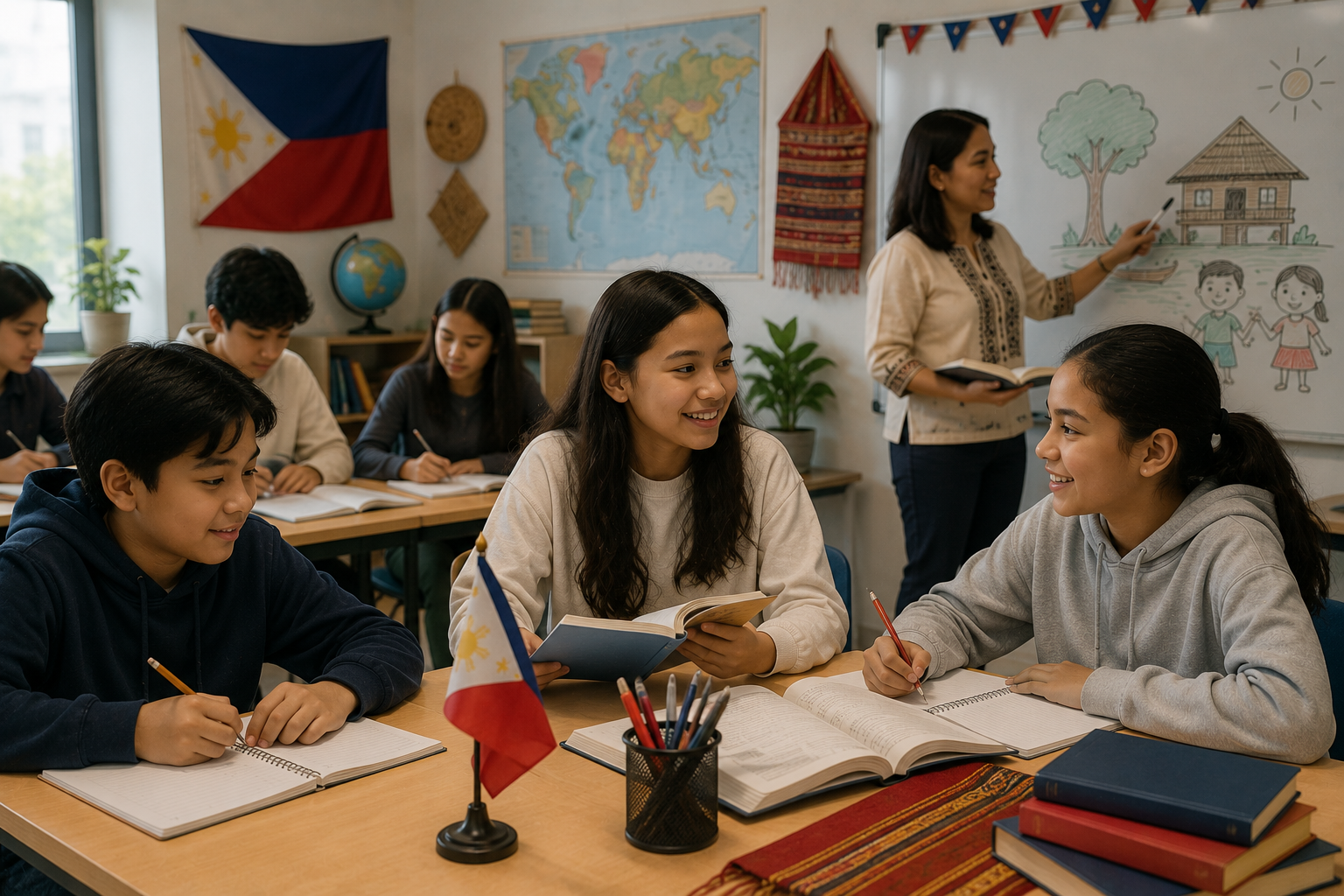
Educational activities, cultural workshops, and family-centered events help introduce younger generations to traditions such as parol-making, Simbang Gabi, caroling, and Filipino holiday customs.
Many parents view these experiences as essential opportunities to strengthen cultural identity and ensure that traditions continue to thrive.
Technology has expanded the reach of Filipino Christmas celebrations in recent years. Social media platforms, livestreamed church services, virtual reunions, and digital community events allow Filipinos across the world to celebrate together despite geographic separation.
Families separated by work, migration, or travel can now participate in holiday gatherings through video calls and online events. These digital connections have become particularly meaningful for overseas workers who may be unable to return home during the holiday season.
Community organizations also use digital platforms to share cultural content, promote events, and connect members of the global Filipino diaspora.
The growing visibility of Filipino Christmas traditions has attracted interest from people outside the Filipino community as well. Holiday festivals featuring parols, cultural exhibits, food markets, and performances frequently draw visitors from diverse backgrounds.
Many attendees express admiration for the warmth, hospitality, and strong sense of community that characterize Filipino Christmas celebrations.
Cultural experts note that Filipino holiday traditions offer valuable examples of how immigrant communities preserve heritage while contributing to multicultural societies.
The Christmas season also provides opportunities to recognize the contributions of overseas Filipinos. Community events often honor healthcare workers, educators, entrepreneurs, volunteers, public servants, and other individuals who have made positive impacts within their host countries.
These recognitions highlight the important role Filipinos continue to play in communities around the world while celebrating their cultural roots.
For many overseas Filipinos, Christmas remains the most emotional and meaningful time of year. It is a season that reinforces family connections, spiritual values, cultural identity, and community solidarity.
Despite living far from the Philippines, many individuals find comfort and inspiration in traditions that have remained remarkably resilient across generations.
Community leaders believe the enduring popularity of Filipino Christmas celebrations reflects the adaptability of culture itself. Traditions may evolve to fit new environments, but their core values remain intact.
As Filipino communities continue to grow worldwide, Christmas celebrations are becoming increasingly visible and influential. Larger festivals, expanded cultural programs, and stronger community networks are helping ensure that these traditions remain vibrant for future generations.
Plans are already underway in many cities for expanded holiday events featuring cultural showcases, charitable initiatives, youth engagement programs, and public exhibitions of parols and other Christmas symbols.
Observers note that these celebrations serve as reminders of the power of tradition to unite people across borders and generations.
Ultimately, the story of Filipino Christmas abroad is a story of resilience, faith, and connection. Through parols, Simbang Gabi, festive gatherings, shared meals, and acts of generosity, Filipinos continue to create spaces where culture and community flourish.
As glowing lanterns illuminate homes and gathering places across the world, they symbolize more than holiday decorations. They represent hope, heritage, and the enduring bonds that connect Filipinos regardless of distance.
From bustling global cities to small community centers, the light of the parol continues to shine brightly, carrying with it the warmth of Filipino Christmas traditions and the spirit of a people who remain united by faith, family, and culture.
In every lantern displayed, every Christmas song sung, every meal shared, and every act of kindness performed, overseas Filipinos are proving that the spirit of Christmas—and the spirit of the Philippines—can truly shine anywhere in the world.
Enjoyed this story?
Share this story