
Philippine Beaches Remain Among Asia’s Most Sought-After Travel Experiences
Share
June 04, 2026
Updated Oct 14, 2026
7 min read
345 views
MANILA, Philippines — The Philippines continues to strengthen its reputation as one of Asia’s premier beach destinations as travelers from around the world seek out the country’s world-famous coastlines, crystal-clear waters, and unforgettable island experiences.
With more than 7,000 islands spread across the western Pacific, the Philippines possesses one of the most diverse collections of beach destinations anywhere in the world. From internationally renowned locations such as Boracay, Palawan, Cebu, and Siargao to emerging coastal gems in lesser-known provinces, the country offers a wide range of experiences that continue to attract global attention.
Tourism stakeholders report that beach tourism remains one of the strongest drivers of international travel to the Philippines. Visitors consistently identify coastal attractions as among the primary reasons for choosing the country as a destination, citing natural beauty, marine biodiversity, cultural experiences, and Filipino hospitality as key factors influencing their decisions.
Industry leaders note that the enduring popularity of Philippine beaches reflects broader travel trends that emphasize nature, relaxation, wellness, and authentic experiences.
Modern travelers increasingly seek destinations that offer opportunities to disconnect from daily routines while reconnecting with nature and local culture.
The Philippines is uniquely positioned to satisfy these preferences through its combination of stunning landscapes and rich cultural heritage.
The country’s beaches vary dramatically in character and appeal.
Some are known for powdery white sand and vibrant tourism infrastructure, while others offer secluded environments characterized by untouched natural beauty.
This diversity allows travelers to choose experiences that align with their interests, whether they seek adventure, relaxation, exploration, or cultural immersion.
Tourism experts believe this variety represents one of the Philippines’ greatest competitive advantages within the regional travel market.
Boracay remains one of the country’s most iconic destinations.
Known internationally for its white-sand beaches and spectacular sunsets, the island continues to attract travelers seeking a balance of leisure, entertainment, and natural beauty.
The destination has become a symbol of Philippine tourism and frequently appears on international travel rankings and destination lists.
Visitors often describe Boracay as a benchmark for tropical beach experiences.
Meanwhile, Palawan continues to captivate travelers through its dramatic limestone formations, turquoise waters, hidden lagoons, and exceptional marine ecosystems.
The province’s unique landscapes have earned global recognition and helped establish the Philippines as one of the world’s most visually stunning travel destinations.
Island-hopping tours, snorkeling adventures, diving experiences, and eco-tourism activities contribute significantly to Palawan’s appeal.
Tourism stakeholders frequently cite the province as an example of how natural beauty can drive sustainable tourism growth.
Siargao has emerged as another major destination, attracting surfers, adventure travelers, and visitors seeking laid-back island lifestyles.
Originally known primarily within surfing communities, the island has evolved into a globally recognized tourism hotspot.
Its success reflects growing interest in destinations that combine outdoor recreation, community experiences, and natural environments.
Many visitors appreciate Siargao’s blend of adventure, creativity, and local culture.
Cebu, Bohol, Camiguin, Siquijor, and numerous other destinations continue to attract travelers through unique combinations of beaches, marine attractions, historical landmarks, and cultural experiences.
The ability to combine coastal tourism with heritage exploration, culinary experiences, and adventure activities enhances the overall visitor experience.
Tourism advocates note that the Philippines offers much more than beautiful beaches alone.
Beach tourism frequently serves as an entry point that encourages visitors to explore broader aspects of the country.
Marine tourism remains one of the most significant attractions associated with Philippine beaches.
The country is recognized globally for its marine biodiversity, making it a leading destination for diving and snorkeling enthusiasts.
Coral reefs, tropical fish, sea turtles, whale sharks, manta rays, and numerous other marine species attract visitors seeking underwater adventures.
Many travelers consider marine experiences among the highlights of their visits.
The country’s extensive coastline provides opportunities for a wide range of water-based activities.
Surfing, paddleboarding, kayaking, sailing, island hopping, freediving, and fishing excursions contribute to the popularity of coastal destinations.
Adventure tourism and beach tourism often complement one another, creating diverse experiences that appeal to different traveler segments.
Wellness tourism has also become increasingly connected to beach destinations.
Many visitors seek opportunities for relaxation, mindfulness, and personal well-being in natural coastal environments.
Resorts, wellness retreats, yoga programs, and spa experiences have expanded in response to growing demand.
The peaceful atmosphere of many beach destinations makes them particularly attractive to travelers seeking rest and rejuvenation.
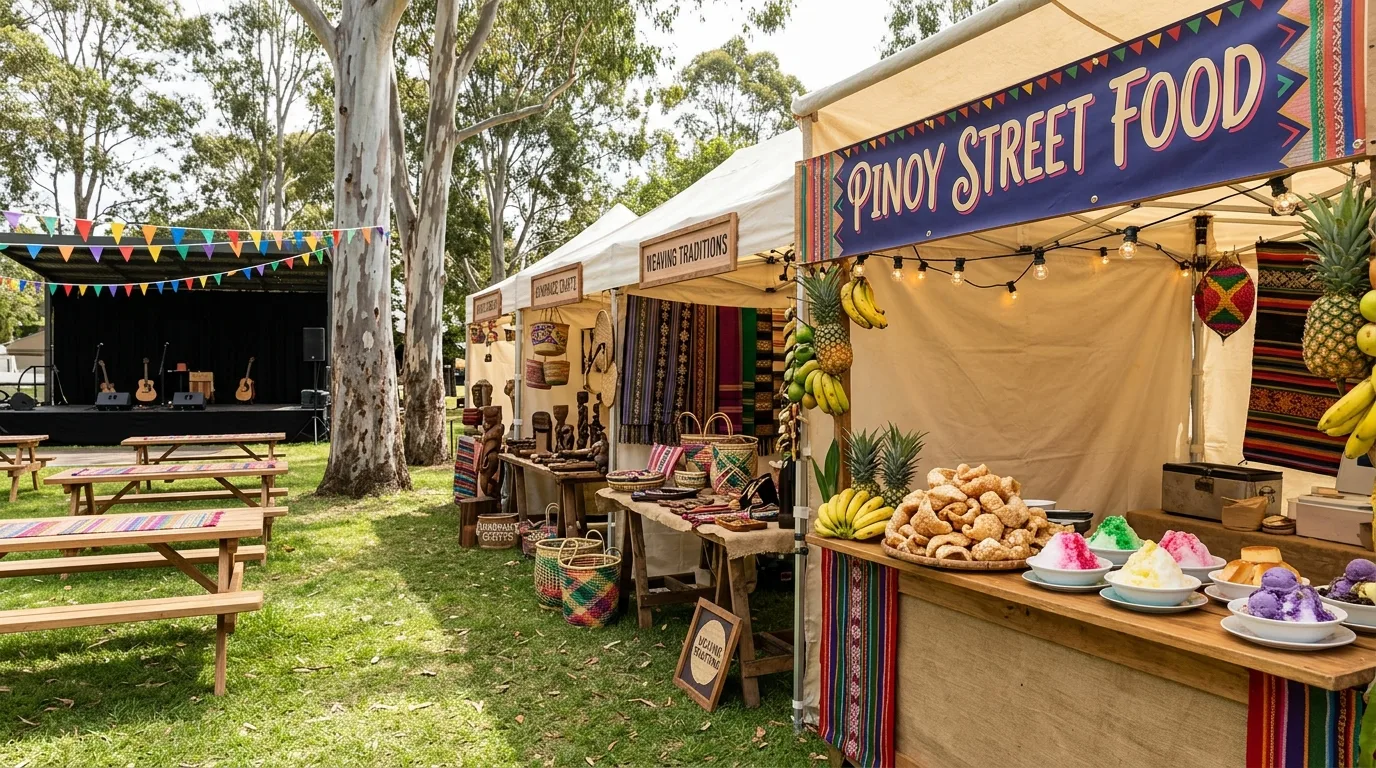
Food tourism adds another dimension to coastal travel experiences.
Beach destinations frequently showcase local culinary traditions centered around fresh seafood, regional specialties, and traditional cooking techniques.
Visitors often enjoy opportunities to experience authentic local cuisine while learning about cultural traditions and community life.
Culinary experiences contribute significantly to overall satisfaction and encourage deeper engagement with local culture.
Social media has played an important role in increasing the visibility of Philippine beaches.
Travel influencers, photographers, content creators, and everyday travelers regularly share images and videos that showcase the country’s coastal beauty.
These visual stories reach global audiences and inspire future travel decisions.
Tourism experts note that digital visibility has become a powerful marketing tool, particularly among younger travelers.
Many visitors first discover destinations through online content before deciding to travel.
The growth of remote work has also influenced beach tourism.
Digital nomads and long-stay travelers increasingly seek destinations that offer natural beauty, reliable connectivity, and supportive communities.
Many Philippine beach destinations have become attractive options for individuals combining work and travel.
This trend has created opportunities for local businesses while extending visitor stays and increasing economic contributions.
Community involvement remains essential to the success of beach tourism.
Local residents contribute significantly as guides, entrepreneurs, hospitality professionals, artisans, boat operators, and cultural ambassadors.
Their participation helps create authentic visitor experiences while ensuring tourism benefits are distributed throughout communities.
Tourism advocates emphasize that community engagement strengthens both visitor satisfaction and destination sustainability.
Environmental protection has become increasingly important as visitor numbers grow.
Government agencies, local communities, tourism operators, and environmental organizations continue implementing initiatives designed to preserve marine ecosystems, reduce waste, protect coastlines, and encourage responsible tourism practices.
These efforts help ensure that beaches remain healthy and attractive for future generations.
Sustainability is widely recognized as essential to maintaining long-term competitiveness.
Infrastructure improvements have also supported the continued growth of beach tourism.
Investments in transportation, airports, ports, roads, accommodations, and digital connectivity have enhanced accessibility and visitor convenience.
Improved infrastructure allows travelers to explore a wider range of destinations while supporting local economic development.
Many emerging beach destinations are benefiting from increased accessibility and growing awareness.
The economic impact of beach tourism extends throughout the country.
Hotels, restaurants, transportation providers, tour operators, retailers, and small businesses benefit from visitor spending.
Employment opportunities generated by tourism contribute to local development and help support communities that depend on travel-related activities.
Industry leaders emphasize that tourism remains a critical component of economic growth in many coastal regions.
International recognition continues to strengthen the global profile of Philippine beaches.
Travel publications, tourism awards, destination rankings, and visitor reviews frequently highlight the country’s coastal attractions.
Positive recognition reinforces the Philippines’ position within competitive regional markets and encourages additional visitation.
Many tourism stakeholders view international acclaim as both an achievement and a responsibility.
Looking ahead, tourism leaders remain optimistic about the future of beach tourism.
Continued investment in sustainability, infrastructure, community engagement, and destination management is expected to support long-term growth.
Emerging destinations are also gaining visibility, helping diversify tourism activity and reduce pressure on established hotspots.
The future of the industry will likely depend on maintaining a balance between growth and conservation.
Ultimately, the enduring popularity of Philippine beaches reflects more than their physical beauty.
They represent opportunities for adventure, relaxation, cultural discovery, environmental appreciation, and human connection.
Visitors leave not only with photographs of spectacular landscapes but also with memories of warm hospitality, meaningful experiences, and unique encounters that define travel in the Philippines.
As travelers continue searching for extraordinary coastal experiences, Philippine beaches remain among Asia’s most sought-after destinations.
Their combination of natural beauty, marine richness, cultural diversity, and welcoming communities ensures that they will continue inspiring visitors from around the world for years to come.
From world-famous shores to hidden coastal treasures, the Philippines continues to demonstrate why it remains one of the premier island destinations in Asia and a place where unforgettable travel experiences begin with the simple beauty of the sea.
Enjoyed this story?
Share this story