Philippine Culinary Tourism Continues to Gain Global Recognition in 2026
Share
June 07, 2026
Updated Oct 14, 2026
8 min read
419 views
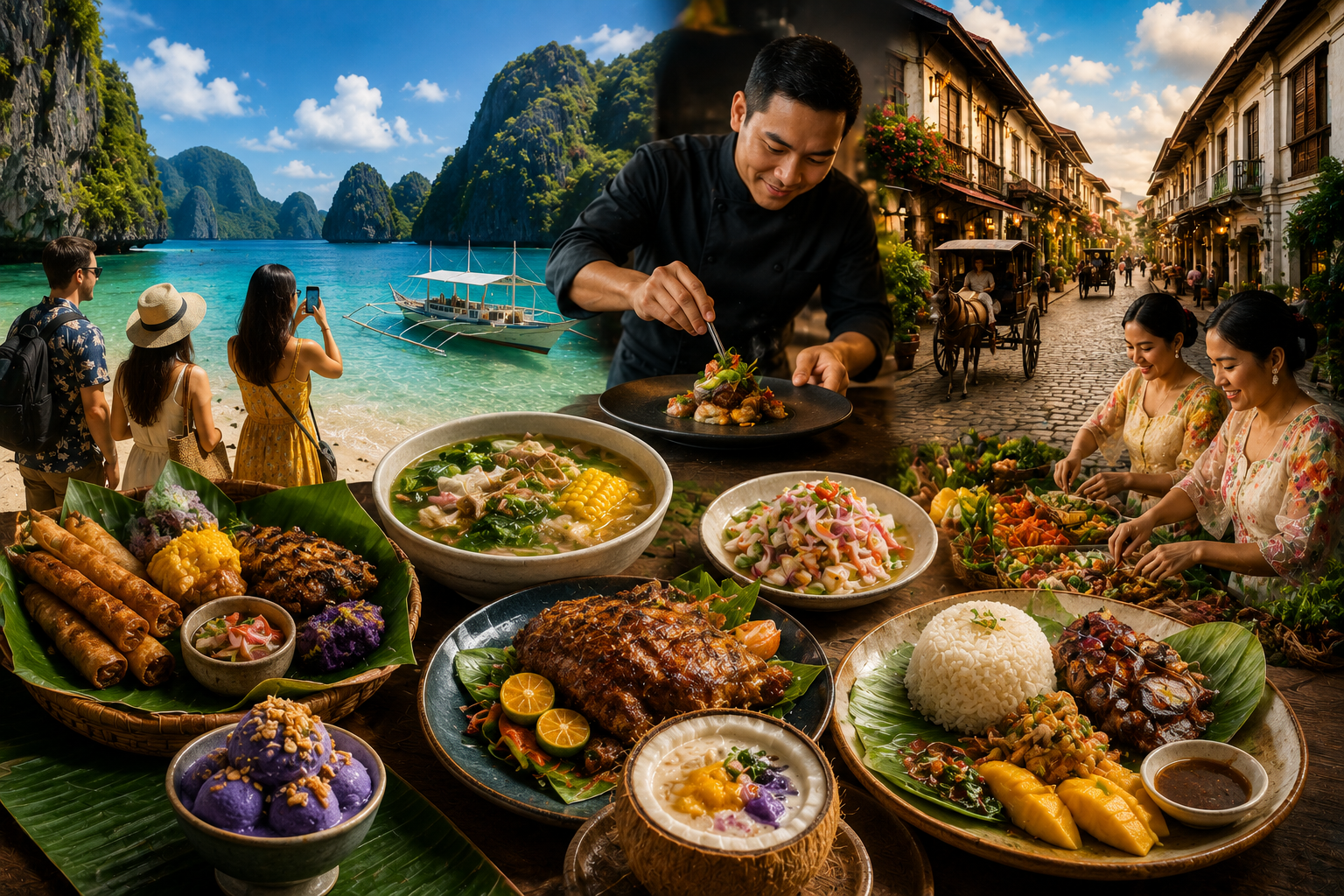
MANILA, Philippines — Philippine culinary tourism continues to experience remarkable growth in 2026 as international travelers, food enthusiasts, culinary professionals, and cultural explorers increasingly recognize the country as one of Asia’s most exciting destinations for authentic food experiences. Driven by growing global appreciation for Filipino cuisine, the expansion of food-focused tourism initiatives, and the increasing visibility of local culinary traditions on the international stage, the Philippines is strengthening its position as a premier destination for travelers seeking memorable gastronomic adventures.
Tourism industry stakeholders report that food has become one of the most influential factors shaping travel decisions worldwide. Modern travelers are no longer satisfied with simply visiting famous landmarks or scenic attractions. Instead, many seek deeper cultural experiences that allow them to understand the identity, history, and traditions of the places they visit. Culinary tourism has emerged as one of the most effective ways to achieve this goal because food serves as a powerful reflection of culture, community, and heritage. In the Philippines, this growing interest has created significant opportunities for destinations, local businesses, and communities to showcase their unique culinary offerings.
The country's culinary landscape is exceptionally diverse. With more than 7,000 islands and a rich history influenced by indigenous traditions, Asian trade, Spanish heritage, and global cultural exchanges, the Philippines offers a wide variety of flavors, cooking techniques, ingredients, and regional specialties. This diversity provides travelers with countless opportunities to experience distinct culinary traditions while exploring different regions of the country. Industry experts note that no two provinces offer exactly the same food experiences, making culinary exploration an appealing reason for visitors to travel throughout the archipelago.
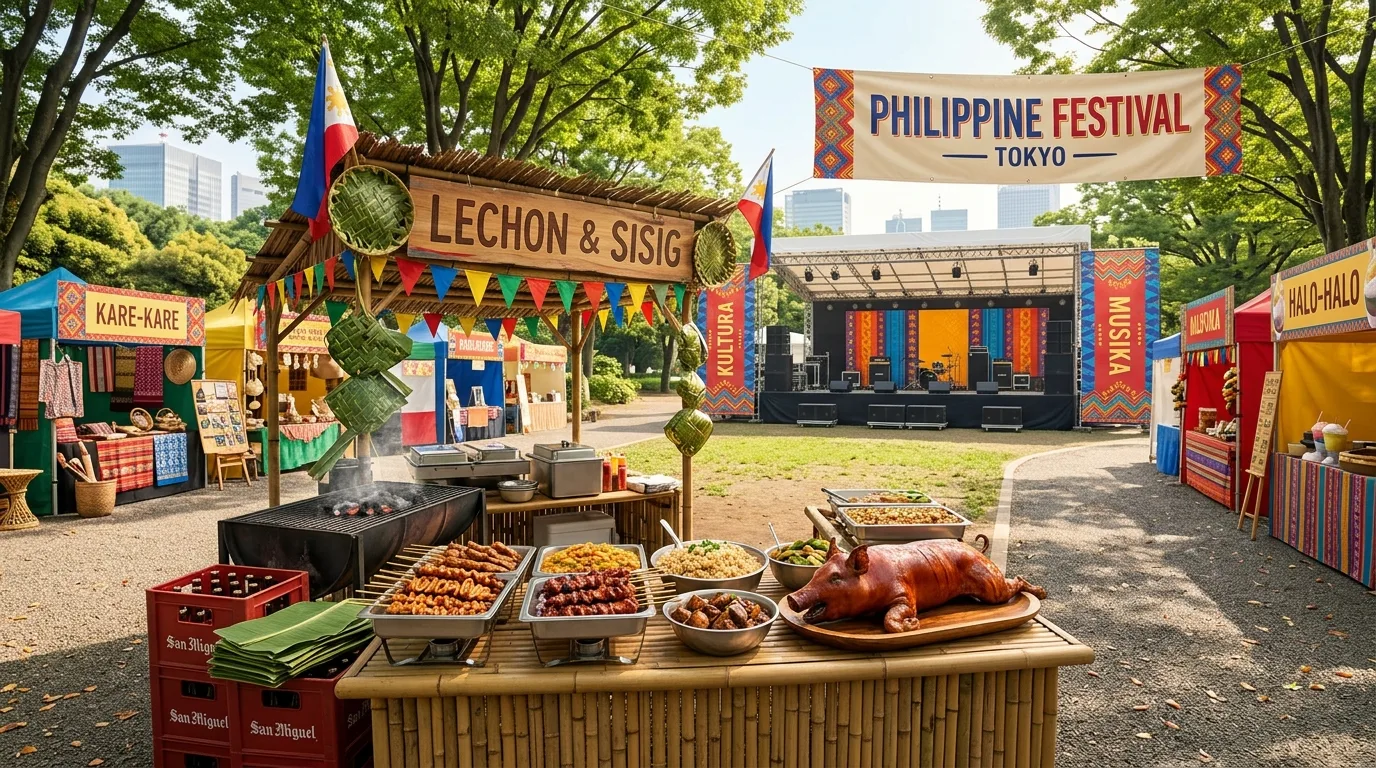
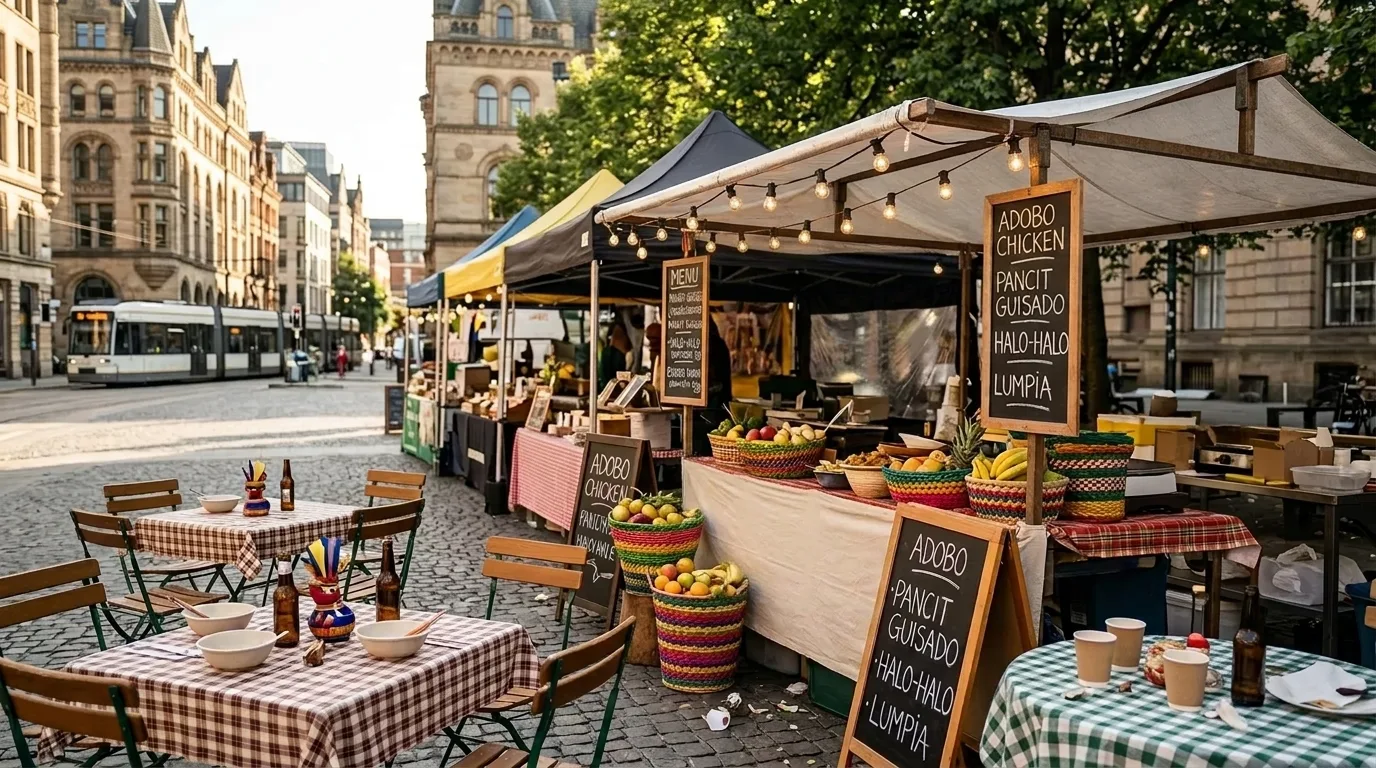
Traditional Filipino dishes continue to attract growing international attention. Favorites such as adobo, sinigang, lechon, pancit, kare-kare, lumpia, halo-halo, and various regional specialties are becoming increasingly recognized by global audiences. Visitors are often drawn not only to the flavors themselves but also to the stories behind the dishes. Many culinary experiences emphasize the historical and cultural significance of food, helping travelers gain a deeper understanding of Filipino traditions and family life. This connection between food and storytelling has become an important component of the country's culinary tourism appeal.
Regional cuisine has emerged as a major driver of tourism growth. Travelers are increasingly interested in discovering the unique specialties associated with different provinces and communities. Coastal destinations showcase fresh seafood traditions, agricultural regions highlight farm-to-table experiences, and cultural centers present dishes that reflect centuries of local history. These regional distinctions encourage visitors to travel beyond major cities and explore destinations that may have previously received less tourism attention. Community leaders note that culinary tourism helps distribute economic benefits across multiple regions while supporting local identity and cultural preservation.
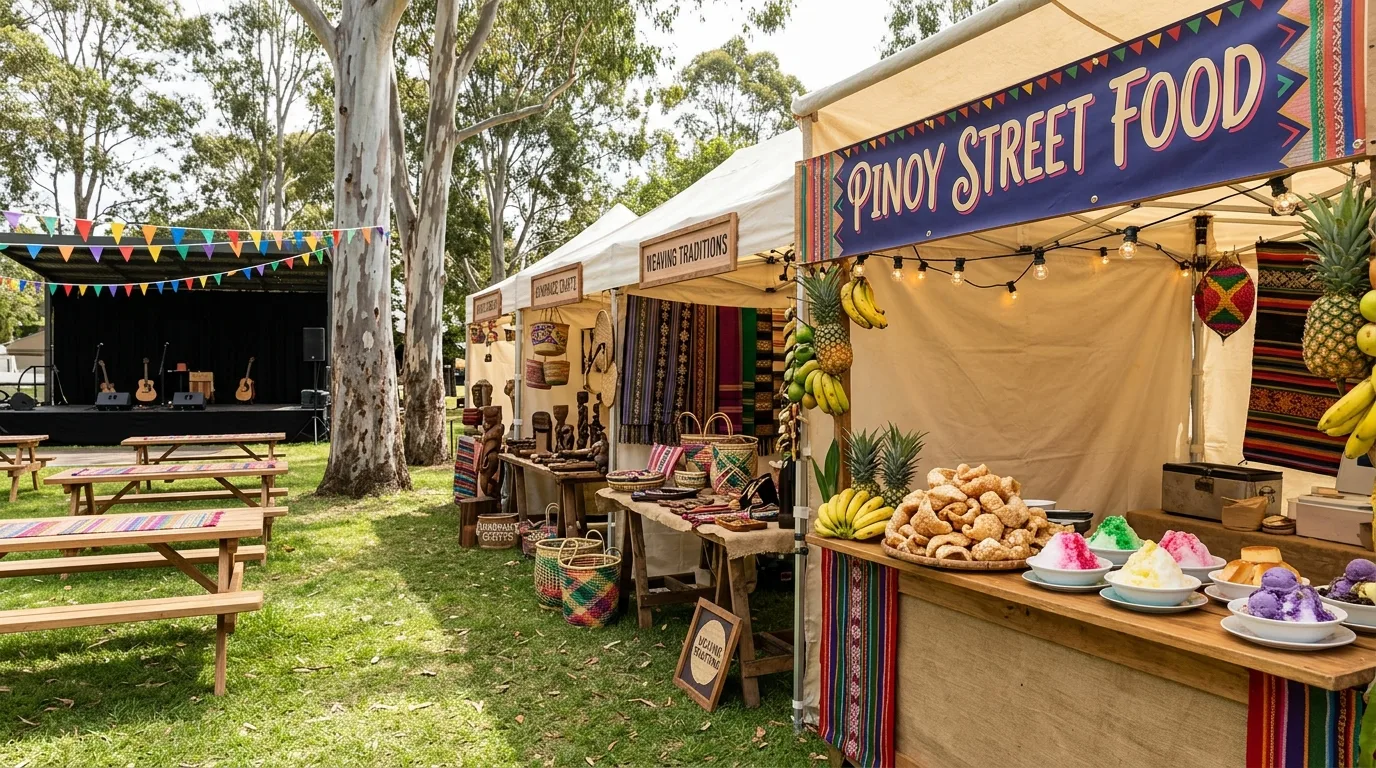
Food festivals continue to play a critical role in promoting Philippine culinary tourism. Across the country, festivals celebrating local products, traditional recipes, regional ingredients, and culinary heritage attract both domestic and international visitors. These events often combine food experiences with cultural performances, educational programs, cooking demonstrations, and community celebrations. Festival organizers report growing attendance as more travelers seek opportunities to engage directly with local food culture. Such events also provide valuable platforms for entrepreneurs, farmers, chefs, and artisans to showcase their products and expertise.
The rise of Filipino chefs on the international stage has significantly contributed to the growing popularity of Philippine cuisine. Culinary professionals from the Philippines are earning recognition through international competitions, restaurant ventures, television appearances, food publications, and culinary collaborations. Their success has helped introduce Filipino flavors to wider audiences while generating curiosity about the country's culinary traditions. Many visitors cite exposure to Filipino cuisine abroad as one of the reasons they choose to travel to the Philippines in search of authentic food experiences.
Restaurants throughout the country are adapting to growing demand for culinary tourism experiences. Many establishments now offer curated tasting menus, regional food journeys, heritage dining experiences, and educational culinary programs designed specifically for visitors. These offerings help transform dining from a simple activity into a meaningful cultural experience. Restaurateurs recognize that modern travelers increasingly value authenticity, storytelling, and direct engagement with local food traditions.
Farm tourism has become an increasingly important component of the culinary tourism sector. Travelers are showing greater interest in understanding how food is grown, harvested, processed, and prepared. Agricultural destinations are responding by offering farm tours, interactive workshops, harvest experiences, and educational programs that connect visitors with local producers. These initiatives strengthen awareness of sustainable agriculture while providing additional income opportunities for rural communities. Many tourism experts view farm tourism as an effective way to bridge the gap between food production and consumption.
The growing emphasis on sustainability has also influenced culinary tourism development. Travelers are becoming more conscious of environmental impacts and increasingly seek destinations that support local sourcing, responsible production, and sustainable food systems. Many tourism operators, restaurants, and community organizations are incorporating sustainability principles into their culinary offerings. Efforts to promote locally sourced ingredients, reduce food waste, and support traditional agricultural practices align with broader trends within global tourism markets.
Technology continues to expand the reach of Philippine culinary tourism. Social media platforms, food blogs, travel websites, video content, and digital marketing campaigns have made it easier for destinations and businesses to showcase culinary experiences to international audiences. Images of colorful dishes, vibrant food markets, cooking demonstrations, and cultural celebrations frequently attract significant online engagement. Tourism stakeholders acknowledge that digital visibility has become an essential tool for promoting food destinations and attracting visitors.
The economic impact of culinary tourism extends across multiple sectors. Farmers, fishermen, food producers, market vendors, restaurant operators, transportation providers, tour guides, accommodation businesses, and cultural organizations all benefit from increased visitor spending. Culinary tourism creates opportunities for small businesses while strengthening local supply chains and supporting rural development. Industry leaders often emphasize that food tourism generates broad-based economic benefits because it relies heavily on local resources and community participation.
Cultural preservation remains one of the most significant advantages of culinary tourism. As demand for authentic food experiences grows, communities have greater incentives to preserve traditional recipes, cooking techniques, ingredients, and culinary knowledge. Older generations often play important roles in passing these traditions on to younger family members and aspiring culinary professionals. This process helps ensure that valuable cultural practices remain relevant and accessible in a rapidly changing world.
Educational institutions are increasingly supporting the growth of culinary tourism through hospitality programs, culinary training, food research, and cultural studies initiatives. Universities, culinary schools, and training centers are helping prepare future professionals who can contribute to the industry's development while preserving cultural authenticity. Educational partnerships also support innovation and research that strengthen the competitiveness of Philippine culinary tourism.
International visitors frequently describe Filipino hospitality as one of the most memorable aspects of their culinary experiences. Meals in the Philippines are often associated with generosity, community, family gatherings, and shared celebrations. This welcoming atmosphere enhances dining experiences and distinguishes Philippine culinary tourism from many other destinations. Tourism experts note that hospitality serves as a valuable complement to the quality and diversity of local cuisine.
The future outlook for Philippine culinary tourism remains highly positive. Growing international awareness of Filipino cuisine, increasing demand for authentic cultural experiences, and continued investment in tourism development are expected to support further expansion in the years ahead. Emerging destinations, new culinary entrepreneurs, and innovative tourism products are likely to contribute to continued industry growth while creating additional opportunities for communities nationwide.
Industry stakeholders believe the Philippines is entering a new era of culinary tourism recognition. The combination of rich cultural heritage, diverse regional cuisines, strong community participation, and increasing international visibility provides a solid foundation for long-term success. As travelers continue seeking meaningful and memorable food experiences, the country's culinary offerings are well-positioned to attract growing numbers of visitors from around the world.
Ultimately, the continued rise of Philippine culinary tourism reflects more than just appreciation for good food. It represents a broader recognition of the country's cultural richness, creativity, diversity, and hospitality. Every meal shared, recipe preserved, and culinary tradition celebrated contributes to a larger story about the Philippines and its people. As global recognition continues to grow in 2026, culinary tourism is helping showcase the nation's unique identity while creating economic opportunities and strengthening pride in Filipino culture.
With every region offering its own flavors, traditions, and stories, the Philippines continues to prove that food is one of its most powerful tourism assets. As travelers from around the world discover the depth and diversity of Filipino cuisine, culinary tourism is becoming an increasingly important gateway to understanding and appreciating the culture, heritage, and spirit of the Filipino people.
Enjoyed this story?
Share this story