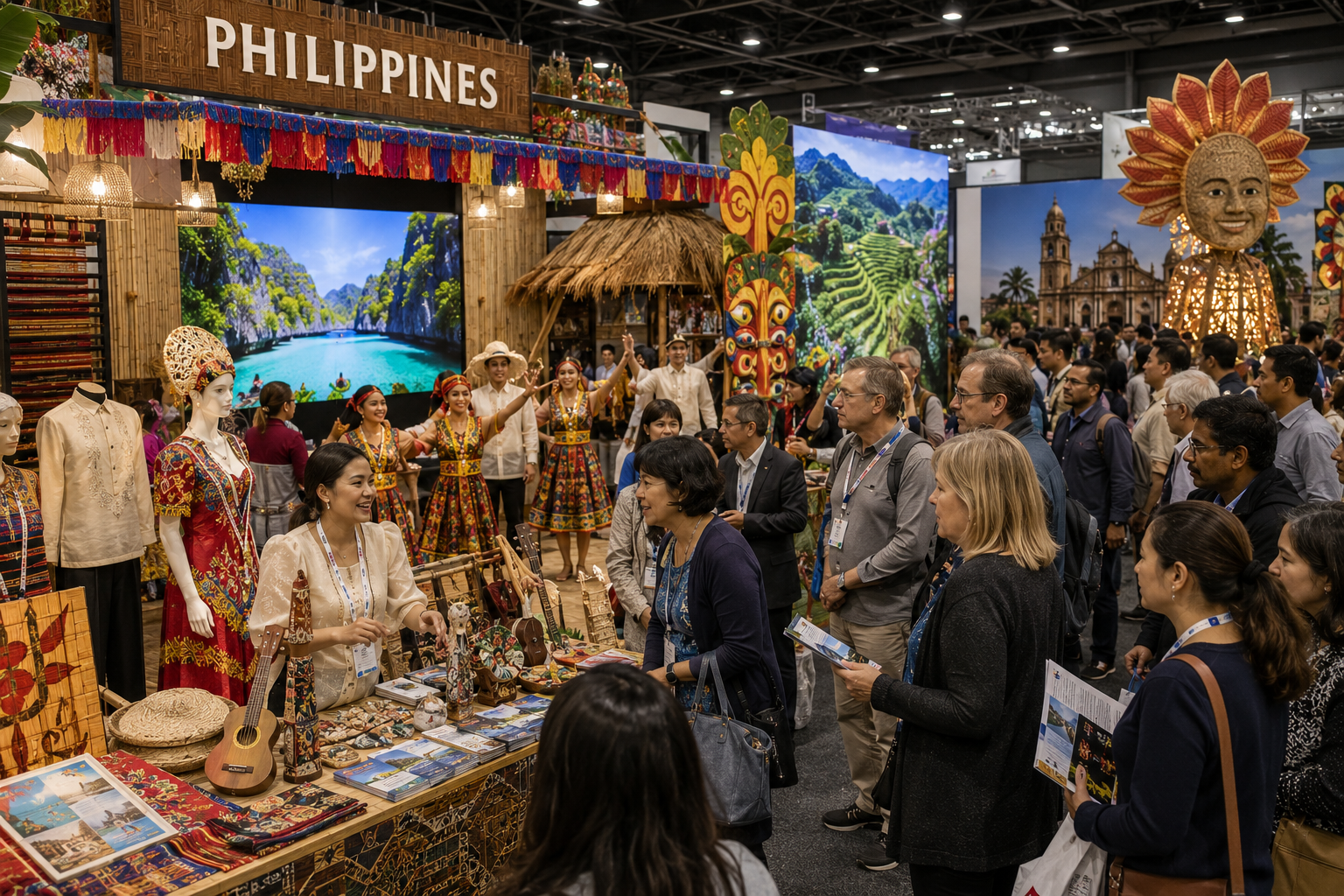
Philippine Cultural Exhibitions Draw Strong Attendance at International Event
Share
June 17, 2026
Updated Oct 15, 2026
8 min read
267 views
MANILA, Philippines — Philippine cultural exhibitions are attracting growing numbers of visitors at international events as audiences around the world seek opportunities to explore the country's rich heritage, artistic traditions, and cultural diversity. From major cultural festivals and museum showcases to international trade fairs, art exhibitions, heritage expos, and educational programs, Philippine cultural presentations are generating strong interest among visitors eager to learn more about the history, creativity, and traditions that define the Filipino identity.
The increasing popularity of Philippine cultural exhibitions reflects a broader global interest in authentic cultural experiences and meaningful international exchange. As societies become more interconnected, people are showing greater curiosity about the traditions, histories, and artistic expressions of different nations. The Philippines, with its diverse cultural landscape shaped by centuries of indigenous traditions, regional influences, historical developments, and global interactions, offers a unique and compelling cultural story that resonates with audiences across different regions of the world.
Organizers of international cultural events report that Philippine exhibits frequently attract significant visitor attention due to their vibrant displays, engaging presentations, and diverse content. Many exhibitions highlight the country's unique blend of indigenous heritage, Asian influences, Hispanic traditions, and contemporary creative achievements. This cultural diversity allows visitors to gain a broader understanding of the Philippines while appreciating the many factors that have contributed to the nation's cultural identity over time.
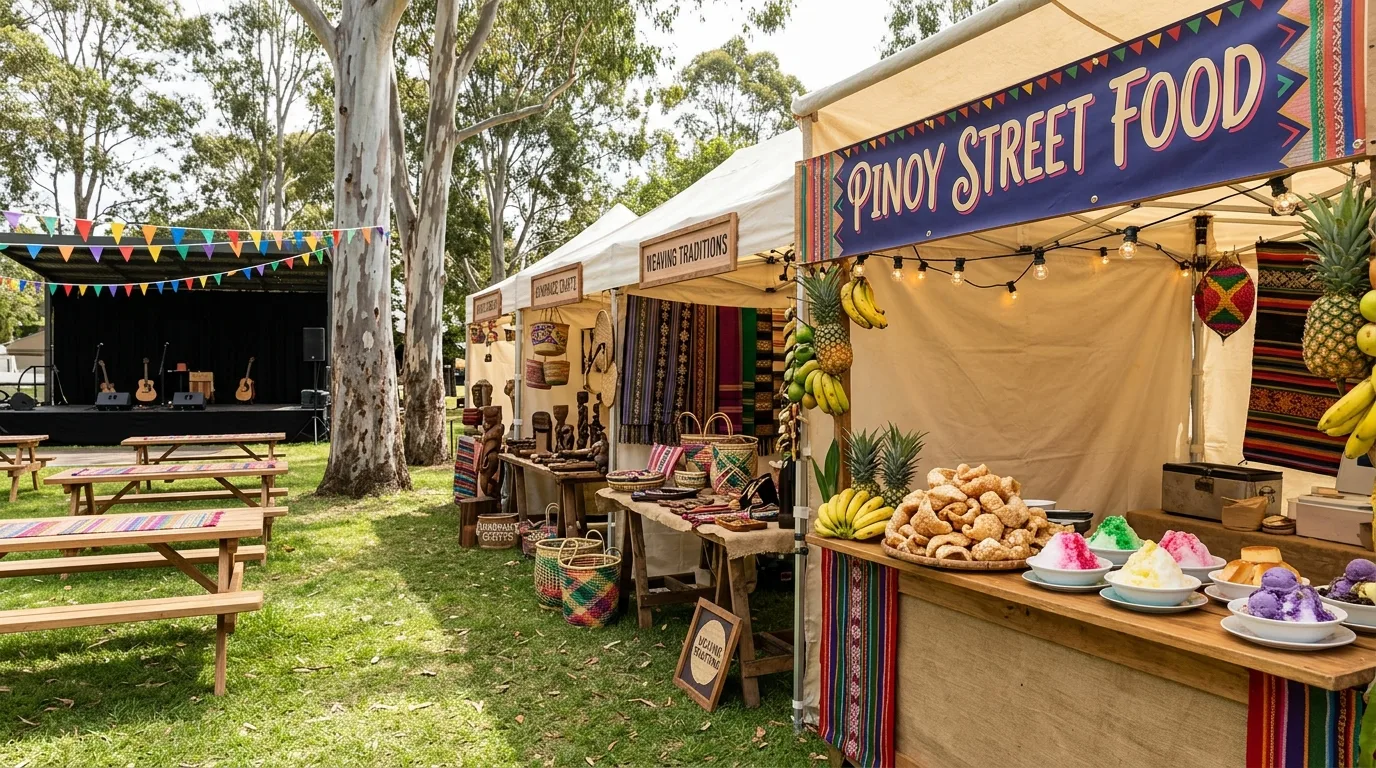
Traditional Filipino arts and crafts remain among the most popular attractions at cultural exhibitions. Displays featuring handwoven textiles, wood carvings, pottery, embroidery, basket weaving, jewelry making, and indigenous craftsmanship provide visitors with opportunities to appreciate the skill and creativity of Filipino artisans. Many of these artistic traditions have been passed down through generations, preserving valuable cultural knowledge while continuing to evolve in response to modern influences and contemporary artistic practices.
Handwoven products from different regions of the Philippines often receive particular attention from international audiences. Visitors are frequently fascinated by the intricate patterns, vibrant colors, and cultural significance embedded within traditional textiles. Exhibition organizers note that these works not only demonstrate technical excellence but also tell stories about community traditions, local identities, and historical experiences. Through these displays, audiences gain insights into the cultural richness of various regions throughout the Philippine archipelago.
Visual arts exhibitions have also become increasingly important components of international cultural showcases. Filipino painters, sculptors, photographers, multimedia artists, and contemporary creators are gaining recognition for works that explore themes related to identity, heritage, community, migration, and social change. International audiences often respond positively to these artistic expressions because they offer both cultural specificity and universal themes that resonate across borders. Curators emphasize that contemporary Filipino art plays an important role in presenting a modern and dynamic image of the Philippines to the world.
Cultural exhibitions frequently incorporate historical displays that provide context for understanding Philippine society and heritage. Through photographs, documents, artifacts, maps, and educational materials, visitors are introduced to significant moments in Philippine history and the diverse communities that have shaped the nation's development. These exhibits help foster greater appreciation for the country's cultural complexity while encouraging meaningful engagement with historical narratives.
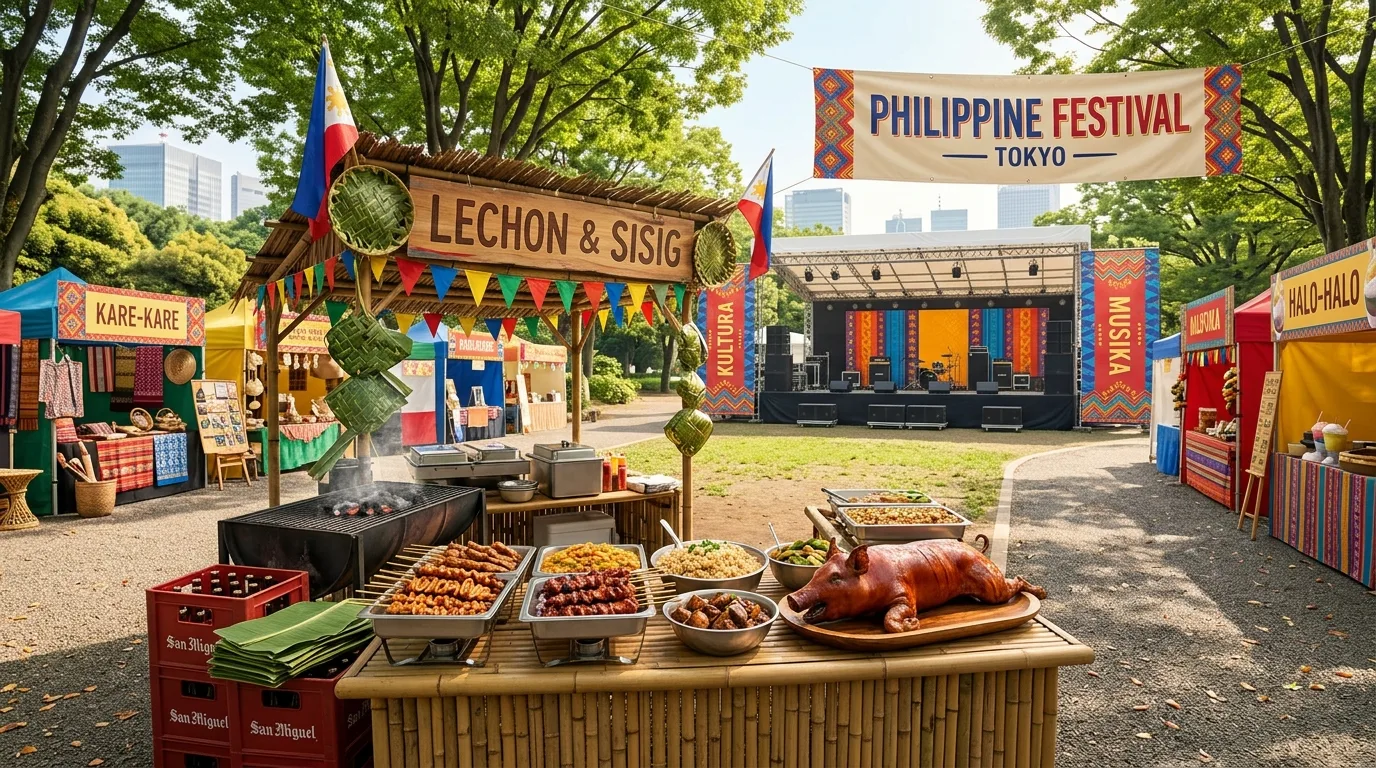
Traditional Filipino music and dance performances are often integrated into exhibition programs to create immersive cultural experiences. Live performances of folk dances such as Tinikling, Singkil, Pandanggo sa Ilaw, and other regional traditions allow audiences to experience Philippine culture through movement, rhythm, and storytelling. These performances frequently become highlights of cultural events because they combine visual artistry with educational value while creating memorable experiences for attendees.
Music presentations further enhance cultural exhibitions by showcasing the diversity of Filipino musical traditions. Performances featuring indigenous instruments, folk songs, contemporary interpretations, and collaborative works help audiences appreciate the country's rich musical heritage. Organizers note that music often serves as a universal language that allows people from different cultural backgrounds to connect and engage with one another more easily.
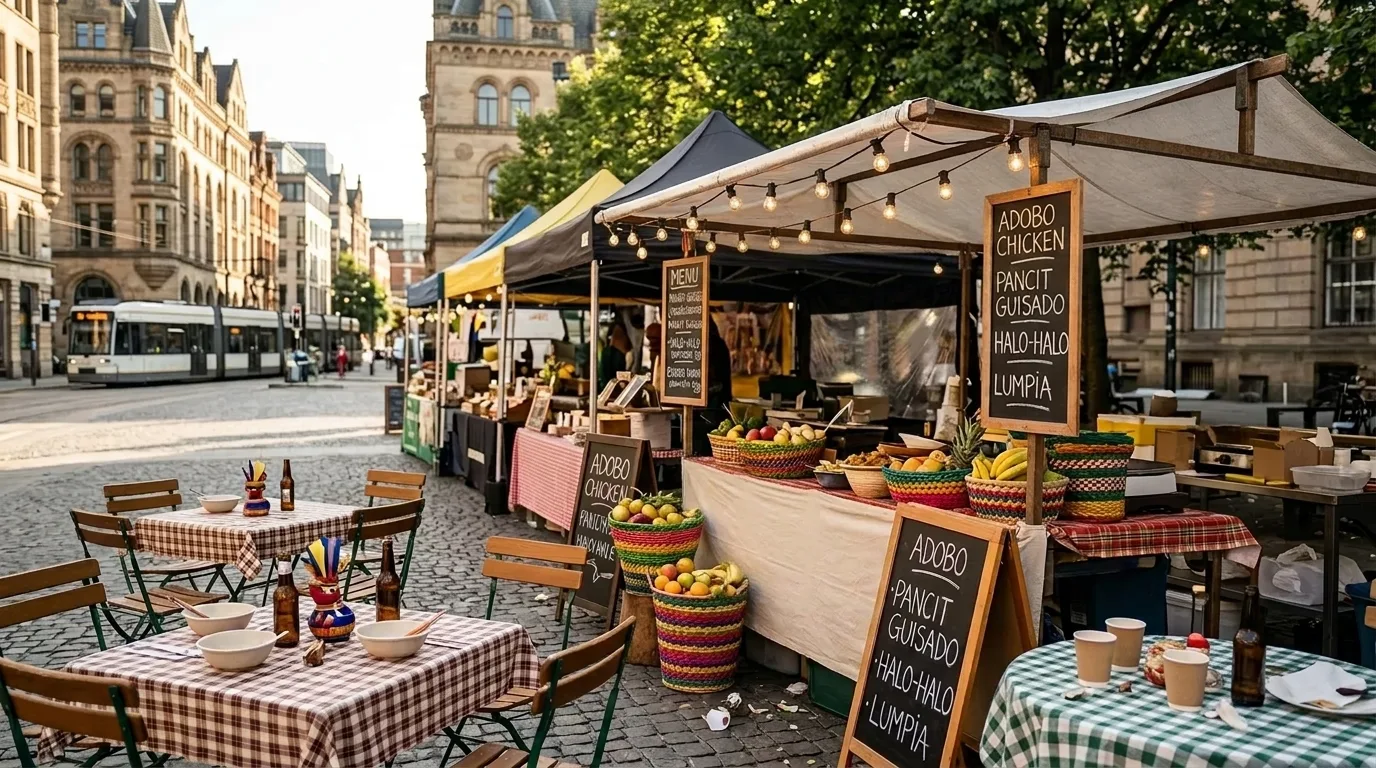
Philippine cuisine has become another major attraction at cultural exhibitions worldwide. Food demonstrations, culinary showcases, and tasting events provide opportunities for visitors to explore the flavors and traditions associated with Filipino cooking. Dishes such as adobo, pancit, lechon, lumpia, halo-halo, and regional specialties frequently attract large crowds eager to experience Philippine culinary culture. Food experts emphasize that cuisine serves as an important gateway to broader cultural understanding because it reflects history, geography, community traditions, and social values.
The growing visibility of indigenous cultures within international exhibitions has also contributed to increased audience interest. Organizers are making greater efforts to highlight the traditions, artistic expressions, and cultural contributions of indigenous communities throughout the Philippines. These presentations help raise awareness about cultural diversity while supporting the preservation and recognition of indigenous heritage. Cultural advocates emphasize that respectful representation is essential for ensuring that indigenous voices and perspectives remain central to these initiatives.
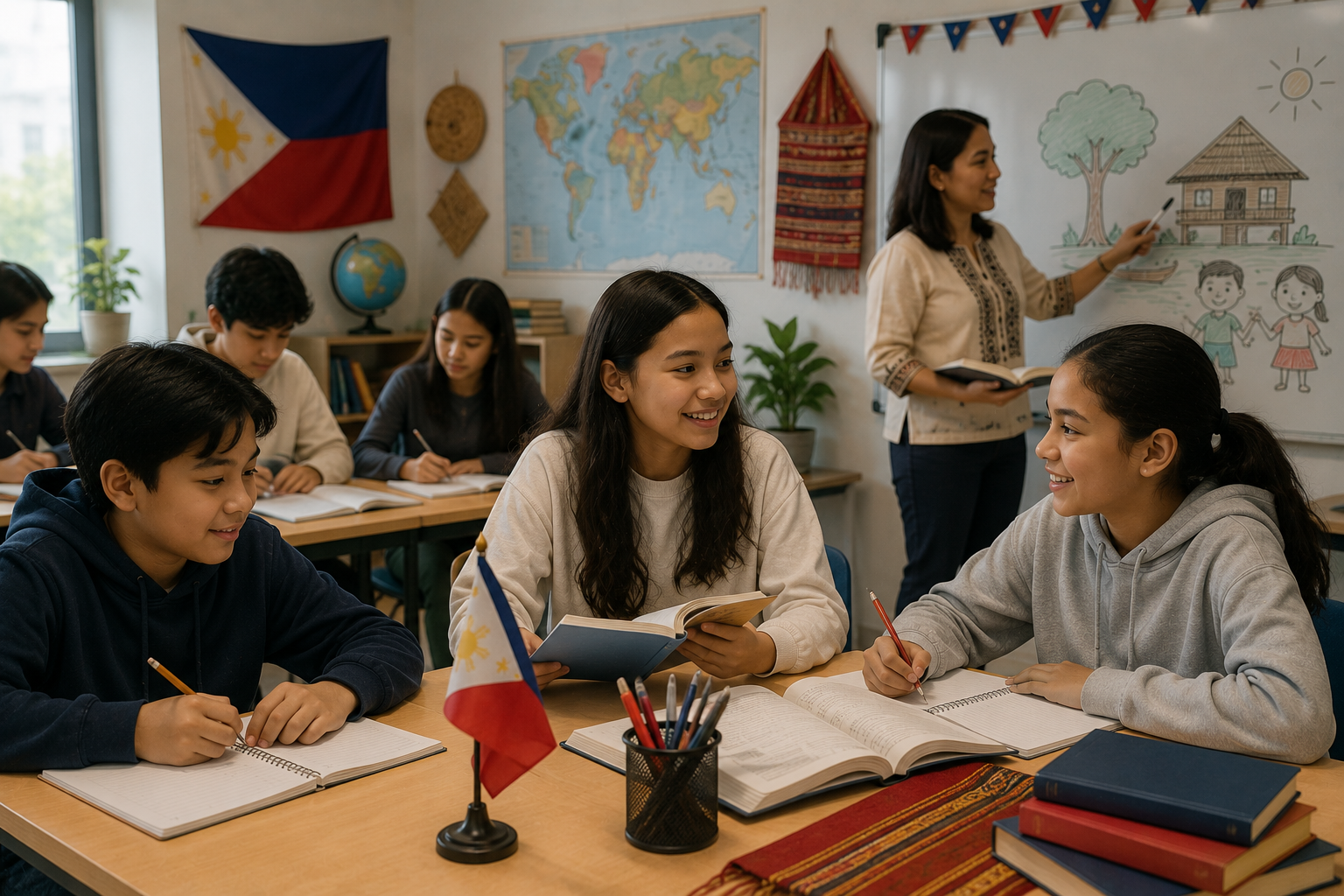
Educational programming has become an increasingly important feature of cultural exhibitions. Workshops, lectures, panel discussions, demonstrations, and interactive activities allow visitors to engage more deeply with Philippine culture and history. These programs encourage active participation while providing opportunities for dialogue and cultural learning. Educators believe that interactive experiences often create stronger and more lasting impressions than passive observation alone.
The participation of overseas Filipino communities has played a significant role in expanding the reach of Philippine cultural exhibitions. Filipino organizations around the world frequently collaborate with museums, cultural institutions, educational organizations, and local governments to organize events that celebrate Philippine heritage. Their efforts help strengthen cultural ties between the Philippines and host countries while creating opportunities for broader public engagement.
Technology has significantly enhanced the accessibility and impact of cultural exhibitions. Digital displays, virtual tours, multimedia presentations, interactive installations, and online exhibits allow organizers to reach audiences beyond physical event locations. These innovations have expanded opportunities for cultural engagement while helping preserve and document important aspects of Philippine heritage. Cultural leaders note that technology is becoming an increasingly valuable tool for cultural preservation and education.
Many exhibitions also highlight the achievements of Filipino innovators, professionals, and cultural leaders who have contributed to various fields both locally and internationally. These stories help audiences understand the contemporary relevance of Philippine culture while demonstrating the contributions of Filipinos to global society. Organizers believe that showcasing modern achievements alongside traditional heritage creates a more comprehensive and balanced representation of the Filipino experience.
International cultural exhibitions often serve as platforms for cultural diplomacy and intercultural dialogue. Through exhibitions, performances, and educational activities, participants from different countries are encouraged to exchange ideas, learn from one another, and develop greater appreciation for cultural diversity. These interactions contribute positively to international understanding while strengthening relationships among communities and institutions.
The economic impact of cultural exhibitions should not be overlooked. Events often create opportunities for artists, artisans, cultural organizations, tourism stakeholders, and small businesses to showcase products and services to international audiences. Increased visibility can lead to new partnerships, market opportunities, tourism interest, and professional collaborations that support the growth of creative and cultural industries.
Community leaders observe that younger generations are becoming increasingly involved in organizing and participating in cultural exhibitions. Youth volunteers, artists, performers, researchers, and cultural advocates contribute fresh perspectives and innovative approaches that help ensure cultural traditions remain relevant in contemporary settings. Their involvement is viewed as essential for sustaining long-term cultural preservation efforts and fostering future cultural leadership.
Many visitors who attend Philippine cultural exhibitions describe the experience as both educational and inspiring. Exposure to Filipino traditions, artistic achievements, and community stories often encourages greater interest in learning about the country and its people. Organizers frequently receive positive feedback from attendees who appreciate the opportunity to engage with a culture that may have been unfamiliar to them prior to visiting the exhibition.
The continued growth of international interest in Philippine cultural exhibitions reflects the strength and appeal of Filipino heritage on the global stage. As cultural organizations, artists, educators, and community leaders continue to collaborate on innovative programs, opportunities for cultural exchange and international engagement are expected to expand further in the coming years.
Looking ahead, stakeholders are exploring new ways to enhance cultural exhibitions through expanded educational programming, digital innovation, interdisciplinary collaborations, and stronger international partnerships. These initiatives aim to ensure that Philippine culture remains accessible, relevant, and engaging for diverse audiences while preserving the traditions and stories that define the nation's identity.
Ultimately, the success of Philippine cultural exhibitions at international events demonstrates the enduring value of culture as a bridge between people and communities. Through art, history, music, dance, food, and storytelling, these exhibitions create opportunities for learning, appreciation, and meaningful connection across borders. They highlight the richness of Philippine heritage while fostering greater understanding and respect among cultures.
As international audiences continue to embrace opportunities to experience Philippine culture, cultural exhibitions will remain important platforms for sharing the stories, traditions, and creative achievements of the Filipino people. Through these efforts, the Philippines continues to strengthen its cultural presence globally while inspiring new generations to appreciate, preserve, and celebrate the diverse heritage that makes the nation unique.
Enjoyed this story?
Share this story