Philippine Cultural Performances Headline Multicultural Festivals Across Europe
Share
June 08, 2026
Updated Oct 16, 2026
7 min read
339 views
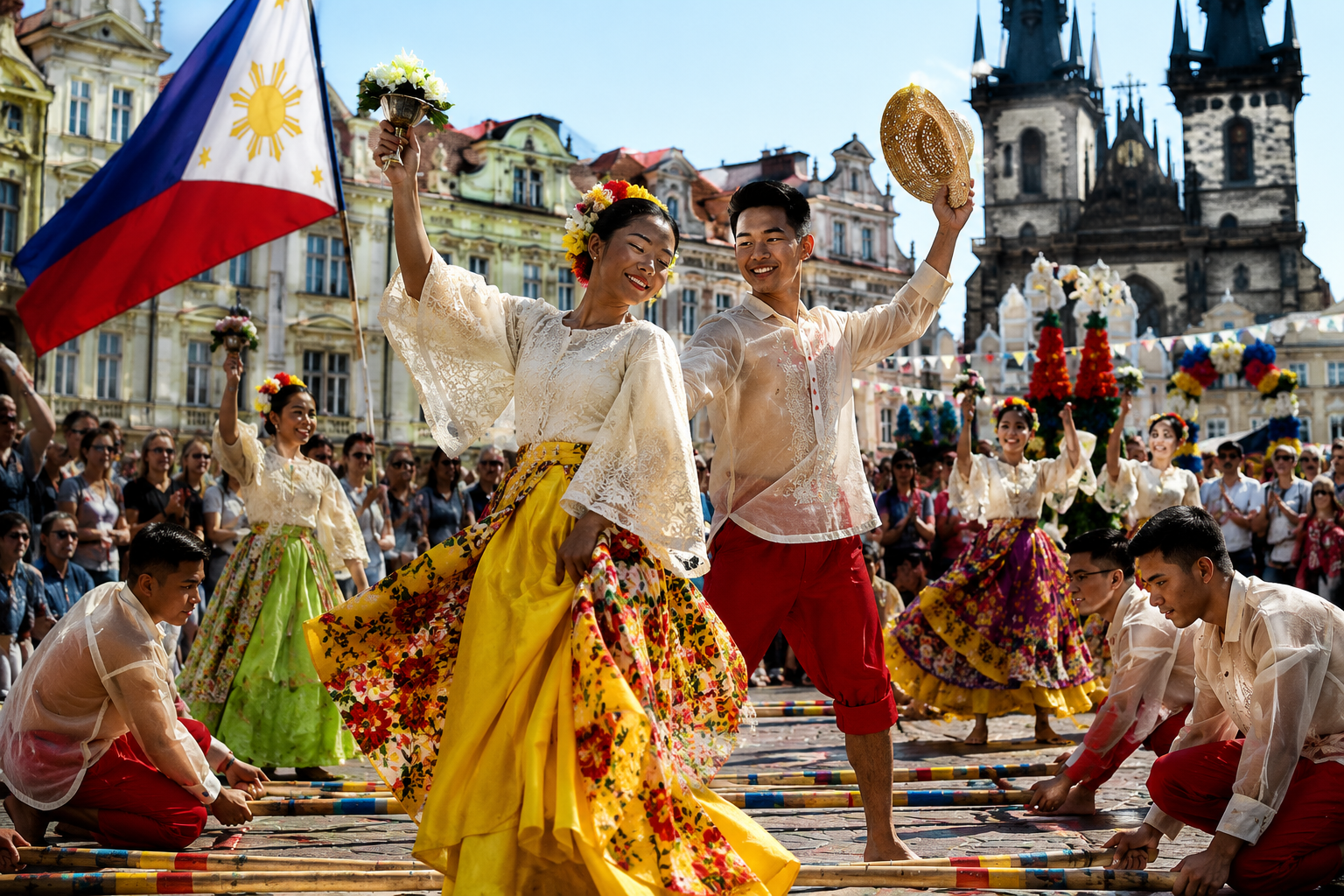
MANILA, Philippines — Philippine cultural performances are increasingly becoming major attractions at multicultural festivals throughout Europe as Filipino artists, performers, and community organizations continue to showcase the richness and diversity of Philippine heritage to international audiences. Across major European cities, cultural festivals featuring traditional Filipino dances, music, theatrical presentations, artistic exhibitions, and heritage showcases are drawing significant attention, helping strengthen cultural exchange while highlighting the creativity and talent of Filipino communities abroad.
The growing visibility of Philippine cultural performances reflects the increasing presence and influence of Filipino communities throughout Europe. Over the years, Filipinos living and working in various European countries have established vibrant cultural organizations dedicated to preserving heritage, supporting community development, and promoting greater awareness of Philippine traditions. Through participation in multicultural festivals, these organizations have created valuable opportunities to share Filipino culture with diverse audiences while fostering a deeper appreciation for the country's artistic and historical legacy.
Multicultural festivals have become important platforms for cultural exchange across Europe. These events bring together communities from different backgrounds to celebrate traditions, promote diversity, and encourage mutual understanding. Organizers often seek cultural groups that can offer unique and engaging presentations, and Filipino performers have consistently earned recognition for their dynamic performances, colorful costumes, captivating music, and strong storytelling traditions. Festival attendees are frequently drawn to the energy and authenticity that characterize Filipino cultural presentations.
Traditional folk dances remain among the most popular features of Philippine cultural showcases. Dance groups perform routines that represent different regions of the Philippines, highlighting the country's cultural diversity and historical influences. Performances often feature dances inspired by indigenous traditions, rural life, courtship customs, festivals, and historical events. Through movement, music, and costume design, these presentations provide audiences with visual narratives that communicate important aspects of Filipino culture and identity.
Many cultural performances are accompanied by educational components that help audiences better understand the significance of the traditions being presented. Narrators and cultural educators often explain the historical background, symbolism, and regional origins of various dances and musical pieces. These educational efforts enrich the audience experience and encourage deeper engagement with Philippine heritage. Organizers believe that combining entertainment with education helps create more meaningful cultural exchanges.
Music plays an equally important role in Philippine cultural presentations across Europe. Filipino musicians are widely recognized for their talent, versatility, and ability to connect with audiences through powerful performances. Traditional instruments, folk songs, choral music, and contemporary interpretations of cultural themes are frequently featured during festivals. Musical performances showcase the depth of Philippine artistic traditions while demonstrating how culture continues to evolve through modern creative expression.
One of the reasons Filipino performances resonate strongly with international audiences is their emphasis on storytelling. Many cultural presentations communicate themes related to family, community, resilience, faith, celebration, and everyday life. These themes are universally relatable while providing insights into Filipino values and experiences. Audiences often appreciate the emotional depth and authenticity that characterize Filipino artistic expression, making performances memorable and impactful.
Costumes and visual presentation contribute significantly to the appeal of Philippine cultural showcases. Traditional attire representing different regions of the Philippines often attracts considerable attention from festival attendees. Elaborate designs, vibrant colors, intricate craftsmanship, and historical influences create visually stunning performances that capture the imagination of audiences. Cultural advocates note that traditional clothing serves as an important expression of identity and heritage, making it a valuable component of cultural preservation efforts.
Community organizations throughout Europe invest significant time and effort in preparing for multicultural festivals. Volunteers, performers, choreographers, musicians, educators, and cultural leaders collaborate to create presentations that accurately represent Philippine traditions while engaging modern audiences. Many participants dedicate months to rehearsals, costume preparation, and program development. Their commitment reflects a deep passion for preserving cultural heritage and sharing it with others.
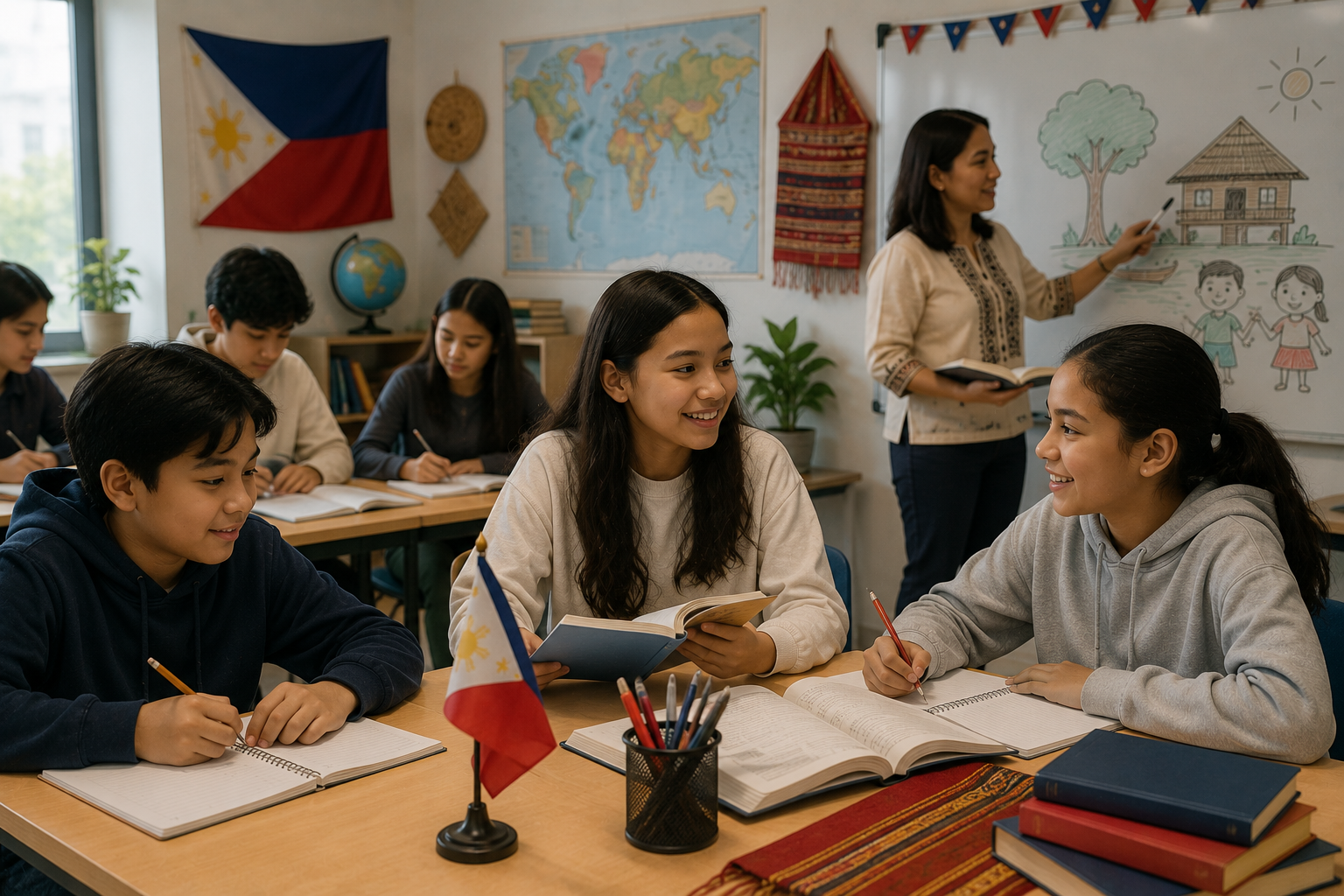
The participation of younger generations has become increasingly important in sustaining these cultural initiatives. Youth performers are actively involved in dance groups, music ensembles, theater productions, and educational programs that promote Philippine culture. Community leaders emphasize that involving young people helps ensure the continuity of traditions while creating opportunities for leadership development and cultural learning. Through participation in performances, younger Filipinos gain stronger connections to their heritage while contributing fresh perspectives and creativity.
The role of Filipino cultural performances extends beyond entertainment. Many community leaders view these presentations as forms of cultural diplomacy that help build bridges between communities and strengthen international relationships. By sharing traditions through music, dance, and art, Filipino performers contribute to greater understanding and appreciation of cultural diversity. These interactions often create positive impressions that extend beyond individual events and help foster lasting connections between communities.
The increasing popularity of multicultural festivals has also contributed to greater recognition of Filipino artistic talent. Festival organizers frequently invite Filipino groups to participate in major events because of their reputation for delivering high-quality performances. This visibility creates additional opportunities for artists and cultural organizations to expand their reach while promoting Philippine culture to broader audiences. Some performers have even been invited to participate in special cultural programs, educational initiatives, and international collaborations as a result of their festival appearances.
Technology has amplified the impact of cultural performances significantly. Social media platforms, video-sharing websites, and digital content creation allow performances to reach audiences far beyond festival venues. Videos showcasing Filipino dances, music, and cultural presentations often attract thousands of views online, generating interest among people who may never have attended an event in person. Digital visibility has become an important tool for promoting cultural awareness and expanding the influence of Filipino artistic initiatives.
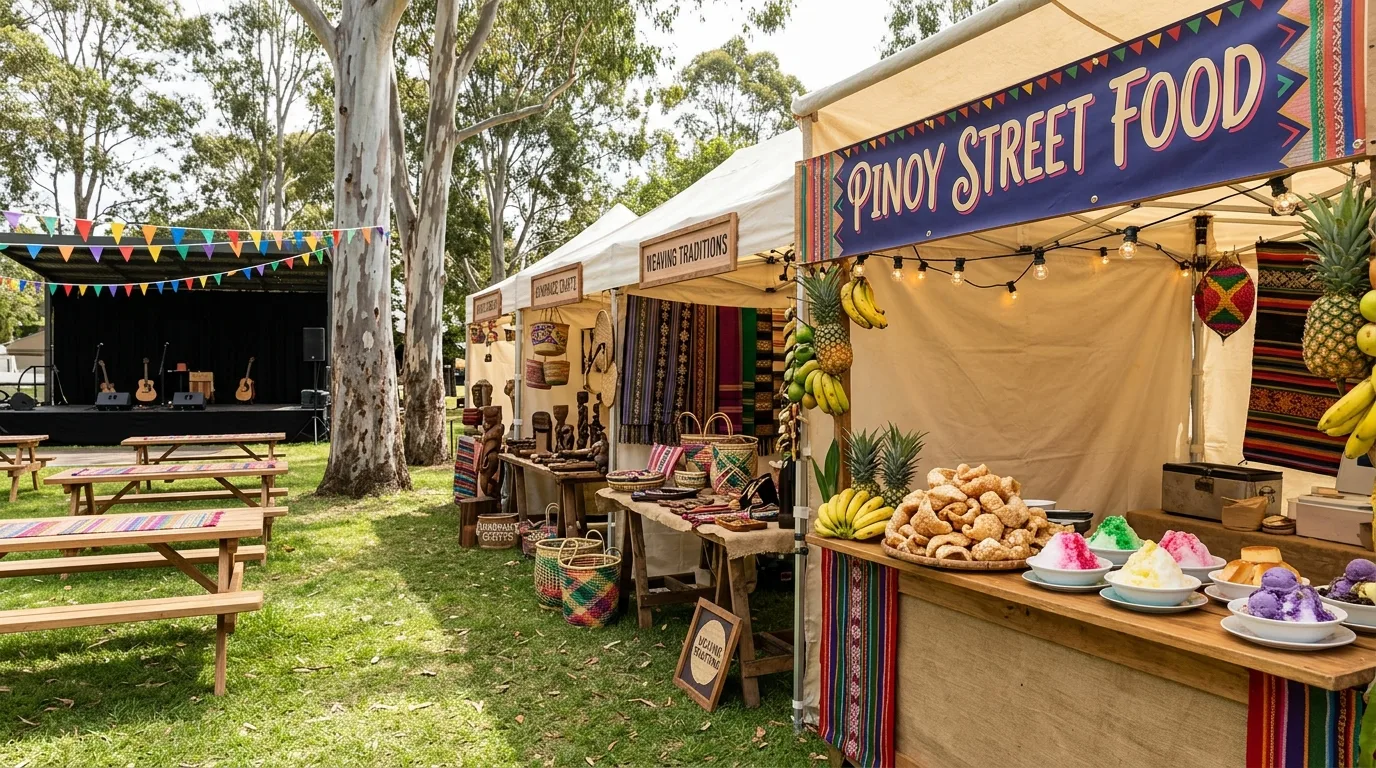
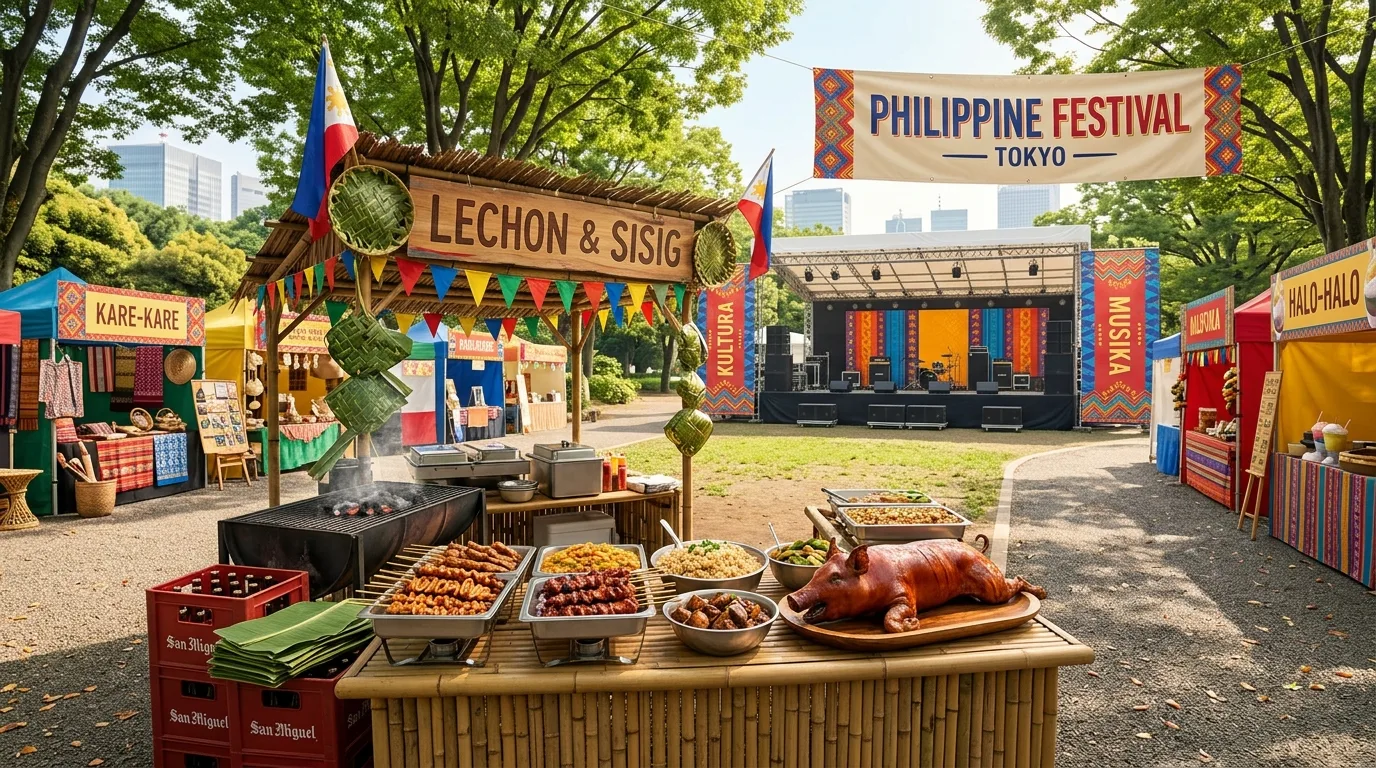
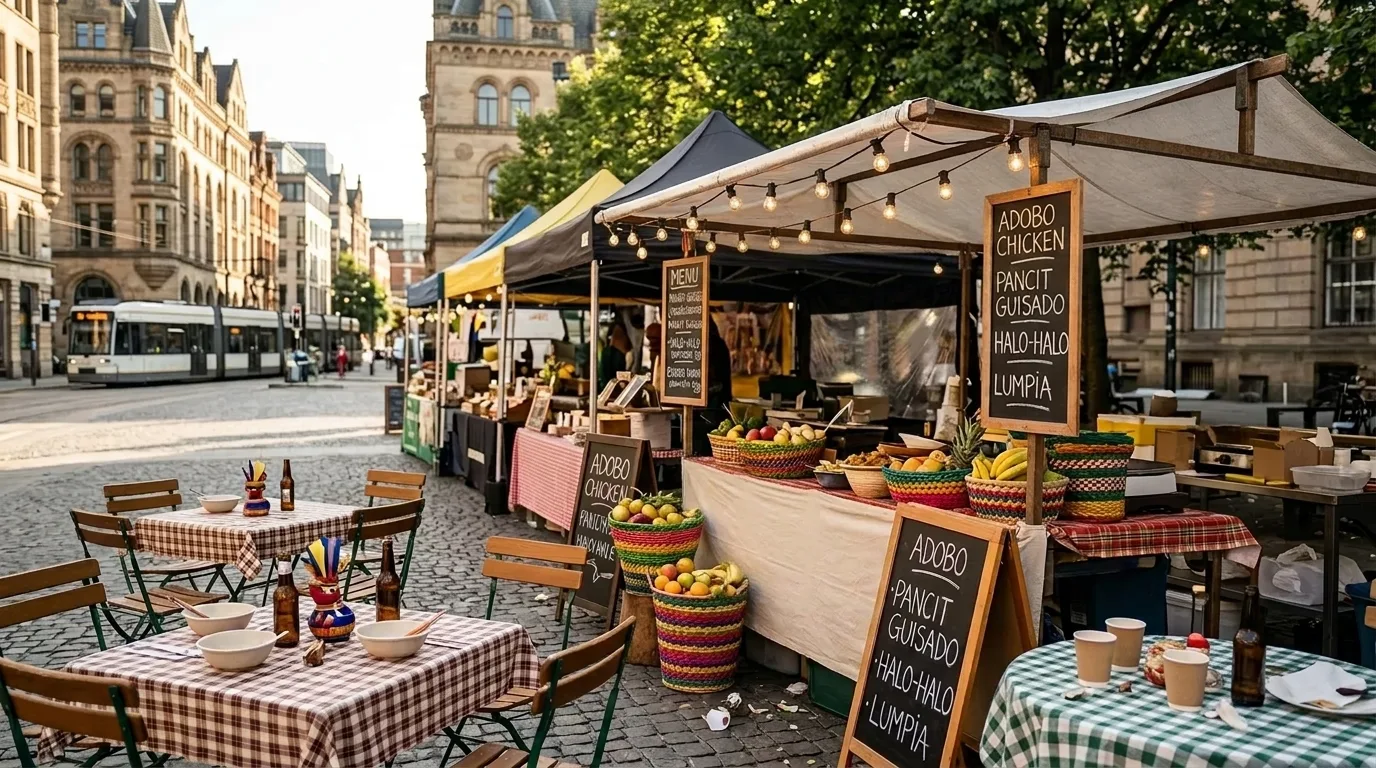
Many festivals also include culinary experiences that complement cultural performances. Food stalls offering traditional Filipino dishes provide attendees with opportunities to explore another important aspect of Philippine culture. The combination of food, music, dance, and cultural education creates immersive experiences that encourage deeper engagement and appreciation. Organizers often view culinary and artistic elements as complementary components of broader cultural storytelling.
The growing recognition of Filipino culture in Europe reflects broader trends related to multiculturalism and cultural exchange. European societies increasingly value opportunities to celebrate diversity and learn from different cultural traditions. Filipino communities have embraced these opportunities by actively participating in cultural events and sharing aspects of their heritage in accessible and engaging ways. Their contributions help enrich local cultural landscapes while strengthening the visibility of the Philippines internationally.
Community leaders frequently highlight the importance of preserving authenticity while adapting cultural presentations to contemporary audiences. Successful performances strike a balance between honoring traditional practices and creating experiences that resonate with diverse viewers. This adaptability has contributed to the continued relevance and popularity of Filipino cultural showcases in multicultural settings.
The economic impact of cultural festivals should not be overlooked. Performers, artisans, vendors, event organizers, and local businesses often benefit from increased activity associated with major events. Cultural tourism and festival participation create opportunities for entrepreneurship while supporting community initiatives and heritage preservation projects. Many organizations reinvest proceeds into educational programs, cultural training, and future events that strengthen community engagement.
Looking ahead, Filipino cultural organizations across Europe remain optimistic about future opportunities. Growing audiences, increased community participation, stronger institutional partnerships, and expanded digital engagement provide favorable conditions for continued growth. Organizers are exploring new collaborations, performance formats, and educational initiatives that will further enhance the visibility and impact of Philippine cultural presentations.
The continued success of Filipino performances at multicultural festivals demonstrates the enduring appeal of Philippine culture and the dedication of overseas communities to preserving their heritage. Through dance, music, storytelling, and artistic expression, Filipino performers are introducing international audiences to traditions that reflect centuries of history, creativity, and cultural resilience.
Ultimately, the growing prominence of Philippine cultural performances across Europe serves as a testament to the strength of Filipino identity and the universal power of art to connect people across cultures. These performances celebrate not only the traditions of the Philippines but also the values of diversity, understanding, and community that multicultural festivals seek to promote. As audiences continue to embrace Filipino culture, these events are helping strengthen cultural connections while ensuring that Philippine heritage remains vibrant and visible on the global stage.
As multicultural festivals continue expanding throughout Europe, Filipino artists and cultural organizations are expected to remain among their most dynamic and influential participants. Their efforts are not only preserving traditions for future generations but also creating meaningful opportunities for cultural exchange that inspire appreciation, respect, and pride in the rich heritage of the Filipino people.
Enjoyed this story?
Share this story