Philippine Culture Takes Center Stage at International Festivals Across Asia, Europe, and North America
Share
June 02, 2026
Updated Oct 16, 2026
7 min read
283 views
MANILA, Philippines — Philippine culture is gaining unprecedented international visibility as cultural festivals across Asia, Europe, and North America increasingly feature Filipino traditions, cuisine, music, dance, and heritage as major attractions.
Driven by the growing presence of overseas Filipino communities, increased global interest in cultural tourism, and expanding appreciation for Filipino creativity, these festivals are helping introduce millions of people to the richness and diversity of Philippine culture.
From multicultural celebrations in major cities to dedicated Filipino heritage festivals, audiences around the world are experiencing firsthand the traditions, artistry, and values that have shaped Filipino identity for generations.
Community leaders and cultural advocates say the growing prominence of Filipino culture at international events reflects both the strength of the global Filipino diaspora and the increasing recognition of the Philippines as a nation with a vibrant and unique cultural heritage.
Across Asia, Europe, and North America, Filipino performers, artists, chefs, entrepreneurs, educators, and community organizations are working together to ensure that Philippine culture remains visible and accessible to global audiences.
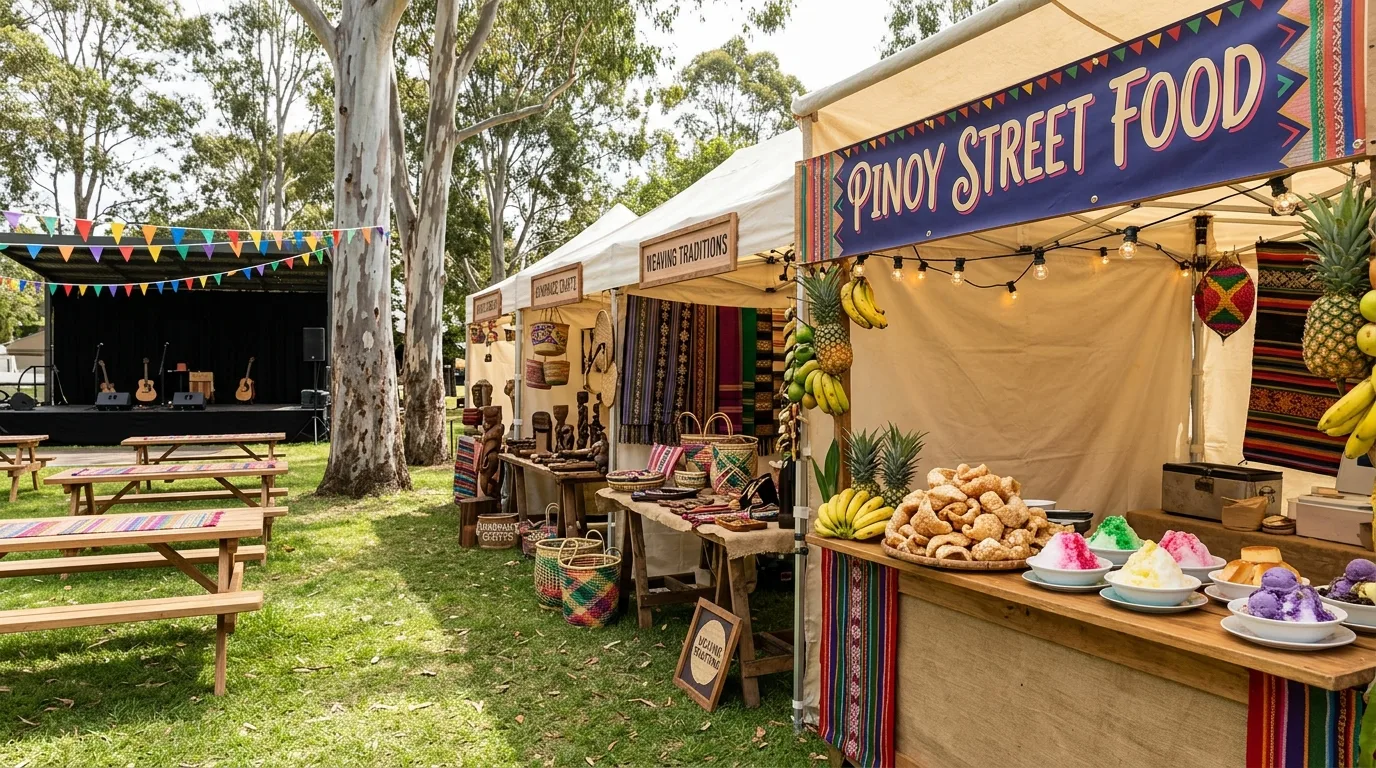
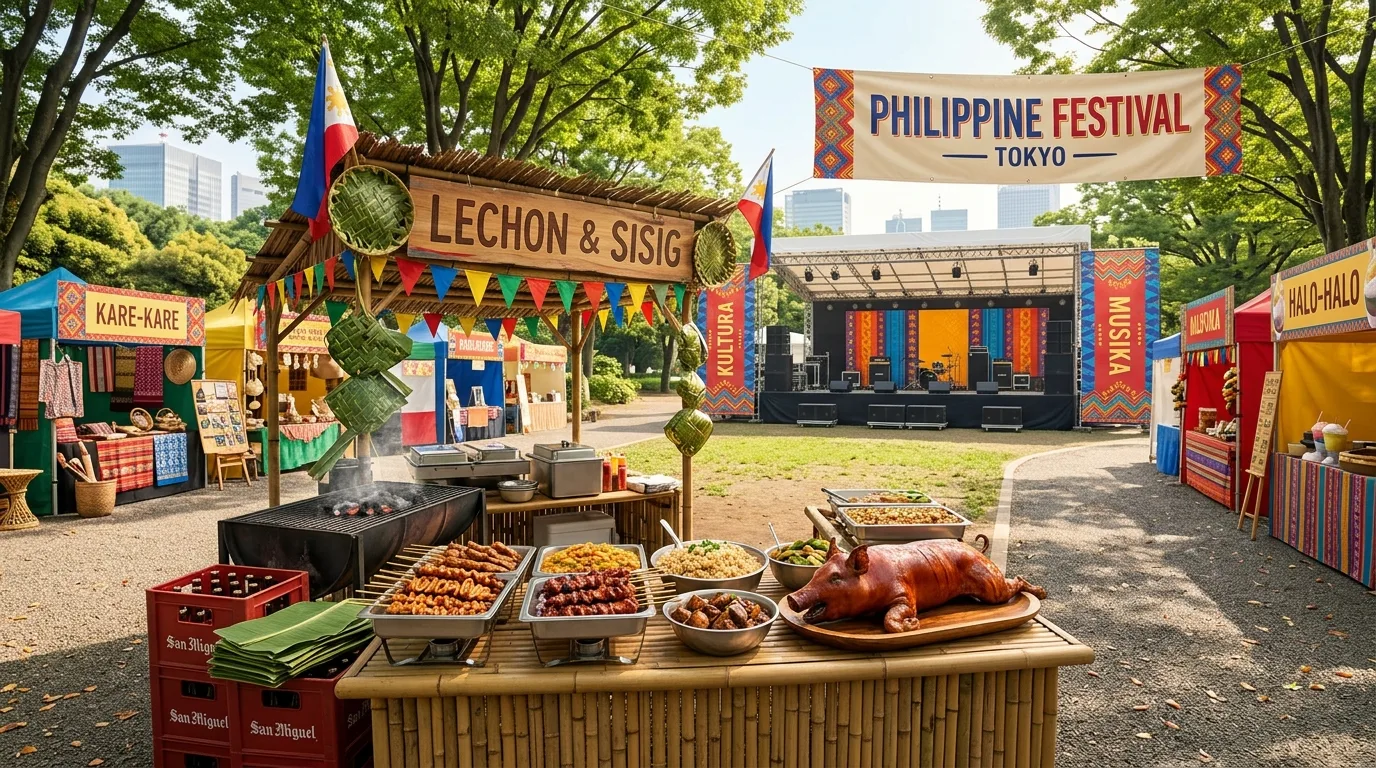
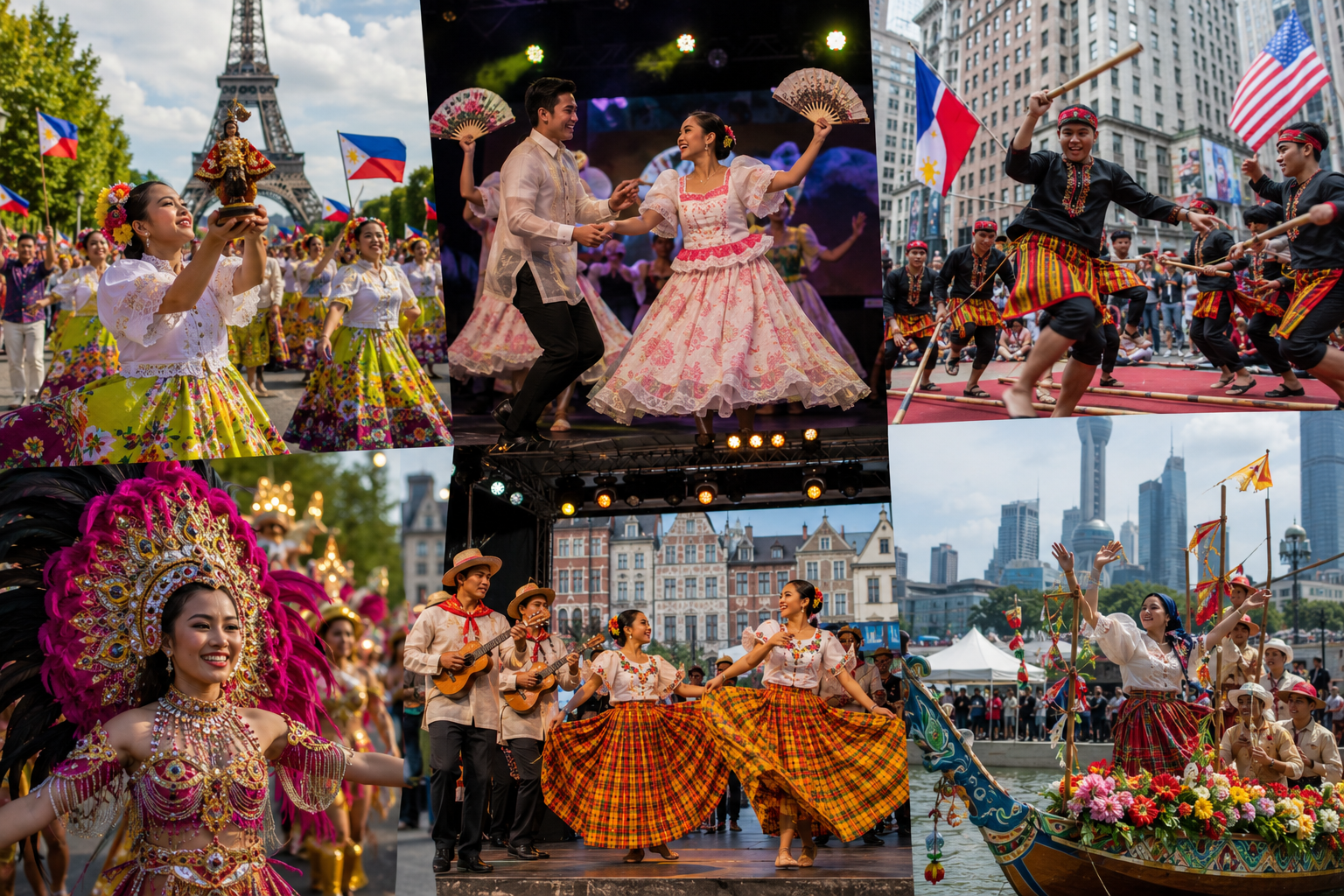
In many cities, Filipino cultural showcases have become annual highlights within larger multicultural festivals. Organizers frequently invite Filipino groups to present traditional dances, musical performances, culinary experiences, fashion exhibitions, and educational displays that celebrate the country's heritage.
These presentations provide opportunities for people from different cultural backgrounds to learn about the Philippines while building stronger connections with Filipino communities living abroad.
One of the most popular aspects of Filipino cultural festivals is the presentation of traditional dance and music. Audiences are often captivated by performances that represent different regions of the Philippines, each with its own distinctive costumes, rhythms, and historical influences.
Performers spend months preparing routines that highlight indigenous traditions, folk heritage, and contemporary interpretations of Filipino culture. These presentations serve both as entertainment and as educational experiences that preserve cultural knowledge while introducing it to new audiences.
Traditional attire frequently becomes a visual centerpiece of these events. Barong Tagalog, Filipiniana dresses, and regional costumes showcase the diversity of Philippine fashion and craftsmanship.
Visitors often express admiration for the elegance, color, and symbolism found in traditional Filipino clothing. Cultural organizations use these opportunities to explain the historical significance of various garments and their role in Filipino society.
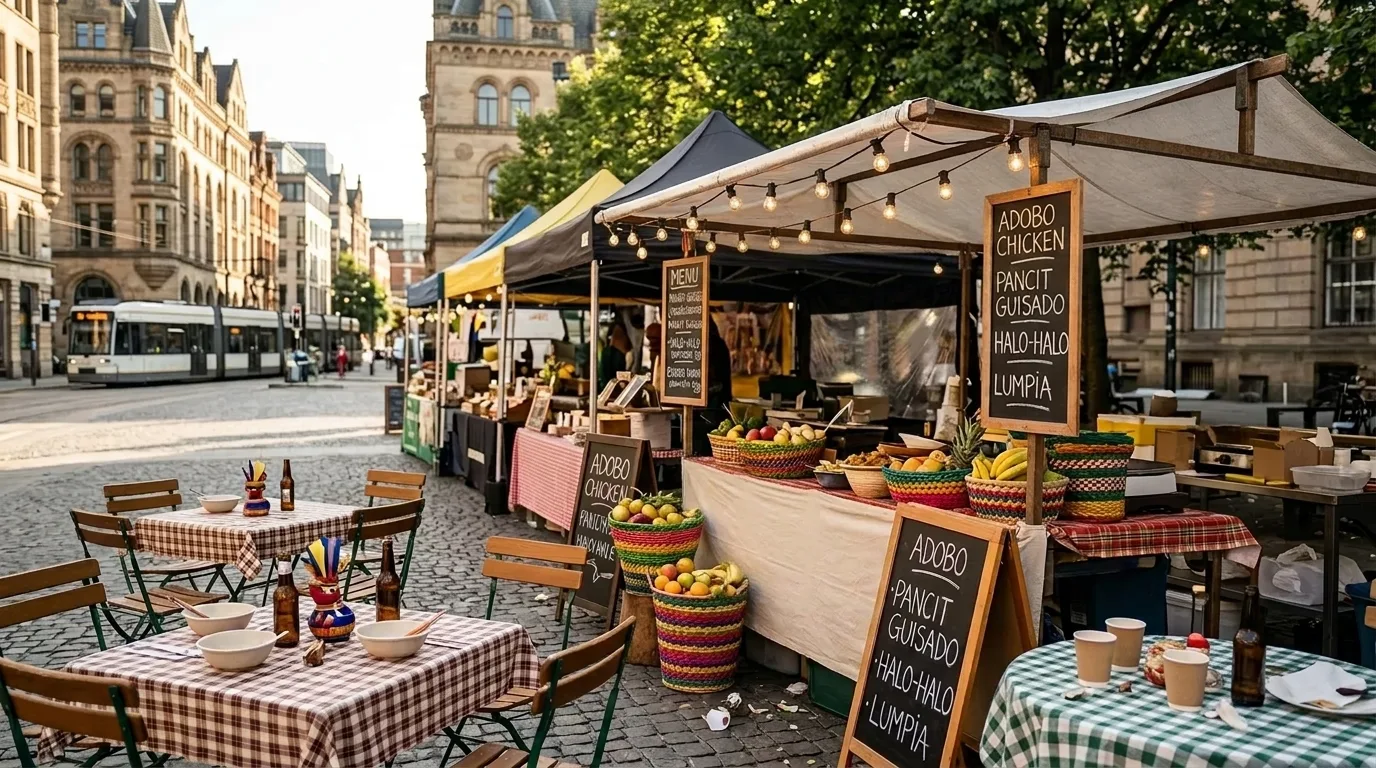
Food remains another powerful ambassador of Filipino culture. Culinary showcases consistently attract large crowds eager to experience the flavors of the Philippines.
Festival attendees enjoy beloved dishes such as adobo, lechon, pancit, lumpia, sisig, kare-kare, halo-halo, bibingka, and numerous regional specialties. These food experiences often become entry points for deeper conversations about Philippine history, geography, and cultural traditions.
The growing popularity of Filipino cuisine has contributed significantly to increased interest in Philippine culture worldwide. Food critics, chefs, travel writers, and cultural commentators frequently describe Filipino cuisine as one of the most exciting culinary traditions gaining international recognition.
Many festival organizers note that visitors who initially attend for the food often leave with a broader appreciation for the country's culture, people, and traditions.
Filipino entrepreneurs and restaurant owners have played a major role in promoting Philippine cuisine through international festivals. Their participation helps create authentic culinary experiences while supporting cultural education and community engagement.
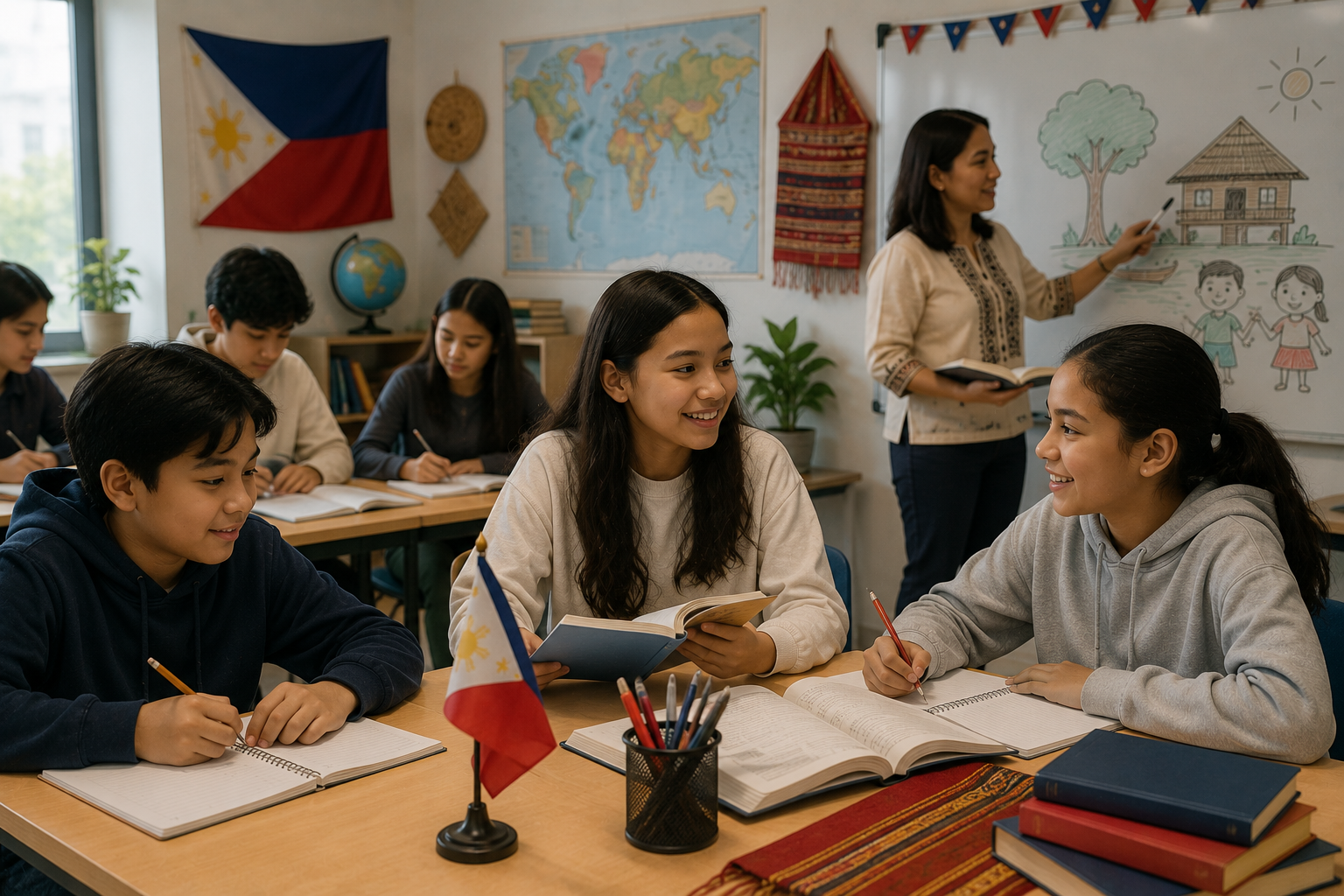
Beyond food and performance, educational exhibits have become important components of many cultural festivals. Displays often focus on Philippine history, indigenous communities, biodiversity, tourism destinations, literature, and artistic achievements.
Visitors gain insights into the country's diverse cultural influences, including indigenous traditions, Asian heritage, Spanish colonial history, and contemporary global connections.
Community leaders emphasize that education is essential to ensuring meaningful cultural exchange. By providing historical and cultural context, organizers help audiences develop a deeper understanding of the Philippines beyond common stereotypes or limited perceptions.
The role of overseas Filipinos has been central to these efforts. Across continents, Filipino communities continue to invest significant time and resources into organizing events that celebrate and preserve their heritage.
Many volunteers view cultural promotion as both a responsibility and an opportunity. By sharing Filipino traditions with wider audiences, they help strengthen cultural pride among younger generations while building bridges with other communities.
Second- and third-generation Filipinos have become increasingly active participants in cultural preservation initiatives. Young artists, performers, educators, and community leaders are finding innovative ways to present Filipino culture through contemporary formats while remaining connected to traditional roots.
Their contributions have helped attract younger audiences and ensure that cultural traditions remain relevant in an increasingly digital and globalized world.
Technology has significantly expanded the reach of Filipino cultural events. Social media platforms, livestreams, digital exhibitions, and online storytelling initiatives allow audiences around the world to participate in cultural experiences regardless of location.
Photos and videos from international festivals often reach millions of viewers, generating interest in Philippine culture far beyond event attendees. This digital visibility has become an important tool for cultural promotion and community engagement.
Tourism experts note that increased exposure to Filipino culture frequently translates into greater interest in visiting the Philippines. Festival attendees who experience Filipino food, music, dance, and traditions often become curious about exploring the country firsthand.
As a result, cultural festivals serve not only as celebrations of heritage but also as informal tourism promotion platforms that highlight the Philippines as a destination rich in history, culture, and natural beauty.
The impact of these events extends beyond cultural awareness. Festivals also create opportunities for economic activity, entrepreneurship, networking, and community development.
Filipino-owned businesses often participate as sponsors, vendors, and partners, gaining visibility while supporting initiatives that benefit their communities. Cultural events frequently provide opportunities for entrepreneurs to connect with new customers and strengthen local business networks.
Government agencies, educational institutions, and multicultural organizations increasingly recognize the value of Filipino cultural programming. Partnerships between these groups and Filipino communities have helped expand the scale and reach of many events.
Officials often praise Filipino communities for their contributions to cultural diversity, social inclusion, and community engagement. Their involvement in international festivals strengthens multicultural dialogue while promoting mutual understanding among different populations.
The spirit of bayanihan remains evident throughout these celebrations. Volunteers, performers, sponsors, educators, and community leaders collaborate to ensure the success of events, often dedicating countless hours to planning and execution.
Their collective efforts reflect the values of cooperation, generosity, and shared responsibility that continue to define Filipino culture both at home and abroad.
Many participants describe these festivals as opportunities to reconnect with their heritage while celebrating the achievements of Filipino communities worldwide. For immigrants and their descendants, cultural events provide a sense of belonging and continuity that helps strengthen identity across generations.
For non-Filipino attendees, the festivals offer unique opportunities to engage with a culture that is increasingly visible on the global stage.
Experts believe that the international profile of Philippine culture will continue to grow in the coming years. Expanding diaspora communities, increasing cultural exchange, and greater global interest in authentic cultural experiences are expected to create even more opportunities for Filipino traditions to reach international audiences.
Community organizations are already planning larger festivals, expanded educational programs, and new digital initiatives designed to further elevate Filipino culture worldwide.
As these efforts continue, Philippine culture is emerging as a powerful force for connection, education, and inspiration. Through music, dance, food, art, history, and community engagement, Filipinos are sharing stories that resonate across borders and generations.
The growing prominence of Filipino culture at international festivals demonstrates that cultural heritage remains one of the country's greatest strengths. It serves as a source of pride for Filipinos everywhere while offering the world a richer understanding of the traditions and values that define the nation.
From bustling city festivals in North America to cultural showcases across Europe and Asia, Philippine culture continues to captivate audiences and build meaningful connections among people from diverse backgrounds.
As the global appreciation for Filipino traditions grows, one thing is becoming increasingly clear: Philippine culture is not only thriving—it is taking center stage on the world stage, inspiring communities and bringing people together through shared experiences, creativity, and cultural pride.
In every performance, every shared meal, every exhibit, and every celebration, the story of the Philippines continues to unfold before global audiences, proving that culture has the power to transcend borders and unite people through understanding, appreciation, and joy.
Enjoyed this story?
Share this story