Philippine Dance Groups Earn Recognition at International Cultural Competitions
Share
June 09, 2026
Updated Oct 15, 2026
7 min read
301 views
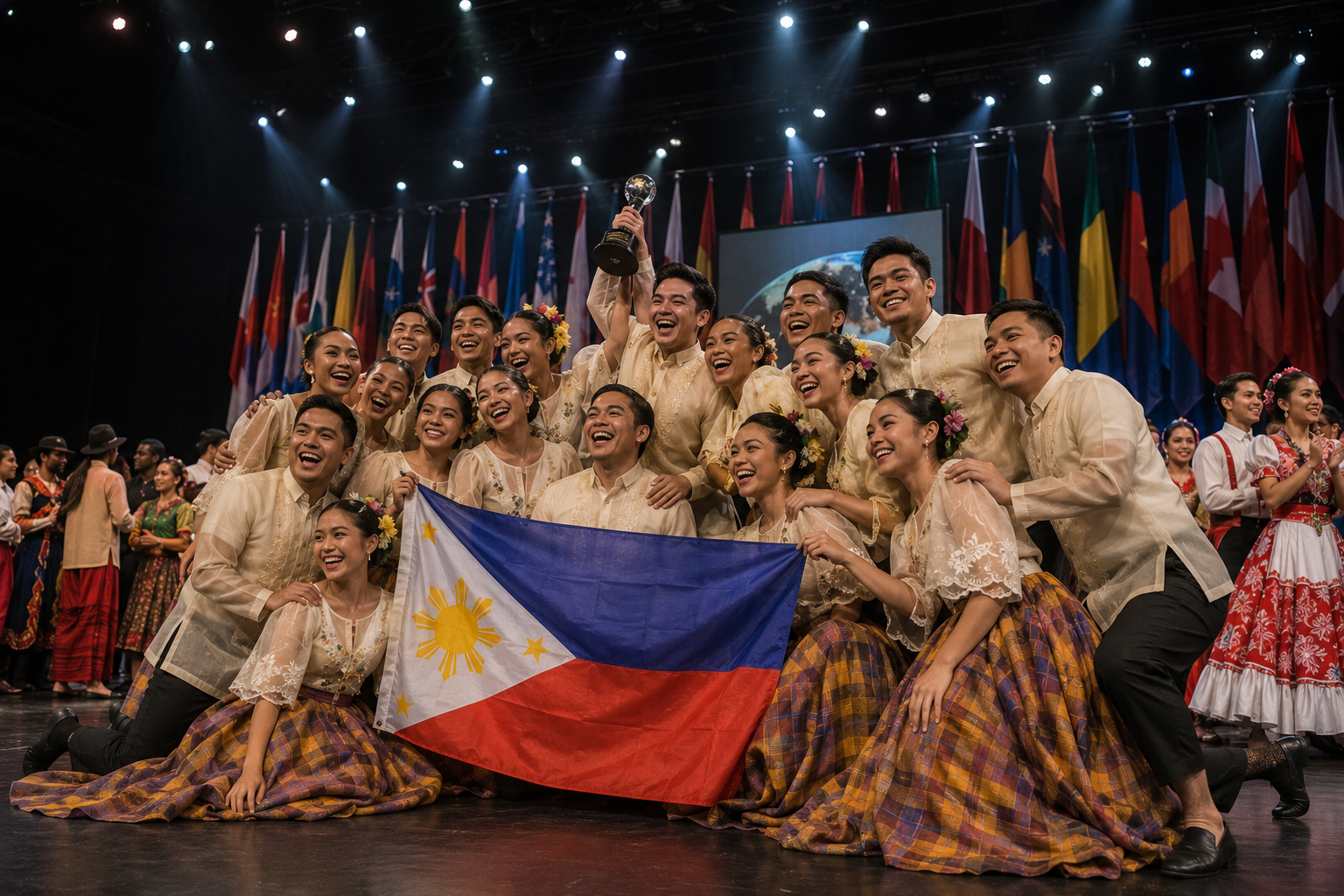
MANILA, Philippines — Philippine dance groups are gaining increasing recognition at international cultural competitions as they continue to showcase the country's rich artistic heritage, exceptional talent, and vibrant cultural traditions on global stages. Through performances that blend traditional folk dances, contemporary choreography, storytelling, and artistic innovation, Filipino dance ensembles are earning praise from audiences, cultural organizations, and international judges while strengthening the Philippines' reputation as a nation with a deep and diverse cultural identity.
The growing success of Philippine dance groups reflects years of dedication, training, and cultural preservation efforts carried out by performers, choreographers, educators, cultural institutions, and community organizations. Across the Philippines and within Filipino communities abroad, dance remains one of the most important forms of cultural expression. It serves as a powerful medium through which history, traditions, values, and stories are communicated from one generation to the next. International cultural competitions provide opportunities for these traditions to reach wider audiences while demonstrating the artistic excellence of Filipino performers.
Many cultural experts view dance as one of the most recognizable and impactful representations of Philippine heritage. The country's rich cultural landscape has produced a diverse range of dance traditions influenced by indigenous communities, regional customs, historical experiences, and centuries of cultural exchange. From the graceful movements of traditional folk dances to innovative contemporary performances inspired by Filipino identity, dance serves as a reflection of the country's unique cultural journey.
International cultural competitions have become increasingly important platforms for showcasing Philippine talent. These events bring together performers from different countries, creating opportunities for cultural exchange, artistic collaboration, and friendly competition. Participation allows Filipino groups to share their traditions while learning from the artistic practices of other cultures. Organizers frequently note that cultural competitions contribute to mutual understanding by celebrating diversity and encouraging creative expression across national boundaries.
One of the key reasons Filipino dance groups continue to receive recognition is their ability to combine technical excellence with meaningful storytelling. Many performances are rooted in narratives that reflect Filipino history, traditions, community life, and cultural values. Rather than focusing solely on movement, performers often use dance to communicate stories that resonate emotionally with audiences. This storytelling approach helps create memorable experiences that leave lasting impressions on judges and spectators alike.
Traditional folk dances remain among the most celebrated elements of Philippine cultural presentations. These performances highlight customs, rituals, celebrations, occupations, and historical experiences from various regions of the country. Audiences are often captivated by colorful costumes, intricate choreography, and musical accompaniments that bring cultural stories to life. Cultural experts emphasize that folk dances serve as valuable educational tools that preserve historical knowledge while promoting cultural pride.
Many dance groups invest considerable time and resources into researching the traditions they represent. Choreographers and performers often work closely with cultural experts, historians, and community elders to ensure authenticity and accuracy. This commitment to cultural preservation strengthens the educational value of performances while demonstrating respect for the traditions being showcased. Organizers believe that authenticity contributes significantly to the success and credibility of Filipino cultural presentations on international stages.
Contemporary Filipino dance has also gained growing recognition in recent years. Modern choreographers are exploring innovative approaches that blend traditional influences with contemporary artistic techniques. These performances often address themes such as identity, migration, social change, resilience, and cultural heritage while appealing to diverse audiences. By combining tradition and innovation, contemporary dance groups are expanding the reach and relevance of Filipino artistic expression.
Youth participation has become a major factor in the continued success of Philippine dance groups. Across schools, universities, cultural organizations, and community programs, young performers are embracing opportunities to learn and perform traditional and contemporary dances. Educators and cultural leaders view youth engagement as essential for ensuring that cultural traditions remain vibrant and sustainable. Participation in competitions often inspires young performers to deepen their understanding of heritage while pursuing artistic excellence.
International recognition provides benefits that extend beyond awards and accolades. Successful performances contribute to greater visibility for Philippine culture while creating opportunities for cultural diplomacy. When dance groups participate in international competitions, they serve as ambassadors who represent the country's creativity, values, and traditions. Their performances help shape perceptions of the Philippines while fostering positive relationships with audiences from different cultural backgrounds.
Community support plays a critical role in helping dance groups achieve success. Families, schools, cultural organizations, local governments, and community leaders frequently contribute resources and encouragement that enable performers to participate in competitions and cultural events. Organizers often emphasize that achievements on international stages reflect collective efforts rather than individual accomplishments alone. This collaborative spirit mirrors the Filipino value of bayanihan, which emphasizes cooperation and mutual support.
The preparation process for international competitions is often demanding. Performers spend months refining choreography, improving technical skills, developing physical endurance, and rehearsing complex routines. Choreographers work meticulously to ensure that performances meet high artistic standards while remaining culturally authentic. Community leaders note that the discipline, perseverance, and teamwork required during preparation contribute significantly to personal and professional development among participants.
Technology has expanded opportunities for Filipino dance groups to reach global audiences. Social media platforms, video-sharing services, livestream broadcasts, and digital content creation allow performances to be viewed far beyond competition venues. Viral performances and online cultural showcases have introduced Filipino dance traditions to millions of viewers around the world. This increased visibility helps strengthen cultural awareness while creating new opportunities for collaboration and engagement.
Educational institutions have become important partners in supporting dance and cultural programs. Schools and universities often provide training opportunities, performance spaces, mentorship, and resources that help develop young talent. Cultural advocates emphasize that arts education plays a crucial role in preserving heritage while encouraging creativity and self-expression. Many internationally recognized performers began their journeys through school-based cultural programs and community initiatives.
The success of Philippine dance groups also contributes to broader cultural and creative industries. Recognition on international stages enhances interest in Philippine arts, tourism, education, and cultural programs. Cultural performances often inspire audiences to learn more about the country's history, traditions, and destinations. Community leaders view artistic success as an important component of cultural promotion and national branding efforts.
Many international competitions place strong emphasis on cultural diversity and intercultural dialogue. Filipino performers frequently participate alongside groups representing various countries and traditions, creating opportunities for meaningful exchange. These interactions allow artists to share experiences, learn from one another, and build relationships that transcend national boundaries. Organizers believe that such exchanges contribute positively to global understanding and cultural appreciation.
The increasing recognition of Philippine dance groups reflects broader global interest in cultural heritage and authentic artistic experiences. Audiences are increasingly drawn to performances that offer meaningful insights into different cultures and traditions. Filipino groups are particularly well-positioned to meet this demand because of the depth, diversity, and visual richness of the country's dance heritage. Their ability to communicate stories through movement continues to resonate strongly with international audiences.
As global cultural events continue to evolve, opportunities for Filipino performers are expected to expand further. New festivals, competitions, digital platforms, and collaborative projects are creating additional avenues for showcasing talent and sharing culture. Community leaders remain optimistic that future generations of performers will continue building on the achievements of those who have already earned international recognition.
Looking ahead, many cultural organizations are focusing on strengthening training programs, expanding educational initiatives, and supporting emerging talent. These efforts aim to ensure that Filipino dance traditions remain vibrant while encouraging innovation and artistic growth. Strong support systems, growing public interest, and increasing international visibility provide favorable conditions for continued success.
Ultimately, the recognition earned by Philippine dance groups at international cultural competitions reflects the remarkable talent, dedication, and cultural pride of Filipino performers. Through their artistry, they are preserving traditions, inspiring audiences, and promoting greater appreciation for Philippine culture around the world.
As Filipino dancers continue to captivate global audiences with performances that celebrate heritage and creativity, they reinforce the enduring power of culture to connect people across borders. Their achievements serve as sources of national pride and reminders that Philippine artistic traditions remain vibrant, relevant, and worthy of international recognition. Through every performance, these cultural ambassadors help ensure that the stories, values, and traditions of the Filipino people continue to reach and inspire audiences worldwide.
Enjoyed this story?
Share this story