Philippine Festivals and Tourism Campaigns Inspire New International Travel Interest
Share
June 20, 2026
Updated Oct 14, 2026
8 min read
227 views
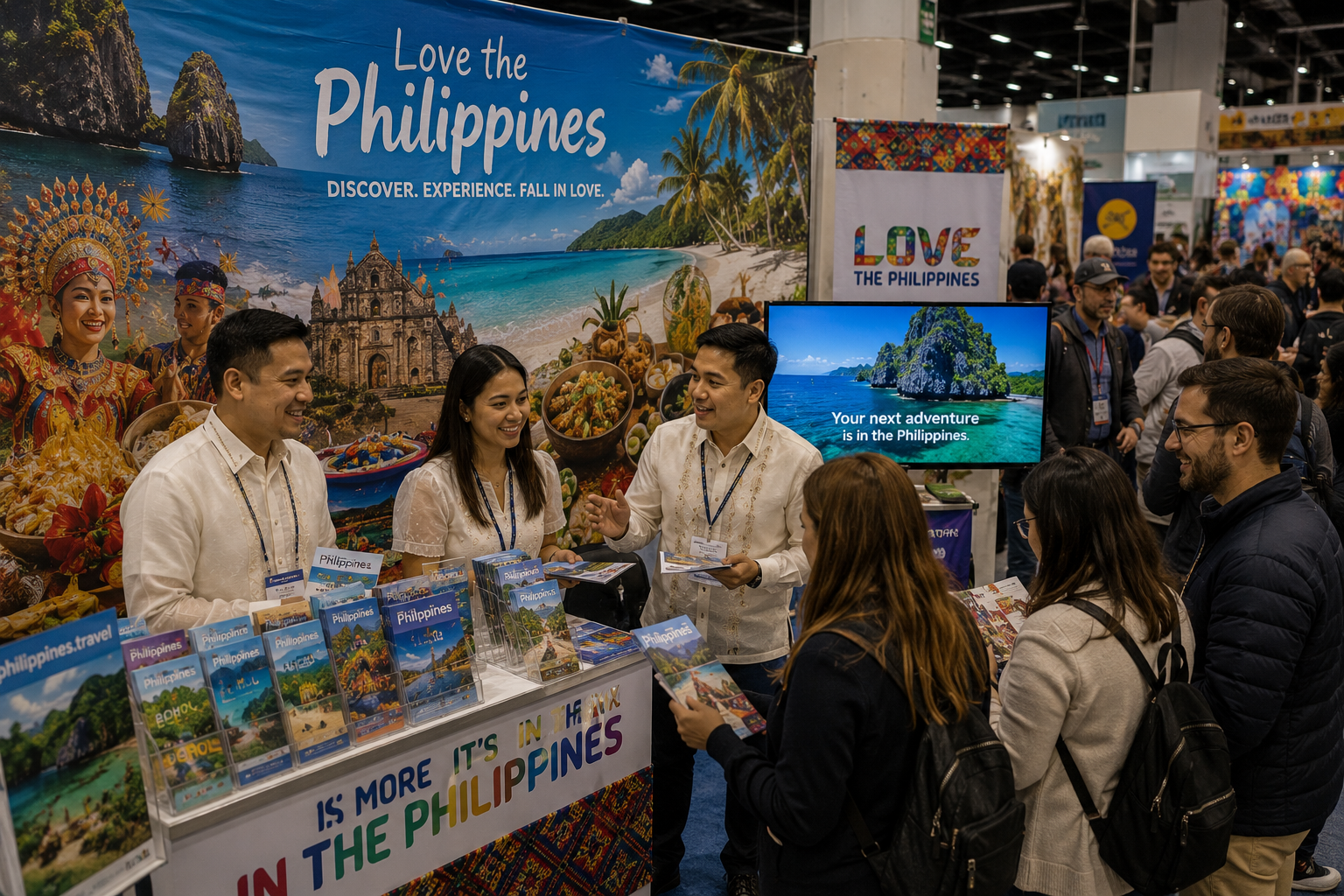
MANILA, Philippines — Philippine festivals and tourism campaigns are attracting growing international attention as travelers around the world seek meaningful cultural experiences, authentic destinations, and opportunities to explore the unique heritage of the Philippines. Through a combination of vibrant cultural celebrations, innovative promotional strategies, digital outreach initiatives, and community-driven tourism programs, the country continues to strengthen its position as a compelling destination for visitors interested in discovering the richness of Filipino culture and the diversity of the Philippine archipelago.
Tourism stakeholders and cultural advocates note that international travelers are increasingly seeking experiences that go beyond traditional sightseeing. Modern travelers often prioritize cultural immersion, community engagement, heritage exploration, and authentic local experiences when selecting destinations. Philippine festivals provide ideal opportunities for visitors to experience these elements firsthand, offering vibrant celebrations that combine history, tradition, artistry, music, cuisine, and community participation in ways that create memorable and meaningful travel experiences.
Across the country, festivals have long served as important expressions of local identity and cultural pride. Events such as Sinulog, Ati-Atihan, Dinagyang, Panagbenga, Kadayawan, MassKara, Pahiyas, Higantes, and numerous regional celebrations attract both domestic and international audiences. These festivals showcase the creativity, diversity, and resilience of Filipino communities while highlighting traditions that have been preserved and adapted over generations. Tourism experts believe that the growing visibility of these cultural events plays a major role in shaping international perceptions of the Philippines as a dynamic and culturally rich destination.
The increasing popularity of cultural tourism has contributed significantly to renewed global interest in Philippine destinations. Visitors are drawn not only to the country's renowned beaches and natural attractions but also to opportunities to learn about local customs, participate in community celebrations, and engage with cultural traditions. Festivals provide immersive experiences that allow travelers to develop deeper connections with destinations while gaining insights into the histories and values of local communities.
Digital tourism campaigns have become important drivers of international awareness. Tourism organizations, travel advocates, local governments, cultural groups, and content creators increasingly utilize digital platforms to showcase Philippine destinations and cultural experiences. Through videos, social media campaigns, virtual tours, travel features, and interactive content, global audiences can explore Philippine festivals and attractions from anywhere in the world. These digital initiatives help generate curiosity and inspire potential travelers to consider the Philippines as a future destination.
The influence of social media has significantly transformed tourism promotion strategies. Travelers frequently share photographs, videos, and personal experiences from festivals and destinations, creating organic visibility that reaches audiences across multiple countries. Colorful festival costumes, cultural performances, culinary experiences, and scenic landscapes often become widely shared content that inspires interest among prospective visitors. Tourism experts note that user-generated content has become one of the most effective tools for promoting destinations because it provides authentic perspectives and relatable experiences.
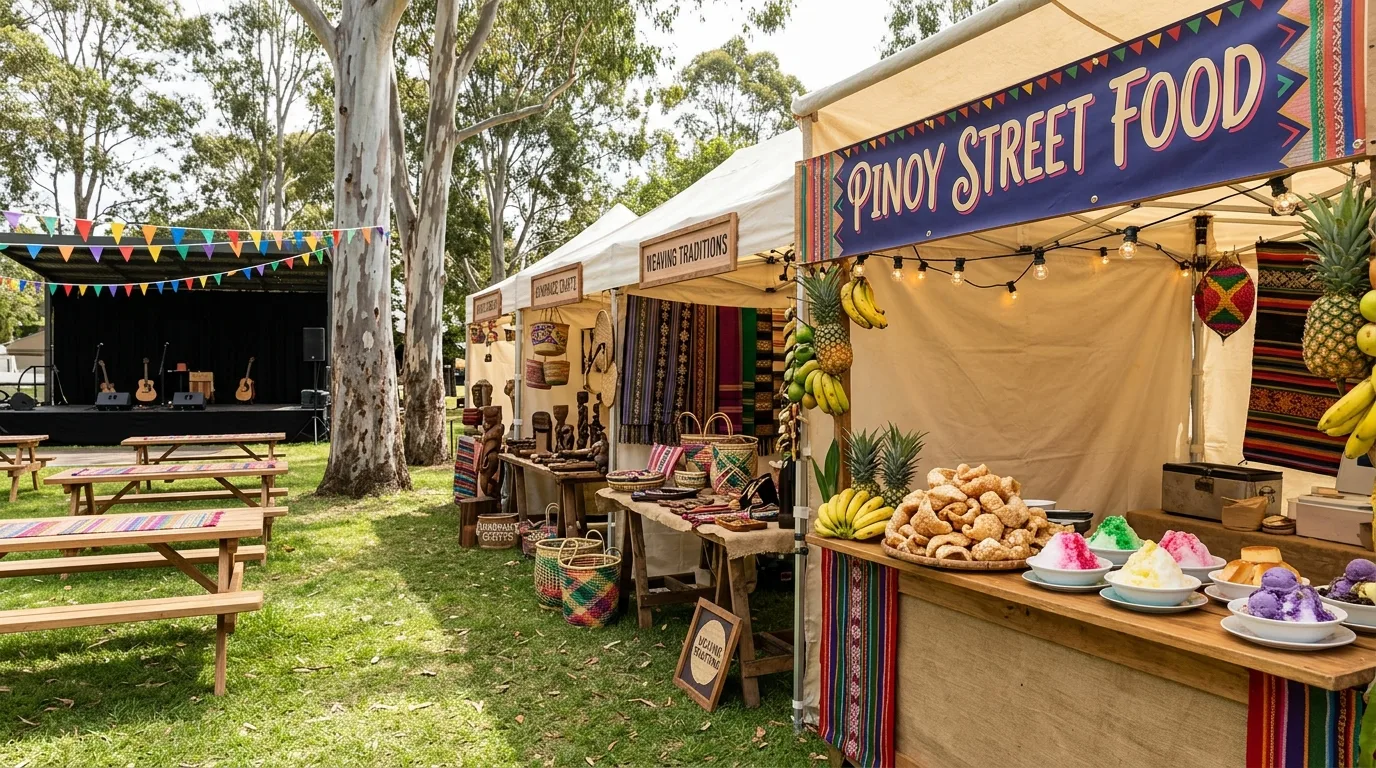
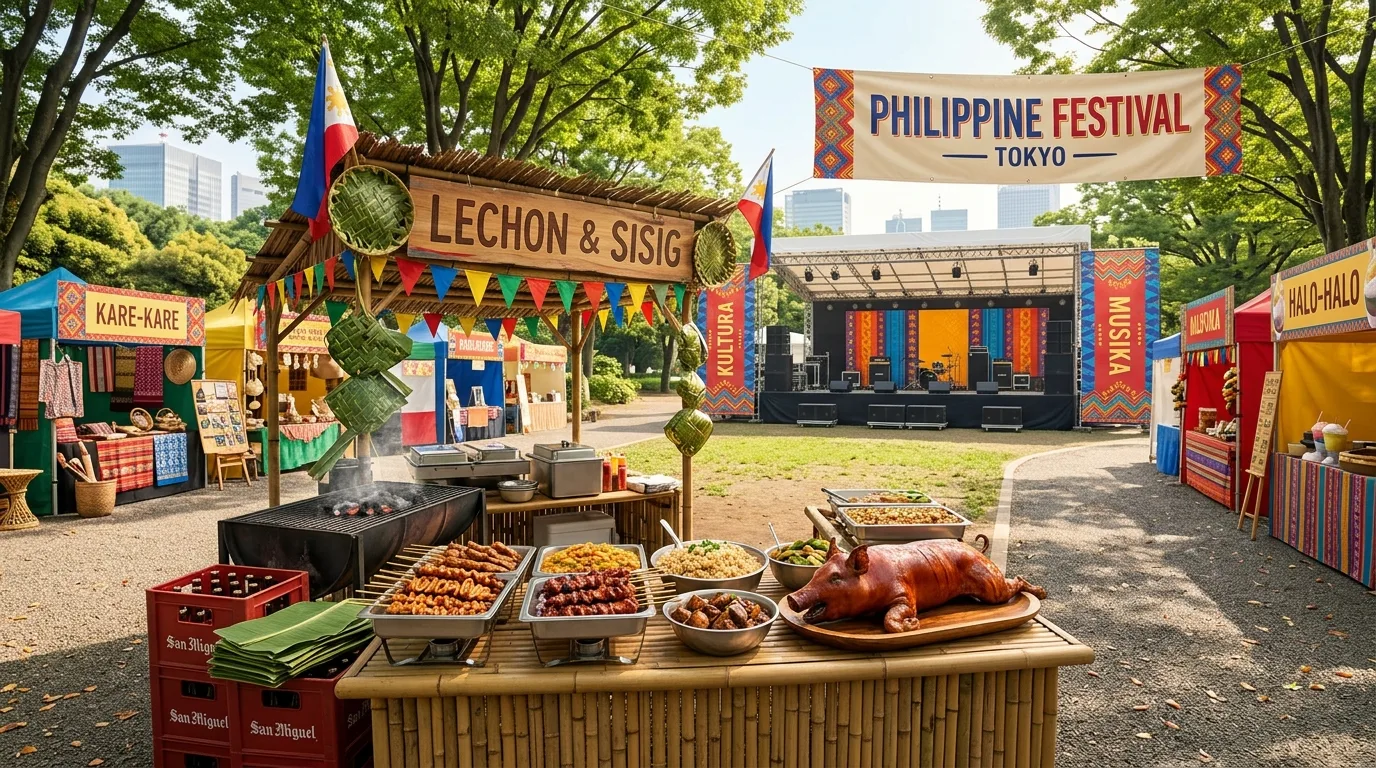
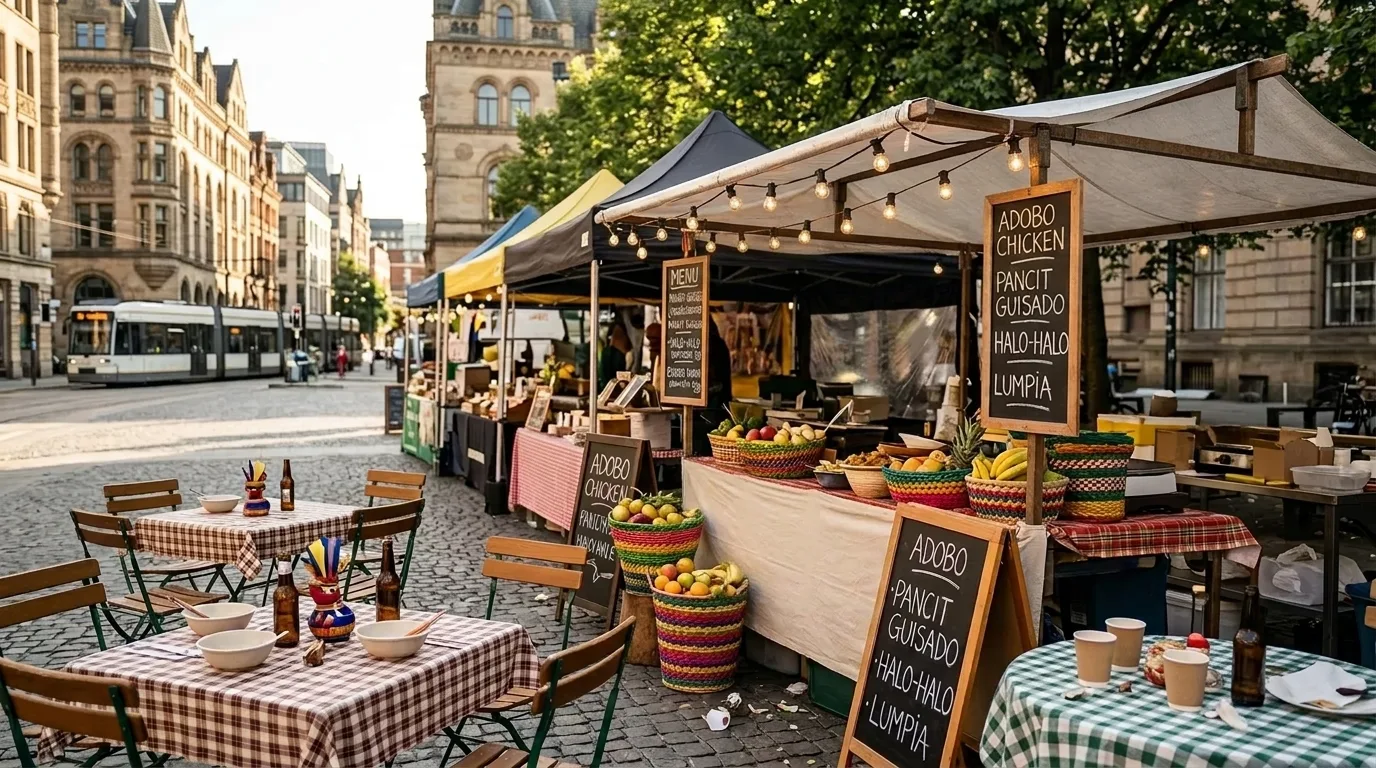
Filipino communities abroad have also contributed to the growing international interest in Philippine tourism. Overseas Filipinos frequently organize cultural festivals, heritage events, and tourism promotions that introduce international audiences to Filipino traditions. These activities often serve as gateways to broader interest in Philippine destinations, encouraging people to learn more about the country's culture, history, and travel opportunities. Community leaders note that Overseas Filipinos play important roles as cultural ambassadors who help strengthen global awareness of the Philippines.
Many tourism campaigns emphasize the diversity of experiences available throughout the country. While iconic destinations continue to attract visitors, promotional efforts increasingly highlight lesser-known attractions, cultural villages, historical landmarks, ecotourism sites, and emerging tourism destinations. This approach encourages travelers to explore different regions while supporting broader economic opportunities for local communities. Tourism advocates believe that promoting diverse destinations contributes to more sustainable and inclusive tourism development.
Culinary tourism has emerged as another significant factor driving international travel interest. Filipino cuisine has gained increasing recognition in global culinary circles, with many travelers expressing interest in experiencing authentic local food traditions. Festivals frequently provide opportunities to explore regional dishes, culinary demonstrations, food markets, and traditional cooking practices. Tourism leaders note that food often serves as an accessible introduction to culture and can inspire deeper interest in travel experiences.
The role of cultural storytelling has become increasingly important in tourism promotion. Rather than focusing solely on destinations, many campaigns emphasize the stories behind communities, traditions, historical sites, and cultural practices. Story-driven approaches help create emotional connections that resonate with travelers seeking meaningful experiences. Organizers believe that cultural narratives enrich tourism promotion by highlighting the people and traditions that make destinations unique.
Heritage tourism continues to attract visitors interested in learning about Philippine history and cultural development. Historical districts, museums, heritage sites, religious landmarks, and traditional communities provide opportunities to explore different chapters of the nation's story. Many festivals incorporate educational components that help visitors understand historical contexts while appreciating contemporary cultural expressions. Tourism advocates note that heritage tourism contributes to both cultural preservation and public education.
Community participation remains central to the success of many tourism and festival initiatives. Local residents, cultural practitioners, artisans, performers, entrepreneurs, and volunteers contribute significantly to creating authentic visitor experiences. Their involvement helps ensure that tourism remains rooted in local culture while generating economic opportunities that benefit communities directly. Organizers emphasize that community engagement strengthens both tourism development and cultural preservation efforts.
Many destinations are integrating sustainability principles into tourism planning and festival management. Environmental conservation, responsible tourism practices, cultural preservation, and community development are increasingly recognized as essential components of long-term tourism success. Tourism leaders believe that balancing visitor growth with sustainability objectives helps protect the resources and traditions that make destinations attractive in the first place.
The arts play a significant role in enhancing festival experiences and tourism appeal. Music, dance, visual arts, traditional crafts, and contemporary creative expressions contribute to vibrant cultural environments that attract visitors seeking immersive experiences. Festivals often provide platforms for artists and performers to showcase local talent while sharing cultural traditions with wider audiences. Organizers view the arts as powerful tools for both cultural preservation and tourism promotion.
International partnerships have further expanded the reach of Philippine tourism campaigns. Collaborations with travel organizations, cultural institutions, airlines, educational groups, and tourism stakeholders help increase visibility while creating opportunities for broader audience engagement. These partnerships support promotional efforts while strengthening international connections that contribute to tourism growth.
Technology continues to transform how destinations engage with travelers. Virtual reality experiences, interactive travel platforms, digital storytelling projects, mobile applications, and online booking systems enhance accessibility while improving visitor experiences. Tourism organizations are increasingly exploring innovative technologies that help showcase destinations and connect with modern travelers. These developments are expected to play growing roles in future tourism strategies.
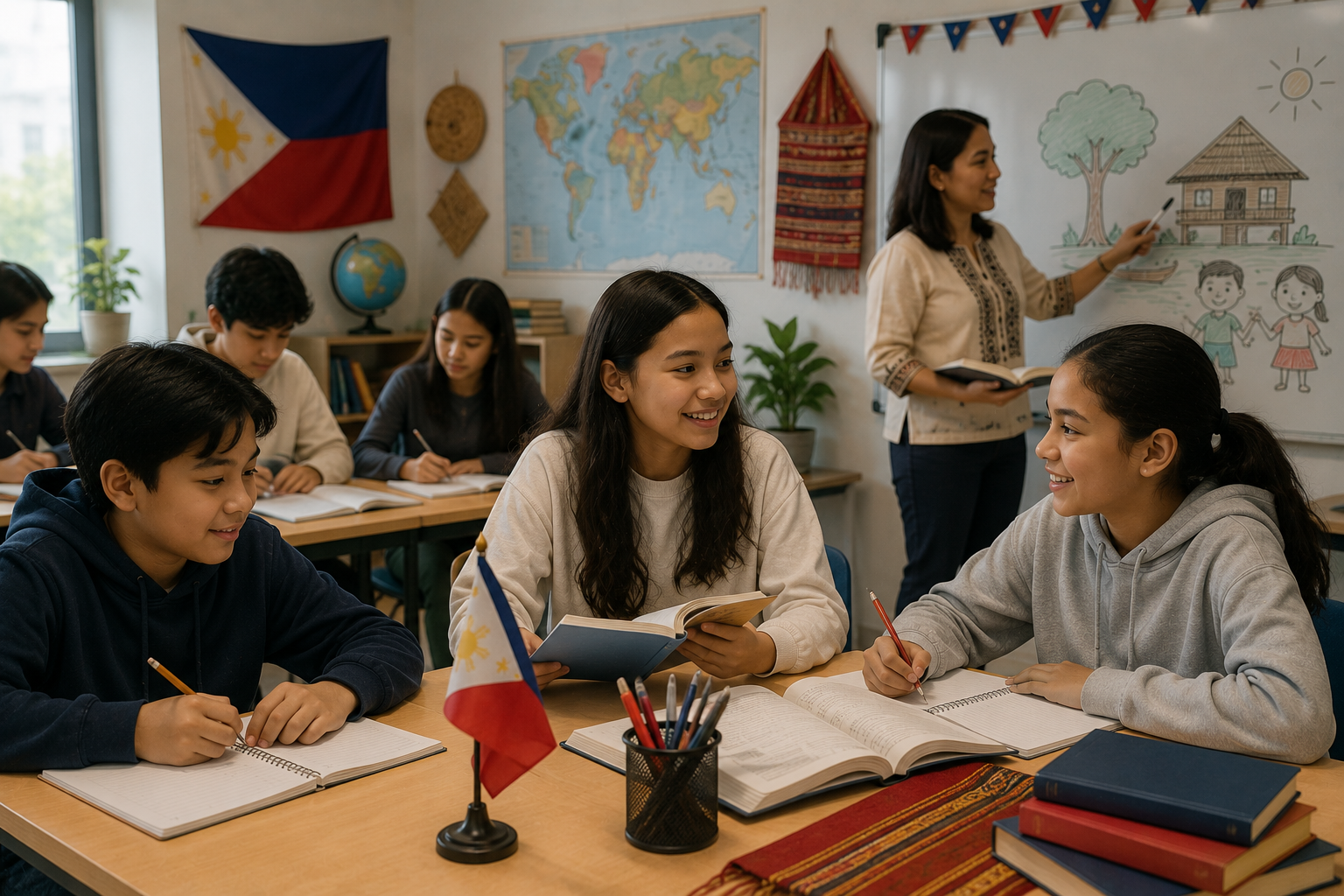
Youth involvement has become increasingly important in tourism and cultural promotion efforts. Young Filipinos frequently contribute through content creation, digital marketing, cultural advocacy, volunteer programs, and community initiatives. Their familiarity with emerging technologies and communication platforms helps organizations engage new audiences while presenting heritage in innovative and accessible ways. Community leaders recognize youth participation as essential for sustaining tourism growth and cultural engagement.
The growing popularity of Philippine festivals reflects broader trends within international travel. Travelers increasingly value authenticity, cultural immersion, and meaningful interactions with local communities. Festivals provide opportunities to experience these elements while participating in celebrations that highlight the unique characteristics of different regions. Tourism experts believe that this trend will continue to support demand for cultural travel experiences in the years ahead.
Many visitors report that festivals leave lasting impressions because they combine entertainment, education, and personal interaction. Beyond performances and celebrations, travelers often gain insights into Filipino values such as hospitality, resilience, faith, community spirit, and generosity. These experiences contribute to positive perceptions of the Philippines and encourage repeat visits as well as recommendations to others.
Looking ahead, tourism stakeholders remain optimistic about the continued growth of international interest in Philippine destinations. Ongoing investments in tourism promotion, cultural programming, digital innovation, infrastructure development, and community engagement are expected to strengthen the country's competitiveness as a global tourism destination. Organizers anticipate that festivals will remain central to these efforts because of their ability to showcase culture while creating memorable experiences for visitors.
The success of tourism campaigns and cultural festivals demonstrates the enduring appeal of Philippine heritage and hospitality. By combining tradition with innovation, communities throughout the country continue to create experiences that resonate with global audiences and inspire curiosity about the Philippines. These efforts contribute not only to tourism development but also to broader goals related to cultural preservation, economic growth, and international understanding.
Ultimately, the growing international interest inspired by Philippine festivals and tourism campaigns reflects the unique ability of culture to connect people across borders. Through vibrant celebrations, authentic experiences, and meaningful storytelling, the Philippines continues to capture the attention of travelers seeking destinations that offer both beauty and cultural depth. As global audiences discover more about the country's traditions, communities, and attractions, Philippine tourism stands poised to welcome a new generation of visitors eager to experience the richness and diversity of Filipino culture firsthand.
Enjoyed this story?
Share this story