Philippine Festivals Gain International Attention as Global Audiences Embrace Filipino Culture
Share
June 01, 2026
Updated Oct 15, 2026
7 min read
281 views
MANILA, Philippines — Philippine festivals are attracting unprecedented international attention as travelers, cultural enthusiasts, overseas Filipino communities, and global audiences increasingly embrace the vibrant traditions, colorful celebrations, and rich cultural heritage that have long been at the heart of Filipino identity.
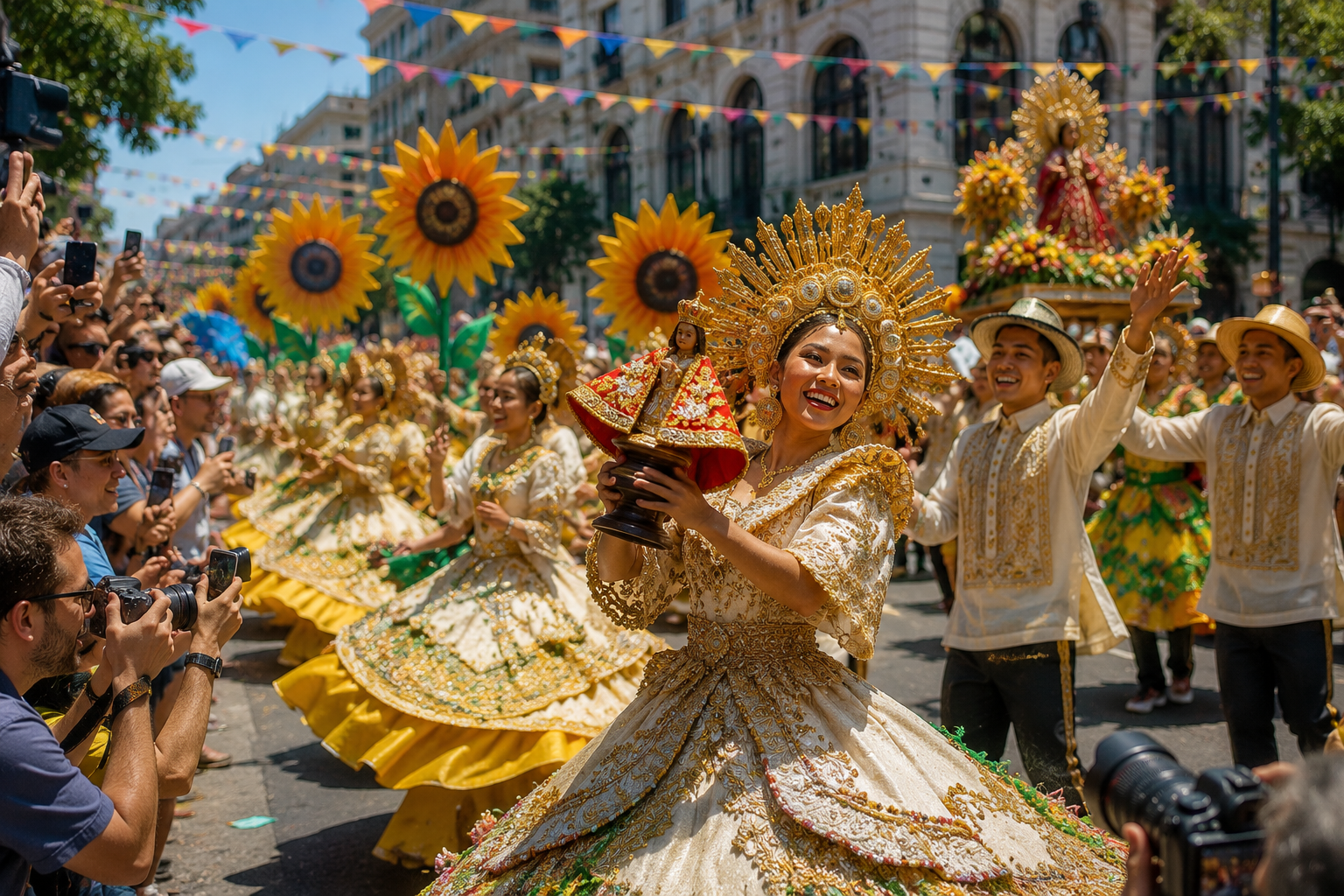
Known for their spectacular parades, elaborate costumes, lively music, traditional dances, religious significance, and strong sense of community, Philippine festivals are becoming some of the country's most effective cultural ambassadors. From world-famous celebrations to lesser-known local fiestas, these events are helping introduce millions of people around the globe to the diversity and creativity of Filipino culture.
Tourism and cultural experts say growing international interest in Philippine festivals reflects a broader appreciation for authentic cultural experiences. In an increasingly connected world, travelers are seeking opportunities to immerse themselves in local traditions, and the Philippines offers a unique blend of history, spirituality, artistry, and hospitality that resonates strongly with visitors.
Across the archipelago, festivals remain deeply woven into community life. Nearly every province, city, municipality, and barangay hosts annual celebrations that honor patron saints, commemorate historical events, celebrate harvests, or showcase local culture and traditions. These events serve as important expressions of community pride and cultural identity.
In recent years, social media, digital content platforms, travel documentaries, and international tourism campaigns have helped bring greater visibility to Philippine festivals. Stunning photographs and videos featuring colorful costumes, energetic street dancing, intricate decorations, and enthusiastic participants have attracted global audiences eager to learn more about the country's cultural traditions.
As a result, festivals that were once known primarily within local communities are now gaining recognition far beyond Philippine borders. International tourists increasingly plan trips around major festival dates, while cultural organizations abroad incorporate Filipino festival themes into multicultural events and community celebrations.
Many tourism officials view this trend as an opportunity to strengthen cultural tourism and support local economies. Festivals attract visitors who contribute to hotels, restaurants, transportation services, local businesses, and tourism-related enterprises. The economic impact often extends throughout entire communities, creating opportunities for employment and entrepreneurship.
Local governments have invested significant resources into enhancing festival experiences while preserving their authenticity. Infrastructure improvements, tourism programs, cultural preservation initiatives, and community engagement efforts have helped elevate the quality and visibility of many celebrations.
One of the key reasons for the growing appeal of Philippine festivals is their extraordinary diversity. Each celebration reflects the unique history, traditions, and cultural influences of its region. Indigenous customs, Spanish colonial heritage, Asian influences, religious devotion, and modern creativity all contribute to the distinctive character of Filipino festivals.
The festivals are often characterized by remarkable artistic expression. Participants spend months preparing elaborate costumes, floats, performances, and decorations. Communities work together to create visually stunning presentations that showcase local craftsmanship and cultural pride.
Music and dance play central roles in nearly every celebration. Traditional rhythms, contemporary performances, folk dances, and theatrical presentations provide audiences with immersive experiences that highlight the richness of Filipino artistic traditions. These performances often tell stories about local history, faith, community values, and cultural identity.
Religious devotion remains another defining feature of many Philippine festivals. Numerous celebrations originated as expressions of faith and continue to hold deep spiritual significance for participants. Religious processions, thanksgiving ceremonies, and community worship activities often accompany the more festive aspects of these events.
Observers note that the combination of faith, culture, and community creates a unique atmosphere that distinguishes Philippine festivals from many other celebrations around the world. Visitors frequently describe the experience as both entertaining and deeply meaningful.
The rise of Filipino communities abroad has also contributed significantly to the international visibility of Philippine festivals. Overseas Filipinos frequently organize cultural events inspired by traditional celebrations, introducing local residents to Filipino customs and strengthening connections among diaspora communities.
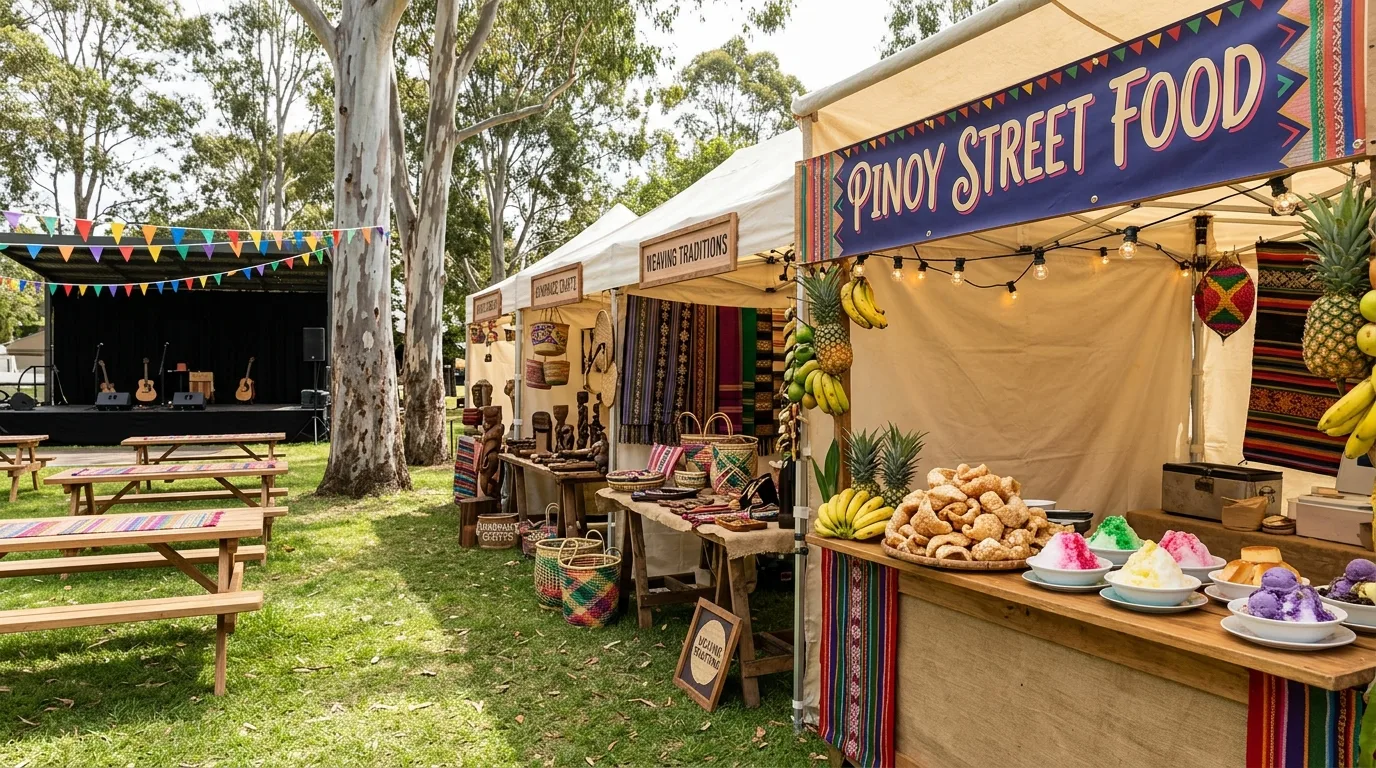
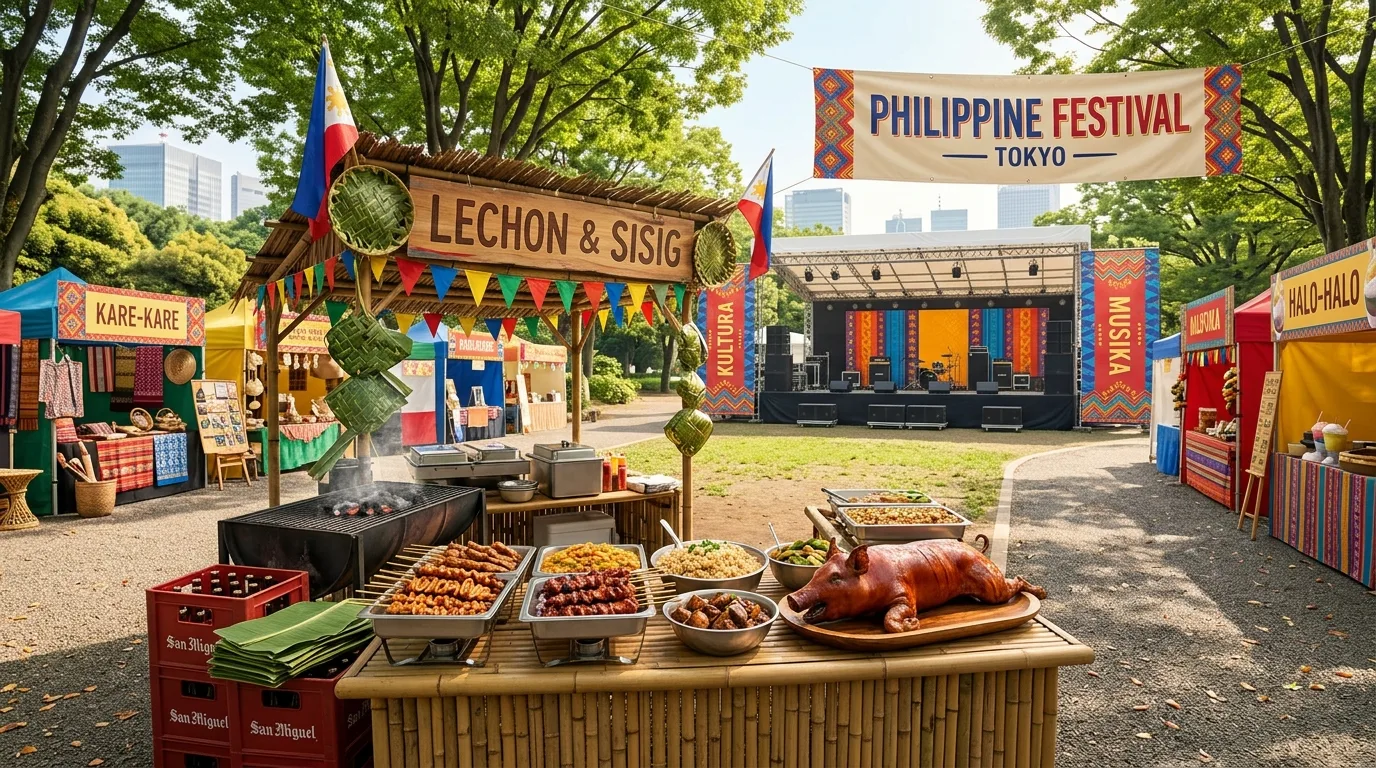
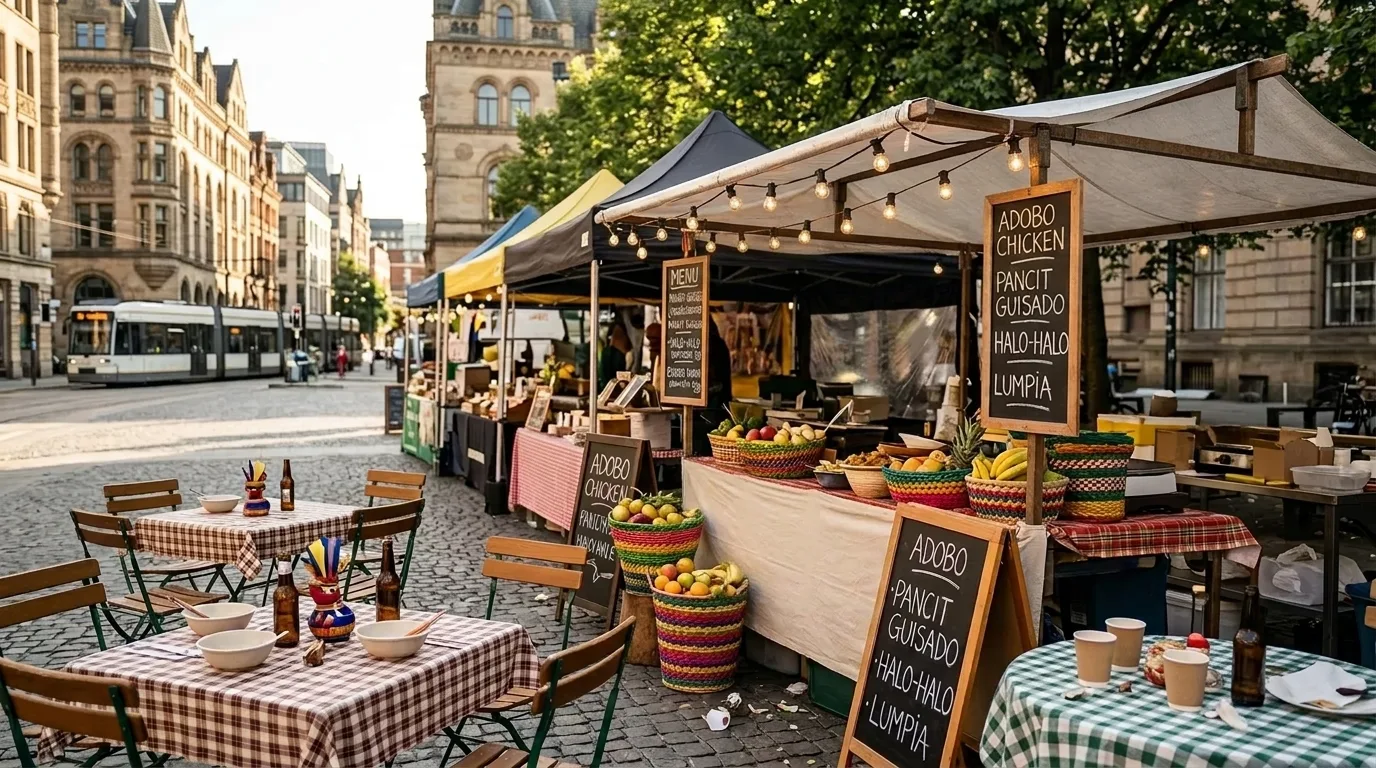
In cities across North America, Europe, the Middle East, Asia, and Oceania, Filipino organizations host cultural festivals that feature traditional music, dance, cuisine, and festival-themed activities. These events allow second- and third-generation Filipinos to maintain connections with their heritage while sharing their culture with broader audiences.
Many overseas celebrations have evolved into major multicultural events attracting attendees from diverse backgrounds. Community leaders say these gatherings promote cultural understanding and help strengthen relationships between Filipino communities and their host societies.
Food has become another powerful factor driving interest in Philippine festivals. Festival celebrations often feature regional specialties and traditional dishes that reflect the culinary diversity of the Philippines. Visitors are introduced to local flavors, cooking techniques, and food traditions that provide deeper insight into Filipino culture.
The growing global popularity of Filipino cuisine has further enhanced interest in festival experiences. Many travelers who discover Filipino food abroad become curious about the cultural traditions associated with it, leading them to explore Philippine festivals and heritage tourism opportunities.
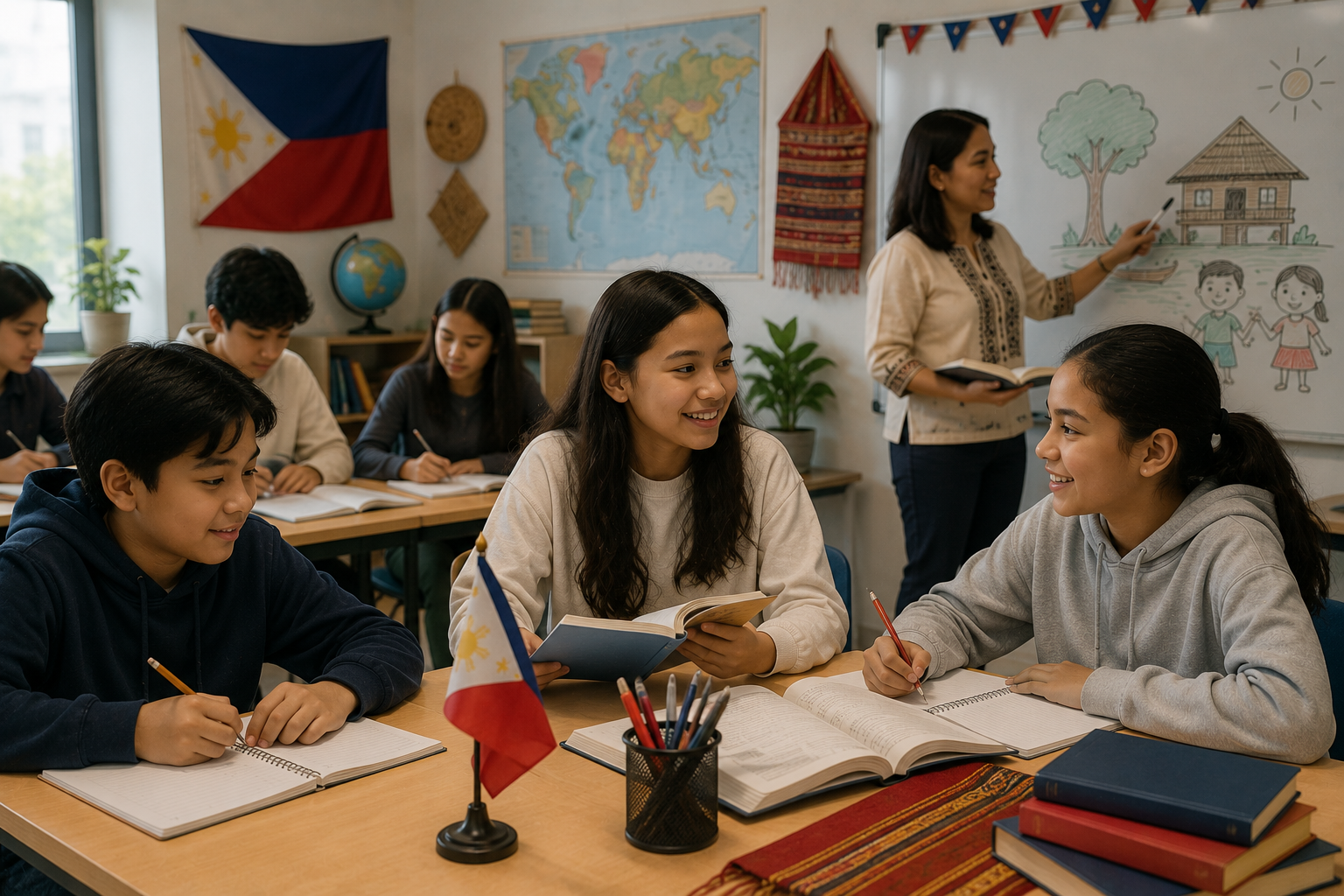
Educational institutions and cultural organizations have also played important roles in promoting awareness of Philippine festivals. Exhibitions, academic programs, cultural exchanges, and international partnerships have helped document and preserve traditional practices while introducing them to wider audiences.
Youth participation remains a critical component of festival preservation efforts. Community leaders throughout the Philippines recognize the importance of involving younger generations in cultural activities to ensure the continuity of traditions. Schools, youth organizations, and cultural groups regularly participate in festival preparations and performances.
Many young Filipinos have embraced digital platforms as tools for cultural promotion. Through photography, filmmaking, social media content, and online storytelling, they are helping bring Philippine festivals to international audiences while preserving cultural knowledge for future generations.
Technology has transformed how festivals are experienced and promoted. Livestreaming, virtual tours, digital archives, and online cultural campaigns enable people around the world to participate in celebrations even when they cannot attend in person. These innovations have significantly expanded the reach of Philippine cultural events.
Tourism analysts believe the growing international recognition of Philippine festivals has the potential to strengthen the country's cultural diplomacy efforts. Festivals showcase values such as community cooperation, hospitality, creativity, resilience, and faith—qualities that positively shape international perceptions of the Philippines.
The increasing popularity of cultural tourism has encouraged many destinations to invest in heritage preservation. Historic sites, traditional arts, indigenous practices, and local customs are receiving greater attention as communities recognize their value as cultural and tourism assets.
At the same time, cultural leaders emphasize the importance of maintaining authenticity amid growing popularity. While international attention creates new opportunities, many communities remain committed to preserving the original meaning and traditions associated with their festivals.
Balancing tourism growth with cultural preservation continues to be an important priority. Organizers work closely with local stakeholders to ensure that festivals remain community-centered while welcoming visitors from around the world.
Many experts believe the future of Philippine festivals is exceptionally bright. Continued investments in cultural preservation, tourism development, digital promotion, and community engagement are expected to further increase global awareness of Filipino traditions.
As more travelers seek meaningful cultural experiences, Philippine festivals are uniquely positioned to offer authentic encounters with history, art, faith, and community. Their ability to bring people together through celebration and shared experiences makes them particularly appealing in today's interconnected world.
The growing international recognition of these festivals reflects more than just tourism success. It represents a broader appreciation for the richness of Filipino culture and the creativity of the communities that keep these traditions alive.
For millions of Filipinos, festivals remain symbols of identity, heritage, and collective pride. They are opportunities to honor the past, celebrate the present, and inspire future generations to continue preserving cultural traditions.
As audiences around the world increasingly embrace Filipino culture, Philippine festivals are emerging as powerful bridges connecting communities across continents. Through music, dance, faith, food, and celebration, they continue to tell the story of a nation whose cultural heritage remains vibrant, dynamic, and deeply cherished.
In every colorful costume, every rhythmic drumbeat, every festive parade, and every community gathering, the spirit of the Philippines shines brightly. The world is taking notice, and as global appreciation continues to grow, Philippine festivals are proving that culture has the power to transcend borders and bring people together in celebration of shared humanity.
Enjoyed this story?
Share this story