Philippine Handicrafts and Local Products Reach New International Markets
Share
June 10, 2026
Updated Oct 16, 2026
7 min read
369 views
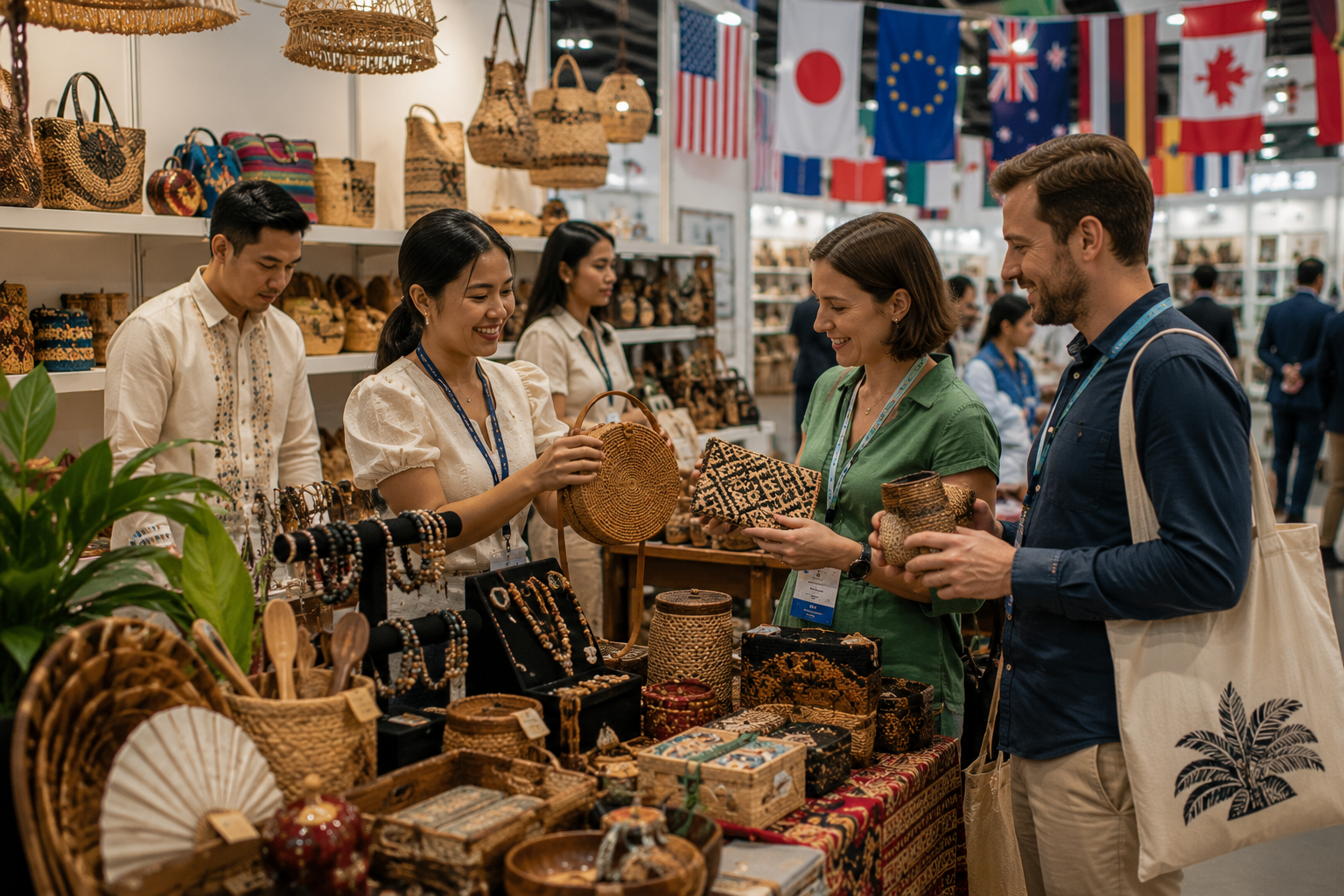
MANILA, Philippines — Philippine handicrafts and locally produced goods are gaining increased visibility in international markets as global consumers show growing appreciation for authentic craftsmanship, cultural heritage, sustainability, and artisan-made products. From traditional woven textiles and handcrafted furniture to fashion accessories, home décor items, food products, and specialty goods, Filipino artisans and entrepreneurs are finding new opportunities to showcase their talents while expanding their reach beyond domestic markets.
The growing international interest in Philippine handicrafts reflects broader consumer trends that favor unique, handmade, and culturally meaningful products. Around the world, buyers are increasingly seeking alternatives to mass-produced items, preferring products that tell stories, reflect traditions, and support local communities. Philippine handicrafts are particularly well-positioned to meet this demand because of their rich cultural heritage, artistic quality, and strong connections to local traditions that have been preserved and passed down through generations.
For centuries, Filipino communities have developed distinctive forms of craftsmanship that reflect the country's cultural diversity and natural resources. Different regions throughout the Philippines are known for unique weaving traditions, woodcraft techniques, basket-making practices, pottery, embroidery, jewelry creation, and other artisan skills. These traditions have served not only as sources of livelihood but also as expressions of cultural identity and community pride. Today, many of these same traditions are finding renewed relevance within international markets that value authenticity and heritage.
Artisans and cultural advocates note that global recognition provides important opportunities to preserve traditional skills that might otherwise face challenges in modern economies. Younger generations are often encouraged to continue learning traditional crafts when they see viable economic opportunities associated with them. By creating demand for artisan-made products, international markets help support cultural preservation while ensuring that valuable knowledge and techniques remain alive for future generations.
The rise of e-commerce and digital marketplaces has played a significant role in expanding opportunities for Filipino artisans and entrepreneurs. Online platforms allow producers to connect directly with customers in different countries without relying exclusively on traditional distribution channels. Small businesses that once served only local communities can now access international audiences, creating opportunities for growth while increasing awareness of Philippine craftsmanship around the world.
Many Filipino entrepreneurs have embraced digital transformation as a way of expanding their businesses. Social media platforms, online stores, virtual trade fairs, and digital marketing campaigns enable artisans to tell the stories behind their products while building relationships with customers. These tools allow businesses to showcase the cultural significance, craftsmanship, and sustainability practices associated with their products, helping differentiate them in competitive international markets.
Sustainability has become another important factor driving demand for Philippine handicrafts. Consumers are increasingly interested in products made from natural, renewable, and environmentally responsible materials. Many traditional Filipino crafts utilize locally sourced materials such as bamboo, rattan, abaca, coconut, wood, and natural fibers. These materials align well with growing global interest in sustainable consumption and environmentally conscious purchasing decisions.
Community-based enterprises have benefited significantly from increased international exposure. Many handicraft producers operate within rural communities where artisan work provides important sources of income and employment. International demand helps support livelihoods while contributing to local economic development. Community leaders often emphasize that successful handicraft enterprises generate benefits that extend beyond individual artisans, supporting families, local suppliers, and broader community networks.
The fashion industry has become an important avenue for promoting Philippine craftsmanship internationally. Designers and entrepreneurs are increasingly incorporating traditional materials, weaving techniques, embroidery, and cultural motifs into contemporary fashion collections. These products appeal to consumers seeking distinctive designs while helping introduce Filipino artistry to global fashion markets. Industry observers note that collaborations between traditional artisans and modern designers have created exciting opportunities for innovation and cultural promotion.
Home décor and furniture products have also gained recognition in international markets. Filipino artisans are known for producing high-quality handcrafted furniture, decorative accessories, lighting fixtures, and interior design elements that combine traditional craftsmanship with contemporary aesthetics. These products often appeal to international buyers who value both artistic expression and functional design. The growing popularity of handcrafted home products has contributed to increased visibility for Philippine creative industries.
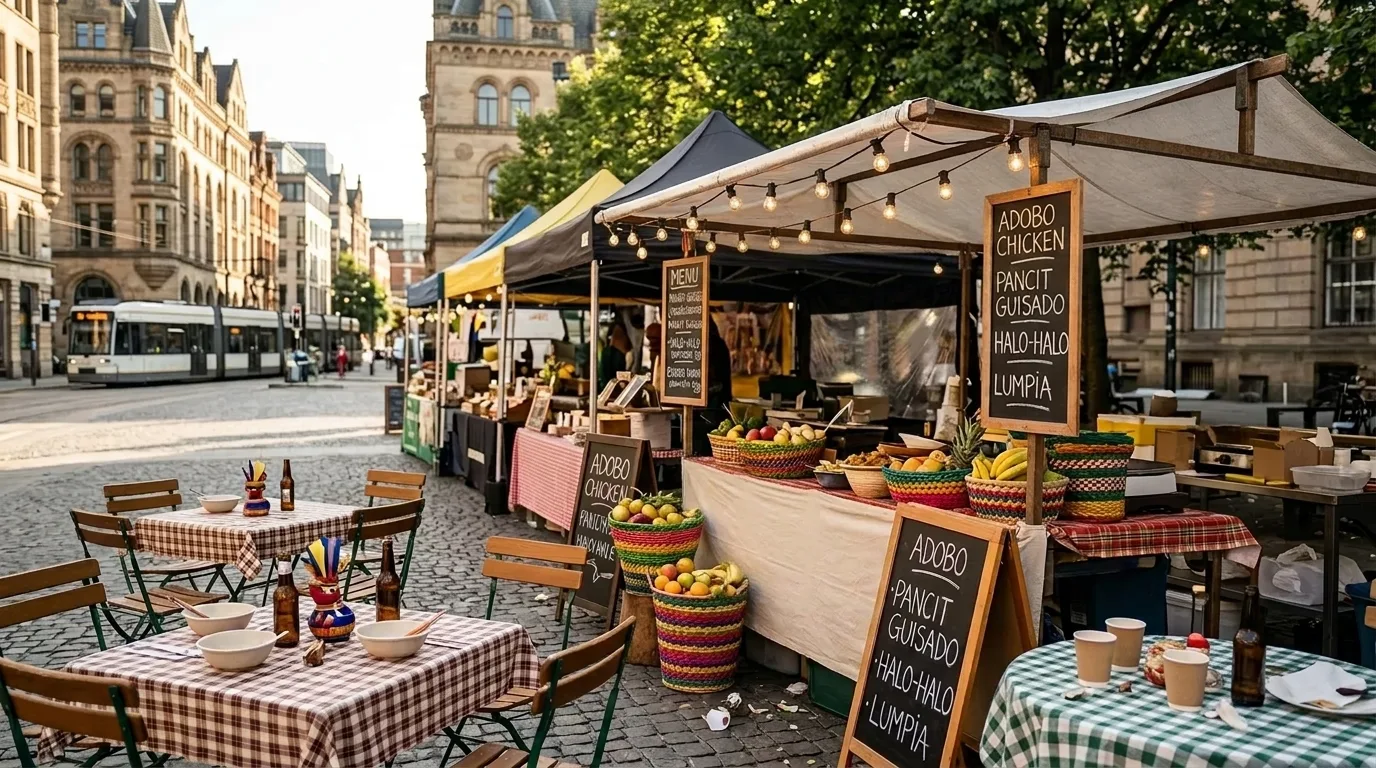
Food products represent another area where local producers are achieving success internationally. Specialty food items, artisanal products, traditional ingredients, and unique Philippine flavors are attracting attention from consumers interested in culinary exploration and cultural experiences. Food exports not only support agricultural communities but also help introduce global audiences to Philippine cuisine and culinary traditions.
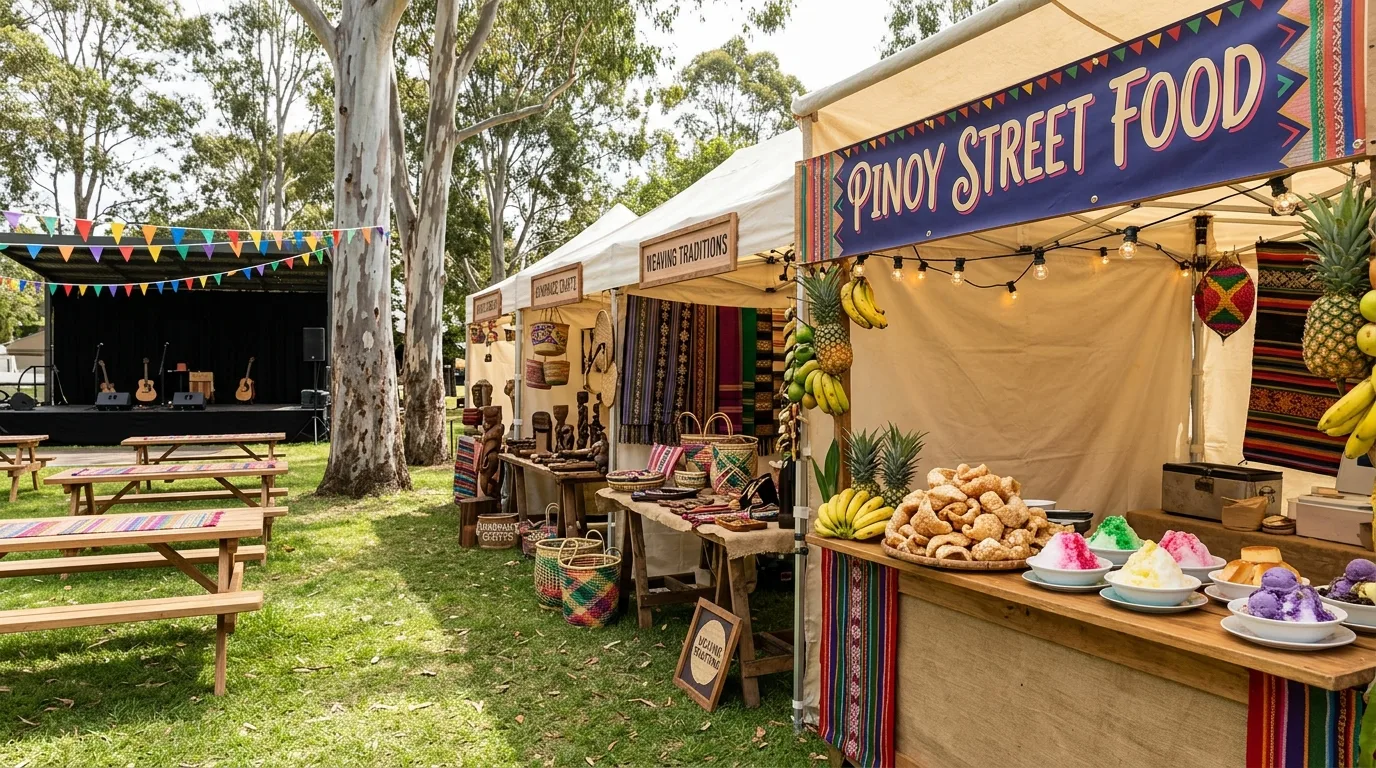
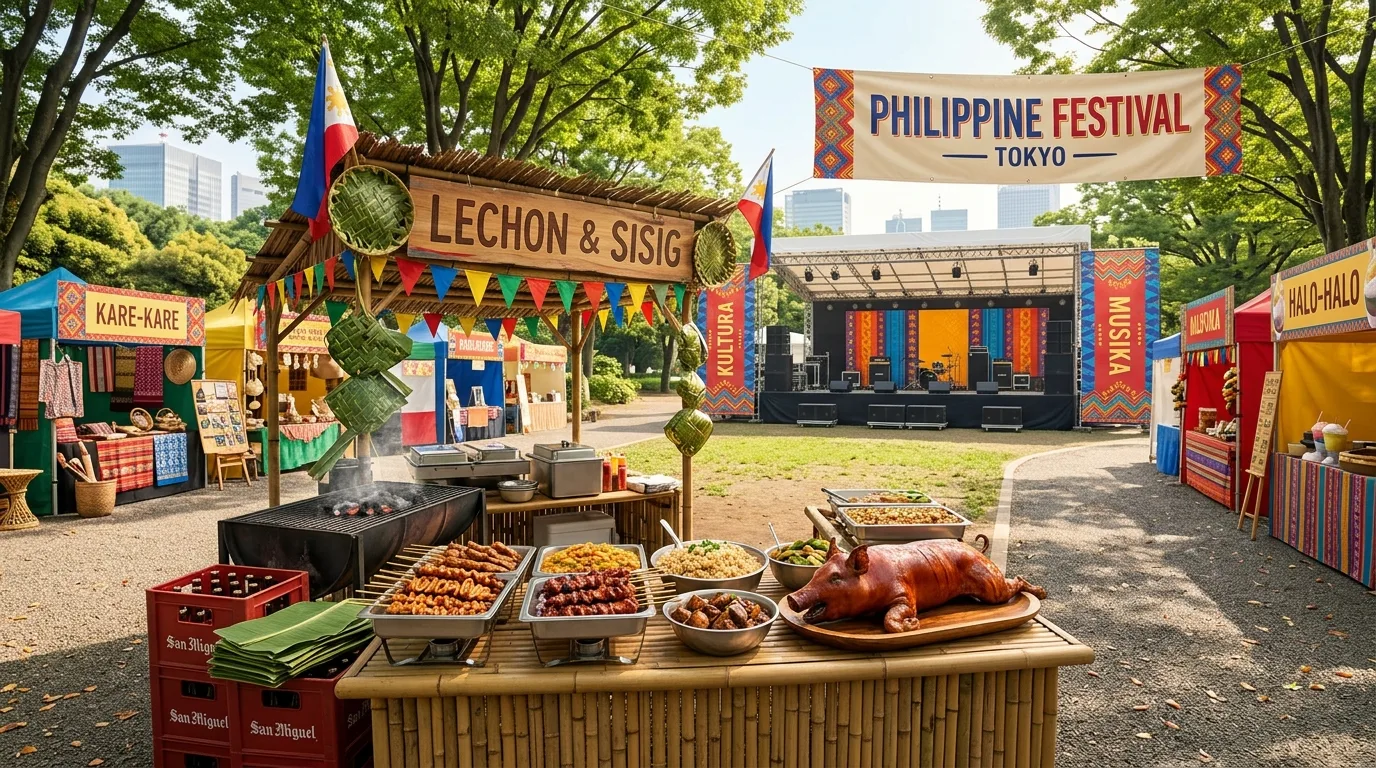
Trade exhibitions, cultural festivals, and international fairs continue to play important roles in expanding market access for Filipino products. These events provide opportunities for producers to connect with buyers, distributors, retailers, and consumers while showcasing the quality and uniqueness of their offerings. Organizers frequently describe international exhibitions as valuable platforms for relationship-building, market development, and cultural promotion.
Government agencies, industry associations, and business organizations have increasingly supported efforts to promote local products internationally. Export assistance programs, training initiatives, product development support, and market access programs help entrepreneurs navigate the complexities of international trade. Stakeholders recognize that strengthening the global competitiveness of local products can contribute positively to economic growth while supporting cultural industries.
The role of overseas Filipino communities has been particularly important in introducing local products to new markets. Many overseas Filipinos actively support Filipino-owned businesses, participate in cultural events, and promote Philippine products within their communities. Their enthusiasm often helps create initial market awareness that can later expand to broader consumer groups. Community leaders frequently describe overseas Filipinos as valuable ambassadors for Philippine products and culture.
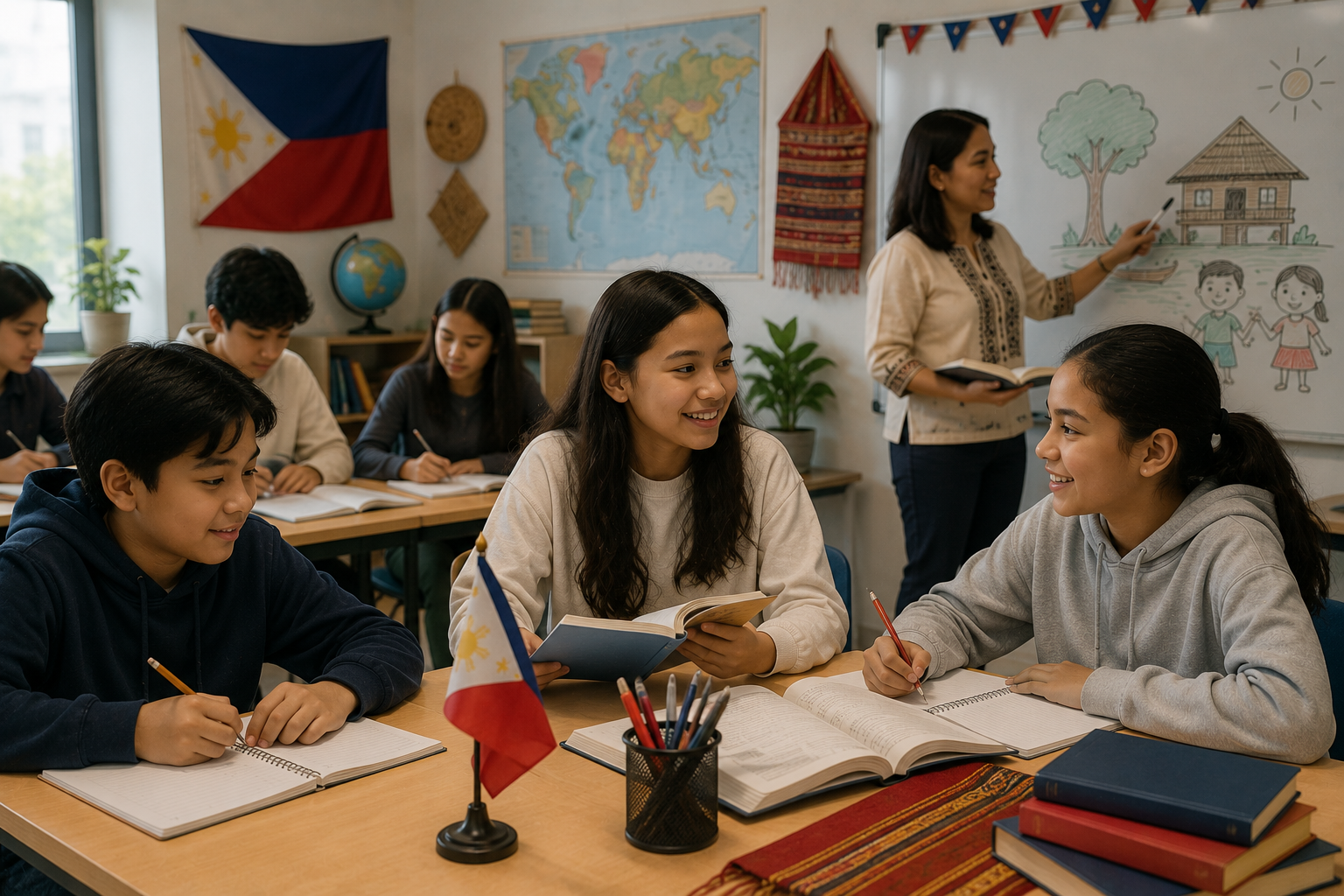
Educational initiatives have also become important in supporting the growth of handicraft industries. Training programs focused on design innovation, entrepreneurship, marketing, quality standards, and digital commerce help artisans adapt to changing market conditions while preserving traditional skills. Community advocates believe that combining cultural preservation with business development creates stronger foundations for long-term success.
The increasing recognition of Philippine handicrafts contributes to broader cultural diplomacy efforts. Every handcrafted product carries elements of Philippine history, culture, creativity, and identity. When international consumers purchase and appreciate these products, they engage with stories and traditions that deepen understanding of the Philippines. Cultural advocates note that handicrafts often serve as effective ambassadors because they provide tangible connections to heritage and craftsmanship.
Many artisans are also exploring ways to innovate while maintaining respect for tradition. New product designs, modern applications of traditional techniques, and collaborations with designers and entrepreneurs allow crafts to evolve while preserving their cultural significance. This balance between tradition and innovation is helping Filipino products remain relevant within contemporary global markets.
Economic experts recognize the potential of creative industries and artisan enterprises as contributors to inclusive growth. Handicraft production often creates opportunities in communities where access to large-scale industrial employment may be limited. By supporting local entrepreneurship and skills development, these industries contribute to more diversified and resilient local economies.
Looking ahead, industry leaders remain optimistic about the future of Philippine handicrafts and local products in international markets. Growing consumer interest in authenticity, sustainability, cultural heritage, and artisan-made goods creates favorable conditions for continued expansion. New technologies, stronger international partnerships, and increasing awareness of Philippine craftsmanship are expected to create additional opportunities for producers and entrepreneurs.
Ultimately, the success of Philippine handicrafts and local products in reaching new international markets demonstrates the enduring value of Filipino creativity, skill, and cultural heritage. Through their work, artisans and entrepreneurs are not only building businesses but also preserving traditions, supporting communities, and sharing the richness of Philippine culture with the world.
As more global consumers discover the beauty and craftsmanship behind Philippine products, local artisans continue to prove that traditional skills and cultural heritage remain powerful assets in a rapidly changing global economy. Their achievements reflect the resilience, innovation, and artistry of the Filipino people while creating opportunities that benefit both present and future generations.
Enjoyed this story?
Share this story