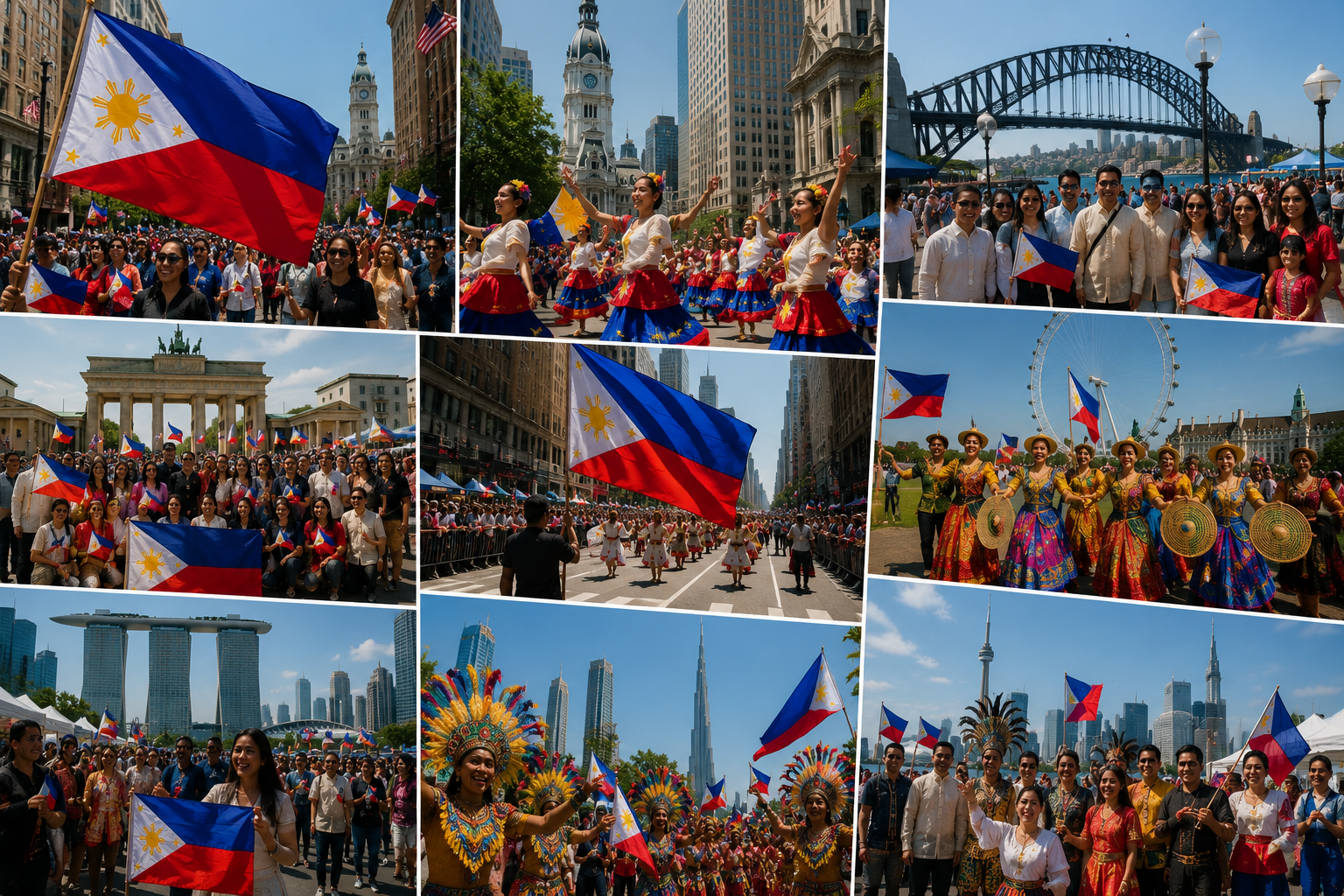
Philippine Independence Day Activities Expand Across More Than 60 Global Cities
Share
June 11, 2026
Updated Oct 16, 2026
7 min read
407 views
MANILA, Philippines — Philippine Independence Day celebrations are reaching unprecedented levels of international participation as Filipino communities organize activities in more than 60 cities across the globe. From North America and Europe to the Middle East, Asia, Australia, and New Zealand, overseas Filipinos are commemorating the nation's independence through cultural festivals, community gatherings, educational programs, artistic performances, and civic events that highlight the enduring strength of Filipino identity and heritage.
The expansion of Independence Day activities reflects the growing influence and visibility of Filipino communities worldwide. With millions of Filipinos living and working abroad, the annual celebration of June 12 has evolved into a truly global event that extends far beyond the Philippines. What was once primarily a national observance has become an international celebration that connects Filipinos across continents while introducing Philippine culture, history, and traditions to broader audiences.
Community leaders describe Independence Day celebrations as important opportunities for Filipinos abroad to reaffirm their cultural identity while honoring the sacrifices and achievements that contributed to the country's freedom and development. These events often serve as reminders of shared history and values, bringing together people from different generations, professions, and backgrounds who share a common connection to the Philippines.
Many cities hosting Independence Day activities have seen growing participation in recent years. Organizers report increased interest not only from Filipino residents but also from local communities, government representatives, cultural organizations, and international visitors who are eager to learn more about Philippine culture. This broader engagement reflects the increasing recognition of the contributions made by Filipinos to societies around the world and highlights the role of cultural celebrations in promoting mutual understanding and appreciation.
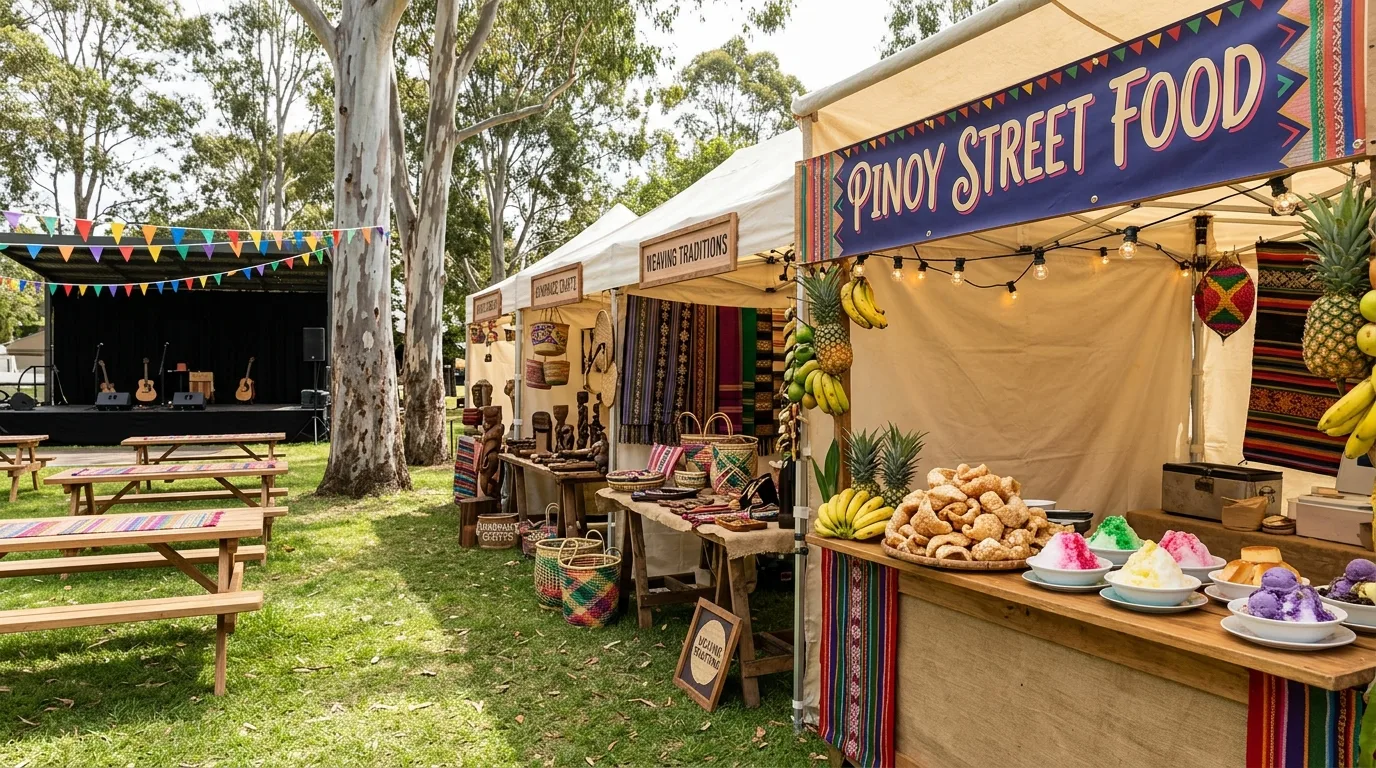
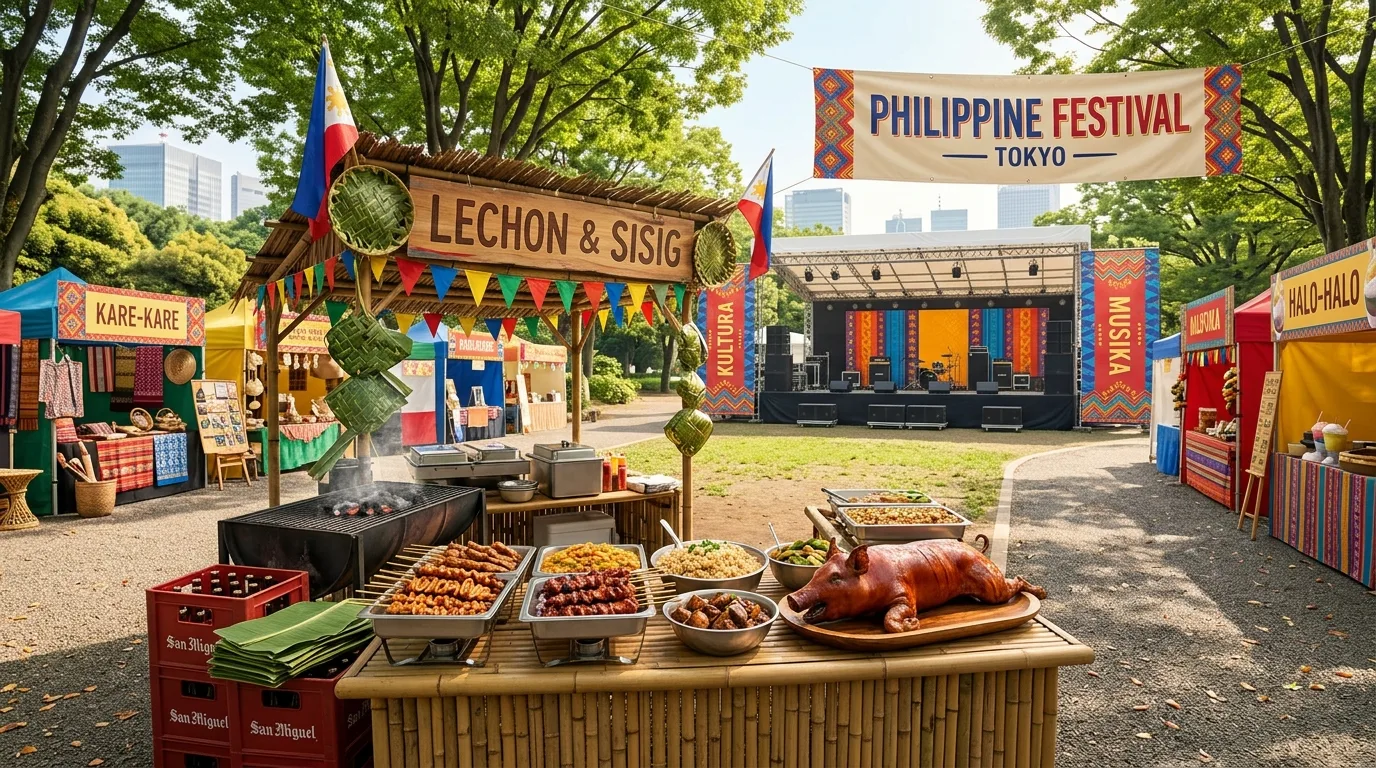
Cultural festivals remain among the most popular components of Independence Day celebrations. Across various cities, community organizations host events featuring traditional music, folk dances, cultural exhibitions, fashion showcases, culinary experiences, and artistic performances that reflect the diversity of Philippine heritage. These activities provide opportunities for attendees to experience different aspects of Filipino culture while fostering pride and appreciation among participants.
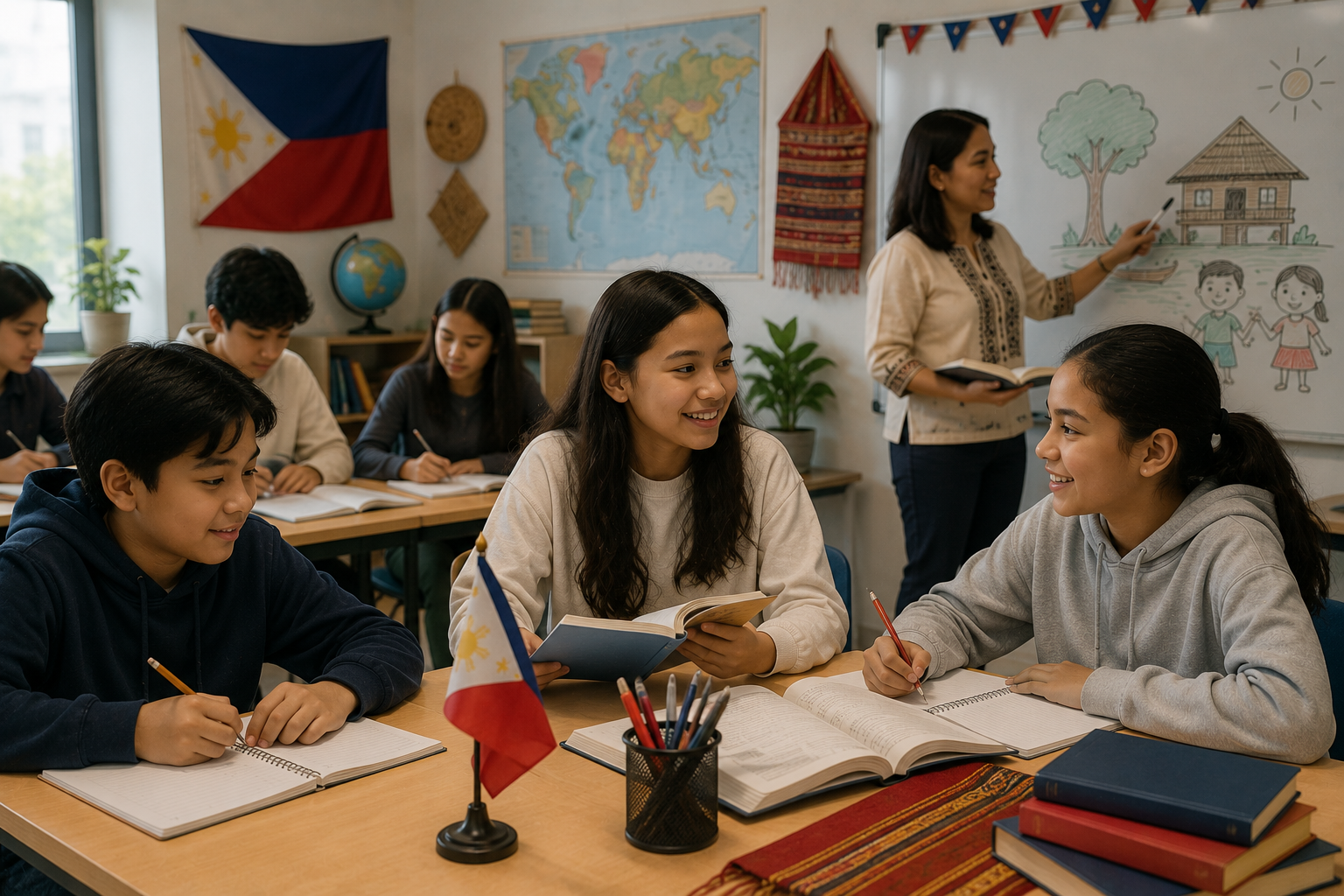
The participation of younger generations has become one of the defining characteristics of modern Independence Day celebrations abroad. Many second- and third-generation Filipinos take active roles as performers, volunteers, organizers, and cultural ambassadors. Their involvement demonstrates the continued relevance of Filipino identity even among those who were born and raised outside the Philippines. Community leaders emphasize that youth engagement is essential for ensuring that cultural traditions and historical awareness remain strong in future generations.
Educational programs are also playing increasingly important roles within Independence Day activities. Historical presentations, cultural workshops, heritage exhibits, and storytelling sessions help participants understand the significance of Philippine independence and the events that shaped the nation's history. Organizers believe that education strengthens appreciation for the sacrifices made by previous generations while encouraging deeper connections to cultural heritage.
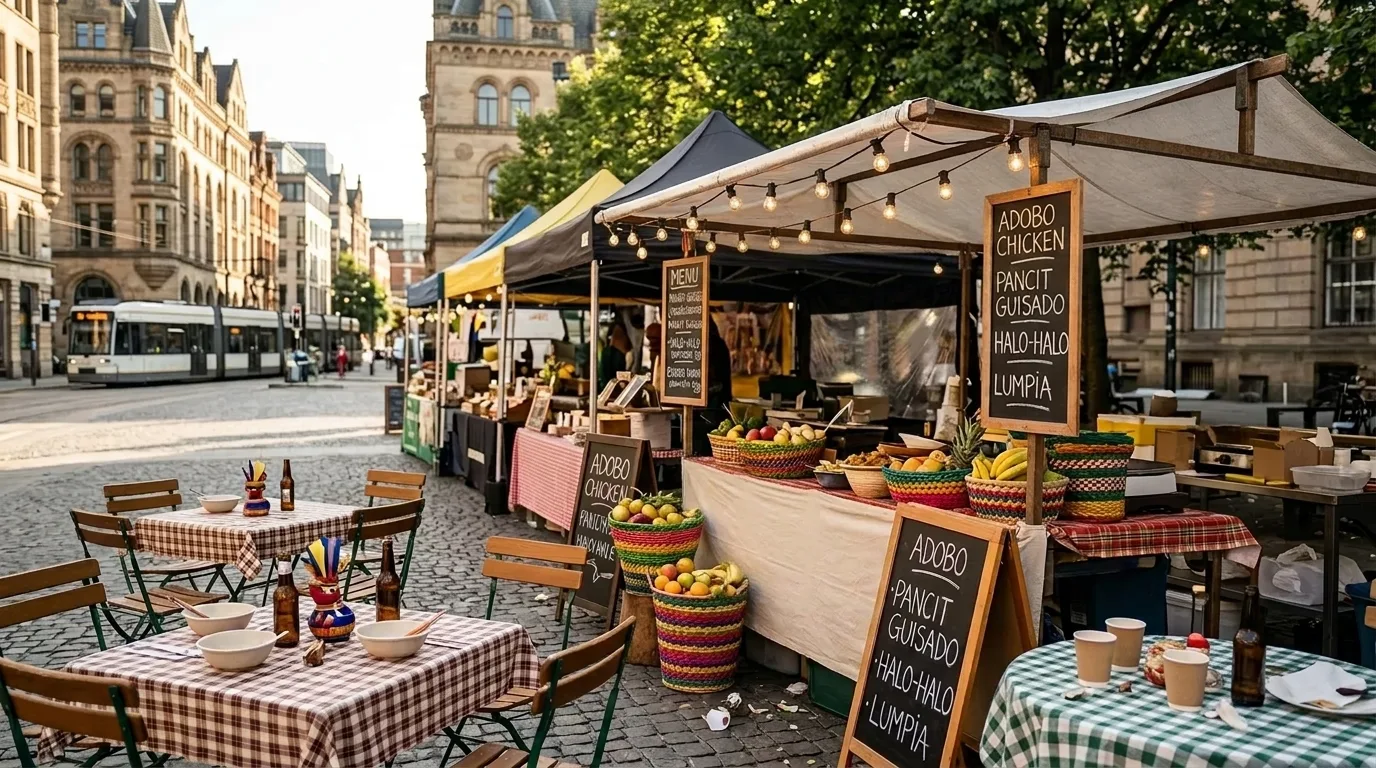
Philippine cuisine continues to attract significant attention during celebrations around the world. Food festivals, culinary demonstrations, and community feasts introduce international audiences to the diverse flavors and traditions of Filipino cooking. Organizers frequently note that food serves as an effective cultural bridge because it encourages conversation, learning, and shared experiences among participants from different backgrounds. Popular dishes and regional specialties often become highlights of community events, drawing large crowds and generating interest in broader aspects of Philippine culture.
Many celebrations also include business and professional networking activities that highlight the achievements of overseas Filipinos. Community organizations recognize that Independence Day provides opportunities to celebrate not only national history but also the contributions of Filipinos in fields such as healthcare, education, technology, engineering, entrepreneurship, public service, and the arts. These programs help inspire younger generations while showcasing the positive impact of Filipino communities around the world.
The role of cultural diplomacy has become increasingly evident as Independence Day activities expand globally. Embassies, consulates, cultural organizations, and community groups frequently collaborate to organize events that strengthen international relationships while promoting Philippine culture. Through performances, exhibitions, educational programs, and public celebrations, these initiatives help create positive impressions and foster goodwill among diverse audiences.
Technology has significantly enhanced the reach of Independence Day celebrations. Social media platforms, livestream broadcasts, digital content, and online community networks enable events to connect with audiences far beyond physical venues. Filipinos in different countries can participate virtually, share experiences, and engage with celebrations regardless of geographic location. Organizers note that digital engagement has become an important component of modern cultural programming, allowing communities to remain connected while expanding visibility.
Volunteerism remains at the heart of many successful Independence Day events. Community members dedicate substantial time and effort to organizing activities, coordinating logistics, promoting programs, and supporting participants. Their commitment reflects the enduring Filipino values of bayanihan, cooperation, and community service. Organizers consistently acknowledge volunteers as essential contributors whose efforts make large-scale celebrations possible.
The economic impact of Independence Day activities is also noteworthy. Cultural festivals and community events generate opportunities for local businesses, food vendors, artisans, performers, and entrepreneurs. Many Filipino-owned enterprises participate in celebrations by showcasing products, services, and creative works that reflect Philippine culture and innovation. These activities contribute to local economies while supporting small businesses and cultural industries.
The increasing scale of Independence Day celebrations reflects the growing confidence and organizational capacity of overseas Filipino communities. Many events that began as small community gatherings have evolved into major festivals attracting thousands of participants. This growth demonstrates strong community engagement and highlights the importance of cultural celebrations in maintaining connections among Filipinos living abroad.
International audiences have shown increasing interest in participating in Independence Day activities. Local residents, students, cultural enthusiasts, and tourists frequently attend events to experience Filipino culture and learn more about the Philippines. Community leaders view this interest as an opportunity to promote cultural exchange while strengthening relationships between Filipino communities and their host societies.
Many organizers are also incorporating contemporary themes into celebrations, including youth empowerment, sustainability, innovation, and community development. These additions help ensure that events remain relevant while reflecting the evolving interests and priorities of modern Filipino communities. By combining tradition with contemporary perspectives, organizers create celebrations that resonate with diverse audiences and age groups.
As Filipino populations continue to grow globally, community leaders anticipate that Independence Day celebrations will become even more expansive in the coming years. New partnerships, digital initiatives, youth programs, and cultural collaborations are expected to strengthen the reach and impact of future events. Many organizations are already exploring ways to create more inclusive and interactive experiences that engage broader audiences while preserving the cultural significance of the occasion.
Tourism advocates also recognize the value of global Independence Day activities in promoting Philippine destinations and cultural experiences. Exposure to Filipino traditions, cuisine, music, and heritage often inspires interest in visiting the Philippines. Community leaders believe that cultural celebrations can contribute to tourism promotion by providing international audiences with authentic and memorable introductions to the country's rich heritage.
The continued expansion of Independence Day celebrations demonstrates the enduring strength of Filipino identity and the importance of cultural connections within global communities. Despite being separated by geography, overseas Filipinos continue to find meaningful ways to honor their heritage while strengthening bonds with one another. These celebrations serve as powerful reminders that national identity can remain vibrant and relevant regardless of distance.
Ultimately, the growth of Philippine Independence Day activities across more than 60 global cities reflects the remarkable reach and influence of Filipino communities worldwide. Through cultural festivals, educational programs, artistic performances, and community gatherings, Filipinos are preserving traditions, celebrating achievements, and sharing their heritage with international audiences.
As Independence Day celebrations continue to expand, they reinforce a message of unity, resilience, and pride that resonates with Filipinos everywhere. These events not only commemorate a historic milestone in the nation's history but also highlight the continuing contributions of Filipinos around the world who carry their culture, values, and identity with them wherever they go. Through every celebration, the spirit of Philippine independence continues to inspire and connect communities across the globe.
Enjoyed this story?
Share this story