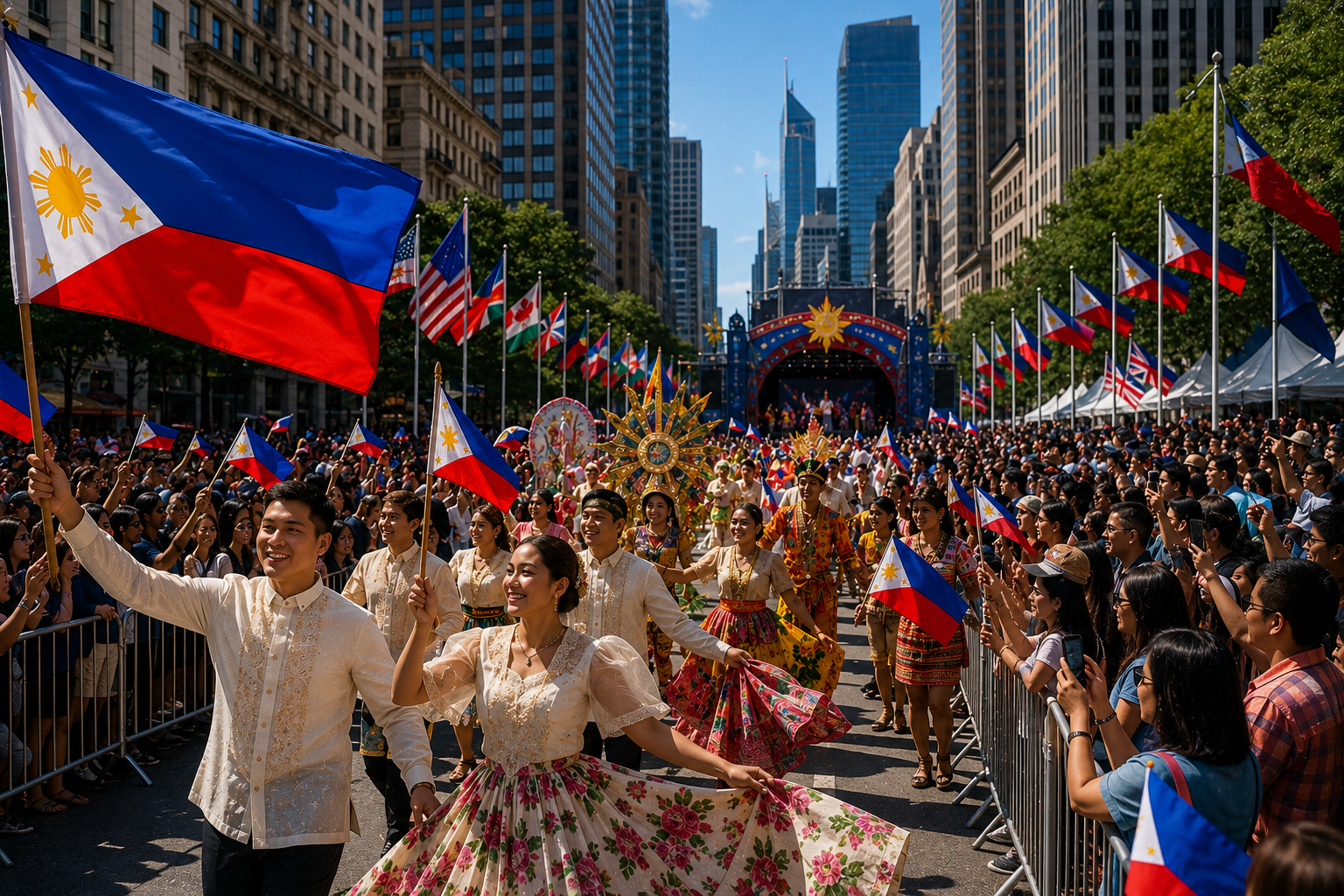
Philippine Independence Day Celebrations Expand Across Major Global Cities
Share
June 14, 2026
Updated Oct 16, 2026
8 min read
285 views
MANILA, Philippines — Philippine Independence Day celebrations are reaching unprecedented levels of participation and visibility across major cities around the world as Filipino communities organize larger, more diverse, and increasingly influential cultural events commemorating the nation's independence. From New York and Los Angeles to Toronto, London, Dubai, Singapore, Sydney, Tokyo, and numerous other international hubs, Filipinos are coming together to celebrate their heritage, honor their history, and share their culture with global audiences.
Every year on June 12, Filipinos commemorate the declaration of Philippine independence, a historic milestone that symbolizes the nation's struggle for freedom, self-determination, and national identity. While Independence Day remains one of the most important national observances within the Philippines, overseas Filipino communities have transformed the celebration into a global cultural phenomenon. Today, Independence Day activities are not only expressions of patriotism but also powerful demonstrations of cultural pride, community unity, and international engagement.
Community leaders report that participation in Independence Day celebrations has grown significantly over the past decade. As Filipino populations continue to expand in major urban centers worldwide, demand for cultural programming, heritage events, and community gatherings has increased accordingly. What were once relatively small community celebrations have evolved into large-scale festivals featuring thousands of participants, extensive cultural showcases, and strong support from local governments, cultural institutions, and business organizations.
One of the primary reasons for the continued growth of Independence Day celebrations is the strong desire among overseas Filipinos to maintain meaningful connections with their cultural heritage. For many individuals and families living abroad, these events provide valuable opportunities to reconnect with traditions, celebrate national achievements, and strengthen relationships within the Filipino community. Organizers note that Independence Day celebrations help foster a sense of belonging and identity, particularly among younger generations who may have been born or raised outside the Philippines.
Major cities around the world have become important centers for Philippine Independence Day festivities. In North America, large Filipino populations organize parades, cultural festivals, concerts, and community fairs that attract thousands of attendees annually. These celebrations often include traditional performances, educational exhibits, culinary showcases, and recognition programs honoring the contributions of Filipino professionals, entrepreneurs, artists, and community leaders. Organizers believe that these events help strengthen community cohesion while promoting positive awareness of Filipino culture.
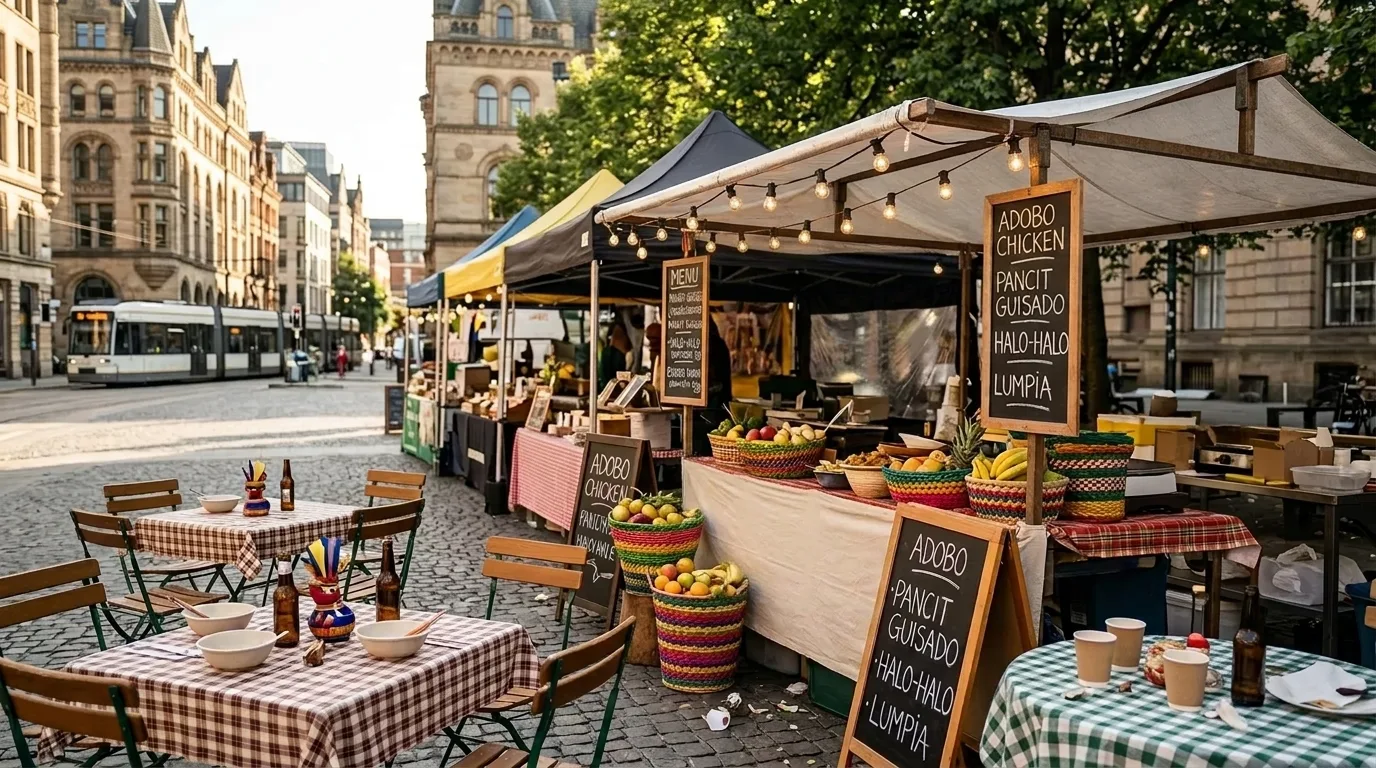
In Europe, Filipino organizations have expanded Independence Day activities to include cultural exhibitions, heritage presentations, networking events, and community outreach initiatives. European audiences increasingly participate in these celebrations, reflecting growing interest in Philippine culture and the positive relationships Filipino communities have developed within their host countries. Cultural advocates note that these events create valuable opportunities for intercultural dialogue and mutual understanding.
The Middle East remains home to some of the largest overseas Filipino populations, and Independence Day celebrations there continue to attract significant participation. Filipino communities organize large-scale gatherings featuring entertainment programs, cultural showcases, family activities, and community recognition ceremonies. For many overseas workers, these events provide important opportunities to celebrate national identity while strengthening social connections and support networks. Community leaders emphasize that Independence Day serves as a meaningful reminder of shared heritage and collective resilience.
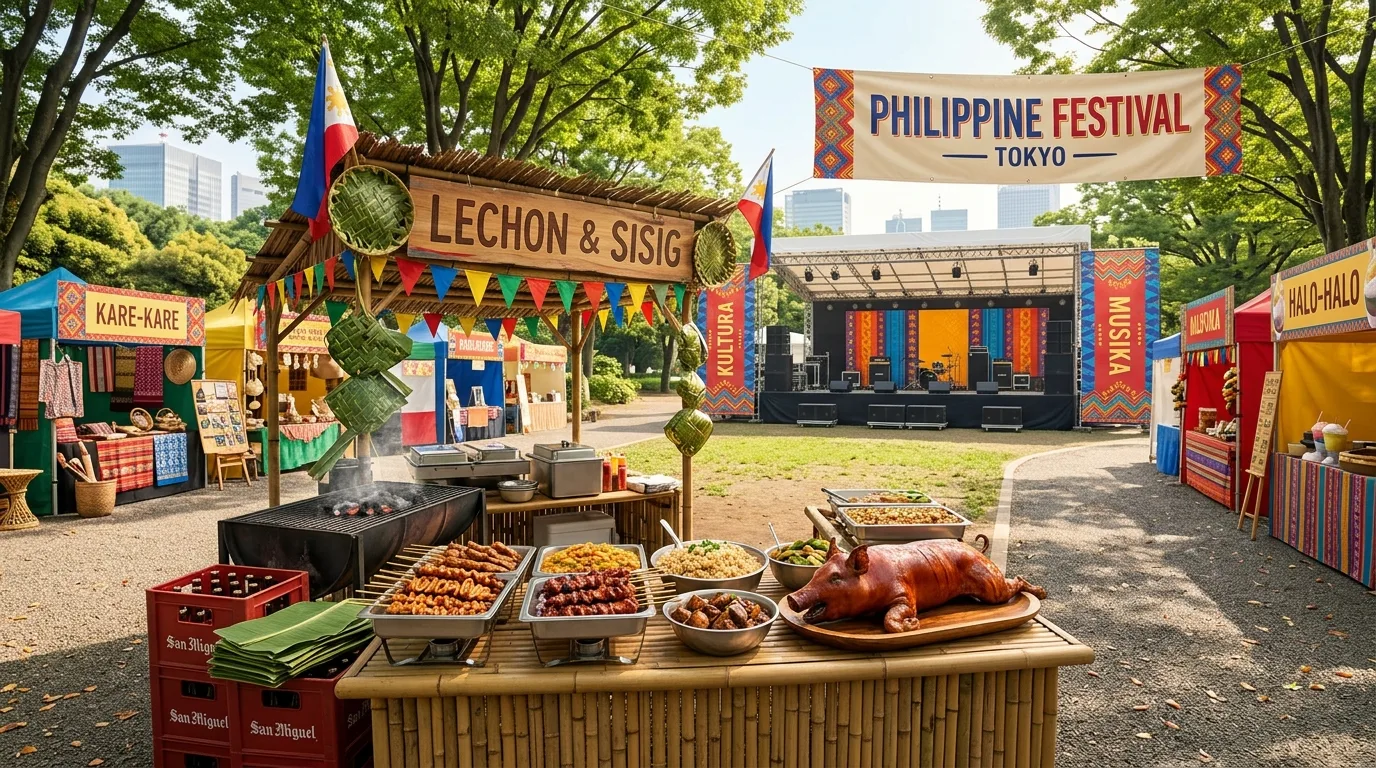
Across Asia-Pacific regions, Filipino communities are also expanding their celebrations. In cities throughout Japan, South Korea, Singapore, Hong Kong, Australia, and New Zealand, Independence Day events have become highly anticipated annual occasions. Cultural performances, food festivals, educational exhibits, and family-oriented activities help create vibrant celebrations that appeal to both Filipino residents and local audiences. Organizers report growing interest from non-Filipino participants who wish to learn more about Philippine culture and history.
Traditional cultural performances remain among the most popular features of Independence Day celebrations. Folk dances, musical presentations, cultural reenactments, and artistic showcases introduce audiences to the rich diversity of Philippine heritage. Performers often represent different regions of the Philippines, highlighting the country's varied traditions, languages, costumes, and cultural expressions. These presentations provide educational value while preserving cultural practices for future generations.
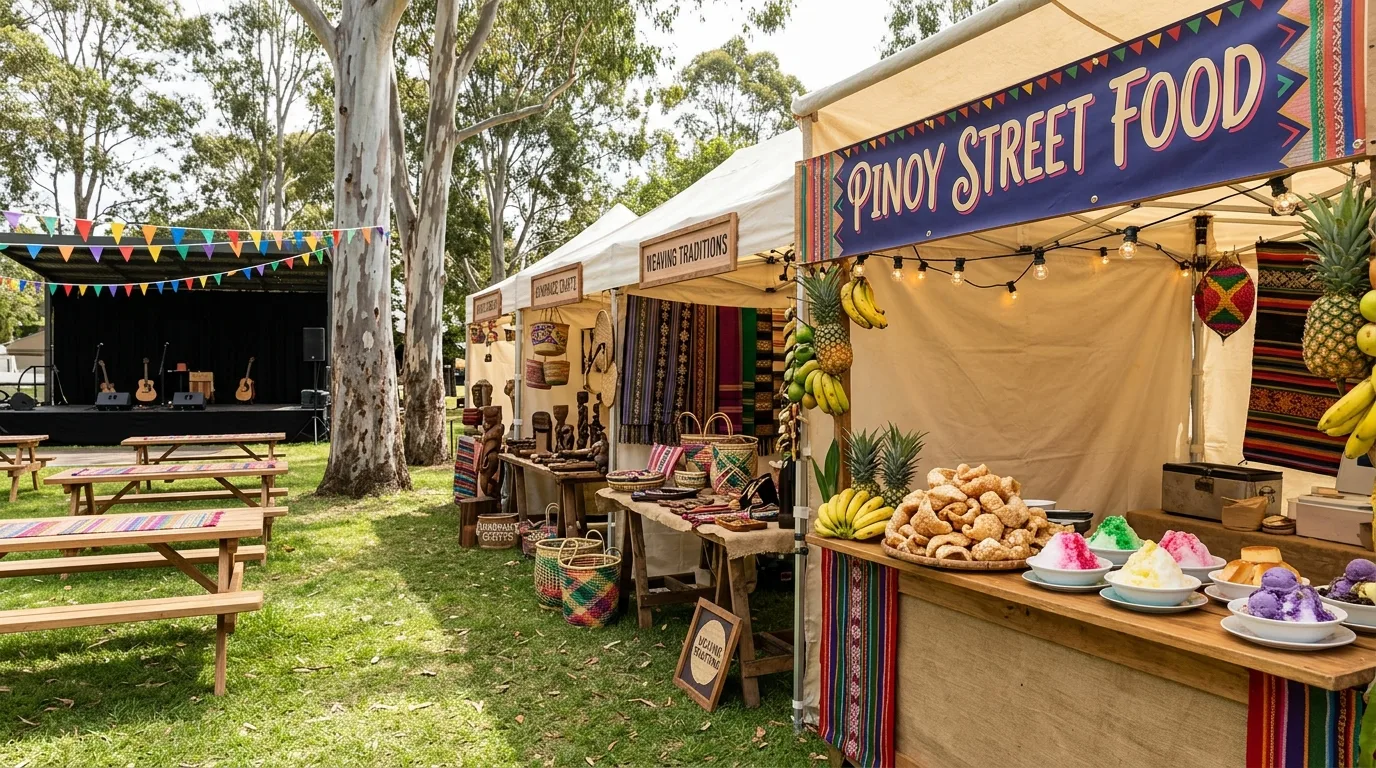
Filipino cuisine continues to be a major attraction during Independence Day events. Food festivals and culinary showcases allow visitors to experience traditional dishes and regional specialties while learning about the cultural significance of Filipino gastronomy. Organizers frequently observe that food serves as one of the most effective ways to introduce people to Philippine culture. Culinary experiences often inspire deeper curiosity about the country's history, traditions, and tourism destinations.
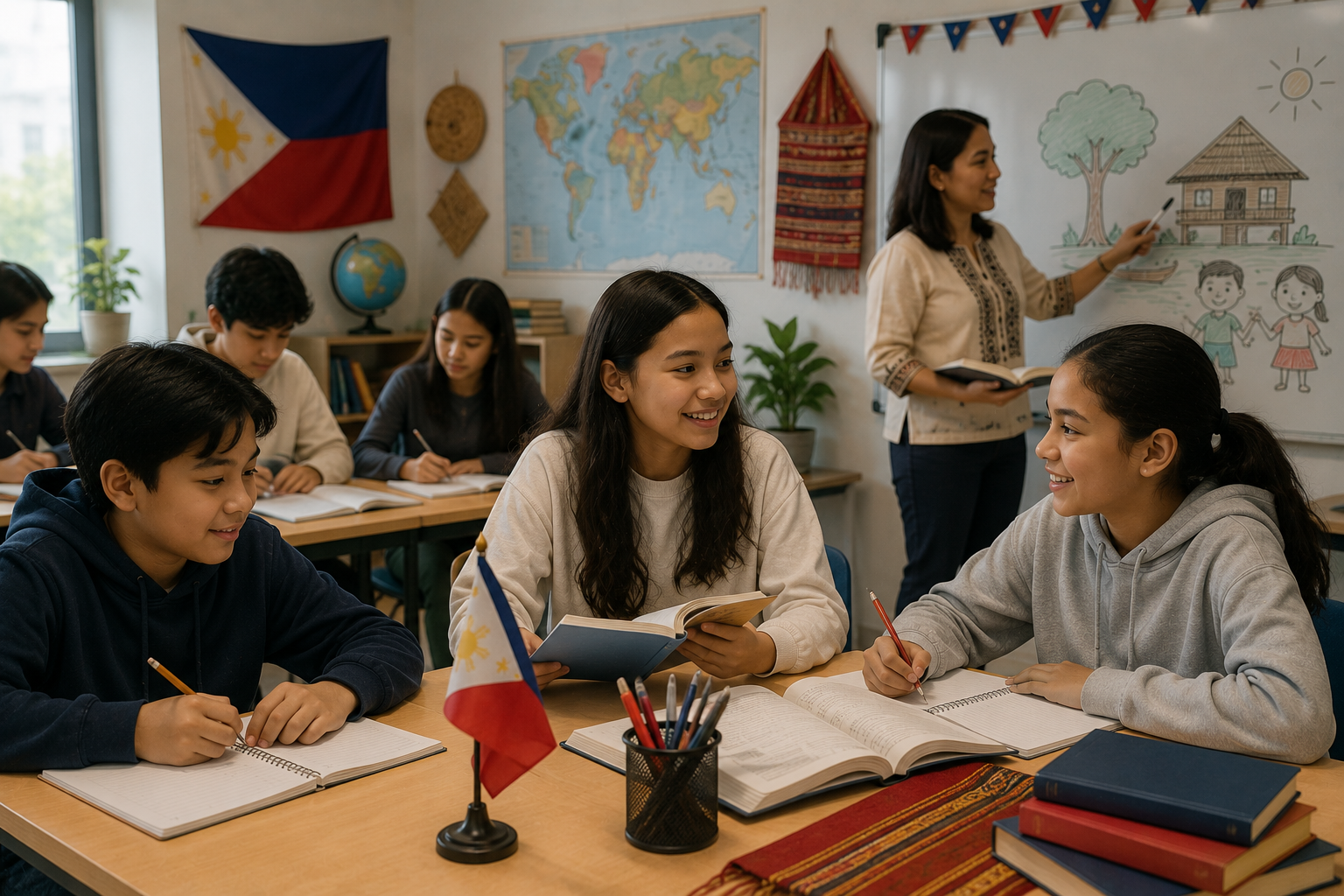
Educational programming has become an increasingly important component of Independence Day celebrations. Historical exhibits, lectures, workshops, cultural discussions, and heritage presentations provide attendees with opportunities to learn about the events and individuals that shaped Philippine independence. Community leaders believe that these educational activities help ensure that celebrations remain meaningful while promoting greater understanding of national history and civic identity.
The involvement of young Filipinos has contributed significantly to the continued expansion of Independence Day celebrations. Youth organizations, student associations, and young professionals frequently take leadership roles in event planning, volunteer coordination, cultural performances, and digital engagement initiatives. Their participation introduces fresh ideas and innovative approaches while ensuring that Independence Day remains relevant to younger generations. Community advocates view youth leadership as essential for sustaining cultural traditions and strengthening community engagement.
Technology has played a transformative role in expanding the reach of Independence Day celebrations. Social media platforms, livestream broadcasts, virtual cultural exhibits, and digital storytelling projects enable organizers to connect with audiences far beyond event venues. Filipinos from different countries can participate in celebrations online, creating shared experiences that transcend geographic boundaries. Organizers note that digital engagement has significantly increased visibility while strengthening connections among overseas communities worldwide.
Many Independence Day events also highlight the achievements and contributions of Filipinos in various fields. Awards ceremonies, recognition programs, and community honors celebrate accomplishments in healthcare, education, business, science, technology, public service, arts, and community leadership. These recognitions reinforce community pride while inspiring future generations to pursue excellence and contribute positively to society.
The spirit of bayanihan remains a defining characteristic of Independence Day celebrations abroad. Volunteers dedicate countless hours to organizing events, coordinating logistics, preparing performances, and supporting participants. Their collective efforts reflect traditional Filipino values of cooperation, generosity, and community support. Organizers consistently emphasize that volunteerism is one of the key factors behind the success and sustainability of Independence Day programs.
Partnerships with local governments, cultural institutions, educational organizations, and community groups have strengthened the impact of celebrations. Many cities now officially recognize Philippine Independence Day through proclamations, cultural partnerships, and participation by public officials. These collaborations contribute to broader cultural recognition while fostering positive relationships between Filipino communities and local stakeholders.
The growing scale of Independence Day celebrations has also generated economic benefits. Local businesses, vendors, artists, performers, and entrepreneurs benefit from increased visibility and participation opportunities. Festivals create economic activity while supporting cultural industries and community enterprises. Organizers note that successful events contribute positively to both cultural promotion and local economic development.
Tourism advocates recognize that overseas Independence Day celebrations can also influence travel interest in the Philippines. Cultural exhibits, tourism presentations, and heritage showcases often encourage attendees to learn more about the country's destinations and attractions. Many visitors express interest in experiencing Philippine festivals, historical landmarks, natural wonders, and cultural sites firsthand after attending Independence Day events abroad.
The increasing prominence of Independence Day celebrations reflects the growing influence of the global Filipino diaspora. Millions of Filipinos living and working abroad continue to maintain strong connections to their homeland while contributing significantly to the social, economic, and cultural development of their host countries. Independence Day provides opportunities to celebrate these contributions while strengthening community identity and visibility.
As Filipino communities continue to grow and evolve, organizers anticipate even greater expansion of Independence Day celebrations in the coming years. New partnerships, innovative programming, youth engagement initiatives, and digital technologies are expected to further enhance participation and cultural impact. Community leaders remain committed to ensuring that celebrations remain inclusive, educational, and meaningful for future generations.
Ultimately, the expansion of Philippine Independence Day celebrations across major global cities demonstrates the enduring strength of Filipino identity and the powerful connections that unite Filipinos around the world. Through cultural performances, educational programs, community gatherings, and acts of collective celebration, these events honor the nation's history while highlighting the achievements and aspirations of contemporary Filipino communities.
As the Philippine flag continues to be raised in cities across continents, Independence Day serves not only as a remembrance of the past but also as a celebration of the present and a source of inspiration for the future. The growing scale and significance of these global celebrations reflect the resilience, pride, and unity of the Filipino people, ensuring that the spirit of independence remains vibrant and meaningful wherever Filipinos may call home.
Enjoyed this story?
Share this story