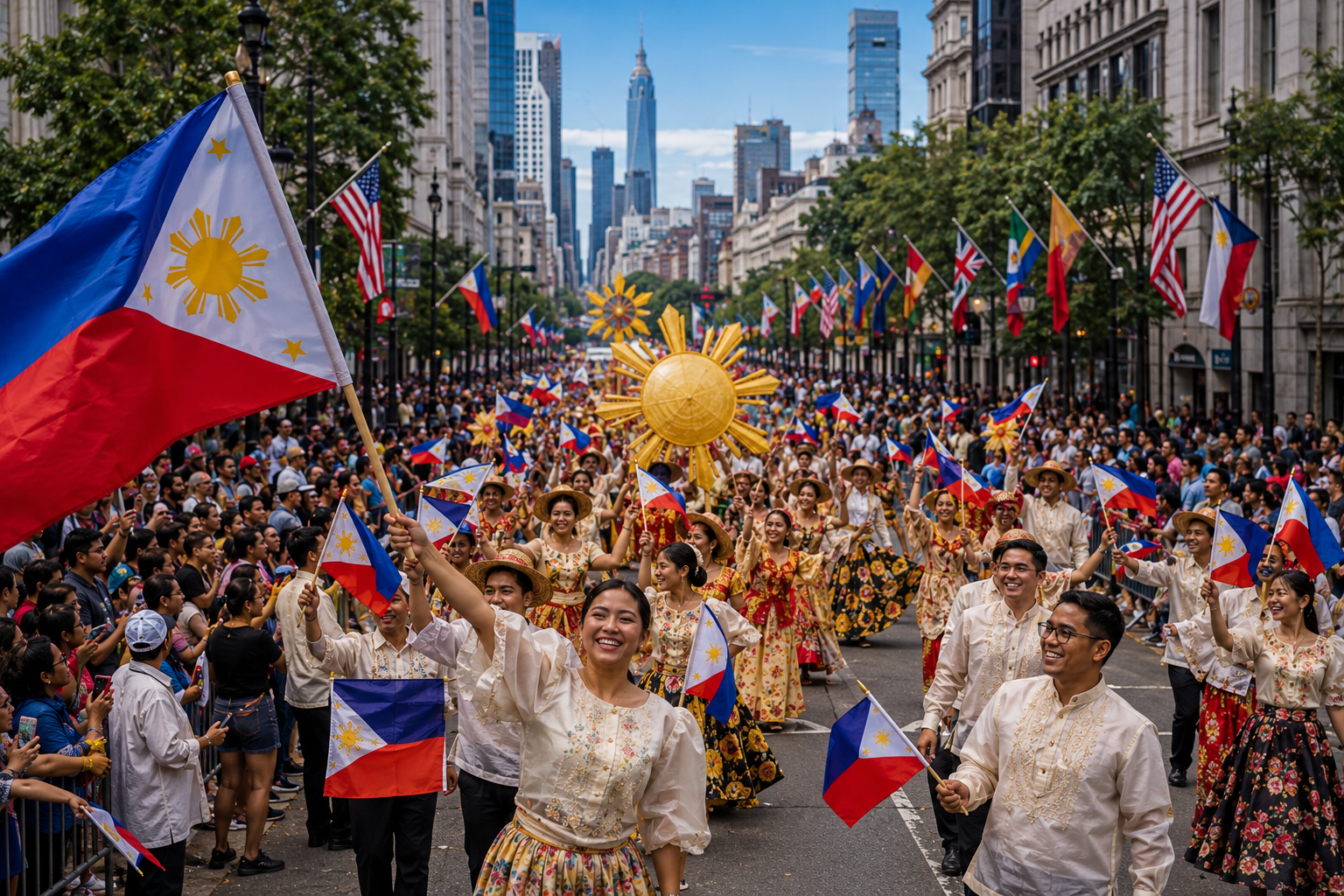
Philippine Independence Day Events Expand Across More Than 50 International Cities
Share
June 03, 2026
Updated Oct 16, 2026
7 min read
422 views
MANILA, Philippines — Philippine Independence Day celebrations are reaching unprecedented global scale as Filipino communities organize commemorative events in more than 50 international cities, highlighting the growing influence of overseas Filipinos and the enduring importance of national heritage beyond the country's borders.
From North America and Europe to the Middle East, Asia, and Oceania, Filipino organizations are bringing communities together through cultural festivals, heritage programs, parades, educational exhibits, musical performances, and civic activities designed to honor the nation's history and celebrate the achievements of Filipinos worldwide.
Community leaders describe the expansion of Independence Day celebrations as a reflection of both the growing size of the global Filipino diaspora and the increasing desire among overseas Filipinos to preserve cultural identity while sharing Philippine heritage with wider audiences.
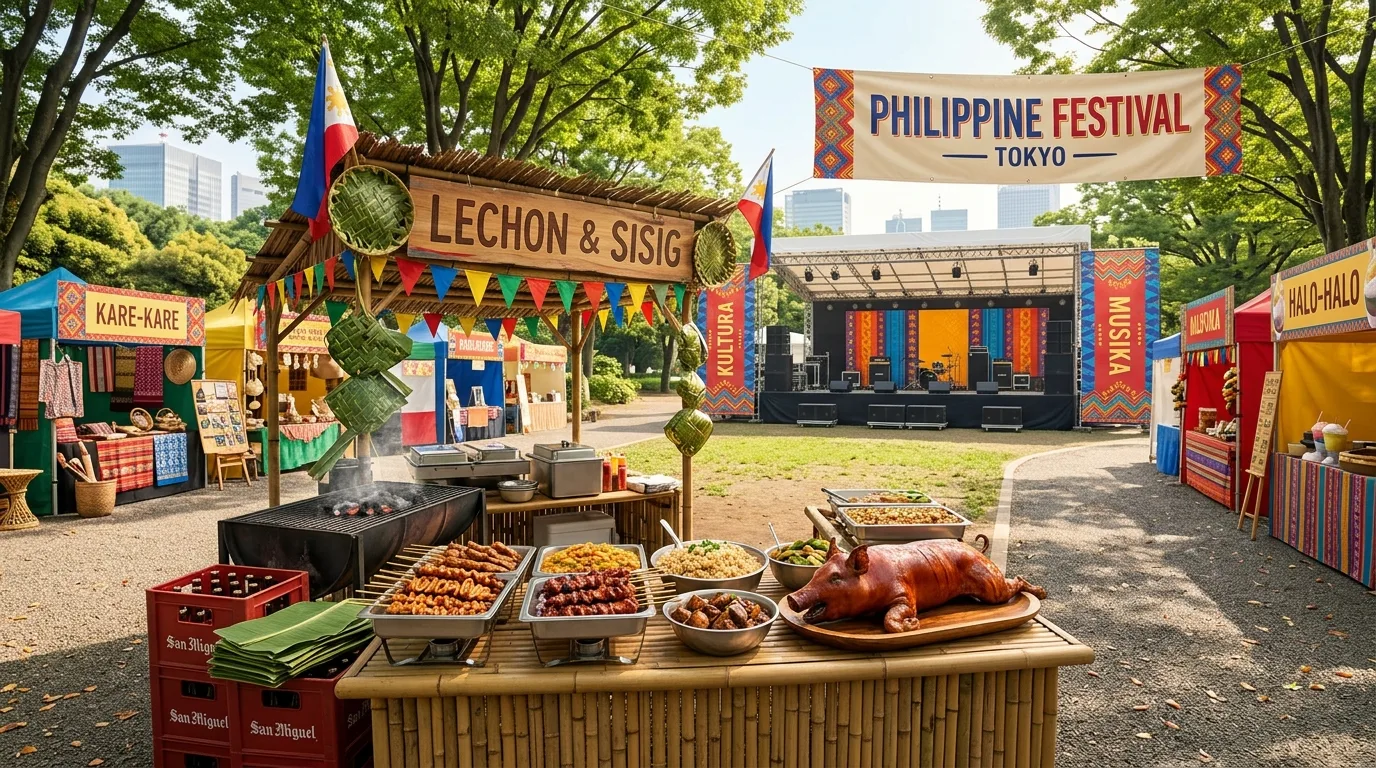
Throughout the month, major cities including New York, Los Angeles, San Francisco, Toronto, Vancouver, London, Dublin, Paris, Rome, Madrid, Amsterdam, Berlin, Dubai, Abu Dhabi, Doha, Singapore, Hong Kong, Tokyo, Sydney, Melbourne, Auckland, and many others have hosted or announced large-scale Independence Day activities.
Many of these celebrations have grown significantly in recent years, attracting larger audiences, expanding cultural programming, and increasing collaboration among community organizations, local governments, businesses, and educational institutions.
For millions of Filipinos living abroad, Independence Day serves as more than a historical commemoration. It is an opportunity to reconnect with cultural roots, strengthen community ties, and reflect on the values that continue to shape Filipino identity.
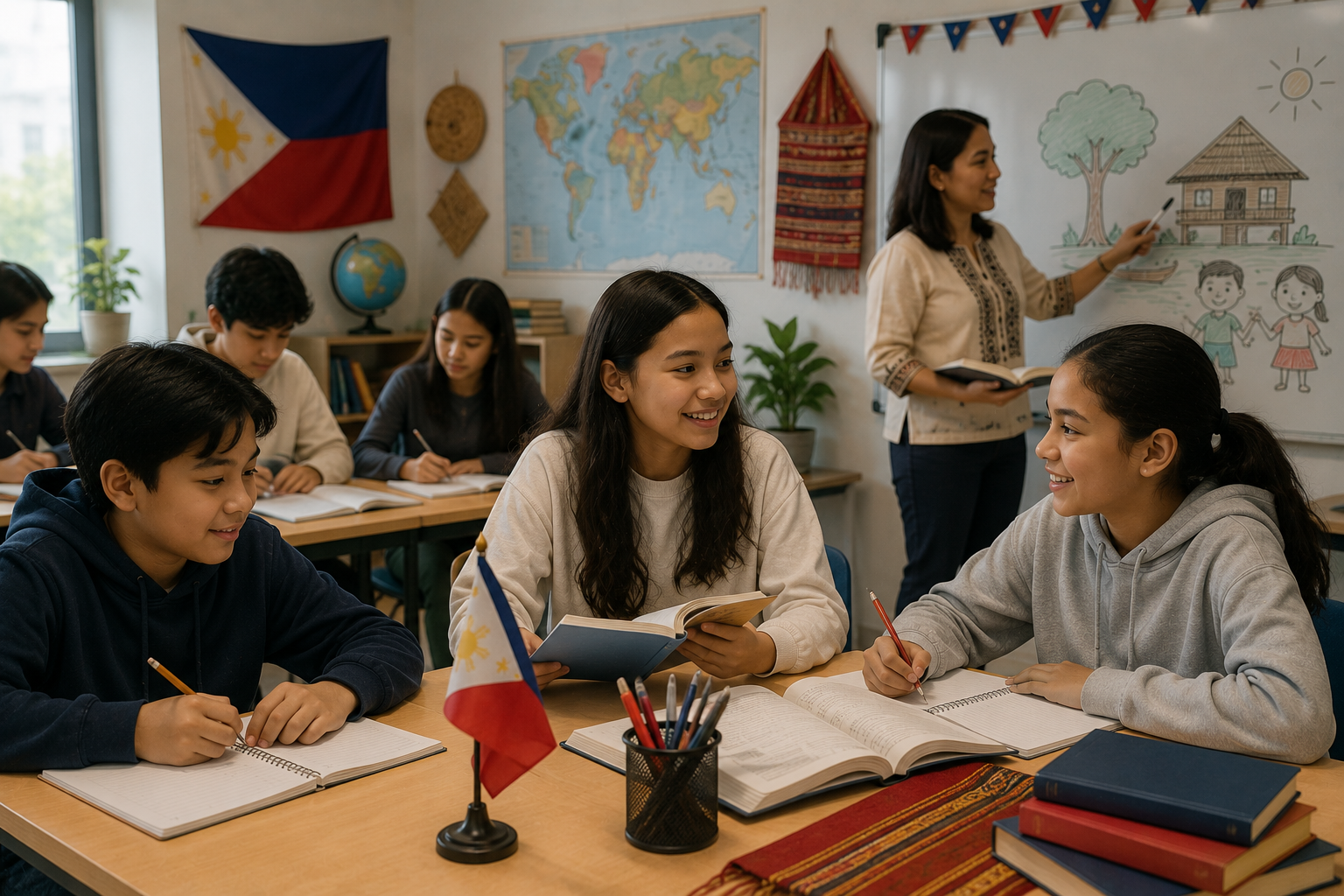
Community leaders emphasize that Independence Day celebrations help bridge generational gaps by providing meaningful opportunities for younger Filipinos to learn about Philippine history and heritage.
Many children and young adults born or raised abroad experience these events as important cultural learning opportunities.
Educational exhibits, historical presentations, youth leadership programs, and cultural workshops are increasingly integrated into Independence Day activities to help younger generations better understand the nation's journey and the significance of freedom, sovereignty, and national identity.
Organizers say these educational initiatives are among the most important components of modern celebrations.
The historical significance of Philippine Independence Day remains central to many commemorative programs.
Through exhibits, lectures, documentaries, and storytelling sessions, community organizations highlight key moments in Philippine history and the contributions of individuals who played important roles in shaping the nation.
Participants are encouraged to reflect not only on historical events but also on the values of resilience, determination, and unity that continue to inspire Filipinos today.
Cultural performances remain among the most popular features of Independence Day celebrations worldwide.
Dance groups, musicians, choirs, cultural ensembles, and artists present performances that showcase the diversity and richness of Philippine traditions.
Traditional folk dances representing different regions of the Philippines frequently draw enthusiastic audiences.
Colorful costumes, vibrant choreography, and live music help create memorable experiences while educating audiences about the country's cultural heritage.
Musical performances often feature a blend of traditional and contemporary Filipino works, reflecting both historical influences and modern artistic expression.
Community leaders note that music and dance serve as powerful tools for preserving culture while creating opportunities for intercultural dialogue.
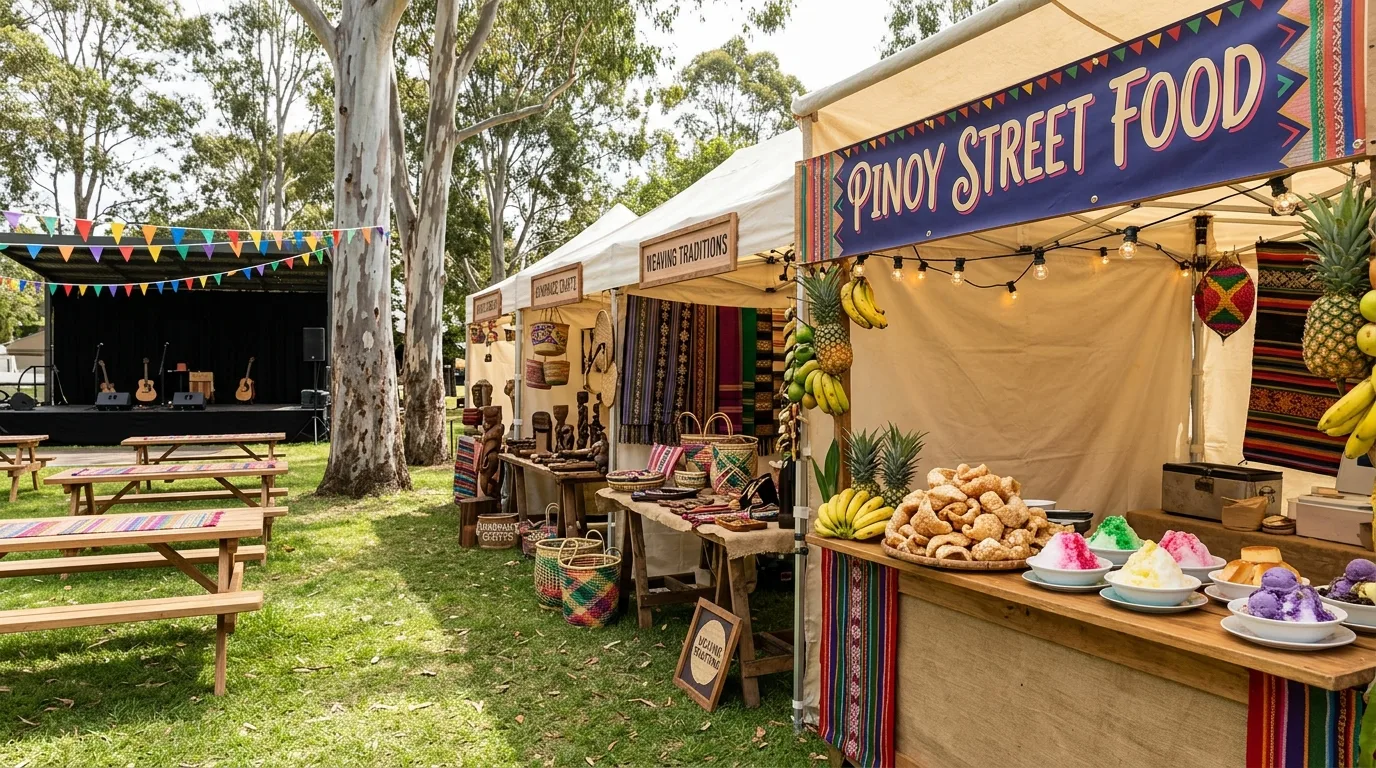
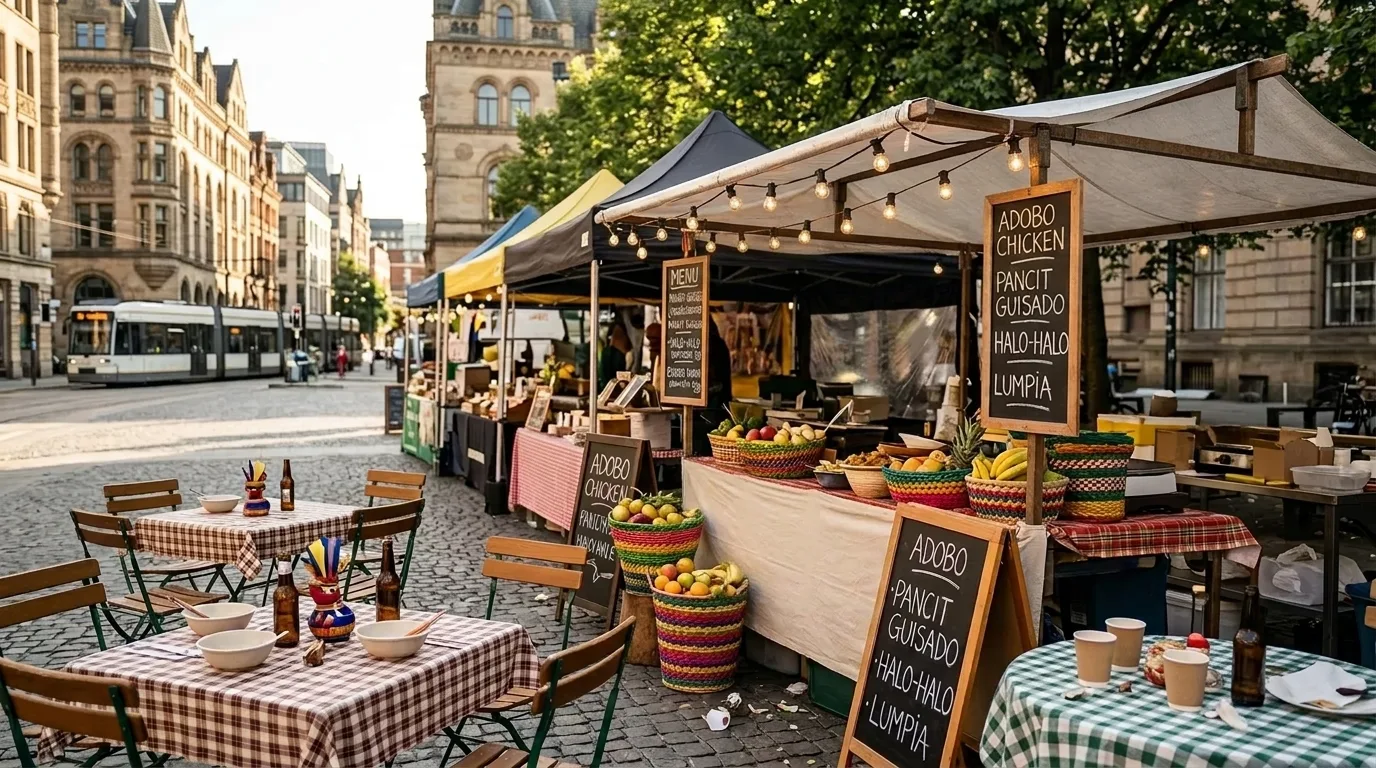
Food festivals have also become major attractions during Independence Day celebrations.
Visitors gather to enjoy traditional Filipino dishes and culinary specialties that highlight the country's diverse food culture.
Popular offerings such as adobo, lechon, pancit, lumpia, sisig, kare-kare, halo-halo, bibingka, and regional delicacies consistently attract large crowds.
For many attendees, food provides an accessible introduction to Filipino culture while creating opportunities for community interaction and cultural exchange.
The international popularity of Filipino cuisine has contributed significantly to the success of Independence Day events.
Many non-Filipino visitors attend celebrations specifically to experience authentic Philippine flavors and learn more about Filipino traditions.
Community organizations view culinary showcases as effective ways to promote cultural understanding and strengthen tourism interest.
Tourism promotion has become an increasingly important component of Independence Day programming.
Travel exhibits, destination presentations, cultural displays, and tourism information booths encourage visitors to learn more about the Philippines as a travel destination.
Organizers often highlight the country's natural attractions, cultural landmarks, historical sites, festivals, and diverse regional experiences.
Tourism advocates note that cultural engagement frequently inspires interest in visiting the Philippines, making Independence Day events valuable platforms for destination promotion.
Entrepreneurs and local businesses also play important roles in supporting celebrations.
Filipino-owned businesses frequently sponsor events, provide resources, support cultural programming, and participate as vendors or exhibitors.
Their involvement contributes to local economic activity while strengthening relationships within Filipino communities.
Business leaders often describe sponsorship as a way to support cultural preservation while giving back to communities that have contributed to their success.
Volunteerism remains one of the defining characteristics of Independence Day celebrations abroad.
Thousands of volunteers dedicate time and effort to planning, organizing, promoting, and executing events.
Community leaders frequently cite these efforts as examples of bayanihan—the Filipino tradition of collective action and mutual support.
The willingness of individuals to collaborate for the benefit of the community continues to be one of the most visible expressions of Filipino values worldwide.
Technology has significantly expanded the reach of Independence Day celebrations.
Livestreams, social media campaigns, digital exhibits, virtual concerts, and online educational programs enable participation from audiences around the world.
Family members, friends, and community supporters can engage with celebrations regardless of geographic location.
This digital accessibility has increased visibility for Filipino culture and strengthened connections among diaspora communities.
Social media platforms also allow organizers to share historical content, cultural performances, and community stories with broader audiences.
The resulting engagement has helped raise awareness about Philippine heritage while encouraging greater participation in cultural activities.
Government representatives, diplomatic missions, and community leaders frequently participate in major Independence Day events.
Their presence highlights the importance of overseas Filipino communities and recognizes their contributions to host societies.
Officials often praise Filipinos for their achievements in healthcare, education, business, technology, engineering, public service, hospitality, and numerous other fields.
These recognitions reinforce a sense of pride while celebrating the positive impact of Filipino communities worldwide.
Observers note that the continued expansion of Independence Day celebrations reflects broader trends in cultural engagement and diaspora development.
As overseas Filipino populations continue to grow, cultural events have become increasingly important mechanisms for preserving identity, strengthening social networks, and fostering community resilience.
The success of celebrations across more than 50 cities demonstrates the adaptability and vitality of Filipino traditions.
Rather than diminishing with distance, cultural practices continue to evolve and thrive within diverse international contexts.
Community organizations are already planning future initiatives aimed at expanding participation, increasing educational programming, strengthening youth engagement, and enhancing international collaboration.
Many leaders envision even larger celebrations in the years ahead as global Filipino communities continue to grow and connect.
Ultimately, the expansion of Philippine Independence Day events around the world represents more than a series of cultural gatherings.
It reflects the enduring strength of Filipino identity, the resilience of cultural traditions, and the commitment of overseas communities to preserving heritage while contributing positively to society.
Through music, dance, food, education, tourism promotion, volunteerism, and community engagement, Independence Day celebrations continue to inspire pride and strengthen connections among Filipinos everywhere.
Each event serves as a reminder that the story of the Philippines extends far beyond its geographic borders.
It lives on through the millions of Filipinos who continue to honor their heritage, celebrate their culture, and share their traditions with the world.
As Philippine Independence Day celebrations continue to expand across international cities, they stand as powerful examples of how culture can unite people, preserve history, and inspire future generations.
From grand festivals and cultural showcases to educational initiatives and community gatherings, these events demonstrate that the spirit of freedom, resilience, and national pride remains alive and thriving wherever Filipinos call home.
Across more than 50 cities and countless communities, the message is clear: the Filipino spirit knows no borders, and the celebration of independence continues to bring people together across continents, cultures, and generations.
Enjoyed this story?
Share this story