Philippine Language and Heritage Programs Gain Momentum in Global Filipino Communities
Share
June 20, 2026
Updated Oct 16, 2026
8 min read
166 views
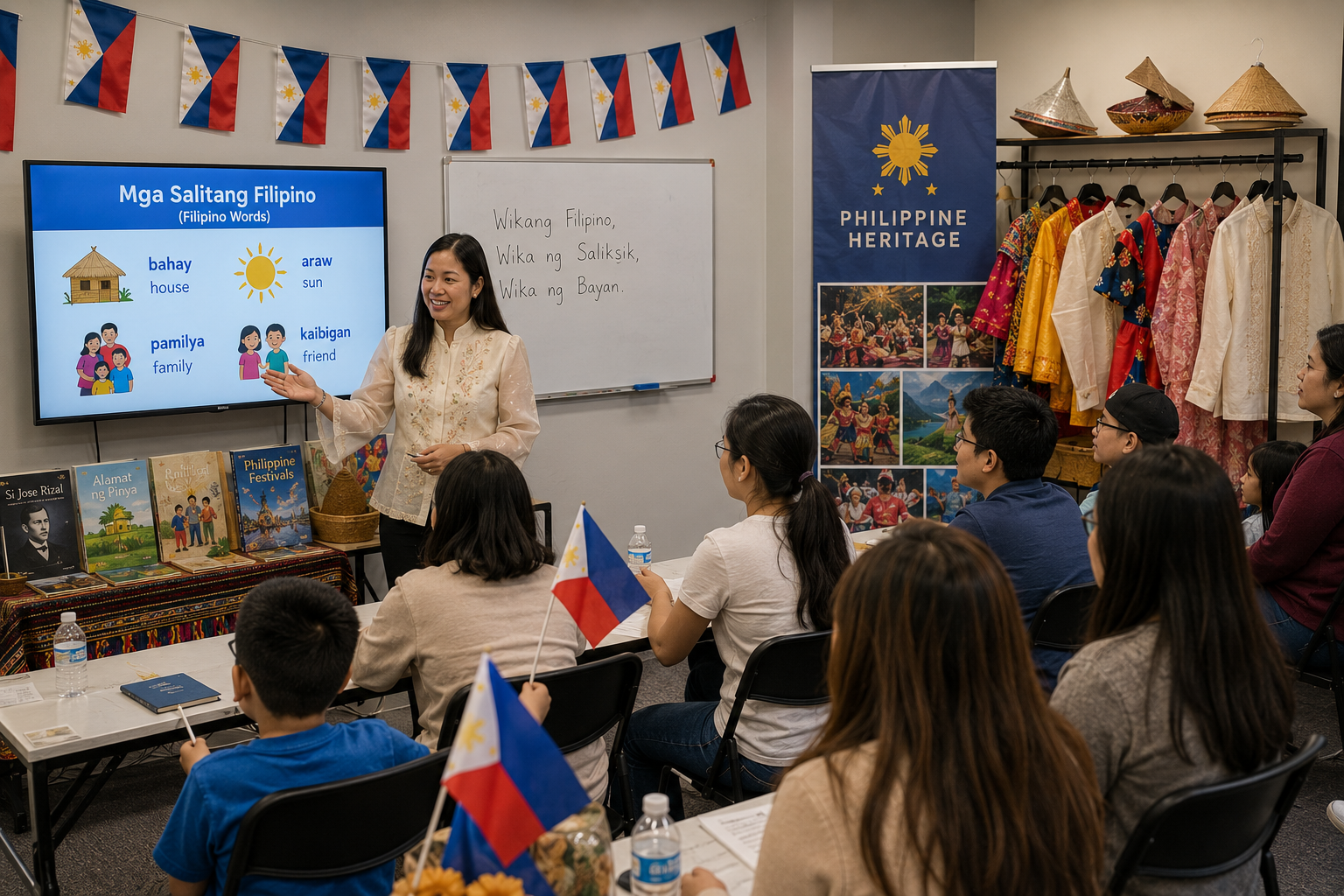
MANILA, Philippines — Philippine language and heritage programs are experiencing significant growth across Filipino communities worldwide as cultural organizations, educators, community leaders, and volunteers strengthen efforts to preserve Filipino identity among younger generations. From North America and Europe to Asia, Australia, the Middle East, and other regions with established Filipino populations, communities are investing in educational initiatives designed to teach language, history, traditions, and cultural values while helping Filipinos maintain strong connections to their heritage despite living far from their ancestral homeland.
The increasing popularity of these programs reflects a growing recognition of the importance of cultural preservation in a rapidly globalizing world. For many Overseas Filipinos, maintaining a connection to Philippine culture is viewed as an essential part of strengthening identity, fostering community belonging, and ensuring that future generations understand the traditions and values that have shaped Filipino society. Community leaders emphasize that language and heritage education play critical roles in preserving cultural continuity while helping young Filipinos appreciate the richness and diversity of their roots.
Many Filipino families living abroad face unique challenges when it comes to passing cultural knowledge to younger generations. Children born or raised outside the Philippines often grow up in multicultural environments where exposure to Filipino language and traditions may be limited compared to previous generations. While these multicultural experiences provide valuable opportunities for learning and adaptation, community advocates recognize the importance of creating dedicated spaces where young people can explore and celebrate their Filipino identity. Language and heritage programs have emerged as effective solutions that help bridge cultural gaps while encouraging deeper connections to family history and cultural traditions.
Language education remains one of the primary focuses of many heritage initiatives. Programs frequently offer instruction in Filipino, Tagalog, and various regional languages, helping participants develop communication skills while gaining insights into cultural expressions, customs, and traditions embedded within language. Educators note that language serves as more than a means of communication; it also carries stories, values, perspectives, and historical experiences that contribute to cultural understanding. By learning Filipino languages, young people gain access to important aspects of their heritage that might otherwise become less familiar over time.
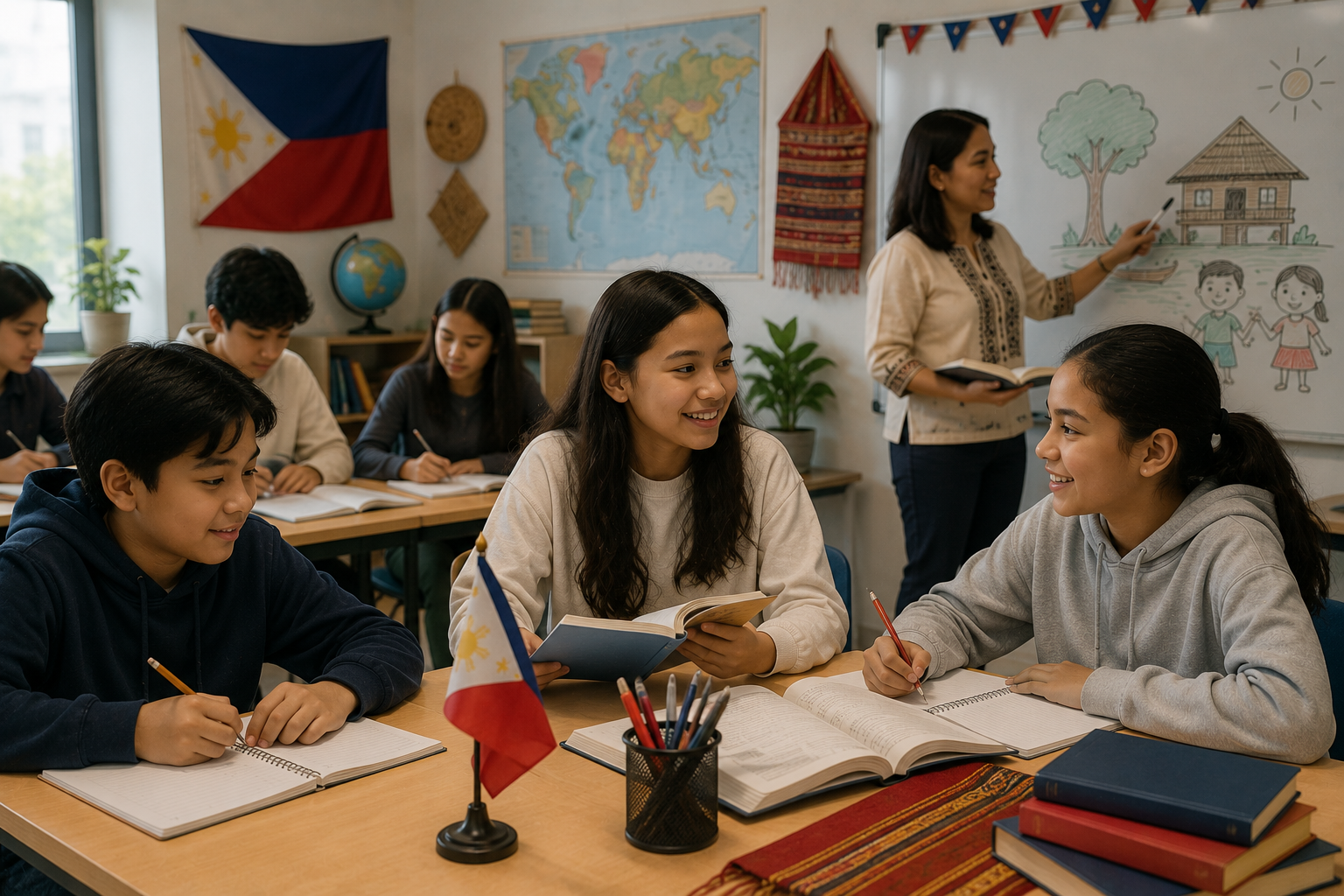
Community organizations have developed diverse approaches to language instruction in order to meet the needs of different age groups and learning styles. Weekend language schools, online classes, cultural camps, interactive workshops, and family-based learning activities provide opportunities for participation regardless of location or schedule. Many programs incorporate games, storytelling, music, and creative activities that make learning engaging and accessible. Organizers believe that combining education with enjoyable experiences helps encourage sustained participation and positive attitudes toward cultural learning.
Heritage education extends far beyond language instruction. Many programs include lessons on Philippine history, geography, literature, traditional arts, cultural practices, and significant historical figures. Through these educational experiences, participants gain a broader understanding of the events, traditions, and achievements that have shaped the Philippines. Community leaders emphasize that heritage education helps foster pride and appreciation while providing important context for understanding contemporary Filipino identity.
Storytelling has become a particularly valuable component of heritage programs. Traditional stories, folklore, legends, family narratives, and migration experiences provide meaningful opportunities for cultural learning and intergenerational connection. Elders and community leaders often share personal experiences and historical accounts that help younger generations understand the journeys, sacrifices, and achievements of previous generations. Organizers note that storytelling creates emotional connections that make cultural lessons more memorable and impactful.
Many heritage programs also incorporate traditional music, dance, and artistic expression. Cultural workshops frequently introduce participants to folk dances, traditional songs, indigenous art forms, and creative practices that reflect the diversity of Philippine culture. These activities allow participants to experience heritage in active and engaging ways while developing appreciation for artistic traditions that have been preserved across generations. Community leaders believe that arts-based learning contributes significantly to cultural understanding and identity formation.
The involvement of youth has become a defining characteristic of many successful language and heritage programs. Young Filipinos increasingly serve as student leaders, volunteers, cultural ambassadors, and program organizers who help shape educational activities and outreach efforts. Their participation brings fresh ideas and contemporary perspectives that make programs more relevant to modern audiences. Community advocates emphasize that youth leadership is essential for ensuring the long-term sustainability of cultural preservation initiatives.
Digital technology has significantly expanded access to language and heritage education. Online learning platforms, virtual classrooms, educational applications, social media content, digital libraries, and interactive resources allow organizations to reach participants regardless of geographic location. Many communities have embraced hybrid approaches that combine in-person activities with digital learning opportunities, increasing flexibility and accessibility. Organizers report that technology has enabled programs to engage larger audiences while supporting innovative forms of cultural education.
Second-generation and third-generation Filipinos often represent key participants in these initiatives. For many young people growing up abroad, language and heritage programs provide valuable opportunities to explore aspects of identity that may not be fully represented in their everyday environments. Through participation, they gain stronger connections to family traditions, cultural values, and community networks. Community leaders note that these experiences often contribute to greater self-confidence and a stronger sense of belonging.
The multicultural settings in which many programs operate also create opportunities for intercultural learning and dialogue. Non-Filipino family members, friends, educators, and community members are frequently invited to participate in cultural activities, creating inclusive environments that encourage broader appreciation for Philippine heritage. Organizers believe that sharing culture with diverse audiences helps strengthen mutual understanding while promoting respect for cultural diversity.
Many heritage programs place significant emphasis on Filipino values such as respect, family unity, hospitality, resilience, gratitude, and bayanihan. Educators and community leaders view these values as important components of cultural identity that remain relevant regardless of geographic location. Through discussions, activities, and community service initiatives, participants explore how traditional values can be applied within contemporary contexts while contributing positively to society.
Community partnerships have played important roles in the expansion of language and heritage programs. Collaborations with schools, cultural institutions, libraries, museums, universities, nonprofit organizations, and local governments help provide resources, expertise, and visibility that strengthen educational efforts. Organizers note that partnerships contribute to program sustainability while expanding opportunities for cultural engagement and learning.
The growing popularity of heritage education reflects broader trends among global Filipino communities. As Overseas Filipinos become increasingly established in their host countries, many families seek ways to maintain meaningful connections to their cultural roots while adapting to changing social environments. Heritage programs help address this need by providing structured opportunities for learning, participation, and community involvement. Community leaders view these initiatives as important investments in future generations.
Many participants report positive outcomes from involvement in language and heritage programs. Improved language skills, stronger cultural awareness, enhanced self-confidence, and increased community engagement are among the benefits frequently cited by students and families. Parents often express appreciation for programs that help children develop a deeper understanding of their heritage while fostering pride in their cultural identity.
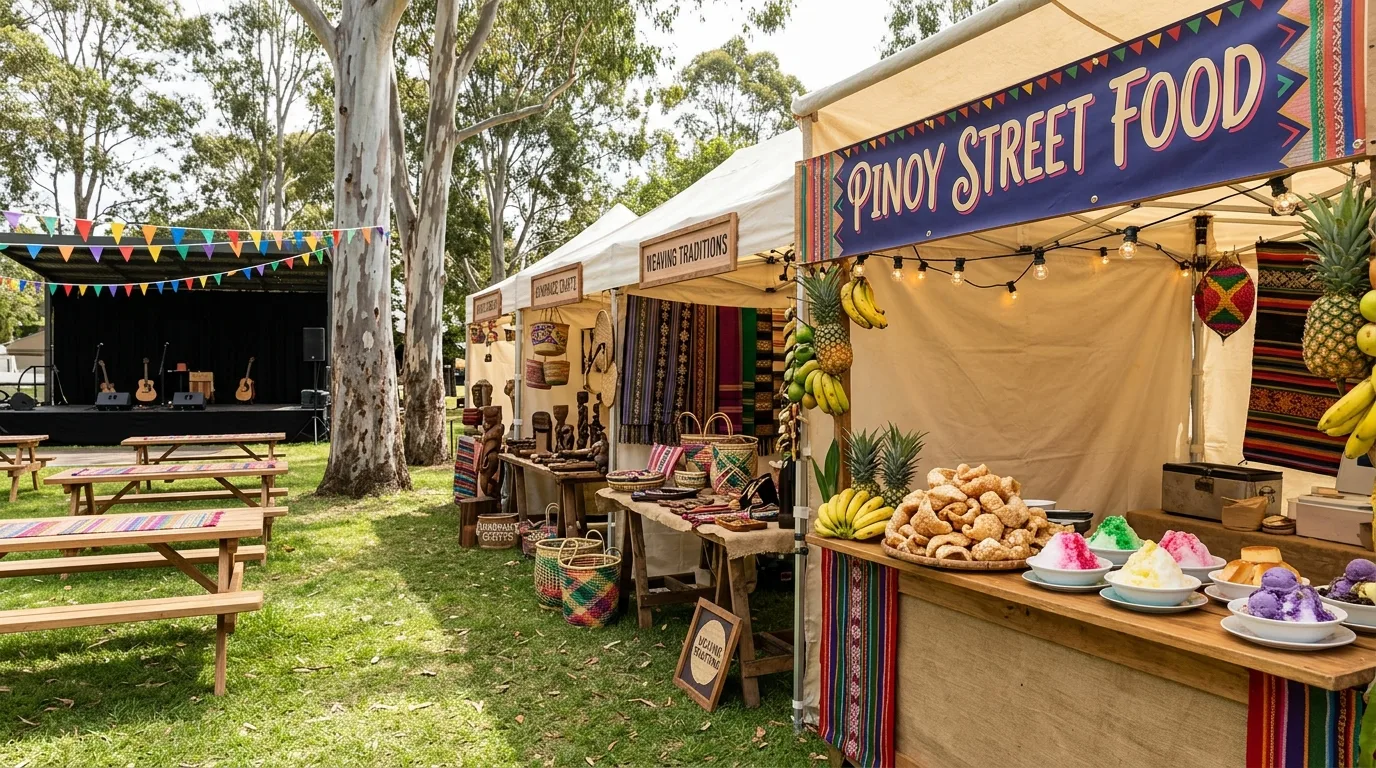
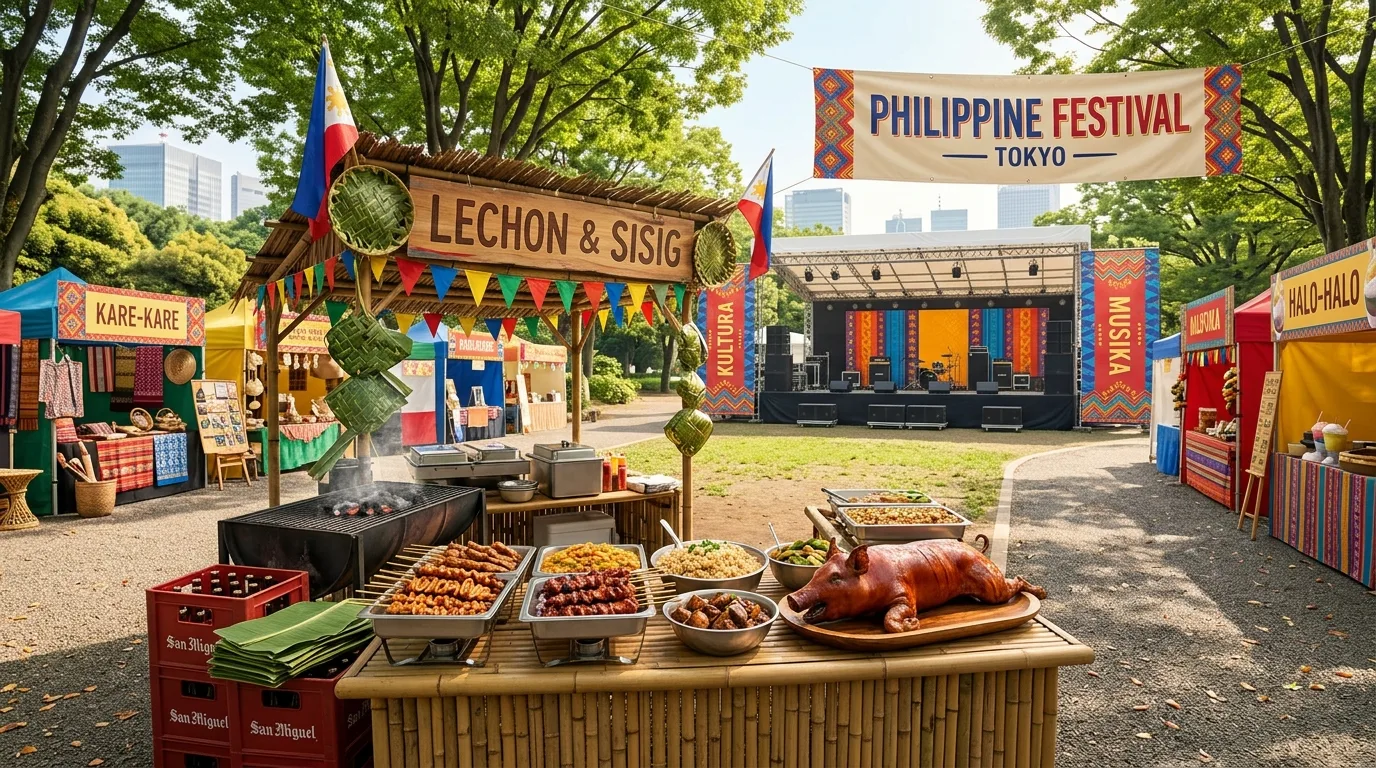
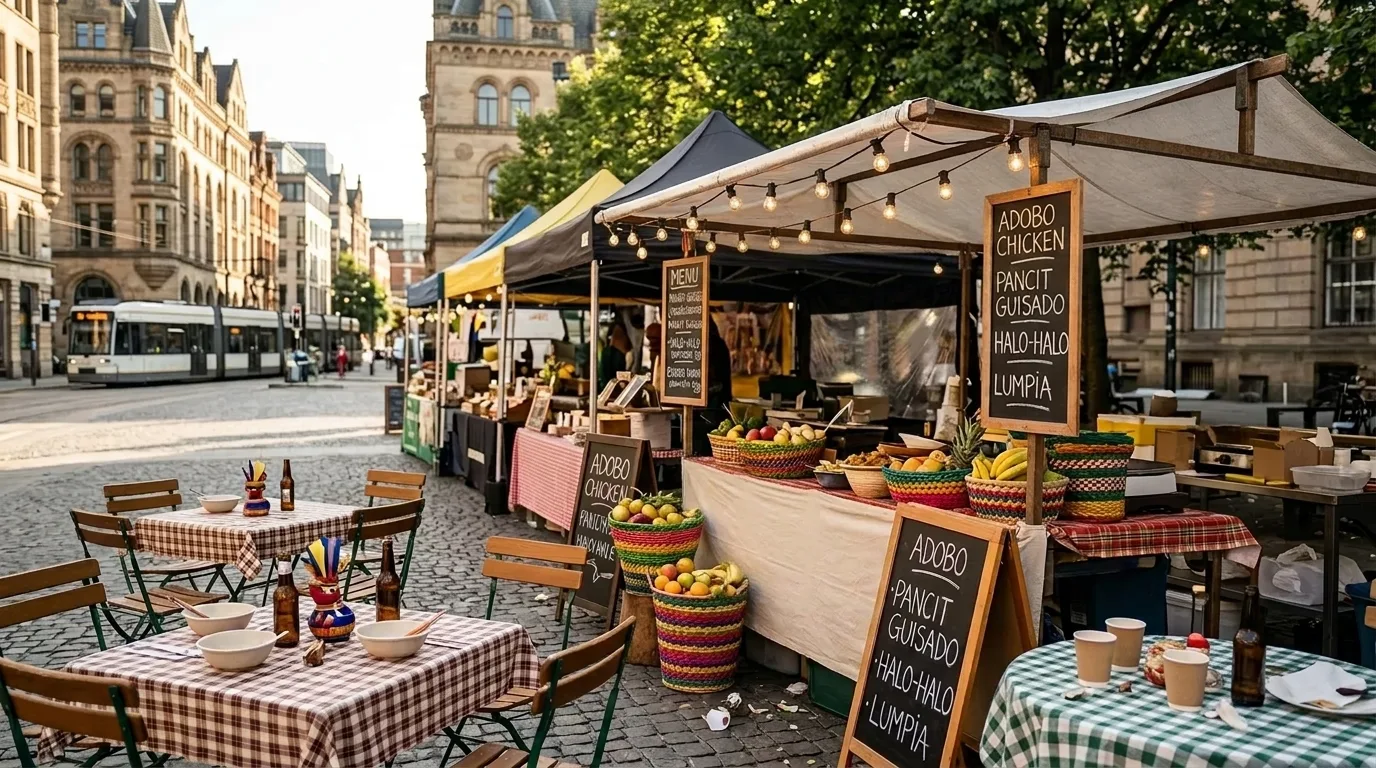
Cultural festivals and community celebrations often serve as extensions of heritage education programs. Students frequently participate in performances, exhibitions, language presentations, and cultural demonstrations that allow them to apply what they have learned while sharing traditions with broader audiences. These public events create opportunities to celebrate achievements while promoting awareness of Filipino culture within host communities.
The preservation of regional cultures has also become an important focus for many organizations. In addition to teaching national history and language, some programs highlight regional traditions, dialects, indigenous cultures, and local histories that contribute to the diversity of Philippine heritage. Organizers believe that recognizing regional diversity helps create more comprehensive and inclusive representations of Filipino identity.
Looking ahead, community leaders anticipate continued growth in language and heritage education initiatives. Increasing community support, advances in digital learning technologies, stronger international collaboration, and greater youth involvement are expected to contribute to further program development. Many organizations are exploring innovative approaches that combine traditional cultural education with modern teaching methods and interactive experiences.
Ultimately, the growing momentum behind Philippine language and heritage programs demonstrates the enduring commitment of global Filipino communities to preserving and celebrating their cultural legacy. Through education, storytelling, artistic expression, community engagement, and intergenerational collaboration, these programs help ensure that Philippine culture remains vibrant and meaningful for future generations.
As Filipino communities continue to flourish around the world, language and heritage initiatives stand as powerful examples of how culture can be preserved, shared, and strengthened across borders. By investing in education and cultural learning today, Overseas Filipinos are helping build a future where the stories, traditions, values, and languages of the Philippines continue to inspire pride, understanding, and connection among generations yet to come.
Enjoyed this story?
Share this story