Philippine Regional Festivals Inspire Cultural Celebrations Overseas
Share
June 10, 2026
Updated Oct 15, 2026
7 min read
364 views
MANILA, Philippines — Philippine regional festivals are serving as powerful sources of inspiration for cultural celebrations organized by Filipino communities across the globe. From North America and Europe to Australia, Asia, and the Middle East, overseas Filipinos are embracing the traditions, creativity, and community spirit embodied by some of the Philippines' most beloved festivals. Through vibrant cultural events, heritage showcases, traditional performances, and community gatherings, Filipino communities abroad are finding meaningful ways to preserve their roots while sharing the richness of Philippine culture with international audiences.
The Philippines is known for its colorful and diverse festival culture. Throughout the year, cities, provinces, and municipalities celebrate local traditions, religious heritage, historical milestones, and cultural identities through festivals that bring communities together. These events often feature music, dance, costumes, culinary traditions, and artistic expressions that reflect the unique character of different regions. For Filipinos living abroad, these festivals represent more than celebrations—they serve as enduring reminders of home, identity, and cultural belonging.
As Filipino populations continue to grow in many countries, community organizations have increasingly sought ways to recreate the spirit of these regional festivals overseas. Community leaders explain that organizing festival-inspired events helps strengthen cultural connections among Filipinos while creating opportunities for younger generations to learn about their heritage. Through these celebrations, traditions that originated in local communities throughout the Philippines are being introduced to new audiences thousands of miles away.
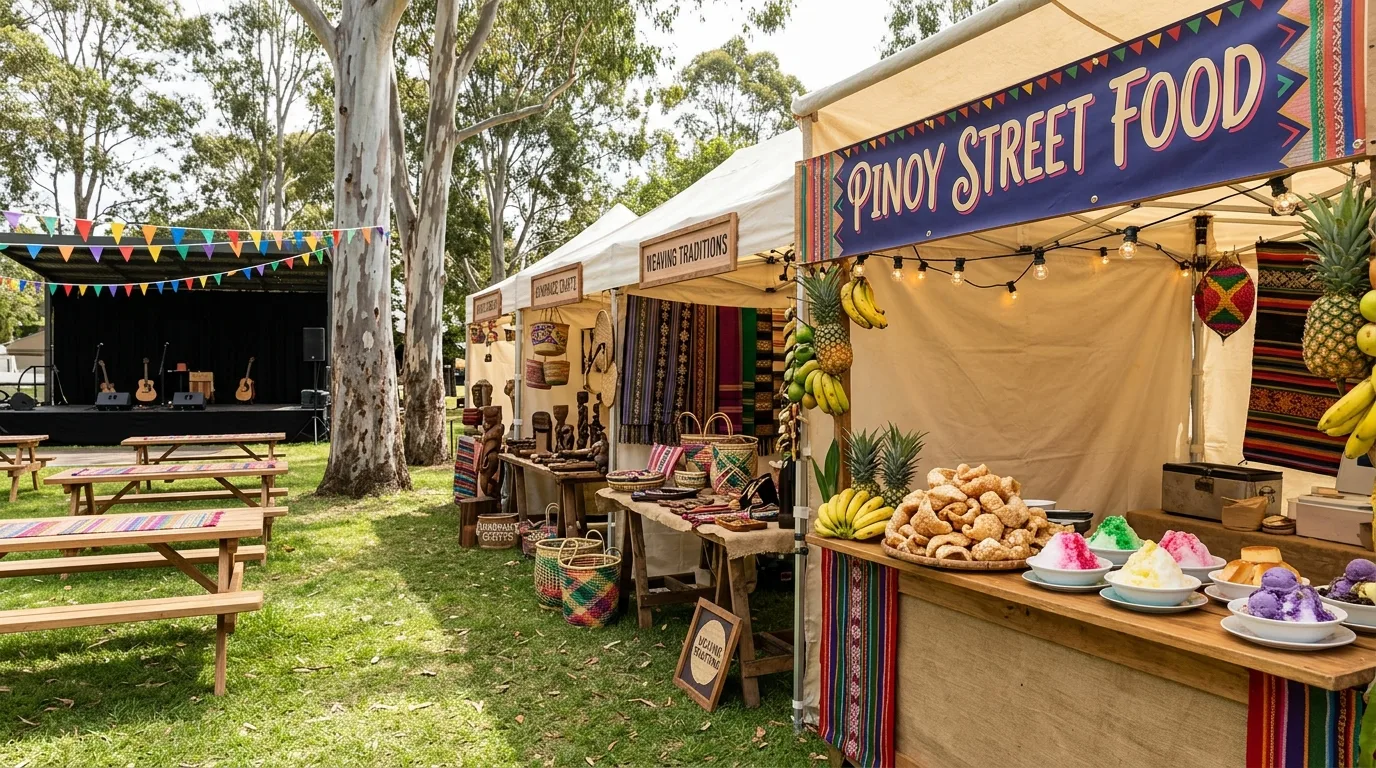
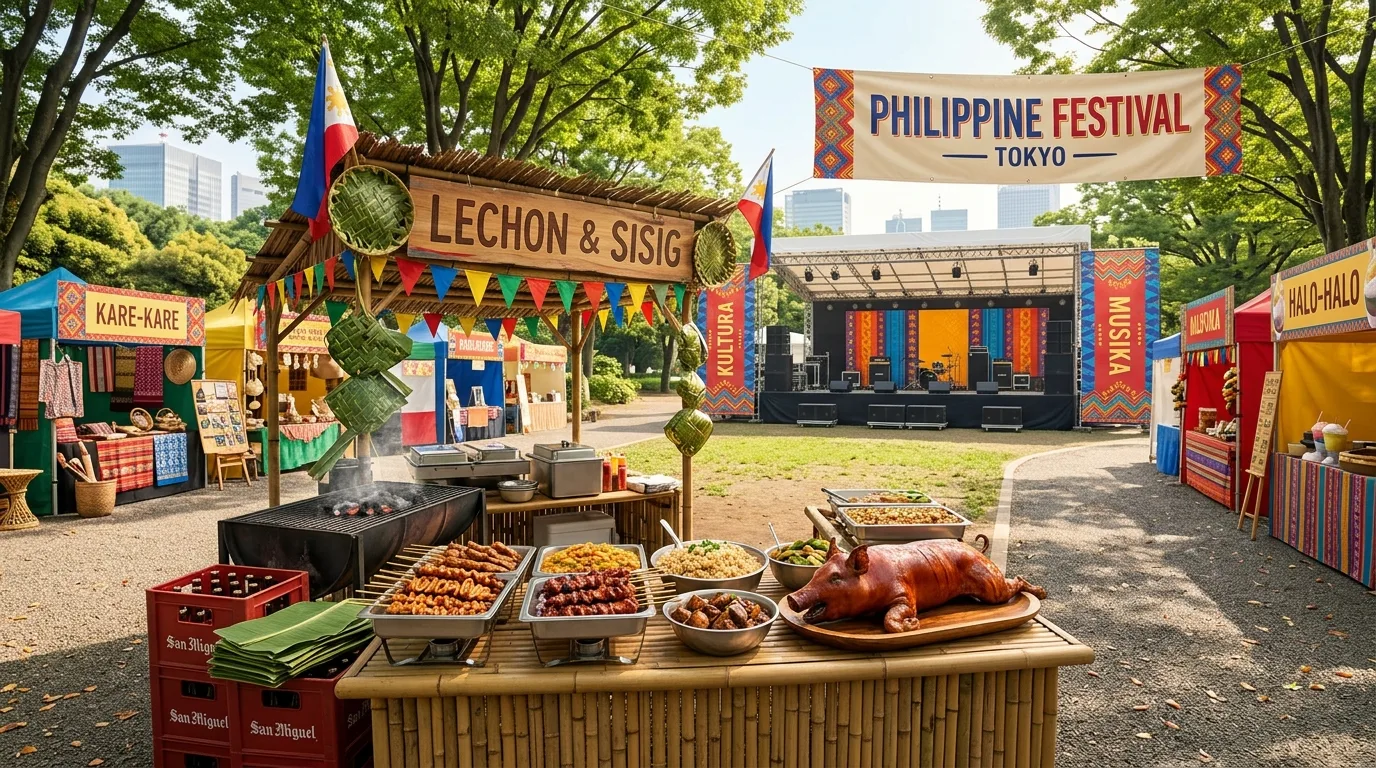
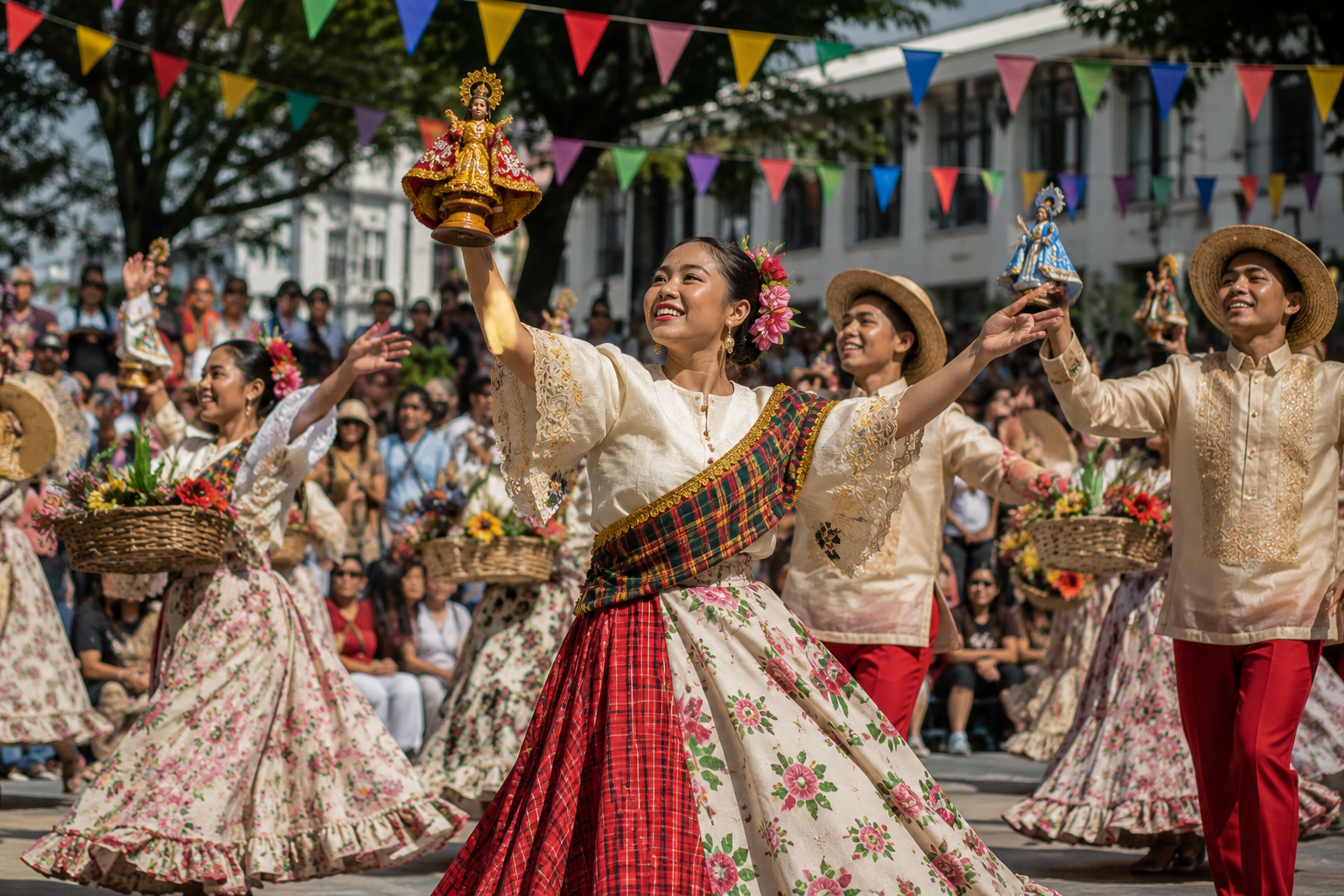
Many overseas celebrations draw inspiration from the visual energy and cultural significance of regional festivals. Participants often wear traditional attire, perform cultural dances, showcase local arts and crafts, and prepare regional dishes that reflect the diversity of Philippine culture. These activities help create immersive experiences that allow attendees to engage with cultural traditions in meaningful ways. Organizers frequently emphasize that the goal is not simply to replicate festivals but to preserve the values, stories, and community spirit associated with them.
Cultural performances are often at the center of festival-inspired celebrations abroad. Dance groups spend months preparing routines that reflect traditional Filipino movements, regional customs, and historical narratives. Musicians perform folk songs and contemporary interpretations of traditional music, while cultural presenters share stories about the origins and significance of various traditions. These performances not only entertain audiences but also educate participants about the cultural heritage that shapes Filipino identity.
The participation of young people has become one of the most encouraging aspects of overseas cultural celebrations. Second-generation Filipinos who may have been born and raised outside the Philippines are increasingly taking active roles as performers, organizers, volunteers, and cultural ambassadors. Community leaders view this involvement as essential for preserving traditions and ensuring that cultural knowledge continues to be passed down across generations. Through participation in festival activities, young Filipinos gain opportunities to explore their heritage while developing pride in their cultural background.
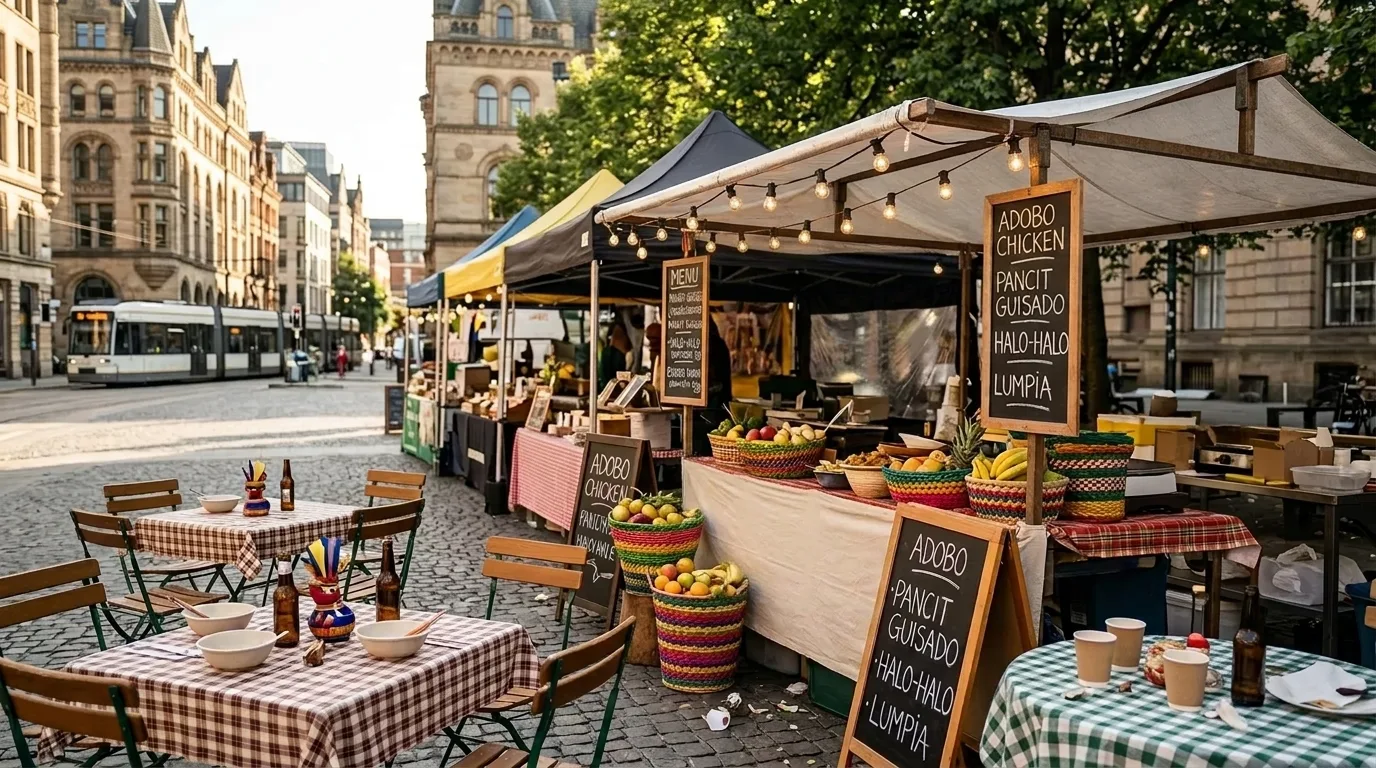
Food remains one of the most popular attractions at overseas Filipino celebrations. Regional cuisines from various parts of the Philippines are often featured prominently, allowing attendees to experience the country's culinary diversity. Food stalls, cooking demonstrations, and cultural exhibits help introduce both Filipinos and non-Filipinos to flavors and traditions that reflect the unique identities of different provinces and regions. Organizers frequently note that food serves as one of the most effective ways to connect people to culture because it creates opportunities for conversation, learning, and shared experiences.
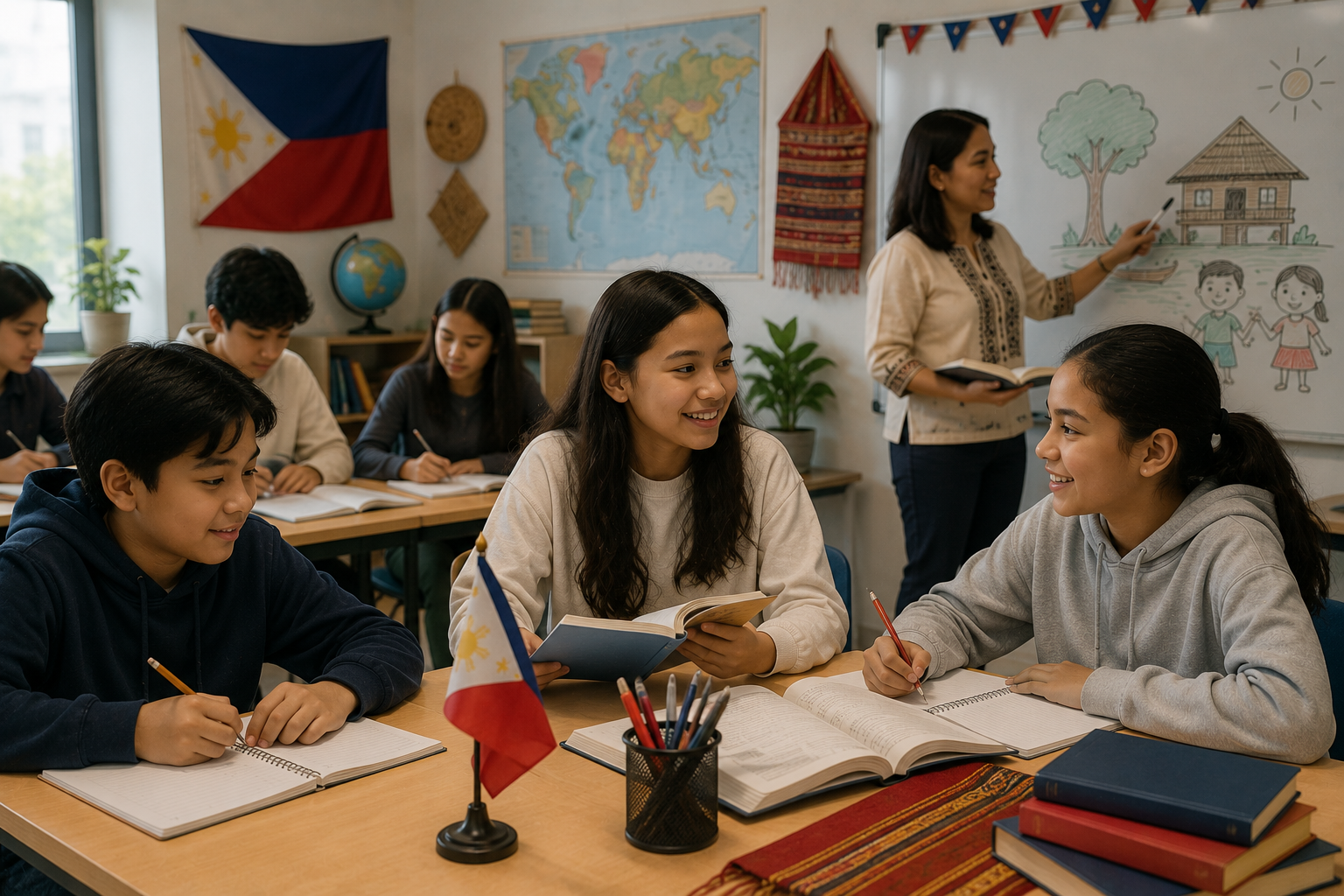
Many cultural events also serve educational purposes. Exhibits, workshops, presentations, and storytelling sessions provide attendees with insights into Philippine history, traditions, languages, and customs. These educational components help deepen appreciation for the cultural significance of regional festivals while encouraging participants to learn more about their heritage. Community organizations believe that education plays a critical role in ensuring the long-term preservation of cultural traditions.
The multicultural environments in which these celebrations take place create valuable opportunities for cultural exchange. Local residents, tourists, students, and members of other cultural communities are often invited to participate in events and learn about Philippine traditions. Organizers view these interactions as opportunities to promote understanding, respect, and appreciation among diverse groups. By sharing culture openly and inclusively, Filipino communities help strengthen social connections while contributing to multicultural dialogue.
Technology has significantly expanded the reach of overseas cultural celebrations. Social media platforms, livestream broadcasts, digital storytelling projects, and online community groups allow festivals to engage audiences far beyond physical event venues. Photos, videos, performances, and educational content are shared widely, helping promote Philippine culture to global audiences. Community leaders note that digital engagement has become an important tool for preserving traditions and connecting communities separated by geographic distance.
Volunteerism plays a central role in the success of many cultural events. Community members contribute countless hours to planning, organizing, promoting, and managing activities that bring people together. Their efforts reflect the Filipino value of bayanihan, which emphasizes cooperation, mutual support, and collective responsibility. Organizers frequently credit volunteers as the driving force behind successful celebrations and community initiatives.
Economic opportunities also emerge from these cultural gatherings. Small businesses, food vendors, artisans, performers, and entrepreneurs often benefit from increased visibility and engagement during festival events. Community celebrations provide platforms where local products, services, and creative works can be showcased to wider audiences. These opportunities help support community development while encouraging entrepreneurship within Filipino communities abroad.
Many overseas Filipino organizations view cultural celebrations as important tools for community building. Festivals create spaces where people can connect, share experiences, and develop relationships that strengthen social networks. New arrivals often find support and friendship through participation in community activities, while long-time residents gain opportunities to remain engaged and connected. Community leaders emphasize that strong social bonds contribute positively to overall well-being and community resilience.
The growing popularity of Philippine-inspired cultural celebrations reflects increasing global interest in Filipino culture. International audiences are becoming more curious about Philippine traditions, cuisine, music, arts, and tourism destinations. Festival events help satisfy this curiosity while creating opportunities for meaningful cultural engagement. Organizers believe that this growing interest provides opportunities to strengthen cultural diplomacy and promote positive perceptions of the Philippines on the world stage.
The success of overseas celebrations has also inspired collaboration among Filipino organizations in different countries. Cross-border partnerships, cultural exchanges, and joint initiatives allow communities to share resources, ideas, and best practices. These collaborations strengthen international Filipino networks while expanding opportunities for cultural promotion and community engagement.
As overseas Filipino populations continue to grow, community leaders anticipate that festival-inspired celebrations will become even more prominent. New programs focused on youth engagement, cultural education, digital storytelling, and international collaboration are already being developed to support future growth. Strong participation levels and increasing public interest suggest that these celebrations will continue to play important roles in preserving heritage and strengthening communities.
Looking ahead, organizers remain committed to finding innovative ways to celebrate Philippine culture while adapting traditions to contemporary contexts. By combining traditional practices with modern technologies and community-driven initiatives, they hope to ensure that future generations remain connected to their roots regardless of where they live. These efforts reflect a broader commitment to cultural preservation and global engagement.
Ultimately, the influence of Philippine regional festivals extends far beyond the country's borders. Through overseas celebrations inspired by these traditions, Filipino communities are preserving cultural heritage, strengthening social connections, and sharing the richness of Philippine culture with the world. These events serve as powerful reminders that traditions can transcend geography while continuing to inspire pride, unity, and belonging.
As more communities embrace the spirit of Philippine regional festivals, they demonstrate that culture remains a powerful force capable of connecting people across generations, countries, and backgrounds. Through celebration, education, and community engagement, overseas Filipinos are ensuring that the traditions they cherish continue to thrive and inspire future generations around the globe.
Enjoyed this story?
Share this story