Philippine Regional Festivals Inspire Cultural Events Across Global Filipino Communities
Share
June 15, 2026
Updated Oct 16, 2026
8 min read
288 views
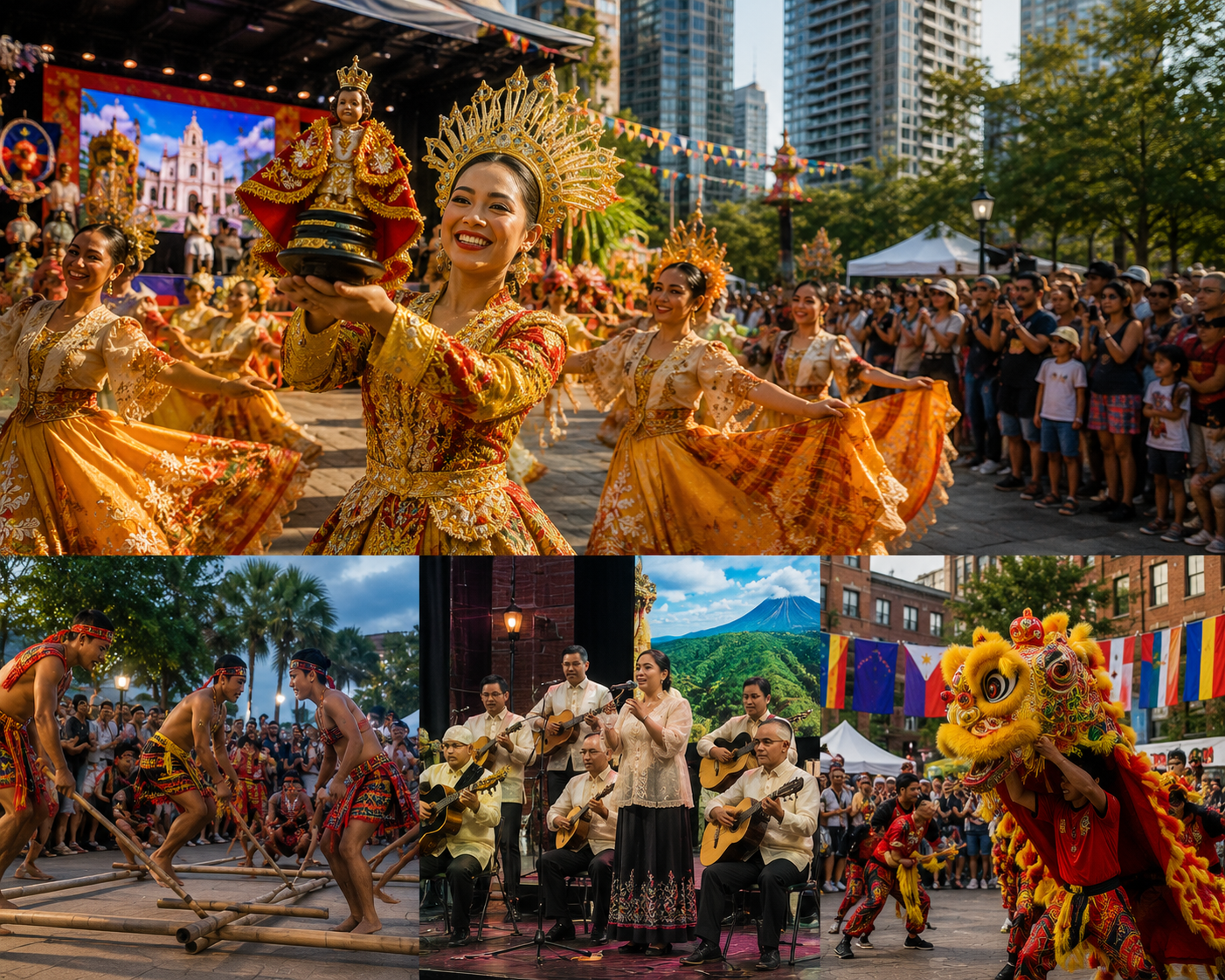
MANILA, Philippines — Philippine regional festivals continue to inspire cultural celebrations among Filipino communities around the world as overseas organizations recreate beloved traditions that reflect the country's rich history, cultural diversity, and enduring community spirit. Across North America, Europe, Asia, Australia, the Middle East, and other regions with growing Filipino populations, cultural events inspired by iconic Philippine festivals are becoming increasingly popular, helping preserve heritage while strengthening cultural identity among Filipinos living abroad.
The Philippines is widely recognized for its vibrant festival culture, with hundreds of celebrations taking place throughout the year across different provinces, cities, and municipalities. These festivals often commemorate historical milestones, religious traditions, agricultural harvests, local identities, and community achievements. Celebrations such as Sinulog in Cebu, Ati-Atihan in Aklan, Dinagyang in Iloilo, Panagbenga in Baguio, Kadayawan in Davao, MassKara in Bacolod, and Pahiyas in Quezon have become powerful symbols of regional pride and cultural expression. Today, these traditions are inspiring Filipino communities abroad to organize cultural events that celebrate the same values and heritage.
Community leaders note that regional festival-inspired events provide important opportunities for overseas Filipinos to maintain meaningful connections with their roots. Many Filipinos living abroad come from different regions of the Philippines and bring with them unique traditions, customs, languages, and cultural practices. Festivals create spaces where these traditions can be shared and celebrated while fostering a sense of belonging among community members who may be far from their hometowns and provinces.
One of the most significant contributions of regional festival-inspired events is their role in cultural preservation. Many second-generation and third-generation Filipinos grow up in multicultural environments where exposure to Philippine traditions may be limited. Community festivals provide immersive experiences that introduce younger generations to music, dance, food, costumes, and stories that reflect their heritage. Organizers emphasize that cultural celebrations help ensure that important traditions remain relevant and accessible despite geographic distance from the Philippines.
The influence of Sinulog-inspired celebrations can be seen in numerous Filipino communities worldwide. Known for its colorful street dancing, rhythmic performances, and religious significance, Sinulog has become one of the most recognizable symbols of Filipino cultural identity. Overseas celebrations often feature dance performances, cultural exhibits, and community gatherings that capture the energy and spirit of the original festival while adapting activities to local contexts. Participants view these events as opportunities to honor tradition while sharing Cebuano culture with broader audiences.
Similarly, Ati-Atihan and Dinagyang-inspired programs have become popular components of overseas cultural festivals. These celebrations highlight artistic creativity, community participation, and cultural storytelling through elaborate costumes, performances, and music. Organizers note that these festivals are particularly effective in engaging younger generations because they combine education with entertainment, encouraging active participation rather than passive observation.
Panagbenga, known as the Flower Festival of Baguio, has inspired numerous cultural events centered on creativity, beauty, and community collaboration. Floral displays, cultural exhibits, artistic workshops, and family-oriented activities often reflect themes associated with the original celebration. These events provide opportunities for participants to explore artistic expression while learning about the traditions and history of the Cordillera region. Community leaders believe that visually engaging festivals help attract diverse audiences and encourage greater cultural appreciation.
The influence of Kadayawan Festival is also evident in many overseas celebrations. Kadayawan emphasizes gratitude, cultural diversity, indigenous heritage, and community prosperity. Events inspired by Kadayawan often highlight the traditions of Mindanao's indigenous peoples while promoting intercultural understanding and appreciation. Organizers emphasize that showcasing the diversity of Philippine cultures helps audiences gain a more comprehensive understanding of the nation's rich heritage.
MassKara Festival, famous for its colorful masks and themes of resilience and optimism, has become another source of inspiration for overseas cultural events. Community celebrations frequently incorporate creative mask-making activities, artistic performances, and cultural exhibitions that reflect the festival's message of positivity and perseverance. Participants often view these themes as particularly relevant for Filipino communities navigating the challenges and opportunities of life abroad.
Pahiyas-inspired celebrations have introduced many international audiences to Philippine agricultural traditions and local craftsmanship. Known for its vibrant decorations and creative use of agricultural products, Pahiyas represents the resourcefulness and creativity of rural communities. Overseas events often feature exhibits, workshops, and cultural displays that showcase traditional crafts and regional artistry. Organizers believe that these activities help preserve cultural knowledge while supporting appreciation for Filipino craftsmanship.
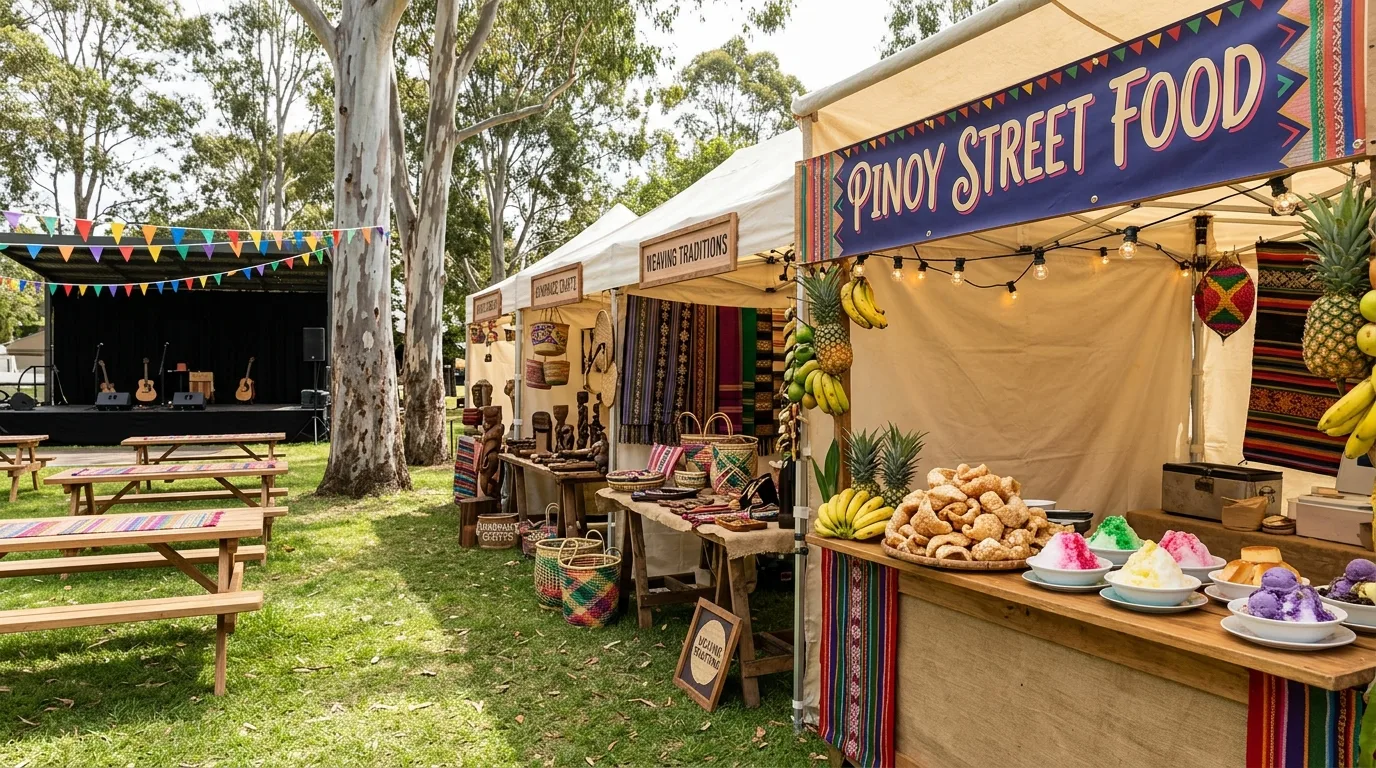
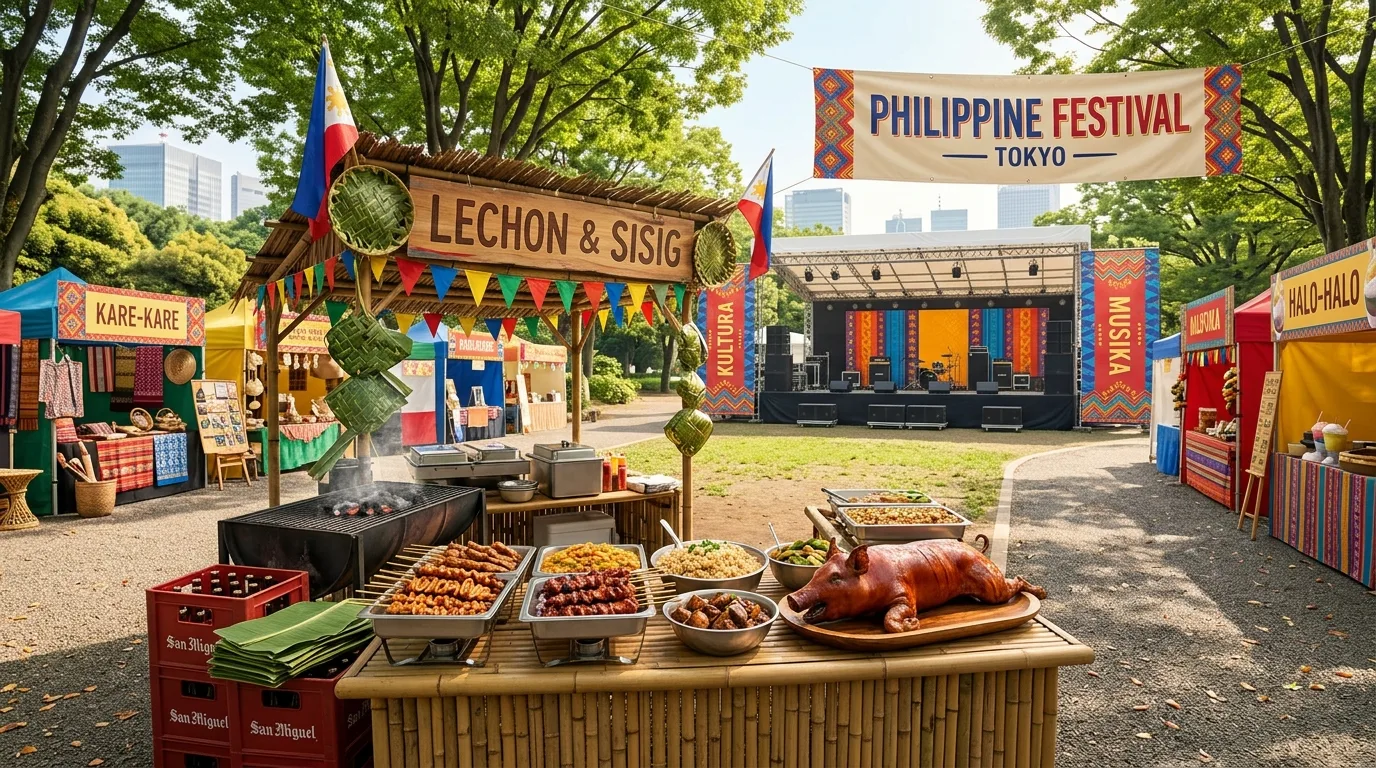
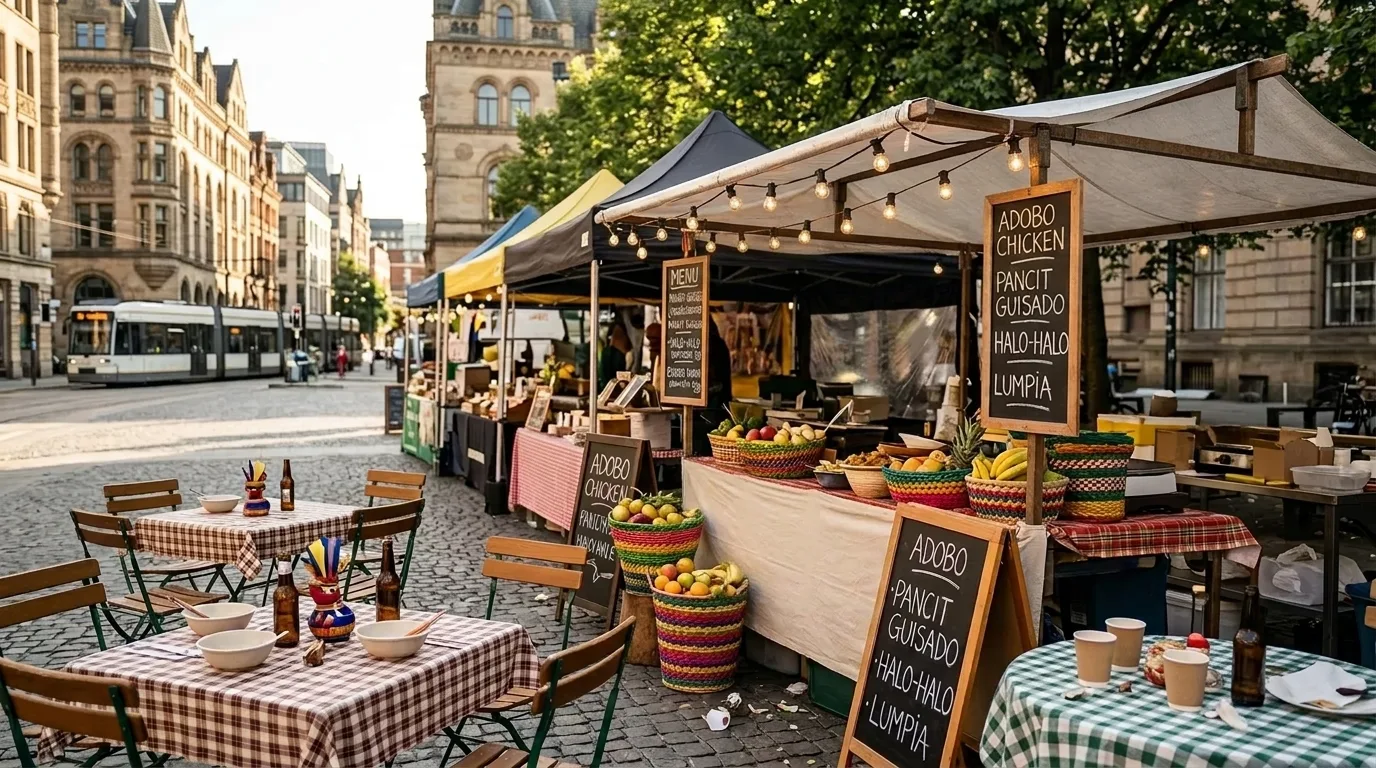
Food remains a central feature of regional festival-inspired events. Culinary experiences allow participants to explore the flavors and traditions associated with different regions of the Philippines. Festival attendees often enjoy regional specialties that reflect local ingredients, cooking techniques, and cultural influences. Organizers note that food serves as an accessible entry point for cultural learning while creating opportunities for social interaction and community engagement.
Traditional music and dance performances continue to be among the most anticipated elements of cultural celebrations. Performers often dedicate significant time to learning choreography, music, and historical context associated with regional traditions. These performances provide educational value while showcasing the artistic richness of Philippine culture. Community leaders emphasize that performing arts remain among the most effective methods for preserving and transmitting cultural knowledge.
The participation of youth organizations has become increasingly important in ensuring the continued success of festival-inspired events. Young Filipinos frequently contribute as performers, volunteers, organizers, content creators, and cultural ambassadors. Their involvement introduces innovative ideas and contemporary approaches that help keep traditions relevant while encouraging greater engagement among younger audiences. Community advocates consider youth participation essential for long-term cultural sustainability.
Technology has significantly expanded the reach of cultural celebrations inspired by Philippine festivals. Social media campaigns, livestream broadcasts, digital exhibits, and online cultural content allow organizations to connect with broader audiences and document events for future generations. Digital platforms also enable collaboration among Filipino communities located in different countries, creating opportunities for shared cultural experiences despite geographic separation.
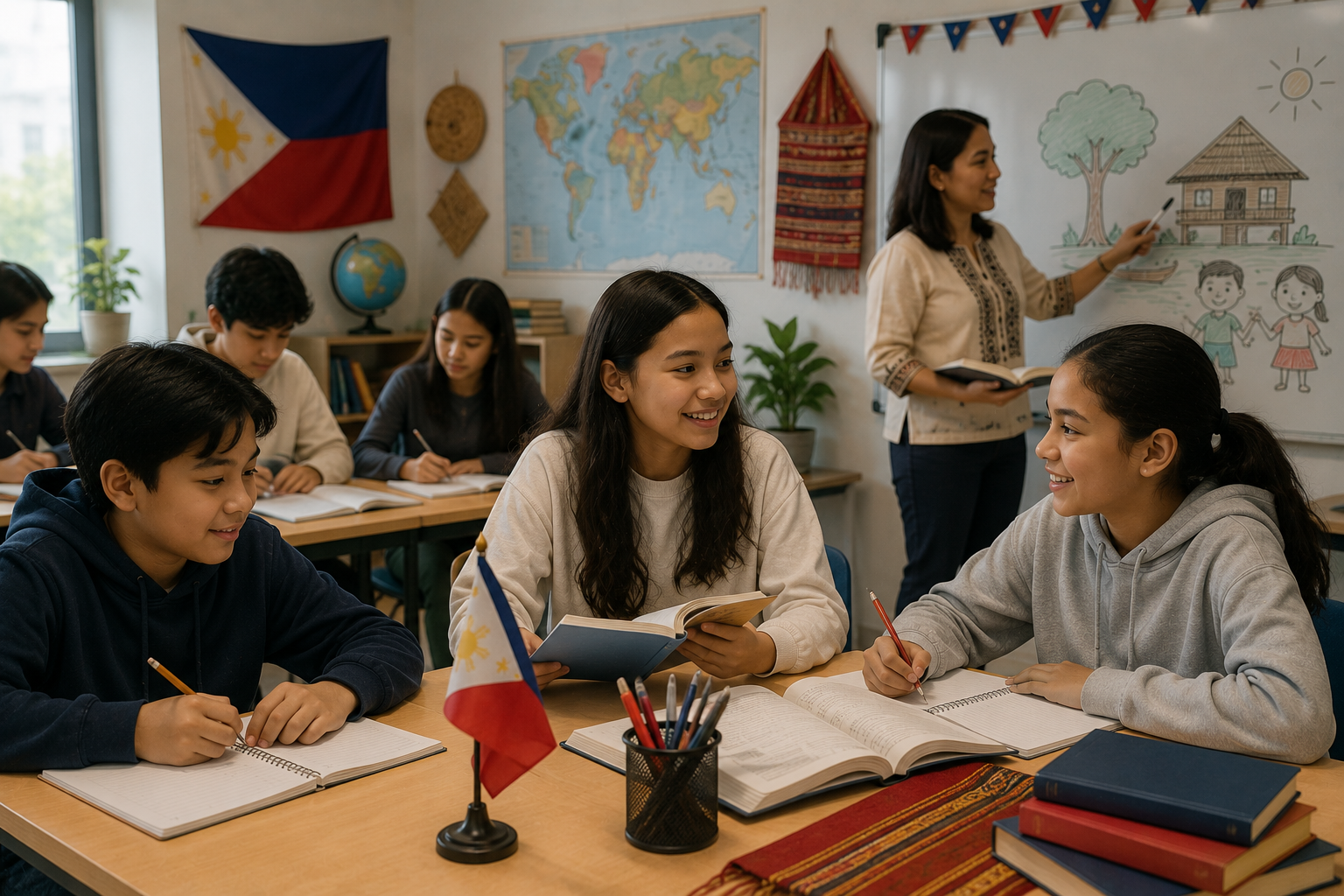
Community festivals often serve educational purposes beyond entertainment and celebration. Workshops, lectures, cultural exhibits, language activities, and storytelling sessions provide opportunities for deeper learning about regional traditions and Philippine history. Organizers emphasize that educational programming helps participants understand the cultural significance behind festivals while encouraging meaningful engagement with heritage.
Partnerships with cultural institutions, local governments, schools, and community organizations have strengthened the quality and visibility of many overseas events. These collaborations provide access to resources, expertise, venues, and promotional support that enhance programming and audience reach. Community leaders note that partnerships also promote intercultural dialogue and strengthen relationships between Filipino communities and broader society.
The multicultural nature of many overseas celebrations creates opportunities for cultural exchange. Non-Filipino audiences frequently attend festival-inspired events out of curiosity and interest in learning about Philippine traditions. These interactions help build understanding, appreciation, and respect across cultural boundaries while strengthening the global visibility of Filipino heritage. Organizers view cultural exchange as one of the most valuable outcomes of international celebrations.
Economic benefits also accompany many festival-inspired events. Local businesses, food vendors, artisans, performers, and entrepreneurs often gain opportunities to showcase products and services while connecting with potential customers. Festivals contribute to community development by supporting cultural industries and encouraging entrepreneurship within overseas Filipino communities.
The success of these cultural celebrations reflects the enduring strength of Filipino identity and the importance of heritage preservation within diaspora communities. Despite living far from the Philippines, many overseas Filipinos remain deeply committed to maintaining connections with their cultural roots. Festivals provide opportunities to celebrate identity while fostering pride, belonging, and community solidarity.
Many community leaders believe that regional festivals offer powerful examples of how cultural traditions can adapt and thrive in new environments. While celebrations abroad may differ in scale and context from their counterparts in the Philippines, they continue to reflect the values, creativity, and spirit that define the original festivals. This adaptability demonstrates the resilience of cultural traditions and their ability to remain meaningful across generations and geographic boundaries.
Looking ahead, organizers anticipate continued growth in the popularity of regional festival-inspired events as Filipino communities expand and younger generations become more actively involved in cultural preservation efforts. New technologies, expanded partnerships, and innovative programming are expected to create additional opportunities for engagement while strengthening connections between overseas communities and the Philippines.
Ultimately, the influence of Philippine regional festivals extends far beyond the country's borders. Through cultural celebrations organized by overseas Filipino communities, traditions that originated in local provinces and cities continue to inspire pride, creativity, and unity among Filipinos around the world. These events demonstrate the enduring power of culture to connect people, preserve heritage, and strengthen communities regardless of distance.
As global Filipino communities continue to celebrate their roots, regional festivals will remain important symbols of identity and cultural continuity. Their continued success reflects not only the richness of Philippine heritage but also the dedication of overseas Filipinos who work tirelessly to ensure that the traditions, stories, and values of their homeland continue to thrive for future generations wherever they may call home.
Enjoyed this story?
Share this story