Philippine Tourism Roadshows Expand Reach in Key International Markets
Share
June 09, 2026
Updated Oct 16, 2026
7 min read
295 views
MANILA, Philippines — Philippine tourism stakeholders are expanding the reach of international tourism roadshows as part of broader efforts to strengthen the country's presence in key global travel markets. Through destination showcases, travel trade engagements, cultural presentations, business networking activities, and promotional campaigns, these roadshows are helping position the Philippines as one of Asia's most attractive tourism destinations while creating new opportunities for growth across the tourism sector.
Tourism officials and industry leaders view international roadshows as important platforms for promoting the country's diverse attractions to travel professionals, tour operators, airlines, media representatives, investors, and potential travelers. As global tourism continues to recover and evolve, competition among destinations has intensified, making proactive international engagement more important than ever. Philippine tourism roadshows are designed to ensure that the country remains highly visible within major source markets while highlighting the unique experiences available throughout the archipelago.
The Philippines possesses a wide range of tourism assets that appeal to diverse traveler interests. With more than seven thousand islands, world-renowned beaches, vibrant cities, rich cultural heritage, breathtaking natural landscapes, and warm hospitality, the country offers experiences that cater to leisure travelers, adventure seekers, families, business travelers, and cultural enthusiasts alike. Tourism roadshows provide opportunities to showcase these strengths directly to international audiences while strengthening relationships with industry partners who play critical roles in influencing travel decisions.
One of the primary objectives of tourism roadshows is to increase awareness of destinations beyond the country's most widely recognized attractions. While destinations such as Boracay, Palawan, Cebu, and Bohol continue to enjoy strong international recognition, tourism stakeholders are also working to promote emerging destinations that offer unique cultural, ecological, and adventure experiences. By highlighting lesser-known locations, roadshows support efforts to diversify tourism flows and encourage more balanced regional development.
Industry participants note that modern travelers are increasingly seeking authentic and meaningful experiences rather than simply visiting popular landmarks. In response to this trend, tourism roadshows often emphasize cultural immersion, local traditions, culinary tourism, eco-tourism, community-based tourism, and sustainable travel experiences. These themes resonate strongly with international audiences who are interested in exploring destinations in more responsible and engaging ways.
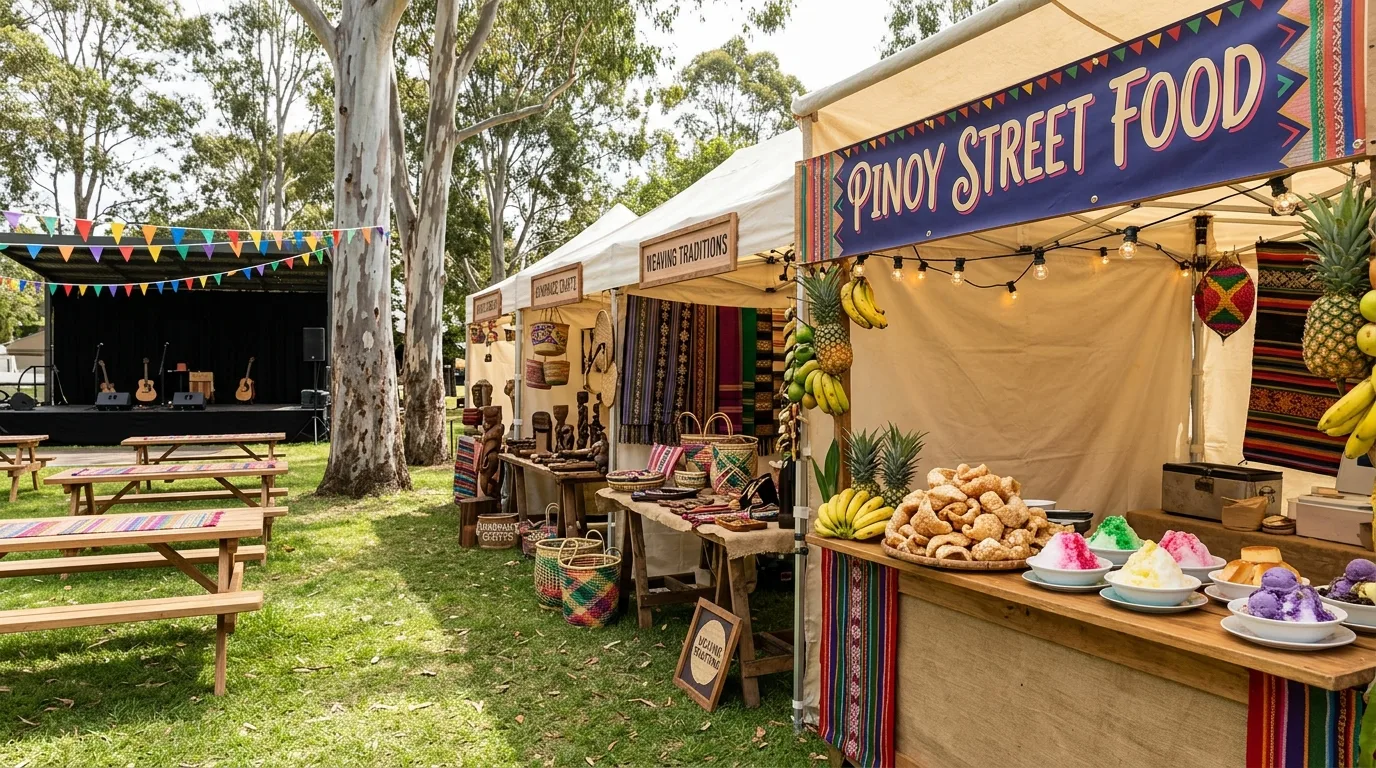
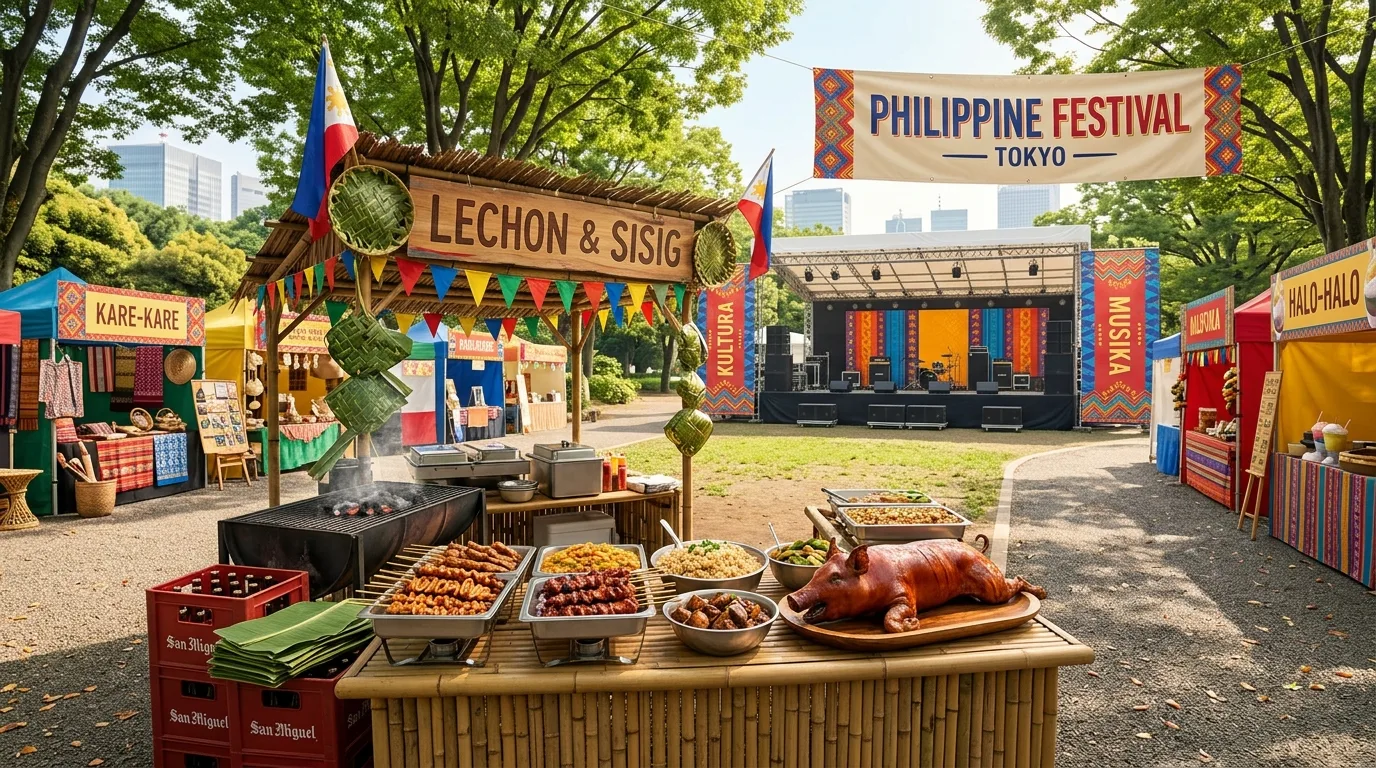
Cultural presentations frequently serve as highlights of tourism roadshow programs. Traditional music, dance performances, culinary showcases, handicraft exhibitions, and heritage displays help introduce international audiences to the richness of Philippine culture. These cultural experiences complement destination marketing efforts by providing emotional connections that inspire curiosity and interest. Tourism advocates believe that cultural storytelling plays a crucial role in differentiating the Philippines from competing destinations.
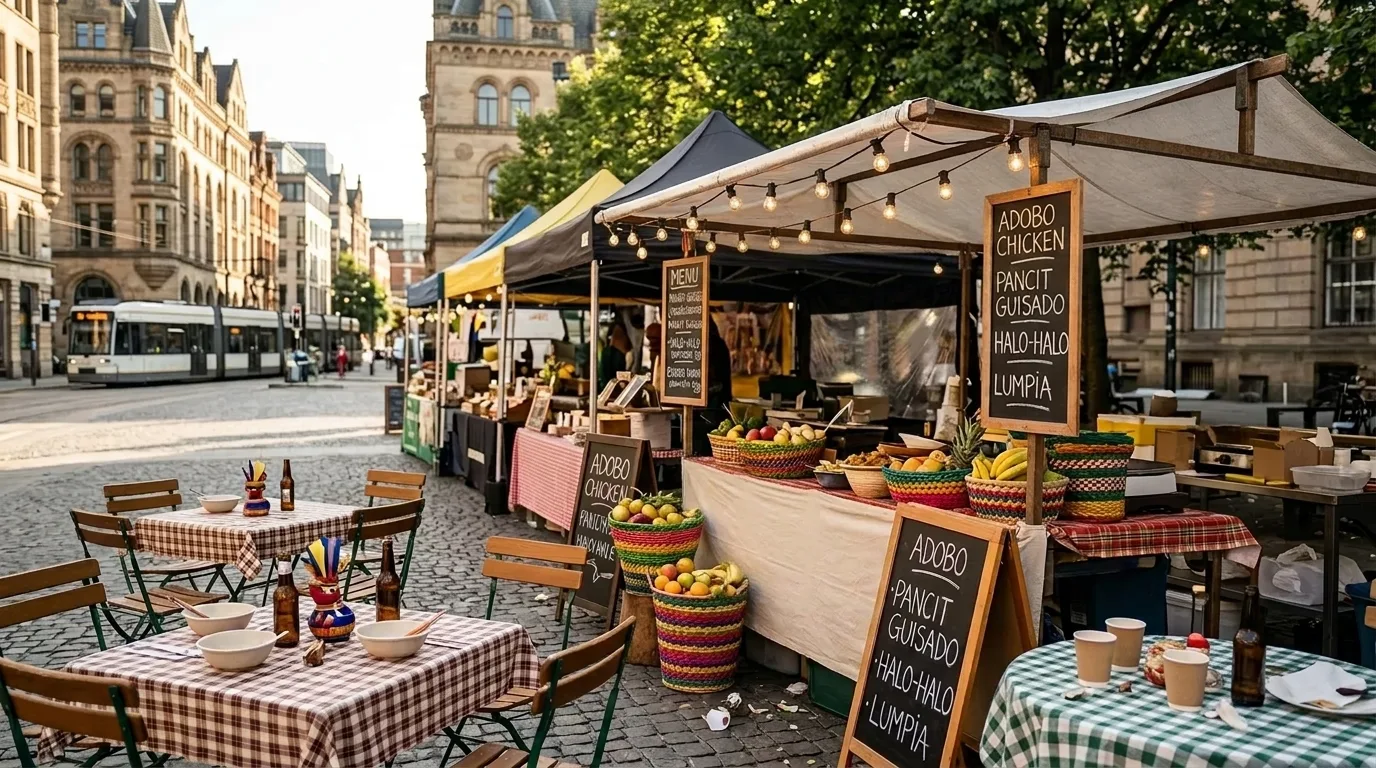
Food tourism has become an increasingly important component of international promotion efforts. Filipino cuisine continues to gain recognition around the world, and tourism roadshows often feature culinary demonstrations, tasting sessions, and presentations that highlight regional specialties. Industry leaders recognize that food serves as a powerful ambassador for culture and tourism. Culinary experiences often create memorable impressions that encourage travelers to learn more about the country and consider future visits.
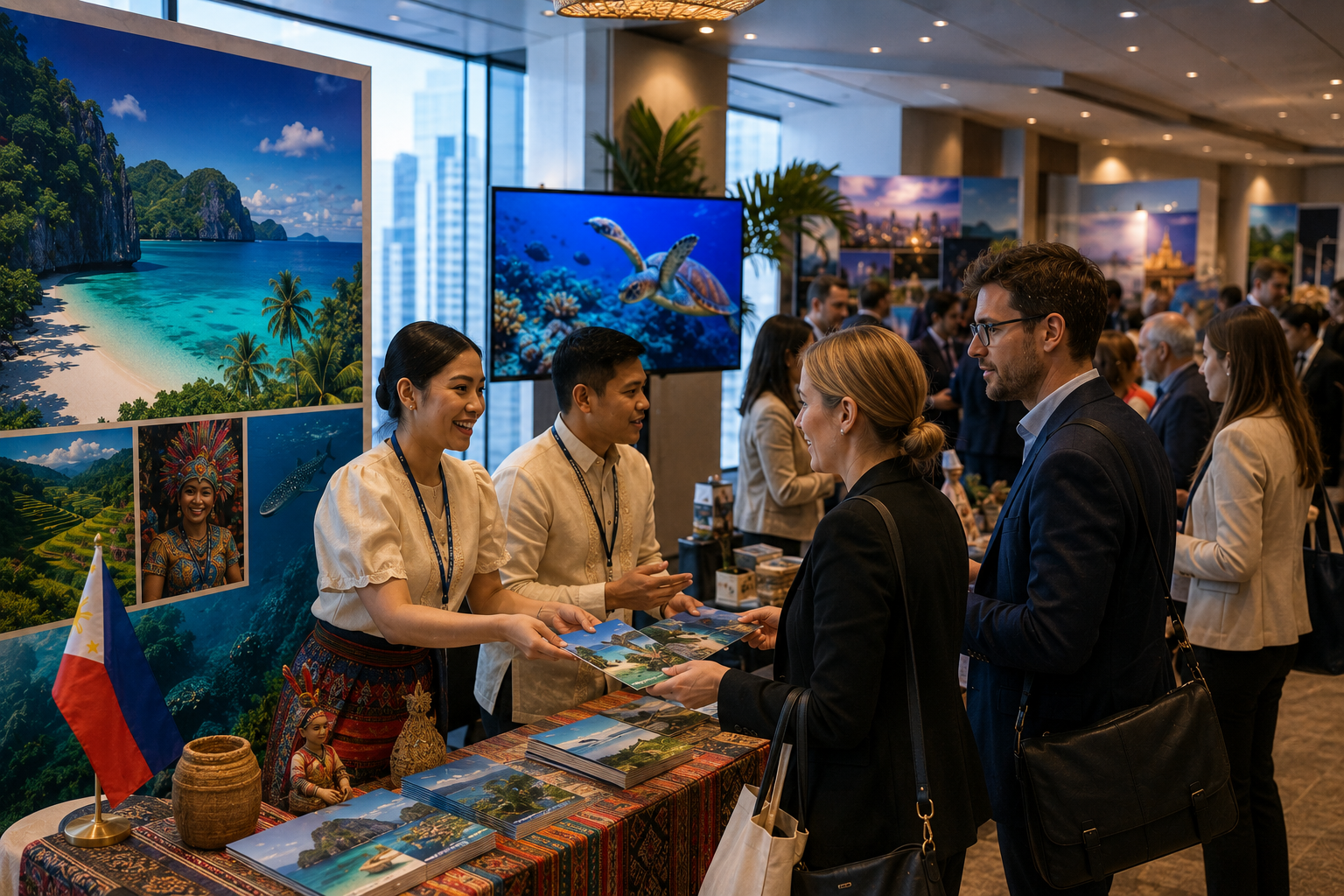
Business-to-business engagement remains one of the most valuable aspects of tourism roadshows. Travel agencies, tour operators, destination management companies, airlines, hospitality providers, and tourism organizations participate in networking sessions designed to foster partnerships and generate business opportunities. These interactions help strengthen distribution networks while ensuring that Philippine destinations remain competitive and accessible within international travel markets.
Airline connectivity is another key topic frequently addressed during roadshow activities. Tourism growth depends heavily on accessible transportation options, and industry stakeholders continue to explore opportunities to strengthen air links between the Philippines and major international markets. Improved connectivity can significantly enhance tourism performance by reducing travel barriers and increasing convenience for potential visitors. Roadshows often provide venues for discussions related to route development, tourism partnerships, and market expansion strategies.
The role of digital marketing has become increasingly significant in international tourism promotion. Roadshow organizers frequently integrate digital campaigns, social media engagement, content creation, and influencer partnerships into broader promotional efforts. These strategies help extend the reach of events far beyond physical venues, allowing tourism messages to reach larger audiences across multiple markets. Digital engagement has become an essential tool for building awareness and maintaining visibility in a highly competitive global tourism environment.
Tourism experts emphasize that roadshows contribute not only to visitor arrivals but also to broader economic development goals. The tourism sector supports employment, entrepreneurship, investment, infrastructure development, and regional growth. Increased international visitation benefits hotels, restaurants, transportation providers, tour operators, retailers, cultural organizations, and countless small businesses throughout the country. By attracting more visitors, tourism promotion efforts create positive economic ripple effects across multiple industries.
Sustainability has become a central theme in many tourism marketing initiatives. As global travelers become increasingly conscious of environmental and social impacts, destinations are under growing pressure to demonstrate commitments to responsible tourism practices. Philippine tourism roadshows frequently highlight conservation initiatives, eco-tourism programs, community engagement projects, and sustainable development efforts that align with evolving traveler preferences. These messages help position the country as a destination that values both tourism growth and environmental stewardship.
Tourism stakeholders are also recognizing the importance of targeting diverse market segments. Different traveler groups have distinct preferences, expectations, and motivations. Roadshows often feature specialized presentations tailored to segments such as luxury travelers, adventure tourists, family vacationers, cultural enthusiasts, digital nomads, and business travelers. This targeted approach helps ensure that marketing messages remain relevant and effective across various audiences.
The participation of local government units and regional tourism organizations has strengthened the impact of international promotions. Representatives from different provinces and destinations frequently join roadshows to showcase unique attractions and investment opportunities. Their involvement allows for more comprehensive presentations that reflect the diversity of experiences available throughout the country. Community leaders view these opportunities as valuable platforms for increasing visibility and attracting new visitors.
The growing influence of overseas Filipino communities also contributes to the success of tourism promotion efforts. Many Filipinos living abroad serve as informal ambassadors who introduce friends, colleagues, and local communities to Philippine culture and destinations. Tourism roadshows often engage overseas Filipino groups through cultural events, networking activities, and community partnerships that help expand promotional reach while strengthening connections with the global Filipino community.
Technology is transforming the way destinations are presented during international events. Virtual reality experiences, interactive displays, immersive videos, digital storytelling tools, and augmented reality applications are increasingly being incorporated into roadshow programs. These technologies allow potential travelers to experience destinations in engaging ways while providing deeper insights into attractions, accommodations, and activities available throughout the Philippines.
Industry leaders note that tourism roadshows are especially important during periods of rapid change within the travel industry. Consumer preferences, technology adoption, sustainability expectations, and market conditions continue to evolve. Direct engagement with travel professionals and consumers helps tourism stakeholders better understand these trends while adapting strategies accordingly. Roadshows create valuable opportunities for dialogue, feedback, and collaboration that support long-term industry resilience.
The success of international tourism promotion depends heavily on collaboration among government agencies, private sector organizations, airlines, hospitality providers, local communities, and tourism associations. Roadshows often serve as examples of this collaborative approach, bringing together diverse stakeholders with shared goals related to destination promotion and industry growth. Strong partnerships contribute to more effective campaigns while enhancing the overall competitiveness of the Philippine tourism sector.
Looking ahead, tourism stakeholders remain optimistic about the opportunities presented by expanding international outreach efforts. Continued investment in destination marketing, digital innovation, infrastructure improvements, and sustainable tourism development is expected to strengthen the country's position within the global travel market. Industry leaders believe that proactive engagement with key international markets will remain essential for maintaining growth momentum and attracting high-value visitors.
Ultimately, the expansion of Philippine tourism roadshows reflects a broader commitment to showcasing the country's strengths on the world stage. By promoting diverse destinations, celebrating cultural heritage, fostering business partnerships, and embracing innovation, these initiatives are helping create new opportunities for tourism growth while supporting communities across the nation.
As the Philippines continues to strengthen its presence in major international markets, tourism roadshows will remain important tools for inspiring travelers, building industry relationships, and highlighting the extraordinary experiences that await visitors. Through strategic promotion, cultural storytelling, and collaborative engagement, the country is positioning itself for continued success as one of Asia's most compelling and dynamic tourism destinations.
Enjoyed this story?
Share this story