
Philippine Tourism Sees Strong Growth as International Arrivals Continue to Rise in 2026
Share
June 04, 2026
Updated Oct 15, 2026
7 min read
467 views
MANILA, Philippines — The Philippine tourism industry is experiencing another year of strong growth as international arrivals continue to increase throughout 2026, reinforcing the country's reputation as one of Asia's most attractive travel destinations.
Industry stakeholders, tourism officials, local governments, business leaders, and community organizations have welcomed the sustained rise in visitor numbers, citing increased global interest in the Philippines' natural attractions, cultural heritage, festivals, culinary experiences, and world-renowned hospitality.
The continued growth of tourism is generating economic opportunities across multiple sectors while helping strengthen local communities and support thousands of businesses nationwide.
Tourism experts note that the Philippines has benefited from a combination of factors, including improved connectivity, expanded tourism promotion efforts, growing international awareness, and increasing demand for authentic travel experiences.
Travelers from various parts of the world are seeking destinations that offer unique cultural encounters, stunning natural landscapes, and meaningful community engagement.
The Philippines continues to meet these expectations through its diverse tourism offerings spread across more than 7,000 islands.
From the white-sand beaches of Boracay and the dramatic limestone formations of Palawan to the surfing destinations of Siargao and the cultural landmarks of Cebu, Bohol, Vigan, and Davao, visitors are discovering a wide range of experiences that showcase the country's extraordinary diversity.
Tourism stakeholders report that both first-time and repeat visitors are contributing to the sector's growth.
Many travelers who previously visited the Philippines are returning to explore destinations beyond the country's most famous attractions.
This trend has helped distribute tourism activity more broadly across regions while creating opportunities for emerging destinations to benefit from increased visitor interest.
Local governments have responded by investing in tourism infrastructure, destination management, and community-based tourism programs.
These efforts aim to improve visitor experiences while ensuring sustainable development and environmental protection.
Community leaders emphasize that responsible tourism growth remains essential to preserving the natural and cultural resources that attract visitors in the first place.
One of the most significant drivers of tourism growth has been the increasing popularity of cultural and experiential travel.
Modern travelers are increasingly interested in experiences that allow them to engage directly with local traditions, communities, and lifestyles.
The Philippines offers numerous opportunities for such engagement through cultural festivals, heritage tours, culinary experiences, traditional arts, and community activities.
Visitors frequently participate in local celebrations that provide insights into the country's history, customs, and values.
Major festivals continue to attract significant international attention.
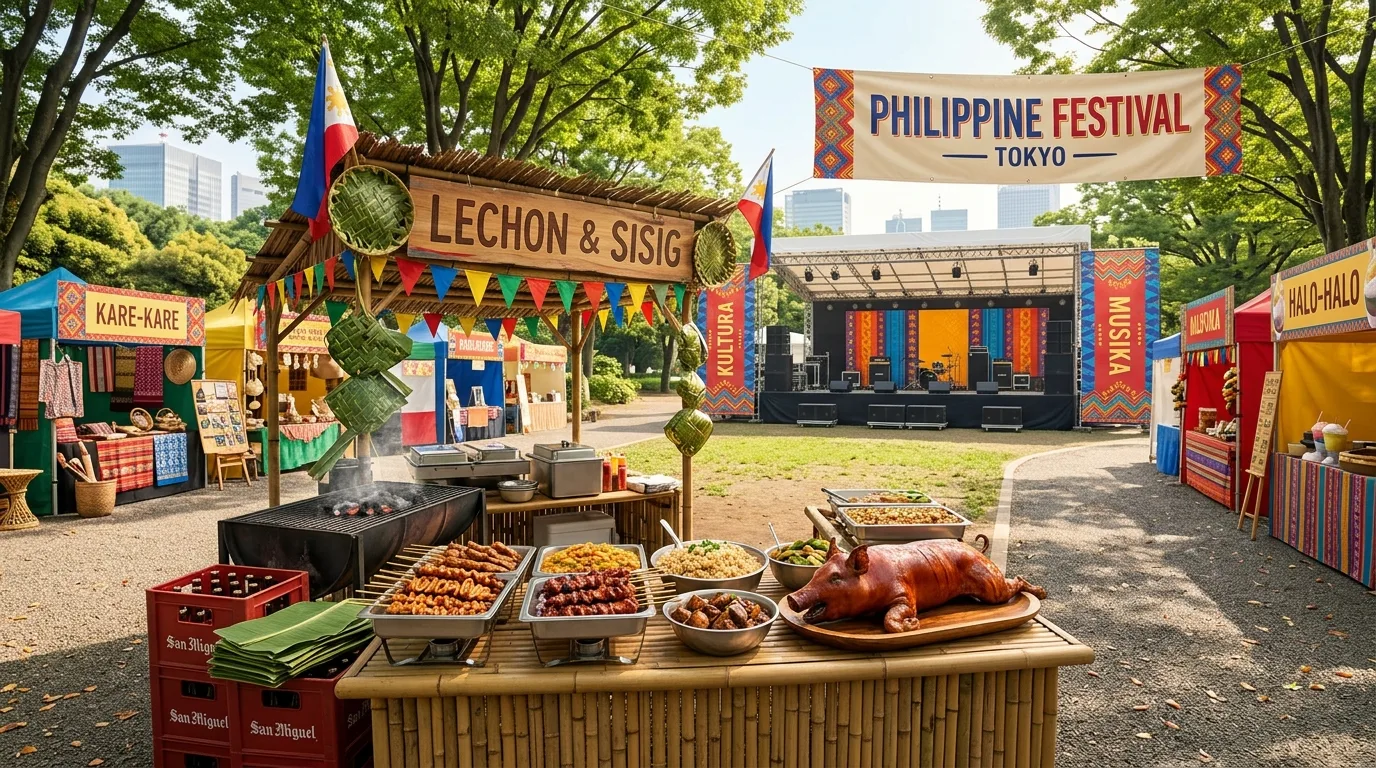
Events such as Sinulog, Ati-Atihan, MassKara, Panagbenga, Kadayawan, and numerous local fiestas showcase the richness of Philippine culture while creating memorable experiences for visitors.
Festival tourism has become an increasingly important segment of the industry, drawing travelers interested in cultural immersion and authentic community experiences.
Tourism advocates believe these celebrations play valuable roles in promoting cultural preservation while generating economic activity.
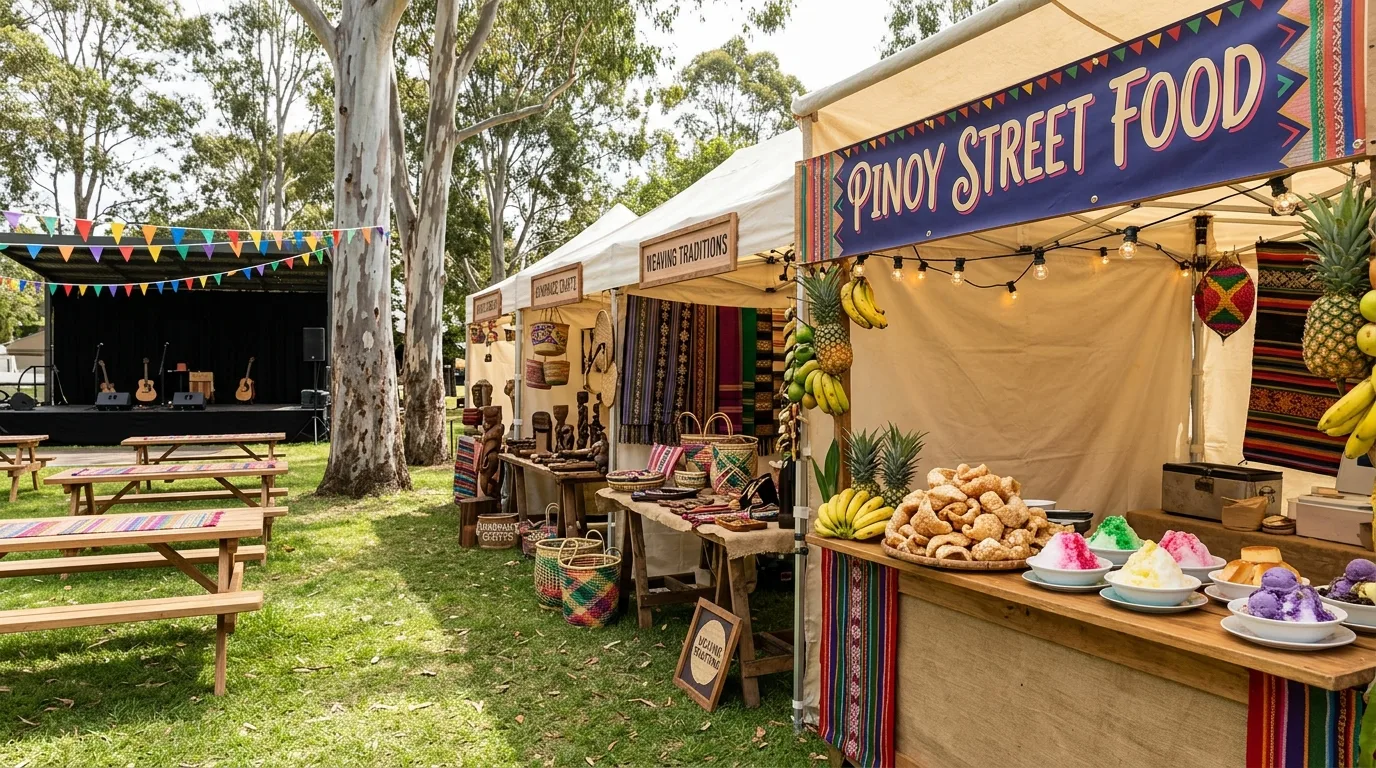
Food tourism has likewise emerged as a major attraction.
The growing international popularity of Filipino cuisine has encouraged more travelers to explore the country through its culinary traditions.
Visitors are increasingly seeking opportunities to experience regional specialties, local markets, cooking demonstrations, and traditional dining experiences.
Popular dishes such as adobo, lechon, sisig, pancit, kare-kare, halo-halo, and numerous regional delicacies continue to attract positive attention from international audiences.
Food-focused tourism has created opportunities for restaurants, food producers, culinary entrepreneurs, and local communities.
Tourism experts note that culinary experiences often serve as gateways to broader cultural exploration.
The hospitality sector has also experienced significant benefits from rising visitor arrivals.
Hotels, resorts, guesthouses, transportation providers, tour operators, and tourism-related businesses report increased demand across many destinations.
Industry leaders say continued growth has encouraged investment in facilities, services, and workforce development.
Many tourism businesses are focusing on improving service quality while adopting new technologies that enhance convenience and customer satisfaction.
Digital booking systems, contactless services, personalized travel experiences, and mobile tourism platforms are becoming increasingly common throughout the industry.
Technology has transformed how travelers discover and experience destinations.
Social media platforms, travel blogs, online reviews, and digital content have significantly increased international awareness of Philippine attractions.
Photos and videos showcasing beaches, islands, cultural experiences, and local communities frequently generate substantial engagement online.
Travel influencers and content creators have also contributed to growing interest by sharing their experiences with global audiences.
These digital channels allow destinations to reach potential visitors more effectively than ever before.
Community-based tourism initiatives are becoming increasingly important components of the industry's growth strategy.
These programs encourage visitors to engage directly with local communities while supporting sustainable development and cultural preservation.
Community tourism projects often provide opportunities for travelers to learn traditional crafts, participate in cultural activities, explore local environments, and contribute to community livelihoods.
Advocates believe such initiatives create more meaningful experiences while ensuring tourism benefits are distributed more equitably.
Environmental sustainability remains a key priority as visitor numbers continue to rise.
Government agencies, tourism organizations, environmental groups, and local communities are working together to promote responsible tourism practices.
Efforts include waste reduction programs, conservation initiatives, sustainable infrastructure development, environmental education campaigns, and destination management strategies.
Stakeholders recognize that protecting natural resources is essential to maintaining the long-term competitiveness of the tourism sector.
Many destinations are implementing measures designed to balance economic growth with environmental stewardship.
Tourism's economic impact extends far beyond traditional travel businesses.
The sector supports employment opportunities in transportation, agriculture, food production, retail, entertainment, construction, technology, and numerous other industries.
Small businesses and entrepreneurs frequently benefit from increased visitor spending, creating opportunities for innovation and economic development.
Community leaders note that tourism can play important roles in poverty reduction and local development when managed effectively.
International connectivity has further strengthened the industry's growth prospects.
Expanded airline routes, improved airport facilities, and enhanced transportation networks have made travel to the Philippines more accessible for international visitors.
Improved connectivity has also encouraged domestic tourism, allowing travelers to explore a wider range of destinations throughout the country.
Transportation investments continue to support broader tourism development efforts.
Education and workforce development have become increasingly important as the sector grows.
Tourism organizations, educational institutions, and industry partners are investing in training programs designed to enhance service quality and professional skills.
Industry leaders emphasize that a highly skilled workforce remains one of the country's greatest competitive advantages.
The renowned warmth and hospitality of Filipino workers continue to receive positive recognition from international visitors.
Many tourists cite interactions with local residents as among the most memorable aspects of their travels.
The rise of eco-tourism and adventure tourism has also contributed to industry growth.
Travelers seeking outdoor experiences are exploring destinations known for diving, surfing, hiking, wildlife observation, island hopping, and nature-based activities.
The Philippines' diverse geography provides exceptional opportunities for these forms of tourism.
Adventure travelers increasingly view the country as one of the region's most exciting destinations for outdoor recreation.
Meanwhile, wellness tourism, educational travel, and cultural tourism continue to expand as travelers seek more specialized experiences.
Observers note that the Philippine tourism industry's continued success reflects broader global trends.
Travelers increasingly value authenticity, sustainability, cultural engagement, and meaningful experiences.
The country's strengths align well with these preferences, positioning it favorably within competitive international markets.
Tourism stakeholders remain optimistic about future growth prospects.
Many destinations are developing new attractions, improving visitor services, and expanding marketing efforts aimed at attracting diverse traveler segments.
Innovation, sustainability, and community engagement are expected to remain central themes in future tourism strategies.
Looking ahead, industry leaders believe continued collaboration among government agencies, private businesses, local communities, and tourism organizations will be essential.
Strong partnerships can help ensure that growth remains inclusive, sustainable, and beneficial to communities across the country.
Ultimately, the rise in international arrivals during 2026 represents more than an increase in visitor numbers.
It reflects growing global appreciation for what the Philippines has to offer—its breathtaking landscapes, rich cultural heritage, vibrant communities, and welcoming people.
Every visitor who experiences the country contributes to a larger story of cultural exchange, economic opportunity, and national development.
As international travelers continue to discover the beauty and diversity of the Philippines, tourism remains one of the nation's most powerful tools for promoting understanding, supporting communities, and showcasing Filipino culture to the world.
From iconic destinations to emerging tourism hubs, the Philippines is demonstrating that it possesses the natural beauty, cultural richness, and hospitality needed to remain one of Asia's most compelling travel destinations.
With strong momentum carrying into the future, the country's tourism industry appears well-positioned for continued growth, creating opportunities that benefit travelers, communities, and future generations alike.
Enjoyed this story?
Share this story