Sinulog Beyond Borders: Overseas Communities Keep Cebu’s Festival Spirit Alive
Share
June 02, 2026
Updated Oct 15, 2026
7 min read
309 views
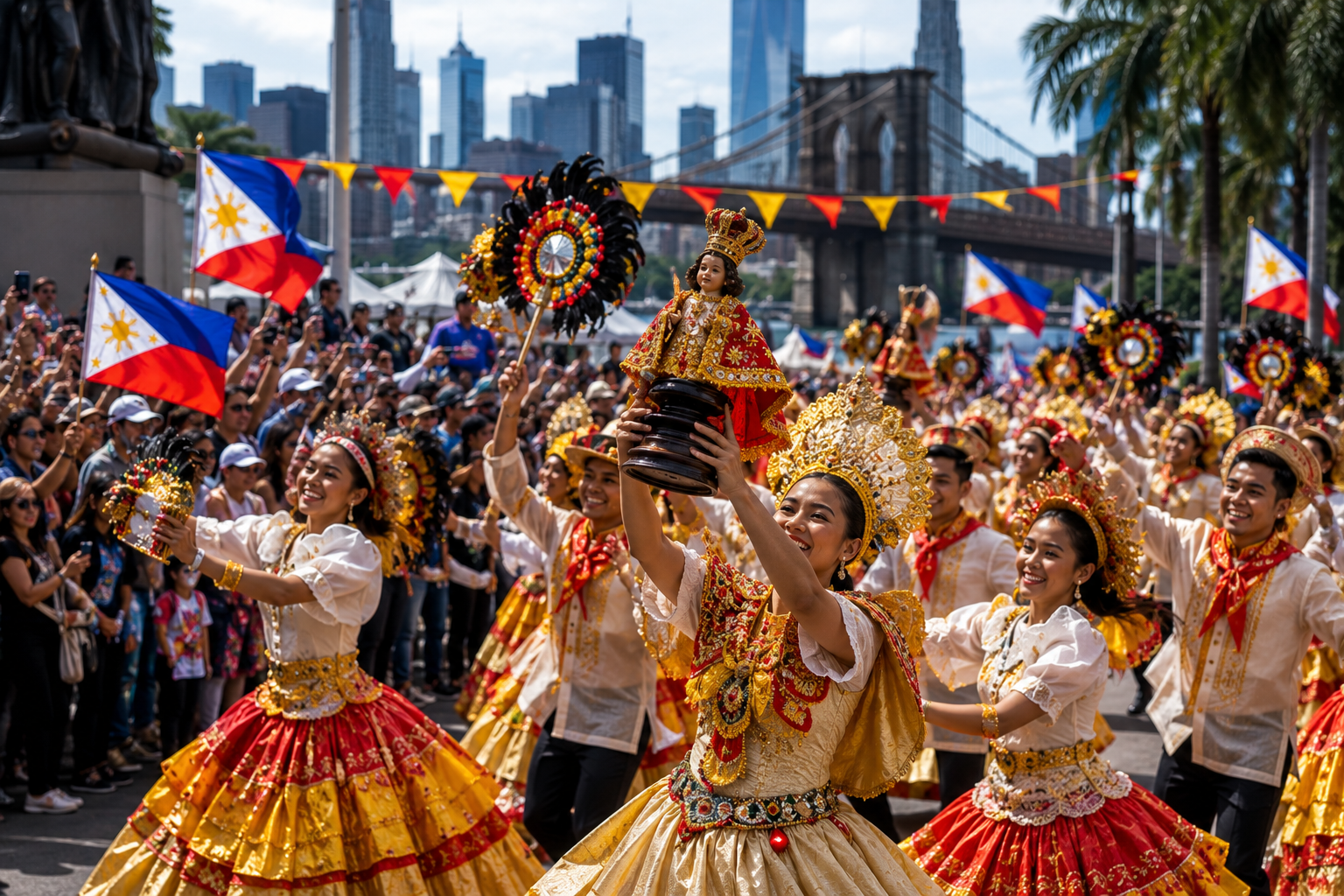
CEBU CITY, Philippines — The vibrant rhythm of drums, colorful costumes, joyful dancing, and deep expressions of faith associated with the Sinulog Festival are no longer confined to the streets of Cebu. Across the globe, Filipino communities are bringing the spirit of one of the Philippines' most iconic celebrations to international audiences, proving that cultural traditions can thrive far beyond their place of origin.
From major cities in North America and Europe to communities throughout the Middle East, Asia, and Australia, overseas Filipinos are organizing Sinulog-inspired events that celebrate faith, heritage, and community. These gatherings have become important cultural traditions in their own right, helping preserve Cebuano identity while introducing broader audiences to one of the Philippines' most beloved festivals.
Community leaders say the growing popularity of Sinulog celebrations abroad reflects the enduring connection many Filipinos maintain with their cultural roots despite living thousands of kilometers away from home.
For generations, the Sinulog Festival has been one of the most significant cultural and religious events in the Philippines. Held annually in Cebu City, the celebration honors the Santo Niño, the Child Jesus, and commemorates the country's rich religious and historical heritage.
The festival is known for its energetic street dancing, elaborate costumes, cultural presentations, and expressions of devotion that attract millions of visitors each year.
For overseas Filipinos, recreating elements of the Sinulog experience provides opportunities to remain connected to these traditions while strengthening community relationships abroad.
Throughout the year, Filipino organizations in countries around the world begin preparations for Sinulog-themed celebrations. Volunteers coordinate cultural programs, dance rehearsals, religious observances, community events, and educational activities designed to capture the essence of the festival.
Many participants spend months preparing performances that reflect the energy and symbolism of traditional Sinulog dances.
The iconic two-step-forward, one-step-backward movement associated with the festival remains a central feature of these celebrations.
Community dance groups carefully practice routines inspired by Cebu's famous street performances, often adapting them for local venues while preserving their cultural significance.
These performances consistently draw enthusiastic audiences and serve as highlights of Filipino cultural events abroad.
Organizers emphasize that the dances represent more than artistic presentations. They are expressions of history, faith, identity, and cultural pride that connect generations of Filipinos.
Traditional costumes also play an important role in bringing the Sinulog spirit to life.
Performers wear colorful outfits inspired by the festival's distinctive visual style, often incorporating elements that reflect Philippine heritage and local creativity.
The costumes help create immersive experiences that transport participants and audiences into the festive atmosphere associated with Cebu's annual celebration.
Religious devotion remains at the heart of many overseas Sinulog observances.
Churches serving Filipino communities frequently organize special masses, prayer gatherings, processions, and devotional activities honoring the Santo Niño.
These religious events provide opportunities for spiritual reflection while reinforcing the values and traditions that have long shaped Filipino cultural life.
Community leaders note that many participants view these observances as important opportunities to maintain spiritual connections to traditions practiced by their families for generations.
For many overseas Filipinos, attending a Sinulog celebration abroad provides comfort, familiarity, and a sense of belonging.
The events offer opportunities to gather with fellow Filipinos who share similar cultural experiences and understand the significance of the festival.
These connections become particularly meaningful for individuals who may not have opportunities to return to the Philippines regularly.
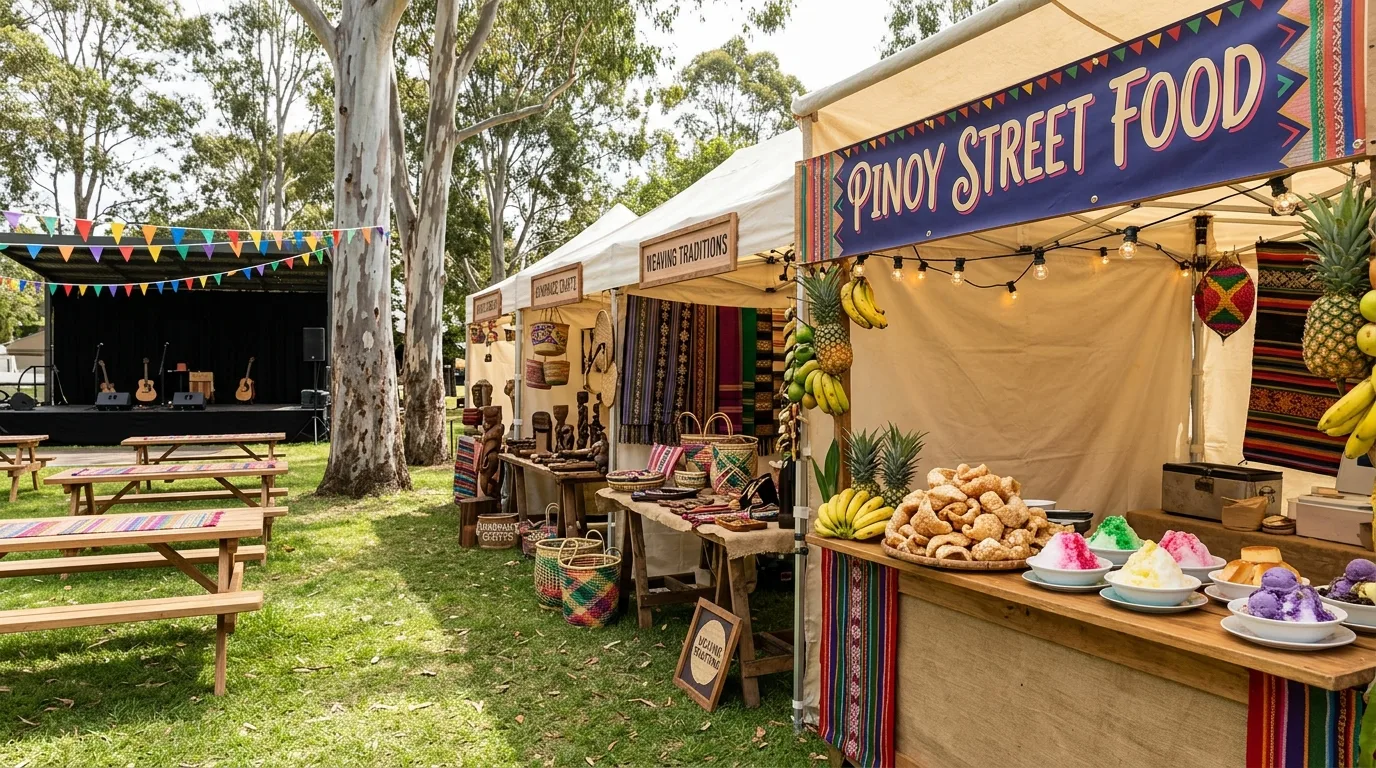
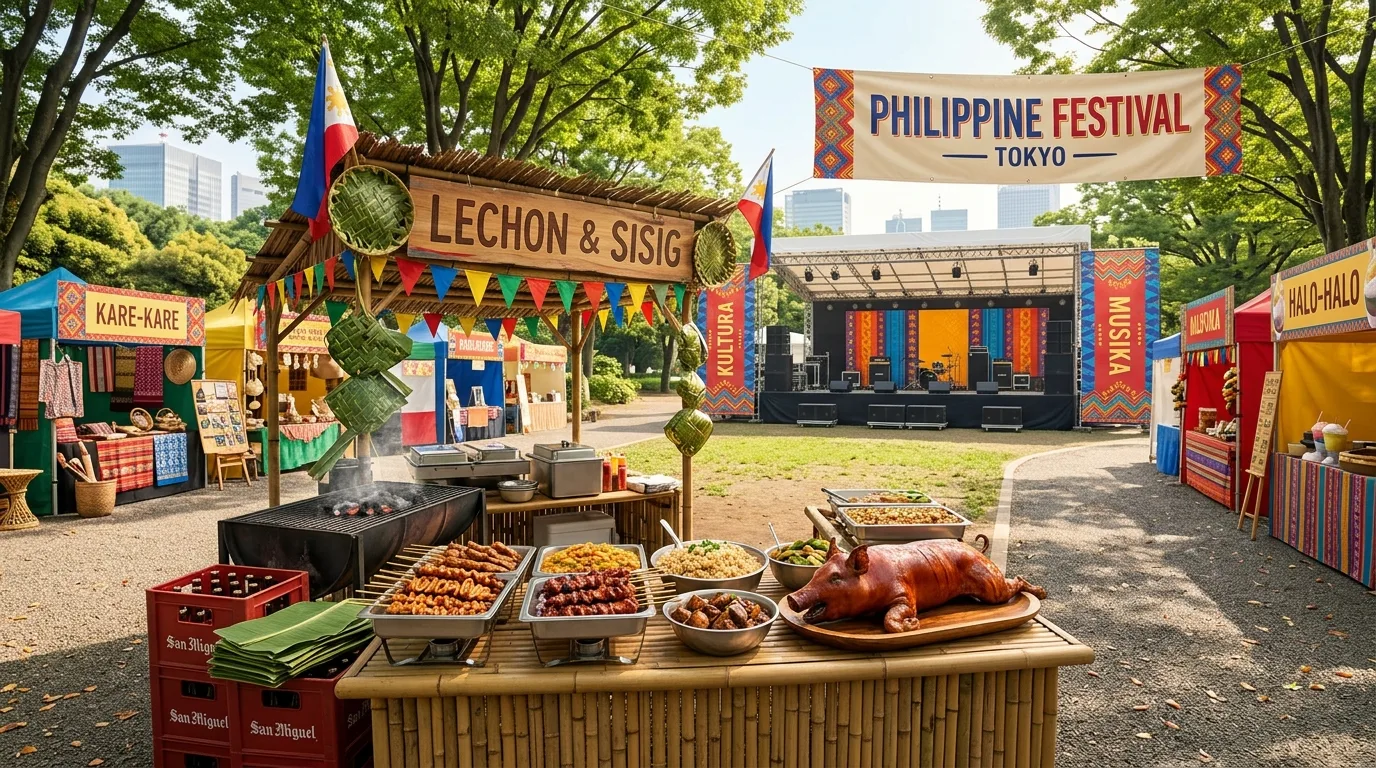
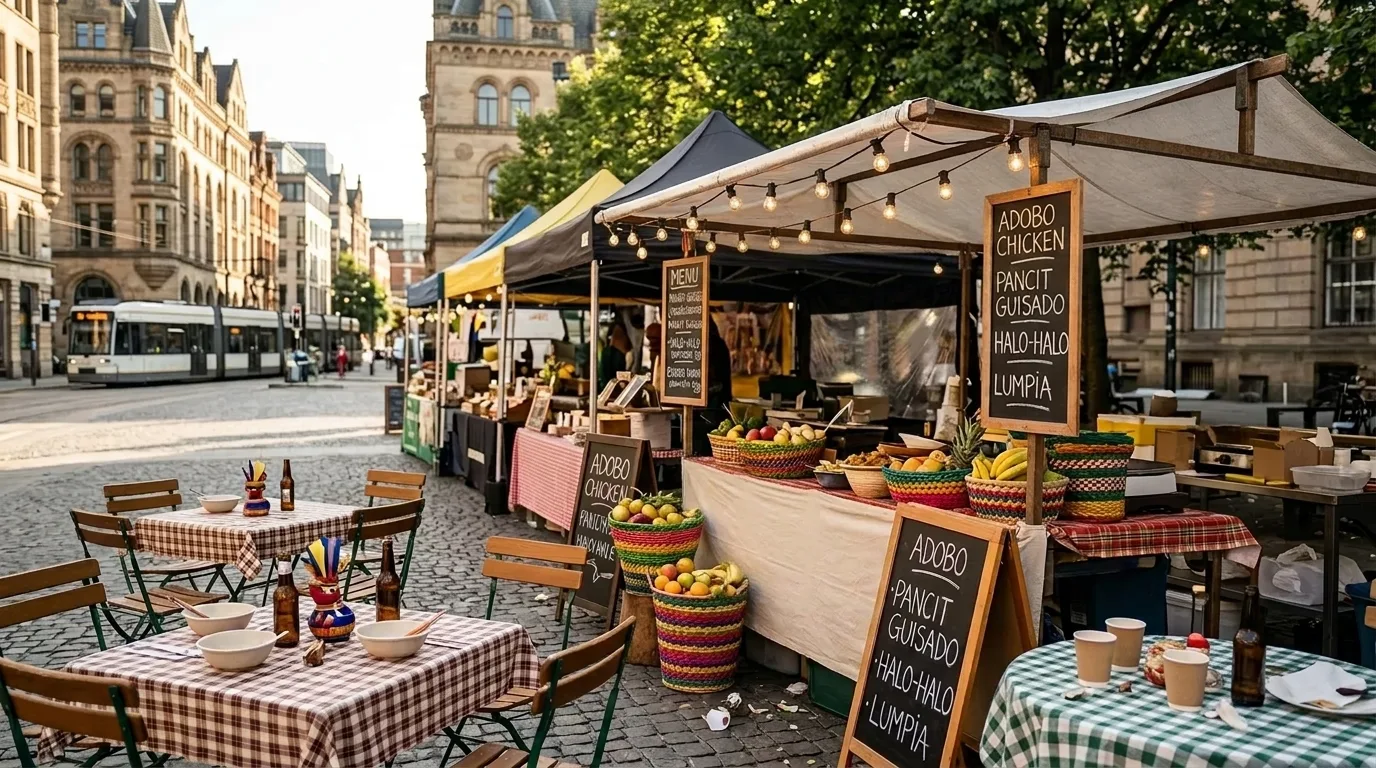
Food remains another important component of Sinulog-inspired celebrations around the world.
Community gatherings frequently feature traditional Filipino dishes that evoke memories of fiestas, family reunions, and cultural celebrations back home.
Popular favorites such as lechon, pancit, lumpia, barbecue, adobo, puso rice, bibingka, and regional Cebuano specialties often attract large crowds.
Food vendors and community organizations use these occasions to share Filipino culinary traditions with local audiences while supporting community initiatives.
The growing popularity of Filipino cuisine internationally has contributed to increased interest in cultural festivals and heritage events.
Many non-Filipino attendees initially attend for the food but leave with a deeper appreciation for Filipino culture and traditions.
Community leaders view these experiences as valuable opportunities for cultural exchange.
Visitors gain insights into Philippine history, customs, values, and celebrations while building relationships with members of the Filipino community.
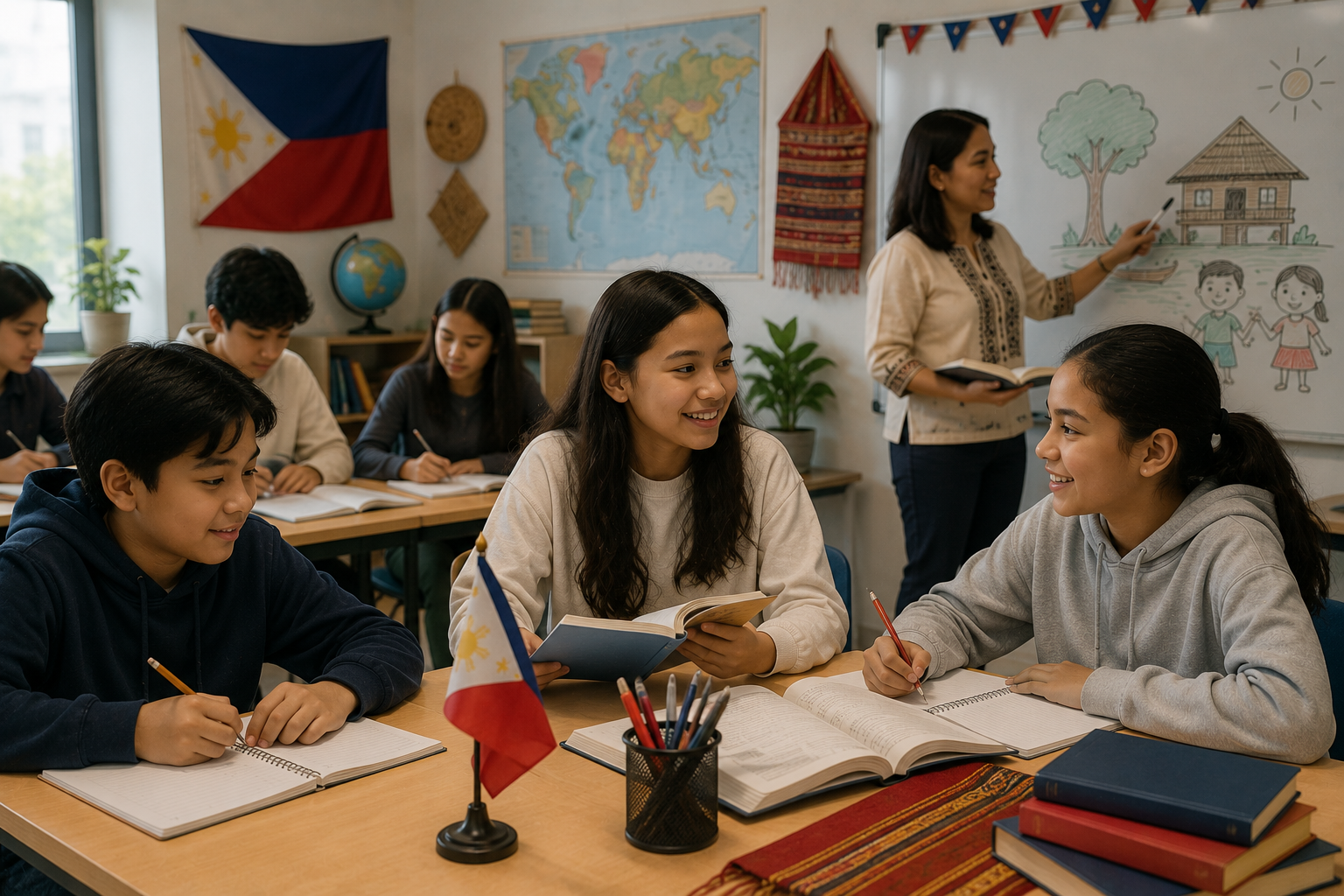
The educational aspect of Sinulog celebrations has become increasingly important.
Many organizations incorporate exhibits, presentations, workshops, and cultural discussions designed to explain the history and significance of the festival.
These programs help younger generations understand the origins of the celebration while providing context for international audiences unfamiliar with Filipino traditions.
Youth participation has become a major priority for community organizers.
Second- and third-generation Filipinos living abroad often have limited opportunities to experience cultural events in the Philippines firsthand.
Through dance groups, cultural workshops, volunteer programs, and leadership initiatives, young people are encouraged to actively participate in preserving and promoting Filipino heritage.
Many young performers describe Sinulog celebrations as opportunities to strengthen their cultural identity while building friendships and leadership skills.
Community leaders believe these experiences play important roles in ensuring the continuity of Filipino traditions for future generations.
Technology has significantly expanded the reach of Sinulog celebrations beyond physical event venues.
Social media platforms, livestreams, online videos, and digital storytelling projects allow communities to share performances and cultural content with audiences around the world.
Family members and friends unable to attend in person can participate virtually, creating broader connections among Filipino communities across different countries.
Digital platforms have also helped introduce Sinulog traditions to wider audiences, increasing global awareness of Filipino culture.
Videos featuring colorful performances and festive celebrations frequently attract significant online engagement and encourage curiosity about the festival's origins.
Many tourism advocates view these international celebrations as valuable forms of cultural promotion.
Individuals who experience Sinulog-inspired events abroad often become interested in learning more about Cebu, Philippine history, and the country's tourism destinations.
As a result, overseas celebrations help strengthen the international profile of both Cebu and the Philippines.
Entrepreneurs and business owners have become important supporters of Sinulog events abroad.
Many Filipino-owned businesses contribute sponsorships, resources, and services that help sustain community programs and cultural initiatives.
Their involvement demonstrates the strong relationship between cultural preservation and community development.
The spirit of bayanihan remains evident throughout these celebrations.
Hundreds of volunteers often contribute their time, skills, and resources to organize events, coordinate performances, prepare meals, manage logistics, and support charitable activities.
Community leaders frequently describe this volunteerism as one of the most authentic expressions of Filipino values.
The willingness of individuals to work together for the benefit of the community reflects traditions that remain deeply embedded in Filipino culture.
Many Sinulog celebrations also include fundraising efforts supporting scholarships, community projects, disaster relief programs, and charitable causes.
These initiatives reinforce the idea that cultural events can serve both celebratory and community-building purposes.
Observers note that the continued growth of Sinulog celebrations abroad reflects broader trends within global Filipino communities.
As Filipino populations continue to expand internationally, cultural events have become increasingly important mechanisms for maintaining identity, strengthening relationships, and promoting heritage.
The success of these celebrations demonstrates the adaptability and resilience of Filipino traditions.
Even when practiced far from their place of origin, cultural customs can remain vibrant, meaningful, and relevant.
Community leaders remain optimistic about the future of Sinulog celebrations abroad.
Many organizations are planning expanded programs, increased youth participation, stronger partnerships, and broader cultural outreach initiatives.
They hope these efforts will continue strengthening community ties while introducing new audiences to the beauty and significance of Filipino traditions.
Ultimately, the story of Sinulog beyond borders is a story of cultural continuity.
It illustrates how traditions can evolve and flourish across different environments while remaining rooted in the values that inspired them.
Through music, dance, faith, food, and community engagement, overseas Filipinos continue to keep the spirit of Sinulog alive for future generations.
Every drumbeat, every colorful costume, every dance performance, and every prayer offered in honor of the Santo Niño serves as a reminder that cultural identity transcends geography.
No matter where Filipinos build their lives, the spirit of Sinulog continues to unite communities through celebration, devotion, and shared heritage.
As the festival's influence expands across continents, one thing remains clear: the heart of Sinulog beats far beyond Cebu, carried proudly by Filipinos around the world who continue to celebrate, preserve, and share one of the nation's most treasured traditions.
Enjoyed this story?
Share this story