Tourism and Cultural Events Boost International Interest in Philippine Destinations
Share
June 13, 2026
Updated Oct 15, 2026
7 min read
251 views
MANILA, Philippines — Tourism promotion initiatives and cultural events held both within the Philippines and abroad are playing increasingly important roles in boosting international interest in Philippine destinations. As global travelers seek authentic experiences that combine natural beauty, cultural immersion, heritage exploration, and meaningful community engagement, the Philippines continues to strengthen its position as a destination that offers a unique blend of attractions. Through tourism campaigns, international cultural festivals, heritage showcases, culinary events, and community-led cultural programs, the country is reaching wider audiences and inspiring more travelers to explore its diverse destinations.
Industry observers note that modern travelers are increasingly interested in experiences that go beyond traditional sightseeing. Many visitors now seek opportunities to understand local cultures, participate in community activities, explore historical sites, experience traditional cuisine, and engage with authentic cultural traditions. The Philippines is well-positioned to respond to these preferences because of its rich cultural diversity, vibrant festivals, unique history, and welcoming communities spread across thousands of islands. Tourism and cultural events provide effective platforms for introducing these experiences to international audiences and encouraging future visits.
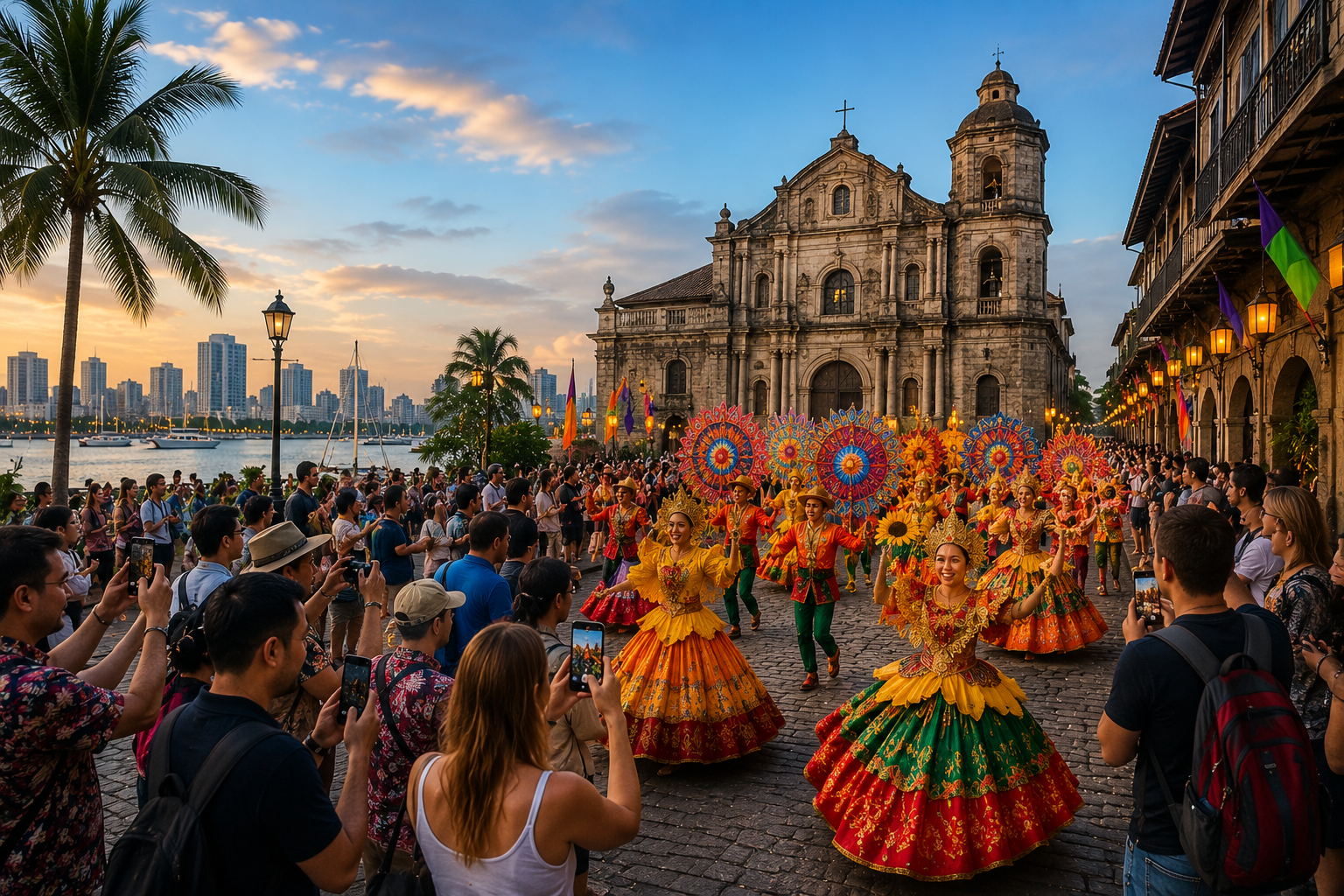
Cultural festivals have become particularly important in promoting Philippine destinations. Throughout the year, festivals celebrating local traditions, religious heritage, indigenous cultures, regional identities, and artistic expression attract both domestic and international attention. These events offer visitors opportunities to witness colorful performances, traditional music, folk dances, culinary showcases, and community celebrations that reflect the diversity of Filipino culture. Tourism experts emphasize that festivals help create memorable experiences while highlighting the distinctive character of various regions across the country.
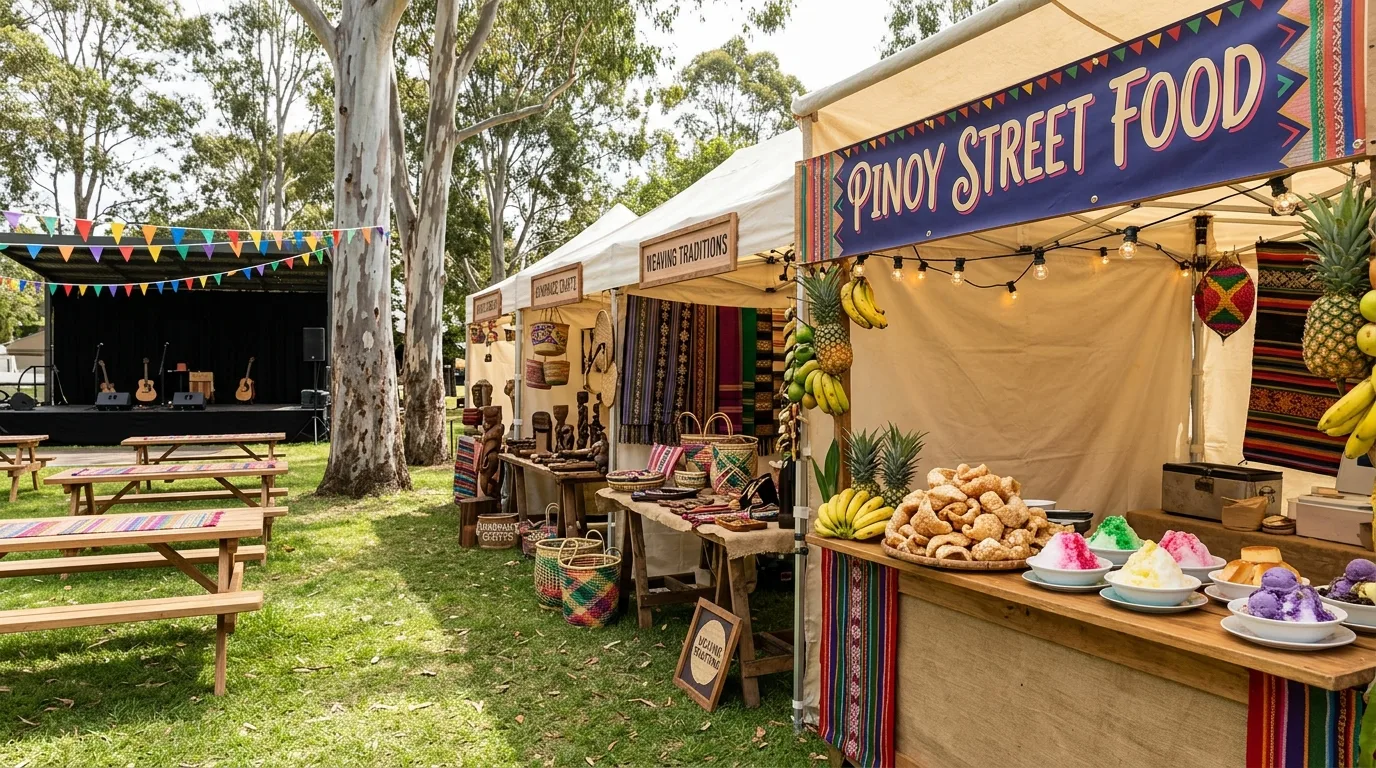
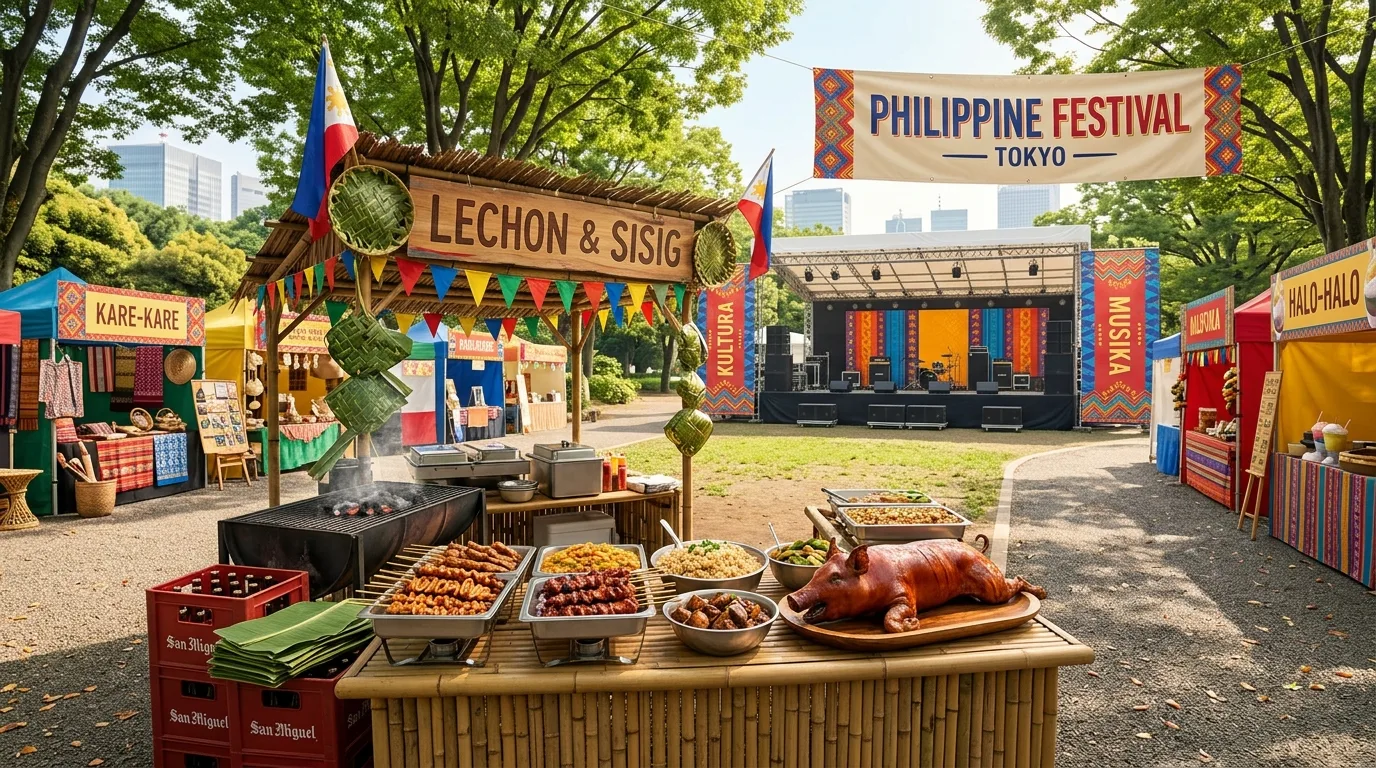
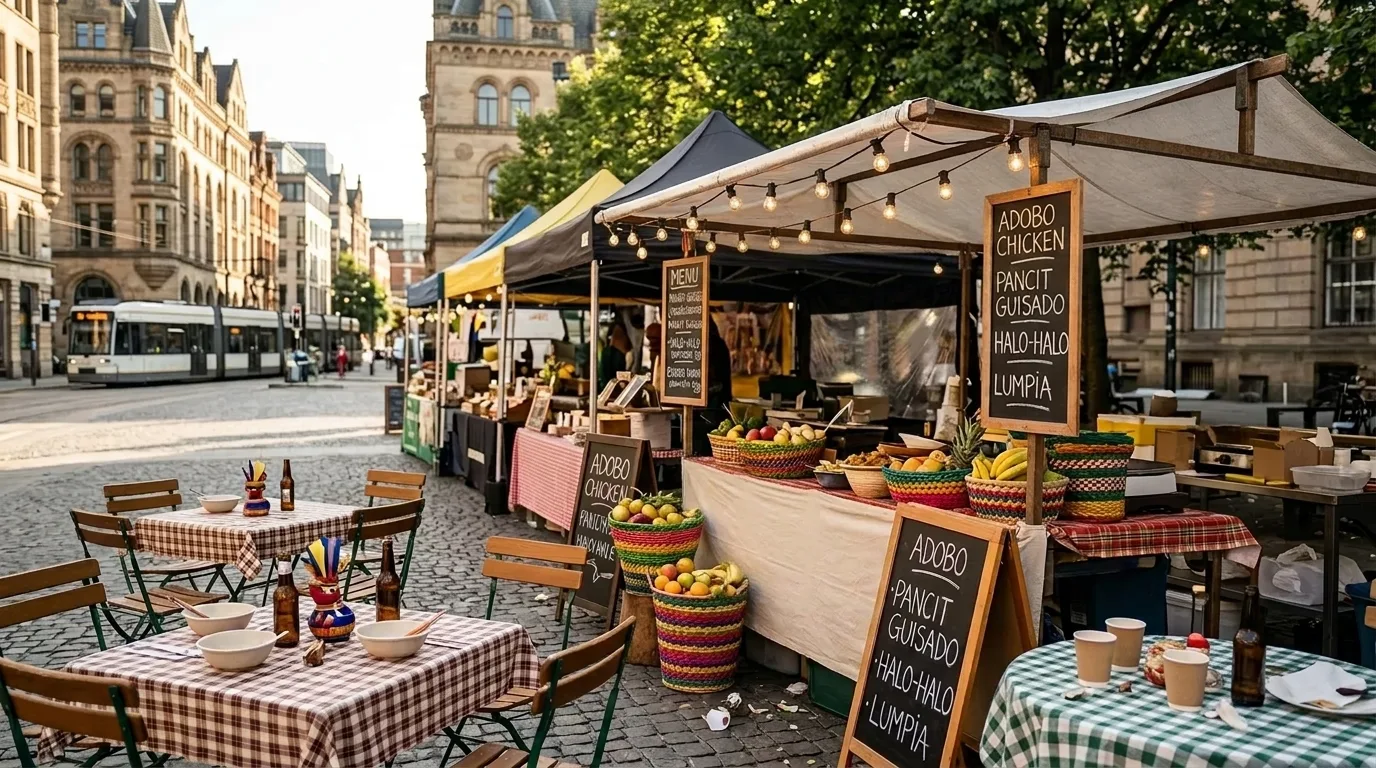
International cultural events featuring Philippine heritage have also contributed significantly to growing global awareness. Filipino communities around the world regularly organize festivals, cultural exhibitions, food fairs, art showcases, and heritage celebrations that introduce international audiences to Philippine traditions. These events often serve as first points of exposure for individuals who may have limited familiarity with the country. Organizers note that positive cultural experiences frequently inspire curiosity about Philippine destinations and encourage future travel planning.
The growing popularity of Filipino cuisine has become another important factor driving tourism interest. Food festivals, culinary showcases, and international restaurant promotions have introduced more people to the flavors and traditions of Philippine gastronomy. Dishes representing various regions of the country provide valuable insights into local cultures and histories while generating interest in the destinations where these culinary traditions originated. Tourism advocates observe that food has become one of the most powerful tools for promoting cultural understanding and travel interest.
The Philippines' natural attractions continue to play central roles in tourism promotion efforts. White-sand beaches, marine sanctuaries, mountain landscapes, waterfalls, islands, and biodiversity-rich ecosystems attract travelers seeking nature-based experiences. However, tourism experts increasingly emphasize the importance of connecting these natural attractions with cultural narratives and community experiences. By combining environmental tourism with cultural engagement, destinations create more meaningful and memorable experiences that appeal to modern travelers.
Heritage tourism has emerged as one of the fastest-growing segments of the travel industry. Historical districts, centuries-old churches, ancestral homes, museums, archaeological sites, and cultural landmarks provide opportunities for visitors to explore the nation's history and cultural evolution. Community leaders note that heritage tourism not only supports local economies but also encourages the preservation of important historical and cultural resources for future generations.
Digital technology has significantly expanded the reach of tourism and cultural promotion initiatives. Social media platforms, virtual tours, digital storytelling campaigns, travel content creators, and online cultural exhibitions allow destinations to reach global audiences more effectively than ever before. Tourism organizations increasingly use multimedia content to showcase attractions, highlight cultural experiences, and inspire travelers through compelling visual narratives. Industry professionals recognize that digital engagement has become an essential component of modern tourism marketing.
The participation of overseas Filipino communities has strengthened international tourism promotion efforts. Filipinos living abroad frequently serve as informal ambassadors who share their culture, traditions, and travel experiences with friends, colleagues, and local communities. Through cultural events and personal connections, they help generate interest in Philippine destinations while promoting positive perceptions of the country. Community leaders often describe overseas Filipinos as valuable contributors to cultural diplomacy and tourism awareness.
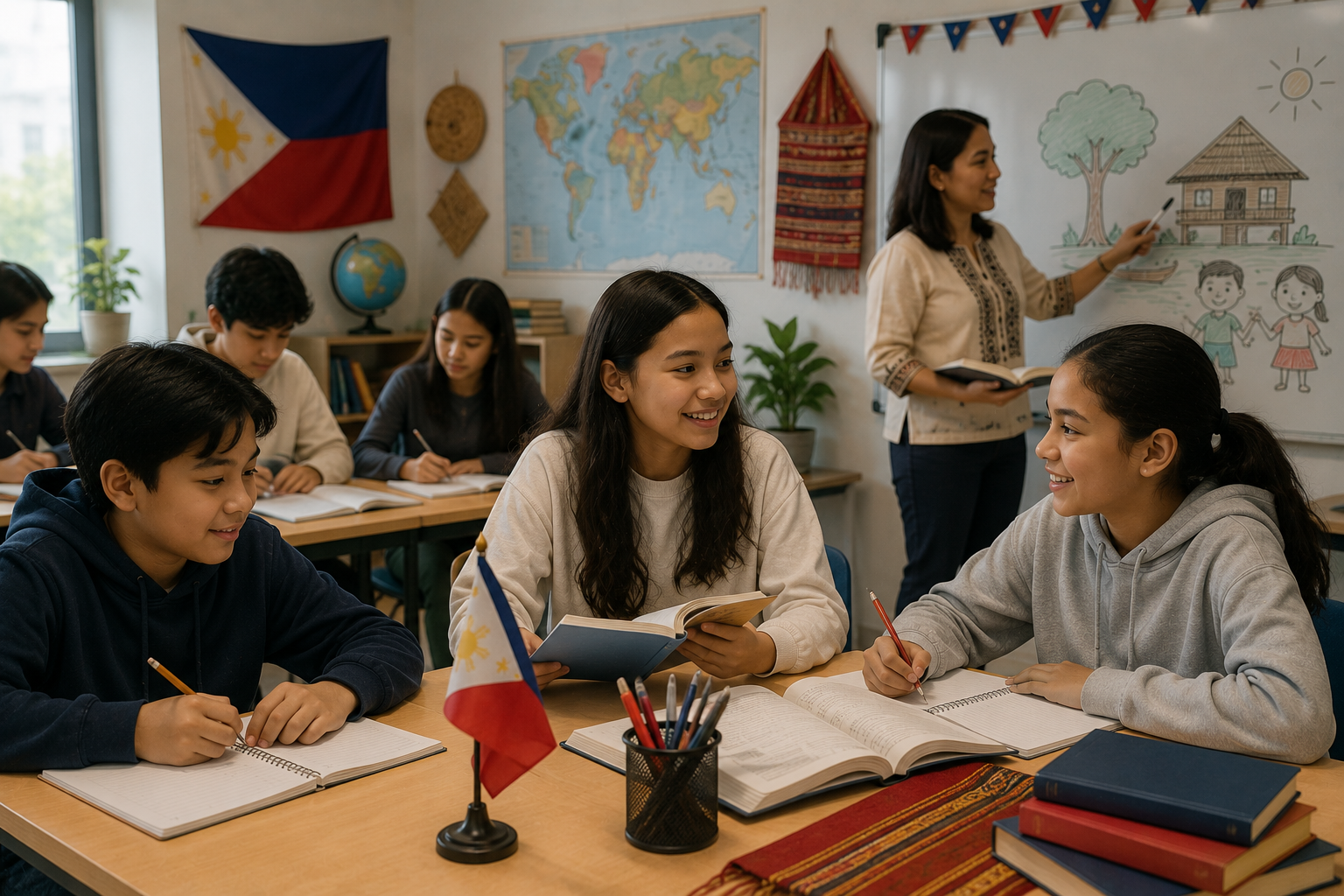
Cultural exchange programs have also helped increase international visibility for Philippine destinations. Educational institutions, cultural organizations, artists, performers, and community groups regularly participate in exchanges that showcase Philippine heritage to global audiences. These programs encourage meaningful dialogue while introducing participants to various aspects of Filipino culture, history, and society. Organizers believe that cultural exchange creates long-term relationships that contribute to sustained tourism interest and international engagement.
Local governments and tourism stakeholders have increasingly recognized the economic value of cultural tourism. Investments in cultural infrastructure, festival development, heritage preservation, and tourism promotion help create opportunities for local communities while supporting broader economic growth. Tourism-related activities generate employment, encourage entrepreneurship, support small businesses, and stimulate investments in hospitality, transportation, and cultural industries. Community leaders emphasize that sustainable tourism development benefits both visitors and residents when managed responsibly.
Art and creative industries have become important components of tourism promotion strategies. Visual arts, performing arts, crafts, literature, music, and cultural exhibitions contribute to destination identity while providing visitors with deeper cultural experiences. Creative professionals frequently collaborate with tourism organizations to develop programs that celebrate local culture while attracting diverse audiences. These collaborations strengthen cultural visibility while supporting artistic communities throughout the country.
The rise of experiential tourism has further increased the importance of community-based cultural activities. Travelers increasingly seek opportunities to participate in local traditions, learn traditional crafts, engage with cultural practitioners, and interact with local residents. Community-based tourism initiatives provide authentic experiences while generating economic opportunities that directly benefit local populations. Tourism experts note that these experiences often create stronger emotional connections between visitors and destinations.
Many destinations are also focusing on sustainable tourism practices that balance growth with environmental and cultural preservation. Responsible tourism initiatives emphasize conservation, community participation, cultural respect, and long-term sustainability. Stakeholders recognize that preserving cultural heritage and natural resources is essential for maintaining the attractiveness and authenticity of destinations. Sustainable approaches help ensure that tourism development benefits future generations while protecting valuable assets.
The international recognition of Philippine festivals, destinations, and cultural experiences continues to expand. Travel publications, tourism awards, cultural organizations, and global media outlets increasingly highlight Philippine attractions and events, contributing to broader awareness among international audiences. Tourism professionals view this recognition as evidence of the country's growing influence within the global tourism landscape.
Young travelers have emerged as particularly important audiences for tourism promotion efforts. Digital content, cultural experiences, adventure tourism, culinary exploration, and social media engagement resonate strongly with younger generations seeking unique and meaningful travel opportunities. Tourism organizations are adapting their strategies to appeal to these audiences while maintaining strong connections to cultural authenticity and heritage preservation.
Infrastructure improvements and enhanced accessibility have also supported tourism growth. Investments in transportation, accommodations, visitor services, digital connectivity, and tourism facilities help improve overall visitor experiences while making destinations more accessible to international travelers. Industry leaders emphasize that quality infrastructure complements cultural and natural attractions by ensuring positive and convenient travel experiences.
The success of tourism and cultural promotion initiatives reflects the collaborative efforts of government agencies, local communities, tourism organizations, cultural institutions, businesses, and overseas Filipino networks. Their combined contributions help create comprehensive strategies that highlight the country's strengths while supporting sustainable development and cultural preservation. Stakeholders recognize that cooperation remains essential for maximizing the benefits of tourism growth.
Looking ahead, tourism experts anticipate continued growth in demand for culturally rich travel experiences that combine heritage, nature, community engagement, and authentic storytelling. The Philippines is expected to remain well-positioned to meet these demands due to its exceptional cultural diversity, welcoming communities, and wide range of attractions. Continued investment in cultural promotion and tourism development will likely strengthen the country's competitiveness within the global tourism market.
Ultimately, the growing international interest in Philippine destinations demonstrates the powerful role that tourism and cultural events play in shaping global perceptions and inspiring travel. By showcasing the country's unique combination of natural beauty, cultural richness, historical significance, and warm hospitality, these initiatives help attract visitors while strengthening appreciation for Filipino heritage.
As tourism and cultural programs continue to evolve, they will remain important drivers of economic opportunity, cultural preservation, and international engagement. Their success highlights the enduring appeal of the Philippines as a destination where visitors can experience not only remarkable places but also the vibrant traditions, stories, and communities that make the country truly distinctive.
Enjoyed this story?
Share this story