Tourism, Culture, and Community Events Help Promote the Philippines on the Global Stage
Share
June 07, 2026
Updated Oct 16, 2026
8 min read
392 views
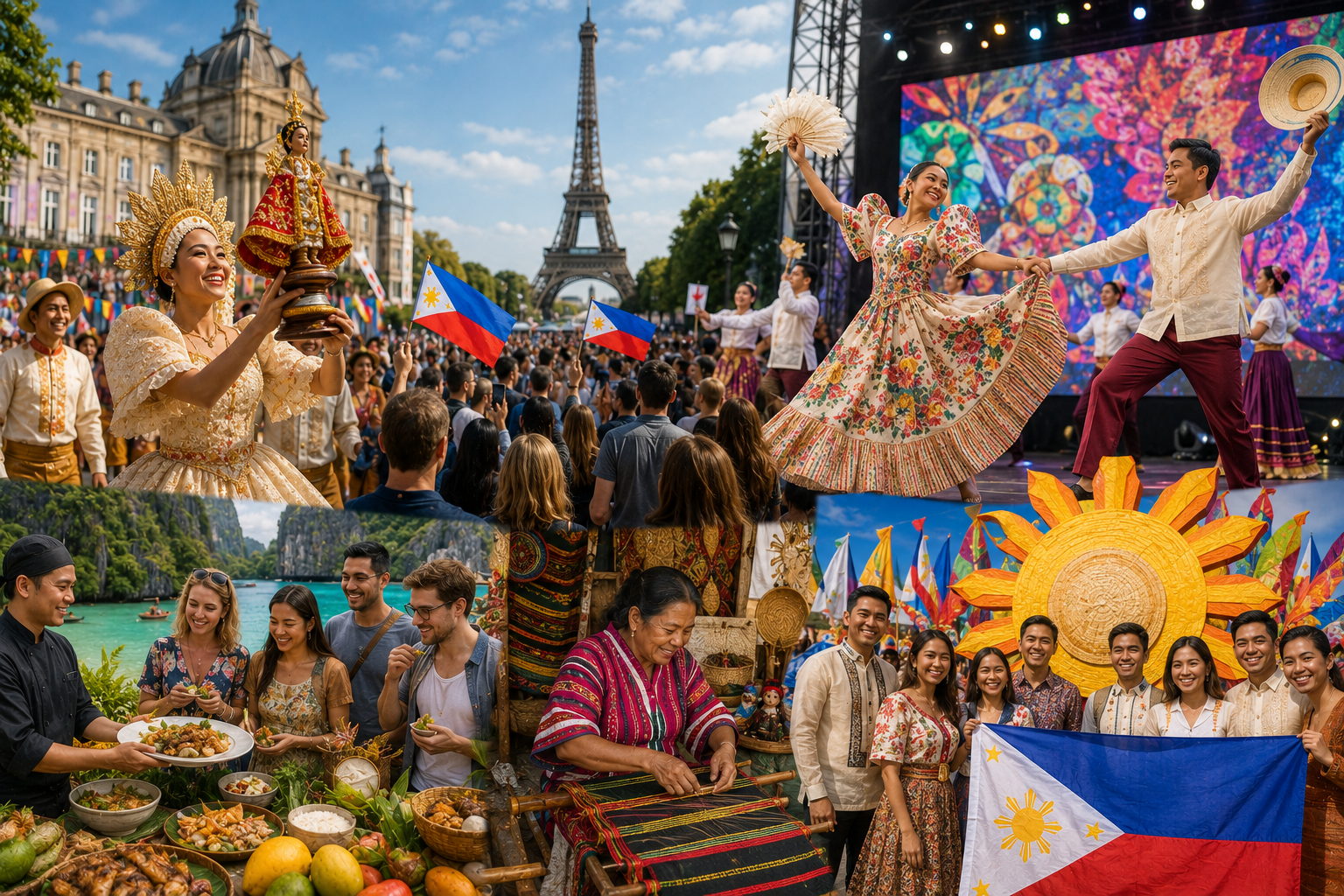
MANILA, Philippines — Tourism, culture, and community-driven events are playing an increasingly important role in promoting the Philippines on the global stage, helping showcase the country’s rich heritage, diverse traditions, natural attractions, and vibrant communities to international audiences. Across different regions of the world, Filipino cultural celebrations, tourism exhibitions, international festivals, and community gatherings are creating opportunities to strengthen the country’s global presence while fostering greater appreciation for Philippine culture and identity.
As international travel continues to recover and cultural exchange becomes more significant in an increasingly connected world, the Philippines is benefiting from a wide range of initiatives that highlight the nation’s unique strengths. These efforts extend beyond traditional tourism marketing campaigns and include activities organized by overseas Filipino communities, cultural institutions, tourism stakeholders, local governments, educational organizations, and private sector partners. Together, they are helping create a more dynamic and comprehensive image of the Philippines that resonates with diverse audiences worldwide.
Tourism experts note that modern travelers are increasingly seeking meaningful experiences that go beyond sightseeing. Visitors want opportunities to engage with local cultures, participate in authentic activities, and develop deeper connections with the places they visit. The Philippines is particularly well-positioned to meet these expectations because of its rich cultural heritage, diverse regional traditions, warm hospitality, and extraordinary natural attractions. Community events and cultural celebrations provide valuable platforms through which these strengths can be shared with the world.
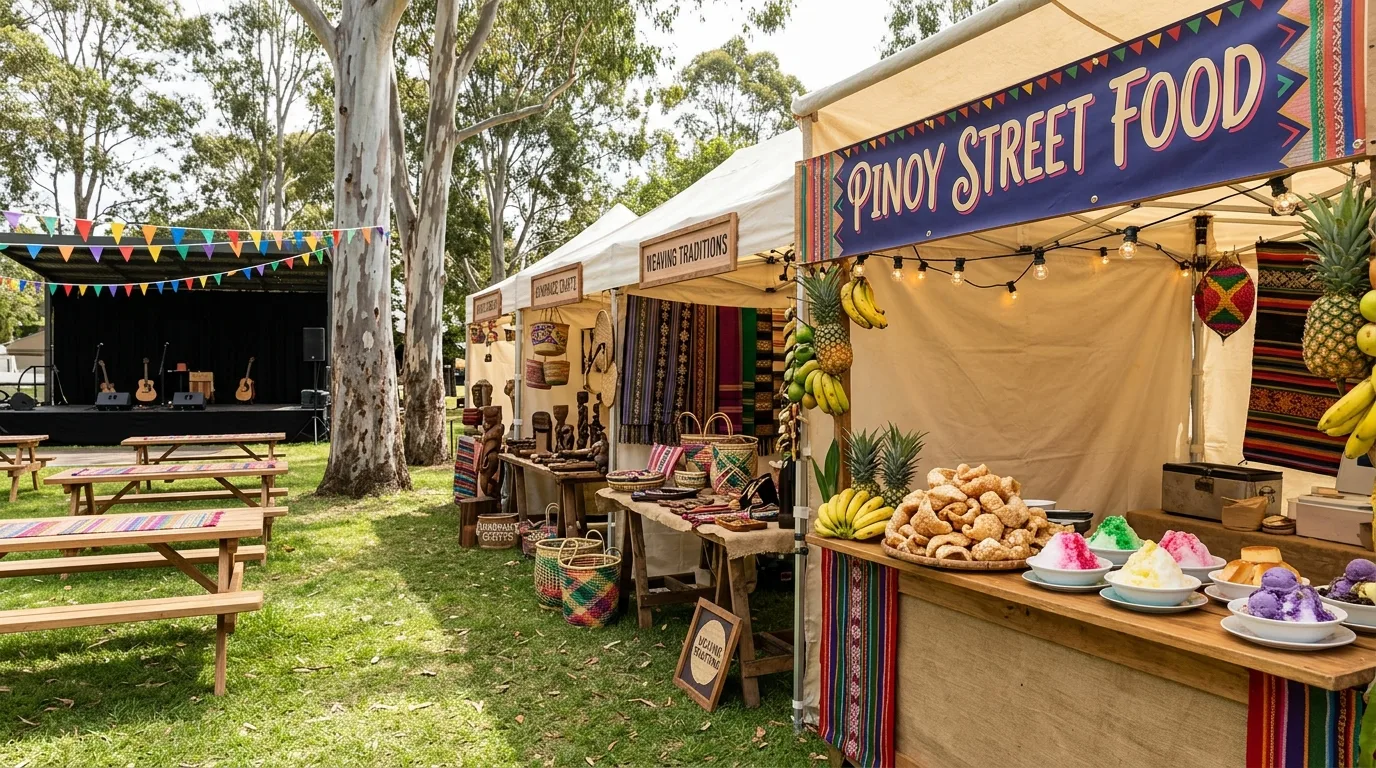
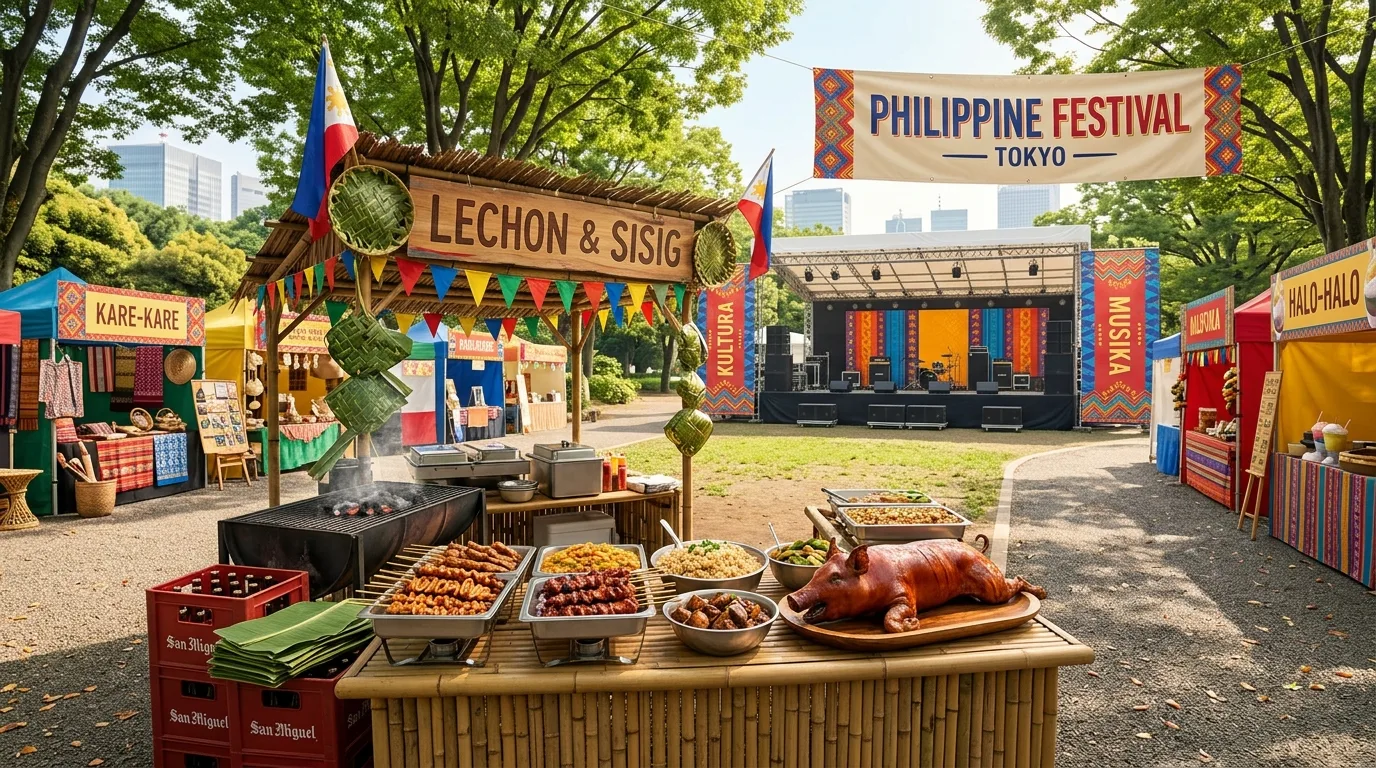
International cultural festivals have become important venues for promoting Philippine heritage. In cities across North America, Europe, Australia, Asia, and the Middle East, Filipino communities regularly organize events that showcase traditional dances, musical performances, culinary experiences, artistic exhibitions, and historical presentations. These festivals often attract thousands of attendees, including individuals who may have little prior familiarity with Philippine culture. Through direct engagement and cultural immersion, visitors gain greater appreciation for the traditions and values that define Filipino identity.
The role of overseas Filipino communities in promoting the country cannot be overstated. Millions of Filipinos living and working abroad serve as informal ambassadors who introduce local communities to Philippine culture through everyday interactions and organized events. Community leaders frequently describe cultural festivals as opportunities to strengthen ties between Filipinos and their host societies while preserving important traditions for future generations. These gatherings often become powerful examples of how cultural heritage can unite people across different backgrounds and experiences.
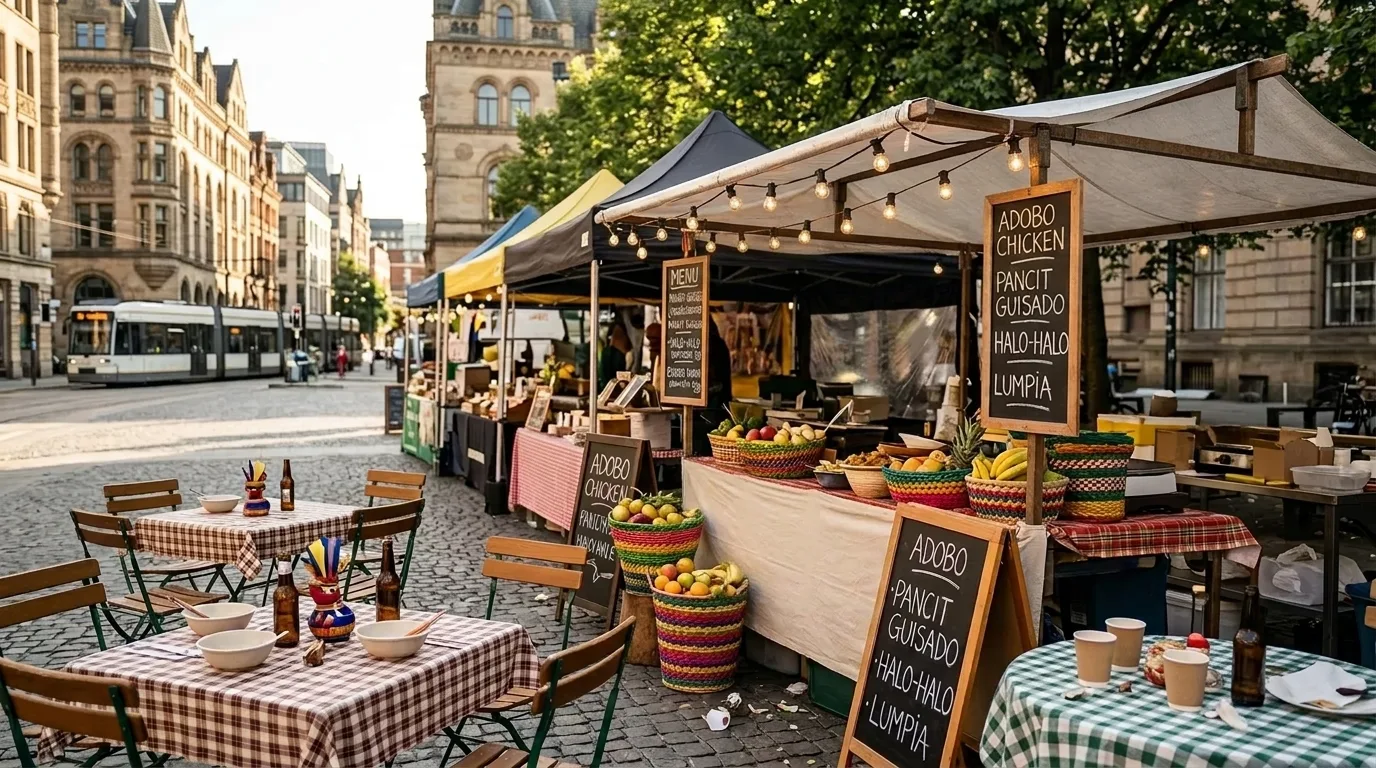
Food remains one of the most effective tools for cultural promotion. Filipino cuisine has gained increasing recognition in recent years, with traditional dishes and regional specialties appearing more frequently in international food festivals, culinary showcases, and cultural events. Visitors who experience Filipino food often develop greater curiosity about the country's history, regions, and traditions. Culinary tourism advocates note that food serves as an accessible introduction to culture and frequently inspires interest in visiting the Philippines itself.
Community events centered on Filipino food have become particularly successful in attracting diverse audiences. Food fairs, culinary demonstrations, cooking competitions, and heritage dining experiences provide opportunities for people to learn about the stories behind traditional dishes while enjoying authentic flavors. These events help strengthen cultural understanding while supporting local entrepreneurs, chefs, and community organizations that contribute to cultural preservation efforts.
Music and performing arts continue to play a vital role in promoting the Philippines internationally. Filipino musicians, dancers, choirs, theater groups, and cultural performers regularly participate in global festivals and multicultural events. Their performances highlight both traditional and contemporary artistic expressions, demonstrating the creativity and talent that exist within Filipino communities worldwide. Audiences are often captivated by the energy, artistry, and storytelling that characterize Filipino cultural performances.
Visual arts have also emerged as powerful tools for cultural diplomacy and tourism promotion. Filipino artists participate in exhibitions, cultural showcases, and international collaborations that introduce audiences to Philippine perspectives, traditions, and contemporary experiences. Through painting, sculpture, photography, digital media, and other artistic forms, creators communicate stories that inspire curiosity about the Philippines and its people. Cultural institutions increasingly recognize the value of arts programming in strengthening international awareness and appreciation.
Tourism fairs and travel exhibitions remain important avenues for destination promotion. The Philippines regularly participates in international tourism events where destinations, tourism products, cultural attractions, and investment opportunities are presented to global audiences. These events allow tourism stakeholders to engage directly with travelers, tour operators, investors, and media organizations interested in learning more about the country. Industry experts note that face-to-face engagement continues to play a valuable role in building trust and generating travel interest.
Digital platforms have significantly expanded the reach of tourism and cultural promotion efforts. Social media, livestream events, digital storytelling campaigns, virtual tours, and online cultural experiences allow organizations to connect with audiences regardless of geographic location. Videos featuring Philippine destinations, festivals, cultural performances, and local communities frequently reach millions of viewers worldwide. This digital visibility has become a critical component of modern destination marketing and cultural outreach strategies.
The growth of cultural tourism has created additional opportunities for local communities throughout the Philippines. Travelers increasingly seek experiences that allow them to engage with traditions, heritage sites, indigenous cultures, local festivals, and community-based tourism programs. These experiences provide economic benefits while encouraging the preservation of cultural assets that might otherwise be overlooked. Community leaders often view tourism as a valuable tool for sustaining traditions and strengthening local identity.
Provincial destinations are benefiting significantly from growing interest in cultural and community-based tourism. Regions known for unique festivals, traditional crafts, historical landmarks, and local customs are attracting increasing numbers of visitors seeking authentic experiences. Tourism development in these areas helps diversify visitor flows while generating income for local residents, artisans, performers, and small business owners. The result is a more inclusive tourism economy that extends benefits beyond major urban centers and established tourism hubs.
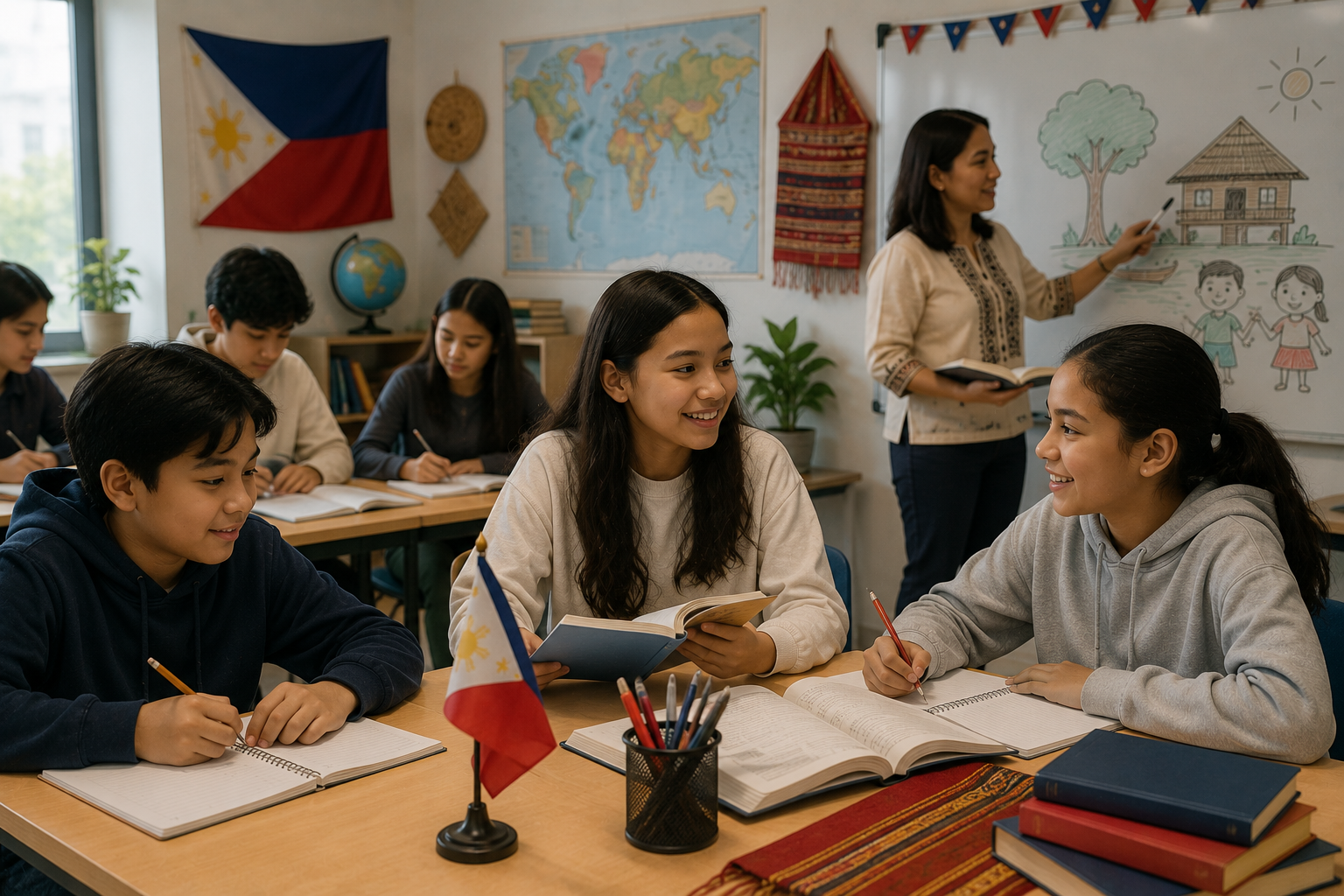
Educational institutions also contribute to promoting the Philippines through cultural exchange programs, academic partnerships, international conferences, and student-led initiatives. These activities create opportunities for cross-cultural learning while helping participants gain a deeper understanding of Philippine history, society, and cultural heritage. Educational engagement often serves as a foundation for long-term cultural relationships and international cooperation.
The concept of cultural diplomacy has become increasingly important in discussions about international engagement. Through festivals, exhibitions, performances, tourism campaigns, and community events, the Philippines is able to strengthen relationships with people and organizations around the world. Cultural diplomacy focuses on building mutual understanding and positive perceptions through shared experiences rather than formal political or economic channels. Experts believe that culture remains one of the most effective ways to create meaningful and lasting international connections.
Economic benefits generated by tourism and cultural events extend across multiple sectors. Hotels, restaurants, transportation providers, event organizers, artisans, performers, tour operators, and local businesses often benefit from increased visitor activity associated with cultural celebrations and tourism initiatives. These activities support employment creation while contributing to broader economic development goals. Community stakeholders emphasize that tourism and culture are not separate sectors but interconnected drivers of growth and opportunity.
The participation of younger generations has become increasingly important in sustaining tourism and cultural promotion efforts. Young Filipinos are leveraging technology, creativity, and social media to share stories about the Philippines with global audiences. Through content creation, community leadership, volunteerism, and cultural programming, they are helping ensure that traditions remain relevant while reaching new audiences. Their involvement reflects a growing commitment to preserving heritage while embracing innovation.
Environmental sustainability is also becoming a key consideration within tourism promotion efforts. Travelers today are increasingly interested in destinations that prioritize conservation, responsible tourism, and community well-being. Many tourism stakeholders are incorporating sustainability principles into their programs, recognizing that protecting natural and cultural resources is essential for long-term success. Sustainable tourism practices help ensure that future generations can continue benefiting from the country's rich heritage and natural beauty.
Looking ahead, tourism experts remain optimistic about the Philippines' growing visibility on the global stage. Rising interest in cultural experiences, continued recovery of international travel, expanding digital engagement, and strong community participation provide favorable conditions for future growth. Tourism and cultural organizations are expected to continue developing innovative approaches that strengthen the country's international profile while supporting local communities and preserving cultural heritage.
Ultimately, the success of tourism, culture, and community events in promoting the Philippines reflects the country's greatest strengths: its people, traditions, creativity, and hospitality. These events provide opportunities to tell meaningful stories, celebrate cultural diversity, and build lasting connections with audiences around the world. They demonstrate that tourism promotion is about far more than attracting visitors—it is about sharing identity, fostering understanding, and creating experiences that leave lasting impressions.
As Filipino communities, cultural advocates, tourism stakeholders, and local organizations continue working together, the Philippines is steadily strengthening its reputation as a destination rich in culture, history, natural beauty, and community spirit. Through festivals, cultural exchanges, tourism initiatives, and global engagement, the country is successfully showcasing its unique identity while inspiring greater appreciation for the values and traditions that make the Philippines truly exceptional on the world stage.
Enjoyed this story?
Share this story