Tourism Recovery Creates New Business Opportunities for Local Entrepreneurs Nationwide
Share
June 06, 2026
Updated Oct 15, 2026
7 min read
395 views
MANILA, Philippines — The continued recovery of the Philippine tourism industry is creating a wave of new business opportunities for entrepreneurs across the country, helping stimulate economic growth, generate employment, and strengthen local communities. As domestic and international travel activity continues to increase, entrepreneurs are finding innovative ways to serve evolving visitor needs while contributing to the revitalization of tourism-dependent economies.
Industry observers note that tourism has long been one of the Philippines' most important economic sectors, supporting millions of jobs and generating opportunities for businesses of all sizes. The renewed growth of travel activity has encouraged entrepreneurs to launch new ventures, expand existing operations, and explore emerging markets tied to tourism development. From major urban destinations to rural communities, local business owners are increasingly benefiting from renewed visitor demand and rising consumer spending.
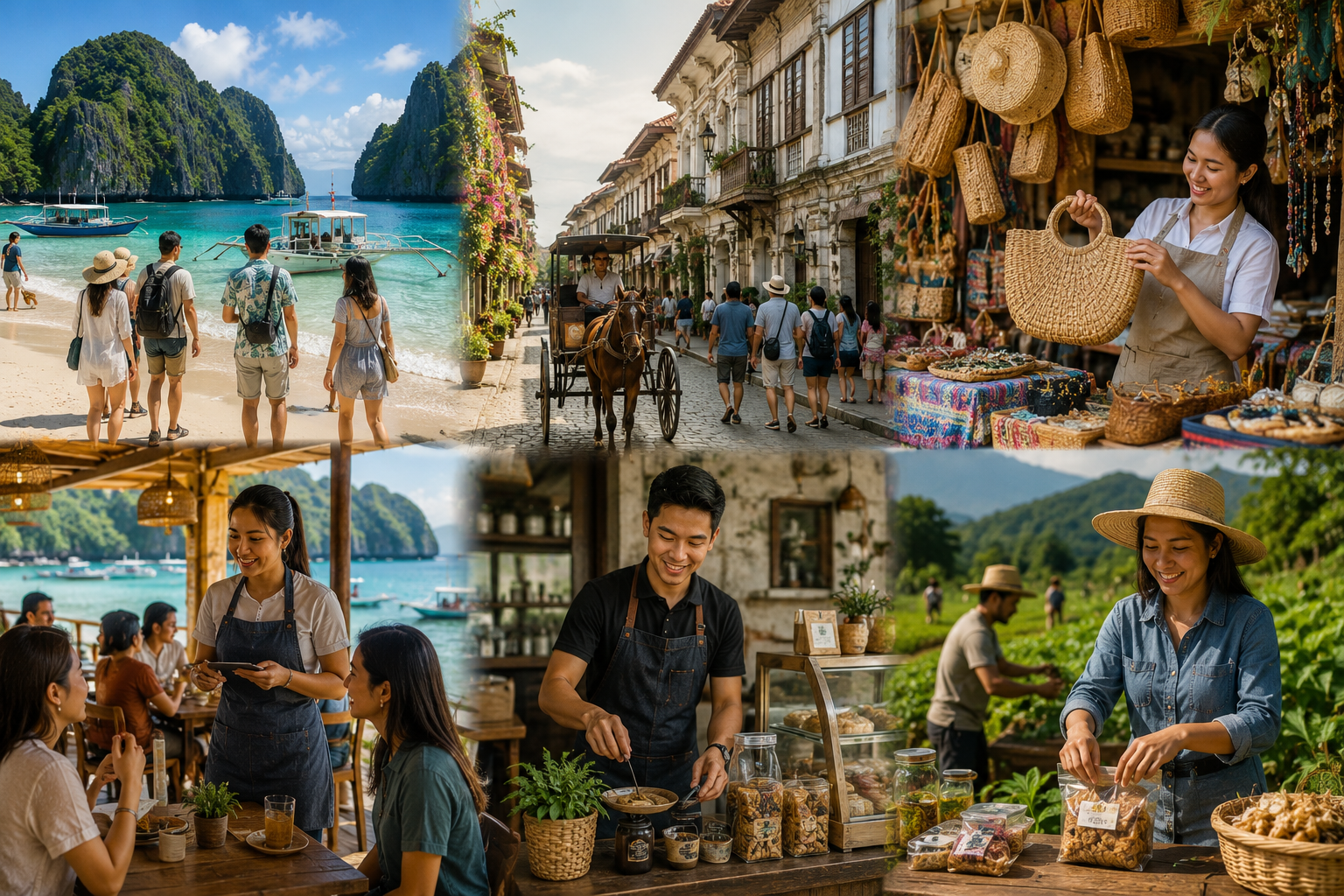
One of the most visible areas of growth has been within the hospitality sector. Hotels, resorts, guesthouses, homestays, and vacation rental operators are experiencing increased demand as travelers seek accommodations that provide comfort, convenience, and authentic local experiences. Many entrepreneurs have responded by developing boutique properties, family-operated lodging facilities, and unique hospitality concepts designed to appeal to modern travelers. These businesses not only support tourism growth but also generate employment opportunities for local residents and contribute to regional economic development.
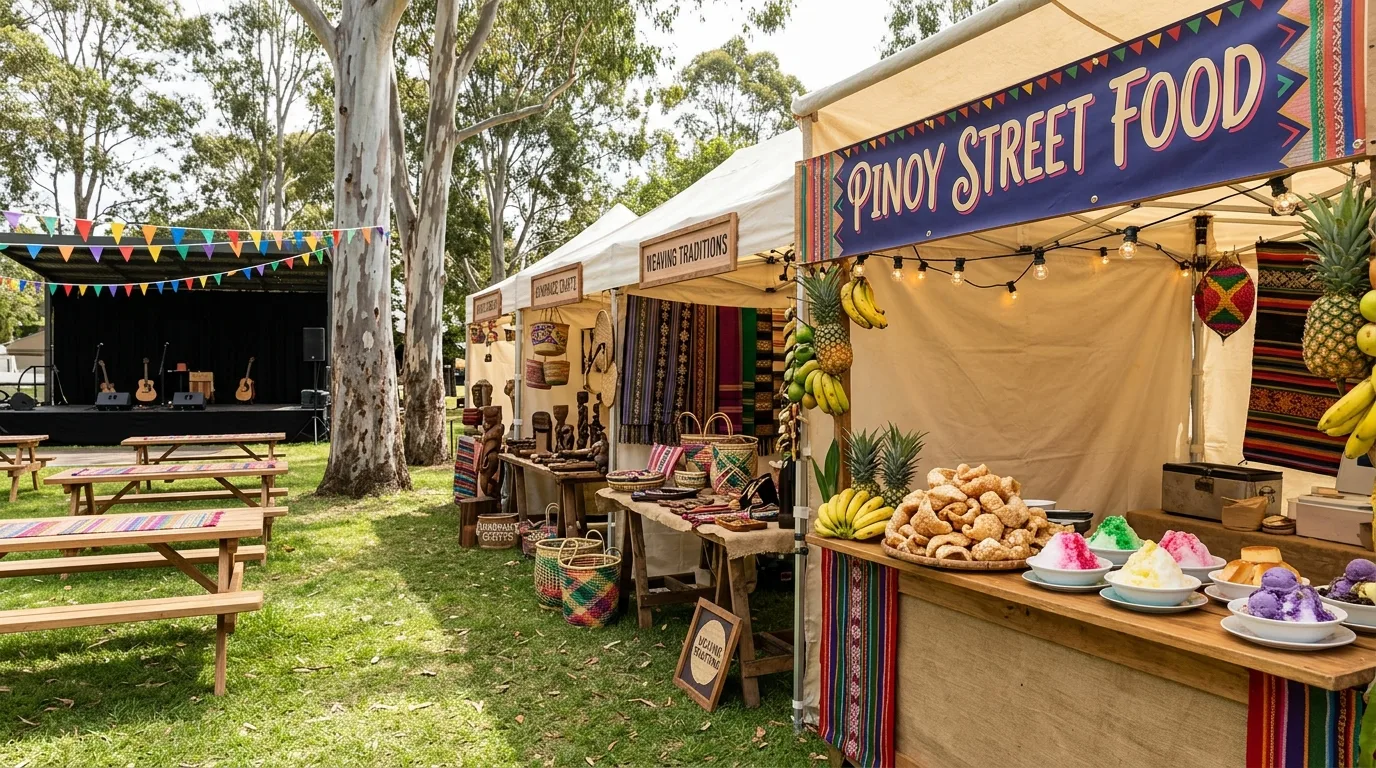
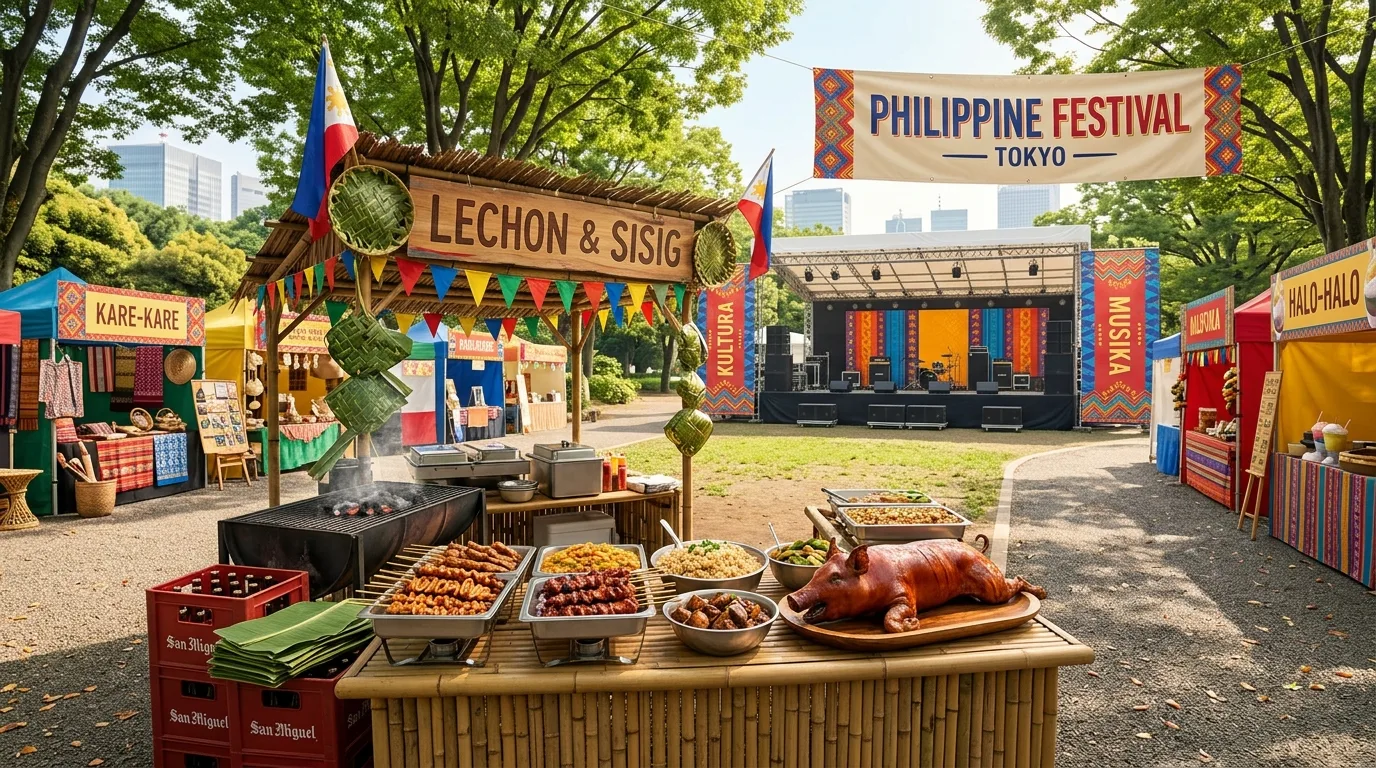
Food and beverage enterprises are also benefiting significantly from the tourism recovery. Restaurants, cafes, food stalls, catering services, and specialty food producers are seeing increased customer activity as visitors explore local destinations. Entrepreneurs are capitalizing on growing interest in regional cuisine, traditional delicacies, and authentic dining experiences. In many communities, food tourism has become a powerful driver of business growth, allowing local culinary traditions to become important economic assets. The increasing popularity of food-focused travel experiences has encouraged entrepreneurs to invest in quality products, innovative concepts, and enhanced customer experiences.
Tour operations and travel-related services continue to represent important opportunities for business development. Entrepreneurs offering guided tours, adventure experiences, cultural excursions, eco-tourism activities, and transportation services are benefiting from increased demand among travelers seeking memorable and personalized experiences. Many business owners are developing specialized offerings that highlight local attractions, cultural heritage, natural landscapes, and community experiences. Industry experts note that modern travelers increasingly value authenticity, creating opportunities for entrepreneurs who can provide meaningful and immersive tourism products.
Community-based tourism initiatives have emerged as particularly important drivers of inclusive economic growth. Across the Philippines, local communities are developing tourism programs that allow residents to participate directly in economic opportunities generated by visitor activity. Entrepreneurs are creating businesses centered on cultural experiences, traditional crafts, local food production, agricultural tourism, and environmental education. These initiatives help ensure that tourism benefits are distributed more broadly while promoting sustainable development and cultural preservation.
The growing interest in sustainable tourism has created new markets for environmentally responsible businesses. Travelers are increasingly seeking destinations and services that prioritize conservation, sustainability, and responsible tourism practices. Entrepreneurs are responding by developing eco-friendly accommodations, sustainable tour operations, waste reduction initiatives, renewable energy solutions, and conservation-focused experiences. These businesses appeal to environmentally conscious consumers while supporting long-term destination sustainability.
Handicrafts and creative industries have also experienced renewed opportunities as tourism activity increases. Artisans, craftspeople, designers, and cultural entrepreneurs are finding new markets for locally produced goods that reflect regional traditions and cultural identity. Visitors often seek authentic souvenirs and handmade products that provide meaningful connections to the destinations they visit. This demand helps support traditional skills while creating income opportunities for local producers and creative professionals.
Technology is playing an increasingly important role in tourism entrepreneurship. Digital platforms, online booking systems, social media marketing, mobile applications, and e-commerce solutions are helping entrepreneurs reach wider audiences and operate more efficiently. Small businesses that once relied primarily on local markets can now connect with domestic and international customers through digital channels. Technology has lowered barriers to entry while providing entrepreneurs with tools to compete more effectively in a rapidly evolving tourism environment.
Transportation services have also benefited from increased travel activity. Entrepreneurs involved in land transportation, boat services, shuttle operations, vehicle rentals, and mobility solutions are experiencing growing demand as visitors explore destinations across the country. Improvements in tourism infrastructure and transportation connectivity have created additional opportunities for businesses that support visitor mobility and accessibility.
The rise of experiential tourism has encouraged entrepreneurs to develop products and services that go beyond traditional sightseeing. Travelers increasingly seek opportunities to engage with local culture, participate in community activities, learn new skills, and experience destinations in meaningful ways. Entrepreneurs are responding by offering cooking classes, cultural workshops, agricultural experiences, heritage tours, wellness programs, and adventure-based activities that provide deeper connections to local communities and traditions.
Youth entrepreneurship is becoming an increasingly important part of the tourism ecosystem. Young business owners are leveraging technology, creativity, and innovation to develop tourism-related ventures that address changing consumer preferences. Many young entrepreneurs are introducing fresh ideas related to digital marketing, sustainable travel, cultural experiences, and customer engagement. Their participation contributes to economic diversification while helping modernize tourism-related industries.
Women entrepreneurs are also playing a significant role in tourism-driven economic growth. Across the country, women are leading businesses in hospitality, food services, handicrafts, wellness tourism, event management, and community development. These enterprises create employment opportunities, support family incomes, and contribute to broader social and economic empowerment initiatives. Community leaders frequently highlight the importance of women's entrepreneurship in creating resilient and inclusive local economies.
Government agencies, local governments, and tourism stakeholders continue to support entrepreneurship through training programs, business development initiatives, financing opportunities, and infrastructure investments. These efforts aim to help entrepreneurs improve competitiveness, enhance service quality, and capitalize on emerging opportunities within the tourism sector. Industry experts emphasize that strong partnerships between public and private sectors are essential to sustaining long-term tourism growth.
The economic benefits of tourism recovery extend beyond businesses directly serving visitors. Tourism activity creates demand across a wide range of industries, including agriculture, manufacturing, logistics, retail, construction, communications, and professional services. Entrepreneurs operating in these sectors also benefit from increased economic activity generated by tourism growth. This multiplier effect helps strengthen local economies and supports broader development objectives.
Many destinations throughout the Philippines are experiencing renewed optimism as tourism activity continues to increase. Entrepreneurs who faced significant challenges during periods of reduced travel are now finding opportunities to rebuild, innovate, and expand. Community leaders note that the resilience demonstrated by business owners has played a crucial role in supporting economic recovery and maintaining local livelihoods.
The future outlook for tourism entrepreneurship remains highly positive. Growing domestic travel, increasing international visitor arrivals, improvements in infrastructure, digital transformation, and rising interest in authentic travel experiences are expected to create continued opportunities for business development. Entrepreneurs who can adapt to changing consumer expectations while delivering high-quality products and services are likely to benefit from long-term industry growth.
Experts also anticipate that niche tourism segments will continue expanding. Areas such as wellness tourism, eco-tourism, cultural tourism, culinary tourism, educational travel, and adventure tourism present promising opportunities for entrepreneurs seeking to differentiate themselves within competitive markets. These segments often appeal to travelers willing to spend more on specialized and meaningful experiences.
Ultimately, the recovery of the tourism industry represents more than a return to pre-existing levels of activity. It provides an opportunity to build a stronger, more innovative, and more inclusive tourism economy that benefits communities throughout the Philippines. Entrepreneurs are at the center of this transformation, creating businesses that generate employment, preserve culture, support sustainability, and enhance visitor experiences.
As tourism destinations continue welcoming increasing numbers of travelers, local entrepreneurs are demonstrating remarkable creativity, resilience, and adaptability. Their efforts are helping shape the future of Philippine tourism while contributing to economic growth and community development nationwide. Through innovation, determination, and a commitment to excellence, these business owners are turning tourism recovery into a powerful engine of opportunity that will continue creating benefits for years to come.
Enjoyed this story?
Share this story