Traditional Philippine Dances Captivate Crowds at Global Multicultural Festivals
Share
June 02, 2026
Updated Oct 16, 2026
7 min read
271 views
MANILA, Philippines — Traditional Philippine dances are capturing the attention of international audiences as Filipino cultural groups continue to showcase the country's rich artistic heritage at multicultural festivals across the globe.
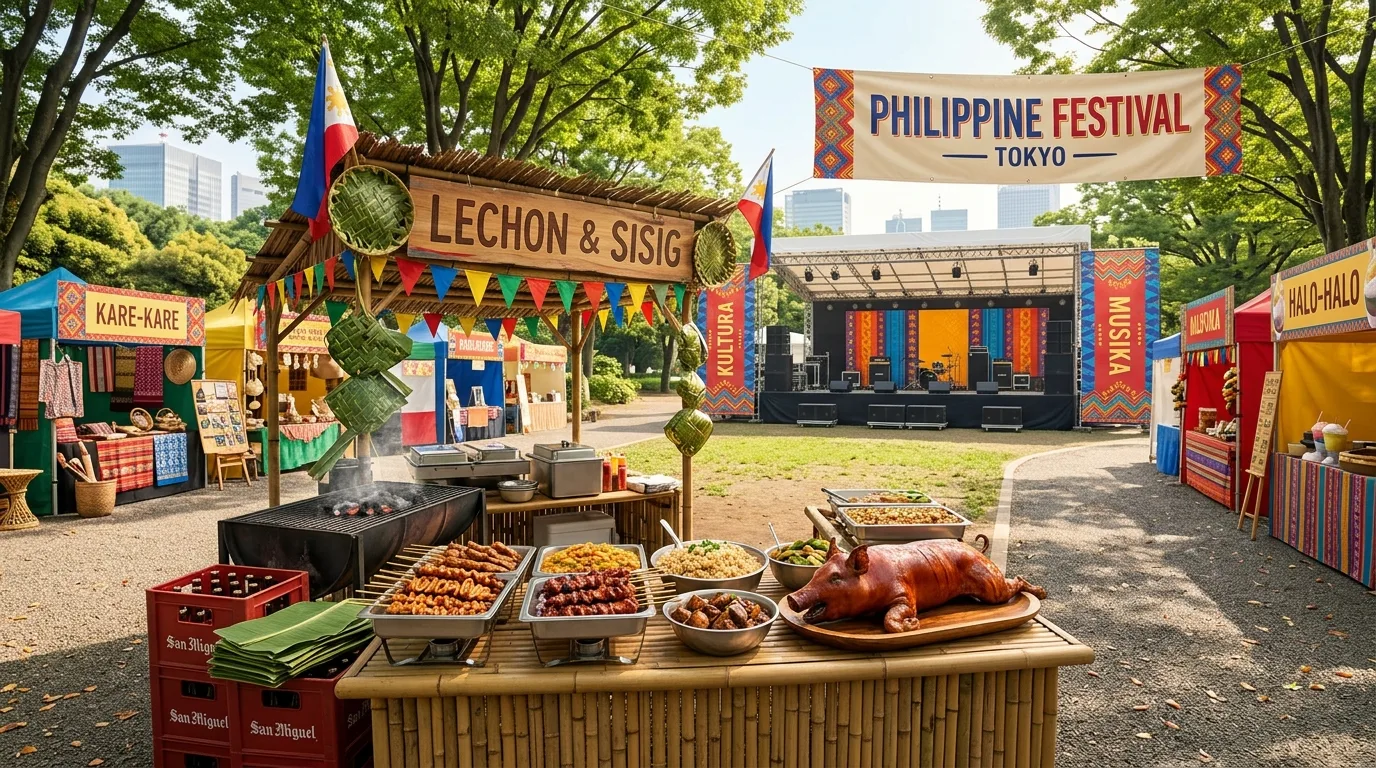
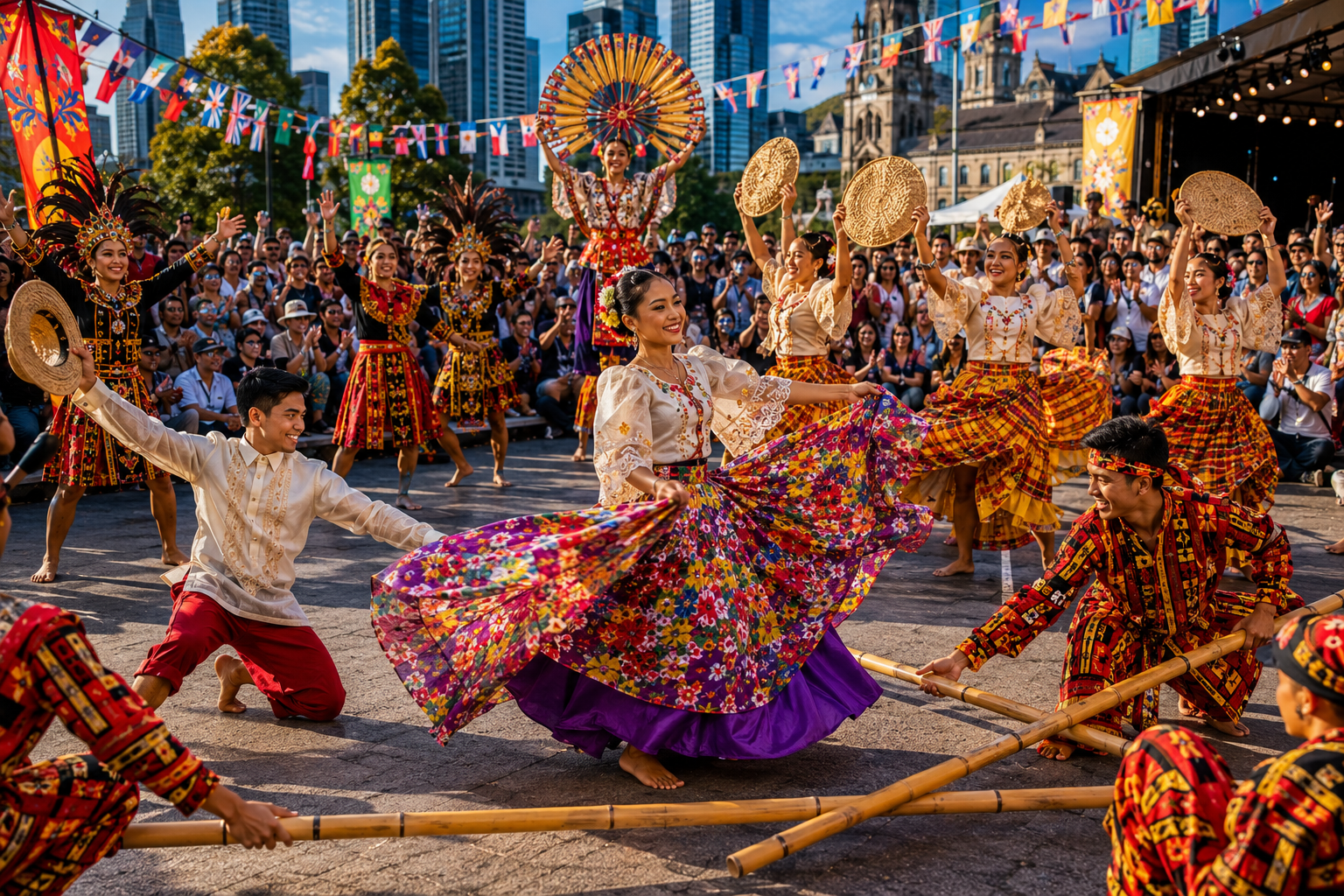
From North America and Europe to Asia, Australia, and the Middle East, Filipino performers are earning praise for vibrant presentations that celebrate the history, diversity, and cultural traditions of the Philippines. Through colorful costumes, rhythmic music, and storytelling through movement, these performances have become major attractions at international cultural events.
Community leaders and cultural advocates say the growing popularity of Philippine dance presentations reflects increasing global interest in Filipino culture and heritage. At the same time, these performances play an important role in preserving traditions for future generations while strengthening connections among Filipino communities abroad.
Multicultural festivals have become valuable platforms for showcasing the artistic achievements of various cultures, and Filipino dance groups have consistently stood out for their energy, creativity, and authenticity.
In major cities such as Toronto, Vancouver, New York, Los Angeles, London, Paris, Rome, Madrid, Amsterdam, Berlin, Dubai, Abu Dhabi, Singapore, Tokyo, Sydney, Melbourne, and Auckland, audiences are increasingly seeking opportunities to experience cultural performances that offer meaningful insights into different traditions.
Filipino dance presentations provide exactly that experience.
Traditional Philippine dances represent centuries of cultural development influenced by indigenous customs, regional traditions, Asian connections, and historical interactions with different civilizations.
Each performance tells a story about community life, celebrations, courtship, agriculture, spirituality, resilience, or historical experiences that have shaped Filipino identity.
Festival organizers frequently describe Filipino dance groups as audience favorites because of their ability to combine artistic excellence with cultural education.
Unlike performances focused solely on entertainment, traditional Filipino dances often serve as living lessons in history and heritage.
Through movement, music, and costume design, audiences gain deeper understanding of the diverse cultural influences that have contributed to the development of Philippine society.
Among the most recognized performances are folk dances inspired by various regions of the country.
These dances highlight the unique customs, lifestyles, and traditions found throughout the Philippine archipelago.
Some performances celebrate rural life and agricultural traditions, while others depict historical courtship rituals, festive celebrations, or indigenous practices.
The diversity of these presentations reflects the extraordinary cultural richness of a nation composed of thousands of islands and numerous ethnolinguistic communities.
One of the most visually striking aspects of Filipino dance performances is the use of traditional attire.
Performers wear elaborate costumes inspired by regional traditions, historical garments, and indigenous cultural practices.
These costumes often feature intricate embroidery, vibrant colors, woven fabrics, and symbolic designs that enhance the storytelling elements of each presentation.
Audience members frequently express admiration for the craftsmanship and cultural significance represented through traditional clothing.
Many cultural groups take time before or after performances to explain the historical context behind specific costumes and dance styles.
This educational approach helps create meaningful connections between performers and audiences while promoting greater appreciation for Filipino heritage.
Music plays an equally important role in bringing traditional dances to life.
Live musicians and recorded performances feature traditional instruments, regional rhythms, and melodies that reflect the country's diverse cultural influences.
The combination of music and movement creates immersive experiences that resonate strongly with festival attendees.
For many international visitors, these performances provide their first exposure to Filipino artistic traditions.
Organizers note that audiences often leave with a deeper understanding of Philippine culture and a desire to learn more about the country.
This growing curiosity has contributed to broader interest in Filipino cuisine, tourism, history, and cultural experiences.
The role of overseas Filipino communities has been instrumental in preserving and promoting traditional dance traditions.
Across the world, cultural organizations dedicate significant resources to training performers, organizing events, and developing educational programs that ensure these traditions remain vibrant.
Volunteers, instructors, parents, and community leaders invest countless hours preparing dancers for major festivals and cultural showcases.
Their efforts reflect a shared commitment to cultural preservation and community engagement.
For many participants, performing traditional dances represents more than artistic expression.
It is an opportunity to celebrate identity, honor heritage, and strengthen connections to the Philippines despite living far from home.
Second- and third-generation Filipinos have become increasingly active participants in these cultural initiatives.
Community leaders recognize that engaging younger generations is essential to ensuring the long-term survival of traditional arts.
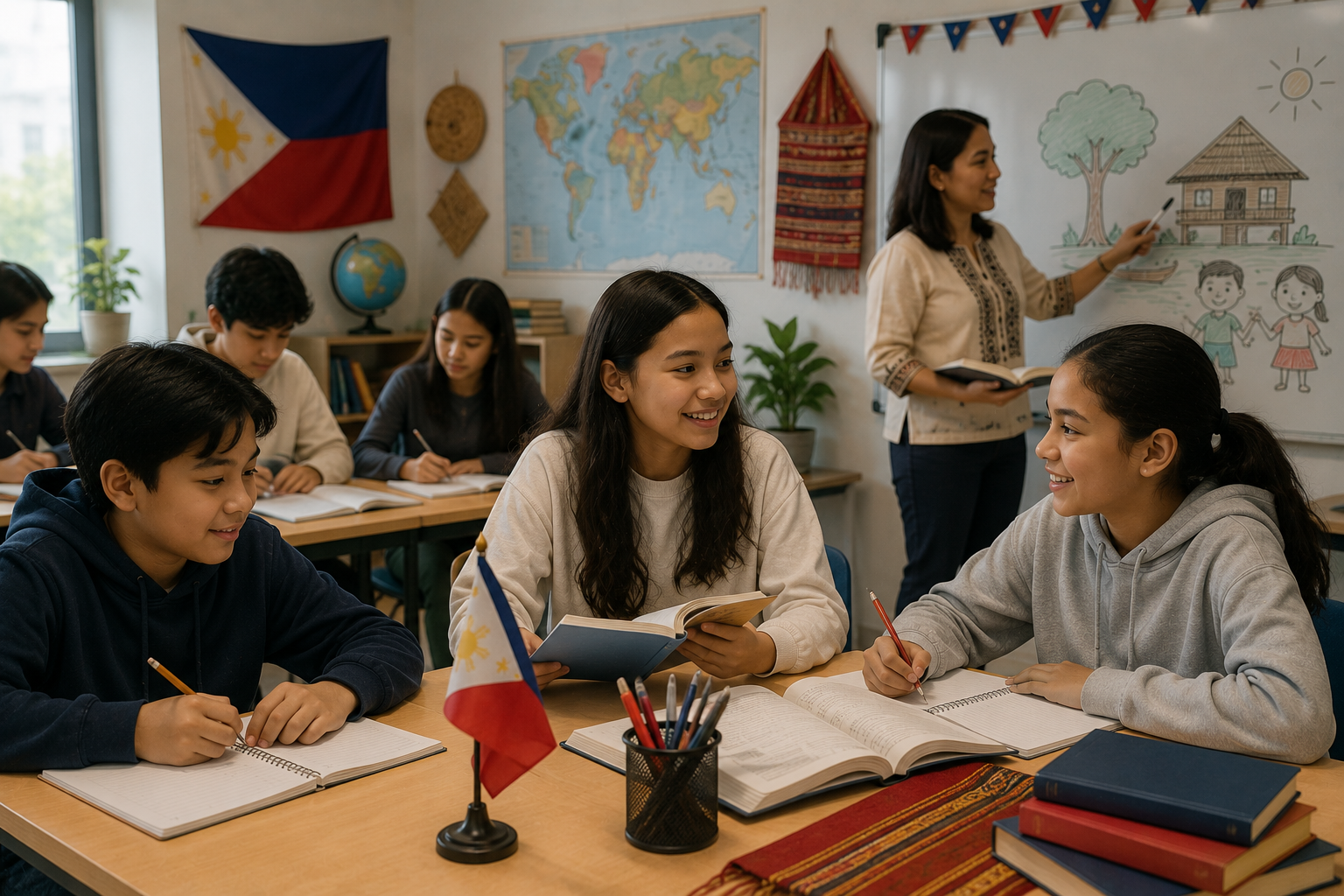
Dance programs provide opportunities for youth to learn about history, language, customs, and values while developing confidence, discipline, and leadership skills.
Many young performers describe their involvement as transformative experiences that deepen their understanding of their cultural roots.
These programs help bridge generational gaps while creating stronger community connections.
Multicultural festivals also provide opportunities for Filipino performers to collaborate with artists from different cultural backgrounds.
These interactions encourage mutual learning and foster greater appreciation for cultural diversity.
Festival organizers frequently highlight Filipino participation as examples of how traditional arts can promote intercultural dialogue and understanding.
By sharing their heritage with others, Filipino performers contribute to broader conversations about identity, inclusion, and cultural preservation.
Technology has expanded the visibility of traditional Philippine dances in recent years.
Videos of performances shared through social media platforms often reach millions of viewers worldwide.
These digital platforms allow cultural groups to showcase their work beyond physical event venues and connect with audiences across continents.
Many performances gain widespread attention online, introducing new audiences to Filipino traditions and inspiring greater interest in cultural activities.
Content creators, educators, and cultural advocates frequently use digital media to document performances, share historical information, and promote cultural awareness.
The resulting visibility has strengthened the global profile of Filipino performing arts.
Tourism experts note that cultural performances often influence travel decisions.
Individuals who experience Filipino dances at international festivals frequently express interest in visiting the Philippines to learn more about the country's traditions and cultural landmarks.
As a result, dance presentations serve as informal ambassadors for Philippine tourism and cultural promotion.
The economic impact of these events should not be overlooked.
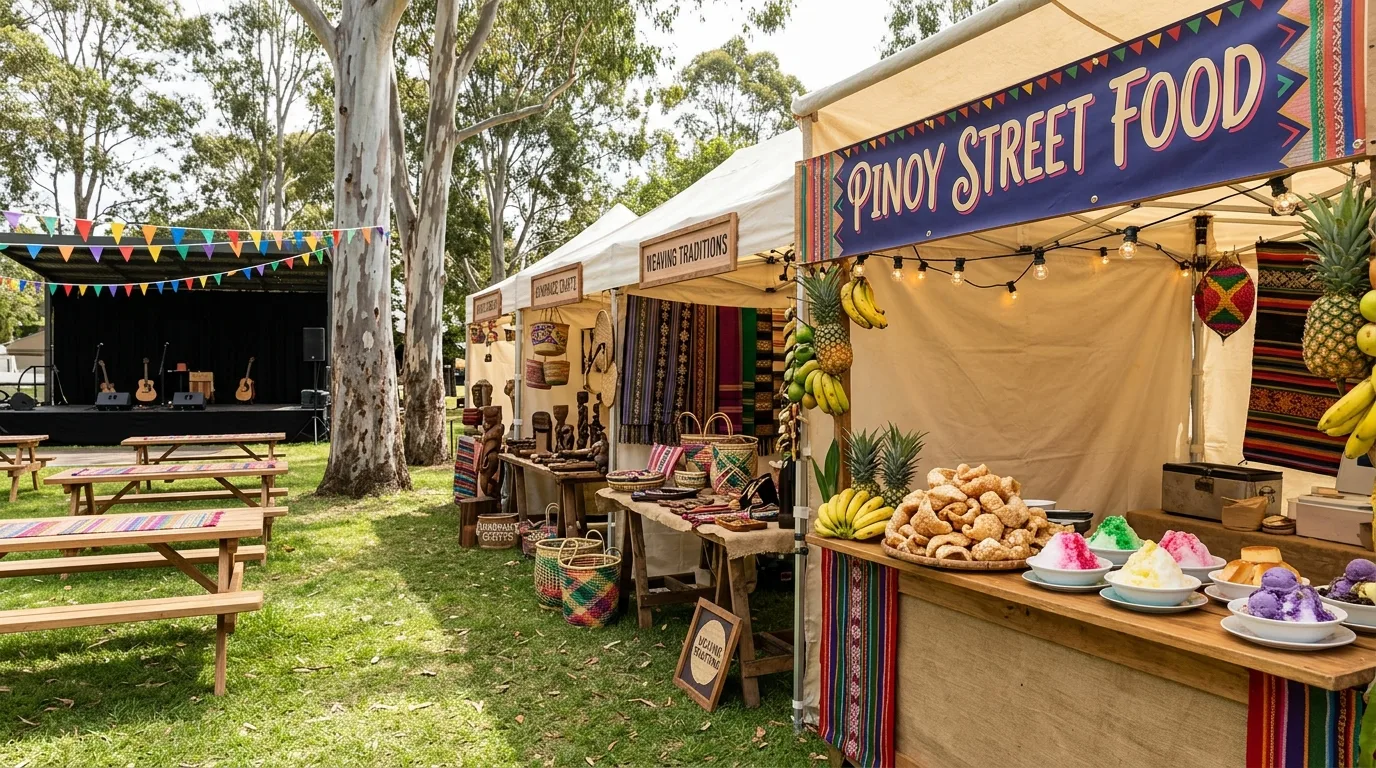
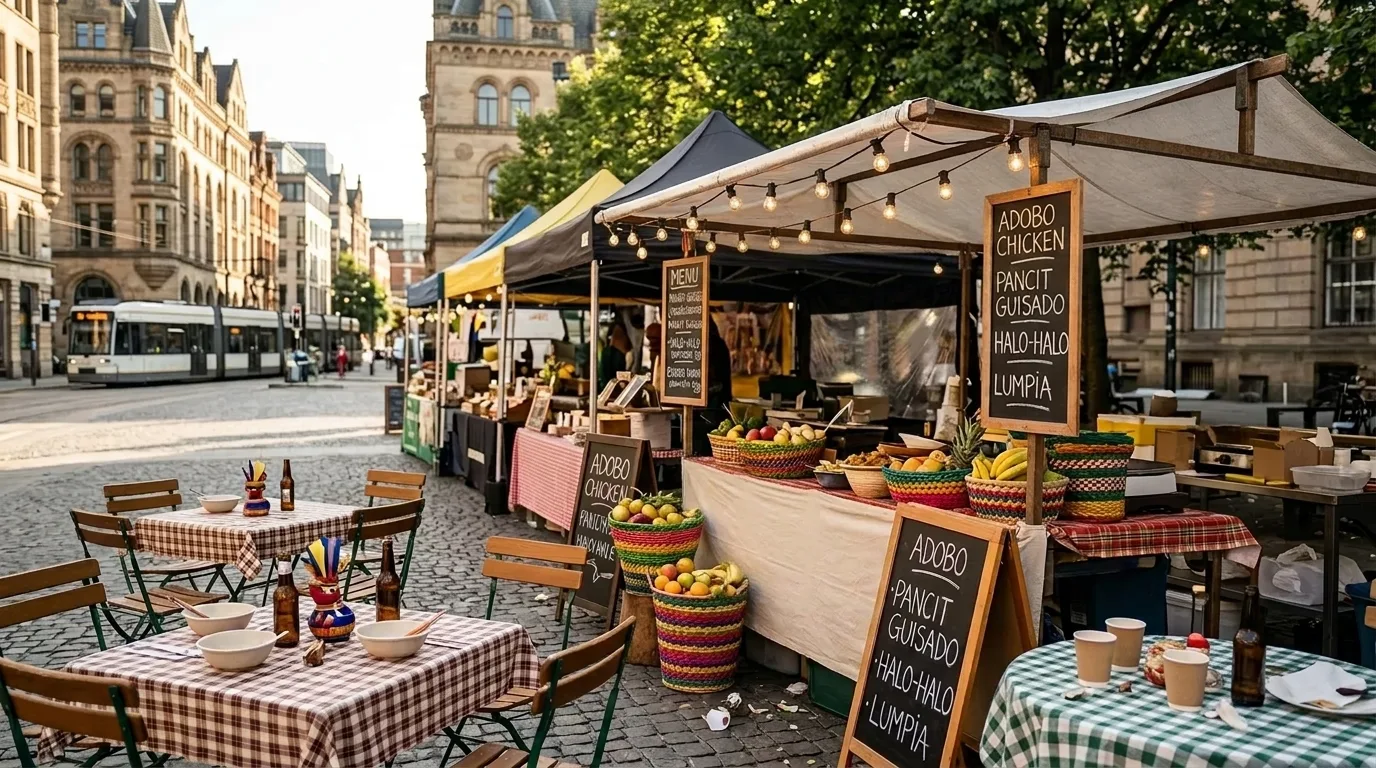
Cultural festivals create opportunities for Filipino-owned businesses, artisans, costume makers, musicians, educators, and event organizers.
Many entrepreneurs participate in festivals by offering products and services that complement cultural programming.
These activities contribute to community development while supporting creative industries connected to Filipino heritage.
Government agencies, educational institutions, and cultural organizations have increasingly recognized the value of traditional dance preservation.
Partnerships with community groups have helped expand access to training programs, cultural resources, and performance opportunities.
These collaborations strengthen efforts to preserve cultural traditions while ensuring broader public engagement.
Experts believe that the future of Filipino dance traditions remains bright.
Growing global interest in cultural experiences, combined with strong community support and expanding digital outreach, creates favorable conditions for continued growth and recognition.
Many organizations are planning larger performances, international collaborations, youth-focused initiatives, and educational programs designed to expand participation and audience engagement.
The goal is not only to preserve traditions but also to ensure that they remain dynamic, accessible, and relevant in a rapidly changing world.
Ultimately, the success of Filipino dance presentations at multicultural festivals demonstrates the enduring power of culture to connect people across borders.
Through movement, music, storytelling, and artistic expression, performers are sharing a rich heritage that resonates with audiences regardless of language or nationality.
Each performance becomes an opportunity to celebrate diversity, foster understanding, and honor traditions that have shaped generations of Filipinos.
As crowds continue to gather at festivals around the world, traditional Philippine dances are proving that cultural heritage remains one of the nation's most powerful and inspiring gifts to the global community.
From grand festival stages in North America and Europe to cultural showcases across Asia, Australia, and the Middle East, Filipino performers continue to captivate audiences with artistry, passion, and pride.
Their performances remind the world that culture is more than history—it is a living expression of identity, creativity, and community.
Through every graceful movement, colorful costume, and rhythmic performance, the story of the Philippines continues to unfold before international audiences, ensuring that its traditions remain vibrant and celebrated for generations to come.
Enjoyed this story?
Share this story