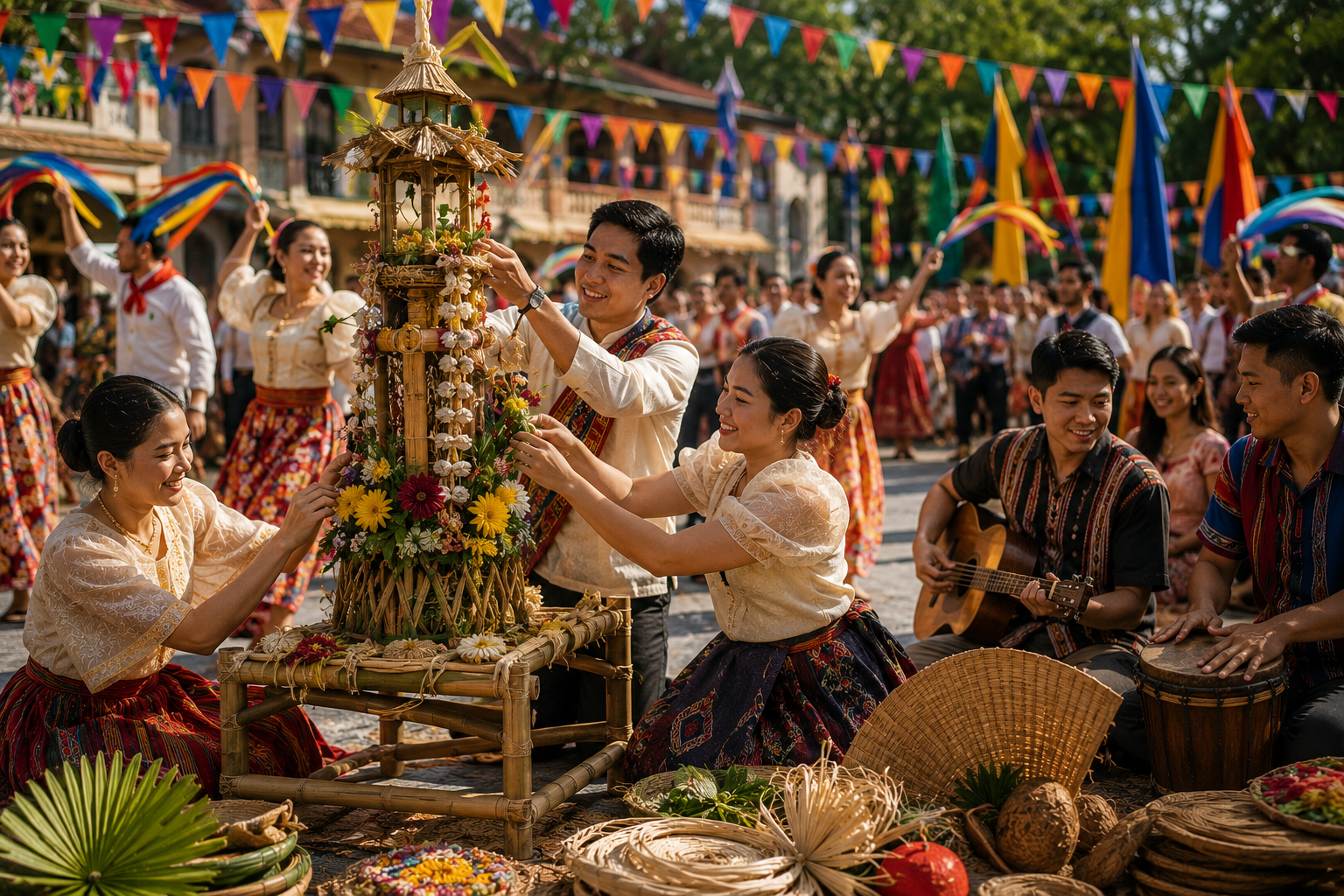
Young Filipino Leaders Revitalize Traditional Community Celebrations Worldwide
Share
June 12, 2026
Updated Oct 16, 2026
8 min read
283 views
MANILA, Philippines — Young Filipino leaders across the globe are taking active roles in revitalizing traditional community celebrations, helping ensure that cultural heritage remains vibrant and relevant for future generations. Through innovative programming, digital engagement, creative cultural initiatives, and strong community involvement, these young leaders are transforming long-standing traditions into dynamic experiences that continue to resonate with modern audiences. Their efforts are strengthening cultural identity, fostering community participation, and preserving Filipino heritage within diverse international environments.
For generations, traditional community celebrations have served as important expressions of Filipino culture. Festivals, heritage gatherings, religious observances, cultural programs, and community events have long provided opportunities for Filipinos to celebrate their shared identity, honor traditions, and strengthen social connections. As Filipino communities expanded across the world through migration and global mobility, many of these traditions were carried overseas and adapted to new cultural environments. Today, young Filipino leaders are playing critical roles in ensuring that these traditions not only survive but continue to evolve and flourish.
Community leaders note that younger generations bring fresh perspectives and new energy to cultural preservation efforts. While honoring the core values and traditions passed down by earlier generations, many young organizers are introducing innovative approaches that help increase participation and broaden appeal. By combining traditional cultural elements with modern communication strategies, interactive experiences, and creative programming, they are making community celebrations more engaging and accessible to diverse audiences.
One of the most visible contributions of young Filipino leaders is their use of technology to enhance cultural events. Social media platforms, digital marketing campaigns, livestreamed activities, virtual cultural exhibits, and online community engagement tools have expanded the reach of traditional celebrations far beyond local communities. Events that once attracted only neighborhood participants can now engage audiences across multiple countries, connecting Filipinos worldwide while introducing cultural traditions to broader international audiences.
Many community organizations report that younger volunteers are leading efforts to modernize event planning and communication. Through professional branding, digital content creation, online registration systems, and multimedia storytelling, they help improve event visibility and participant experiences. These innovations make cultural celebrations more accessible while encouraging greater involvement from younger generations who are accustomed to digital forms of communication and engagement.
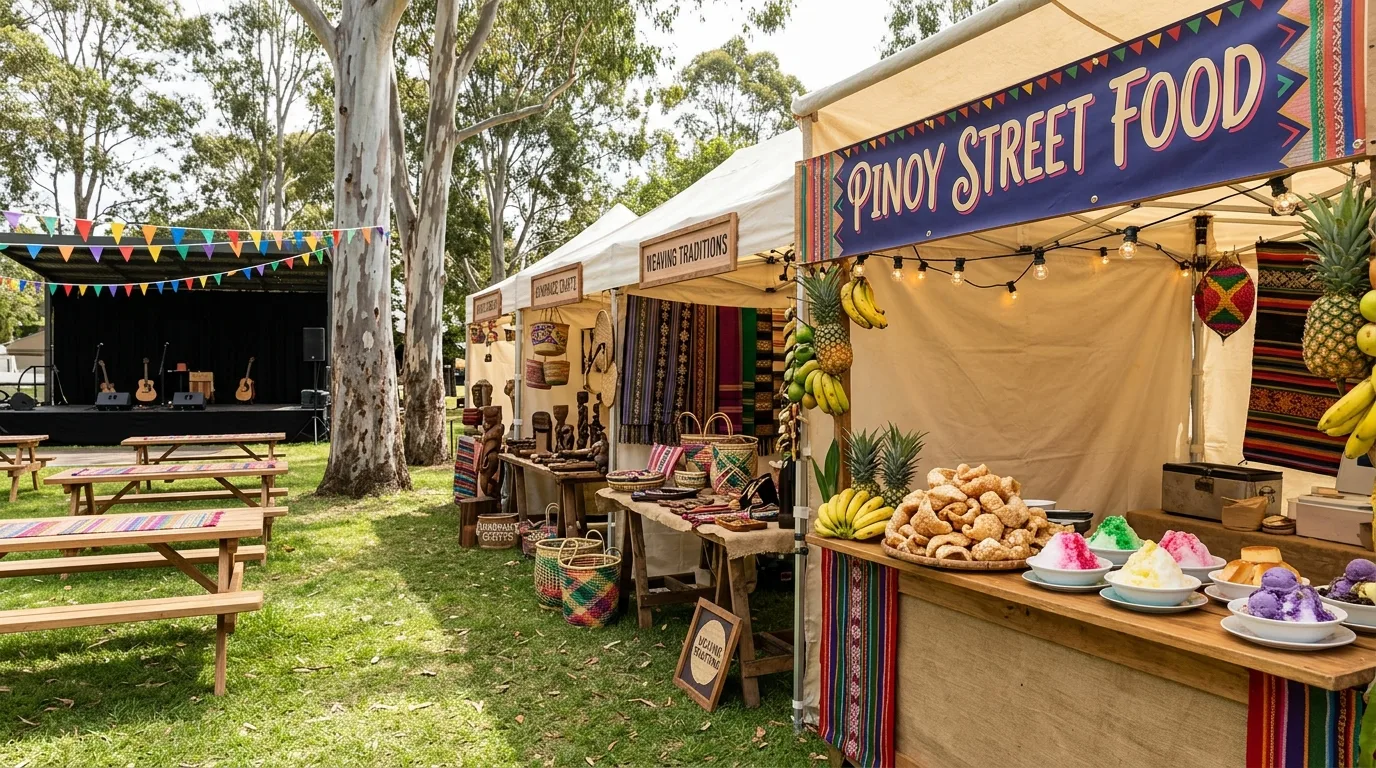
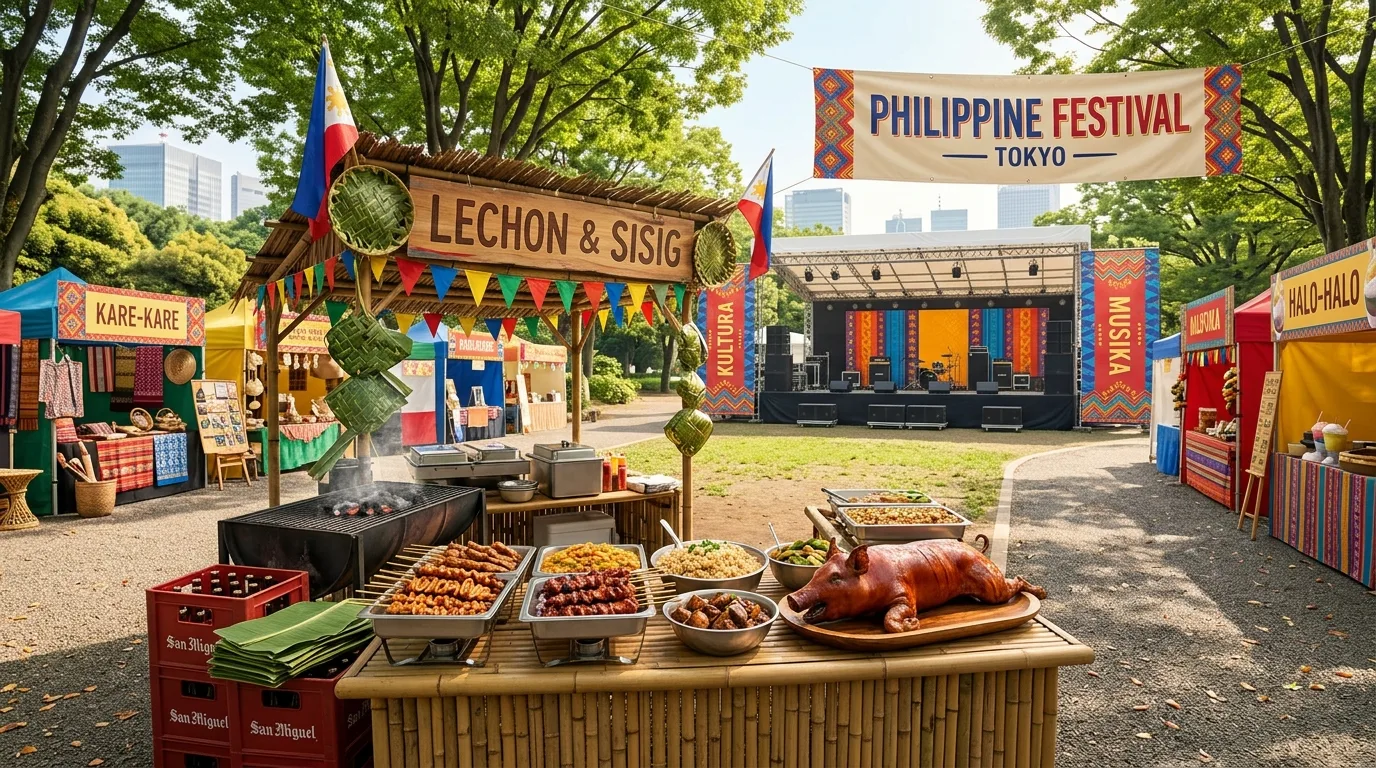
Cultural festivals remain among the most important platforms for community engagement. Young leaders are working closely with experienced cultural advocates to organize festivals that celebrate Filipino music, dance, food, arts, language, and traditions. While preserving authentic cultural expressions, they are also introducing contemporary elements such as interactive exhibits, youth-focused activities, modern performances, and educational experiences that appeal to a broader range of participants. Organizers believe that this balance between tradition and innovation is essential for sustaining long-term community interest.
The involvement of second- and third-generation Filipinos has become increasingly important in revitalization efforts. Many young people born and raised outside the Philippines are actively exploring their cultural heritage and seeking meaningful ways to connect with their roots. Through leadership roles in community organizations, they contribute unique perspectives that help bridge generational and cultural gaps. Community leaders view this engagement as a positive sign that Filipino identity continues to remain strong across generations despite geographic distance from the homeland.
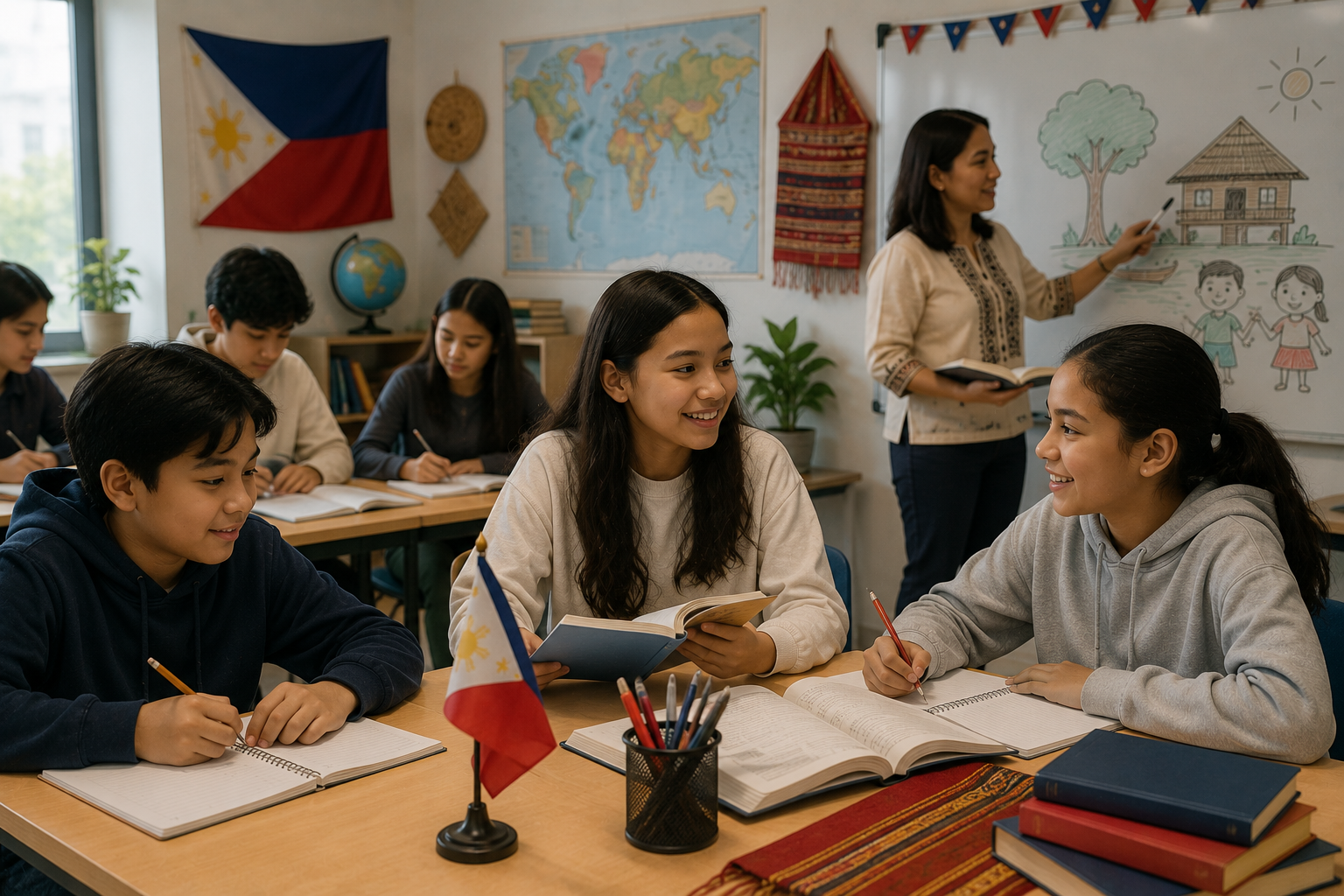
Educational initiatives have become central components of many modern community celebrations. Young organizers frequently incorporate workshops, cultural talks, historical presentations, language sessions, and heritage exhibits into event programming. These activities help participants gain deeper understanding of Filipino history and traditions while creating opportunities for meaningful learning. Educators note that combining entertainment with education can significantly enhance cultural appreciation and long-term engagement.
The arts continue to play a vital role in community celebrations worldwide. Young Filipino artists, performers, musicians, and creatives are using their talents to reinterpret traditional cultural expressions for contemporary audiences. Dance performances, musical collaborations, visual art installations, theater productions, and multimedia presentations often become highlights of cultural events. These artistic contributions demonstrate how heritage can remain relevant and inspiring while adapting to modern forms of expression.
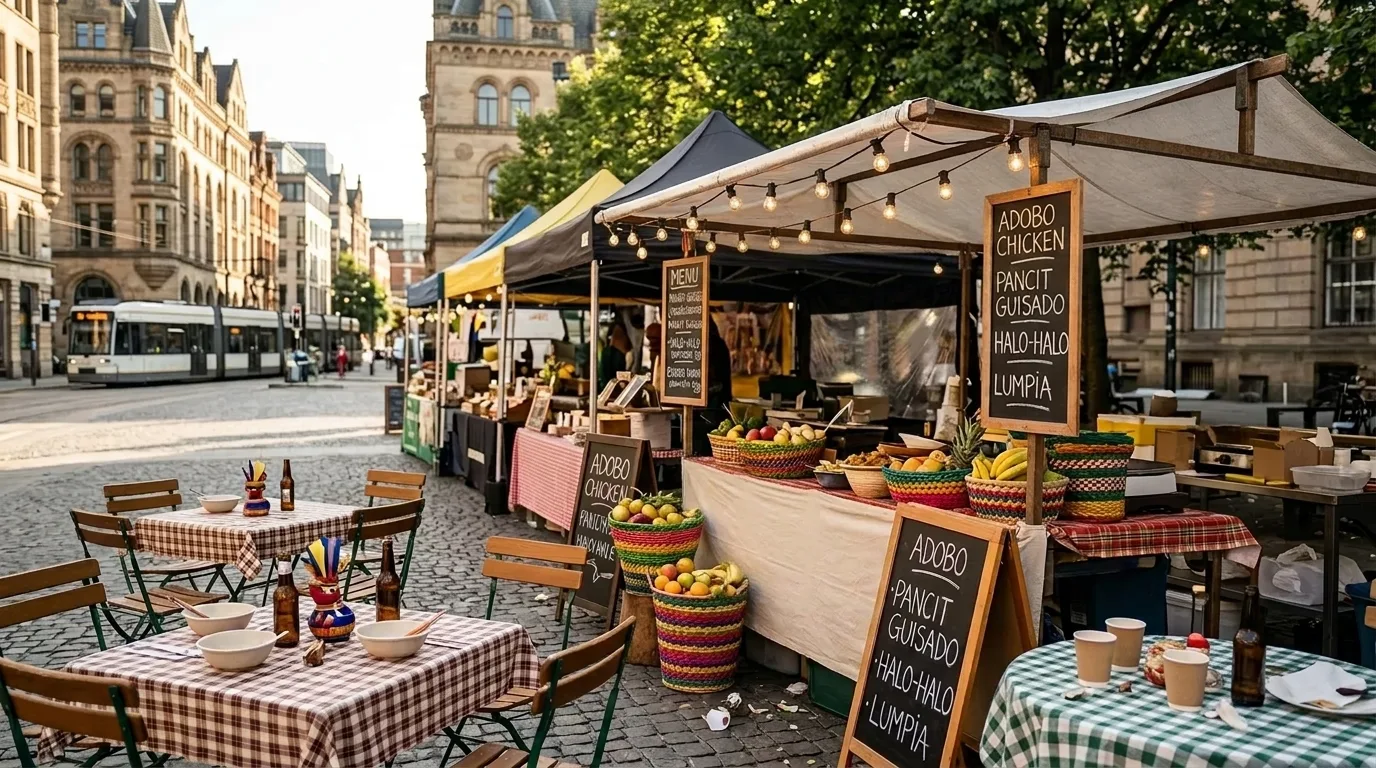
Food culture has also become an important tool for revitalizing community celebrations. Young organizers frequently feature Filipino culinary traditions through food festivals, cooking demonstrations, cultural dining experiences, and community feasts. Food serves as an accessible and enjoyable entry point for individuals interested in learning about Filipino culture. Organizers note that culinary experiences often attract diverse audiences while encouraging deeper exploration of cultural traditions and heritage.
Volunteerism remains a cornerstone of successful community celebrations. Young Filipino leaders often coordinate teams of volunteers who contribute their time, creativity, and expertise to planning and executing events. These experiences provide valuable leadership opportunities while strengthening community bonds and fostering a sense of shared responsibility. Community organizations frequently emphasize that volunteer engagement is essential for sustaining cultural initiatives over time.
Partnerships with schools, universities, cultural institutions, and local governments have helped expand the reach of traditional celebrations. Young leaders are increasingly skilled at building collaborative relationships that provide access to resources, venues, funding opportunities, and promotional support. These partnerships strengthen event quality while creating opportunities for broader community participation and cultural exchange.
The growing diversity of global Filipino communities has also influenced the evolution of traditional celebrations. Events increasingly reflect the experiences of Filipinos living in multicultural societies while maintaining strong connections to Philippine heritage. Organizers strive to create inclusive environments that welcome participants from different backgrounds and generations. This openness helps promote cultural understanding while strengthening community cohesion.
Mental health and community well-being have become emerging themes within some modern cultural programs. Young leaders recognize that community celebrations can serve as important spaces for social connection, emotional support, and collective resilience. In an increasingly fast-paced and digitally connected world, cultural gatherings provide opportunities for meaningful interpersonal interactions that strengthen community relationships and personal well-being.
Many young organizers are also committed to promoting sustainability within cultural events. Environmentally conscious practices such as waste reduction, responsible sourcing, digital materials, and community sustainability initiatives are becoming more common. These efforts reflect broader values embraced by younger generations while demonstrating how traditional celebrations can adapt to contemporary social priorities.
The influence of young Filipino leaders extends beyond event organization alone. Many are serving as cultural ambassadors who actively promote Filipino heritage through public speaking, advocacy work, educational outreach, and community engagement. Their visibility helps inspire others to become involved in cultural preservation efforts while strengthening awareness of Filipino contributions within broader society.
International recognition of Filipino cultural celebrations continues to grow as a result of these revitalization efforts. Festivals and community events in various countries are attracting larger audiences, receiving increased media attention, and earning support from cultural institutions. Organizers view this recognition as evidence of the enduring appeal of Filipino traditions and the effectiveness of innovative approaches to cultural promotion.
The economic benefits associated with successful cultural celebrations are also significant. Community events often support local businesses, artists, performers, food vendors, and entrepreneurs while generating tourism interest and economic activity. Young leaders understand that strong cultural programming can create positive impacts that extend beyond community engagement to broader social and economic development.
Many cultural advocates believe that the success of young leaders stems from their ability to embrace both heritage and innovation. Rather than viewing tradition and modernization as opposing forces, they see opportunities to combine the strengths of both. This perspective allows them to preserve essential cultural values while adapting traditions to contemporary realities and audience expectations.
As global Filipino communities continue to evolve, the role of young leaders is expected to become even more important. Their creativity, technological skills, cultural awareness, and commitment to community engagement position them as key contributors to the future of Filipino cultural preservation. Community organizations are increasingly investing in leadership development programs that encourage youth participation and prepare future generations to continue these efforts.
Looking ahead, organizers anticipate continued growth in youth-led cultural initiatives, expanded international collaboration, and increased use of digital technologies to support community engagement. These developments are expected to strengthen connections among Filipino communities worldwide while creating new opportunities to celebrate and preserve cultural heritage.
Ultimately, the revitalization of traditional community celebrations by young Filipino leaders demonstrates the resilience and adaptability of Filipino culture. Through innovation, collaboration, and a deep respect for heritage, these leaders are ensuring that cherished traditions remain meaningful and accessible in an ever-changing world.
As they continue to inspire participation, strengthen cultural identity, and build bridges between generations, young Filipino leaders are helping shape a future where tradition remains a living and dynamic part of community life. Their efforts serve as powerful reminders that cultural heritage is not simply preserved through remembrance but through active participation, creativity, and a shared commitment to passing traditions forward to future generations.
Enjoyed this story?
Share this story