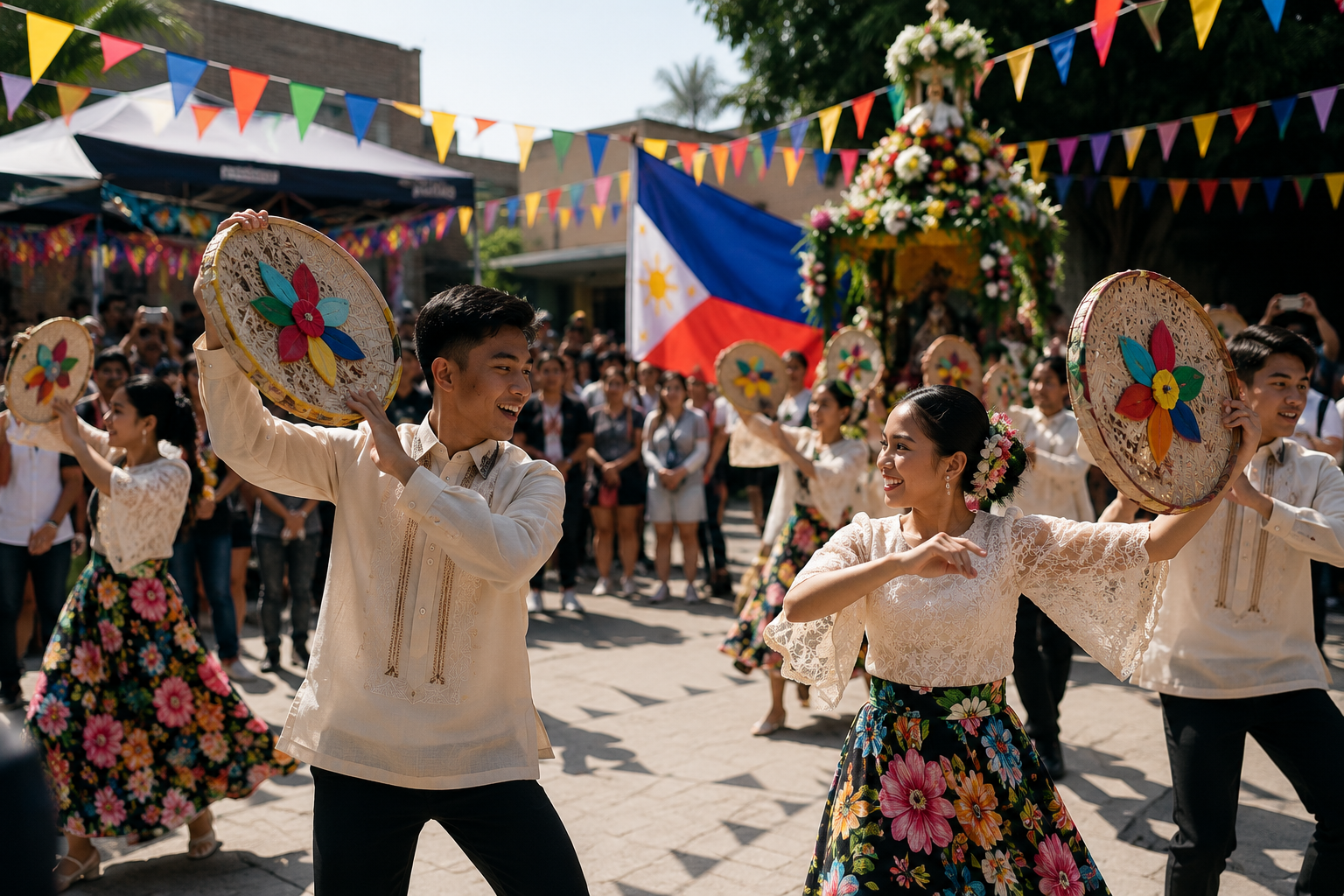
Young Filipino Leaders Revitalize Traditional Fiesta Celebrations in Foreign Communities
Share
June 03, 2026
Updated Oct 16, 2026
7 min read
286 views
MANILA, Philippines — A new generation of Filipino leaders is transforming traditional fiesta celebrations across international communities, bringing fresh energy, innovative ideas, and renewed cultural pride to one of the most cherished aspects of Filipino heritage.
From North America and Europe to the Middle East, Asia, and Australia, young Filipinos are taking active roles in organizing community festivals that celebrate Philippine traditions while adapting them to the interests and realities of modern global communities. Their efforts are helping ensure that cultural customs remain relevant, accessible, and meaningful for future generations.
Community leaders say the growing involvement of young Filipinos represents one of the most encouraging developments within overseas Filipino communities. By embracing leadership roles and contributing creative ideas, younger generations are helping preserve cultural traditions while strengthening community engagement.
For many years, traditional fiestas have served as important cultural anchors for Filipinos around the world.
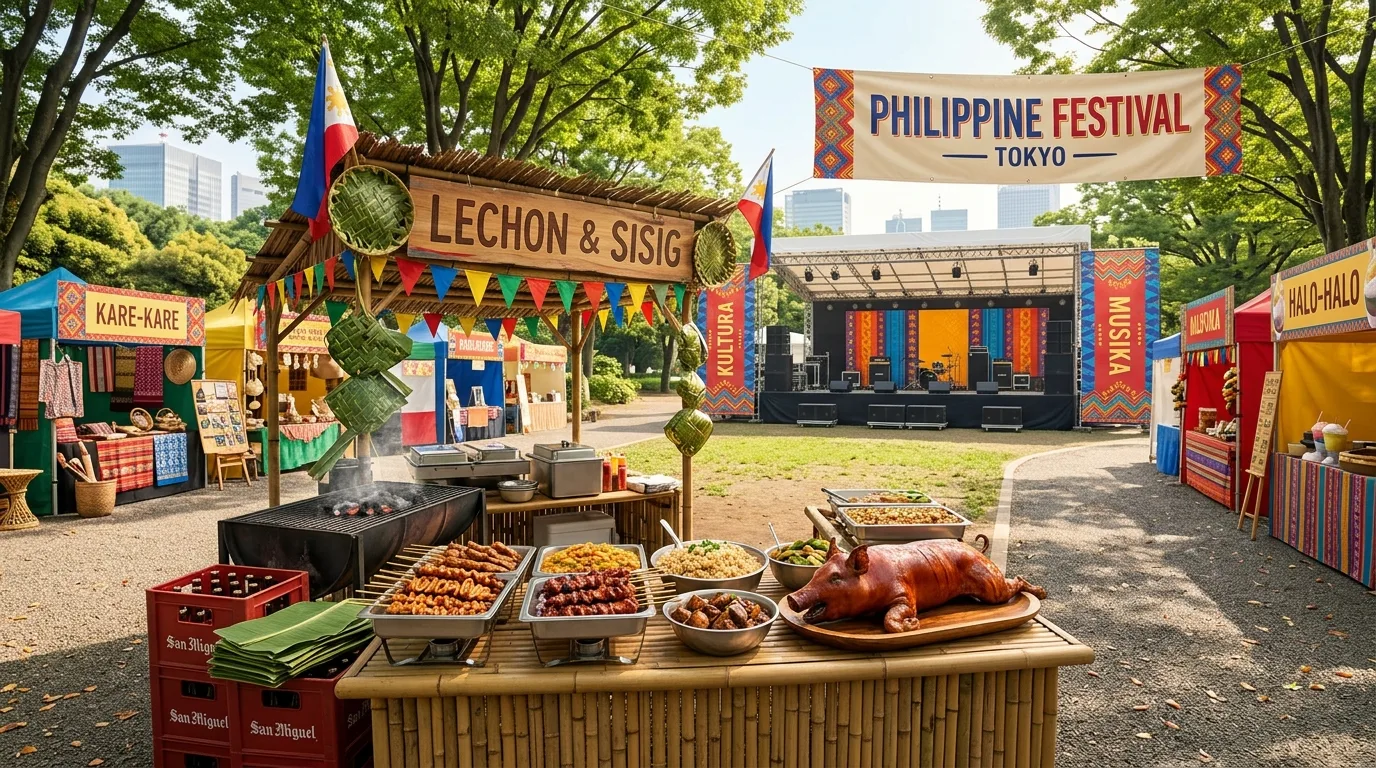
Inspired by celebrations held in towns and cities throughout the Philippines, these events typically feature cultural performances, religious observances, culinary showcases, family gatherings, community activities, and charitable initiatives.
They provide opportunities for Filipinos to celebrate heritage, maintain cultural identity, and build strong social connections regardless of where they live.
However, as communities evolve and younger generations grow up in different cultural environments, organizers have increasingly recognized the need to adapt traditional celebrations in ways that resonate with modern audiences.
Young Filipino leaders have emerged as key contributors to this transformation.
Rather than replacing long-standing traditions, many are finding innovative ways to enhance and expand them.
By integrating technology, youth-focused programming, digital engagement strategies, leadership initiatives, and multicultural outreach efforts, they are helping create celebrations that appeal to a broader range of participants.
Community organizers note that younger leaders often bring unique perspectives shaped by experiences growing up in multicultural societies.
These perspectives help bridge generational differences while fostering stronger connections between heritage and contemporary life.
One of the most notable changes has been the increased emphasis on youth participation.
Traditional fiestas were often organized primarily by older community members, with younger generations participating mainly as performers or attendees.
Today, many youth leaders are actively involved in planning, marketing, fundraising, volunteer coordination, and program development.
Their involvement has resulted in events that are more interactive, inclusive, and accessible.
Youth committees, student organizations, and young professional groups now play important roles in organizing community celebrations across many countries.
Community leaders say these opportunities provide valuable leadership experience while strengthening cultural identity.
Many young organizers describe fiesta planning as a meaningful way to reconnect with their heritage while contributing positively to their communities.
Technology has become one of the most significant tools driving innovation in modern fiesta celebrations.
Young leaders frequently use social media platforms, livestreams, digital storytelling projects, online registration systems, and multimedia content to promote events and engage participants.
These digital strategies have helped expand the reach of community festivals far beyond traditional audiences.
Photos, videos, interviews, and cultural content shared online often attract thousands of viewers and encourage broader participation.
For younger generations who consume much of their information through digital platforms, this visibility is particularly important.
Community organizations report that social media campaigns have significantly increased awareness and attendance at many cultural events.
Educational programming has also expanded under the leadership of younger organizers.
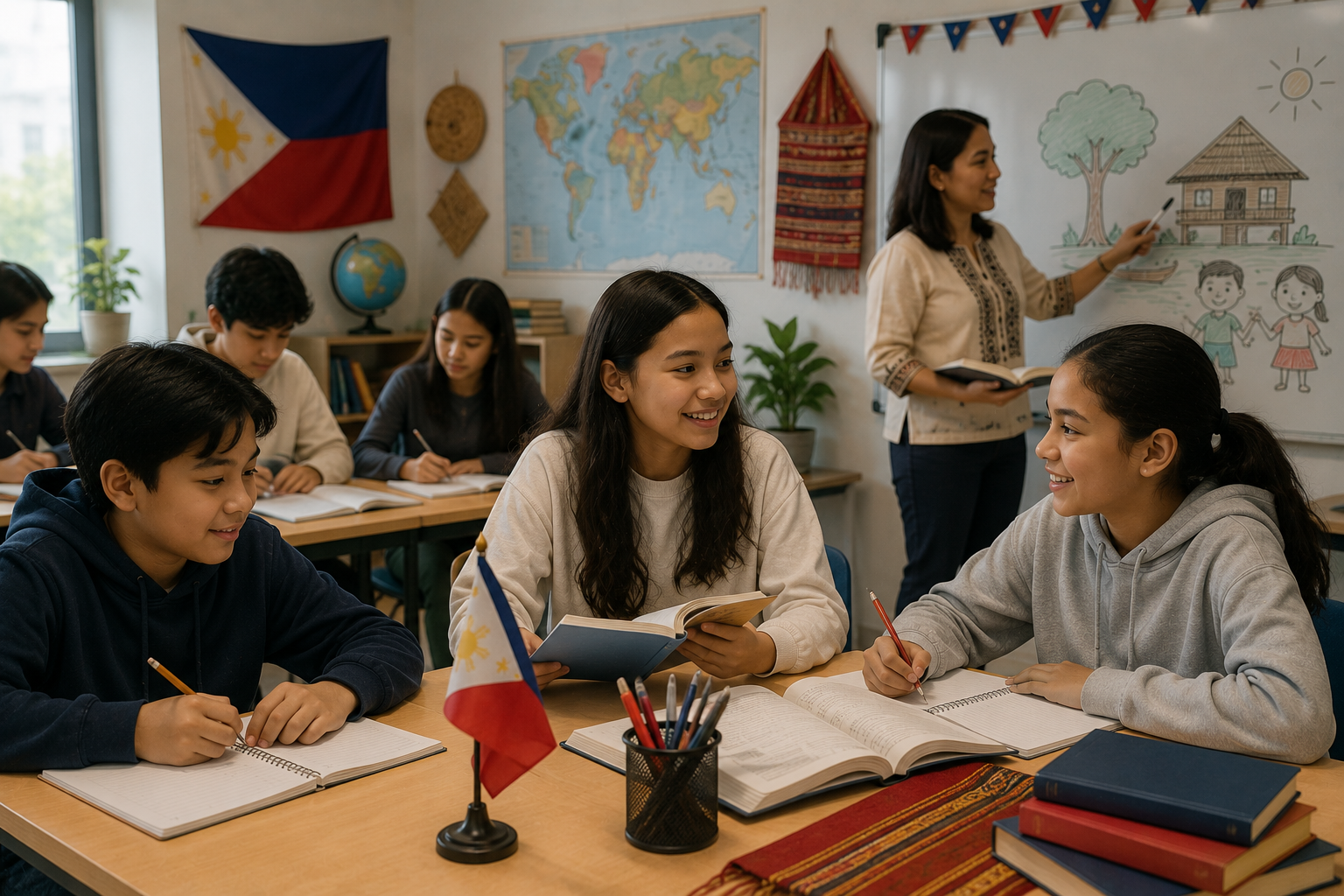
Many festivals now include cultural workshops, heritage exhibits, language activities, leadership seminars, and interactive learning experiences designed specifically for youth.
These programs help participants understand the historical and cultural significance of Filipino traditions while developing practical skills and knowledge.
Community leaders emphasize that education plays a critical role in cultural preservation.
By helping young people understand the stories and values behind traditional practices, organizers ensure that heritage remains meaningful rather than merely symbolic.
Music and performance continue to be central elements of fiesta celebrations.
However, younger organizers often introduce creative approaches that blend traditional and contemporary influences.
Cultural performances may feature modern interpretations of folk traditions, collaborations between different artistic styles, and innovative presentations that appeal to diverse audiences.
These adaptations help maintain cultural relevance while respecting traditional foundations.
Performers frequently describe these experiences as opportunities to celebrate identity while exploring new forms of creative expression.
Dance groups, musicians, visual artists, and cultural organizations have embraced these opportunities to showcase talent and connect with broader audiences.
Food remains another powerful tool for cultural engagement.
Young entrepreneurs and community leaders often incorporate culinary experiences into festival programming in creative ways.
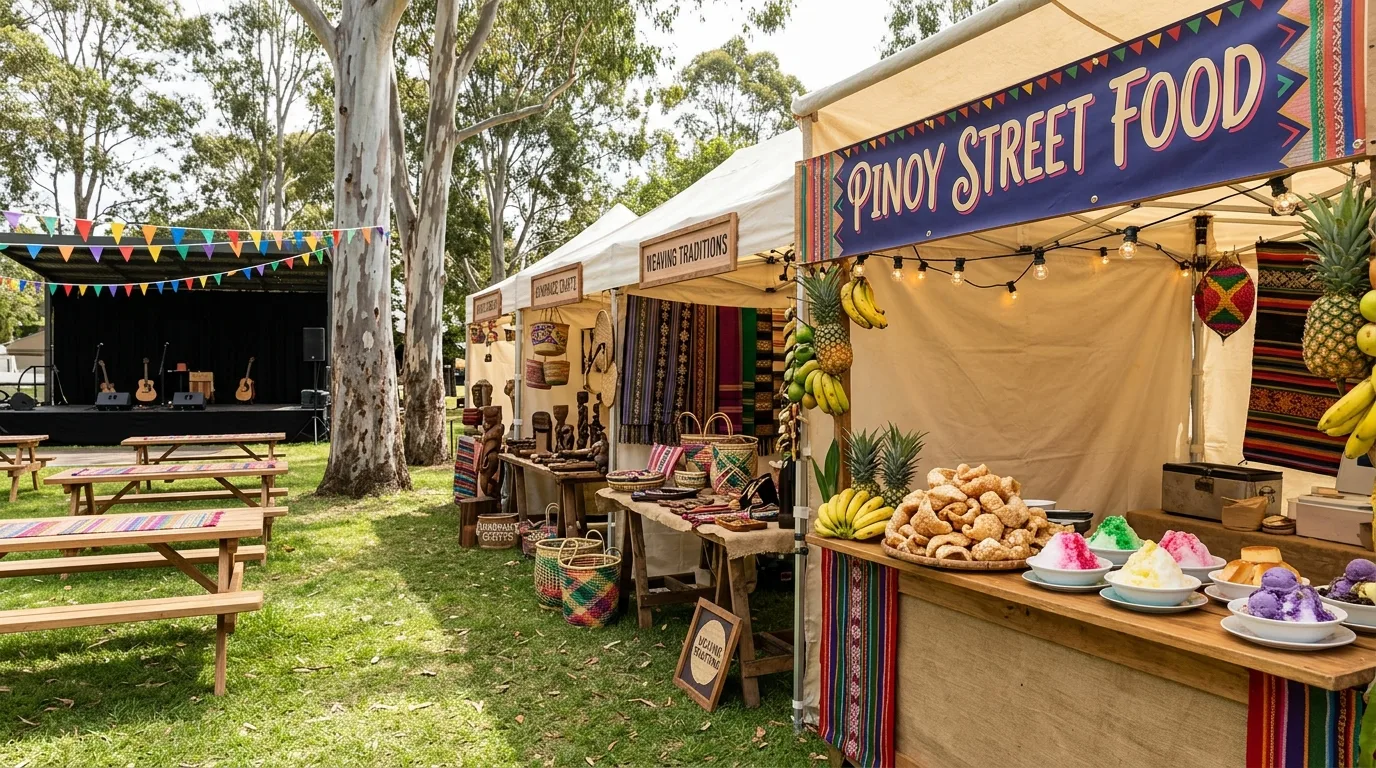
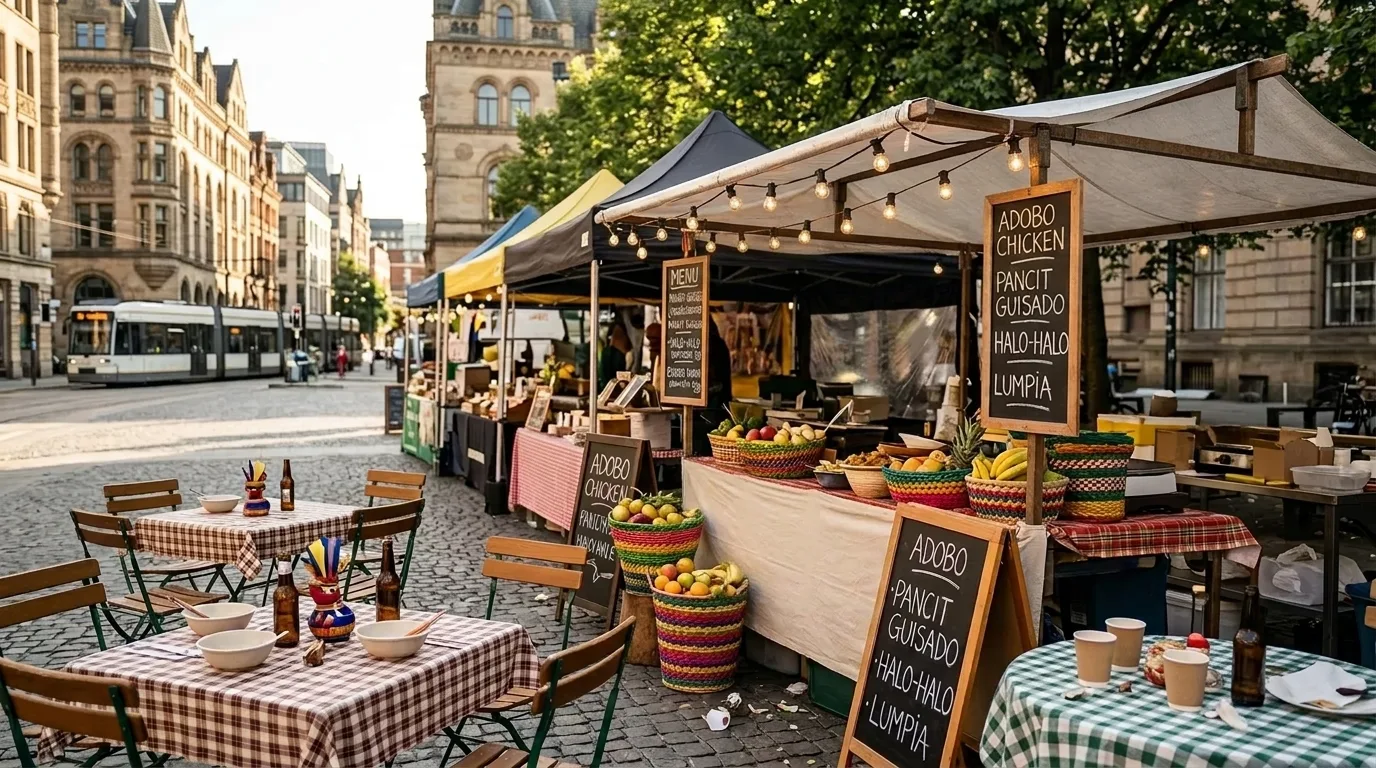
Food markets, cooking demonstrations, cultural food tours, and culinary competitions have become increasingly popular features of community celebrations.
These activities introduce younger participants to Filipino cuisine while highlighting regional diversity and cultural heritage.
Community organizers note that food often serves as one of the most effective entry points for cultural exploration.
The growing international popularity of Filipino cuisine has further increased interest in cultural festivals.
Multicultural outreach has become another defining feature of modern fiesta celebrations.
Young leaders frequently collaborate with local organizations, educational institutions, cultural groups, and government agencies to create inclusive events that welcome participants from various backgrounds.
These partnerships help promote intercultural understanding while increasing visibility for Filipino culture.
Visitors who attend Filipino festivals often leave with greater appreciation for Philippine traditions, values, and community life.
Community leaders believe these interactions contribute positively to broader discussions about diversity and inclusion.
Volunteerism continues to play a central role in fiesta celebrations.
Many young Filipinos dedicate significant time and effort to organizing events, coordinating logistics, supporting performers, managing communications, and assisting attendees.
These volunteer experiences often foster strong friendships and leadership skills.
Organizers frequently describe volunteerism as a modern expression of bayanihan, the Filipino tradition of collective action and mutual support.
The continued relevance of bayanihan within global communities demonstrates the enduring influence of Filipino values.
Charitable initiatives are increasingly integrated into community festivals as well.
Many events support scholarships, youth programs, healthcare projects, disaster relief efforts, and humanitarian causes.
Young leaders often champion these initiatives as ways to combine cultural celebration with meaningful social impact.
Participants frequently express pride in contributing to causes that benefit both local communities and the Philippines.
Community leaders note that service-oriented activities strengthen the broader purpose of cultural celebrations.
The growing success of youth-led initiatives has attracted support from businesses, nonprofit organizations, educational institutions, and government agencies.
Many stakeholders recognize the positive role that cultural festivals play in community development, leadership cultivation, and cultural preservation.
Partnerships have helped expand resources and create new opportunities for innovation.
Observers note that the revitalization of traditional fiestas reflects broader trends within global Filipino communities.
As younger generations assume leadership responsibilities, cultural traditions are evolving in ways that balance preservation with adaptation.
Rather than viewing heritage as something fixed in the past, many young leaders see it as a living tradition that can continue growing and changing while maintaining its core values.
This perspective has contributed significantly to the renewed vitality of community celebrations.
Looking ahead, organizers anticipate continued growth in youth leadership and participation.
Many communities are developing mentorship programs that connect experienced organizers with emerging leaders, ensuring smooth transitions and long-term sustainability.
Plans for future festivals include expanded educational initiatives, stronger digital engagement, larger cultural showcases, and broader international collaboration.
Community leaders remain optimistic about the future.
They believe that younger generations possess the creativity, passion, and commitment needed to preserve Filipino culture while adapting it to changing circumstances.
Their leadership is helping ensure that traditional fiestas remain vibrant, meaningful, and relevant for decades to come.
Ultimately, the story of young Filipino leaders revitalizing traditional fiestas is a story of cultural continuity and renewal.
It demonstrates how heritage can be preserved not by resisting change but by embracing thoughtful innovation and active participation.
Through technology, education, volunteerism, artistic expression, and community engagement, young Filipinos are ensuring that the traditions they inherited continue to inspire future generations.
Every festival organized, every cultural program launched, and every new participant welcomed represents another step toward preserving the richness of Filipino heritage around the world.
As these young leaders continue to shape the future of community celebrations, they are proving that Filipino culture remains dynamic, resilient, and deeply connected to the values that have united generations of Filipinos across continents and throughout history.
From community centers and cultural halls to city-wide festivals and international events, the next generation is carrying the spirit of the Filipino fiesta forward—honoring the past while building an exciting future for global Filipino communities.
Enjoyed this story?
Share this story