Young Overseas Filipinos Lead Cultural Preservation Initiatives Through Community Festivals
Share
June 06, 2026
Updated Oct 16, 2026
8 min read
299 views
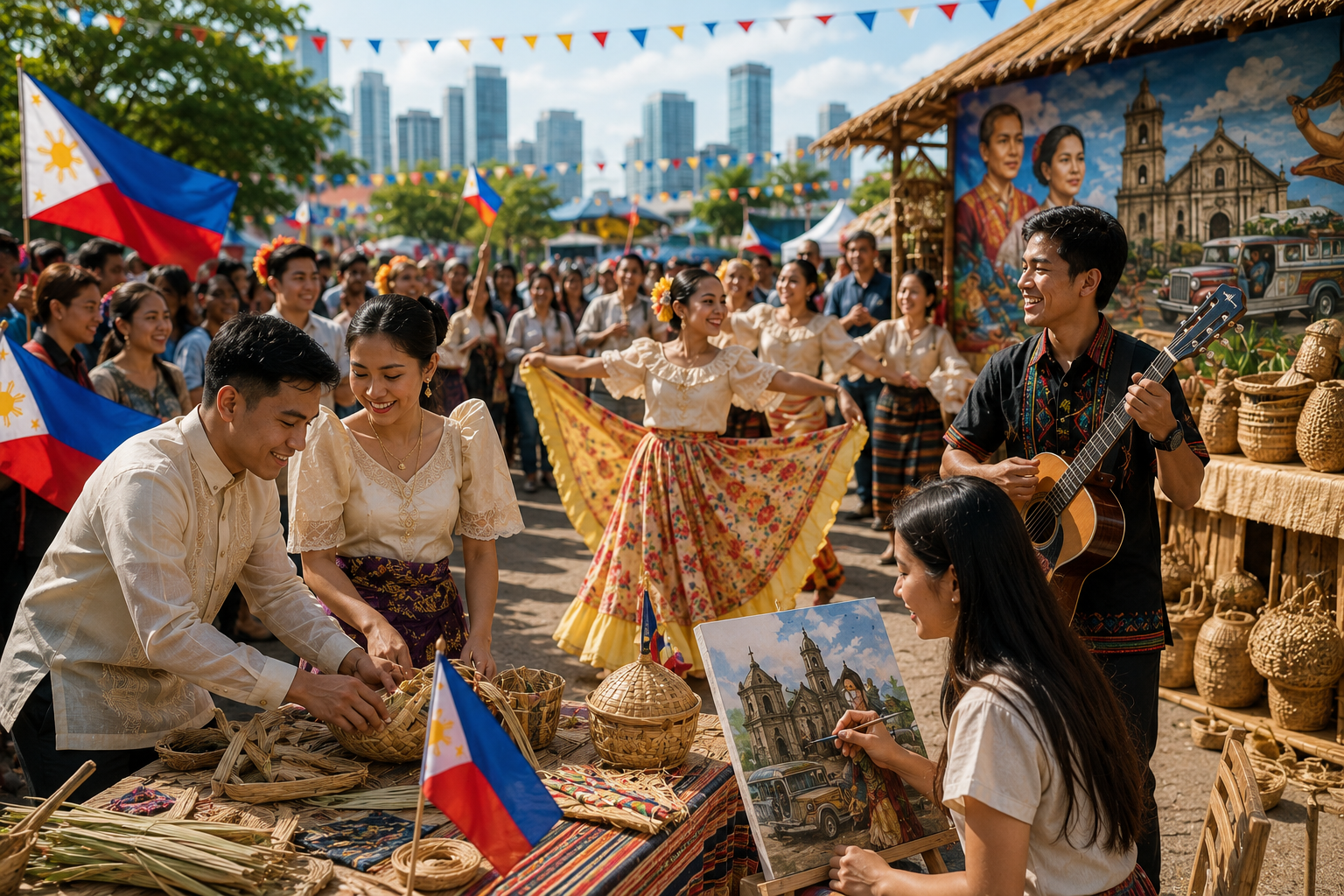
MANILA, Philippines — Across major cities around the world, a new generation of overseas Filipinos is stepping forward to ensure that Filipino culture, traditions, and heritage remain vibrant and relevant through the organization of community festivals and cultural preservation initiatives. From North America and Europe to the Middle East, Asia, and Australia, young Filipinos are playing increasingly important roles in planning events, leading cultural programs, engaging communities, and introducing Philippine traditions to wider international audiences.
Community leaders and cultural advocates have observed a significant rise in youth participation within Filipino organizations abroad. While previous generations established the foundations of many overseas Filipino communities, younger Filipinos are now assuming leadership positions and bringing fresh ideas to cultural preservation efforts. Through community festivals, heritage celebrations, educational programs, and digital initiatives, they are helping bridge generational gaps while ensuring that cultural traditions continue to evolve and remain meaningful in modern multicultural societies.
For many young Filipinos growing up abroad, maintaining a connection to their cultural roots has become a deeply personal mission. Living far from the Philippines often presents challenges when it comes to preserving language, customs, traditions, and historical knowledge. Community festivals have emerged as effective platforms where younger generations can learn about their heritage while actively participating in its preservation. Rather than serving solely as attendees, many young Filipinos are becoming organizers, performers, volunteers, cultural ambassadors, and community leaders who help shape the future of these events.
One of the most significant contributions of youth-led initiatives is the modernization of cultural engagement. While traditional customs remain at the heart of many festivals, younger organizers are incorporating contemporary approaches that resonate with their generation. Social media campaigns, digital storytelling projects, livestreamed performances, interactive exhibits, and youth-focused cultural workshops are helping make Filipino heritage more accessible and engaging. These innovations allow cultural traditions to reach broader audiences while maintaining their authenticity and historical significance.
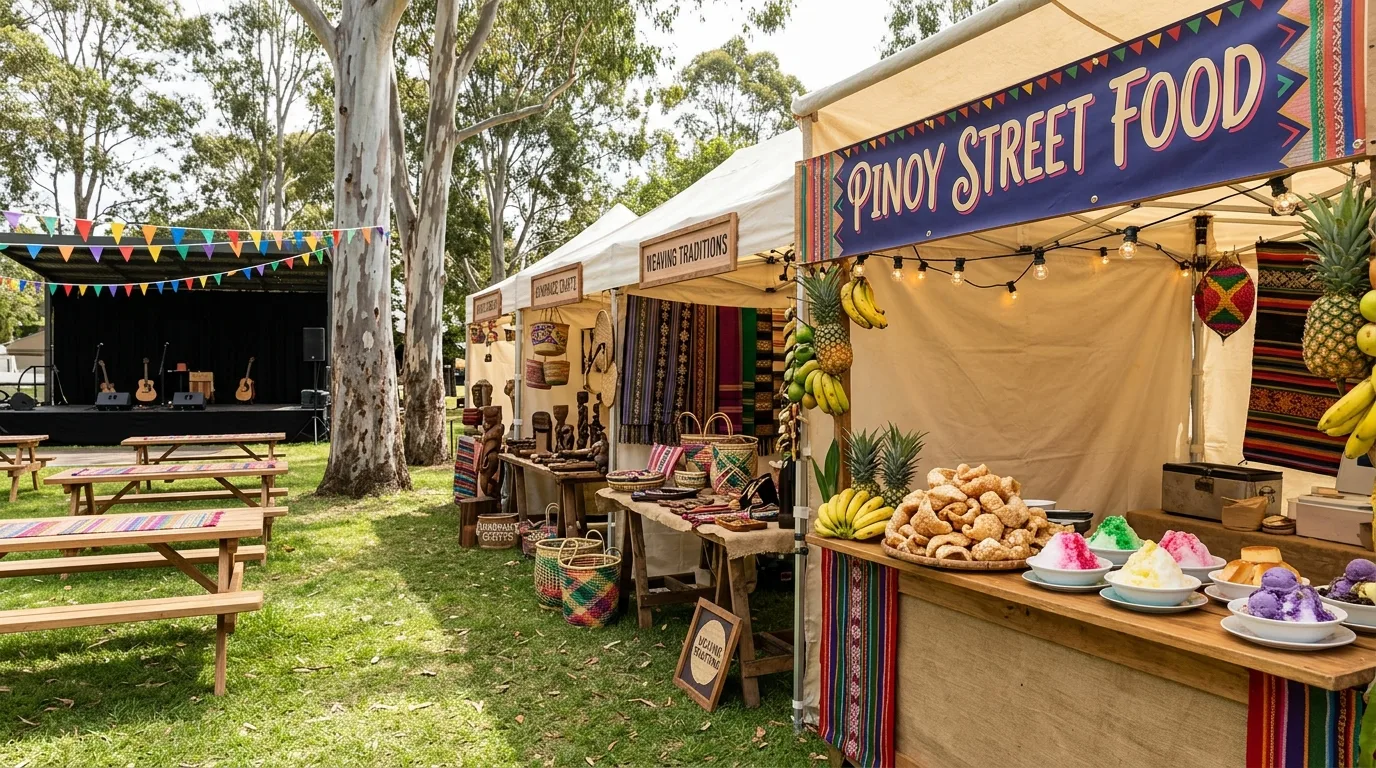
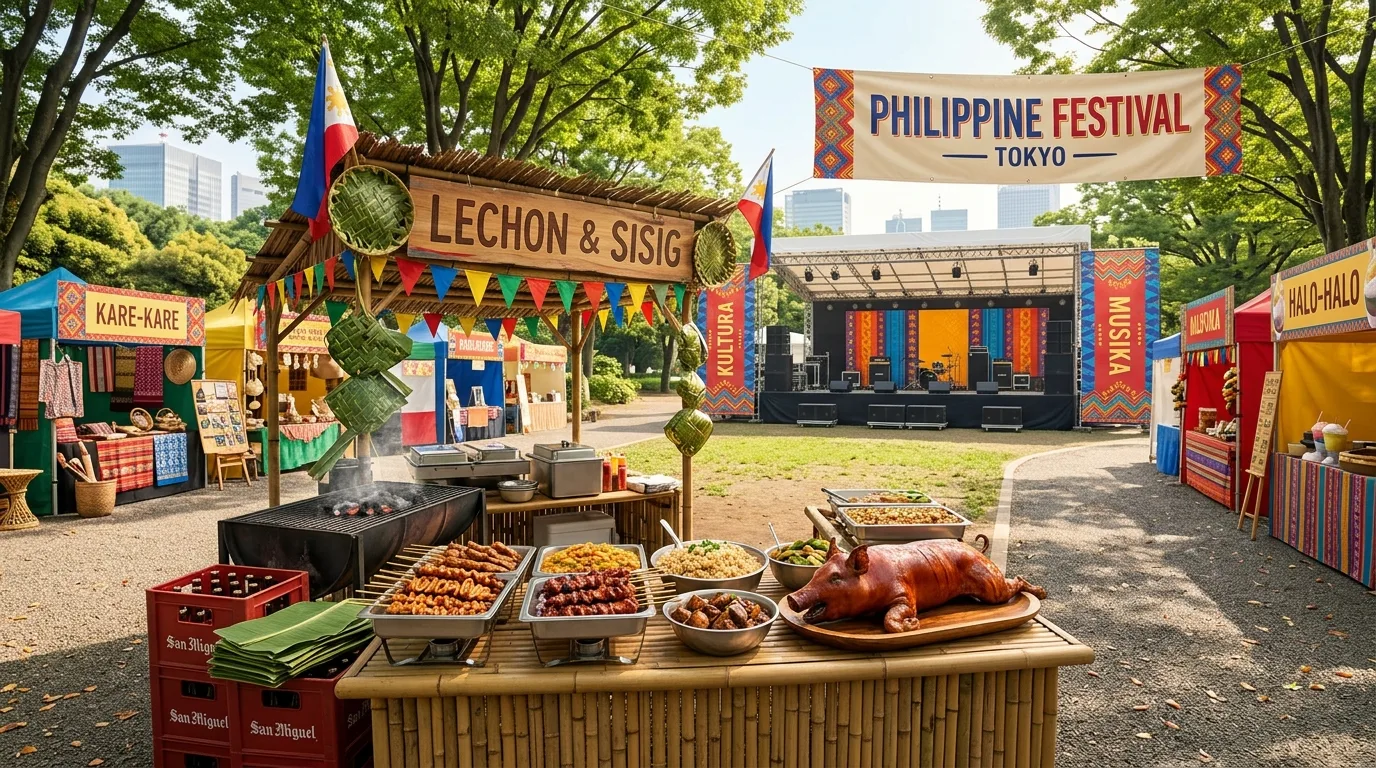
Community festivals organized by young overseas Filipinos often feature a diverse range of activities designed to celebrate Philippine culture. Traditional folk dances, indigenous performances, cultural exhibits, music presentations, art showcases, and culinary experiences provide opportunities for participants to experience different aspects of Filipino identity. These events frequently highlight the cultural diversity of the Philippines, showcasing traditions from Luzon, Visayas, and Mindanao while emphasizing the shared values that unite Filipinos regardless of regional background.
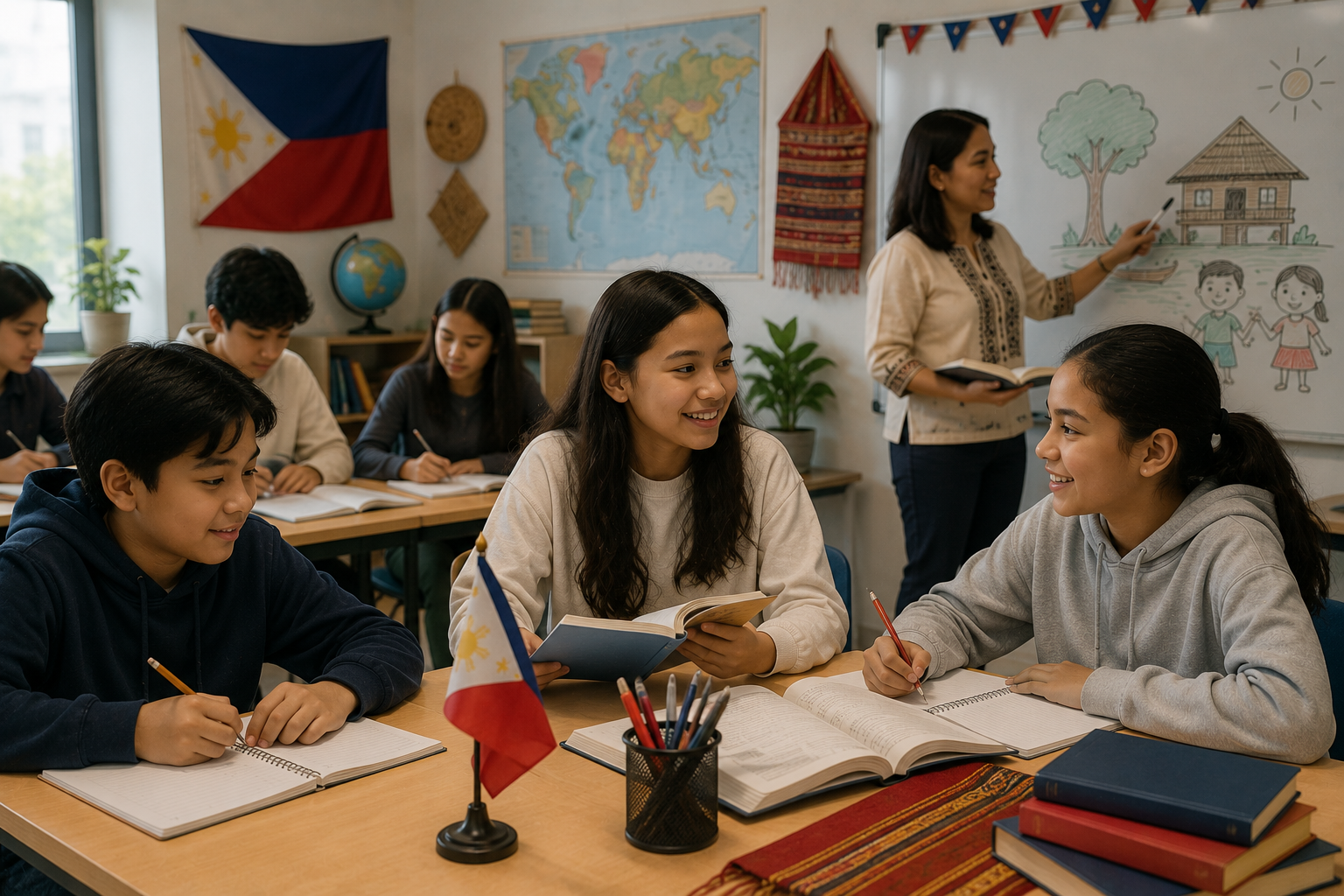
The role of education has become increasingly important within cultural preservation initiatives. Many youth leaders recognize that long-term preservation requires more than celebration alone; it also requires understanding. As a result, community festivals often include educational components such as history presentations, language workshops, storytelling sessions, heritage exhibits, and cultural discussions. These programs help younger generations gain a deeper appreciation for Philippine history, traditions, and achievements while encouraging them to become active participants in cultural preservation efforts.
Language preservation has emerged as another important focus area. Many young Filipinos born or raised abroad may have limited opportunities to speak Filipino languages in their daily lives. Recognizing this challenge, community organizations have begun incorporating language learning activities into cultural festivals and educational programs. Workshops, conversation groups, and cultural presentations help participants strengthen their connections to their linguistic heritage while developing greater confidence in using Filipino languages.
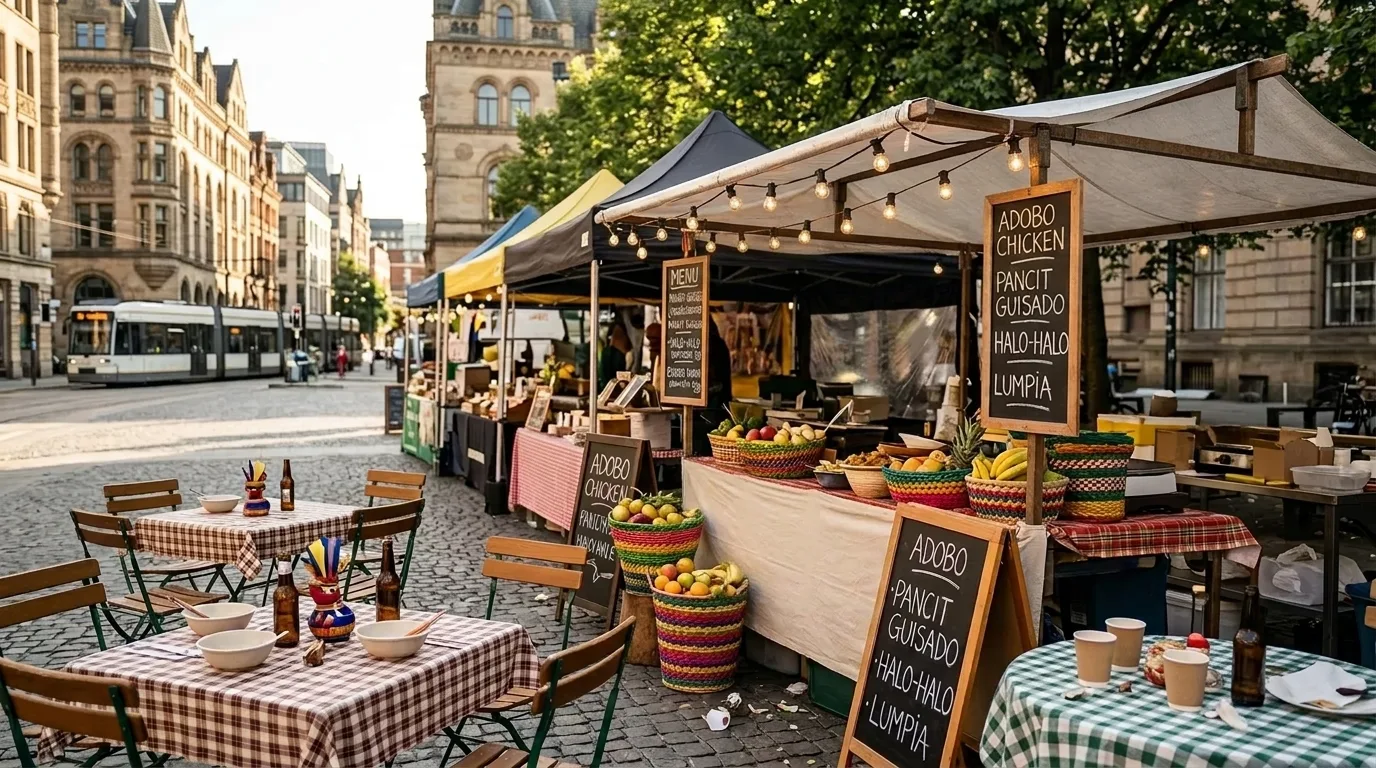
Food remains one of the most powerful tools for cultural preservation and community engagement. Young Filipino organizers frequently incorporate food festivals, cooking demonstrations, and culinary showcases into their events, recognizing that cuisine provides an accessible and meaningful introduction to culture. Traditional dishes such as adobo, pancit, lumpia, sinigang, lechon, kare-kare, and halo-halo often serve as focal points for community gatherings. Through food, participants learn about family traditions, regional specialties, and the cultural significance of shared meals within Filipino society.
The increasing popularity of Filipino cuisine globally has also provided opportunities for young cultural advocates to introduce Philippine heritage to broader audiences. Many festivals attract non-Filipino attendees who are curious about Filipino food and culture. These interactions create opportunities for cultural exchange while helping strengthen awareness and appreciation of the Philippines within multicultural communities. Organizers frequently note that food often serves as an effective bridge between cultures and encourages deeper engagement with other aspects of Filipino heritage.
Volunteerism continues to play a central role in the success of youth-led cultural initiatives. Thousands of young Filipinos dedicate their time and energy to organizing events, coordinating activities, promoting programs, and supporting community projects. Their efforts reflect the enduring value of bayanihan, the Filipino tradition of cooperation and collective action. Community leaders often describe volunteerism as one of the most important ways younger generations demonstrate their commitment to preserving and strengthening cultural traditions.
Technology has significantly expanded the reach and impact of cultural preservation efforts. Social media platforms, video-sharing websites, podcasts, online communities, and virtual events allow young Filipinos to connect with audiences across countries and continents. Cultural content created by youth organizations often reaches thousands or even millions of viewers, generating interest in Filipino heritage among people who may never have attended a community festival in person. Digital engagement has become an essential component of modern cultural preservation strategies.
Many young Filipinos are also leveraging professional skills and educational backgrounds to strengthen cultural initiatives. Students, educators, designers, marketers, artists, technology professionals, and entrepreneurs contribute expertise that enhances event planning, community outreach, fundraising, and program development. Their involvement helps organizations operate more effectively while introducing innovative approaches to cultural engagement and community building.
The success of youth-led cultural festivals has inspired greater collaboration between generations. Older community members often provide historical knowledge, mentorship, and guidance, while younger leaders contribute energy, creativity, and technological expertise. This partnership creates a dynamic environment where traditions can be preserved while adapting to changing circumstances. Community advocates emphasize that intergenerational collaboration is one of the key factors behind the continued success of overseas Filipino cultural organizations.
Beyond cultural preservation, these initiatives also strengthen social connections within overseas Filipino communities. Festivals create opportunities for families, friends, students, professionals, and newcomers to build relationships and develop support networks. Many participants describe community events as spaces where they feel a sense of belonging and cultural pride. For young Filipinos navigating multicultural identities, these experiences can be particularly meaningful.
Community festivals frequently serve charitable and community development purposes as well. Many organizations combine cultural celebrations with fundraising activities, scholarship programs, outreach projects, and humanitarian initiatives. These efforts reflect the broader values of service and community responsibility that have long been associated with Filipino culture. Young leaders often view cultural preservation and community service as complementary goals that strengthen communities while creating positive social impact.
International recognition of Filipino culture continues to grow as a result of these efforts. Cultural festivals organized by overseas Filipino communities are attracting larger audiences, receiving increased media coverage, and generating stronger institutional support. Government agencies, cultural organizations, educational institutions, and tourism stakeholders increasingly recognize the importance of these events in promoting Philippine heritage on the global stage. Young organizers are playing a crucial role in sustaining this momentum.
Looking ahead, many community leaders remain optimistic about the future of Filipino cultural preservation abroad. The enthusiasm, creativity, and commitment demonstrated by younger generations suggest that Filipino traditions will continue to thrive in communities around the world. New technologies, evolving cultural practices, and expanding international networks provide opportunities to strengthen cultural engagement while reaching broader audiences.
The future of Filipino heritage preservation will likely be shaped by the ability of communities to balance tradition with innovation. Young overseas Filipinos have demonstrated that this balance is possible. By respecting cultural foundations while embracing new methods of engagement, they are creating experiences that resonate with both older and younger generations. Their efforts ensure that cultural traditions remain living, evolving parts of community life rather than simply historical memories.
Ultimately, the growing leadership of young overseas Filipinos in cultural preservation initiatives reflects the enduring strength of Filipino identity. Through community festivals, educational programs, cultural showcases, and volunteer efforts, they are demonstrating that heritage remains a powerful source of connection, pride, and inspiration. Their work not only honors the traditions of previous generations but also helps shape a future where Filipino culture continues to flourish across borders.
As community festivals continue to expand and attract new audiences, young Filipinos are proving that cultural preservation is not merely about remembering the past. It is about creating opportunities for future generations to understand, appreciate, and celebrate the traditions that define who they are. Through dedication, creativity, and community spirit, they are ensuring that Filipino heritage remains vibrant, relevant, and proudly visible on the global stage for many years to come.
Enjoyed this story?
Share this story