Overseas Filipino Communities Promote Wellness Through Sports and Recreation Programs
Share
June 25, 2026
Updated Oct 16, 2026
7 min read
718 views
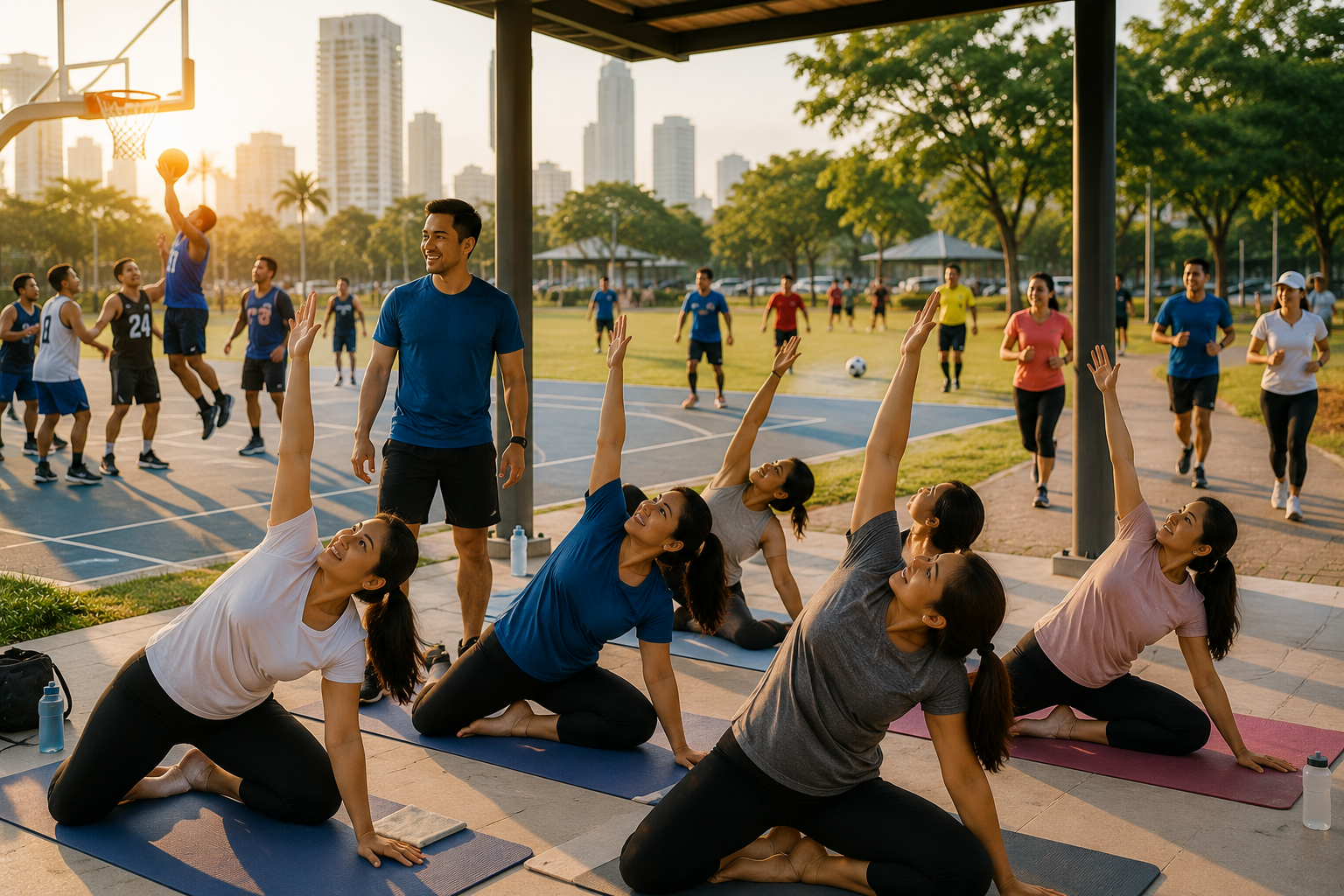
MANILA, Philippines — Overseas Filipino communities around the world are expanding sports and recreation programs as part of broader efforts to promote health, wellness, and community engagement among Filipinos living abroad. Across North America, Europe, Asia, Australia, and the Middle East, Filipino organizations are organizing a wide variety of sports leagues, fitness activities, recreational events, wellness campaigns, and family-oriented programs that encourage active lifestyles while strengthening social connections. Community leaders believe these initiatives play an important role in supporting physical health, mental well-being, and cultural unity within growing global Filipino populations.
As Overseas Filipino communities continue to expand, organizations have increasingly recognized the importance of creating opportunities that promote both individual wellness and community participation. While many Filipinos move abroad in pursuit of career opportunities, education, or family goals, adjusting to life in a new country can present challenges related to health, stress management, and social integration. Sports and recreation programs have emerged as effective ways to address these challenges by providing structured activities that encourage physical activity, social interaction, and positive community engagement.
Basketball remains one of the most popular sports within Filipino communities worldwide. Community leagues, weekend tournaments, and friendly competitions regularly attract participants from different age groups and backgrounds. Organizers explain that basketball holds a special place in Filipino culture and often serves as a natural gathering point for community members. Beyond competition, basketball programs create opportunities for teamwork, mentorship, friendship, and community-building that extend well beyond the court.
Volleyball has also experienced significant growth among Overseas Filipino communities. Recreational leagues, mixed-gender tournaments, youth programs, and family competitions have become common features of community calendars in many countries. Organizers note that volleyball appeals to a broad range of participants because it is accessible, social, and suitable for individuals with varying levels of athletic experience. The sport has become an effective tool for encouraging active participation among both adults and young people.
In addition to team sports, many Filipino organizations are promoting individual fitness activities such as running, cycling, hiking, walking clubs, and wellness challenges. Community fun runs and charity walks have become particularly popular because they combine health promotion with fundraising and social engagement. Participants often view these events as opportunities to improve physical fitness while supporting meaningful causes and connecting with fellow community members.
Wellness initiatives increasingly extend beyond physical activity alone. Community leaders recognize that holistic well-being includes mental, emotional, and social health. As a result, many recreation programs now incorporate wellness seminars, stress management workshops, mindfulness activities, nutrition education, and mental health awareness campaigns. Organizers emphasize that balanced approaches to wellness help participants develop healthier lifestyles while addressing the pressures associated with work, family responsibilities, and life abroad.
Family participation has become a central feature of many recreation programs. Rather than focusing exclusively on competitive sports, organizations are creating events that encourage involvement from parents, children, grandparents, and extended family members. Family sports days, outdoor festivals, recreational games, and community picnics allow participants of all ages to engage in healthy activities together. Community leaders believe these events strengthen family relationships while reinforcing cultural values centered on togetherness and mutual support.
Youth development remains another important objective of sports and recreation initiatives. Many organizations offer programs specifically designed for children and teenagers, including sports clinics, leadership camps, athletic training sessions, and recreational activities. These programs provide opportunities for young people to develop discipline, teamwork, leadership skills, and self-confidence. Community leaders view youth engagement as an investment in the future, helping younger generations build healthy habits while strengthening their connections to Filipino communities.
Sports programs often serve as effective platforms for cultural preservation and identity-building. While participants engage in athletic activities, they also interact with fellow Filipinos, celebrate cultural traditions, and participate in community events that reinforce shared values and heritage. Organizers explain that sports environments frequently become spaces where cultural identity is strengthened naturally through relationships, communication, and collective experiences.
Many recreation programs are organized through partnerships involving Filipino associations, community groups, schools, local governments, religious institutions, and private sponsors. These collaborations provide access to facilities, funding, equipment, and organizational support that help ensure program sustainability. Community leaders emphasize that partnerships are essential for expanding participation and creating high-quality experiences that benefit larger numbers of individuals and families.
Technology has enhanced the organization and promotion of sports programs in significant ways. Social media platforms, mobile applications, online registration systems, and digital communication tools allow organizers to coordinate events more efficiently and engage participants more effectively. Community groups frequently use digital platforms to share schedules, results, wellness information, and event highlights, helping maintain enthusiasm and participation throughout the year.
Many Overseas Filipinos describe sports and recreation activities as valuable outlets for stress relief and personal well-being. Living and working abroad can involve demanding schedules, cultural adjustments, and periods of separation from family members. Physical activity provides opportunities to manage stress, improve mood, and maintain overall health. Participants often report that recreation programs contribute positively to both physical fitness and emotional resilience.
The social benefits of community sports programs are equally significant. Participants frequently develop friendships, professional connections, and support networks through regular involvement in sports activities. Community leaders note that these relationships help reduce social isolation while creating stronger and more connected Filipino communities. Sports environments often bring together individuals from diverse professions, age groups, and backgrounds who may not otherwise have opportunities to interact regularly.
Women’s participation in sports and wellness programs has also increased considerably in recent years. Many organizations now offer activities specifically designed to encourage greater involvement among women, including fitness classes, recreational leagues, wellness workshops, and family-oriented events. Advocates emphasize the importance of creating inclusive environments where all community members can benefit from health and recreation opportunities regardless of age, gender, or athletic experience.
Community sports events often include charitable and outreach components that extend their impact beyond recreation. Tournaments and fitness activities are frequently used to raise funds for scholarships, disaster relief efforts, community projects, and humanitarian initiatives. Organizers explain that combining sports with service reflects the Filipino spirit of bayanihan, allowing participants to contribute to meaningful causes while enjoying recreational activities.
The growing focus on wellness aligns with broader global trends emphasizing preventive health and healthy lifestyles. Healthcare professionals within Filipino communities often support recreation programs by providing educational resources related to fitness, nutrition, disease prevention, and overall well-being. Community leaders believe that proactive wellness initiatives can contribute to improved health outcomes while reducing long-term health risks among participants.
Many organizations are exploring innovative approaches to recreation and wellness, including virtual fitness challenges, hybrid events, digital coaching programs, and technology-supported health initiatives. These innovations help reach individuals who may face barriers to in-person participation while expanding access to wellness resources. Community leaders view innovation as an important tool for ensuring that programs remain relevant and responsive to changing community needs.
The success of sports and recreation programs has attracted growing interest from community organizations seeking to strengthen engagement and improve quality of life for Overseas Filipinos. Positive outcomes related to health, social connection, youth development, and cultural engagement have encouraged continued investment in wellness-focused initiatives. Organizers report strong participation rates and increasing demand for additional programming in many regions.
Looking ahead, community leaders anticipate continued expansion of sports and recreation programs as wellness remains a priority for global Filipino communities. Plans for larger tournaments, expanded youth programs, wellness education initiatives, and family-centered events are already underway in many locations. Organizations remain committed to creating opportunities that support healthy living while strengthening the bonds that connect Filipinos around the world.
Ultimately, the growth of sports and recreation programs among Overseas Filipino communities reflects a broader commitment to health, wellness, and community development. Through physical activity, social engagement, and shared experiences, these initiatives are helping individuals lead healthier lives while building stronger and more resilient communities.
As Filipino organizations continue to invest in wellness programs, they are demonstrating that sports and recreation can serve as powerful tools for promoting physical health, strengthening relationships, preserving cultural identity, and fostering community unity. Their efforts highlight the enduring importance of collective action and shared well-being in creating vibrant and supportive Filipino communities across the globe.
Enjoyed this story?
Share this story