Philippine Regional Festivals Inspire Cultural Celebrations Abroad
Share
June 25, 2026
Updated Oct 15, 2026
8 min read
387 views
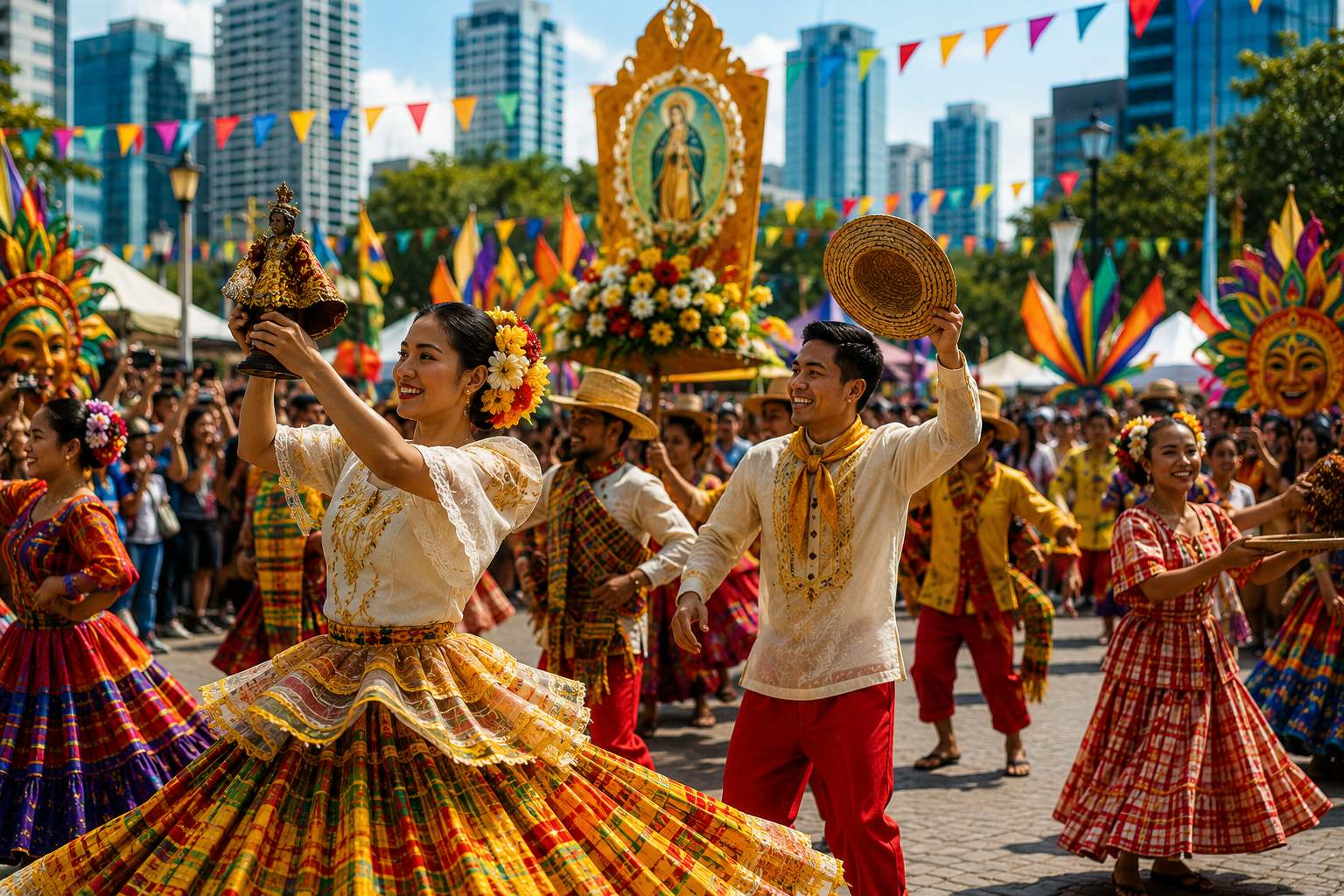
MANILA, Philippines — Philippine regional festivals are increasingly inspiring cultural celebrations among Filipino communities around the world as Overseas Filipinos seek meaningful ways to preserve their heritage, strengthen community ties, and introduce international audiences to the rich diversity of Philippine culture. Across North America, Europe, Asia, Australia, and the Middle East, Filipino organizations are drawing inspiration from iconic festivals celebrated throughout the Philippines, adapting their traditions into community events that showcase regional customs, music, dance, cuisine, and artistic expression. These celebrations have become important platforms for cultural preservation, education, and intercultural engagement, allowing Filipinos abroad to remain connected to their roots while sharing their heritage with the global community.
The Philippines is home to hundreds of festivals that reflect the unique identities, histories, and traditions of different provinces, cities, and regions. Celebrations such as Sinulog in Cebu, Ati-Atihan in Aklan, Dinagyang in Iloilo, MassKara in Bacolod, Kadayawan in Davao, Panagbenga in Baguio, Pahiyas in Quezon, Higantes Festival in Rizal, and numerous others have become symbols of local pride and cultural creativity. These festivals combine religious traditions, indigenous influences, historical narratives, artistic performances, and community participation, creating vibrant experiences that attract visitors from across the country and around the world.
For many Overseas Filipinos, regional festivals represent more than annual celebrations. They serve as reminders of home, family traditions, childhood memories, and community experiences that continue to shape personal and cultural identity. Community leaders explain that recreating aspects of these festivals abroad helps maintain emotional and cultural connections to the Philippines while providing opportunities for collective celebration. Festival-inspired events allow Filipinos living overseas to reconnect with traditions that remain meaningful despite geographic distance.
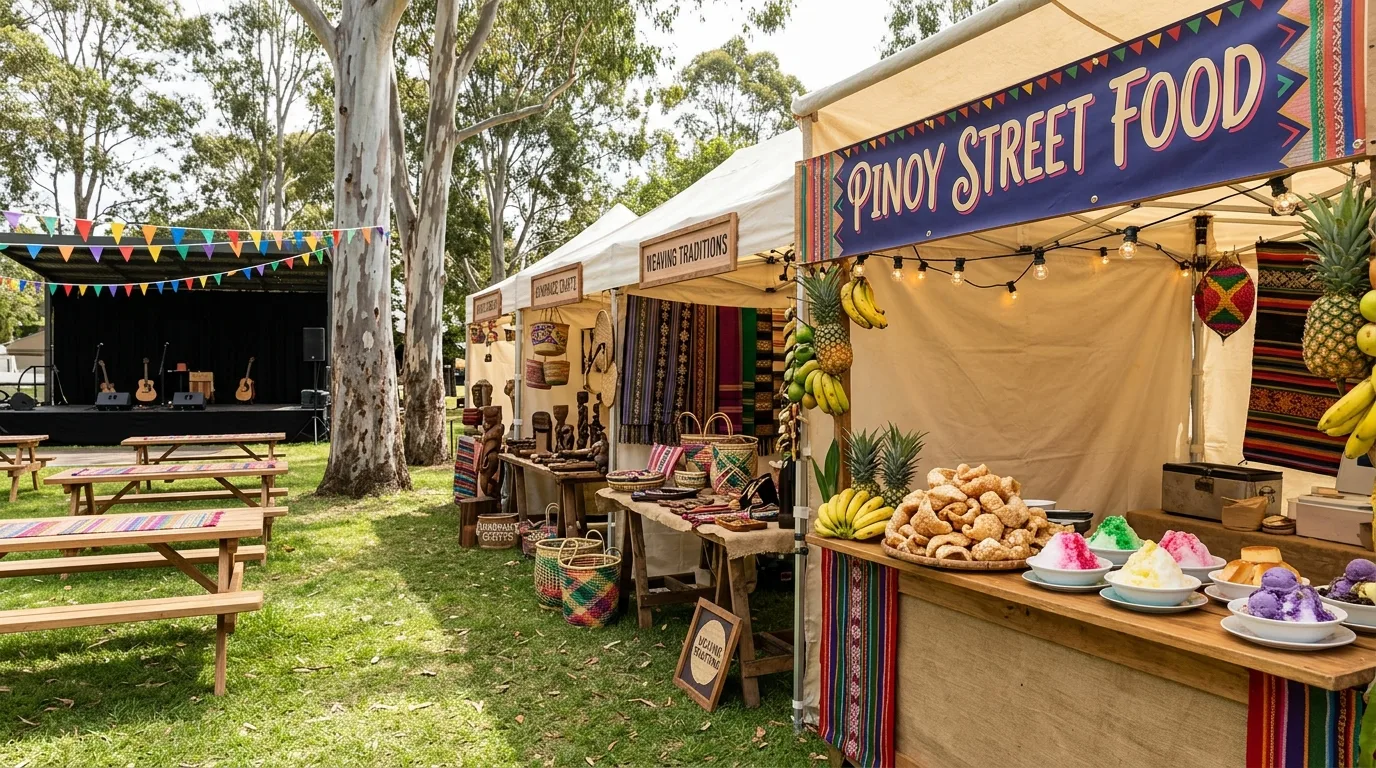
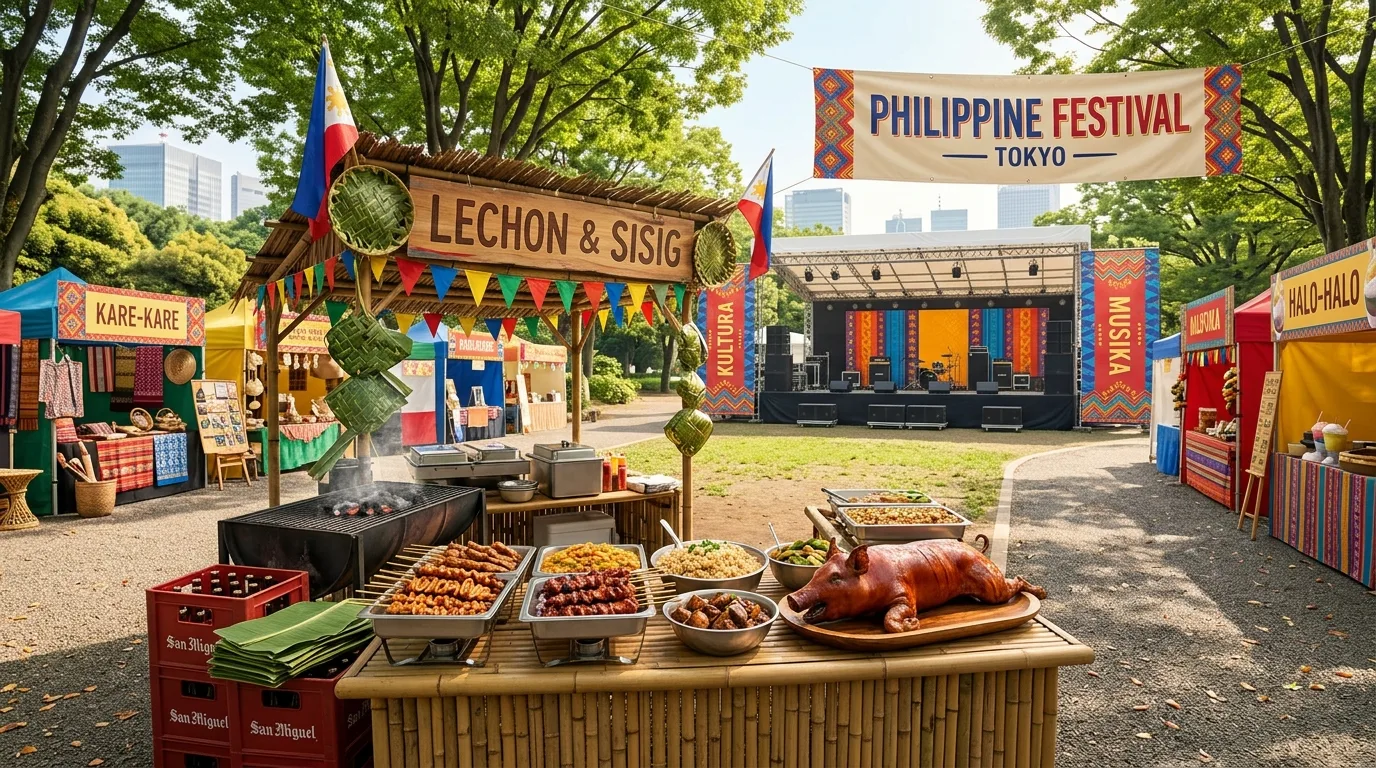
Many Filipino organizations abroad organize cultural festivals that incorporate elements from multiple Philippine regional celebrations. These events often feature traditional costumes, folk dances, street performances, musical presentations, cultural exhibits, and regional food showcases. Organizers explain that combining different regional traditions allows communities to highlight the diversity of Philippine culture while creating inclusive celebrations that represent Filipinos from various provinces and backgrounds. Such events often attract broad participation from community members eager to celebrate their heritage.
Traditional dance performances remain among the most popular features of festival-inspired celebrations. Filipino cultural groups frequently present dances that reflect regional traditions, historical stories, and indigenous influences. Elaborate costumes, colorful props, and carefully choreographed performances help recreate the energy and excitement associated with major Philippine festivals. Community leaders note that dance performances not only entertain audiences but also educate participants about the cultural significance and historical origins of different traditions.
Music plays an equally important role in bringing regional festival traditions to life. Drum ensembles, marching groups, folk musicians, choir performances, and contemporary Filipino artists often participate in cultural celebrations abroad. Organizers explain that music creates a festive atmosphere while helping participants connect emotionally with their heritage. Traditional rhythms and melodies associated with Philippine festivals frequently evoke memories and strengthen feelings of cultural pride among attendees.
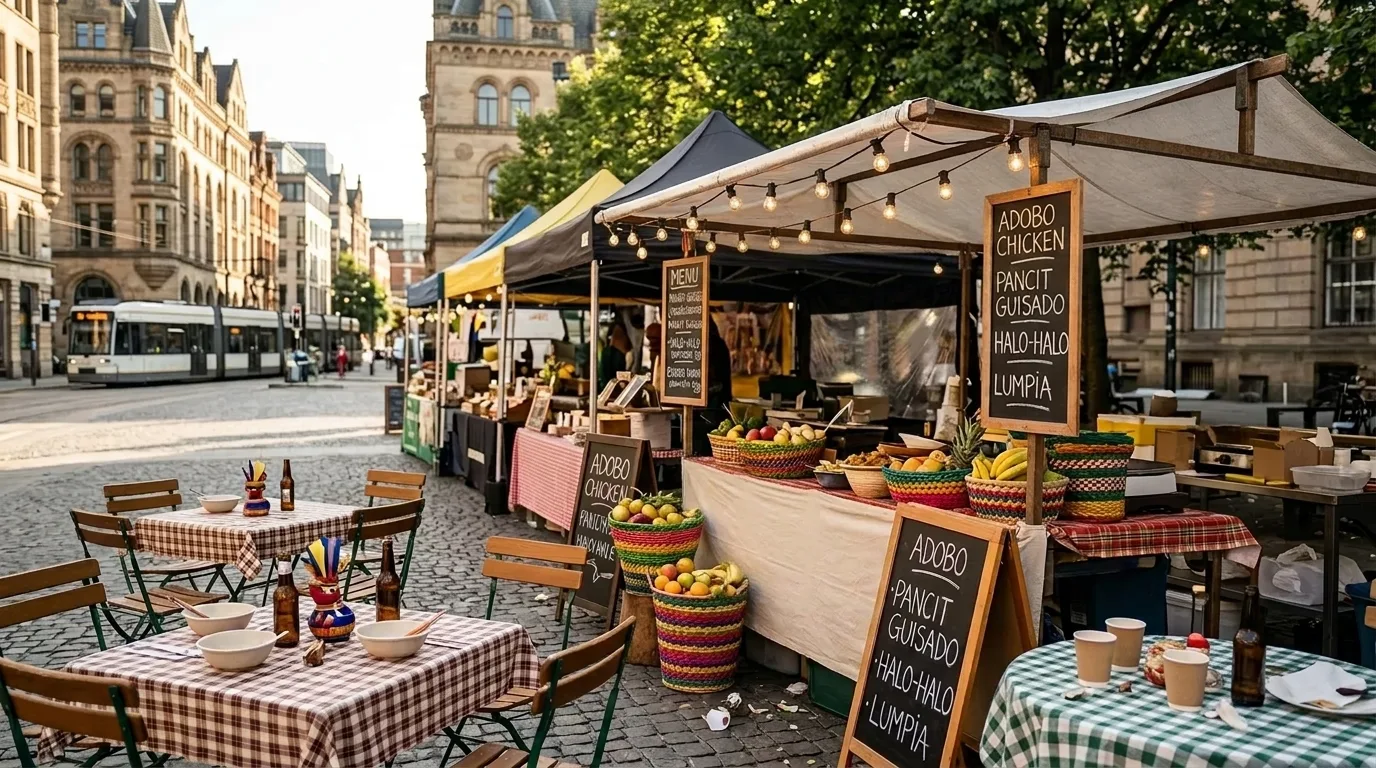
Food is another essential component of festival-inspired celebrations. Culinary showcases often feature specialties from different regions of the Philippines, allowing participants and visitors to experience the country's rich gastronomic diversity. Dishes associated with specific provinces and local traditions provide opportunities to learn about regional identities through cuisine. Community leaders note that food serves as a powerful cultural ambassador because it creates accessible and enjoyable experiences for people of all backgrounds.
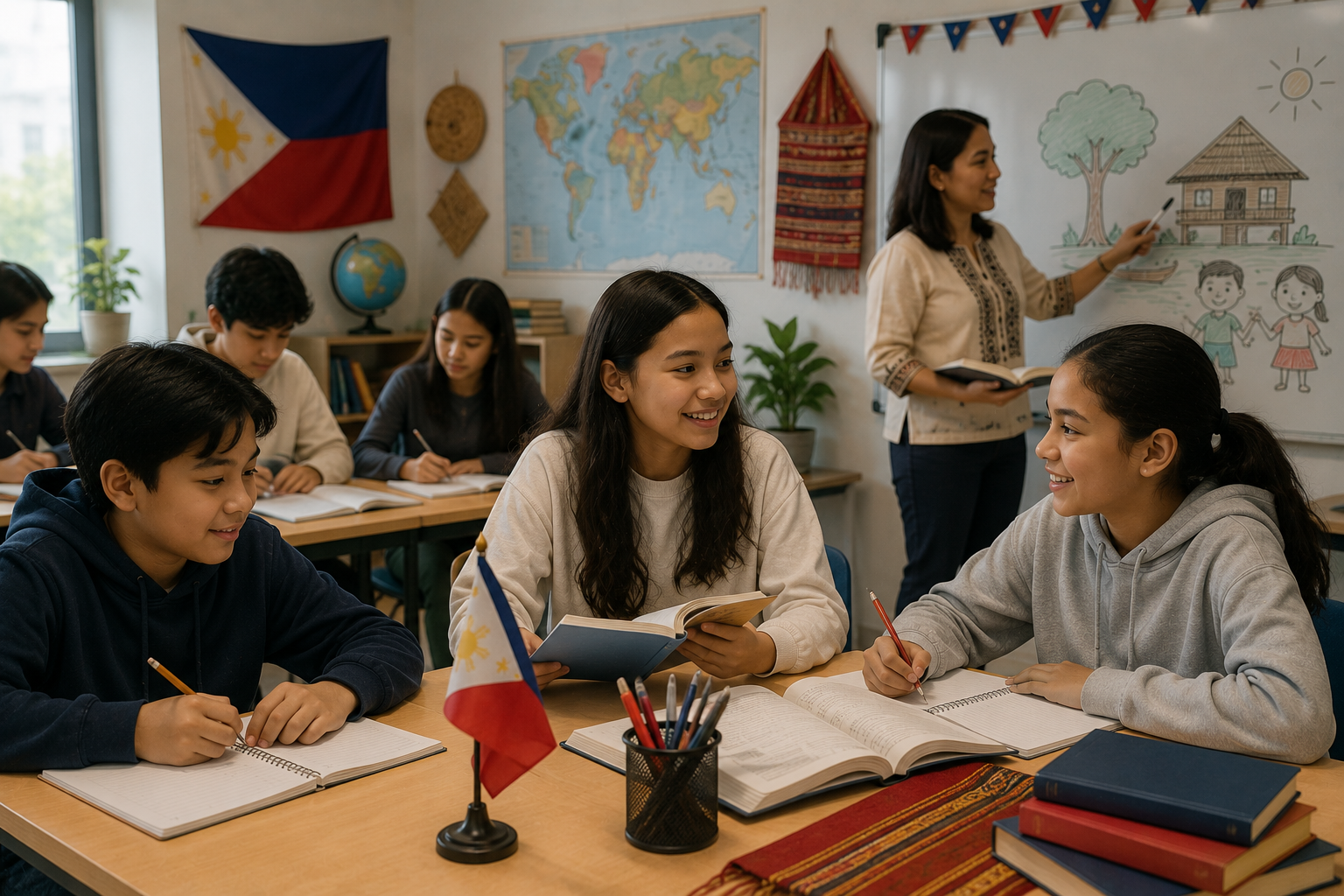
Many events include educational exhibits that explore the history, symbolism, and significance of Philippine regional festivals. Through photographs, informational displays, historical materials, traditional artifacts, and multimedia presentations, organizers help attendees gain deeper understanding of the cultural traditions being celebrated. Educational components are particularly important for younger generations who may have limited firsthand experience with festivals in the Philippines. Community leaders believe that providing historical context enhances appreciation for cultural heritage and encourages continued preservation efforts.
The participation of second-generation and third-generation Filipinos has become increasingly significant in festival-inspired celebrations. Young Filipinos born or raised abroad often seek opportunities to learn about their heritage and connect with their cultural roots. Through involvement in performances, volunteer activities, planning committees, and educational programs, younger generations play active roles in sustaining community traditions. Organizers view youth engagement as essential to ensuring that cultural practices remain vibrant and relevant in the future.
Technology has significantly expanded the reach and impact of cultural celebrations inspired by Philippine festivals. Social media platforms, livestream broadcasts, digital storytelling projects, and online promotional campaigns allow events to engage audiences beyond physical venues. Community organizations frequently share photos, videos, interviews, and educational content that highlight cultural traditions and encourage broader participation. Organizers report that digital engagement has helped introduce Philippine festivals to new audiences while strengthening connections among Filipinos living in different countries.
Festival-inspired celebrations also contribute to cultural exchange and intercultural understanding. Many events are intentionally designed to welcome non-Filipino visitors and members of host communities. Through performances, food, exhibits, and interactive activities, attendees gain opportunities to learn about Philippine culture firsthand. Community leaders explain that these interactions foster mutual respect, cultural appreciation, and stronger relationships among diverse groups. Cultural festivals often become important opportunities for people-to-people diplomacy and community engagement.
The creative industries have benefited from growing interest in regional festival traditions. Artists, designers, musicians, performers, craftspeople, and cultural practitioners frequently contribute their talents to community celebrations. Their involvement helps preserve traditional artistic forms while encouraging innovation and contemporary interpretation. Community leaders note that creative participation strengthens cultural expression while creating opportunities for artistic development and collaboration.
Many Filipino organizations collaborate with embassies, cultural institutions, local governments, educational institutions, and community partners to support festival-inspired events. These partnerships provide resources, venues, expertise, and promotional support that contribute to successful celebrations. Organizers emphasize that collaboration strengthens the quality and sustainability of cultural programs while expanding opportunities for community engagement.
Regional identity remains an important aspect of many celebrations. Filipinos often take pride in representing their hometowns, provinces, and local traditions during cultural events abroad. Festival-inspired gatherings provide opportunities for individuals to share stories, customs, languages, and experiences associated with specific regions of the Philippines. Community leaders explain that recognizing regional diversity strengthens understanding of the country's cultural richness while promoting inclusivity within broader Filipino communities.
The economic impact of festival-inspired celebrations can also be significant. Local businesses, food vendors, cultural entrepreneurs, artists, and service providers often benefit from increased activity associated with community events. Organizers note that festivals contribute to local economies while supporting Filipino-owned enterprises and promoting cultural products. Economic opportunities generated by cultural events further strengthen their value within communities.
Many participants describe festival celebrations as meaningful experiences that reinforce cultural pride and belonging. Community members frequently express appreciation for opportunities to gather, celebrate traditions, and share cultural experiences with family and friends. Organizers report that these events help strengthen social bonds while creating lasting memories that contribute positively to community life.
As global interest in cultural tourism and heritage experiences continues to grow, Philippine regional festivals are gaining greater recognition beyond Filipino communities. International audiences increasingly appreciate the artistic creativity, historical significance, and community spirit reflected in these celebrations. Community leaders believe that growing visibility creates opportunities to promote broader understanding of Philippine culture while encouraging interest in visiting the country and experiencing festivals firsthand.
Many organizations are exploring innovative approaches to preserving and promoting regional festival traditions. Virtual events, cultural exchange programs, educational partnerships, and digital archives are being developed to expand access and ensure long-term sustainability. Organizers view these initiatives as important investments in cultural preservation that complement traditional forms of community celebration.
Looking ahead, Filipino organizations around the world remain committed to expanding cultural programs inspired by Philippine regional festivals. Plans for larger celebrations, enhanced educational activities, increased youth participation, and broader community engagement are already underway in many locations. Community leaders remain optimistic that future generations will continue to embrace these traditions while finding new ways to celebrate and share them.
The enduring popularity of regional festival-inspired celebrations reflects the strength of cultural identity among Overseas Filipinos. Despite living far from their ancestral communities, Filipinos around the world continue to demonstrate deep appreciation for the traditions, values, and experiences that connect them to their homeland. Through collective effort and cultural creativity, they are ensuring that these traditions remain vibrant and meaningful across generations.
Ultimately, the influence of Philippine regional festivals on cultural celebrations abroad demonstrates the enduring power of heritage to unite communities, inspire pride, and foster understanding. Through music, dance, food, storytelling, and shared experiences, Overseas Filipinos are preserving important traditions while building bridges between cultures and generations.
As Filipino communities continue to grow and thrive around the world, festival-inspired celebrations will remain important expressions of cultural identity and community spirit. Their success highlights the ability of culture to transcend borders, connect people across distances, and ensure that the rich traditions of the Philippines continue to flourish on the global stage for years to come.
Enjoyed this story?
Share this story