
Filipino Organizations Worldwide Advocate Mental Health Awareness for OFWs
Share
June 25, 2026
Updated Oct 16, 2026
8 min read
727 views
MANILA, Philippines — Filipino organizations across the globe are expanding efforts to promote mental health awareness among Overseas Filipino Workers (OFWs), recognizing the growing importance of emotional well-being, psychological resilience, and community support in the lives of millions of Filipinos working abroad. From North America and Europe to Asia, Australia, and the Middle East, advocacy groups, community organizations, professional associations, faith-based institutions, and volunteer networks are launching programs designed to educate, support, and empower OFWs through mental health awareness campaigns and wellness initiatives.
The increasing focus on mental health reflects a broader understanding that the challenges faced by Overseas Filipino Workers extend beyond economic and professional concerns. While OFWs are widely recognized for their contributions to their families, communities, and the Philippine economy, many also experience unique pressures associated with living and working far from home. Long periods of separation from loved ones, cultural adjustment, demanding work environments, financial responsibilities, and social isolation can create emotional challenges that affect overall well-being. Community leaders emphasize that acknowledging and addressing these realities is essential to supporting the long-term health and success of Overseas Filipinos.
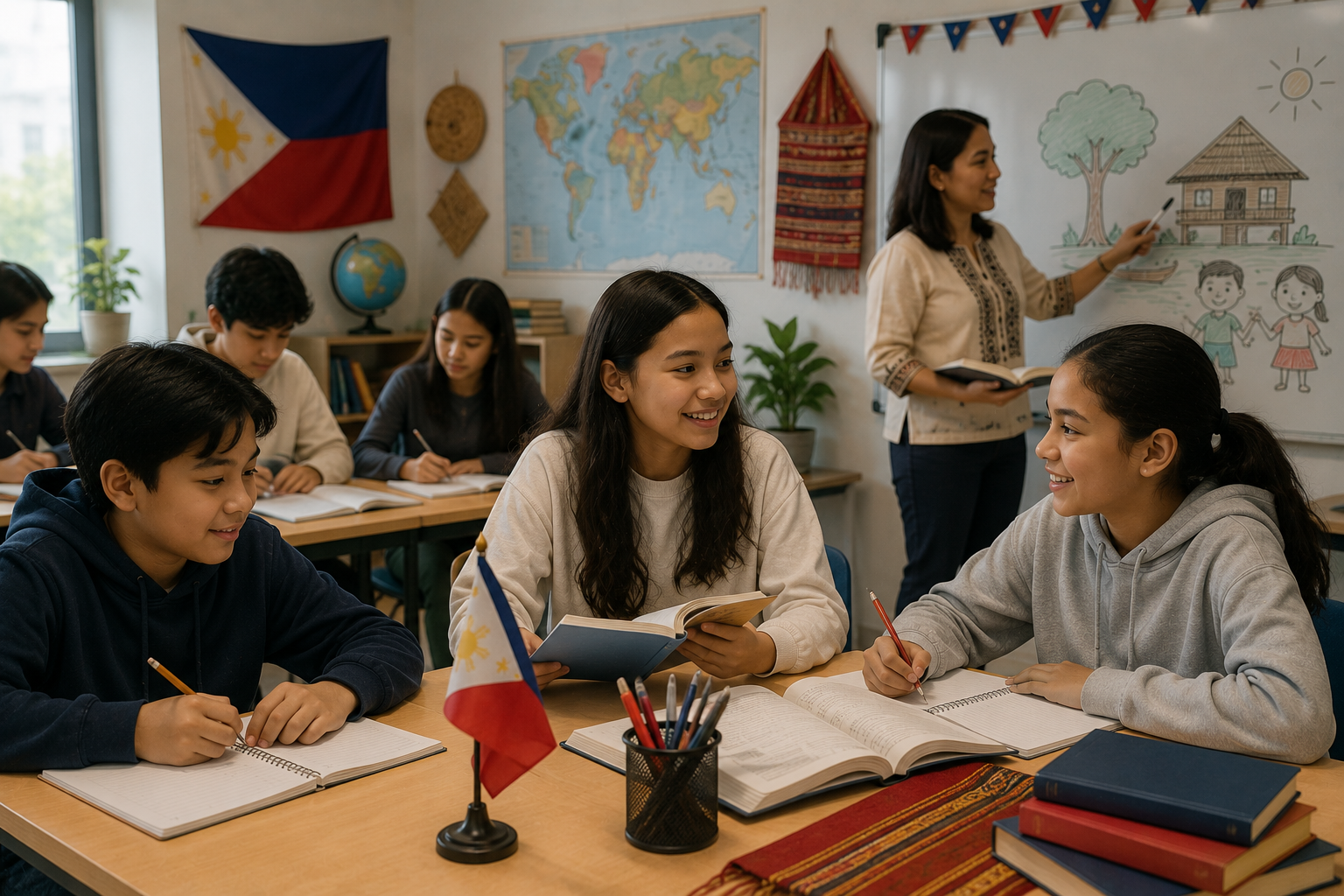
Mental health awareness campaigns have become important tools for educating communities about the importance of emotional wellness. Filipino organizations regularly conduct seminars, workshops, online discussions, and information campaigns that encourage individuals to better understand mental health and recognize the role it plays in daily life. Organizers explain that education is one of the most effective ways to reduce misconceptions and foster more supportive attitudes toward emotional well-being. By providing accessible information and practical resources, these programs help individuals become more confident in discussing mental health-related topics.
Many advocacy groups are working to create environments where conversations about mental wellness are viewed as normal and constructive. Community leaders note that attitudes toward mental health have evolved significantly in recent years, with more people recognizing the value of seeking support, practicing self-care, and maintaining emotional balance. Awareness initiatives often focus on encouraging open dialogue while reinforcing the message that mental well-being is an essential component of overall health. These efforts contribute to a culture of understanding that benefits individuals, families, and communities alike.
Peer support programs have become increasingly popular among Filipino organizations serving Overseas Filipino Workers. These initiatives connect individuals with others who share similar experiences, allowing participants to exchange insights, offer encouragement, and build supportive relationships. Organizers explain that peer networks can help reduce feelings of isolation while fostering a sense of belonging and community. Many participants report that simply having opportunities to connect with others who understand their experiences can contribute positively to their emotional well-being.
Technology has played a major role in expanding access to mental health awareness resources. Online webinars, virtual support groups, educational videos, digital campaigns, and social media initiatives allow organizations to reach participants regardless of location. Community leaders report that digital platforms have made it easier to connect with OFWs living in different countries while providing flexible access to information and support. Technology has also enabled organizations to maintain engagement with community members who may have limited opportunities to participate in in-person activities.
Family relationships are frequently highlighted during mental health awareness programs because of their importance in the lives of Overseas Filipino Workers. Many OFWs cite family as a primary source of motivation and emotional strength, yet physical distance can also create challenges. Advocacy groups often provide guidance on maintaining healthy communication, strengthening family connections, and navigating the emotional aspects of long-distance relationships. Community leaders emphasize that strong family relationships contribute significantly to overall well-being and resilience.
Youth and young professionals have also become important participants in mental health advocacy efforts. As younger generations enter international workforces and pursue opportunities abroad, organizations are developing programs tailored to their experiences and concerns. Topics such as career development, work-life balance, personal growth, stress management, and community engagement are commonly explored during educational events. Organizers believe that equipping younger individuals with wellness knowledge early in their careers can contribute to healthier long-term outcomes.
Many Filipino healthcare professionals working abroad are actively involved in community wellness initiatives. Nurses, doctors, counselors, educators, and public health advocates frequently volunteer their expertise to support awareness campaigns and educational programs. Their participation helps ensure that information shared with communities is accurate, relevant, and practical. Community leaders note that professional involvement strengthens the credibility and effectiveness of advocacy efforts while expanding access to valuable resources.
Faith-based organizations continue to play meaningful roles in supporting the emotional well-being of many Overseas Filipinos. Religious communities often provide spaces for fellowship, encouragement, spiritual reflection, and social connection. Community leaders observe that faith-based activities can complement broader wellness efforts by fostering hope, resilience, and a sense of belonging. Many organizations collaborate across sectors to create holistic approaches that address various aspects of well-being.
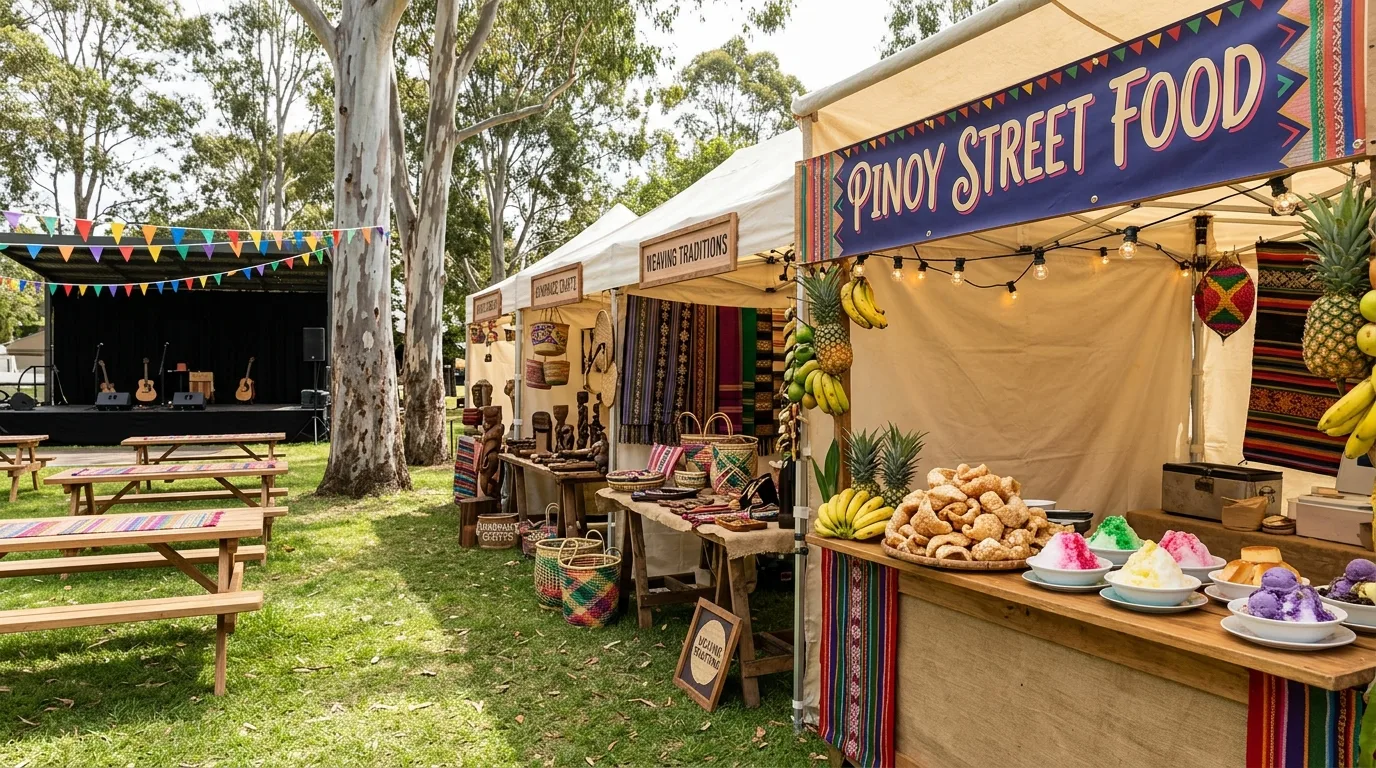
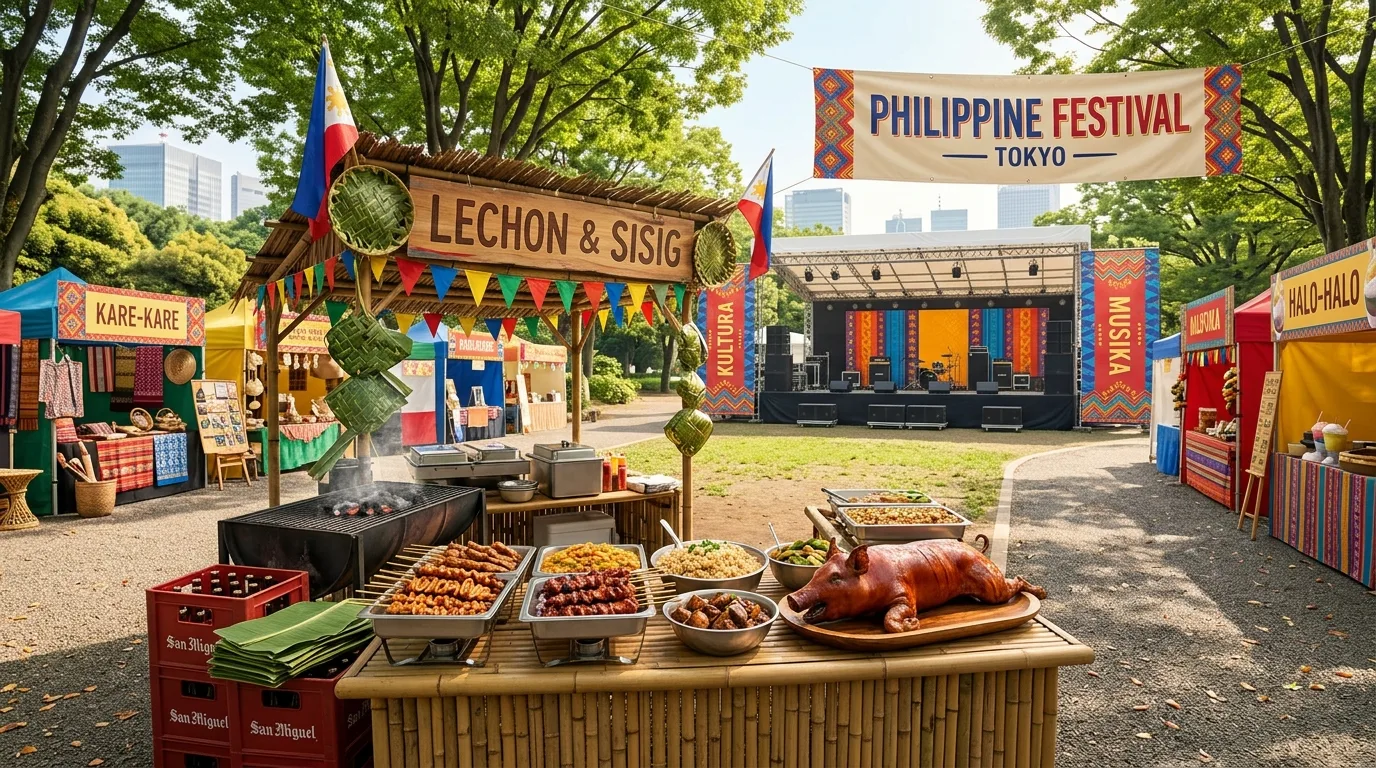
Community events focused on wellness have become increasingly common within Filipino organizations worldwide. Health fairs, family days, sports activities, cultural gatherings, and educational forums frequently include components dedicated to mental health awareness and personal well-being. Organizers explain that integrating wellness themes into broader community activities helps normalize conversations about emotional health while reaching larger audiences. These events also create opportunities for social interaction and relationship-building that support overall quality of life.
The workplace has emerged as another important area of focus for advocacy groups. Many organizations provide information about healthy work habits, effective communication, professional development, and strategies for maintaining balance between personal and professional responsibilities. Community leaders recognize that positive workplace experiences contribute significantly to overall well-being and that supporting OFWs in managing workplace challenges can have lasting benefits.
Volunteerism remains a driving force behind many mental health awareness initiatives. Filipino community members frequently dedicate their time, expertise, and resources to organizing events, facilitating programs, and supporting outreach activities. Organizers describe this spirit of service as a reflection of bayanihan, the Filipino tradition of collective support and cooperation. Through volunteer efforts, communities are able to expand the reach and impact of wellness programs while strengthening social connections.
Mental health advocacy also intersects with broader discussions about quality of life, community engagement, and personal development. Many awareness programs encourage participants to cultivate healthy routines, maintain supportive relationships, pursue meaningful goals, and engage actively within their communities. Organizers emphasize that wellness is not limited to addressing challenges but also includes promoting positive habits and creating environments where individuals can thrive.
The participation of Filipino organizations in global wellness initiatives has contributed to greater recognition of mental health as an important community issue. Partnerships with local institutions, nonprofit organizations, educational groups, and healthcare providers have expanded opportunities for collaboration and resource-sharing. Community leaders believe that these partnerships strengthen the overall effectiveness of awareness campaigns while fostering greater understanding among diverse communities.
Many success stories have emerged from advocacy efforts worldwide. Participants frequently report increased awareness, stronger support networks, improved communication skills, and greater confidence in addressing wellness-related concerns. Organizers view these outcomes as evidence of the positive impact that education, community engagement, and support systems can have on individuals and families. Such stories also inspire continued participation and encourage organizations to expand their efforts.
As global Filipino communities continue to grow, advocacy leaders anticipate increasing demand for wellness programs and educational resources. Emerging technologies, evolving workplace environments, and changing social dynamics will likely shape future approaches to community support. Organizations are exploring innovative ways to expand outreach, improve accessibility, and create more inclusive opportunities for engagement. Continued investment in education and awareness is expected to strengthen the long-term sustainability of these initiatives.
Community leaders emphasize that mental health awareness is not solely the responsibility of individuals but also a collective effort involving families, organizations, workplaces, and communities. Creating supportive environments requires cooperation, understanding, and a commitment to promoting well-being at every level. Filipino organizations worldwide are demonstrating that meaningful change can occur when communities work together toward shared goals.
Looking ahead, advocacy groups remain committed to expanding mental health awareness programs for Overseas Filipino Workers through continued education, outreach, partnerships, and community engagement. Their efforts reflect a growing recognition that emotional well-being is essential to personal fulfillment, professional success, and community resilience. By promoting understanding, support, and open dialogue, these organizations are helping build stronger and healthier Filipino communities around the world.
Ultimately, the rise of mental health advocacy among Filipino organizations demonstrates the enduring commitment of global Filipino communities to caring for one another. Through awareness campaigns, educational initiatives, support networks, and wellness programs, communities are creating opportunities for OFWs to thrive while reinforcing the values of compassion, solidarity, and mutual support that have long been central to the Filipino experience. As these efforts continue to expand, they serve as powerful reminders that well-being, connection, and community remain fundamental pillars of a successful and fulfilling life abroad.
Enjoyed this story?
Share this story