Ati-Atihan Traditions Inspire New Cultural Festivals Among Overseas Filipinos
Share
June 03, 2026
Updated Oct 16, 2026
7 min read
332 views
MANILA, Philippines — The colorful traditions, rhythmic drumbeats, and vibrant community spirit of the Ati-Atihan Festival are inspiring a new wave of cultural celebrations among overseas Filipino communities across the globe.
From North America and Europe to the Middle East, Asia, and Australia, Filipino organizations are incorporating elements of the world-famous festival into new cultural events designed to preserve heritage, engage younger generations, and strengthen community connections.
Community leaders say the growing influence of Ati-Atihan traditions abroad reflects a broader movement among overseas Filipinos to celebrate and preserve regional Philippine culture while sharing it with international audiences.
Known as one of the oldest and most celebrated festivals in the Philippines, Ati-Atihan has long been recognized for its energetic street dancing, colorful costumes, tribal-inspired artistry, and deep religious significance. Traditionally held in Kalibo, Aklan in honor of the Santo Niño, the festival attracts thousands of visitors every year and remains one of the country's most iconic cultural events.
Today, its influence is extending far beyond Philippine shores.
Across major cities such as Toronto, Vancouver, New York, Los Angeles, London, Dublin, Paris, Madrid, Rome, Amsterdam, Dubai, Abu Dhabi, Singapore, Tokyo, Sydney, Melbourne, and Auckland, Filipino communities are drawing inspiration from Ati-Atihan to create dynamic cultural experiences that celebrate identity, history, and community pride.
Organizers explain that Ati-Atihan's combination of music, movement, faith, and participation makes it particularly appealing for community festivals.
Unlike events that focus primarily on spectatorship, Ati-Atihan traditions encourage active involvement and collective celebration.
This spirit of participation aligns closely with the goals of many overseas Filipino organizations seeking to strengthen engagement among community members.
The festival's famous drum rhythms have become a centerpiece of many cultural events abroad.
Community groups frequently organize percussion performances inspired by traditional Ati-Atihan music, creating energetic atmospheres that encourage audience participation and interaction.
Musicians and performers often spend months preparing routines that capture the excitement and authenticity associated with the original festival.
For many participants, the experience provides a powerful connection to Philippine culture and history.
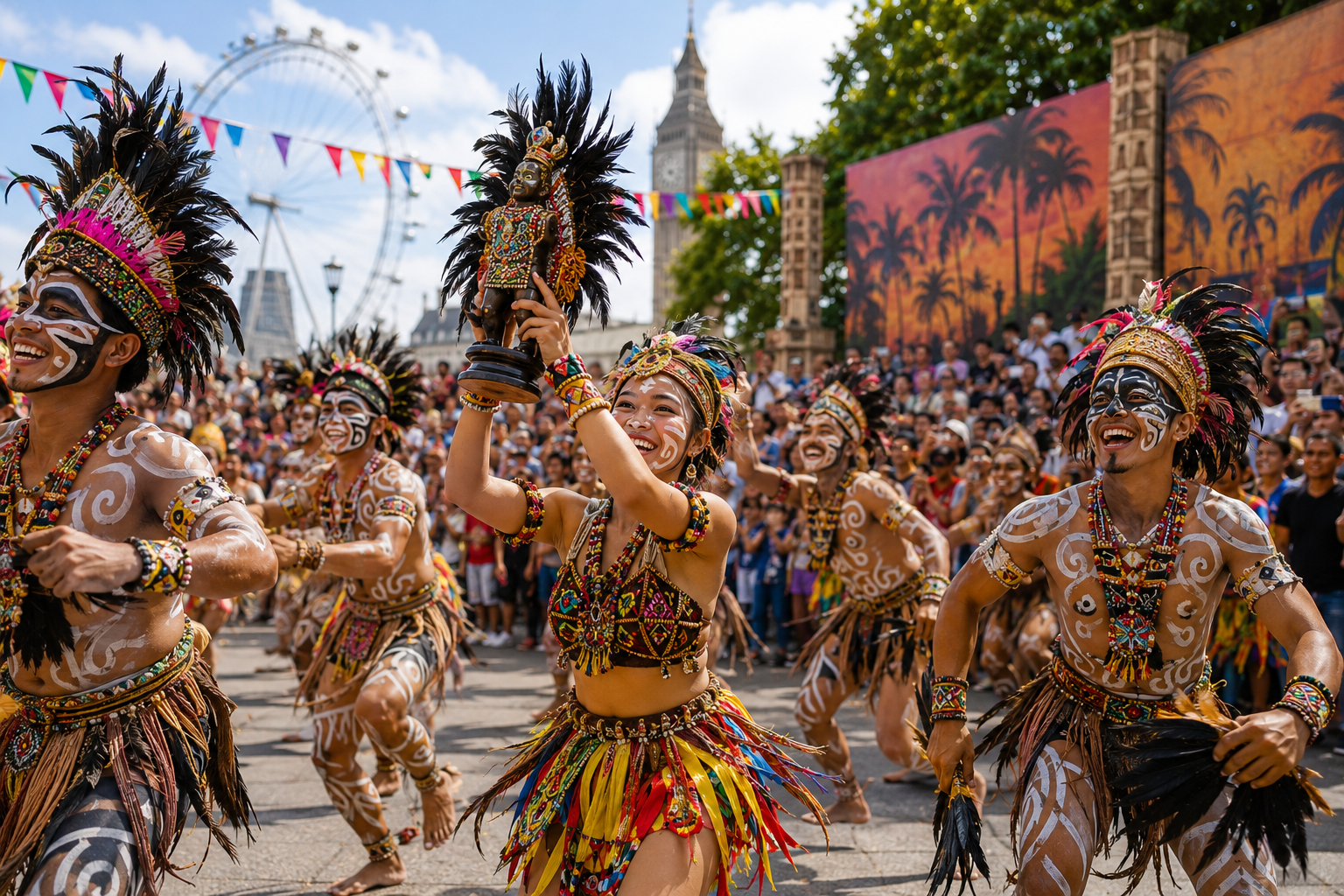
Traditional dance presentations have likewise become major attractions.
Dance groups incorporate movements and themes inspired by Ati-Atihan while adapting performances to local contexts and audiences.
These presentations often highlight themes of resilience, celebration, unity, and cultural pride.
Community leaders note that dance serves as an effective educational tool because it combines entertainment with cultural storytelling.
Younger audiences, in particular, respond positively to interactive and visually engaging performances.
The visual artistry associated with Ati-Atihan has also inspired creative expression within overseas communities.
Colorful costumes, cultural exhibits, artistic displays, and decorative installations frequently draw inspiration from festival traditions.
Artists and volunteers collaborate to create immersive environments that bring elements of Philippine festival culture to international audiences.
These creative projects often become focal points of community celebrations and generate significant interest among attendees.
Many organizers view artistic expression as an important component of cultural preservation.
By encouraging participation in costume design, visual arts, and performance preparation, communities provide opportunities for individuals to engage directly with cultural traditions.
Youth involvement remains a major priority for many organizations.
Community leaders recognize that younger generations of Filipinos living abroad may have limited opportunities to experience major Philippine festivals firsthand.
As a result, locally organized cultural events serve as important avenues for heritage education and identity formation.
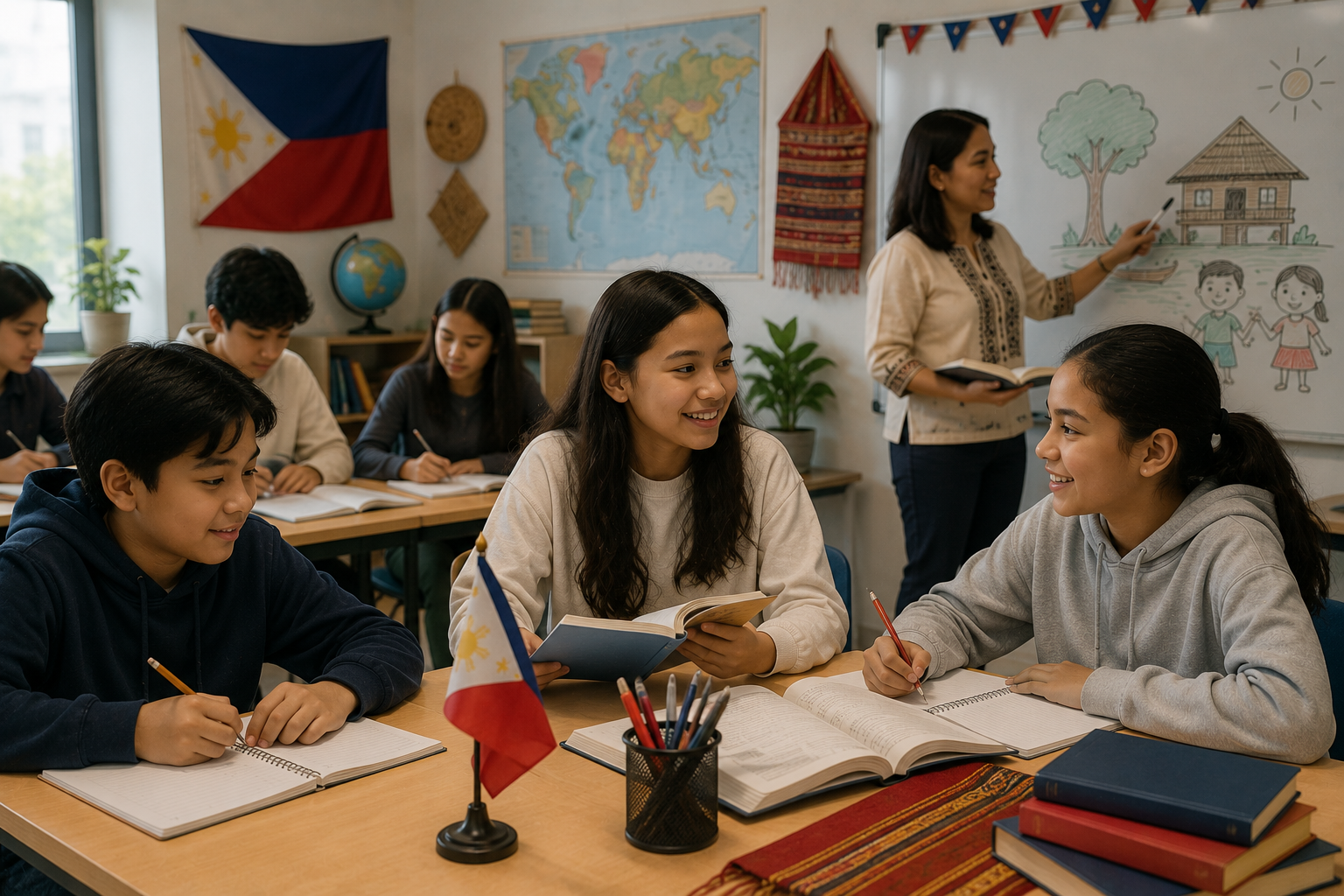
Youth workshops, dance programs, music classes, leadership initiatives, and cultural competitions are increasingly being incorporated into festival programming.
These activities help participants develop deeper understanding of Filipino culture while building confidence and community connections.
Parents frequently express appreciation for programs that help children learn about their roots in engaging and accessible ways.
Many families view cultural festivals as opportunities to strengthen intergenerational relationships and share traditions that might otherwise be difficult to pass on.
The educational value of these celebrations extends beyond Filipino audiences.
Community festivals often attract visitors from diverse cultural backgrounds who are interested in learning more about Philippine heritage.
Organizers frequently include exhibits and presentations that explain the history, significance, and evolution of Ati-Atihan traditions.
These educational components help foster intercultural understanding while highlighting the richness and diversity of Philippine culture.
Many attendees leave with greater appreciation for Filipino traditions and a deeper understanding of the country's cultural landscape.
Food remains another important aspect of cultural celebrations inspired by Ati-Atihan.
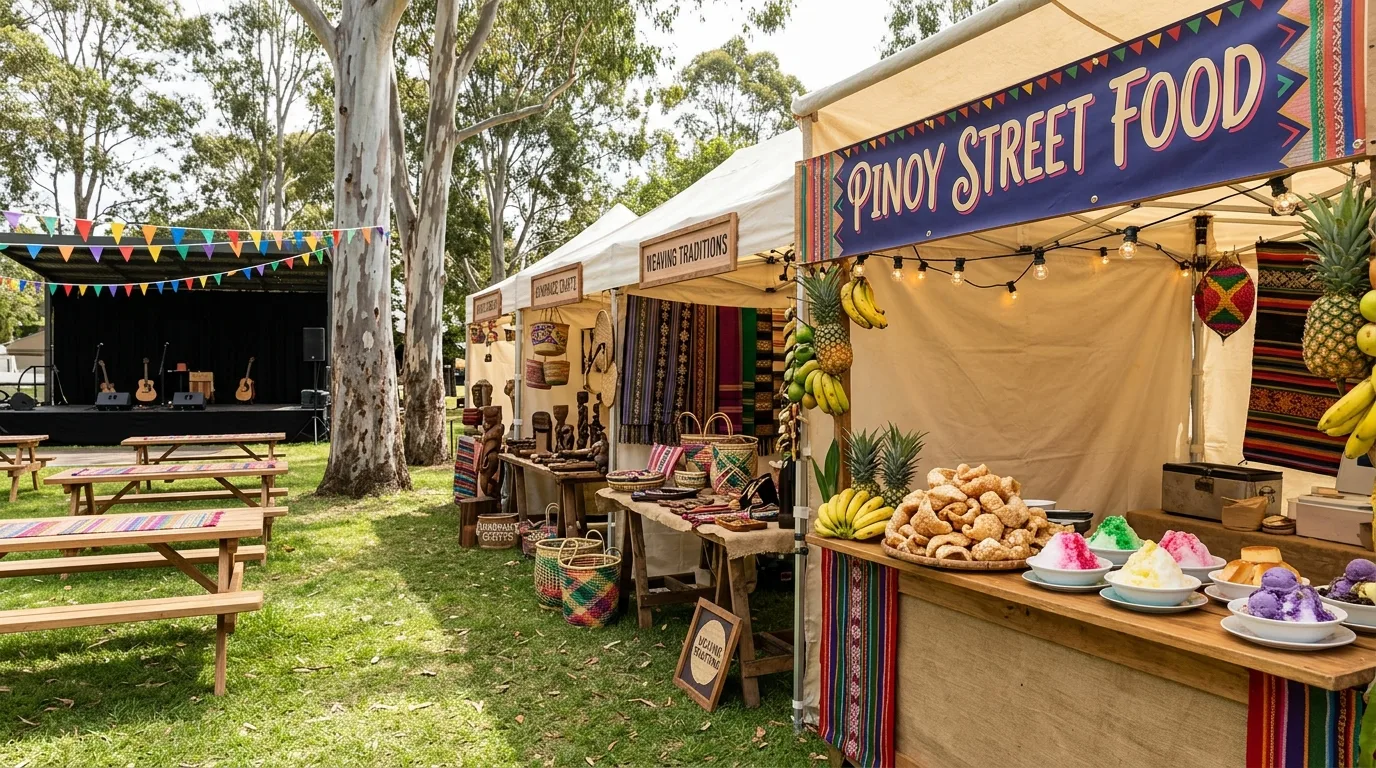
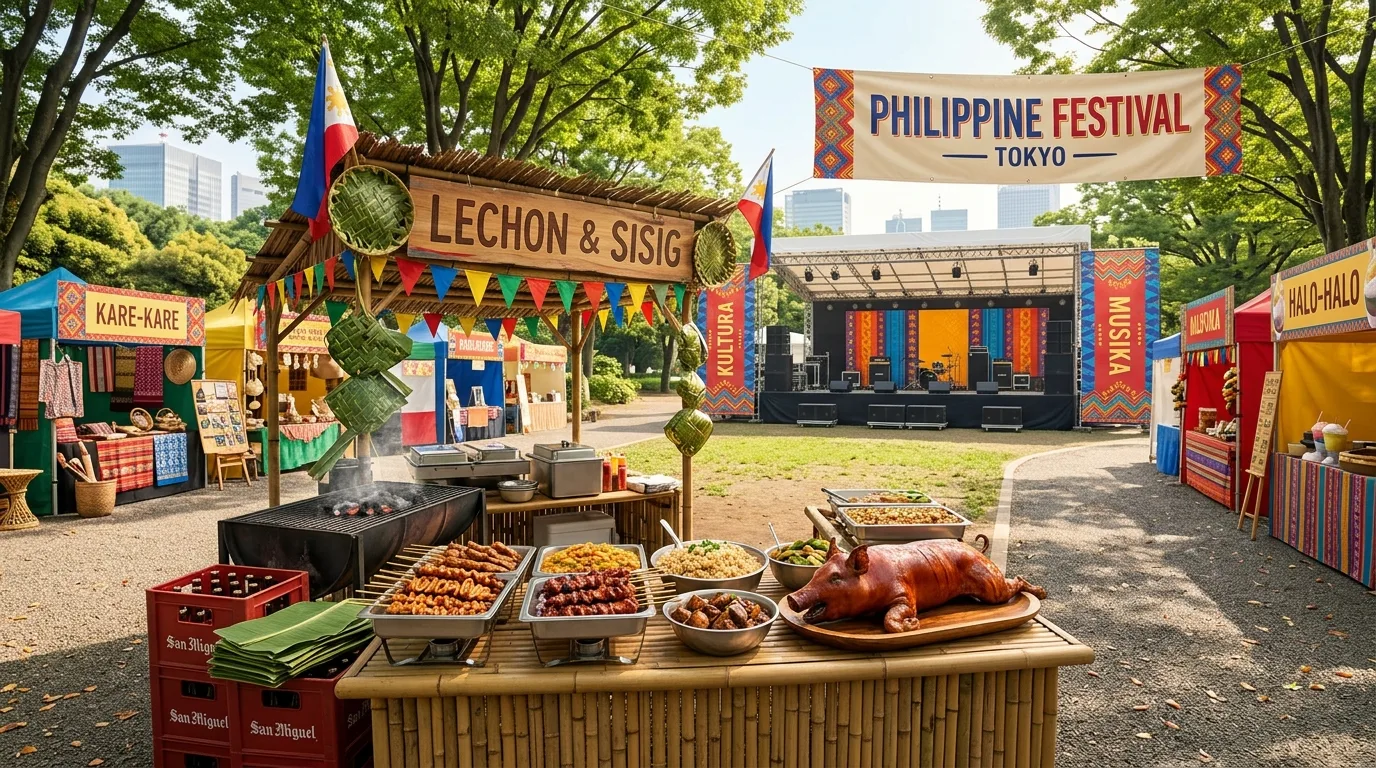
Festival grounds often feature Filipino culinary showcases where visitors can experience traditional dishes and regional specialties.
Popular favorites such as adobo, lechon, pancit, lumpia, barbecue, halo-halo, bibingka, and numerous Visayan delicacies attract enthusiastic crowds.
Food provides natural opportunities for cultural exchange while reinforcing the festive atmosphere associated with Filipino celebrations.
Organizers frequently note that culinary experiences serve as effective introductions to broader aspects of Philippine culture.
Technology has significantly expanded the reach of these cultural initiatives.
Social media platforms, livestreams, digital storytelling projects, and online cultural content allow communities to share events with audiences around the world.
Photos and videos of performances often generate substantial engagement and inspire interest among individuals who may never have attended a Filipino cultural event previously.
Digital visibility has become particularly important for reaching younger audiences and strengthening connections among diaspora communities.
Community organizations increasingly use online platforms to document traditions, share educational resources, and promote cultural awareness.
The spirit of bayanihan remains evident throughout festival planning and execution.
Volunteers contribute countless hours organizing events, preparing performances, managing logistics, and supporting community outreach initiatives.
Organizers frequently describe these collaborative efforts as modern expressions of traditional Filipino values.
The willingness of individuals to work together toward common goals continues to be one of the defining characteristics of overseas Filipino communities.
Many cultural festivals also incorporate charitable components.
Fundraising activities supporting scholarships, community development projects, disaster relief efforts, and humanitarian initiatives have become common features of community events.
These efforts reinforce the idea that cultural celebrations can serve both social and civic purposes.
Business owners and entrepreneurs also play important roles in supporting cultural initiatives.
Filipino-owned businesses frequently sponsor events, provide resources, and participate as vendors and community partners.
Their involvement helps sustain cultural programming while contributing to local economic activity.
Community leaders emphasize that partnerships among businesses, nonprofits, educators, artists, and volunteers are essential to the continued success of cultural festivals.
The growing popularity of Ati-Atihan-inspired events reflects broader trends within global Filipino communities.
As diaspora populations continue to expand, cultural organizations are finding innovative ways to preserve traditions while adapting them to new environments.
Many leaders believe regional festivals offer particularly valuable opportunities to showcase the diversity of Philippine culture.
Rather than focusing solely on national traditions, communities are increasingly highlighting the unique histories and customs associated with different regions of the country.
This approach provides richer cultural experiences while encouraging broader appreciation for Philippine heritage.
Looking ahead, organizers anticipate continued growth in cultural programming inspired by Ati-Atihan and other regional festivals.
Plans are already underway for expanded youth initiatives, larger public celebrations, increased educational outreach, and stronger international collaboration among Filipino organizations.
Community leaders remain optimistic that these efforts will help ensure the long-term preservation of cultural traditions.
They also hope the movement will inspire greater awareness and appreciation of Philippine heritage among global audiences.
Ultimately, the influence of Ati-Atihan beyond the Philippines demonstrates the enduring power of culture to connect people across borders and generations.
Through music, dance, art, food, faith, and community engagement, overseas Filipinos are finding new ways to celebrate traditions while adapting them to contemporary realities.
Each drumbeat, performance, and community gathering serves as a reminder that cultural heritage remains a living and evolving part of Filipino identity.
As Ati-Atihan traditions continue to inspire new festivals around the world, they are helping strengthen communities, educate future generations, and showcase the vibrant spirit of the Philippines on the global stage.
From Kalibo to cities across multiple continents, the energy and meaning of Ati-Atihan continue to resonate, proving that cultural traditions can flourish wherever people choose to celebrate, preserve, and share them.
Enjoyed this story?
Share this story