Bayanihan Spirit Abroad: Filipino Communities Unite for Global Independence Day Celebrations
Share
May 26, 2026
5 min read
331 views
Across continents and time zones, Filipino communities are coming together in a powerful display of unity, culture, and patriotism as global Independence Day celebrations take center stage in 2026. From North America to the Middle East, Europe, and Asia-Pacific cities, overseas Filipinos are reviving a deeply rooted cultural value—bayanihan, the spirit of communal unity—to celebrate Philippine Independence Day far beyond the archipelago.
What was once a single-day national holiday in the Philippines has now evolved into a worldwide cultural movement, as Filipino diaspora communities organize large-scale parades, festivals, concerts, and cultural showcases that highlight heritage, resilience, and identity.
A Global Celebration of Freedom and Identity
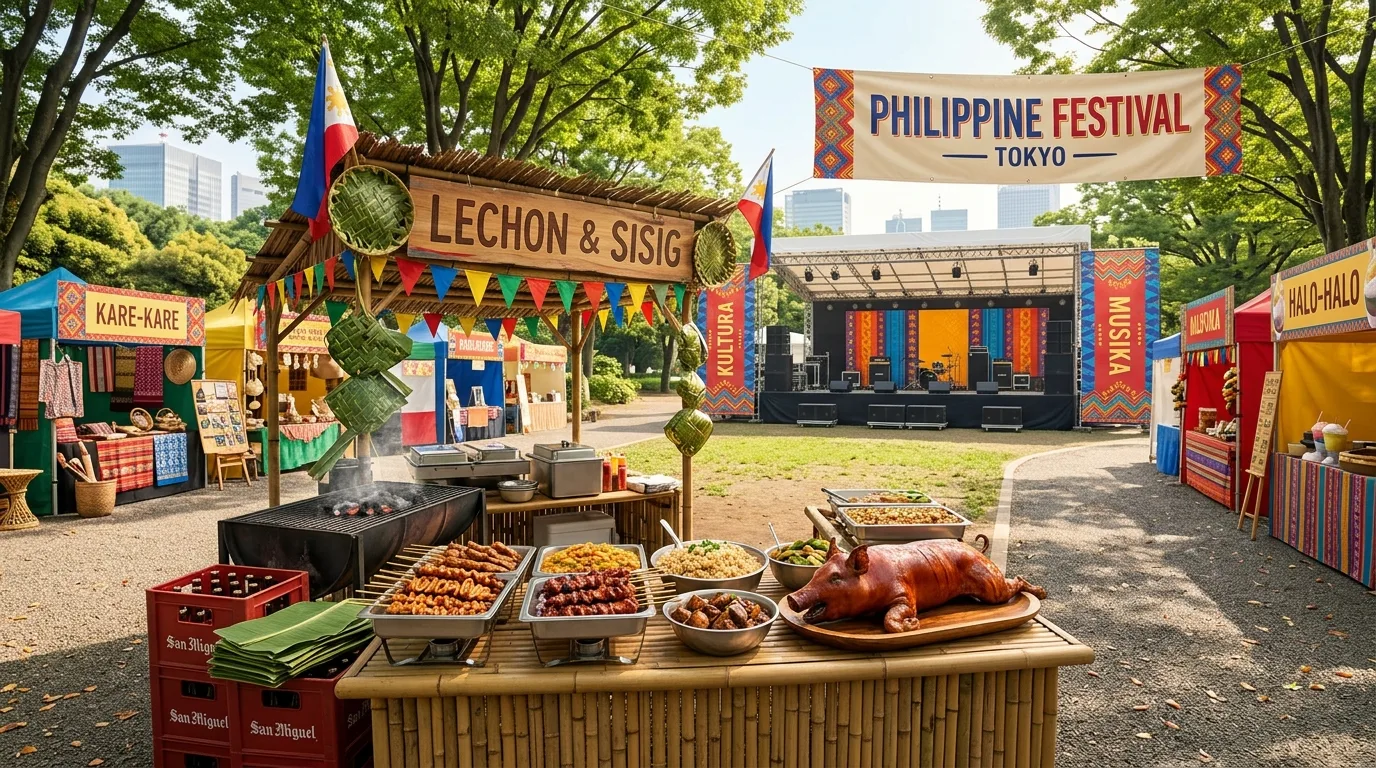
Every June, Filipino communities around the world mark the anniversary of Philippine Independence Day, commemorating the nation’s declaration of sovereignty in 1898. But in 2026, celebrations have grown significantly in scale, turning into month-long cultural festivities across major global cities such as Los Angeles, Toronto, London, Dubai, Singapore, and Tokyo.
Community leaders describe this year’s celebrations as one of the most unified global observances in recent history, with hundreds of Filipino organizations coordinating simultaneous events under shared themes of heritage pride and cultural solidarity.
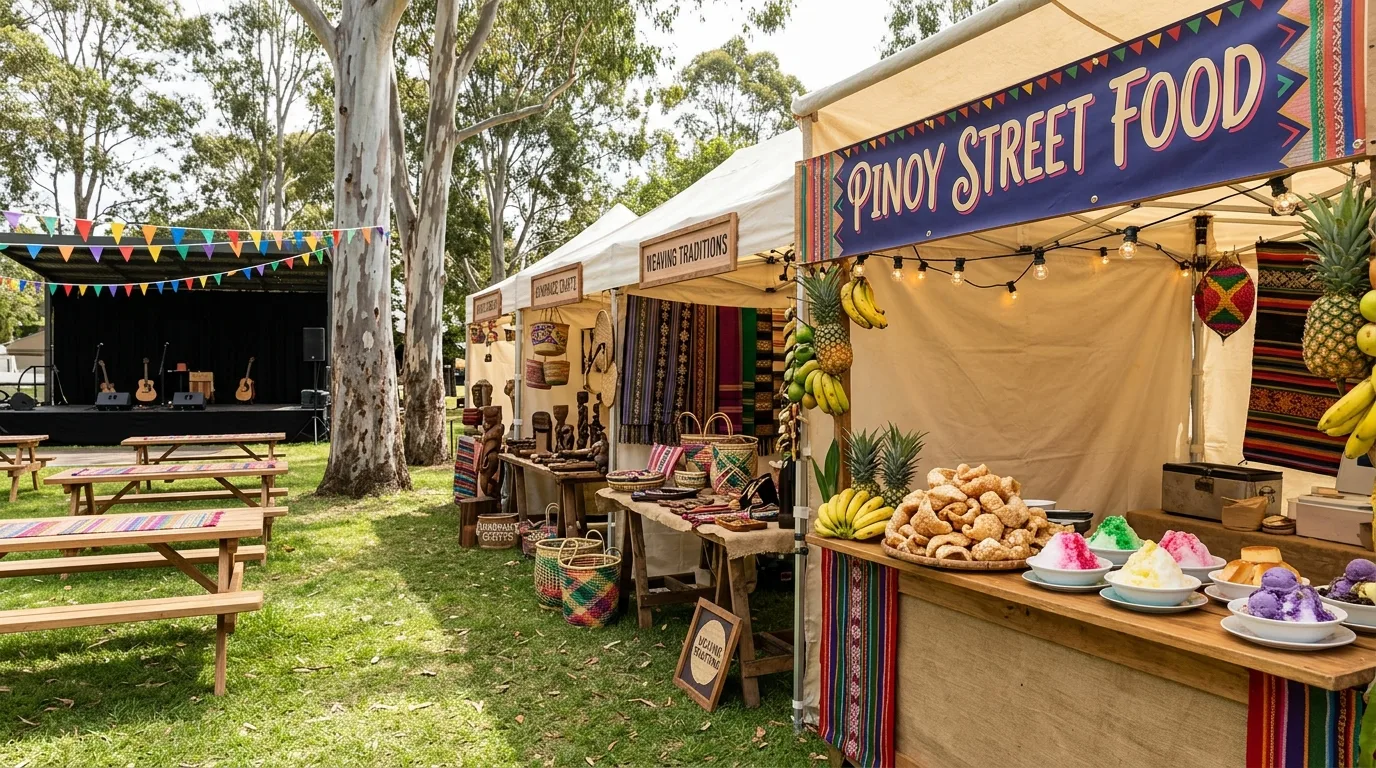
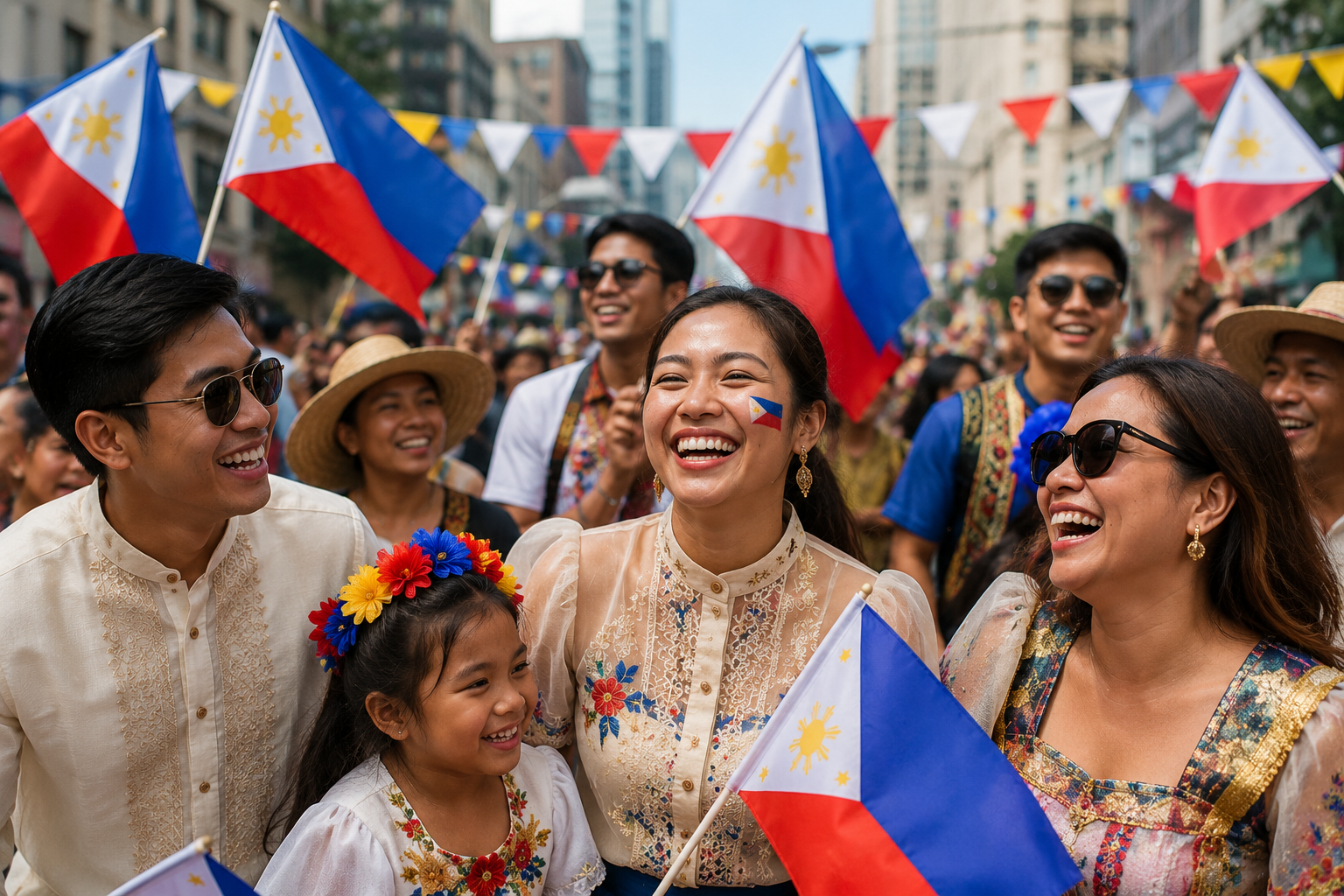
Parades featuring traditional costumes, flag ceremonies, street dancing, and Filipino music performances are being held in public parks and city centers, drawing not only Filipino attendees but also multicultural audiences eager to experience Philippine culture.
Bayanihan Beyond Borders
At the heart of these celebrations is the enduring Filipino concept of bayanihan—a tradition symbolizing collective cooperation and helping one another without expecting anything in return.
In overseas communities, bayanihan takes on new meaning. Filipino associations, churches, schools, and volunteer groups are working together to organize large events, often relying on donations, volunteer labor, and shared resources.
In cities like Los Angeles and Toronto, Filipino civic groups have collaborated to host cultural festivals that combine food fairs, historical exhibits, talent showcases, and charity drives supporting both local communities and disaster relief efforts in the Philippines.
Organizers say the spirit of bayanihan is what makes these celebrations unique compared to other cultural festivals—it is not just about entertainment, but about solidarity and shared identity.
Parades, Festivals, and Cultural Showcases Around the World
This year’s Independence Day celebrations feature a wide variety of events designed to showcase the richness of Filipino culture.
In North America, large Filipino heritage parades are expected to draw thousands of participants dressed in traditional attire such as baro’t saya and barong Tagalog. Floats highlighting Philippine provinces, historical heroes, and cultural icons will line major city streets.
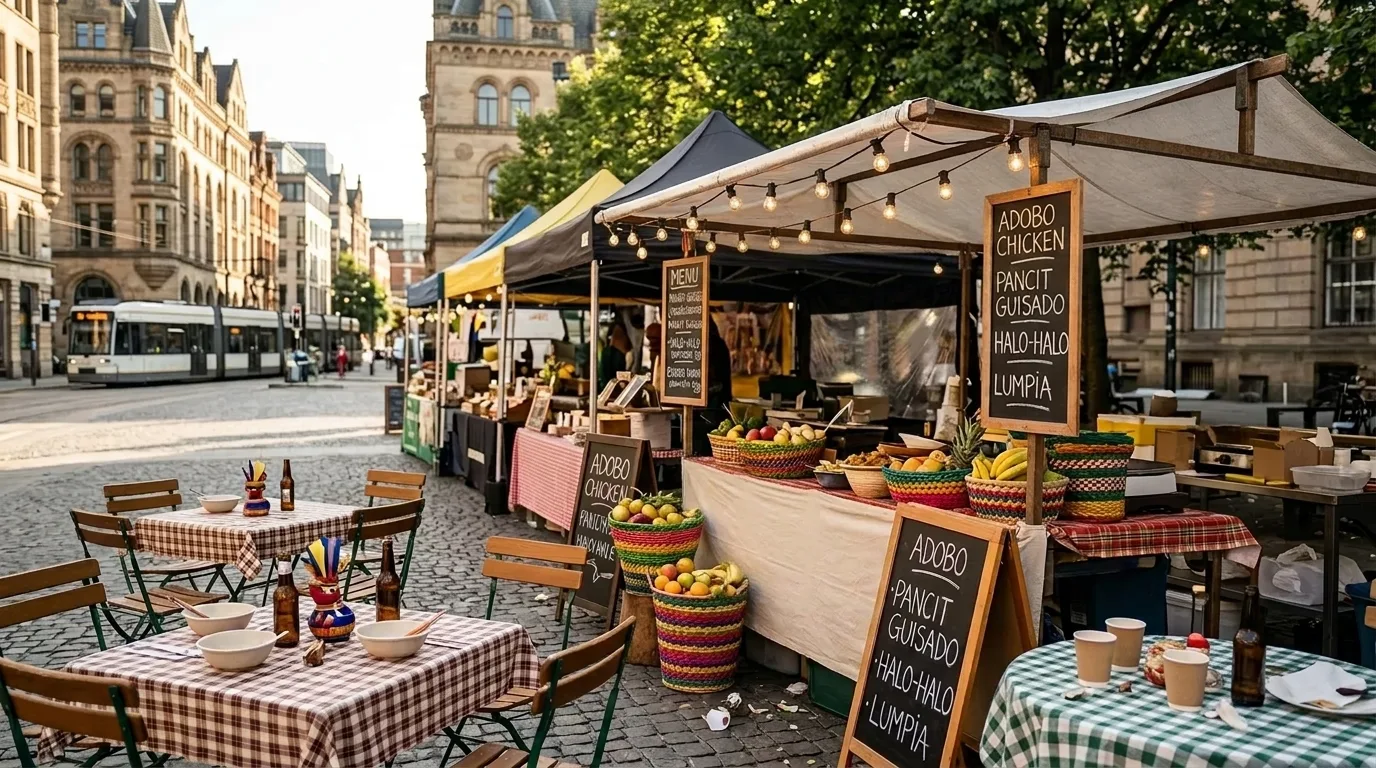
Meanwhile, in the Middle East—particularly in Dubai, Abu Dhabi, and Doha—Filipino communities are organizing indoor cultural festivals due to climate conditions. These events include singing competitions, dance performances, and culinary fairs featuring Filipino cuisine like adobo, lechon, pancit, and halo-halo.
In Europe, cities like London, Milan, and Rome are hosting multicultural festivals where Filipino performers share the stage with other diaspora communities, strengthening cross-cultural understanding.
In Asia-Pacific hubs such as Singapore, Hong Kong, and Tokyo, smaller but highly organized gatherings emphasize heritage education, storytelling, and youth participation.
Filipino Food as a Cultural Bridge
One of the most powerful elements of these celebrations is food. Filipino cuisine has become a central attraction in global Independence Day events, serving as both comfort and cultural education.
Food stalls and community kitchens serve classic dishes such as:
Adobo (marinated meat stew) Sinigang (sour tamarind soup) Kare-kare (peanut-based stew) Lumpia (spring rolls) Bibingka and puto (rice cakes) Halo-halo (mixed shaved ice dessert)
For many second-generation Filipinos born abroad, these dishes serve as a connection to their roots. For non-Filipino attendees, it becomes an introduction to one of Southeast Asia’s most diverse culinary traditions.
The Role of Second-Generation Filipinos
A defining feature of the 2026 celebrations is the growing involvement of younger Filipino generations born or raised overseas.
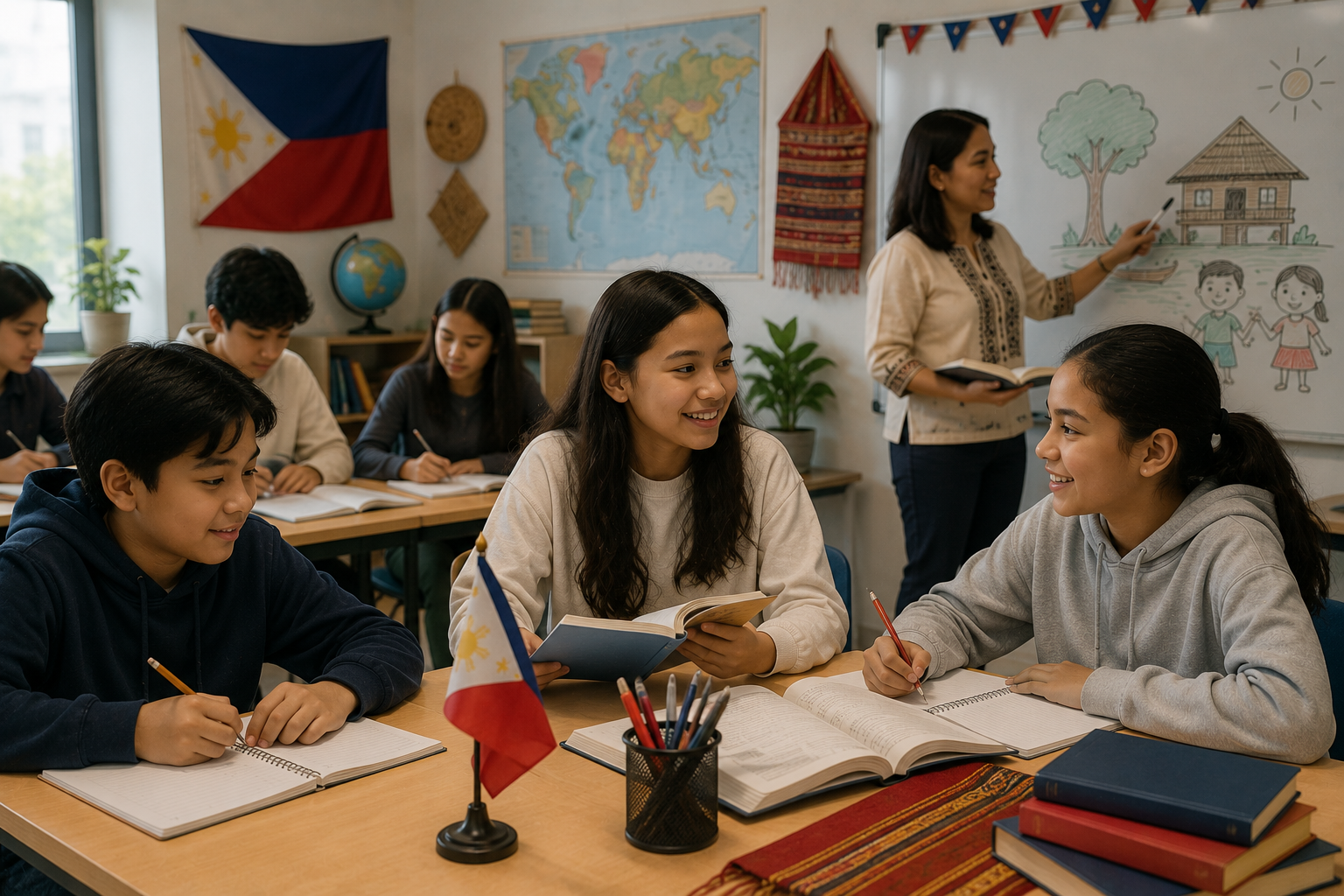
These youth groups are taking leadership roles in organizing events, managing social media campaigns, and performing cultural dances that blend traditional and modern styles. Many are using digital platforms to promote Filipino heritage to global audiences, helping Filipino culture reach millions online.
Educational workshops are also being introduced at many events, teaching Filipino history, language basics, and traditional arts such as weaving, folk dance, and indigenous music.
Strengthening Filipino Identity Abroad
Sociologists and cultural experts note that these global Independence Day celebrations play an important role in strengthening identity among overseas Filipinos.
For many immigrants, especially those far from their homeland, these events serve as emotional anchors—reminders of heritage, family, and shared history. They also help younger generations understand their cultural roots in an increasingly globalized world.
Community leaders emphasize that these celebrations are not only symbolic but also practical, helping Filipino organizations raise funds, support migrant workers, and promote cultural preservation initiatives.
A Growing Global Presence
The scale of Filipino Independence Day celebrations abroad continues to expand each year, reflecting the growing influence of the Filipino diaspora worldwide.
From small community gatherings decades ago, these events have evolved into large-scale cultural festivals recognized by local governments and multicultural institutions. In many cities, Filipino Independence Day parades are now official fixtures in annual cultural calendars.
Experts say this global visibility reflects the increasing recognition of Filipino communities as important contributors to multicultural societies around the world.
A Shared Celebration of Freedom
As fireworks light up city skies and Filipino flags wave across international streets, the message behind these celebrations remains clear: independence is not just a historical event—it is a living identity carried by millions of Filipinos across the globe.
Through bayanihan, music, food, and cultural pride, Filipino communities are showing that even far from home, the spirit of the Philippines remains strong, united, and deeply connected.
In 2026, Filipino Independence Day is no longer just celebrated—it is shared with the world.
Enjoyed this story?
Share this story