Bayanihan Spotlight: Inspiring Filipino Businesses Abroad Building Community Connections
Share
May 26, 2026
5 min read
233 views
Across the globe in 2026, Filipino-owned businesses are doing more than just serving customers—they are building communities. From small cafés in London and food trucks in Los Angeles to grocery stores in Dubai and wellness studios in Toronto, Filipino entrepreneurs abroad are redefining success through the spirit of bayanihan, the traditional value of communal unity and mutual support.
What once began as survival-driven migrant entrepreneurship has evolved into a powerful global movement of cultural pride, economic empowerment, and community building.
The Meaning of Bayanihan in Modern Business
In the Philippines, bayanihan refers to the spirit of helping one another without expecting anything in return. Traditionally illustrated by neighbors physically carrying a house together, the concept has taken on a modern meaning in diaspora communities.
Today, bayanihan lives on through Filipino businesses that prioritize:
Supporting fellow Filipino workers Hiring within local migrant communities Promoting cultural heritage through products and services Giving back through charity and outreach programs
Rather than operating as isolated commercial ventures, many Filipino-owned businesses abroad function as community anchors.
Filipino Cafés Becoming Cultural Hubs
One of the most visible examples of this movement is the rise of Filipino cafés and bakeries in major global cities.
In places like London, New York, Sydney, and Dubai, these cafés are not just places to eat—they are gathering spaces for cultural connection. Customers come for ube pastries, pandesal, and halo-halo-inspired desserts, but stay for the atmosphere of familiarity and belonging.
Many cafés host:
Open mic nights featuring Filipino music Language exchange sessions Art exhibits from Filipino creators Community fundraising events
These spaces often become unofficial cultural centers for overseas Filipinos seeking connection in foreign cities.
Filipino Restaurants as Community Anchors
Filipino restaurants abroad are also evolving into more than just dining establishments.
In cities with large Filipino populations, restaurants frequently serve as venues for:
Independence Day celebrations Birthday and family gatherings OFW (Overseas Filipino Worker) meetups Charity drives for disaster relief in the Philippines
Some restaurants even provide informal support systems, offering job referrals, housing advice, and community assistance to newly arrived migrants.
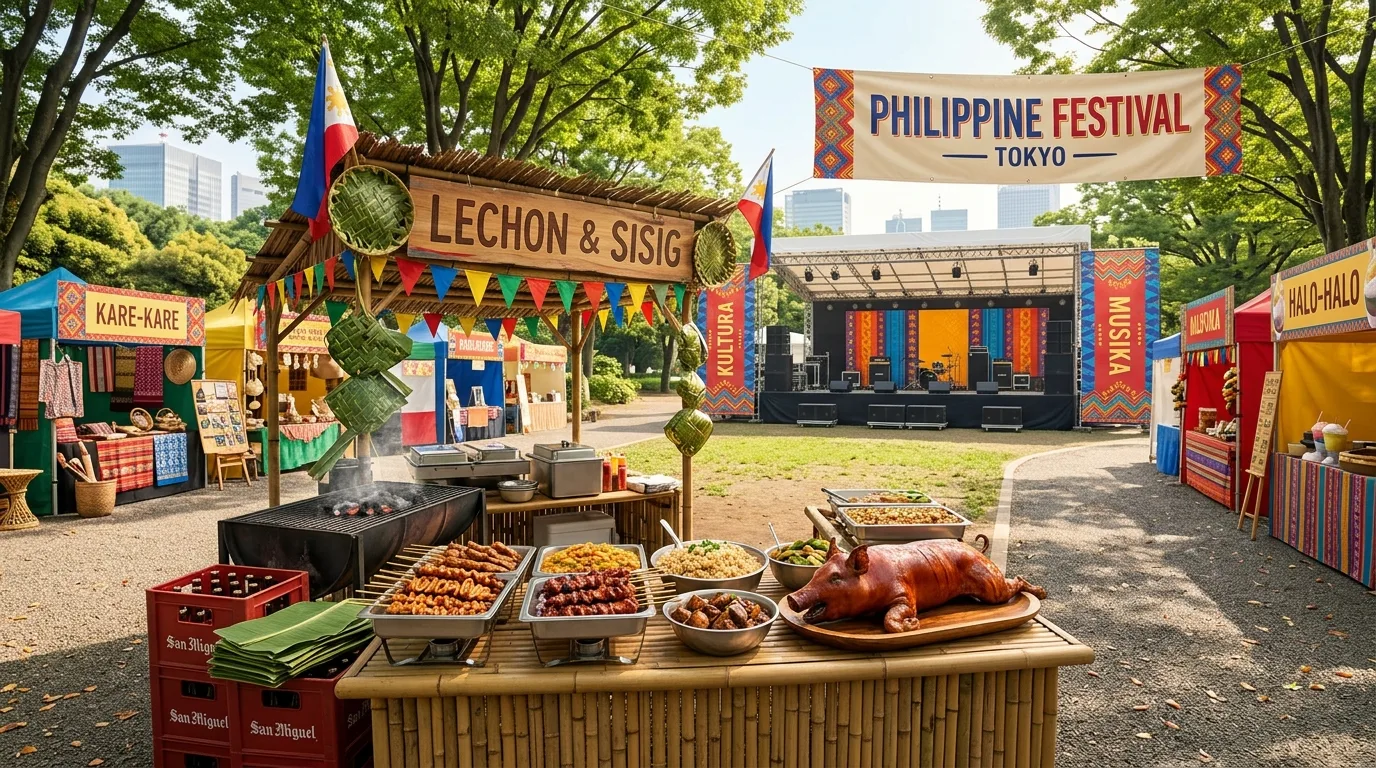
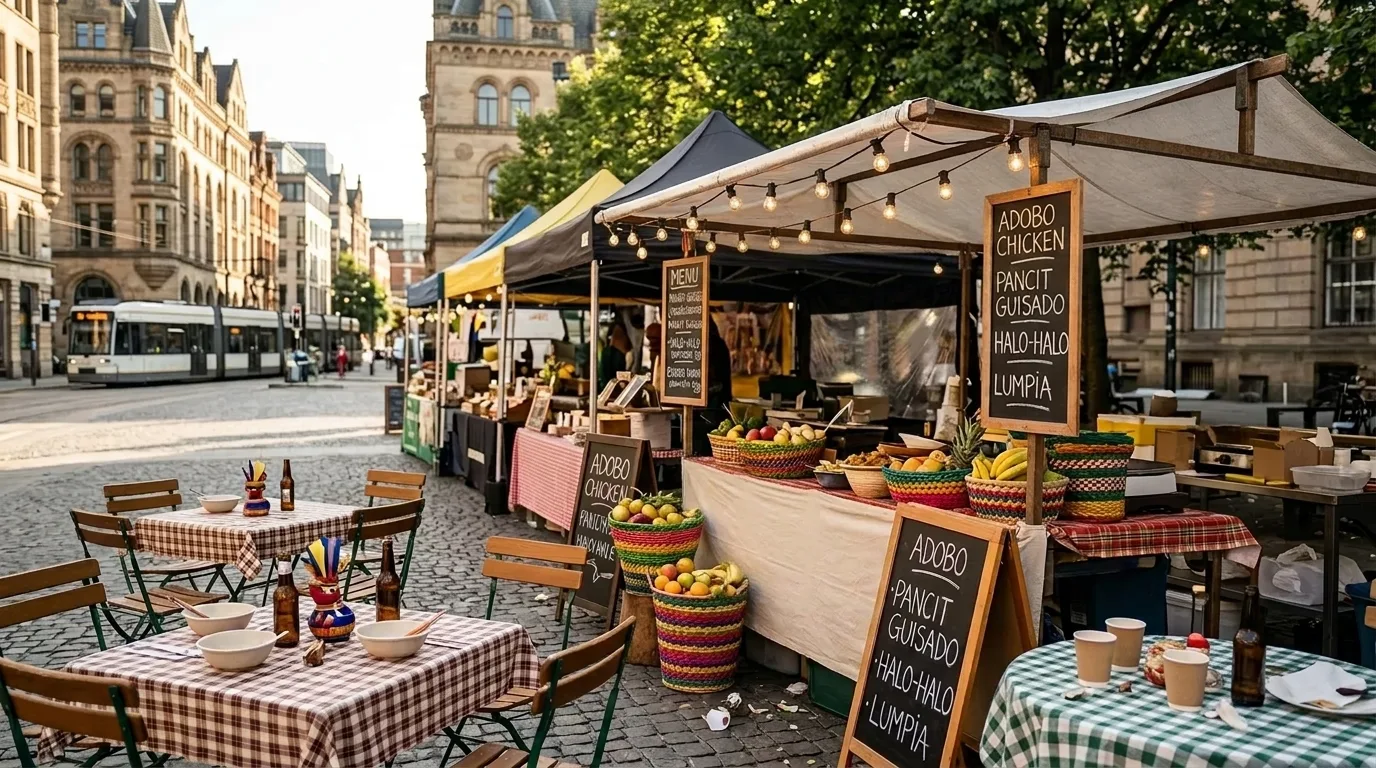
Signature dishes like adobo, sinigang, sisig, and lechon are not only menu staples—they are shared symbols of home and identity.
Small Businesses Supporting Migrant Workers
Beyond food, Filipino-owned small businesses in retail, caregiving services, logistics, and personal care industries are playing a vital role in supporting migrant communities.
In places like the Middle East and Europe, Filipino entrepreneurs often create networks that:
Help workers find employment opportunities Provide remittance and financial services Offer affordable Filipino goods and essentials Connect newcomers with established community members
These informal but essential systems help ease the challenges of migration while reinforcing community ties.
The Rise of Filipino Entrepreneur Networks
A defining feature of 2026 is the growth of organized Filipino business networks abroad.
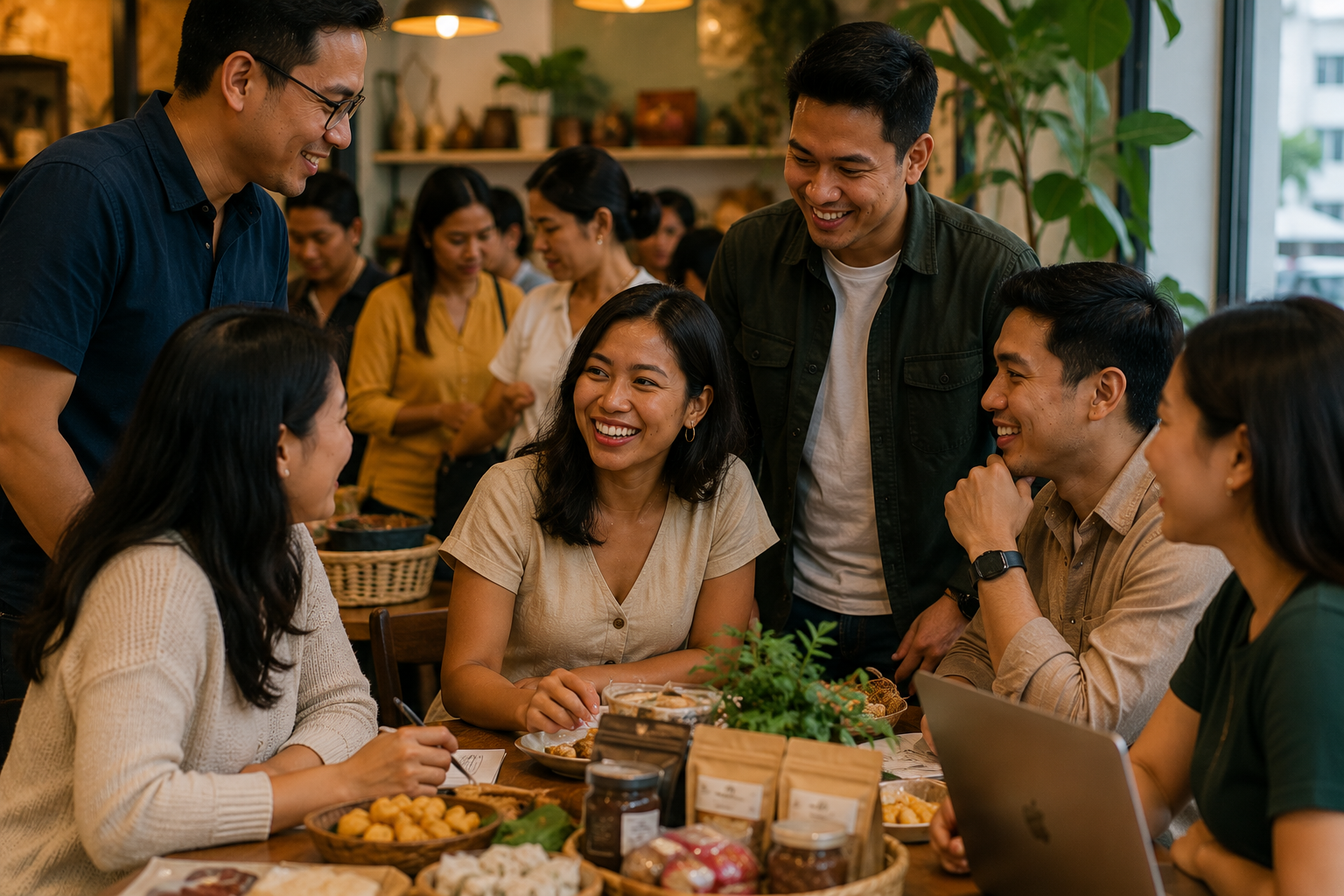
These networks—often formed through associations, chambers of commerce, or grassroots groups—help entrepreneurs:
Share business resources and advice Collaborate on pop-up events and festivals Promote Filipino products in mainstream markets Advocate for small business support policies
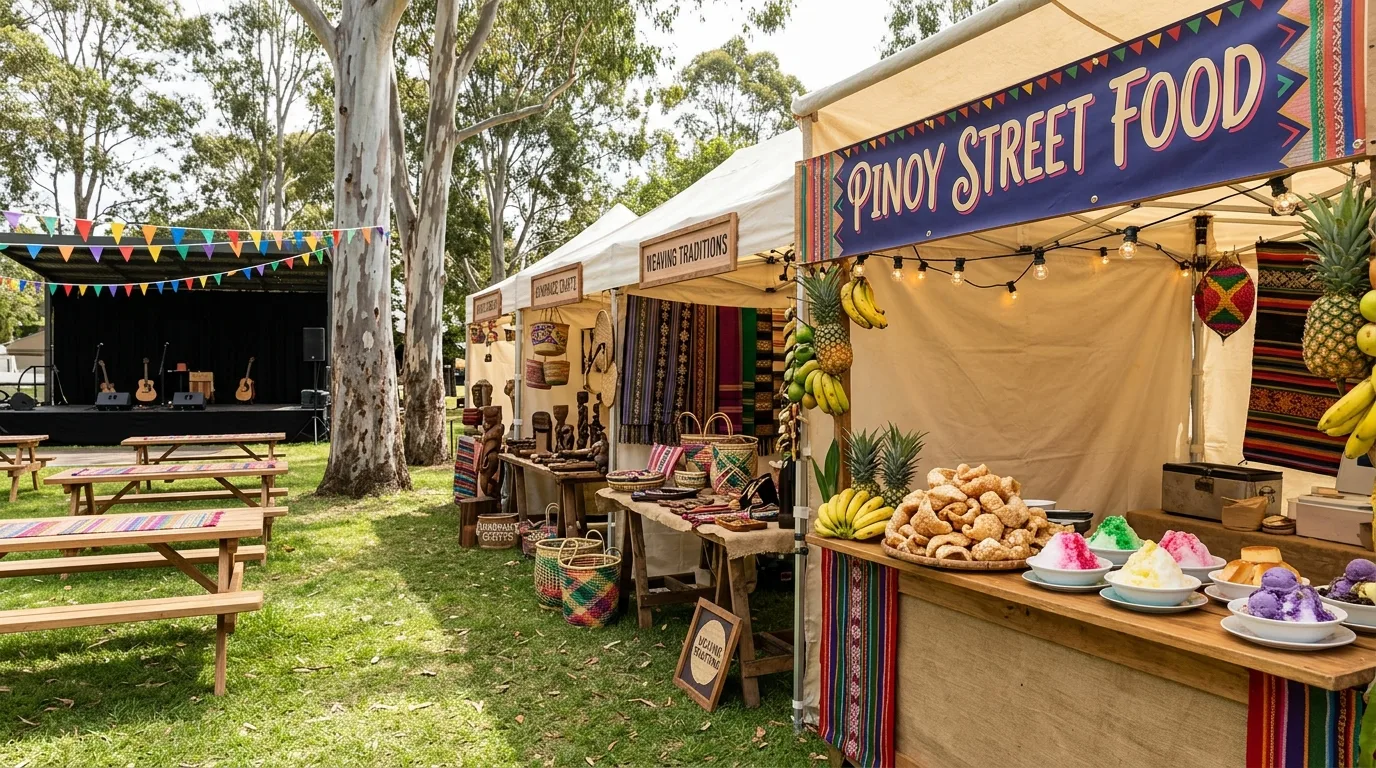
Many of these groups also organize trade fairs and cultural markets that showcase Filipino products, from food items to fashion, crafts, and wellness goods.
Social Media Strengthening Business Communities
Digital platforms are playing a major role in expanding the reach of Filipino businesses abroad.
Through TikTok, Instagram, and Facebook community groups, entrepreneurs can now:
Promote new store openings Share customer stories and testimonials Organize pop-up events and night markets Collaborate with influencers and food creators
Viral content featuring Filipino food and culture has helped small businesses gain international attention, often turning local shops into global attractions overnight.
Empowering the Next Generation of Filipino Entrepreneurs
A new generation of Filipino entrepreneurs is emerging abroad—many of them children of migrants or young professionals who grew up in diaspora communities.
Unlike earlier generations who focused on stability and survival, these entrepreneurs are more focused on:
Brand building and identity Creative business models Fusion concepts combining Filipino and local culture Sustainability and ethical sourcing
They are also more likely to integrate storytelling into their businesses, using cultural heritage as a central part of their brand identity.
Challenges Facing Filipino-Owned Businesses
Despite their growth, Filipino entrepreneurs abroad still face significant challenges, including:
Rising rental and operational costs in major cities Limited access to startup funding Competition in saturated food and retail markets Balancing authenticity with mainstream appeal
However, many business owners overcome these challenges through strong community support and collaboration—another reflection of bayanihan in action.
Cultural Pride Through Entrepreneurship
One of the most powerful outcomes of this movement is the strengthening of cultural pride.
For many Filipino entrepreneurs, running a business abroad is not just about income—it is about representation. Every dish served, product sold, or service offered becomes a way of sharing Filipino identity with the world.
Customers who may have never encountered Filipino culture before are introduced through these businesses, often becoming long-term supporters and advocates.
A Global Network Built on Community Values
From small home-based bakeries to expanding restaurant chains, Filipino businesses abroad are increasingly interconnected.
They collaborate across cities and countries, participate in international food festivals, and support one another through shared promotions and partnerships. This global network reflects a modern interpretation of bayanihan—one that transcends geography and operates across borders.
Conclusion
The rise of Filipino businesses abroad is more than an economic story—it is a cultural movement rooted in community, resilience, and shared identity.
Through the spirit of bayanihan, Filipino entrepreneurs are proving that business success does not have to come at the expense of community values. Instead, it can strengthen them.
In 2026, Filipino-owned businesses are not just building brands—they are building bridges, connecting people, and creating global communities that carry the heart of Filipino culture wherever they go.
Enjoyed this story?
Share this story