Community Festivals Help Preserve Filipino Traditions Among Second-Generation Immigrants
Share
June 08, 2026
Updated Oct 16, 2026
8 min read
303 views
MANILA, Philippines — Community festivals organized by Filipino communities around the world are playing an increasingly important role in preserving cultural traditions among second-generation immigrants, helping younger generations maintain meaningful connections to their heritage while navigating life in multicultural societies. Through cultural performances, educational activities, heritage exhibits, traditional cuisine, language programs, and community gatherings, these festivals provide valuable opportunities for young Filipinos born or raised abroad to learn about the customs, values, and traditions that continue to shape Filipino identity.
As overseas Filipino communities continue to expand across North America, Europe, Australia, Asia, and the Middle East, cultural preservation has become a growing priority for families and community organizations. Many parents and community leaders recognize that second-generation immigrants often face unique challenges when it comes to maintaining cultural ties. Growing up in environments shaped by multiple cultural influences can create both opportunities and challenges related to identity, belonging, and cultural understanding. Community festivals have emerged as effective platforms for helping younger generations remain connected to their roots while embracing the realities of their multicultural experiences.
Community leaders frequently describe festivals as living classrooms where culture can be experienced rather than simply discussed. Unlike formal educational settings, festivals provide interactive environments where traditions come to life through music, dance, storytelling, food, art, and community participation. These experiences allow young people to engage directly with cultural practices and develop personal connections to traditions that may otherwise feel distant or unfamiliar. Organizers believe that active participation is one of the most effective ways to strengthen cultural identity and encourage long-term appreciation of heritage.
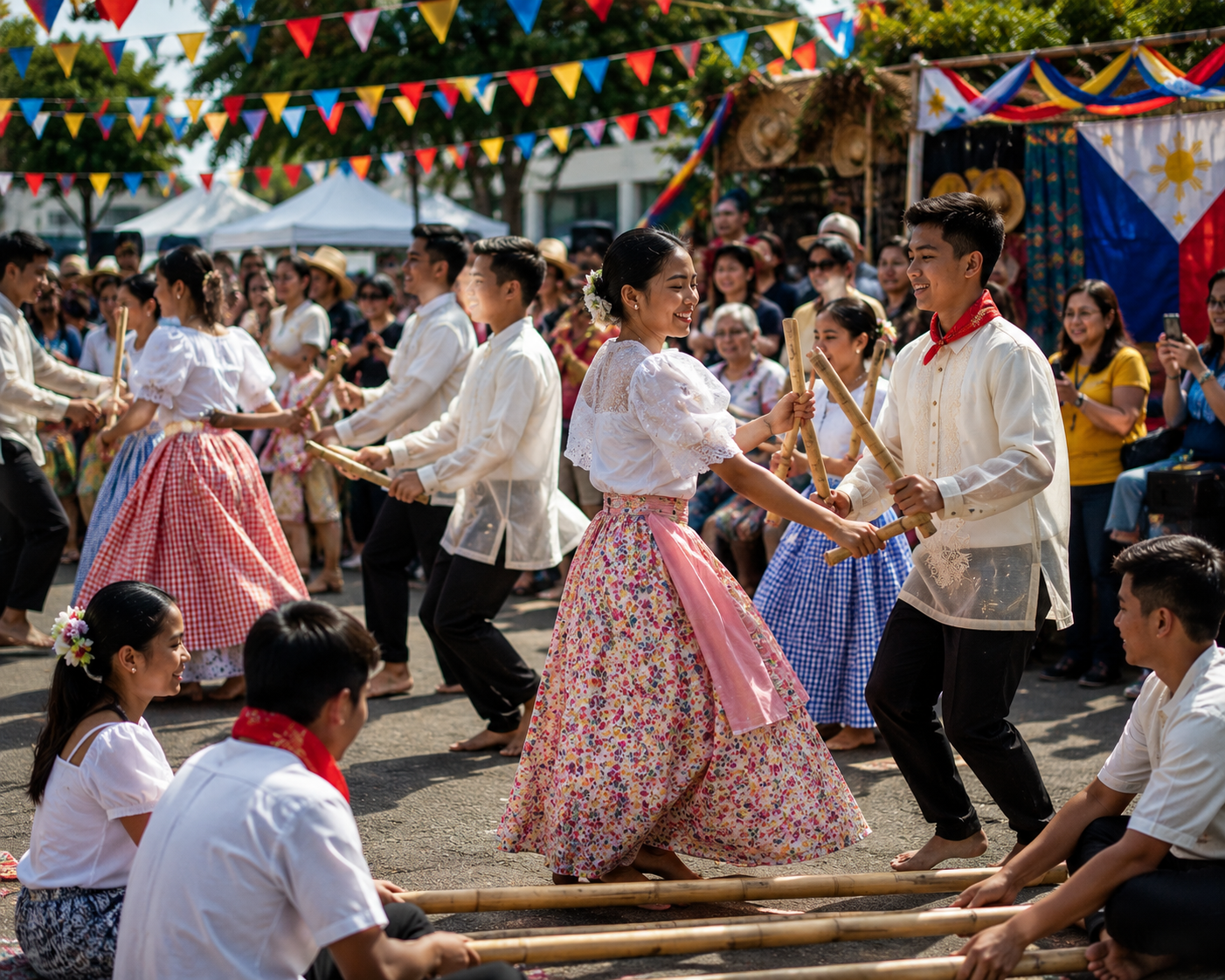
One of the most visible aspects of community festivals is the presentation of traditional Filipino music and dance. Cultural groups often perform folk dances representing different regions of the Philippines, showcasing the diversity and richness of the country's cultural heritage. These performances are more than entertainment; they serve as educational tools that communicate historical narratives, regional traditions, and community values. Many second-generation immigrants participate as performers themselves, gaining firsthand experience with cultural practices while developing pride in their heritage.
Preparation for cultural performances often involves months of rehearsals, workshops, and educational sessions. During this process, participants learn not only choreography and performance techniques but also the historical and cultural significance of the traditions they are representing. Community leaders note that these experiences create opportunities for mentorship and intergenerational learning, as older members share knowledge and insights with younger participants. The relationships formed during preparation frequently become as valuable as the performances themselves.
Language preservation is another important objective of many community festivals. While second-generation immigrants may primarily communicate in the dominant language of their country of residence, festivals often create opportunities to engage with Filipino languages through songs, storytelling, cultural presentations, and educational activities. Community advocates emphasize that language serves as a key component of cultural identity because it carries unique ways of thinking, communicating, and understanding the world. Exposure to language through festival activities helps reinforce cultural connections even among those who may not speak Filipino languages fluently.
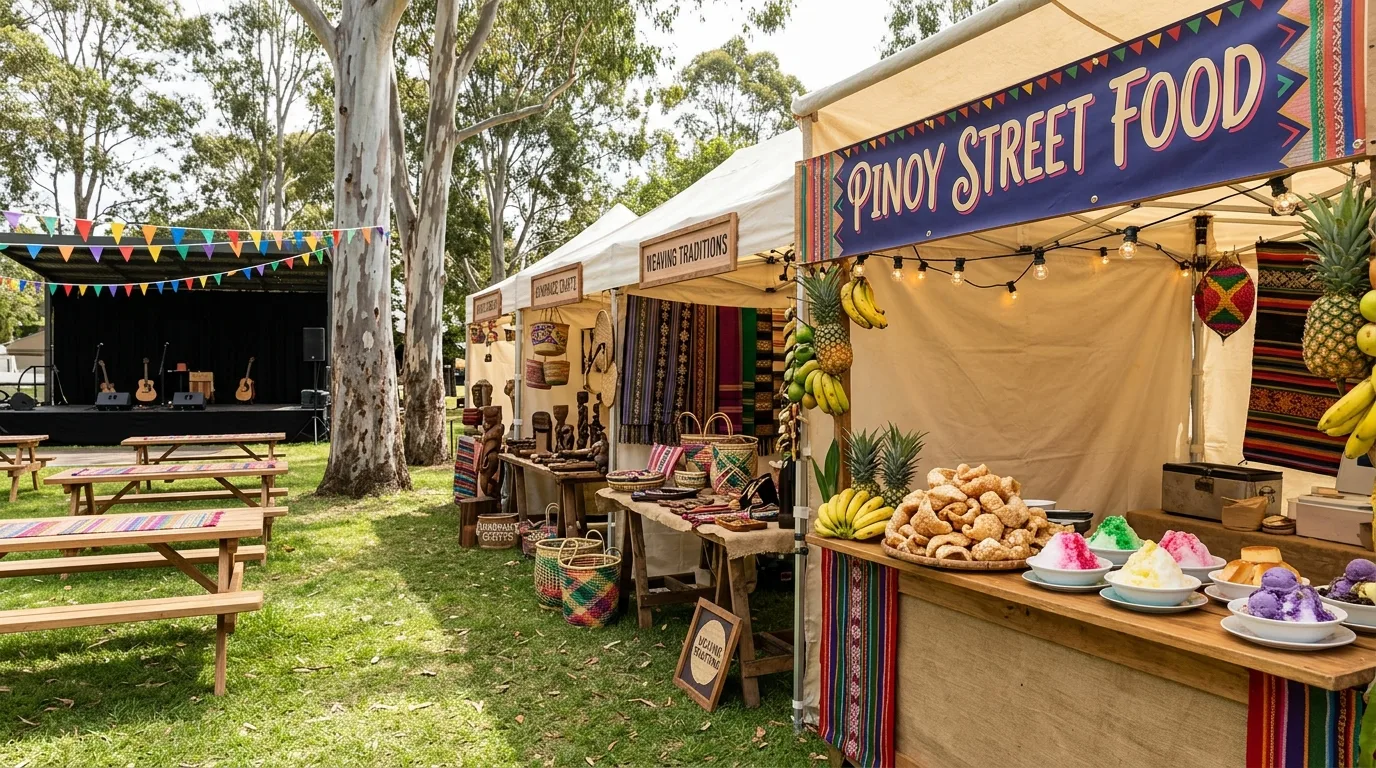
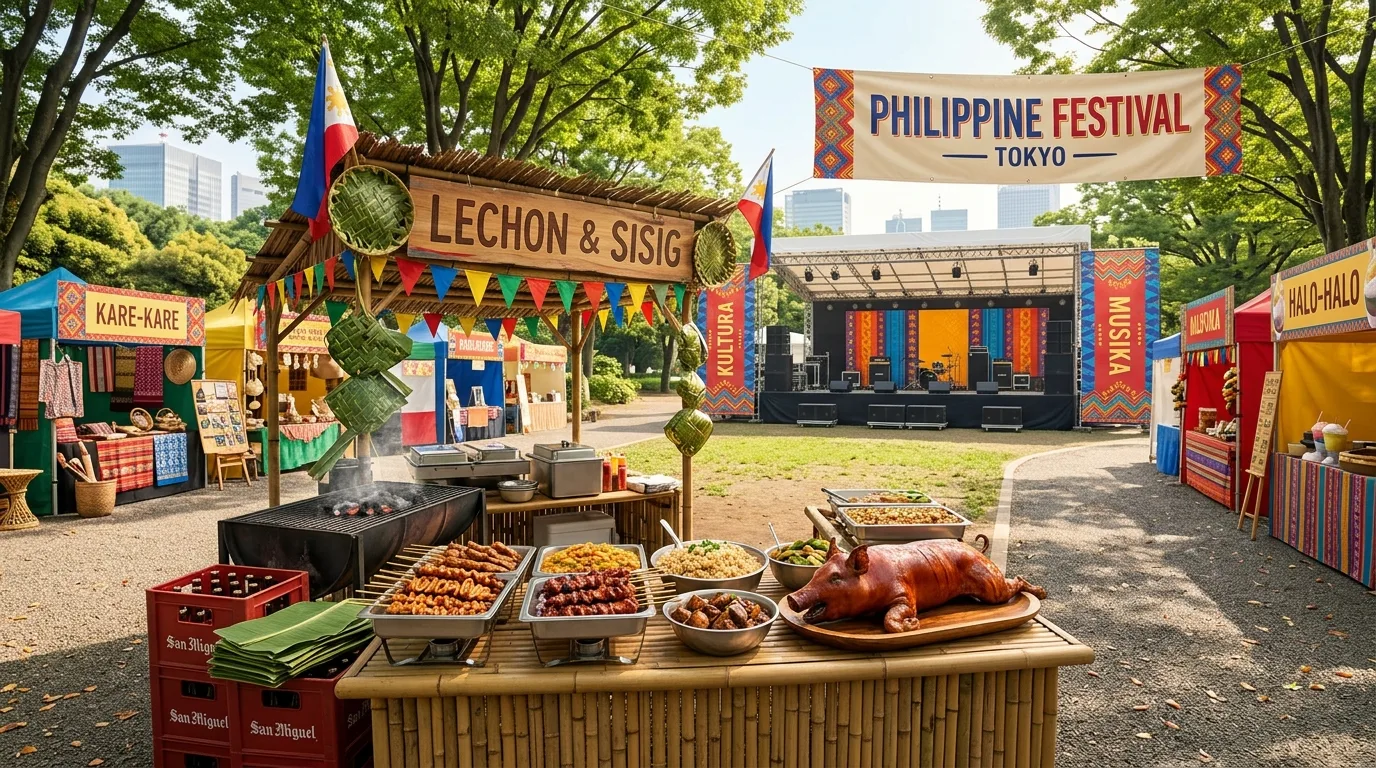
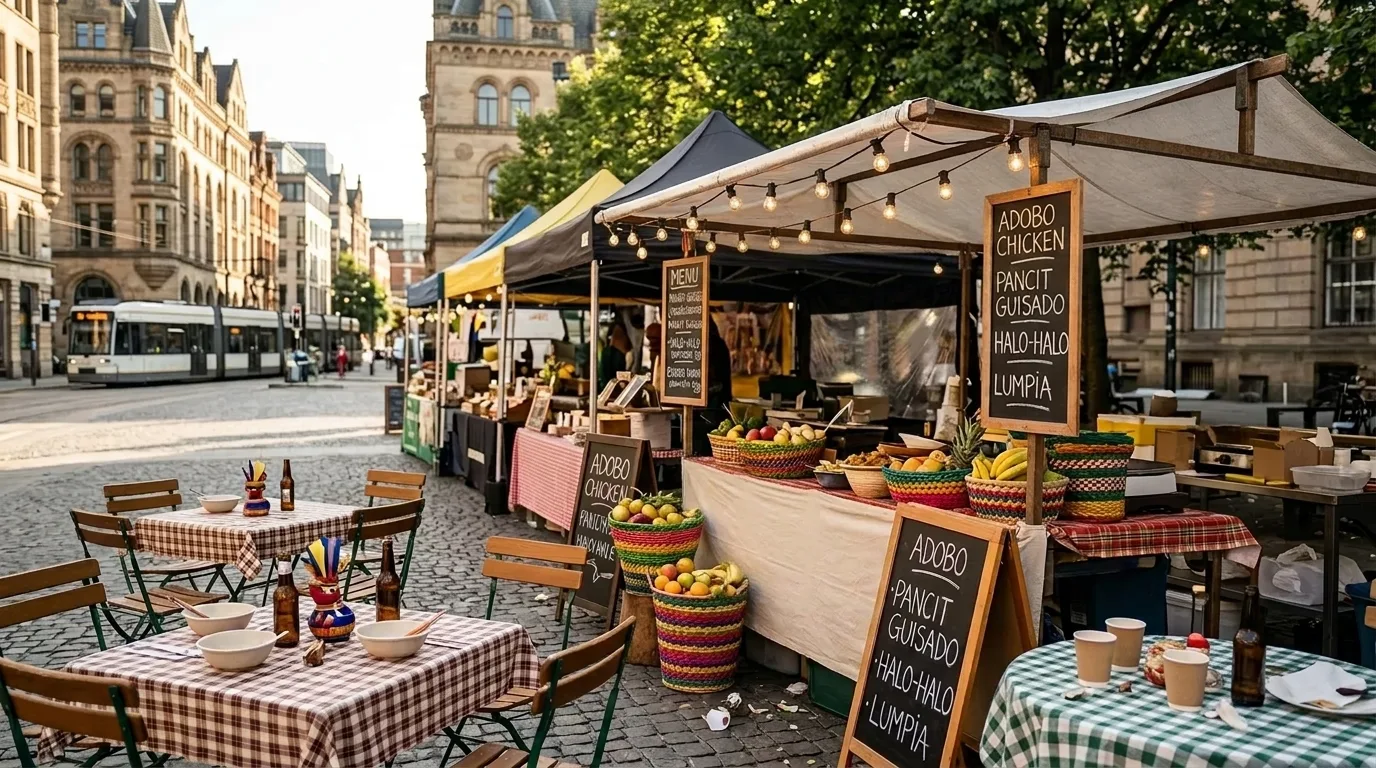
Filipino cuisine remains one of the most powerful tools for cultural preservation within community celebrations. Food has a unique ability to evoke memories, tell stories, and create shared experiences that connect generations. Festivals often feature traditional dishes, regional specialties, and family recipes that reflect the diversity of Philippine culinary traditions. For many second-generation immigrants, these food experiences provide tangible links to family history and cultural heritage. Community members frequently share stories about the origins of dishes, family traditions, and regional customs associated with food preparation and celebration.
The growing popularity of Filipino cuisine internationally has also helped younger generations develop greater appreciation for their cultural heritage. As Filipino food gains recognition around the world, many second-generation immigrants feel increased pride in sharing culinary traditions with friends, classmates, and colleagues. Community festivals provide opportunities to celebrate these traditions while educating broader audiences about the cultural significance of Filipino cuisine.
Storytelling and cultural education programs have become increasingly important components of modern festivals. Organizers often incorporate historical presentations, heritage exhibits, cultural workshops, and interactive learning experiences that help young participants understand the broader context of Filipino identity. These programs explore topics such as migration history, indigenous traditions, national achievements, cultural values, and community contributions. By providing historical and cultural context, festivals help younger generations develop deeper and more meaningful connections to their heritage.
Many community leaders emphasize that cultural preservation is not simply about maintaining traditions from the past but also about adapting them to contemporary realities. Community festivals often blend traditional and modern elements in ways that resonate with younger audiences. Contemporary music, digital media, social media engagement, creative arts, and modern storytelling techniques are increasingly incorporated into cultural programming. This approach helps ensure that traditions remain relevant while encouraging active participation from younger generations.
Technology has expanded the reach and impact of cultural preservation efforts significantly. Social media platforms, livestream events, digital archives, online cultural resources, and virtual communities allow second-generation immigrants to engage with cultural content beyond festival settings. Young Filipinos are increasingly creating and sharing digital content that explores heritage, identity, and community experiences. These digital initiatives complement traditional festivals while helping build broader networks of cultural engagement.
The participation of second-generation immigrants in festival planning and leadership roles has become increasingly common. Community organizations are actively encouraging younger members to contribute ideas, organize events, manage digital outreach, and develop new programming initiatives. This involvement helps ensure that festivals remain relevant and responsive to the interests of younger generations while fostering leadership development and community engagement. Many community leaders view youth leadership as essential for the long-term sustainability of cultural preservation efforts.
Community festivals also play an important role in strengthening family relationships. Multi-generational participation creates opportunities for grandparents, parents, and children to share experiences, traditions, and stories. Families often view festivals as occasions to celebrate their heritage together while reinforcing values related to respect, community, and cultural pride. These shared experiences help strengthen bonds between generations and create lasting memories that contribute to cultural continuity.
The social benefits of community festivals extend beyond cultural preservation. Festivals provide spaces where second-generation immigrants can connect with peers who share similar backgrounds and experiences. These connections help foster a sense of belonging and community that can be particularly important for young people navigating multiple cultural identities. Community leaders note that strong social networks contribute positively to confidence, well-being, and cultural engagement.
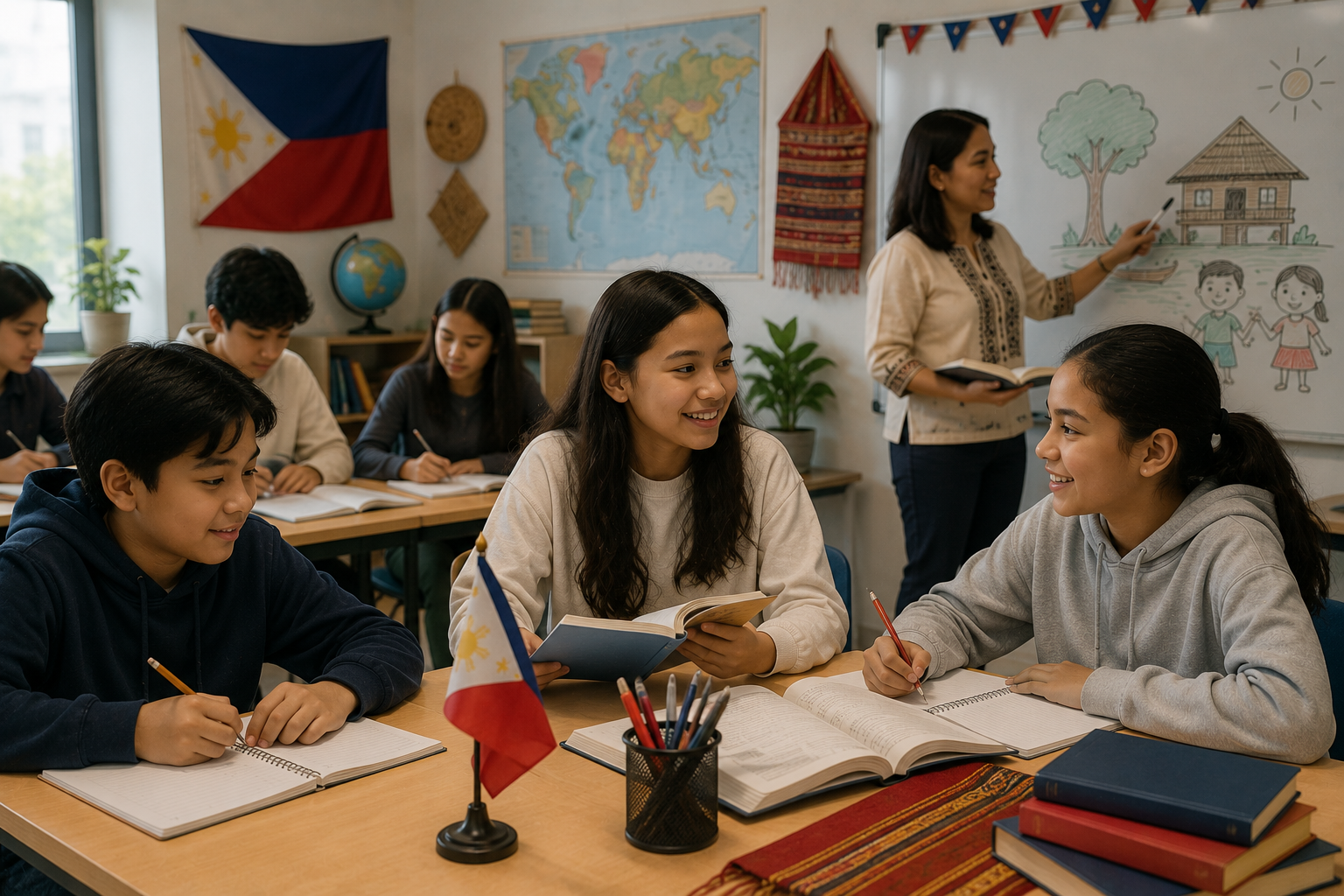
Educational institutions have increasingly recognized the value of cultural festivals as learning opportunities. Schools, universities, and community organizations often collaborate with Filipino groups to support cultural programming and promote diversity education. These partnerships help broaden the reach of festivals while encouraging greater understanding among people from different cultural backgrounds. Organizers believe that cultural exchange benefits both Filipino communities and society as a whole.
The economic impact of community festivals should not be overlooked. Events create opportunities for local businesses, artisans, performers, food vendors, and entrepreneurs while supporting broader community development efforts. Many festivals generate resources that can be reinvested into cultural education programs, scholarships, youth initiatives, and future community activities. This economic dimension helps strengthen the sustainability of cultural preservation efforts.
Community leaders frequently point to the Filipino value of bayanihan as a driving force behind successful festivals. Volunteers, families, organizations, and local partners work together to plan and execute events that benefit the broader community. This spirit of cooperation reinforces cultural values while demonstrating their relevance in contemporary settings. Young participants witness these collaborative efforts firsthand, gaining practical examples of how cultural principles can guide community action.
As overseas Filipino communities continue to grow, the importance of preserving cultural heritage among second-generation immigrants is expected to increase. Community organizations are exploring innovative approaches that combine traditional practices with modern technologies and contemporary forms of engagement. Strong community participation, growing youth involvement, and expanding digital resources provide a solid foundation for future cultural preservation initiatives.
Looking ahead, community advocates remain optimistic about the future of Filipino cultural traditions among younger generations. They point to the enthusiasm, creativity, and leadership demonstrated by many second-generation immigrants as evidence that cultural heritage will continue to evolve and thrive. Festivals are expected to remain central to these efforts because they offer unique opportunities for learning, participation, and community building.
Ultimately, community festivals serve as powerful reminders that culture is not something preserved in isolation but something that flourishes through shared experiences and active participation. By bringing together families, community leaders, volunteers, artists, educators, and young people, these celebrations create environments where traditions can be passed on, adapted, and celebrated. They demonstrate that Filipino heritage remains a vibrant and meaningful part of life for second-generation immigrants around the world.
As new generations embrace their cultural roots while contributing their own perspectives and creativity, community festivals will continue to play a vital role in preserving Filipino traditions and strengthening cultural identity. Through music, dance, food, education, storytelling, and community engagement, these events ensure that the values, traditions, and spirit of the Filipino people remain strong for generations to come.
Enjoyed this story?
Share this story