Filipino Cultural Centers Introduce Heritage Education Programs for Youth
Share
June 14, 2026
Updated Oct 15, 2026
7 min read
221 views
MANILA, Philippines — Filipino cultural centers across various countries are launching new heritage education programs aimed at helping young Filipinos strengthen their understanding of Philippine history, culture, traditions, and identity. These initiatives are designed to provide meaningful learning experiences that connect younger generations to their roots while ensuring that important cultural knowledge continues to be passed on in communities where Filipinos have established homes abroad.
As Filipino communities continue to grow across North America, Europe, Asia, Australia, and the Middle East, cultural leaders have increasingly recognized the importance of creating educational opportunities that help youth maintain connections to their heritage. Many second-generation and third-generation Filipinos grow up in multicultural environments where they are exposed to diverse influences and experiences. While these environments provide valuable opportunities for learning and personal growth, community advocates emphasize that heritage education remains essential for helping young people understand their cultural background and appreciate the traditions that have shaped Filipino identity for generations.
Cultural centers have become important institutions within overseas Filipino communities because they serve as hubs for education, cultural preservation, community engagement, and intergenerational learning. In recent years, many of these organizations have expanded their programming beyond cultural celebrations and community gatherings to include structured educational initiatives specifically designed for children, teenagers, and young adults. Organizers believe that heritage education programs provide effective ways to introduce cultural knowledge while encouraging active participation and personal connection.
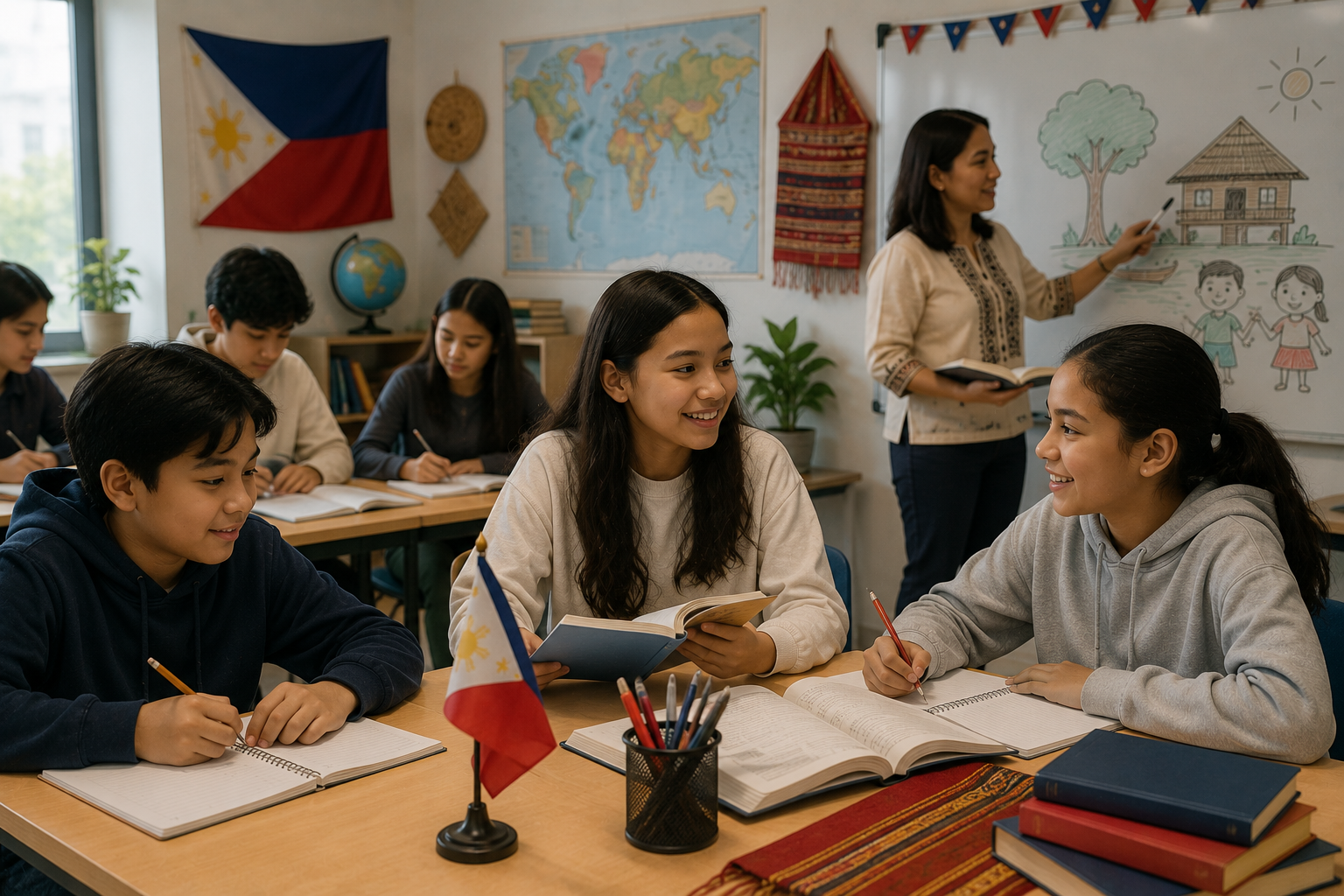
Language instruction has emerged as one of the most important components of many heritage education programs. Filipino languages serve as powerful links to culture, history, and family traditions, and many cultural centers are offering classes that help young participants develop language skills while learning about the cultural contexts in which those languages are used. Community leaders note that language learning often strengthens communication between generations while providing deeper access to literature, stories, songs, and historical narratives that are central to Filipino heritage.
In addition to language education, cultural centers are offering courses and workshops focused on Philippine history. These programs introduce young participants to key historical events, national heroes, social movements, cultural milestones, and important periods in the nation's development. Educators emphasize that understanding history helps young people appreciate the struggles, achievements, and experiences that have shaped the Philippines and its people. Historical education also encourages critical thinking and civic awareness while fostering a stronger sense of identity and belonging.
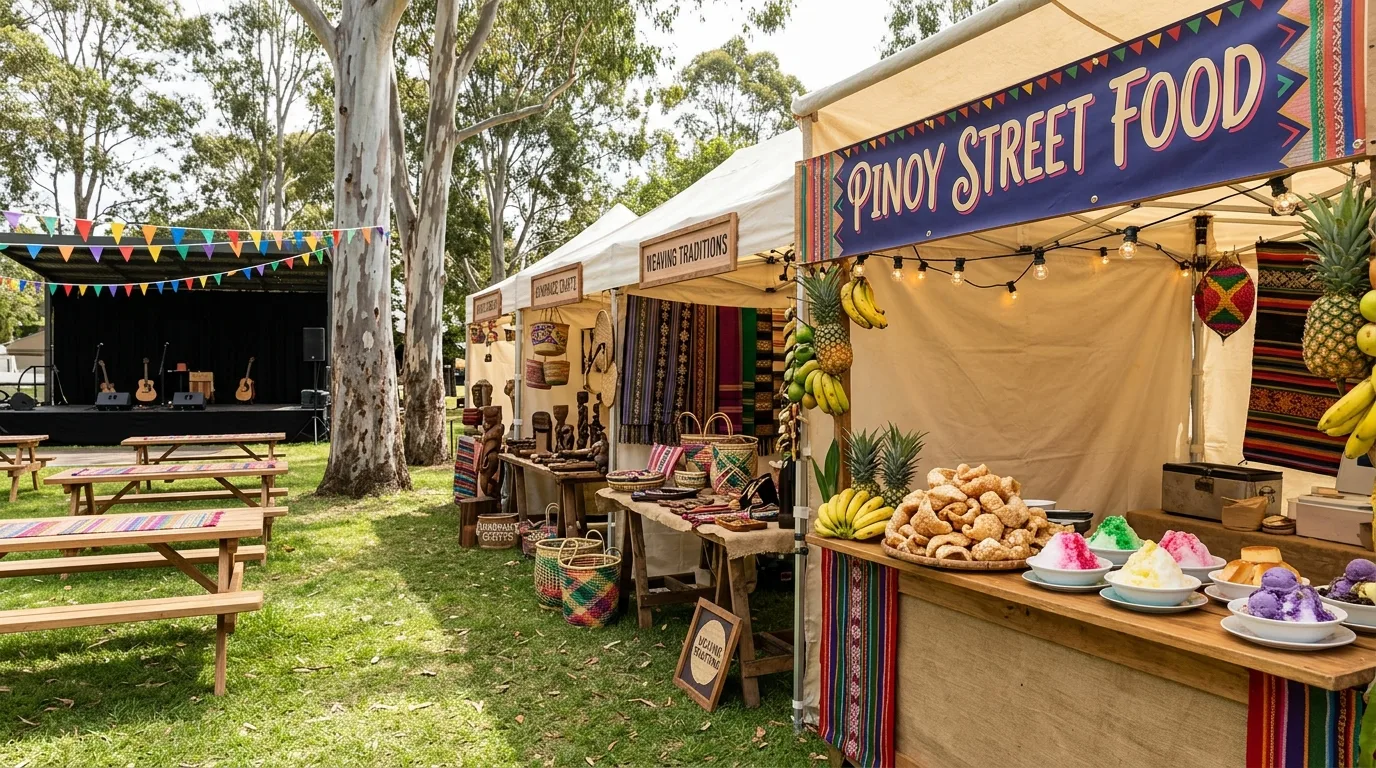
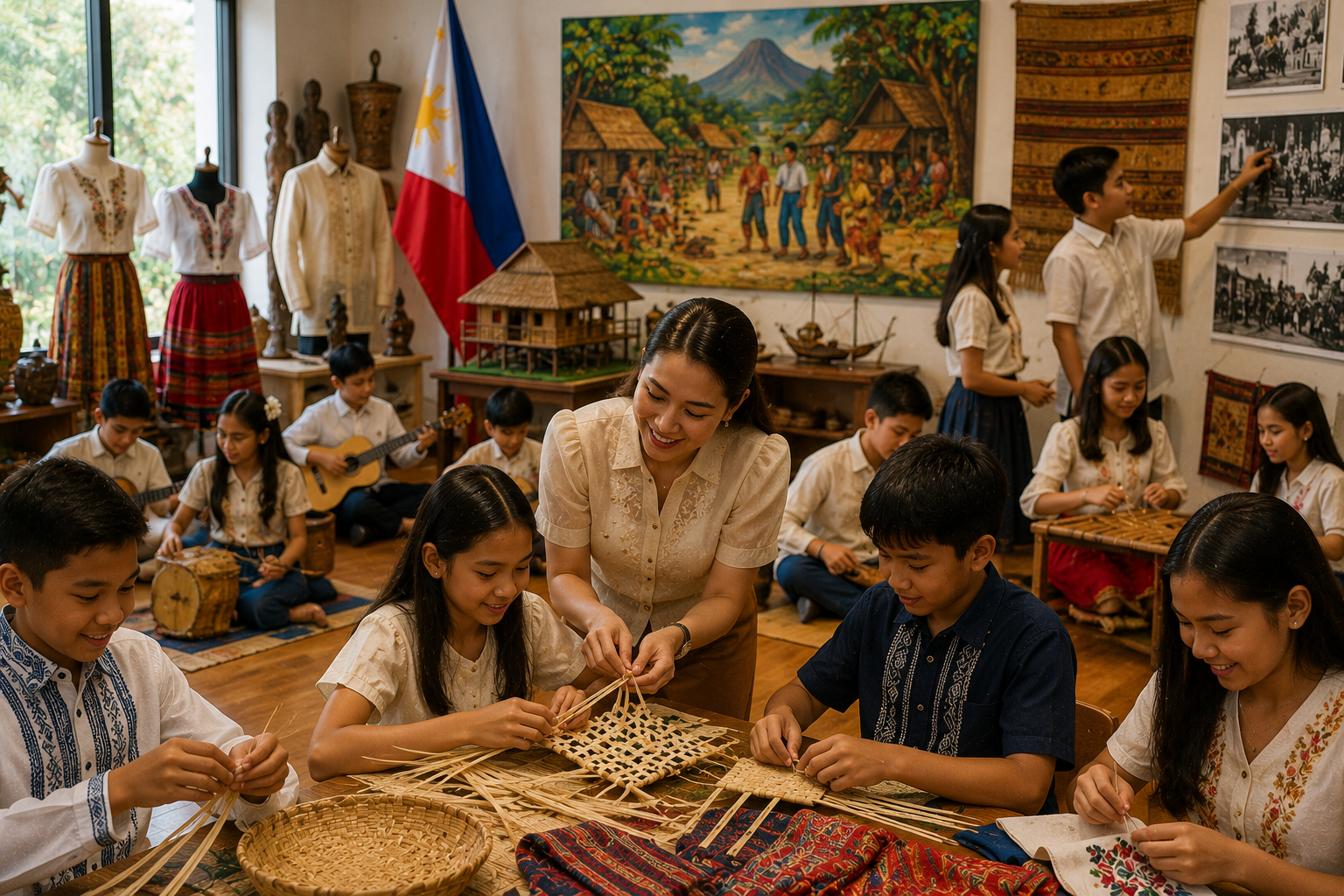
Traditional arts and crafts have become popular elements of heritage education initiatives. Workshops often feature activities related to weaving, visual arts, traditional design, indigenous crafts, and cultural symbolism. These hands-on experiences allow participants to engage directly with cultural traditions while developing creative skills and appreciation for Filipino artistic heritage. Organizers believe that experiential learning helps make cultural education more memorable and meaningful for young audiences.
Music and dance programs continue to attract strong participation among youth. Traditional folk dances, cultural performances, and music workshops provide opportunities for students to learn about regional traditions while developing confidence, discipline, and teamwork. Cultural instructors often explain the historical and social significance of performances, helping participants understand the stories and values represented through artistic expression. Community leaders note that music and dance frequently become gateways to broader cultural engagement and lifelong appreciation for heritage.
Storytelling has also become a central feature of many educational programs. Elders, educators, writers, and cultural advocates share folktales, legends, family histories, and personal experiences that help bring Philippine culture to life for younger generations. These storytelling sessions create opportunities for intergenerational dialogue while preserving oral traditions that have long been important parts of Filipino culture. Participants often gain insights into values, customs, and historical experiences that may not be easily communicated through textbooks alone.
The integration of modern technology has significantly enhanced heritage education efforts. Cultural centers increasingly utilize digital learning platforms, online classes, virtual exhibits, multimedia presentations, and interactive educational resources to engage participants. These tools allow organizations to reach broader audiences while making cultural content more accessible and appealing to digitally connected generations. Organizers report that technology has become an effective complement to traditional teaching methods, helping increase participation and engagement.
Many heritage programs are designed not only to educate but also to strengthen cultural confidence. Community leaders recognize that young people living in multicultural societies may sometimes struggle to balance different aspects of their identities. Heritage education provides supportive environments where participants can explore their cultural background while developing pride in their heritage. Educators emphasize that strong cultural identity can contribute positively to self-confidence, resilience, and personal development.
Family involvement remains a key factor in the success of many heritage education initiatives. Parents and grandparents are frequently encouraged to participate in activities, share experiences, and contribute to learning opportunities. Organizers believe that family engagement helps reinforce lessons while creating stronger connections between generations. These shared experiences often become meaningful opportunities for families to celebrate and preserve cultural traditions together.
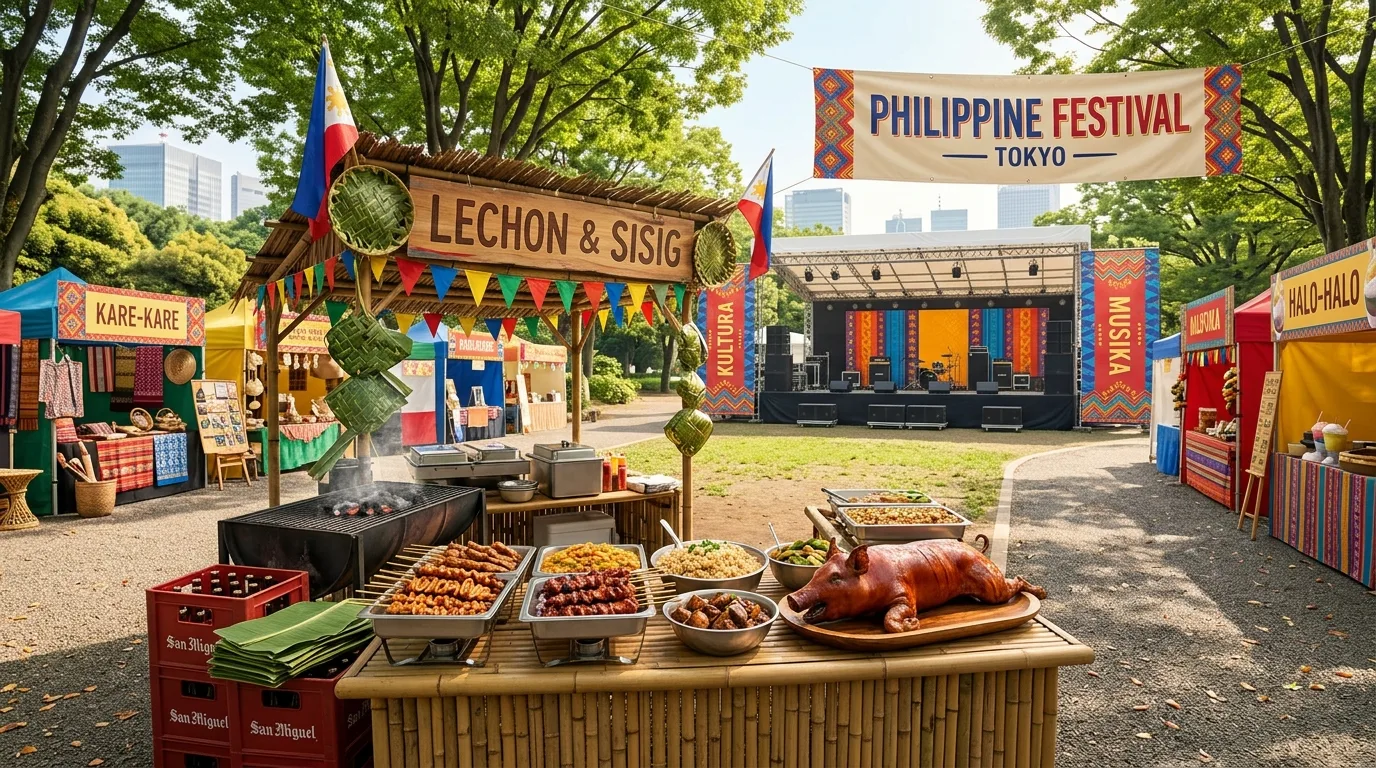
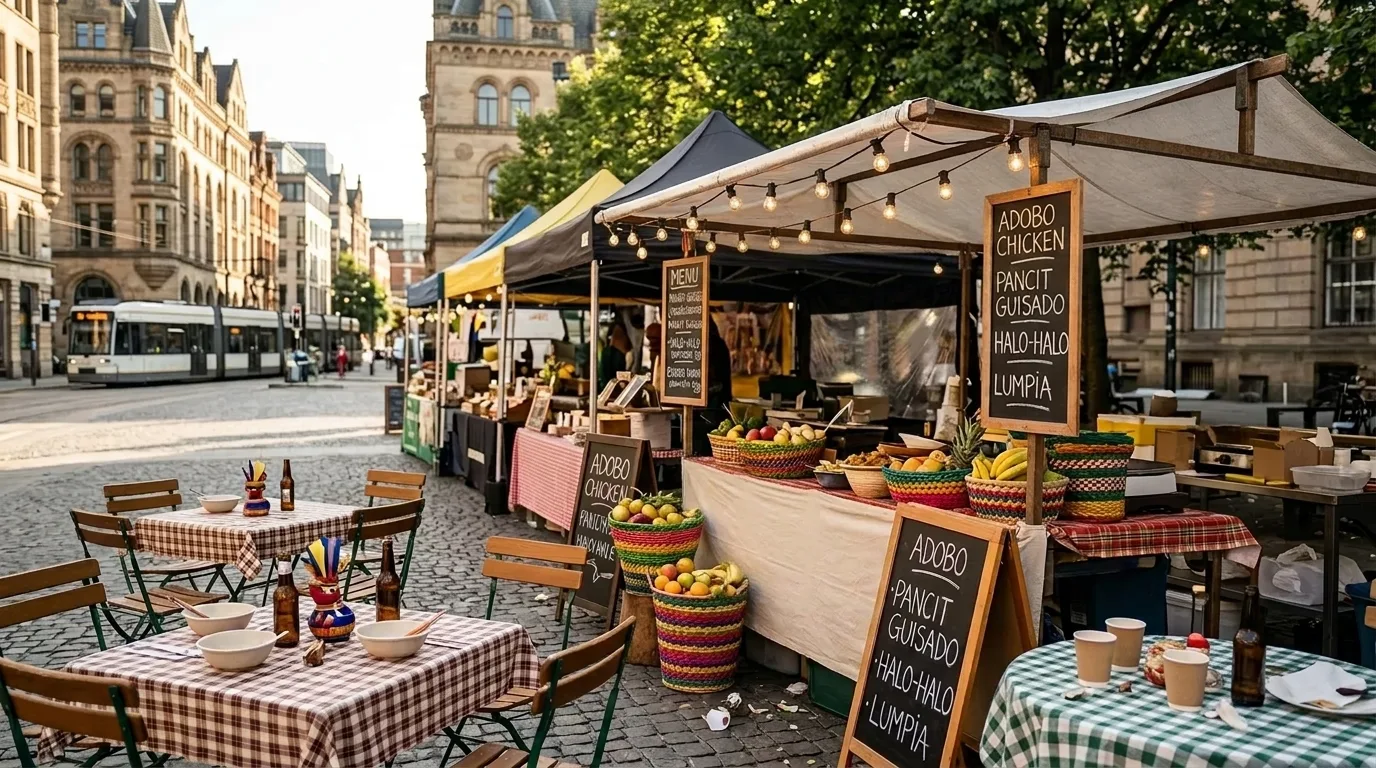
Community leaders also highlight the importance of exposing young people to the diversity of Philippine culture. Educational programs often emphasize the country's regional traditions, indigenous communities, languages, culinary heritage, and artistic expressions. By showcasing this diversity, cultural centers help participants understand that Filipino identity is shaped by a rich variety of experiences and traditions. This broader perspective encourages appreciation for cultural complexity while promoting inclusivity and respect.
Partnerships with schools, universities, museums, libraries, and cultural institutions have expanded the reach and impact of heritage education programs. Collaborative projects provide access to additional resources, expertise, and educational opportunities that enrich learning experiences. These partnerships also help introduce Philippine culture to wider audiences while strengthening relationships between Filipino communities and broader society.
Youth leadership development has become an increasingly important objective of heritage programs. Many cultural centers encourage participants to take active roles in organizing events, leading projects, volunteering, and mentoring younger students. These opportunities help develop leadership skills while fostering a sense of responsibility and community engagement. Organizers believe that empowering young people as cultural ambassadors strengthens long-term efforts to preserve and promote heritage.
The growing popularity of heritage education programs reflects broader trends related to cultural preservation and identity formation among diaspora communities. Across the world, immigrant communities are investing in initiatives that help younger generations maintain meaningful connections to their ancestral cultures. Filipino cultural centers are contributing to this movement by creating innovative programs that balance tradition with contemporary learning approaches.
Many participants report that heritage education programs have helped them gain a deeper appreciation for their background while strengthening relationships with family members and community networks. Learning about culture, history, and traditions often inspires curiosity, pride, and a desire to become more involved in community activities. Educators view these outcomes as evidence of the lasting value of cultural learning experiences.
The benefits of heritage education extend beyond individual participants. Stronger cultural awareness contributes to community cohesion, cultural preservation, and increased participation in community initiatives. Cultural centers note that young people who engage with heritage programs are often more likely to volunteer, participate in cultural events, and support efforts to preserve traditions. These contributions help sustain community organizations and strengthen cultural continuity over time.
Many organizations are also exploring ways to connect heritage education with contemporary issues and opportunities. Programs increasingly incorporate discussions related to leadership, entrepreneurship, technology, sustainability, and global citizenship while maintaining strong cultural foundations. This approach helps demonstrate the relevance of heritage in modern contexts and encourages participants to apply cultural values to contemporary challenges.
Looking ahead, cultural leaders anticipate continued expansion of heritage education initiatives as demand for cultural learning opportunities grows. New programs are expected to incorporate emerging technologies, expanded partnerships, innovative teaching methods, and greater youth involvement in program design and implementation. Organizers remain committed to creating engaging and accessible educational experiences that meet the evolving needs of younger generations.
Ultimately, the introduction of heritage education programs by Filipino cultural centers reflects a shared commitment to preserving and celebrating Philippine culture for future generations. Through language instruction, history lessons, artistic activities, storytelling, leadership development, and community engagement, these programs provide meaningful pathways for young people to explore and embrace their cultural identity.
As Filipino communities continue to flourish around the world, heritage education will remain an essential tool for ensuring that traditions, values, stories, and cultural knowledge continue to thrive. By investing in the next generation, cultural centers are helping build stronger communities while preserving the rich legacy of the Filipino people for years to come, wherever Filipinos may call home.
Enjoyed this story?
Share this story