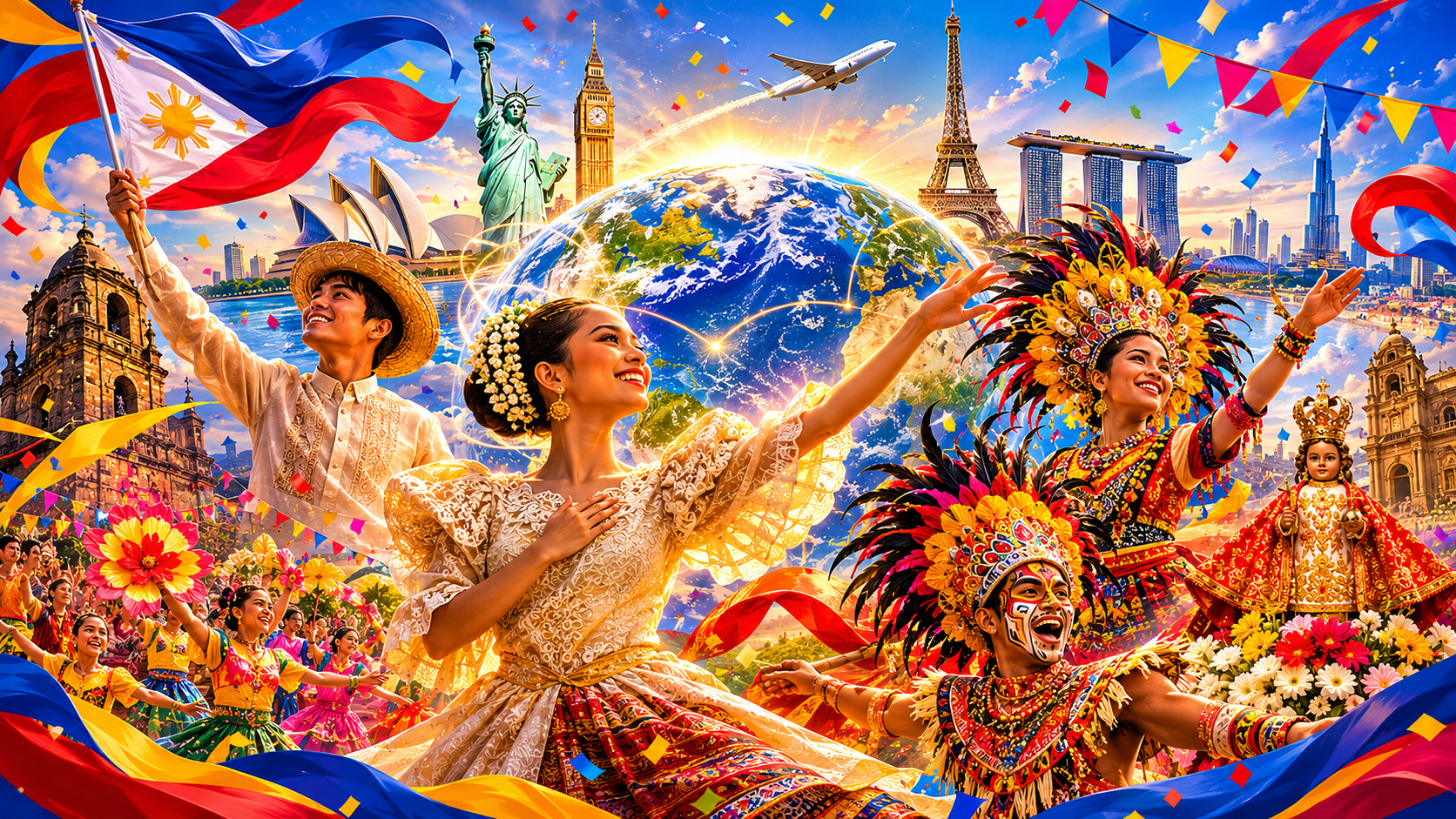
Filipino Festivals Around the World: Celebrating Culture Beyond Borders
Share
May 28, 2026
Updated Oct 16, 2026
4 min read
287 views
Filipino culture continues to thrive far beyond the islands of the Philippines, carried across oceans by millions of Filipinos who now call different countries home. From bustling global cities to quiet regional communities, one of the strongest expressions of this identity remains the vibrant celebration of Filipino festivals—events that bring together music, dance, food, faith, and shared heritage in powerful displays of unity.
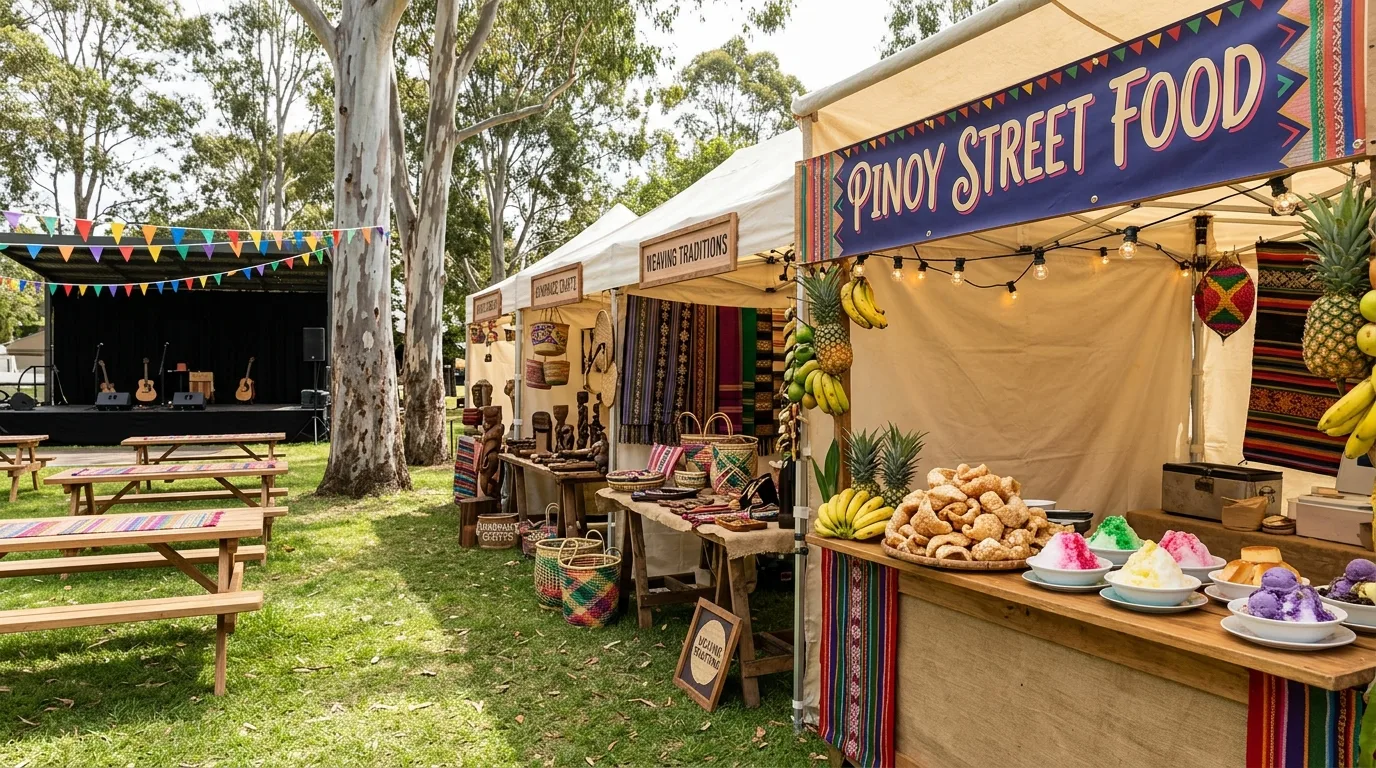
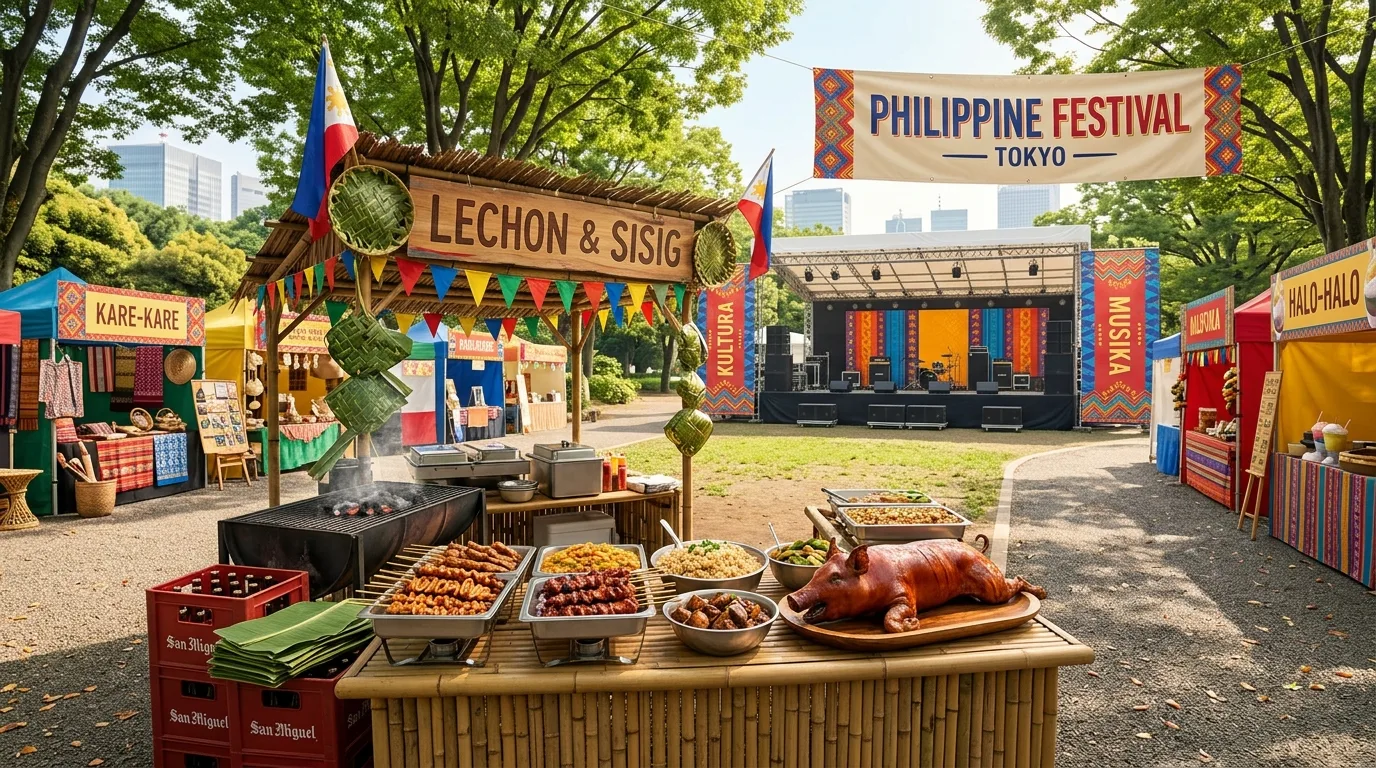
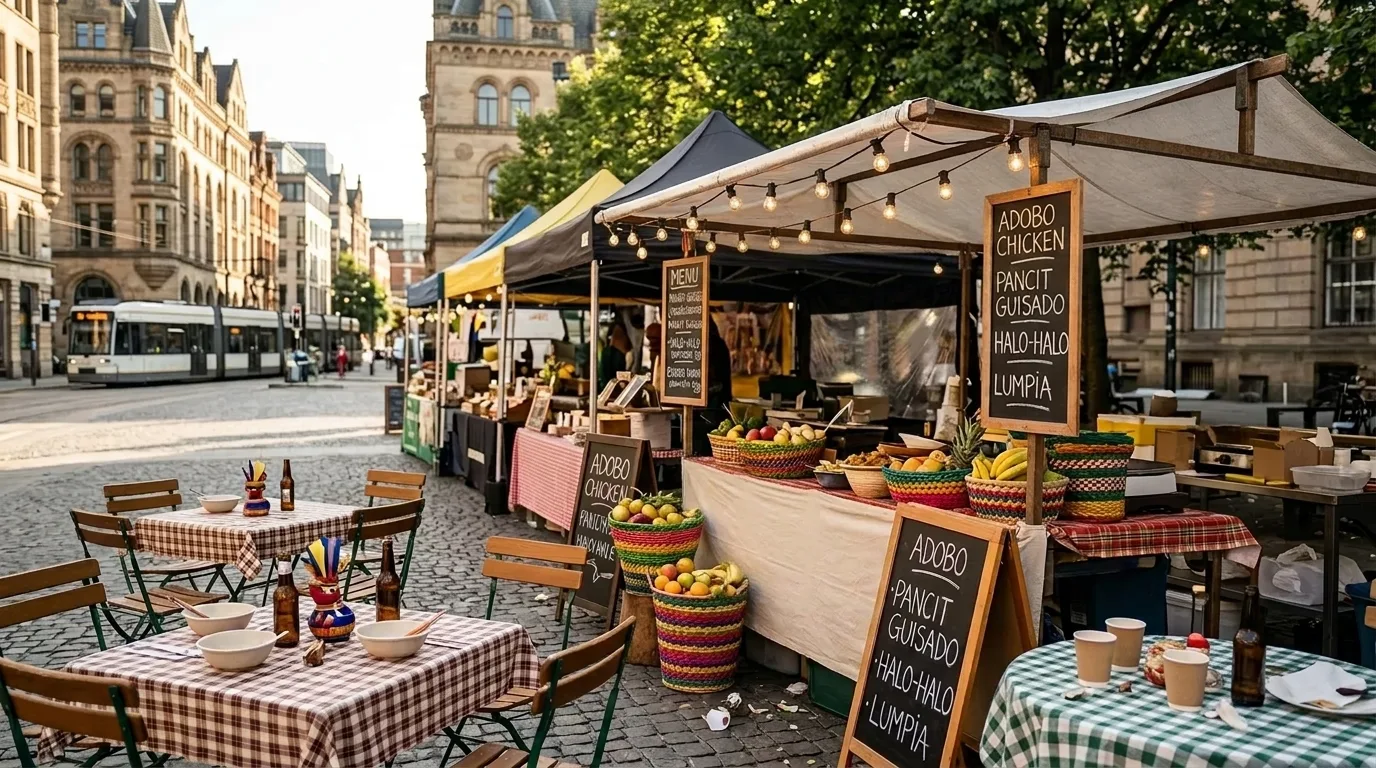
These festivals are more than just colorful gatherings. They are living traditions that remind the global Filipino community of where they come from, while also inviting other cultures to experience the richness of Filipino heritage. Whether it’s a street parade in Manila or a cultural showcase in New York, Dubai, Toronto, or Rome, Filipino festivals continue to grow as global celebrations of pride and belonging.
A Culture That Travels With Its People
As Filipinos migrate and build communities abroad, they bring with them traditions that have been passed down for generations. Among the most celebrated are iconic festivals such as Sinulog Festival, Ati-Atihan Festival, and Pahiyas Festival.
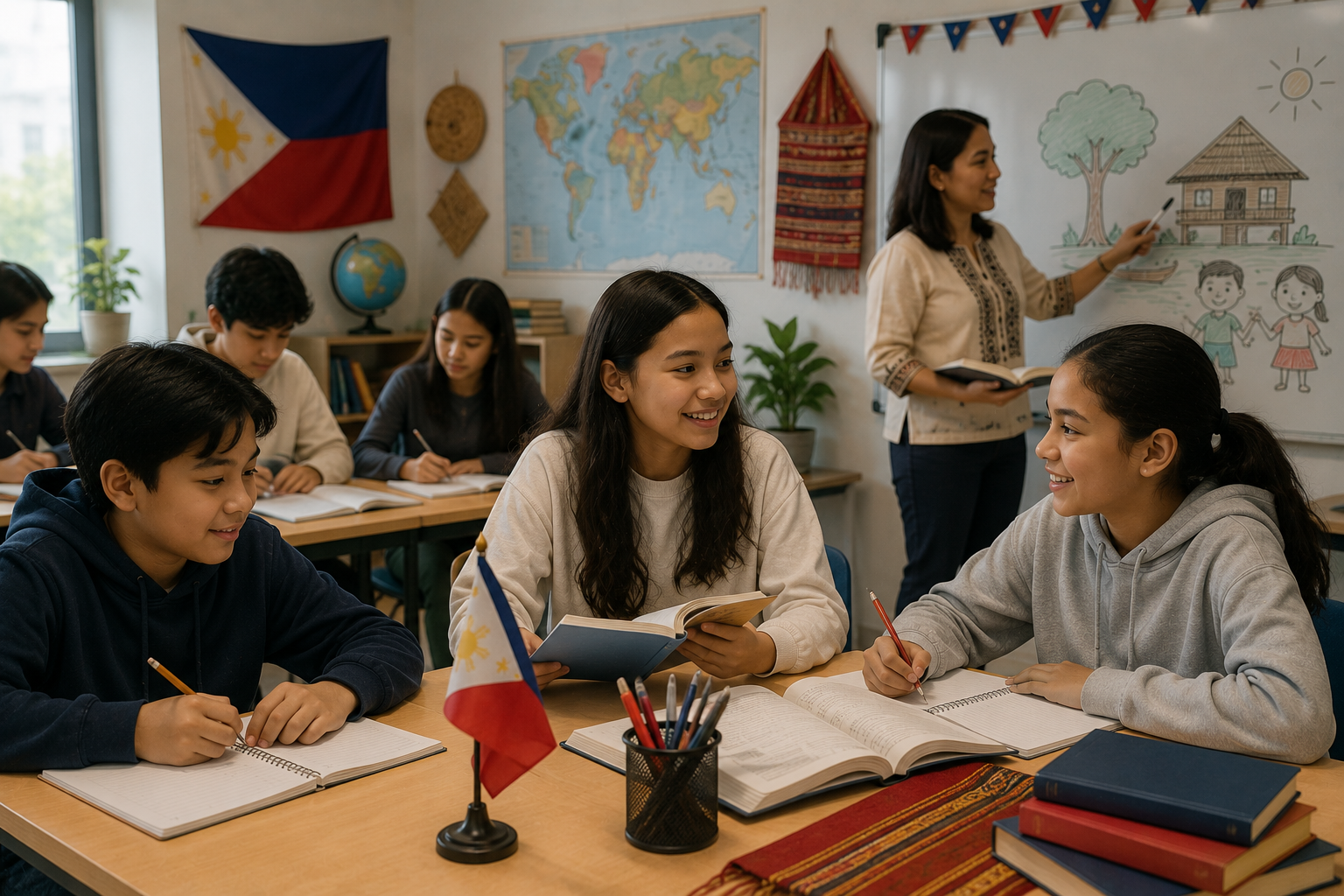
In the Philippines, these festivals are deeply rooted in faith, history, and agricultural traditions. But abroad, they evolve into powerful cultural showcases—adapted to local communities while preserving the essence of Filipino identity. Schools, churches, cultural organizations, and Filipino associations organize these events to ensure younger generations born overseas still feel connected to their heritage.
Sinulog: Faith and Rhythm Beyond Cebu
The Sinulog Festival is one of the most widely recognized Filipino festivals internationally. Known for its rhythmic drumbeats and flowing dance movements that mimic the “Sulog” or current of water, Sinulog is both a religious tribute and a cultural celebration.
Across cities like Los Angeles, London, and Sydney, Sinulog-inspired celebrations bring together thousands of Filipinos and non-Filipinos alike. Performers in bright costumes dance through streets or community halls, reenacting devotion to the Santo Niño while showcasing the joy and resilience of Filipino identity.
These overseas Sinulog events often include food fairs, cultural exhibits, and choir performances—turning a single festival into a full cultural immersion experience.
Ati-Atihan: The Festival of Indigenous Pride
Known as the “Mother of All Philippine Festivals,” the Ati-Atihan Festival stands out for its bold face paint, tribal rhythms, and energetic street dancing.
Internationally, Ati-Atihan-inspired events are especially popular in Filipino communities in Canada, the Middle East, and parts of Europe. Participants paint their faces in black soot or artistic tribal patterns, symbolizing solidarity and historical reverence for indigenous Filipino roots.
The festival’s chant—“Hala Bira!”—echoes through city streets abroad, turning ordinary urban spaces into vibrant celebrations of Filipino spirit and unity.
Pahiyas: A Harvest Festival That Inspires Creativity
The Pahiyas Festival is one of the most visually stunning festivals in the Philippines. Homes are decorated with rice grains, fruits, vegetables, and colorful kiping (rice wafers), transforming entire towns into artistic masterpieces.
In Filipino communities abroad, Pahiyas is often recreated through indoor exhibitions, cultural halls, and community centers. While the scale may differ, the creativity remains strong—families and groups design decorative displays using local materials while preserving the symbolic meaning of thanksgiving and abundance.
This festival resonates strongly with overseas Filipinos who value gratitude and community sharing, especially in multicultural environments where cultural expression becomes a bridge between identities.
Festivals as Bridges Across Generations and Nations
What makes Filipino festivals truly remarkable is their ability to adapt while staying authentic. For second-generation Filipinos born abroad, these celebrations serve as a gateway to understanding their roots. For non-Filipinos, they are an introduction to a culture known for hospitality, joy, and resilience.
From parade floats in Canada to cultural showcases in the Middle East, Filipino festivals have become global symbols of unity. They also strengthen bayanihan spirit—the Filipino value of communal cooperation and helping one another—no matter where Filipinos are in the world.
A Growing Global Movement
As Filipino communities continue to expand internationally, the future of these festivals looks even brighter. Organizers are now incorporating modern elements such as digital showcases, livestream performances, and multicultural collaborations while preserving traditional dance, music, and rituals.
These evolving celebrations highlight an important truth: Filipino culture is not confined to geography. It is carried by people, strengthened by community, and shared with the world.
Join the Conversation
Filipino festivals continue to grow as global celebrations of identity and pride. Now the question is:
👉 Which country should host the next big Filipino festival?
Whether it’s a street parade in Europe, a cultural fair in the Americas, or a beach festival in Asia-Pacific, the possibilities are endless.
Share your thoughts and help shape the future of global Filipino celebrations.
Enjoyed this story?
Share this story