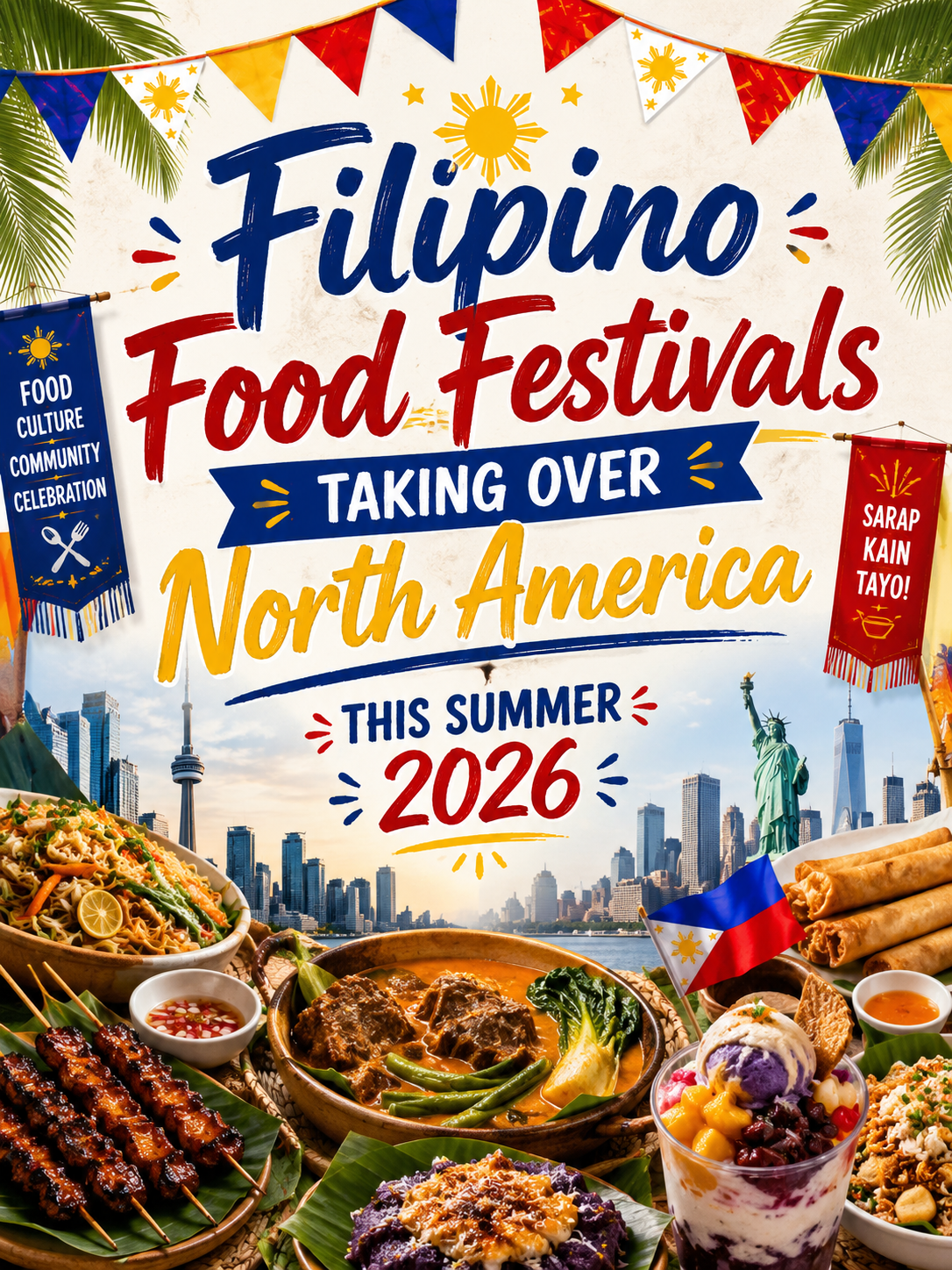
Filipino Food Festivals Taking Over North America This Summer 2026
Share
May 26, 2026
6 min read
624 views
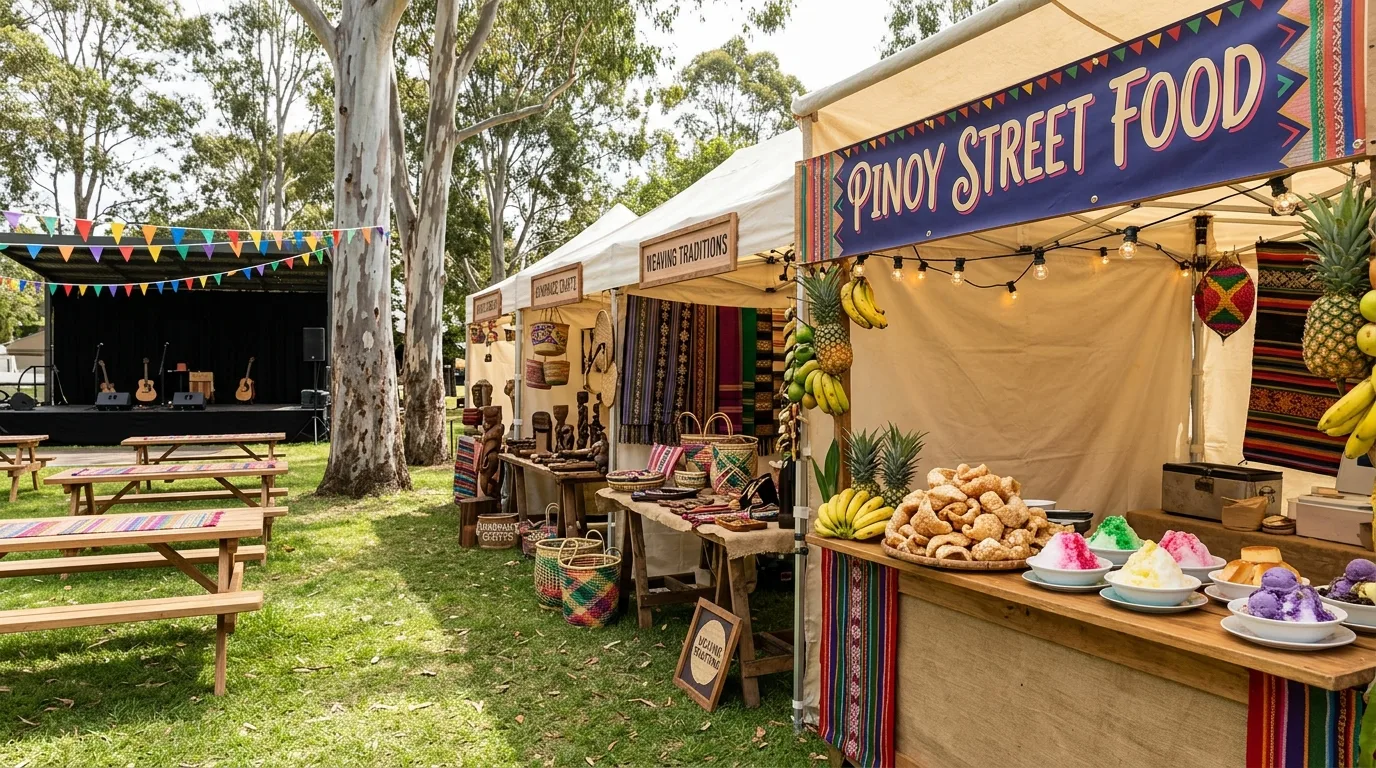
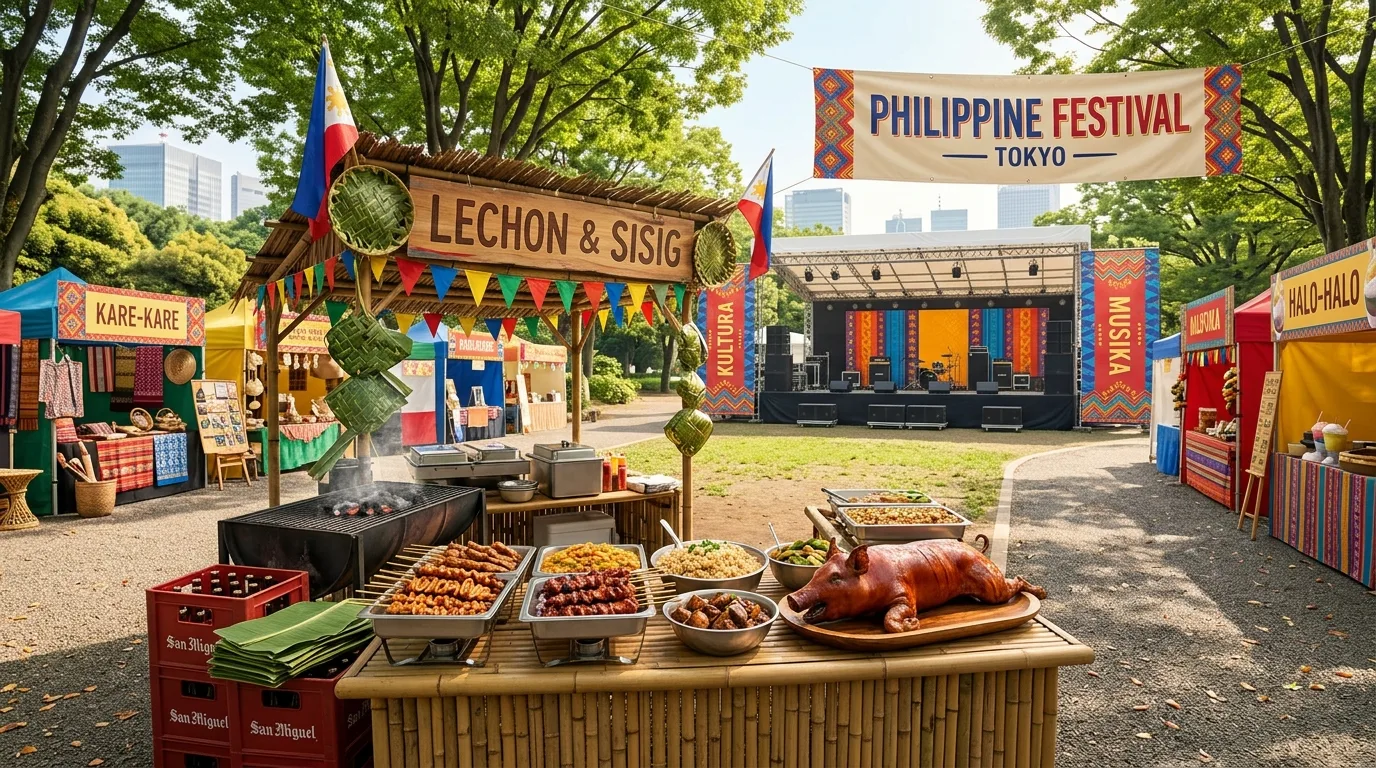
The smell of sizzling barbecue, garlic fried rice, roasted lechon, and sweet ube desserts is set to dominate parks, waterfronts, and city plazas across North America this summer as Filipino food festivals explode in popularity from California to New York. What was once considered a niche cultural celebration for overseas Filipinos has now become one of the fastest-growing culinary movements in the continent’s food scene.
In 2026, Filipino cuisine is no longer simply “emerging.” It has arrived — loudly, proudly, and deliciously.
Across the United States and Canada, massive Filipino food festivals are drawing thousands of attendees eager to experience authentic regional dishes, modern Filipino fusion creations, live performances, and cultural showcases. From San Francisco’s beloved Pistahan celebration to Portland’s Kulinarya Festival and the rapidly growing Ube Festival in Daly City, organizers say attendance numbers are surging beyond expectations.
The rise of Filipino food culture in North America reflects more than just changing tastes. It tells the story of a diaspora reclaiming its identity while introducing the world to flavors that many food critics now describe as the “next big global cuisine.”
A Summer Filled With Filipino Flavor
This summer’s lineup of Filipino food festivals is one of the largest in recent memory. Major events are popping up in California, Oregon, Washington, Arizona, Pennsylvania, and beyond.
One of the most anticipated gatherings is the annual Pistahan Parade and Festival in San Francisco, which continues to attract huge crowds with its blend of Filipino cuisine, folk dance, music, and artisan markets. Organizers describe the festival as both a cultural celebration and a symbol of Filipino American resilience rooted in the SOMA Pilipinas heritage district.
Meanwhile, the Kulinarya Festival 2026 in Portland has become a centerpiece of Filipino Food Month celebrations in the Pacific Northwest. The event combines cooking classes, live culinary demonstrations, food vendors, and educational exhibits dedicated to preserving traditional Filipino cooking methods.
In California’s Bay Area, excitement is building around the colorful Ube Festival 2026, where purple yam-inspired dishes, desserts, drinks, and pastries are expected to dominate social media feeds throughout the summer. The festival celebrates not only food but also Filipino creativity, music, and youth culture.
Other major celebrations include the Filipino Fiesta of Sacramento, the historic Festival of Philippine Arts and Culture in Los Angeles, and Spokane’s growing Filipino-American Friendship Festival.
Why Filipino Food Is Suddenly Everywhere
Food experts say several factors are fueling the explosion of Filipino cuisine across North America.
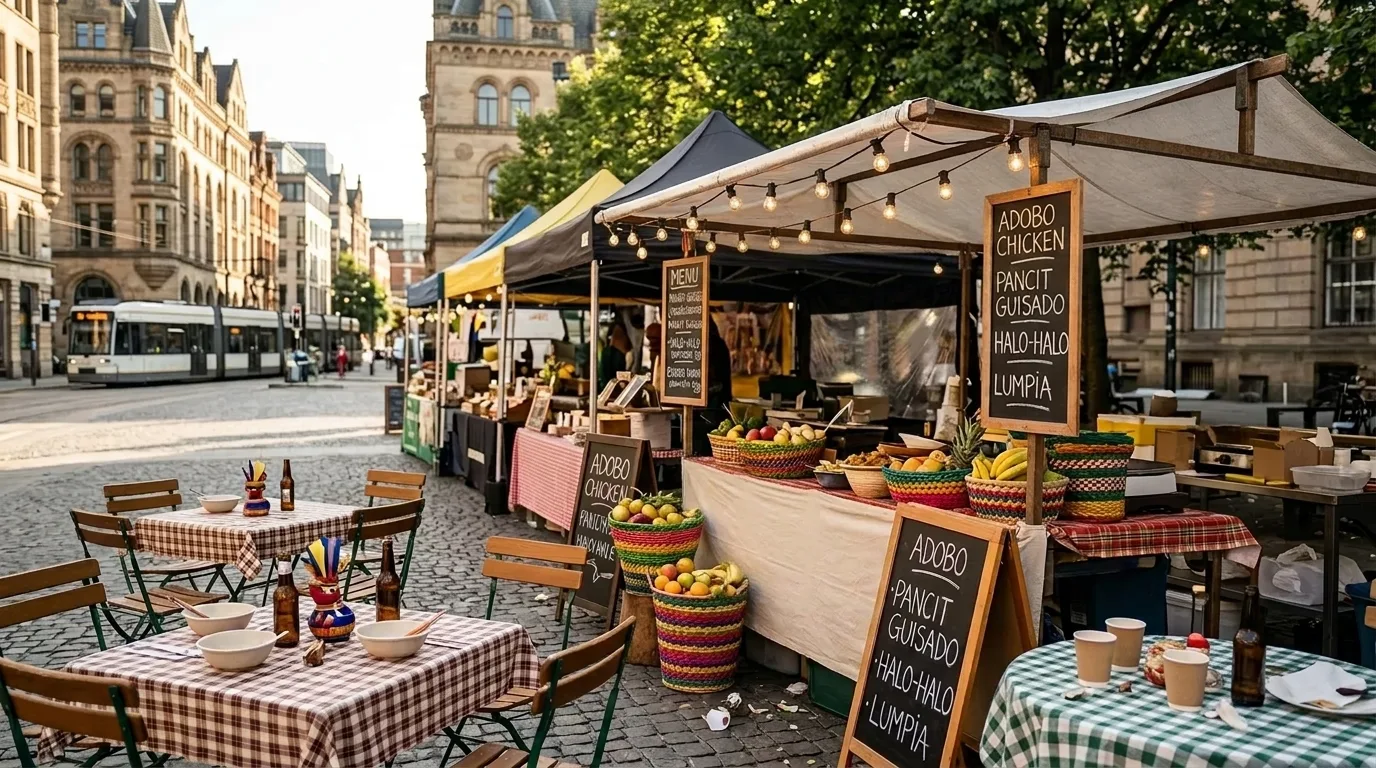
First is visibility. Filipino dishes are finally receiving mainstream recognition after decades of being overshadowed by other Asian cuisines. Dishes like adobo, sisig, pancit, halo-halo, kare-kare, and lumpia are increasingly appearing on restaurant menus, food television programs, and viral TikTok videos.
Second is the massive influence of younger Filipino Americans who are proudly reconnecting with their heritage through food. Many second-generation chefs and entrepreneurs are reinventing traditional recipes while preserving their roots.
The third factor is commercial expansion led by globally recognized Filipino brands like Jollibee. The fast-food giant continues to aggressively expand throughout North America, including major growth plans in Texas and other U.S. markets.
Online discussions across Reddit and social media also show growing enthusiasm among non-Filipino diners discovering Filipino food for the first time. Many users describe Filipino flavors as comforting, bold, and uniquely different from more familiar Asian cuisines.
The Power of “Bayanihan”
At the center of these festivals is the Filipino concept of “bayanihan” — community unity and cooperation.
Festival organizers say these gatherings are about more than food. They are celebrations of identity, immigration stories, music, language, and intergenerational connection.
The Filipino Island Fest in Alameda specifically highlights “building bridges and connecting culture,” bringing together Filipino-American artists, chefs, wellness advocates, and entrepreneurs for a full-day cultural experience.
Many attendees are not Filipino at all. Families, food bloggers, tourists, and culinary enthusiasts increasingly attend these events to explore one of the world’s most diverse cuisines.
For many North Americans, Filipino festivals offer their first taste of dishes such as:
Crispy lechon kawali Chicken inasal Bicol express Longganisa Bibingka Turon Ube cheesecake Halo-halo
The mix of Spanish, Malay, Chinese, and American influences in Filipino cuisine makes it unlike any other culinary tradition in Asia.
Filipino Cuisine Enters the Mainstream
Industry analysts believe 2026 could become a defining year for Filipino food in North America.
Restaurants serving Filipino dishes are expanding rapidly in cities such as Los Angeles, San Francisco, Portland, Toronto, Vancouver, New York, Las Vegas, and Houston. Food publications and restaurant critics are increasingly spotlighting Filipino chefs and regional specialties.
The movement is also becoming deeply tied to pop culture. Celebrity collaborations, viral food influencers, and mainstream brand partnerships are helping Filipino cuisine reach younger audiences.
Social media has played a major role. Bright purple ube desserts, giant platters of boodle fights, sizzling sisig served on cast iron plates, and towering halo-halo creations have become highly shareable content online.
Some analysts compare the current rise of Filipino cuisine to the earlier mainstream breakthrough of Korean and Vietnamese food in North America.
More Than a Trend
For many Filipino Americans, the popularity of these festivals carries emotional significance.
For decades, Filipino food often existed quietly within immigrant households and community gatherings. Today, younger generations are seeing their culture proudly celebrated on massive public stages.
At events like the Vallejo Pista Sa Nayon and Taste of the Philippines USA 2026, thousands gather not just to eat but to celebrate heritage, language, dance, and family traditions.
Organizers say these festivals also create opportunities for Filipino-owned small businesses, chefs, artists, and performers to gain visibility in highly competitive markets.
Many local Filipino vendors report record-breaking sales during festival weekends, with some businesses using these events as launching pads for permanent restaurants or food truck expansions.
The Summer of Filipino Food
As summer 2026 unfolds, one thing is becoming clear: Filipino cuisine is no longer an underground favorite. It is becoming a defining part of North America’s multicultural food landscape.
Whether it’s a packed waterfront festival in California, a Filipino night market in Washington, or a cultural food celebration in Philadelphia, Filipino flavors are capturing mainstream attention like never before.
And for millions of Filipinos living abroad, these festivals represent something even bigger than food — they are a celebration of identity, pride, and home served on a plate.
Enjoyed this story?
Share this story