Filipino-Owned Restaurants Expanding Rapidly Across Europe
Share
May 26, 2026
6 min read
251 views
Filipino-owned restaurants are experiencing one of the most significant growth waves in Europe’s modern food landscape, with new openings, franchise expansions, and independent eateries emerging across major cities in the United Kingdom, Spain, Italy, Germany, and the Netherlands. In 2026, what was once a niche presence in multicultural districts is rapidly evolving into a recognizable and fast-growing segment of Europe’s dining industry.
Driven by migration, rising cultural visibility, and increasing demand for diverse Asian cuisines, Filipino food is moving from community-based kitchens into mainstream restaurant scenes across the continent.
A Quiet Cuisine Becoming a European Growth Story
For years, Filipino cuisine in Europe was largely confined to small family-run restaurants and migrant community hubs. Today, however, it is gaining traction as consumers seek new, bold, and comfort-driven food experiences.
Industry observers note that Filipino food’s balance of sweet, sour, salty, and savory flavors has begun to resonate strongly with European diners who are increasingly open to Southeast Asian cuisines beyond Thai and Vietnamese offerings.
Dishes like adobo, sinigang, lechon kawali, sisig, and halo-halo are now appearing on curated menus in London, Madrid, Milan, and Berlin—often as signature items rather than hidden specialties.
Expansion Driven by the Filipino Diaspora
One of the strongest forces behind this growth is the expanding Filipino diaspora across Europe. Hundreds of thousands of Filipinos now live and work across the UK, Italy, Spain, Germany, France, and the Nordic countries, creating steady demand for familiar home-style meals.
Many Filipino entrepreneurs who originally worked in hospitality, caregiving, and service industries are now transitioning into food business ownership. This shift has led to a new wave of restaurant openings, ranging from casual eateries and takeaways to full-service dining concepts.
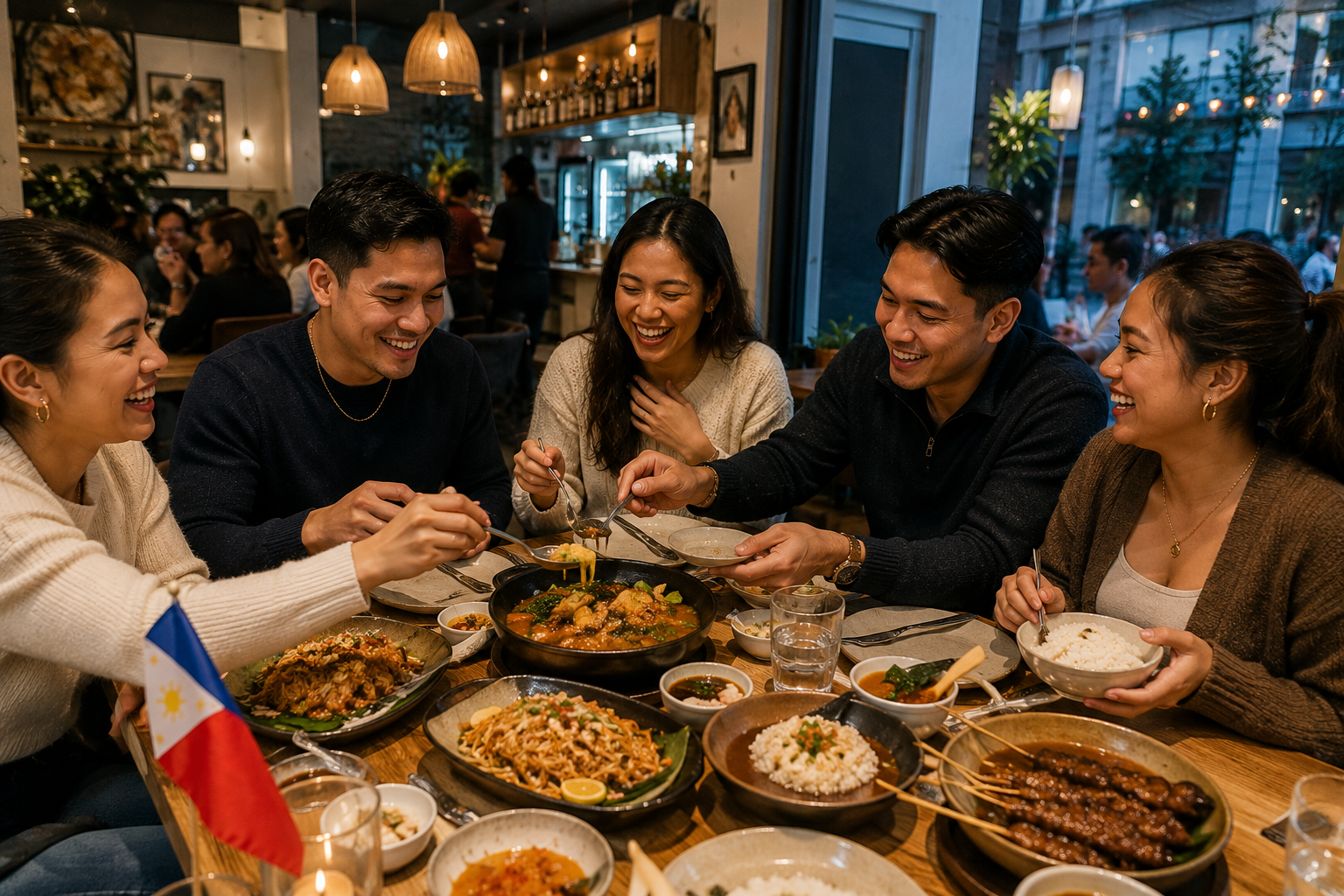
In cities like London and Milan, Filipino restaurants have become regular fixtures in multicultural neighborhoods, serving both expatriates and curious local customers.
UK Leading the Charge in Filipino Restaurant Growth
The United Kingdom remains one of the strongest hubs for Filipino restaurant expansion in Europe.
London, in particular, has seen a surge in Filipino eateries offering everything from traditional home-cooked meals to modern fusion dining experiences. Recent openings in areas like Fulham, Battersea, and East London reflect a growing appetite for Filipino cuisine beyond the Filipino community itself.
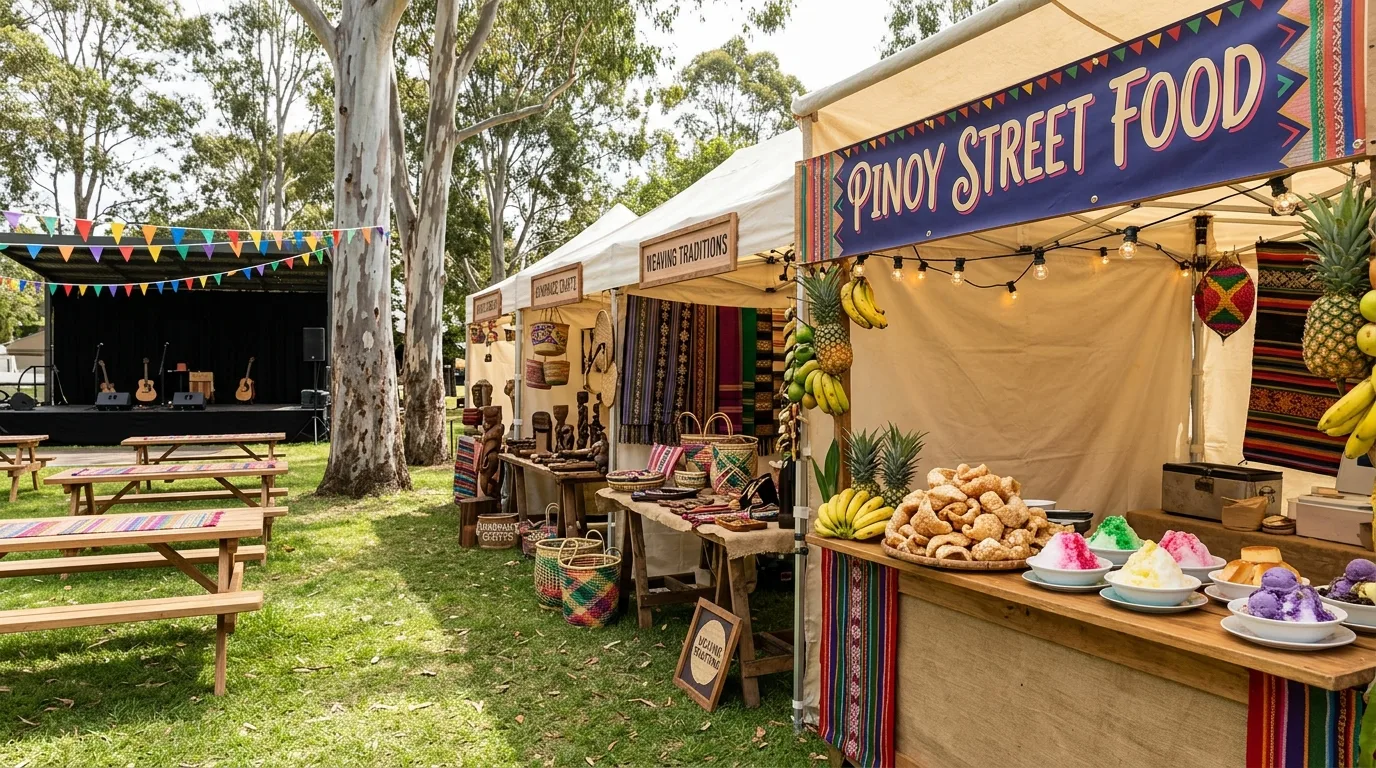
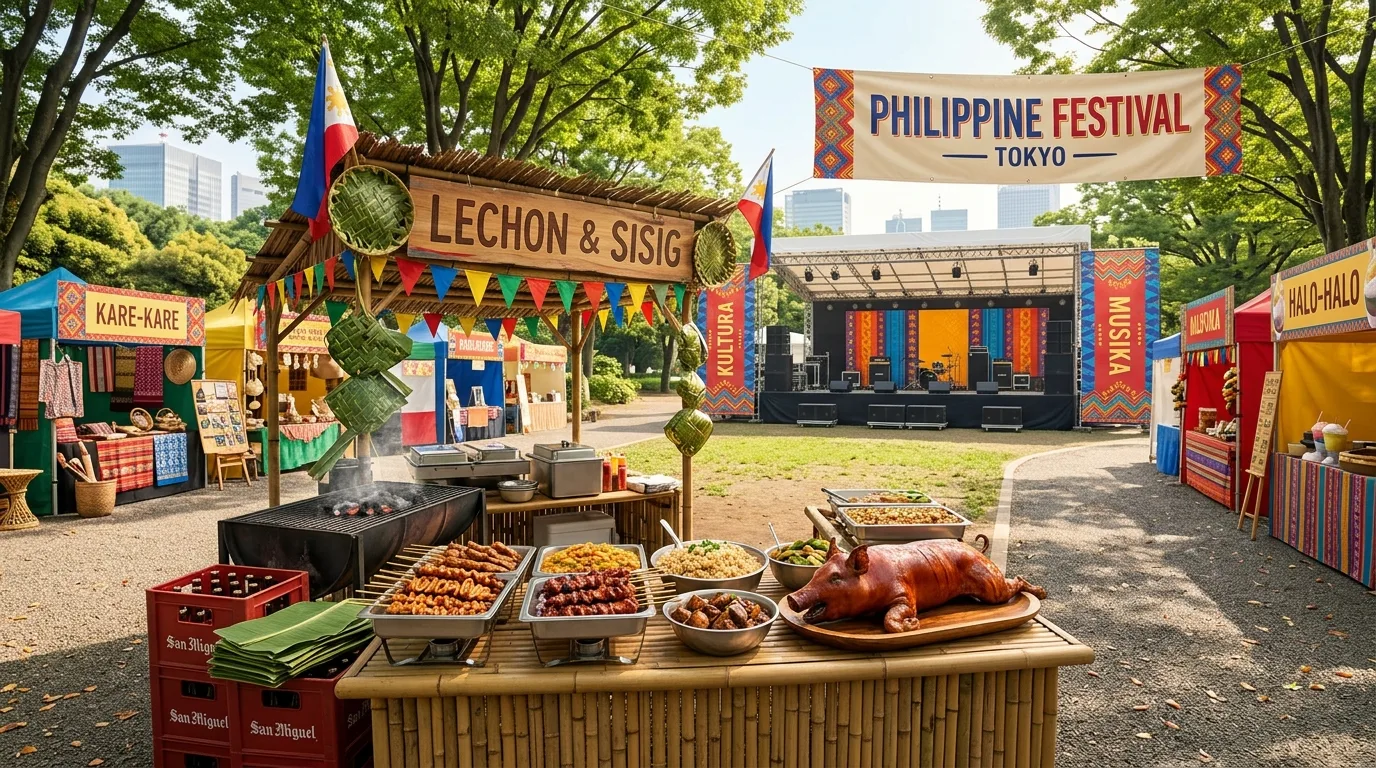
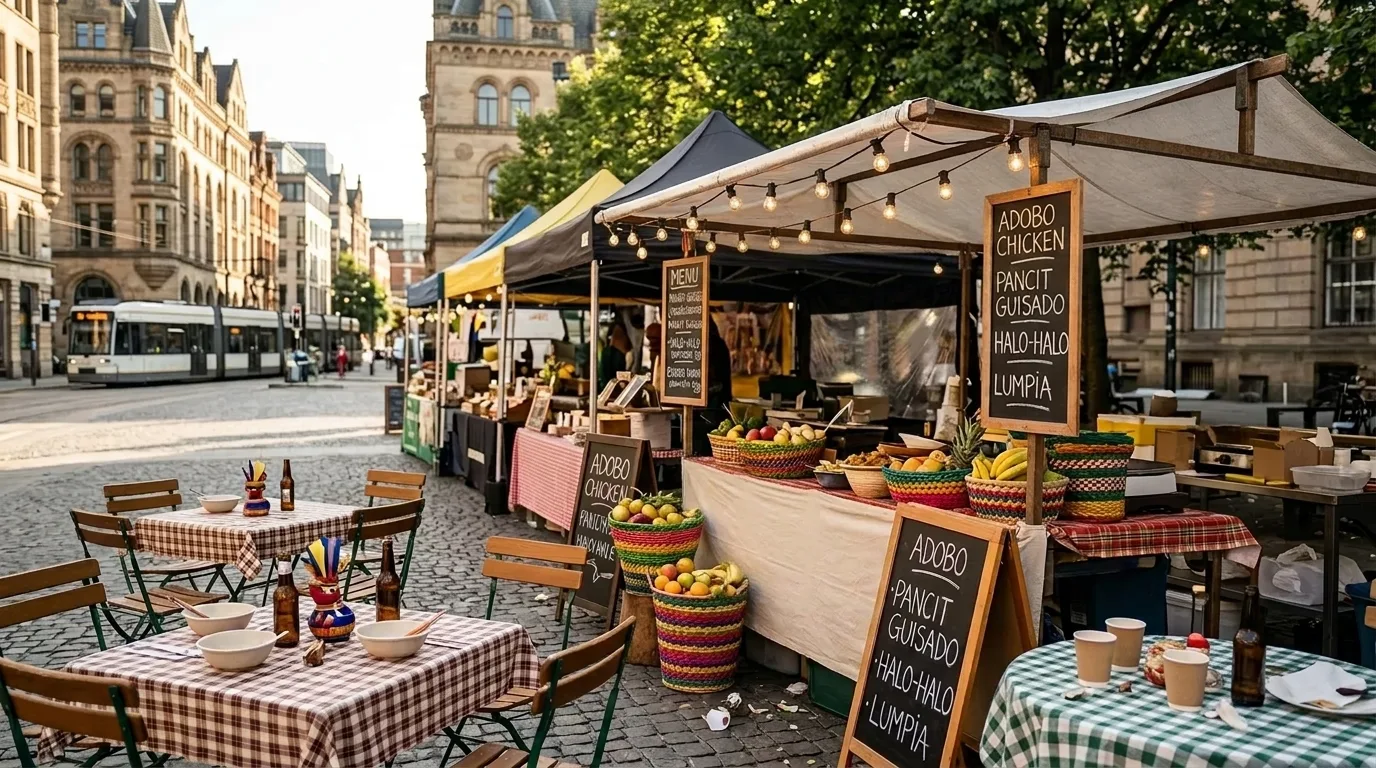
Independent restaurants are also gaining visibility through food festivals, pop-ups, and collaborations with other Asian culinary brands, helping Filipino cuisine enter mainstream food conversations in the UK.
Spain and Italy: Heritage and Hospitality Markets
Spain and Italy represent two of the most culturally aligned markets for Filipino food expansion, due to historical ties and strong hospitality industries.
In Madrid and Barcelona, Filipino restaurants are increasingly appearing near commercial districts and tourist zones, often run by Filipino chefs who bring both traditional and modern interpretations of their cuisine.
Italy, home to a large Filipino workforce, is also witnessing a steady rise in Filipino dining spots—particularly in Milan, Rome, and Naples—where affordable comfort food options are in high demand.
These establishments often serve as community anchors while gradually attracting local Italian customers interested in Asian fusion dining.
Germany, France, and Northern Europe: Emerging Growth Markets
Germany and France are becoming emerging hotspots for Filipino culinary expansion, particularly in cities like Berlin, Hamburg, Paris, and Lyon.
Filipino-owned eateries in these regions often start as small-scale ventures—home kitchens, pop-ups, or delivery-based services—before evolving into permanent storefronts as demand grows.
Meanwhile, in Northern Europe, countries such as the Netherlands and Sweden are seeing early-stage Filipino food ventures gaining traction in urban centers, driven by younger, multicultural populations and growing interest in Asian street food culture.
From Comfort Food to Modern Culinary Identity
A defining feature of this expansion is the evolution of Filipino food identity abroad.
While traditional dishes remain central, many Filipino chefs in Europe are now experimenting with modern interpretations:
Elevated adobo with European plating styles Fusion dishes combining Filipino flavors with French or Italian techniques Contemporary dessert menus featuring ube and calamansi Street food-inspired tasting menus in urban dining spaces
This blend of tradition and innovation is helping reposition Filipino cuisine as both authentic and adaptable.
Filipino Restaurants Becoming Cultural Spaces
Beyond food, Filipino-owned restaurants in Europe are increasingly serving as cultural hubs.
Many establishments double as venues for:
Community gatherings and celebrations Live music and karaoke nights Cultural festivals and Independence Day events Networking spaces for migrant workers
This multifunctional role strengthens their importance within diaspora communities while also introducing Filipino culture to broader European audiences.
Social Media Fueling Visibility
Digital platforms are playing a major role in accelerating growth. Viral food content featuring Filipino dishes—especially visually striking items like halo-halo, lechon belly, and ube desserts—has helped attract global curiosity.
Food influencers and travel creators across Europe are increasingly highlighting Filipino restaurants as “hidden gems,” often leading to spikes in local demand after viral exposure.
This online visibility has become a powerful marketing engine for small Filipino-owned businesses trying to compete in Europe’s crowded food scene.
Challenges in Scaling Across Europe
Despite rapid growth, Filipino restaurant expansion in Europe still faces challenges.
Entrepreneurs cite issues such as:
High rental and operational costs in major cities Limited access to Filipino-specific ingredients in some regions Need for stronger brand recognition compared to other Asian cuisines Balancing authenticity with local taste adaptation
However, many owners view these challenges as part of a longer-term growth journey rather than barriers.
A Cuisine Entering the Mainstream
As 2026 unfolds, Filipino cuisine is no longer operating on the margins of Europe’s food industry. It is steadily entering the mainstream conversation, supported by migration, entrepreneurship, and growing culinary curiosity.
From small family-run eateries in Milan to modern Filipino fusion restaurants in London, the expansion reflects a broader shift: European diners are becoming more open to diverse global cuisines, and Filipino food is finally receiving the attention it has long deserved.
Conclusion
The rapid rise of Filipino-owned restaurants across Europe is more than a business trend—it is a cultural movement shaped by identity, migration, and culinary storytelling.
As more Filipino entrepreneurs bring their heritage into Europe’s dining landscape, the cuisine continues to evolve while staying rooted in tradition. What was once a quiet presence is now becoming one of the most dynamic and fast-growing food stories in Europe.
And in 2026, Filipino food is not just expanding—it is firmly establishing itself as part of Europe’s evolving culinary identity.
Enjoyed this story?
Share this story