Filipino Street Food Festivals Gain Popularity in Major Cities Worldwide
Share
June 02, 2026
Updated Oct 13, 2026
8 min read
261 views
MANILA, Philippines — Filipino street food is enjoying a surge in global popularity as dedicated food festivals and cultural events in major cities around the world introduce international audiences to the vibrant flavors, traditions, and entrepreneurial spirit that define one of the Philippines' most beloved culinary experiences.
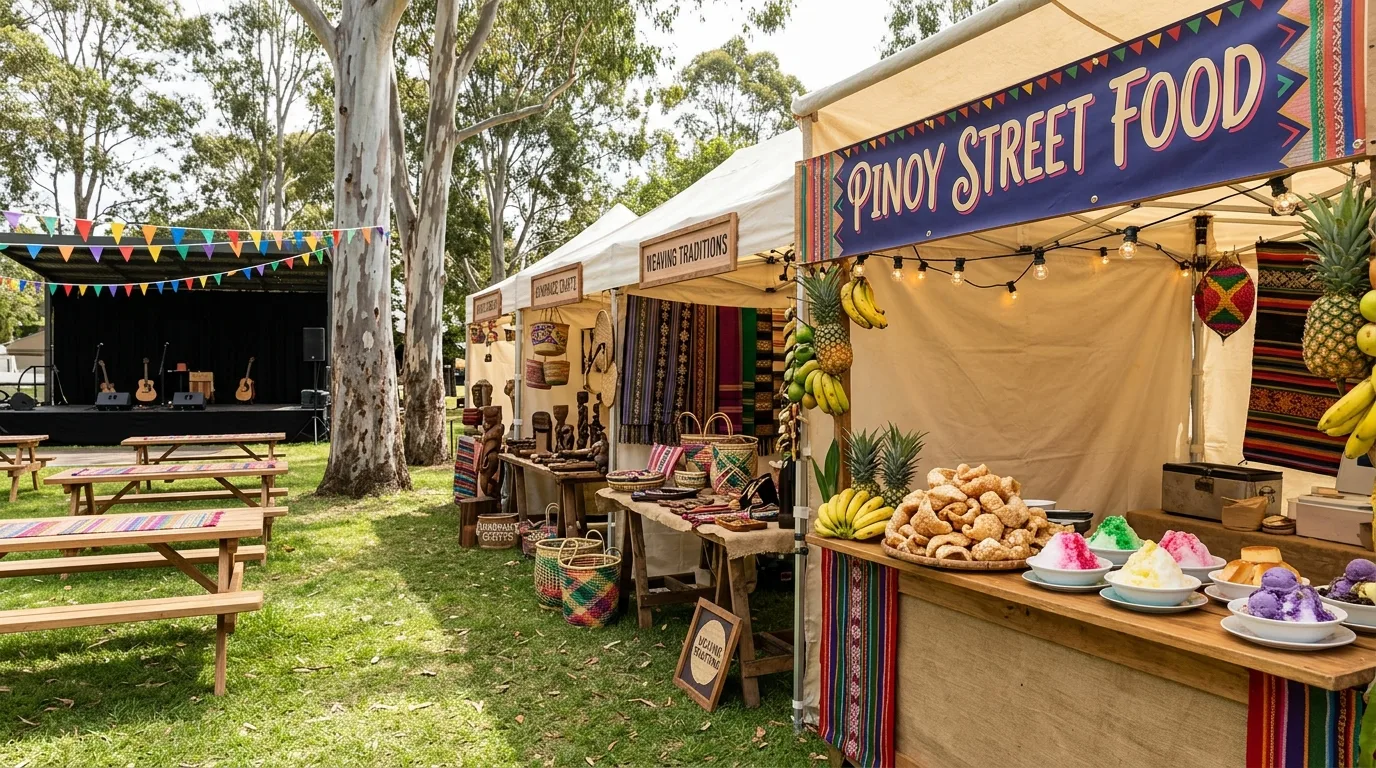
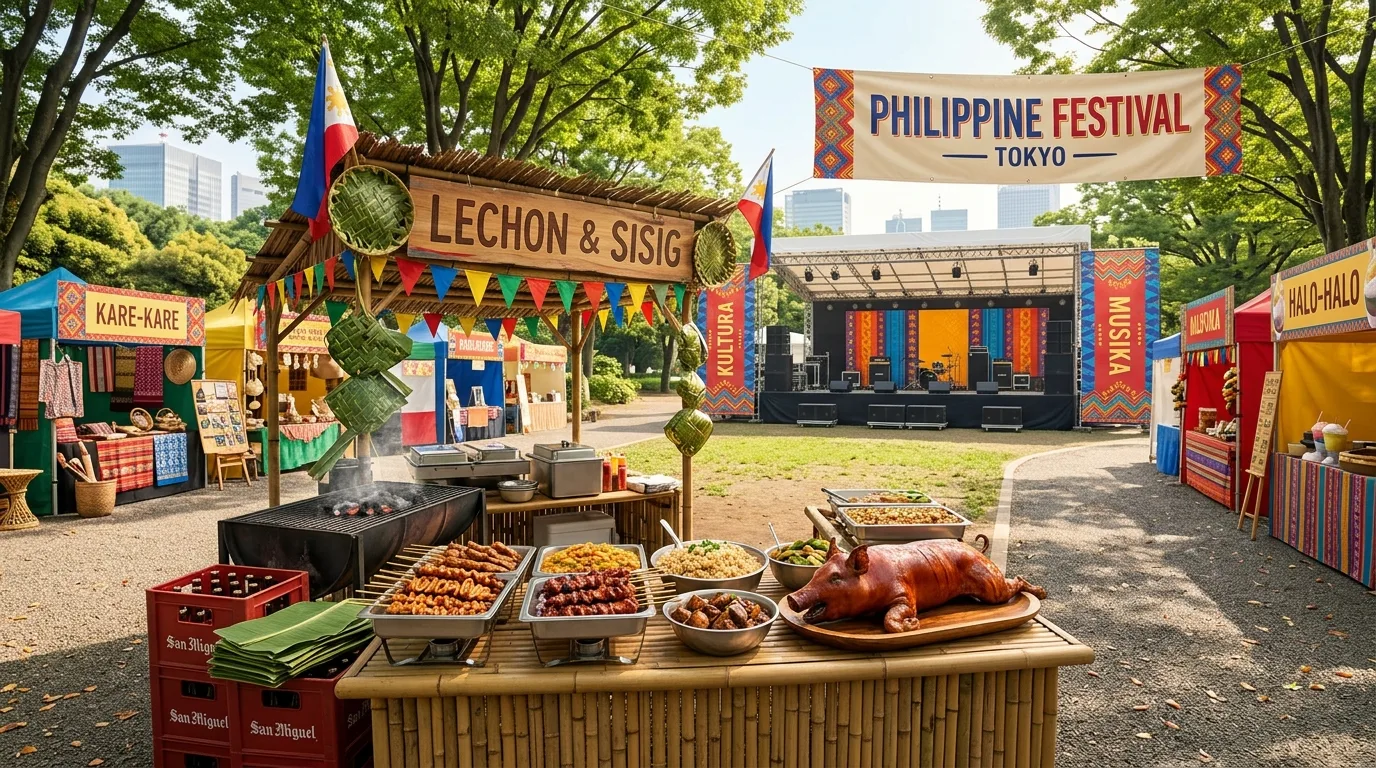
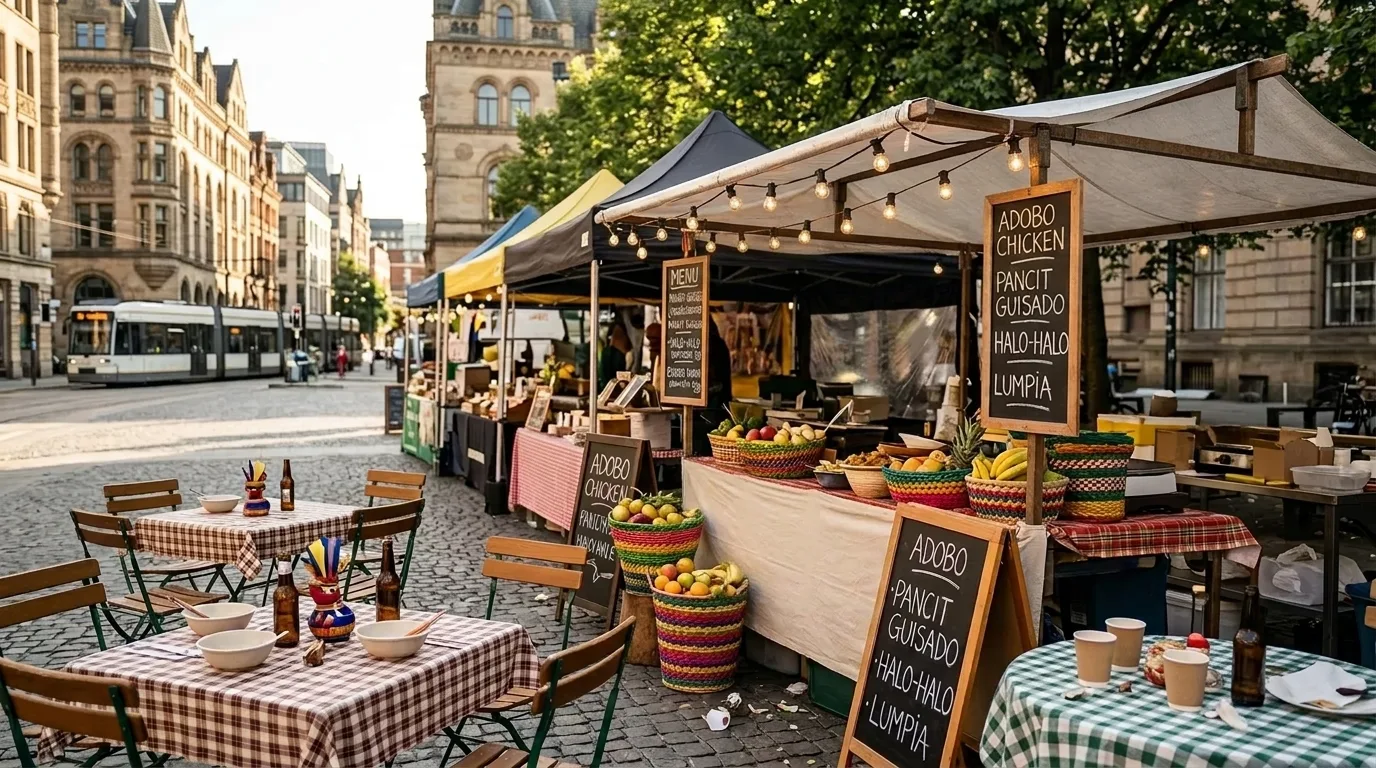
From Toronto and New York to London, Sydney, Tokyo, Dubai, Singapore, and beyond, Filipino street food festivals are drawing record crowds eager to sample authentic dishes that have long been staples of everyday life in the Philippines. What began as community-centered gatherings organized by overseas Filipinos has evolved into major cultural events that celebrate not only food but also heritage, creativity, and cultural exchange.
Food enthusiasts, chefs, entrepreneurs, cultural organizations, and community leaders say the growing success of these festivals reflects a broader international appreciation for Filipino cuisine, which has steadily gained recognition among food critics, culinary experts, and travelers in recent years.
Street food occupies a special place in Filipino culture. Found in busy city streets, neighborhood corners, school zones, public markets, and transportation hubs, these affordable and accessible foods have become deeply connected to daily life, childhood memories, and community interactions.
Today, these same culinary traditions are reaching audiences far beyond the Philippines, introducing people around the world to a diverse range of flavors and food experiences.
Festival organizers note that visitors are increasingly interested in authentic street food cultures from different countries. Filipino street food festivals provide an opportunity to explore not only unique dishes but also the stories, traditions, and social experiences that surround them.
Among the most popular attractions at these events are iconic Filipino favorites such as fish balls, squid balls, kwek-kwek, tokneneng, isaw, betamax, banana cue, kamote cue, taho, turon, kwek-kwek variations, and numerous regional specialties.
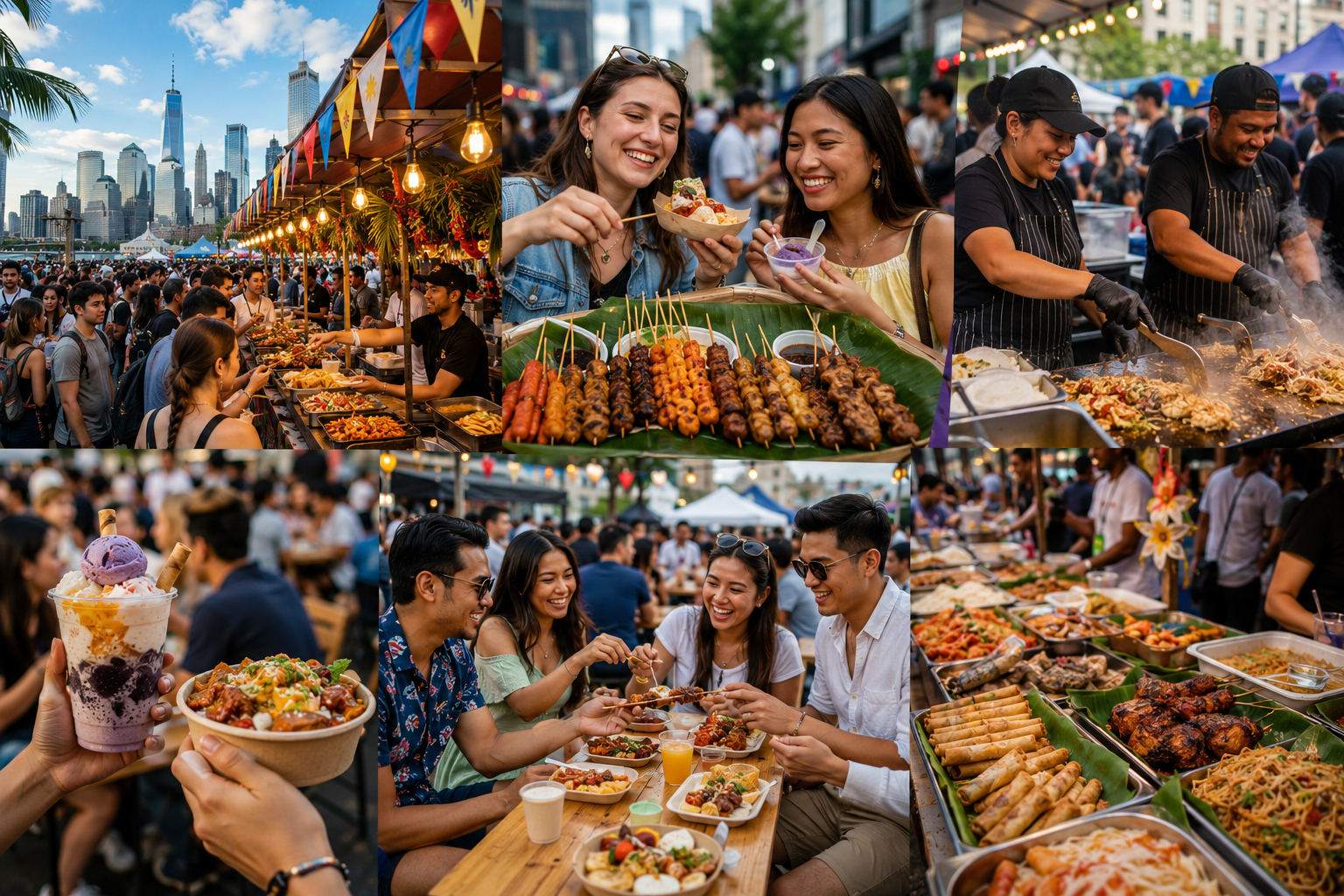
Long lines often form at vendor stalls as attendees eagerly sample dishes that many describe as flavorful, nostalgic, and unlike anything they have experienced before.
For overseas Filipinos, the festivals offer a chance to reconnect with familiar tastes from home. Many visitors describe emotional experiences when encountering foods that remind them of childhood, family gatherings, school days, and neighborhood communities in the Philippines.
Meanwhile, international visitors are discovering the unique appeal of Filipino street food for the first time.
Culinary experts attending these festivals note that Filipino street food reflects the country's diverse cultural influences, including indigenous traditions, Asian heritage, Spanish history, and modern global connections.
Each dish tells a story about local ingredients, community practices, and culinary creativity that has evolved over generations.
One of the defining characteristics of Filipino street food is its accessibility. Traditionally sold from carts, kiosks, roadside stalls, and small family-operated businesses, these foods are designed to be enjoyed by people from all walks of life.
This democratic nature of street food resonates strongly with modern consumers who increasingly seek authentic culinary experiences rather than purely formal dining settings.
Festival organizers often recreate the atmosphere of Philippine street food environments through colorful vendor stalls, interactive food stations, and cultural displays that help visitors understand the context behind the dishes.
The result is an immersive experience that goes beyond tasting food and provides insights into everyday Filipino life.
Food entrepreneurs have played a major role in expanding the popularity of these festivals. Filipino-owned restaurants, catering companies, food trucks, and small businesses frequently participate in events, introducing traditional recipes while also experimenting with innovative interpretations of classic street food favorites.
Modern culinary adaptations have become particularly popular among younger audiences. Chefs are creating gourmet versions of familiar street foods while preserving the flavors and cultural significance that make them special.
These innovations have helped Filipino cuisine reach new audiences while maintaining strong connections to its roots.
The rise of social media has significantly contributed to the success of Filipino street food festivals. Photos and videos featuring colorful dishes, unique food preparation methods, and enthusiastic festival crowds frequently attract millions of views online.
Platforms such as Instagram, TikTok, YouTube, and Facebook have become important tools for promoting Filipino food culture globally.
Many food influencers and travel content creators have highlighted Filipino street food as one of the most exciting culinary discoveries in recent years. Their content often introduces audiences to dishes they may never have encountered previously.
As a result, interest in Filipino food has expanded well beyond traditional diaspora communities.
Festival organizers report that attendees increasingly include non-Filipino food enthusiasts who are curious about exploring new culinary traditions.
Many visitors initially attend because of social media recommendations or word-of-mouth referrals. Once there, they often discover a broader appreciation for Filipino culture, history, and community traditions.
The popularity of street food festivals has also created new opportunities for Filipino entrepreneurs abroad. Small business owners use these events to showcase products, build customer relationships, and strengthen their presence within local food scenes.
For many entrepreneurs, festivals serve as launching platforms for future business growth. Successful participation often leads to expanded catering opportunities, restaurant partnerships, and increased public recognition.
Community leaders note that these events contribute to economic development while strengthening cultural visibility.
The festivals frequently include more than food alone. Cultural performances, music, dance presentations, cooking demonstrations, educational exhibits, and family activities create comprehensive experiences that celebrate Filipino heritage.
Visitors can learn about the history of street food, watch chefs demonstrate traditional cooking techniques, and engage with community members who share stories about their favorite dishes and traditions.
These interactions foster greater cultural understanding and create meaningful connections between people from different backgrounds.
Food historians participating in the events often emphasize the importance of preserving culinary traditions. They note that street food represents an important aspect of cultural heritage that deserves recognition alongside more formal culinary achievements.
Many recipes have been passed down through generations and continue to evolve while maintaining connections to their origins.
Youth involvement has become increasingly important in ensuring the continued popularity of Filipino street food traditions.
Young entrepreneurs, chefs, content creators, and community volunteers are helping introduce these culinary experiences to new audiences through modern marketing strategies, creative presentations, and digital storytelling.
Their contributions are helping ensure that Filipino street food remains relevant in an increasingly globalized food landscape.
The growing recognition of Filipino cuisine internationally has also contributed to broader tourism promotion efforts.
Visitors who discover Filipino food at festivals often express interest in traveling to the Philippines to experience the cuisine in its original setting. Tourism advocates view these events as valuable opportunities to showcase the country's culinary diversity and cultural richness.
Government agencies, cultural organizations, and business groups have increasingly supported initiatives that promote Filipino food internationally.
Partnerships between community organizations and tourism stakeholders have helped expand the scale and reach of many festivals, attracting larger audiences and generating greater visibility for Filipino culture.
Observers note that the rise of Filipino street food festivals reflects a larger trend toward appreciation of authentic cultural experiences.
Consumers today are increasingly interested in foods that tell stories, represent traditions, and provide connections to communities and cultures.
Filipino street food embodies all of these qualities. Its popularity demonstrates the power of food to create connections, spark curiosity, and foster understanding among people from different backgrounds.
Looking ahead, organizers expect continued growth in attendance, participation, and international recognition.
New festivals are being planned in additional cities, while existing events are expanding programming to include more regional specialties, culinary education activities, and cultural showcases.
Many believe that Filipino street food is entering a new era of global recognition.
As awareness continues to grow, more people are discovering the creativity, diversity, and cultural significance behind dishes that have long been beloved throughout the Philippines.
For overseas Filipinos, these festivals provide opportunities to celebrate identity, preserve traditions, and share a piece of home with the world.
For international audiences, they offer exciting culinary adventures that introduce them to one of Asia's most dynamic food cultures.
Ultimately, the success of Filipino street food festivals demonstrates that food has the power to transcend borders. Through every skewer of isaw, every cup of taho, every serving of kwek-kwek, and every bite of turon, visitors gain insights into the people, traditions, and stories that make Filipino culture unique.
From Toronto to Tokyo, London to Sydney, and countless cities in between, Filipino street food is bringing people together, one delicious bite at a time. As these festivals continue to grow, they are helping ensure that the flavors of the Philippines reach new audiences while celebrating a culinary heritage that remains deeply rooted in community, creativity, and culture.
Enjoyed this story?
Share this story