Hidden Island Destinations Gain Popularity Among Foreign Travelers Exploring the Philippines
Share
June 04, 2026
Updated Oct 15, 2026
7 min read
330 views
MANILA, Philippines — A growing number of international travelers are venturing beyond the Philippines' most famous tourist destinations and discovering hidden island communities that offer unique experiences, breathtaking natural landscapes, and authentic cultural encounters.
While world-renowned destinations such as Boracay, Palawan, Cebu, and Siargao continue to attract millions of visitors, tourism experts report increasing interest in lesser-known islands scattered throughout the Philippine archipelago. These emerging destinations are gaining recognition among travelers seeking quieter environments, sustainable tourism experiences, and opportunities to explore places that remain largely untouched by mass tourism.
The trend reflects changing preferences among modern travelers who increasingly prioritize authenticity, environmental sustainability, and meaningful cultural interactions.
Industry stakeholders say hidden island destinations are becoming important contributors to the continued growth of Philippine tourism.
With more than 7,000 islands offering diverse landscapes, traditions, and attractions, the country possesses remarkable opportunities to expand tourism beyond established hubs.
Visitors are increasingly drawn to islands that provide unique experiences while maintaining strong connections to local culture and natural heritage.
Many travelers describe these destinations as opportunities to discover a different side of the Philippines.
Unlike heavily developed tourist centers, emerging island destinations often offer slower-paced experiences characterized by close community interaction, pristine environments, and traditional ways of life.
Tourism advocates note that these qualities have become increasingly attractive in an era when travelers seek deeper and more personal connections with destinations.
The appeal of hidden islands begins with their natural beauty.
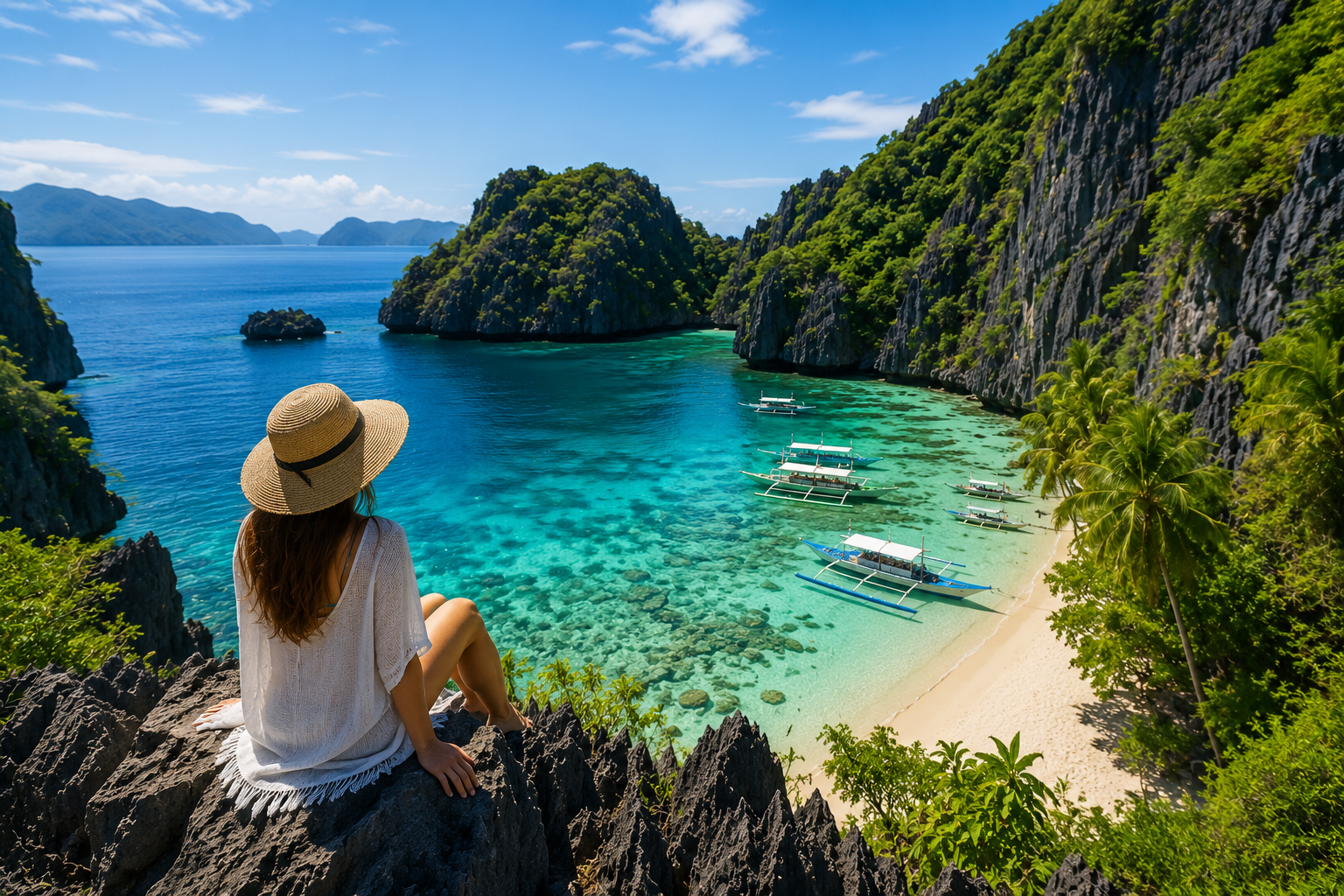
Many feature powdery white-sand beaches, crystal-clear waters, lush forests, dramatic cliffs, coral reefs, waterfalls, lagoons, and diverse marine ecosystems.
Because many remain relatively undeveloped, visitors frequently experience landscapes that appear remarkably untouched.
Photographers, nature enthusiasts, divers, snorkelers, and adventure travelers are particularly attracted to these environments.
Social media has played a significant role in increasing awareness of these destinations.
Travel content creators, photographers, vloggers, and tourism advocates frequently share images and videos showcasing secluded beaches, island sunsets, marine biodiversity, and community experiences.
These visual stories inspire travelers seeking destinations that offer both beauty and authenticity.
As interest grows, more visitors are including lesser-known islands in their travel itineraries.
Tourism experts emphasize that hidden islands appeal not only because of their scenery but also because of the experiences they provide.
Many destinations encourage visitors to engage directly with local communities through cultural activities, traditional fishing experiences, island tours, handicraft workshops, and culinary encounters.
These interactions create opportunities for cultural exchange while supporting local livelihoods.
Visitors often describe such experiences as highlights of their journeys.
Community leaders believe tourism can serve as a valuable tool for preserving cultural traditions while generating economic opportunities.
Many island communities are actively developing tourism programs that emphasize sustainability, cultural heritage, and community participation.
Rather than focusing solely on visitor numbers, these initiatives aim to create long-term benefits for residents while protecting natural resources.
Community-based tourism has emerged as a particularly important approach.
These programs encourage local ownership and involvement in tourism activities, ensuring that economic benefits remain within communities.
Residents often serve as guides, hosts, artisans, boat operators, and entrepreneurs, creating opportunities for income generation while sharing local knowledge and traditions.
Advocates argue that community-centered models contribute to more equitable and sustainable tourism development.
Environmental conservation remains a major priority in many emerging island destinations.
Recognizing the importance of protecting fragile ecosystems, local governments, community organizations, environmental groups, and tourism stakeholders have implemented initiatives focused on conservation and responsible tourism practices.
Marine protected areas, waste management programs, environmental education campaigns, and sustainable infrastructure projects are becoming increasingly common.
These efforts help preserve the natural assets that attract visitors while supporting long-term ecological health.
Marine tourism has become one of the strongest drivers of interest in hidden islands.
The Philippines is internationally recognized for its marine biodiversity, and many lesser-known destinations offer exceptional opportunities for diving, snorkeling, kayaking, paddleboarding, and wildlife observation.
Coral reefs, seagrass beds, mangrove forests, and diverse marine species attract nature enthusiasts from around the world.
Visitors often cite underwater experiences as among the most memorable aspects of their travels.
Tourism advocates note that marine conservation and tourism development can work together when managed responsibly.
Adventure tourism is also contributing to the popularity of emerging island destinations.
Many travelers seek activities such as hiking, cliff exploration, island hopping, camping, wildlife observation, and outdoor recreation.
The geographic diversity of the Philippines provides abundant opportunities for adventure-based experiences that appeal to a wide range of visitor interests.
Adventure tourism often encourages exploration beyond traditional tourism corridors, helping distribute economic benefits more broadly.
Food tourism represents another important aspect of the visitor experience.
Island communities frequently showcase regional culinary traditions that differ from those found in larger urban centers.
Fresh seafood, local delicacies, traditional cooking methods, and community dining experiences provide visitors with opportunities to explore Philippine culture through food.
Many travelers express appreciation for the authenticity and simplicity of island cuisine.
Food experiences often create meaningful connections between visitors and local residents.
Infrastructure improvements have helped support the growth of tourism in emerging destinations.
Investments in transportation, ports, accommodations, utilities, and digital connectivity have improved accessibility while enhancing visitor comfort.
Local governments continue working with tourism stakeholders to balance development with environmental protection.
Careful planning is considered essential to avoiding challenges associated with overdevelopment.
Industry leaders emphasize the importance of learning from experiences in more established destinations.
Digital technology has transformed how travelers discover hidden islands.
Online travel platforms, booking services, destination websites, and social media channels provide access to information that was once difficult to obtain.
Independent travelers can now research destinations, plan itineraries, and connect with local service providers more easily than ever before.
This increased accessibility has contributed significantly to tourism growth.
The rise of remote work and digital nomad lifestyles has also created new opportunities.
Many travelers now seek destinations where they can combine work, leisure, and cultural exploration.
Hidden islands offering natural beauty, peaceful environments, and improving connectivity have become attractive options for extended stays.
Community leaders view this trend as an opportunity to attract longer-term visitors who contribute to local economies.
Tourism's economic impact is increasingly visible within island communities.
Small businesses, accommodations, restaurants, transportation services, tour operators, artisans, and local producers benefit from visitor spending.
These opportunities contribute to employment creation and community development.
Residents often describe tourism as an important source of supplemental income that supports education, healthcare, and household needs.
However, community leaders stress the importance of ensuring growth remains sustainable and inclusive.
Education and skills development have become priorities as tourism expands.
Training programs focused on hospitality, environmental management, entrepreneurship, language skills, and customer service help prepare residents to participate effectively in tourism-related activities.
Many organizations view capacity-building as essential to maximizing long-term benefits.
Tourism stakeholders believe local knowledge and community leadership are critical to successful destination development.
Observers note that the growing popularity of hidden islands reflects broader changes within global tourism.
Travelers increasingly seek experiences that emphasize sustainability, authenticity, and meaningful engagement rather than simply visiting famous landmarks.
The Philippines is particularly well positioned to benefit from these trends due to its extraordinary geographic diversity and strong tradition of hospitality.
Emerging destinations provide opportunities to meet evolving traveler expectations while supporting community development.
Looking ahead, tourism leaders anticipate continued growth in interest toward lesser-known island destinations.
Strategic marketing, sustainable planning, environmental protection, and community participation are expected to remain central priorities.
Many stakeholders hope that responsible tourism development can help preserve the qualities that make these destinations special.
The goal is not simply to increase visitor numbers but to create experiences that benefit travelers, communities, and the environment alike.
Ultimately, the rise of hidden island destinations demonstrates the remarkable depth and diversity of the Philippine tourism landscape.
Beyond its internationally recognized attractions, the country offers countless opportunities for exploration, discovery, and cultural connection.
Every island tells its own story through landscapes, traditions, people, and experiences that contribute to the richness of the Philippine archipelago.
As foreign travelers continue searching for authentic adventures and unforgettable destinations, hidden islands are emerging as some of the country's most valuable tourism assets.
Their growing popularity reflects not only the beauty of the Philippines but also the enduring appeal of destinations where culture, nature, and community remain deeply connected.
For travelers seeking something beyond the ordinary, these islands offer exactly what many modern explorers desire—a chance to discover places that feel both timeless and truly unforgettable.
Enjoyed this story?
Share this story