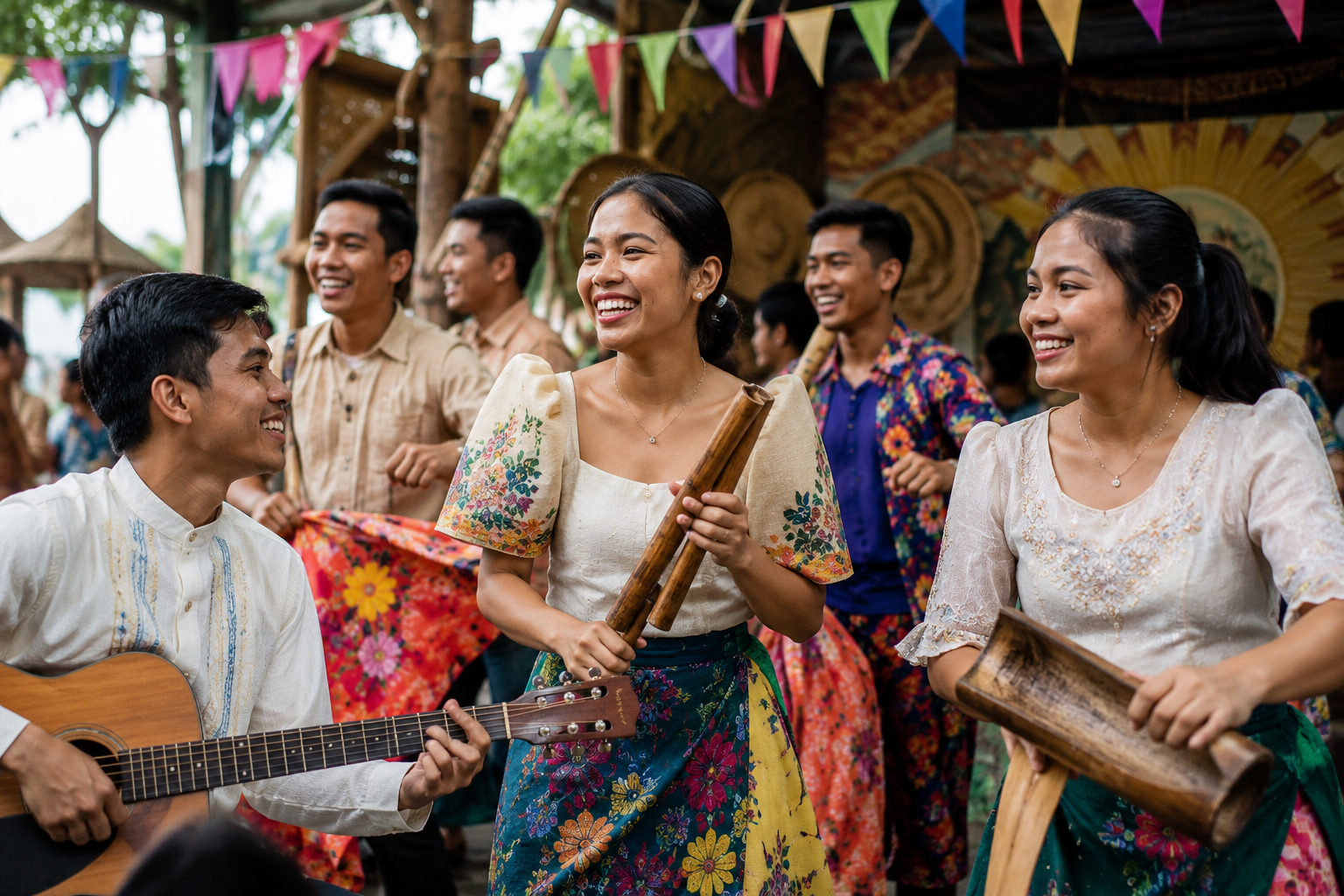
How Young Filipino Creators Are Reviving Traditional Culture Through Events
Share
May 26, 2026
6 min read
262 views
Across cities around the world in 2026, a new cultural movement is taking shape—led not by institutions or government programs, but by young Filipino creators. From pop-up markets in London and Sydney to cultural nights in Los Angeles, Dubai, and Manila, a new generation is redefining how Filipino heritage is expressed, shared, and experienced.
Through music, fashion, food, performance, and digital storytelling, these creators are reviving traditional culture in ways that feel modern, accessible, and deeply personal. What was once seen as “old-fashioned” is now becoming one of the most dynamic creative movements in the global Filipino community.
A New Generation Reclaiming Heritage
For many young Filipinos born or raised outside the Philippines, cultural identity has often been shaped by distance. But instead of drifting away from tradition, many are now actively reconnecting with it.
This revival is happening through curated events—cultural nights, art fairs, food pop-ups, music showcases, and community festivals—that blend heritage with contemporary aesthetics.
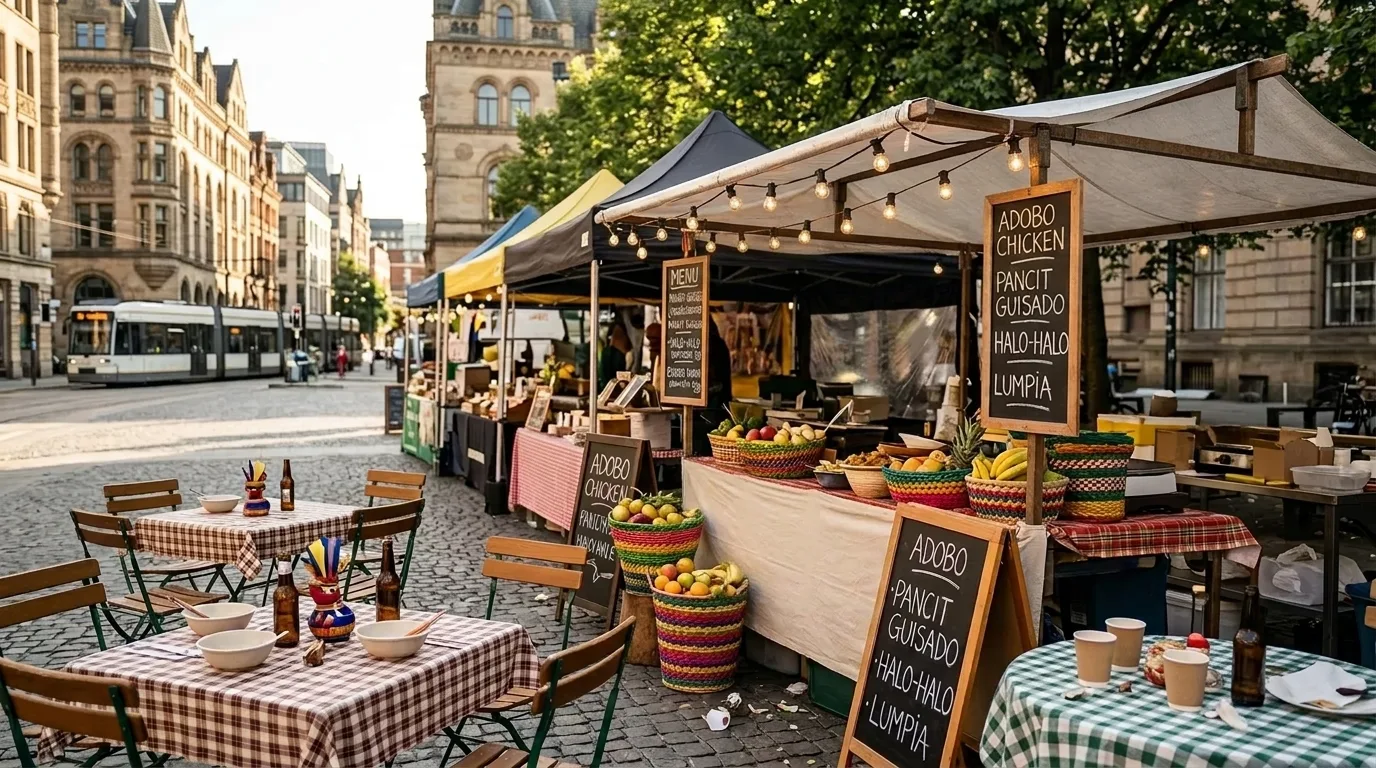
Rather than replicating traditional formats exactly, young creators are reimagining them. A folk dance might be performed alongside electronic music. A traditional dish like adobo might be served in a modern tasting menu. Indigenous weaving patterns might appear on streetwear collections and digital art installations.
This blending of old and new is making Filipino culture more visible and relevant to younger audiences globally.
Events as Cultural Storytelling Platforms
Events have become the central medium for this cultural revival.
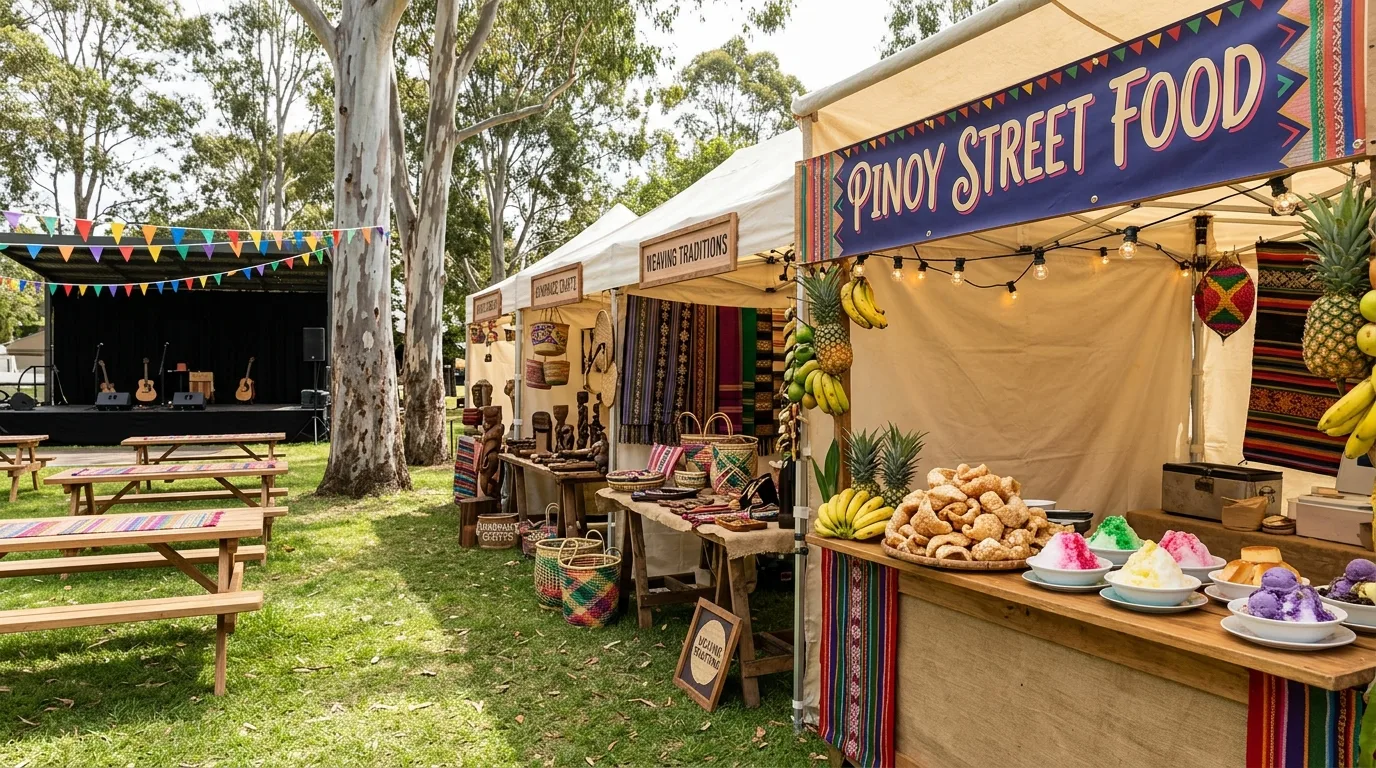
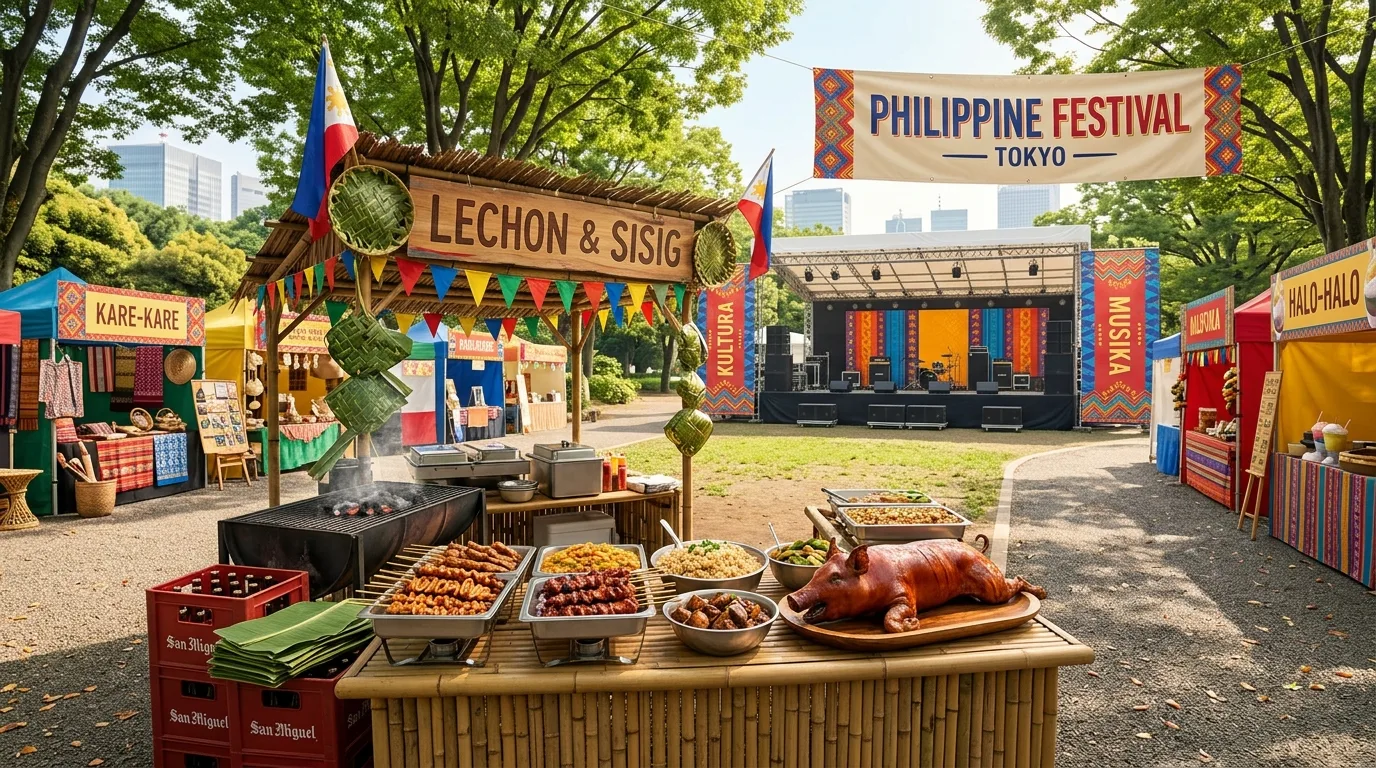
Across global cities, Filipino-led events are transforming ordinary spaces—cafés, warehouses, parks, and galleries—into immersive cultural experiences. These events are not just entertainment; they function as storytelling platforms.
A single event might include:
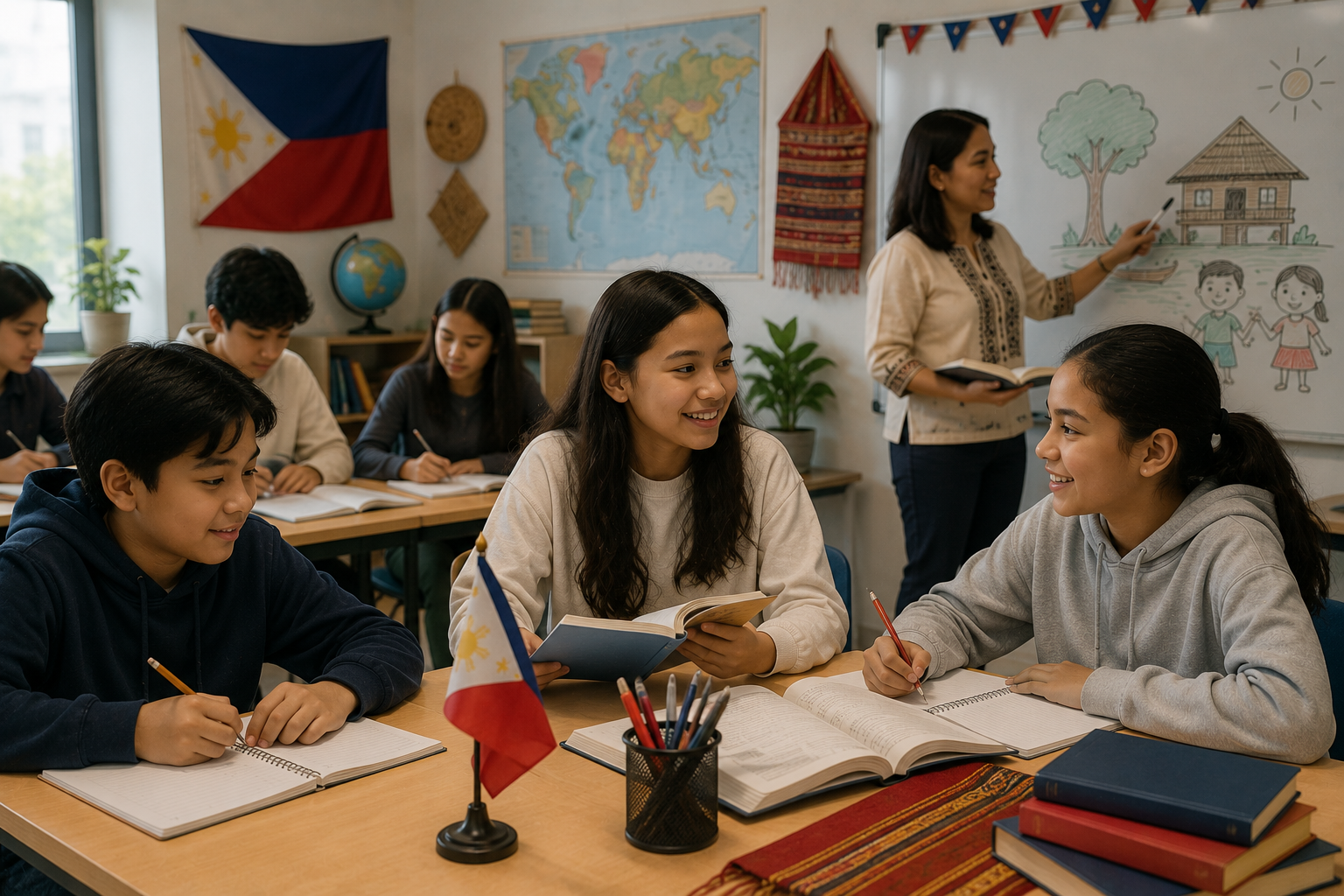
Live reinterpretations of traditional Filipino music (OPM and folk fusion) Contemporary dance performances inspired by regional rituals Interactive food stations showcasing heritage dishes Art exhibits exploring identity, migration, and memory Workshops on language, weaving, and indigenous crafts
By combining multiple art forms, these events allow attendees to experience Filipino culture in layered and engaging ways.
The Rise of Creative Filipino Communities Abroad
One of the strongest drivers of this movement is the rise of Filipino creative communities in the diaspora.
In cities like London, Toronto, Sydney, New York, and Dubai, young Filipino artists, chefs, designers, and musicians are forming collectives that collaborate on cultural programming. These groups often operate independently, relying on social media and word-of-mouth to organize events.
What makes these communities powerful is their shared goal: to preserve cultural identity while pushing creative boundaries.
Many of these creators say they were inspired by a desire to understand their roots more deeply—especially in environments where Filipino culture was previously underrepresented.
Social Media as a Cultural Amplifier
Platforms like TikTok, Instagram, and YouTube have become essential tools in this cultural revival.
Short videos of Filipino street food, traditional dances, and behind-the-scenes event preparations often go viral, attracting millions of views. This online visibility translates into real-world attendance at cultural events, turning digital engagement into physical community gatherings.
Hashtags featuring Filipino heritage, diaspora identity, and cultural pride have helped unify creators across countries, making the movement global rather than localized.
Social media has also allowed young creators to bypass traditional gatekeepers, giving them full control over how Filipino culture is presented.
Blending Tradition With Modern Creativity
A defining feature of this movement is its willingness to experiment.
Young Filipino creators are not simply preserving culture—they are transforming it into something new while respecting its roots.
Examples include:
Traditional kulintang music mixed with electronic beats Fashion shows inspired by baro’t saya and indigenous textiles Pop-up cafés serving modern interpretations of kakanin (rice-based desserts) Visual art inspired by pre-colonial mythology and folklore Spoken word performances exploring diaspora identity
This creative blending allows Filipino culture to evolve naturally while staying deeply connected to history.
Cultural Events as Community Spaces
Beyond creativity, these events are also strengthening community bonds.
For many overseas Filipinos, especially younger generations, these gatherings provide a rare space to connect with others who share similar cultural experiences.
Events often include open mic sessions, community discussions, and networking opportunities for young professionals and artists. They serve as safe spaces where identity can be openly explored without pressure to conform to mainstream cultural norms.
For some attendees, these events are their first meaningful exposure to Filipino culture outside of family settings.
Reviving Indigenous and Regional Traditions
An important aspect of this cultural revival is the renewed interest in indigenous and regional Filipino traditions.
Young creators are increasingly highlighting cultural elements from across the Philippines, including:
Indigenous weaving patterns from Mindanao and the Cordilleras Traditional Visayan and Ilocano folk songs Pre-colonial mythology and oral storytelling traditions Regional culinary practices that vary across provinces
By incorporating these elements into modern events, creators are helping preserve cultural diversity within Filipino identity itself.
Challenges Facing the Movement
Despite its growth, the movement faces challenges.
Many young creators operate independently with limited funding or institutional support. Organizing events can be costly, and sustaining momentum requires continuous collaboration and community engagement.
There is also an ongoing conversation about cultural authenticity versus creative reinterpretation. Some traditionalists worry about dilution, while younger creators argue that evolution is necessary for cultural survival.
Despite these debates, most agree that visibility and engagement are ultimately positive forces for preservation.
A Global Cultural Renaissance
What is emerging in 2026 is more than a trend—it is a cultural renaissance driven by youth.
Filipino culture is being reintroduced to the world not through formal institutions alone, but through grassroots creativity. Young creators are proving that tradition does not have to remain static; it can grow, adapt, and thrive in new environments.
From small pop-ups in diaspora communities to large-scale cultural festivals, Filipino heritage is being reshaped into something vibrant, global, and forward-looking.
Conclusion
Young Filipino creators are redefining what cultural preservation looks like in the modern world. Through events that blend tradition and innovation, they are ensuring that Filipino identity remains alive, evolving, and globally visible.
In doing so, they are not just preserving culture—they are expanding it, sharing it, and reimagining it for future generations.
And in 2026, that creative energy is turning Filipino heritage into one of the most exciting cultural movements on the global stage.
Enjoyed this story?
Share this story