Tourism Boom Brings New Opportunities to Philippine Islands and Local Communities
Share
May 30, 2026
Updated Oct 16, 2026
7 min read
281 views
MANILA, Philippines — The continued growth of tourism across the Philippines is creating new economic opportunities for island communities, generating employment, supporting local businesses, and helping transform once-overlooked destinations into thriving centers of sustainable development.
As international and domestic travel continues to recover and expand, many provinces throughout the archipelago are experiencing increased visitor arrivals. Tourism officials, business leaders, and local communities have welcomed the trend, viewing it as a catalyst for economic growth and long-term development.
The Philippines, known for its more than 7,000 islands, pristine beaches, rich biodiversity, and vibrant cultural heritage, has increasingly attracted travelers seeking authentic experiences, outdoor adventures, and unique destinations. While internationally renowned locations such as Boracay, Palawan, Cebu, and Siargao continue to draw large numbers of visitors, many travelers are now venturing beyond traditional tourism hotspots to explore emerging destinations throughout the country.
This shift has opened new opportunities for smaller communities that previously received limited tourism activity. Local governments and tourism stakeholders have responded by investing in infrastructure improvements, promoting community-based tourism initiatives, and developing programs designed to ensure that economic benefits reach residents directly.
Industry experts note that tourism serves as one of the country's most important economic sectors because of its ability to generate employment across a wide range of industries. Hotels, restaurants, transportation providers, tour operators, souvenir shops, local markets, and small enterprises all benefit from increased visitor spending.
In many island communities, tourism has become a major source of livelihood. Residents who once relied primarily on fishing, farming, or seasonal employment are now finding new opportunities as tour guides, hospitality workers, transport operators, artisans, and entrepreneurs.
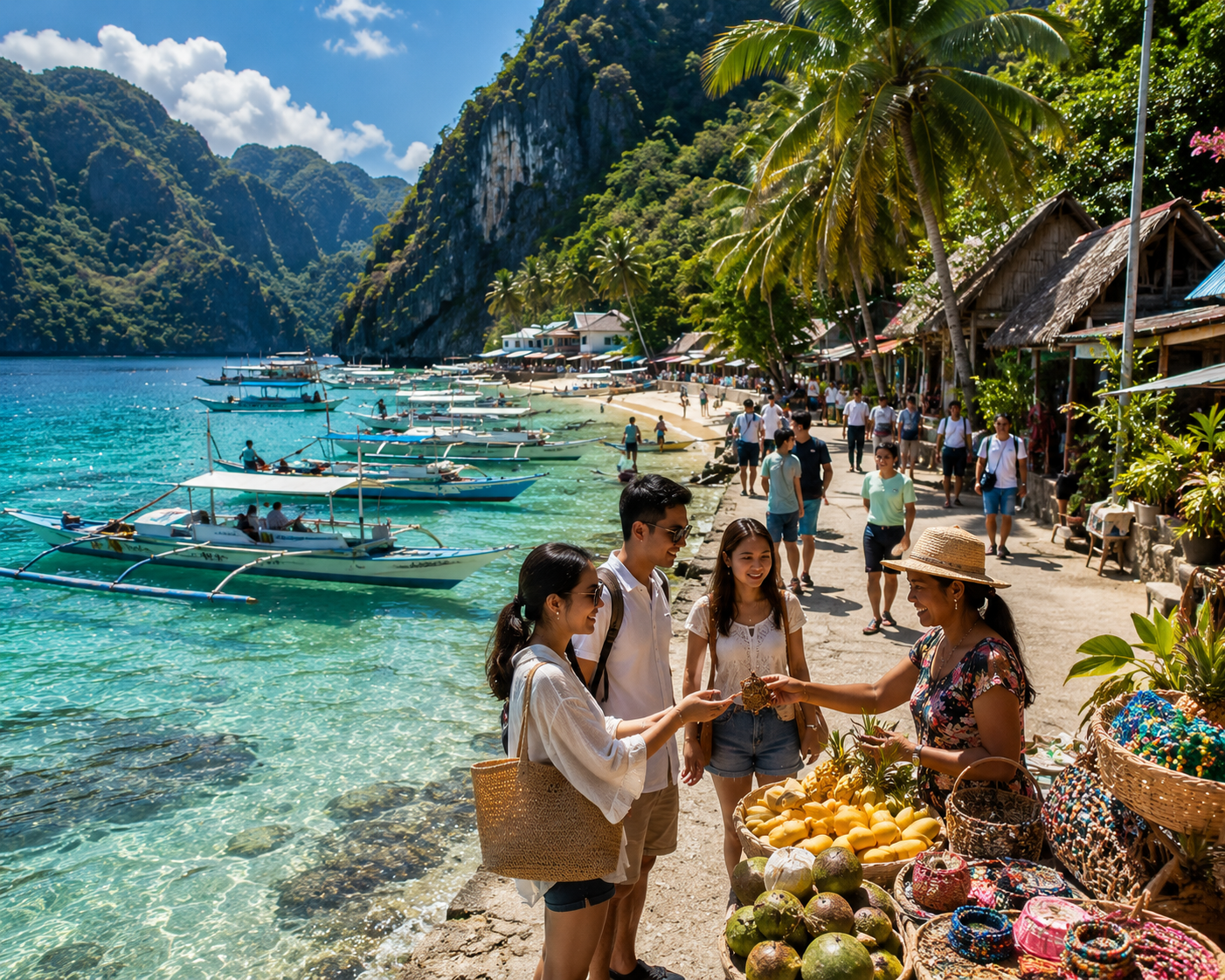
Community leaders report that the growth of tourism has encouraged many local residents to start small businesses that cater to visitors. Family-owned guesthouses, beachfront cafés, eco-tourism ventures, handicraft shops, and cultural experiences have become increasingly popular among travelers seeking authentic interactions with local communities.
The economic impact extends beyond tourism-related businesses. Increased visitor activity creates demand for locally produced goods, agricultural products, seafood, construction services, and transportation networks. As a result, the benefits of tourism often spread throughout the broader local economy.
One of the most significant developments in recent years has been the growing popularity of lesser-known island destinations. Travelers are increasingly seeking alternatives to crowded tourist areas, preferring destinations that offer natural beauty, cultural authenticity, and opportunities for meaningful engagement with local communities.
Many of these emerging destinations have embraced sustainable tourism principles aimed at balancing economic growth with environmental protection. Community leaders recognize that preserving natural resources is essential to maintaining the long-term attractiveness of their destinations.
Environmental conservation initiatives have become central components of tourism development plans in many island communities. Local governments, environmental organizations, and tourism operators are working together to protect coral reefs, marine ecosystems, mangrove forests, and wildlife habitats that attract visitors from around the world.
Several communities have introduced eco-friendly tourism practices, including waste management programs, conservation fees, visitor education campaigns, and restrictions designed to minimize environmental impacts. These measures aim to ensure that tourism growth remains sustainable for future generations.
The rise of eco-tourism has also encouraged greater appreciation for the country's natural heritage. Travelers increasingly participate in activities such as island hopping, diving, snorkeling, wildlife observation, hiking, kayaking, and conservation-focused tours that promote environmental awareness while supporting local economies.
Cultural tourism has emerged as another important driver of growth. Visitors are showing increased interest in learning about local traditions, indigenous cultures, historical sites, and regional festivals. Communities have responded by developing cultural programs that allow travelers to experience traditional music, dance, crafts, cuisine, and storytelling.
These initiatives not only generate income but also help preserve cultural traditions that might otherwise face challenges in a rapidly changing world. Community elders and cultural advocates view tourism as an opportunity to pass knowledge and traditions on to younger generations.
Technology has played a significant role in expanding tourism opportunities for remote destinations. Social media platforms, travel blogs, digital marketing campaigns, and content creators have introduced millions of potential visitors to locations that previously received little international exposure.
Images and videos showcasing hidden beaches, crystal-clear waters, scenic mountains, and unique cultural experiences have inspired travelers to explore destinations beyond the country's most famous attractions. This digital visibility has helped many communities attract visitors without relying on large-scale promotional campaigns.
Improved transportation infrastructure has further contributed to tourism growth. Investments in airports, seaports, roads, and ferry services have made island destinations more accessible to travelers. Enhanced connectivity has reduced travel times and encouraged visitors to explore a wider range of locations throughout the archipelago.
Local governments continue to work closely with national agencies and private sector partners to improve tourism facilities and visitor experiences. Efforts include upgrading public spaces, enhancing safety measures, developing tourism information centers, and expanding accommodation options.
Education and workforce development have also become priorities as communities seek to maximize tourism opportunities. Training programs focused on hospitality, customer service, language skills, tour guiding, environmental management, and entrepreneurship are helping local residents develop the skills needed to succeed in the growing tourism sector.
Many young people in island communities now view tourism as a viable career path that allows them to remain in their hometowns while pursuing meaningful employment opportunities. This trend has helped reduce migration to urban areas and contributed to stronger local economies.
Small and medium-sized enterprises have particularly benefited from tourism growth. Entrepreneurs are finding success through locally owned businesses that highlight regional products, culinary traditions, and unique visitor experiences. These enterprises often retain a greater share of tourism revenue within the community, creating a multiplier effect that supports broader economic development.
Food tourism has become an increasingly important attraction in many destinations. Travelers are eager to sample regional specialties, fresh seafood, traditional dishes, and locally sourced ingredients that reflect the culinary diversity of the Philippines. Restaurants, food markets, and culinary tours have become valuable components of the tourism experience.
Community organizations emphasize that tourism success depends not only on attracting visitors but also on ensuring that growth remains inclusive and beneficial for local residents. Many destinations are implementing community-based tourism models that encourage participation from a broad range of stakeholders.
These models allow communities to maintain greater control over tourism development while ensuring that economic benefits are distributed more equitably. Residents often participate in decision-making processes related to tourism planning, environmental protection, and cultural preservation.
Despite the positive outlook, tourism leaders acknowledge the importance of managing growth responsibly. Issues such as environmental sustainability, infrastructure capacity, resource management, and community well-being require ongoing attention to ensure that tourism development remains balanced and sustainable.
Stakeholders stress that long-term success depends on maintaining the natural beauty and cultural authenticity that attract visitors in the first place. Protecting these assets remains a top priority for communities seeking to build resilient tourism economies.
Looking ahead, industry analysts remain optimistic about the future of Philippine tourism. Continued investments in infrastructure, sustainability initiatives, digital promotion, and community development are expected to further strengthen the country's position as one of Asia's leading travel destinations.
For many island communities, the tourism boom represents more than just increased visitor arrivals. It offers opportunities to improve livelihoods, preserve cultural heritage, protect natural resources, and create a brighter future for residents.
As travelers continue to discover the extraordinary beauty and diversity of the Philippine islands, local communities are proving that tourism can be a powerful force for positive change. By embracing sustainable development, fostering innovation, and sharing their unique stories with the world, these communities are helping shape the next chapter of Philippine tourism success.
The ongoing growth of the tourism sector serves as a reminder that the country's greatest assets are not only its breathtaking landscapes but also the resilience, creativity, and hospitality of the people who call these islands home. Together, they are transforming tourism into a pathway toward prosperity, cultural preservation, and sustainable development across the archipelago.
Enjoyed this story?
Share this story