Why Filipino Cuisine Is Becoming One of the Fastest Growing Food Trends Globally
Share
May 26, 2026
5 min read
328 views
Filipino cuisine is no longer a quiet presence in the global food scene—it is rapidly becoming one of the fastest-growing culinary trends worldwide. From New York to London, Dubai to Toronto, and Sydney to Singapore, Filipino flavors are showing up on restaurant menus, food festivals, and viral social media feeds at an unprecedented rate in 2026.
Once considered an “underrated” Southeast Asian cuisine, Filipino food is now stepping into the global spotlight, driven by migration, cultural pride, social media influence, and a new generation of chefs reimagining traditional dishes for international audiences.
A Cuisine Finally Getting Its Global Moment
For decades, Filipino food remained relatively underrepresented compared to other Asian cuisines like Japanese, Thai, Korean, and Vietnamese. However, in recent years, that narrative has changed dramatically.
Dishes such as adobo, sisig, sinigang, lechon, kare-kare, and halo-halo are now appearing on international food rankings, fine-dining menus, and fusion restaurant concepts. Food critics are increasingly recognizing Filipino cuisine for its bold balance of sour, savory, sweet, and umami flavors.
In 2026, Filipino food is no longer “emerging”—it is competing on the global stage.
The Power of the Filipino Diaspora
One of the strongest forces behind this growth is the global Filipino diaspora, estimated at over 10 million people living and working abroad.
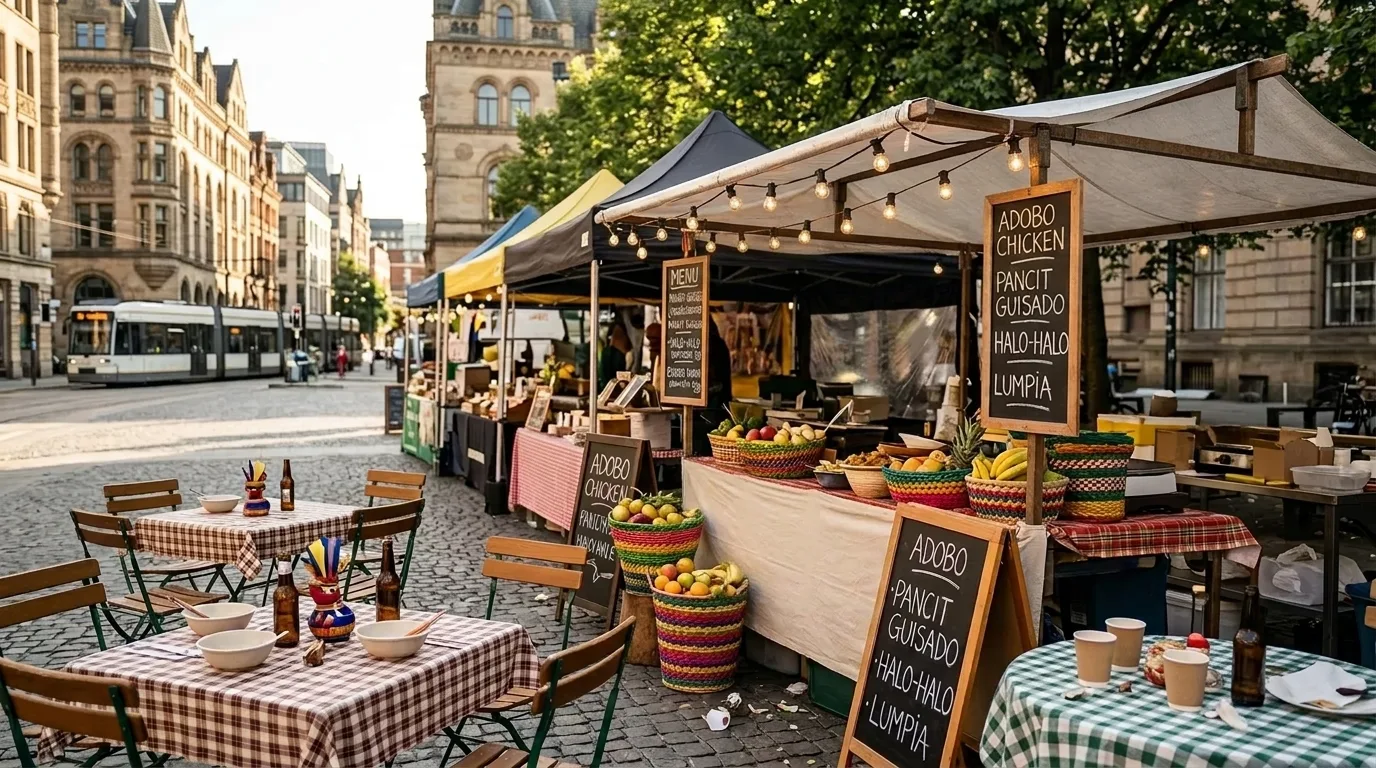
Filipino communities in countries like the United States, Canada, the United Kingdom, Saudi Arabia, the United Arab Emirates, and Australia have long preserved their culinary traditions at home and in community gatherings. Now, many of these dishes are being introduced to wider audiences through restaurants, pop-ups, and food trucks.
Cities with large Filipino populations have become early hotspots for Filipino cuisine expansion. Areas like Los Angeles, Toronto, London, and Dubai now feature growing clusters of Filipino restaurants ranging from casual eateries to modern fine dining establishments.
Social Media Turning Filipino Food Viral
Another major driver of global popularity is social media.
Platforms like TikTok, Instagram, and YouTube have played a crucial role in showcasing Filipino food to global audiences. Visually striking dishes such as:
Bright purple ube desserts Layered halo-halo Crispy, golden lechon belly Sizzling sisig served on cast iron plates Giant boodle fight platters
…have become highly shareable content, attracting millions of views and sparking curiosity among food enthusiasts worldwide.
Food influencers and travel vloggers are also increasingly highlighting Filipino cuisine as a “hidden gem” worth exploring, helping accelerate its global recognition.
A Flavor Profile That Stands Out
One reason Filipino cuisine is gaining traction is its uniquely complex flavor profile.
Unlike many cuisines that focus on one dominant taste direction, Filipino food often blends multiple flavor layers in a single dish. For example:
Adobo combines soy sauce, vinegar, garlic, and bay leaf for a salty-sour depth Sinigang delivers a bold sourness from tamarind or local fruits Kare-kare uses rich peanut sauce balanced with savory bagoong (fermented shrimp paste)
This contrast-heavy flavor system appeals to modern diners who are increasingly seeking bold, memorable food experiences.
Chefs Redefining Filipino Cuisine
A new wave of Filipino and Filipino-inspired chefs is also reshaping how the cuisine is perceived globally.
Instead of limiting themselves to traditional presentations, chefs are experimenting with:
Fine-dining versions of adobo with modern plating Fusion dishes combining Filipino and French or Japanese techniques Deconstructed desserts inspired by halo-halo and ube Elevated tasting menus showcasing regional Philippine ingredients
These innovations are helping Filipino cuisine enter spaces previously dominated by European and East Asian fine dining traditions.
Restaurant Expansion and Global Chains
The rise of Filipino cuisine is also supported by the international expansion of restaurant brands.
Fast-growing chains and independent Filipino restaurants are opening locations in major global cities, offering both traditional comfort food and modern interpretations. Casual dining concepts such as fried chicken joints, barbecue grills, and noodle houses are especially popular with younger audiences.
At the same time, Filipino bakeries and dessert cafés featuring ube cheesecakes, ensaymada, and bibingka-inspired pastries are gaining traction in multicultural neighborhoods.
Filipino Food Festivals Fueling Awareness
Food festivals dedicated to Filipino cuisine are also becoming more common worldwide.
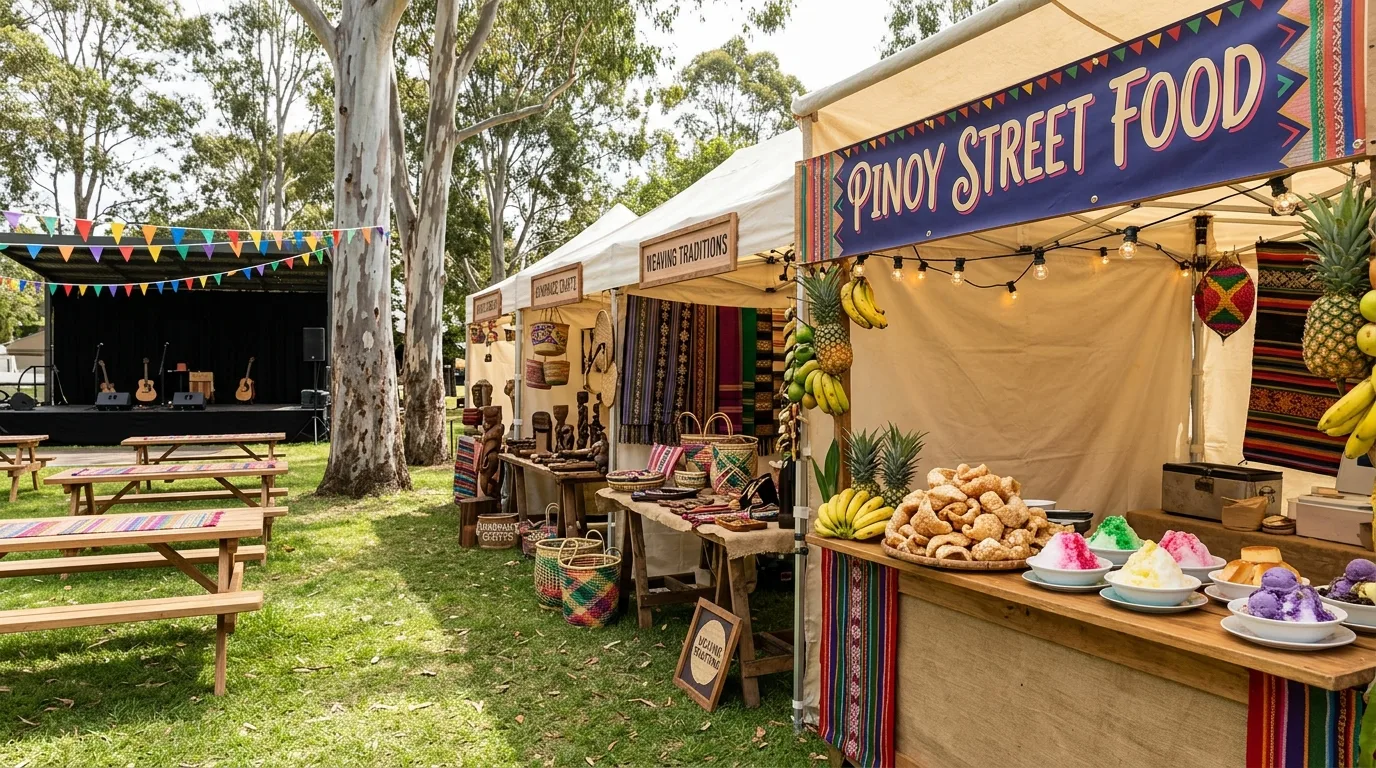
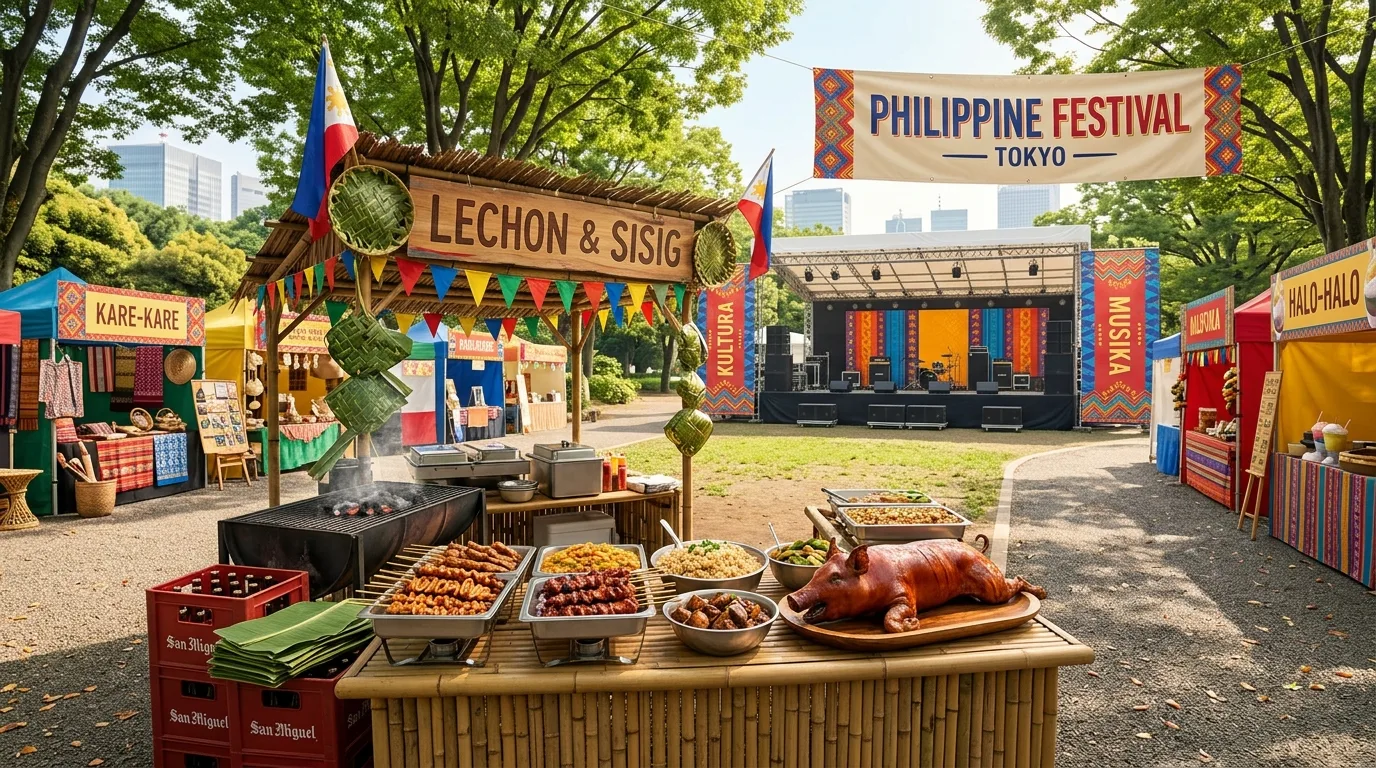
Events celebrating Filipino food culture now attract thousands of attendees, featuring live cooking demonstrations, street food vendors, cultural performances, and heritage storytelling. These festivals help introduce Filipino dishes to non-Filipino audiences in an accessible, festive environment.
For many attendees, it is their first direct exposure to Filipino flavors—often leading to increased demand for Filipino restaurants in their local cities.
The Rise of Ube: A Global Food Icon
One unexpected star of Filipino cuisine’s global rise is ube, the purple yam.
Once a staple dessert ingredient in the Philippines, ube has become a global sensation. From ube ice cream and donuts to cakes, lattes, and pastries, its vibrant color and unique taste have made it a social media favorite.
Ube’s popularity has helped introduce many people to Filipino cuisine as a whole, acting as a gateway ingredient that sparks curiosity about other traditional dishes.
Cultural Identity and Culinary Pride
Beyond trends and business growth, Filipino cuisine’s rise is deeply connected to cultural identity.
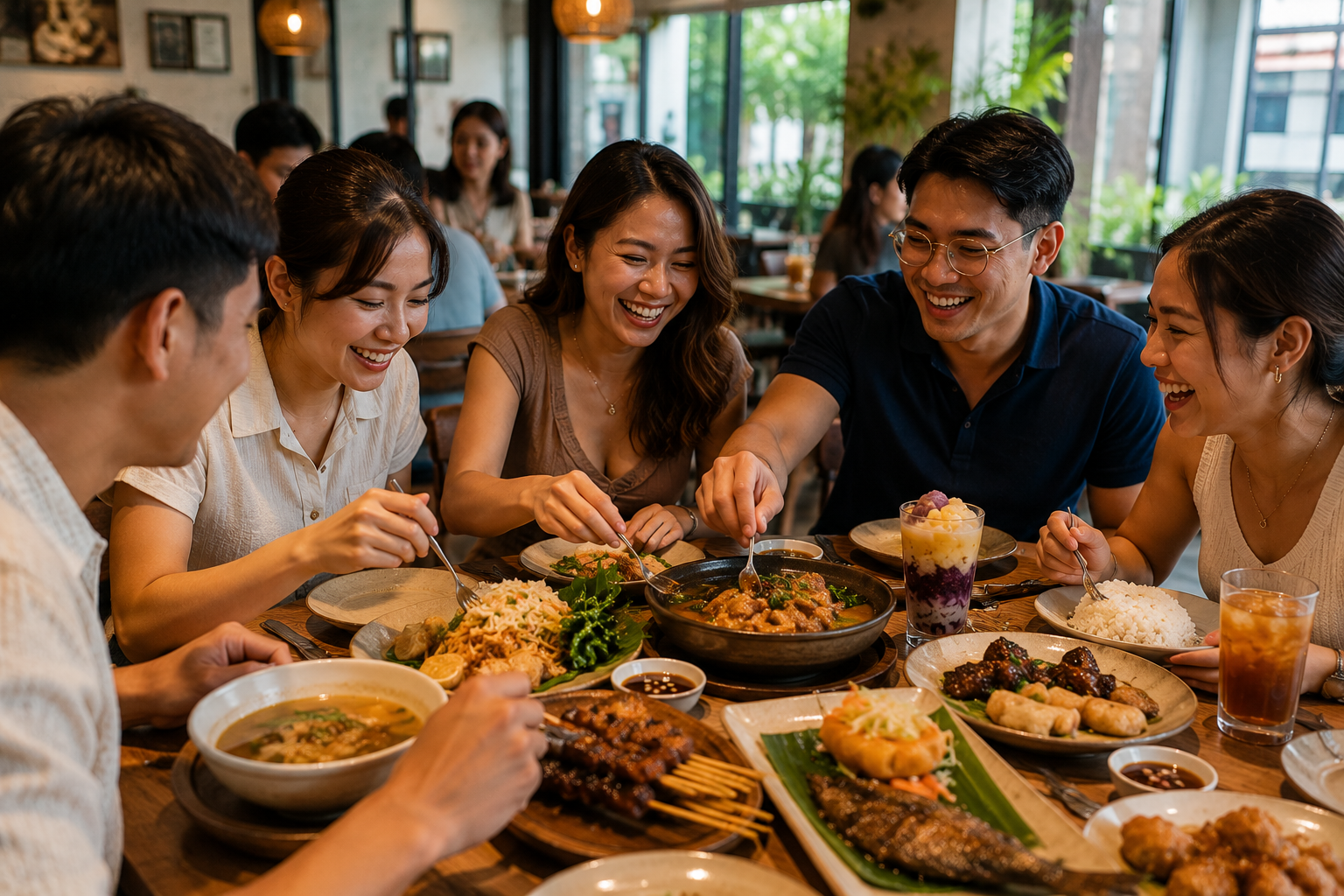
For many Filipinos abroad, food is a powerful link to heritage, family, and memory. Sharing dishes like adobo or sinigang is not just about eating—it is about storytelling and preserving identity across generations.
As younger Filipinos embrace their roots, they are increasingly proud to share their cuisine with the world, helping shift perceptions and elevate Filipino food into global consciousness.
A Cuisine on the Rise
In 2026, Filipino cuisine is no longer asking for recognition—it is earning it.
With its bold flavors, rich history, strong diaspora support, viral social media presence, and growing restaurant footprint, Filipino food is positioned as one of the most dynamic culinary movements in the world.
What was once considered “home cooking” is now becoming global cuisine.
And the world is finally paying attention.
Enjoyed this story?
Share this story